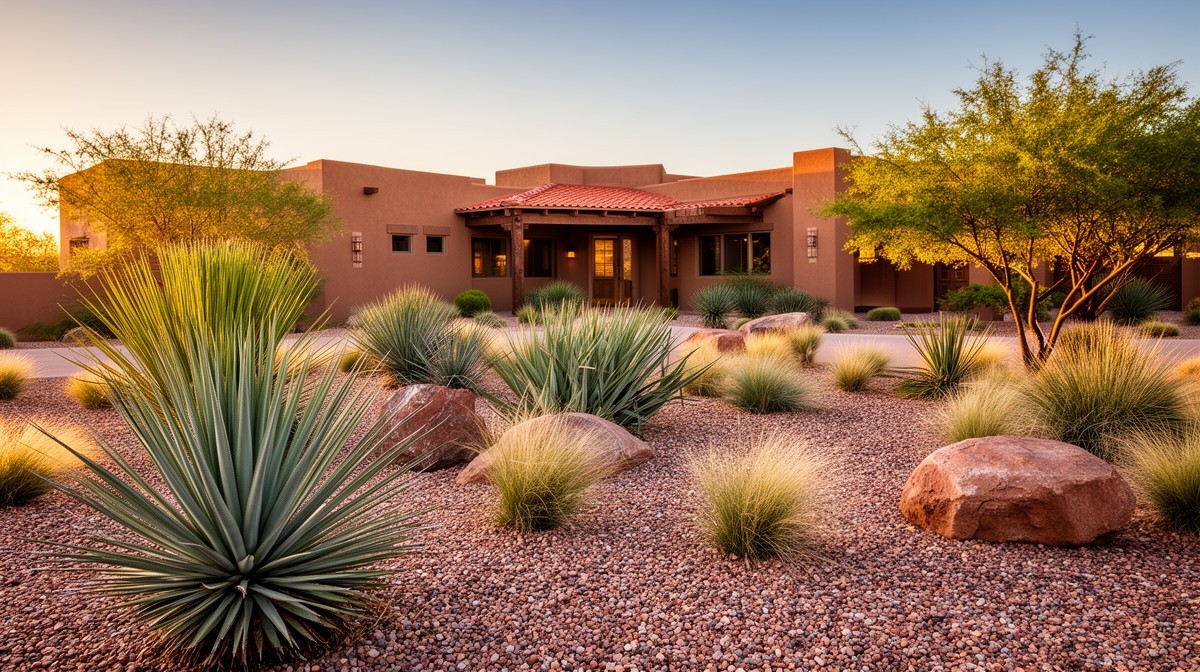
4 Desert Garden Ideas for San Angelo, TX | Zone 8a Xeriscape
Native plants from the Central-Southern US mixed grasslands (Zone 8a) — Hot semi-arid climate
For a desert garden in San Angelo, TX, a zone 8a city with a hot semi-arid climate, start with Agave havardiana, Agave parryi var. truncata and Yucca rostrata, the plants this guide's first design is built on.
Why Desert/Xeriscape Gardens in San Angelo?
San Angelo sits where the Edwards Plateau meets the Rolling Plains, and the plants that grow on its limestone and caliche are already desert plants in all but name. With about 21 inches of rain a year, July highs near 96°F and a record of 114°F, a desert garden here is less a fashion than a sensible response to the weather. A front yard of agave, yucca and prickly pear in a stone mulch looks right beside the limestone and brick ranch houses common in San Angelo, and it can drop the water bill during the long summers when the city moves into a drought stage.
January lows average 31.5°F and the record low is -4°F, which puts San Angelo in USDA Zone 8a, colder than the Sonoran Desert plants most catalogs sell. Agave americana, golden barrel cactus and most columnar cacti can freeze out. The substitutes are the plants from the Chihuahuan Desert and the Edwards Plateau: Agave havardiana, Agave neomexicana, Agave parryi var. truncata, Yucca rostrata, Opuntia cacanapa 'Ellisiana', Cylindropuntia imbricata and Echinocereus coccineus. They take the cold and still look the part.
Soil is the next factor. San Angelo's ground is typically alkaline clay loam over caliche, which suits desert plants but drains badly when it stays wet in winter. The biggest cause of death for agave and yucca here is winter wet, not cold, so plant on a mound 8–12 inches high, mix in crushed limestone or decomposed granite, and keep the crown clear of mulch. Hesperaloe parviflora 'Brakelights', Dasylirion wheeleri and Nolina texana all tolerate the pH and the clay once raised above grade.
On watering, the City of San Angelo ties its drought stages to remaining surface-water supply, and a desert garden on drip irrigation fits inside most stages. Check your deed restrictions if you live in a newer subdivision, and confirm with the city before building walls or changing drainage.
4 Desert/Xeriscape Design Ideas for San Angelo
AI-generated image
The Agave and Gravel Front Yard
$10–24/sqftA single-story brick ranch loses its St. Augustine to a swath of crushed limestone, with a meandering flagstone path to the front door. Agave havardiana and Agave parryi var. truncata sit in clusters of three, Yucca rostrata rises behind them, and Hesperaloe parviflora 'Brakelights' throws coral flower stalks above everything in summer. The bed faces south and gets full sun from noon on.
Try this on your yard: The Agave and Gravel Front YardAI-generated image
The Prickly Pear Courtyard
$18–36/sqftA gated courtyard gets a poured patio and a mounded center bed planted with spineless Opuntia cacanapa 'Ellisiana', Cylindropuntia imbricata and Echinocereus coccineus for spring flowers. A single Chilopsis linearis 'Bubba' desert willow gives lavender blooms and light shade over a metal bench. The courtyard wall reflects heat, so stick with plants that like it hot.
Try this on your yard: The Prickly Pear CourtyardAI-generated image
The Dry Creek Bed Backyard
$14–30/sqftA backyard sloping toward the back fence gets a winding dry creek of river rock to carry rain off the lot. Muhlenbergia capillaris 'Regal Mist' plants line the banks, Salvia greggii 'Furman's Red' and Berlandiera lyrata fill the gaps, and a Quercus fusiformis (Texas live oak) holds the high corner. The creek bed looks natural and handles the occasional 2-inch downpour that runs across West Texas yards.
Try this on your yard: The Dry Creek Bed BackyardAI-generated image
The Hill Country Rock Garden
$16–34/sqftA raised rock garden at the corner of a lot is built from a pile of limestone boulders and filled with plants from the Edwards Plateau: Agave neomexicana, Nolina lindheimeriana, Euphorbia antisyphilitica and Yucca pallida. Gaps are filled with Salvia farinacea 'Henry Duelberg' for blue spikes in summer. The whole bed drains fast, which is what these plants need.
Try this on your yard: The Hill Country Rock GardenSee how a desert/xeriscape garden looks on YOUR property
Upload a photo of your San Angelo yard and visualize your dream garden in seconds.
Try ProScapeAI Free

AI-generated image
Featured Trees & Shrubs for Desert/Xeriscape Gardens
Browse all 153 plants for San Angelo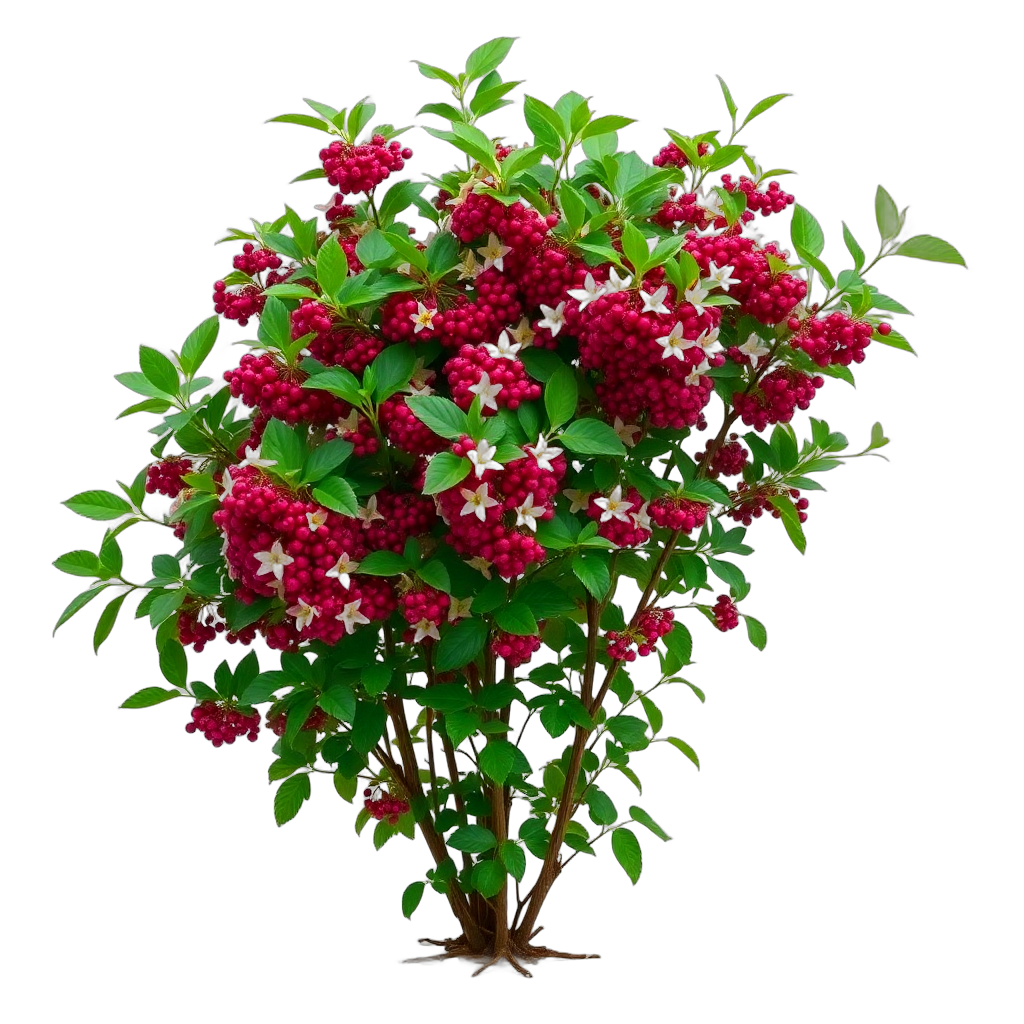
Clove Currant
Ribes odoratum
grows to 6 feet, yellow blooms in spring. Attracts hummingbirds.
Featured Grasses & Groundcovers for Desert/Xeriscape Gardens

Sideoats Grama
Bouteloua curtipendula
low-growing ground cover, purple blooms in summer. Yellow fall color.
Featured Flowers & Perennials for Desert/Xeriscape Gardens
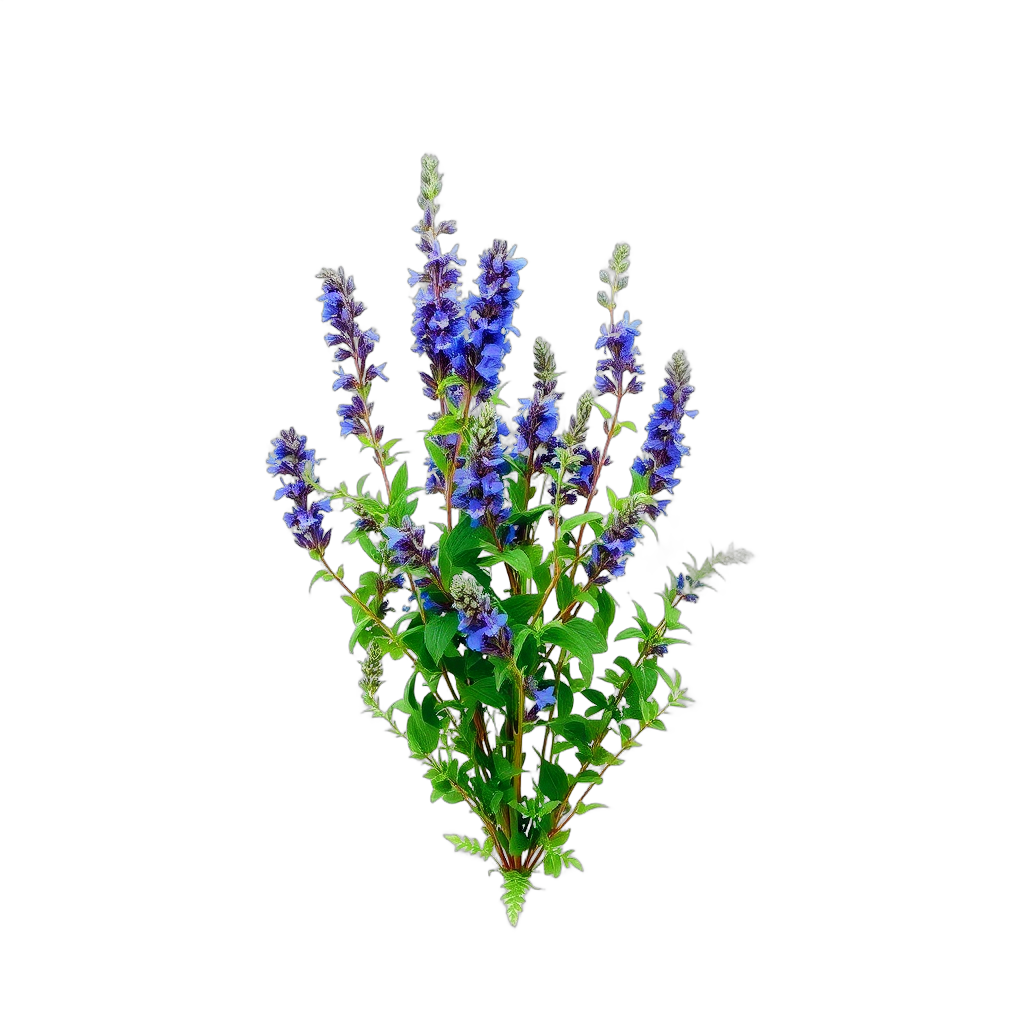
Azure Sage
Salvia azurea
grows to 4 feet, blue blooms in fall. Attracts hummingbirds.

Water Lettuce
Pistia stratiotes
low-growing ground cover, white blooms in summer. Evergreen year-round.
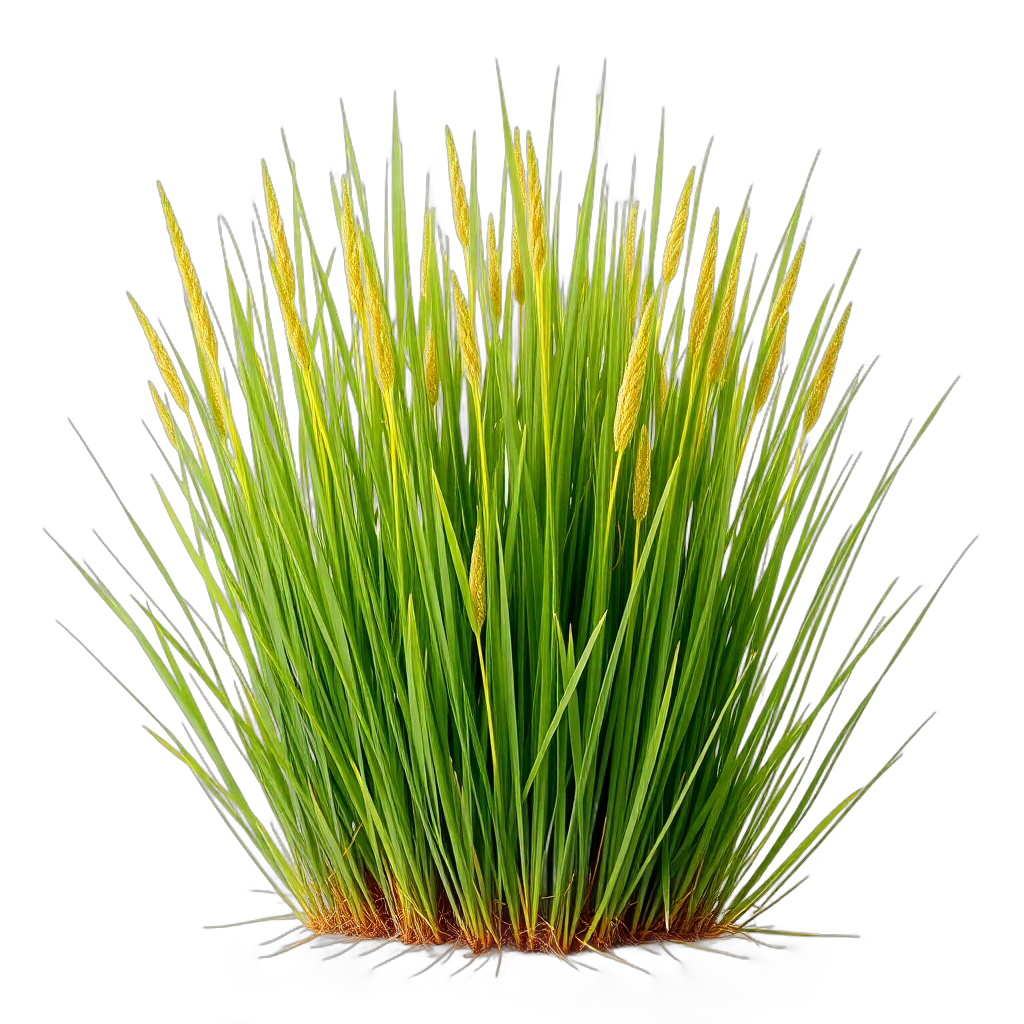
Bowles' Golden Sedge
Carex elata 'Aurea'
low-growing ground cover, blooms in none.

Tussock Sedge
Carex stricta
low-growing ground cover, blooms in spring. Brown fall color.
Zone and sun checks come from our database — confirm with your local nursery before you buy.
Bloom Calendar for San Angelo
spring
Clove Currant, Tussock Sedge, Austrian Speedwellsummer
Sideoats Grama, Water Lettuce, Umbrella Sedgefall
Azure Sage, Autumn Snakerootwinter
Limited bloomsDesign Tips for San Angelo (Zone 8a)
- Mound every agave and yucca bed 8–12 inches: San Angelo's winter wet and caliche rot more plants than cold does
- Choose Agave havardiana, Agave neomexicana and Agave parryi var. truncata over Agave americana: the -4°F record low will burn the big blue century plant
- Use spineless Opuntia cacanapa 'Ellisiana' near paths and Cylindropuntia imbricata where nobody walks
- Mulch with 2–3 inches of crushed limestone and keep it off the crowns: it matches the local rock and reflects heat away from the plants
- Plant Chilopsis linearis 'Bubba' on the west side for shade against 96°F July afternoons
- Water new plants every week or two through the first summer, then taper: after that drip once or twice a month is plenty
- Add Salvia greggii 'Furman's Red' and Berlandiera lyrata for color: they bloom through the heat and give the desert palette a softer edge
Where to Source Plants in San Angelo
Skip the big-box stores. These independent San Angelo nurseries specialize in the plants that make desert/xeriscape gardens thrive in Zone 8a.
Concho Natives
Abernathy Road, northwest San Angelo
Family-owned nursery growing native and adaptable plants for West Texas landscapes, with landscape design consultations; retail days are Fridays and Saturdays, weather permitting
Olive's Nursery
Sherwood Way
Local garden center with shrubs, trees and flowering plants suited to West Texas, plus organic lawn and garden products
Farmer's Daughter Landscape & Garden Center
South Bryant Boulevard
Garden center and landscape contractor with plants, cast stone, fountains, pottery and garden supplies, plus design and installation of patios, arbors and irrigation
Desert/Xeriscape Landscaping Cost Ranges
| Project Scope | Estimated Cost |
|---|---|
| Flagstone path (80–120 sqft) | $2,400–$4,500 |
| Drip irrigation system (500 sqft of planted area) | $1,200–$2,200 |
| Block fire pit, stacked block, capped (1 fire pit) | $580–$770 |
| AI visualization (ProScapeAI) | Free to start |
National average installed ranges for 2026 from our landscaping price list (Homewyse and other published sources). Prices in San Angelo, TX vary with site, materials and contractor, so get two or three local quotes.
San Angelo Climate & Growing Zone
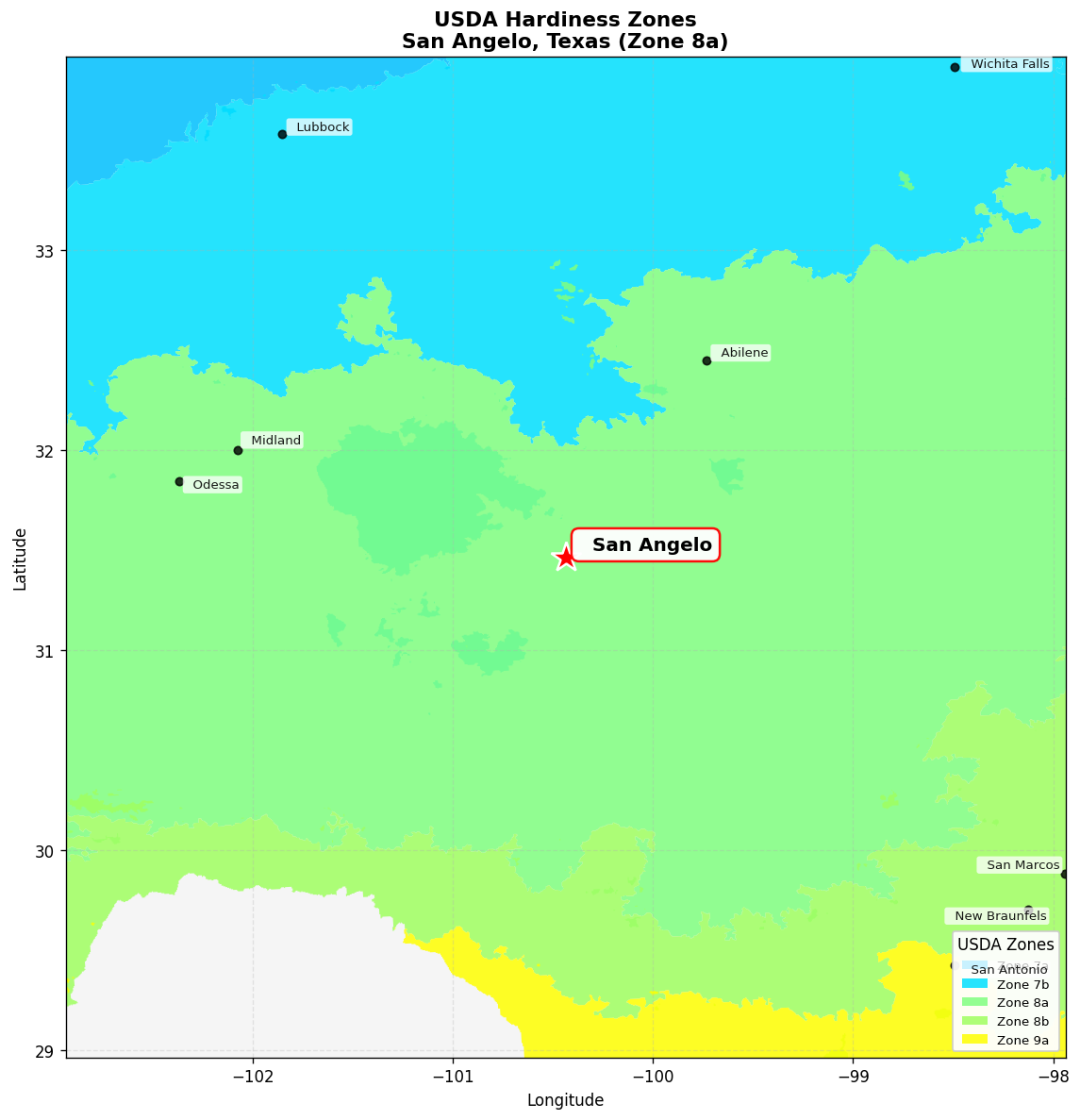
USDA Zone 8a
Hardiness zone for San Angelo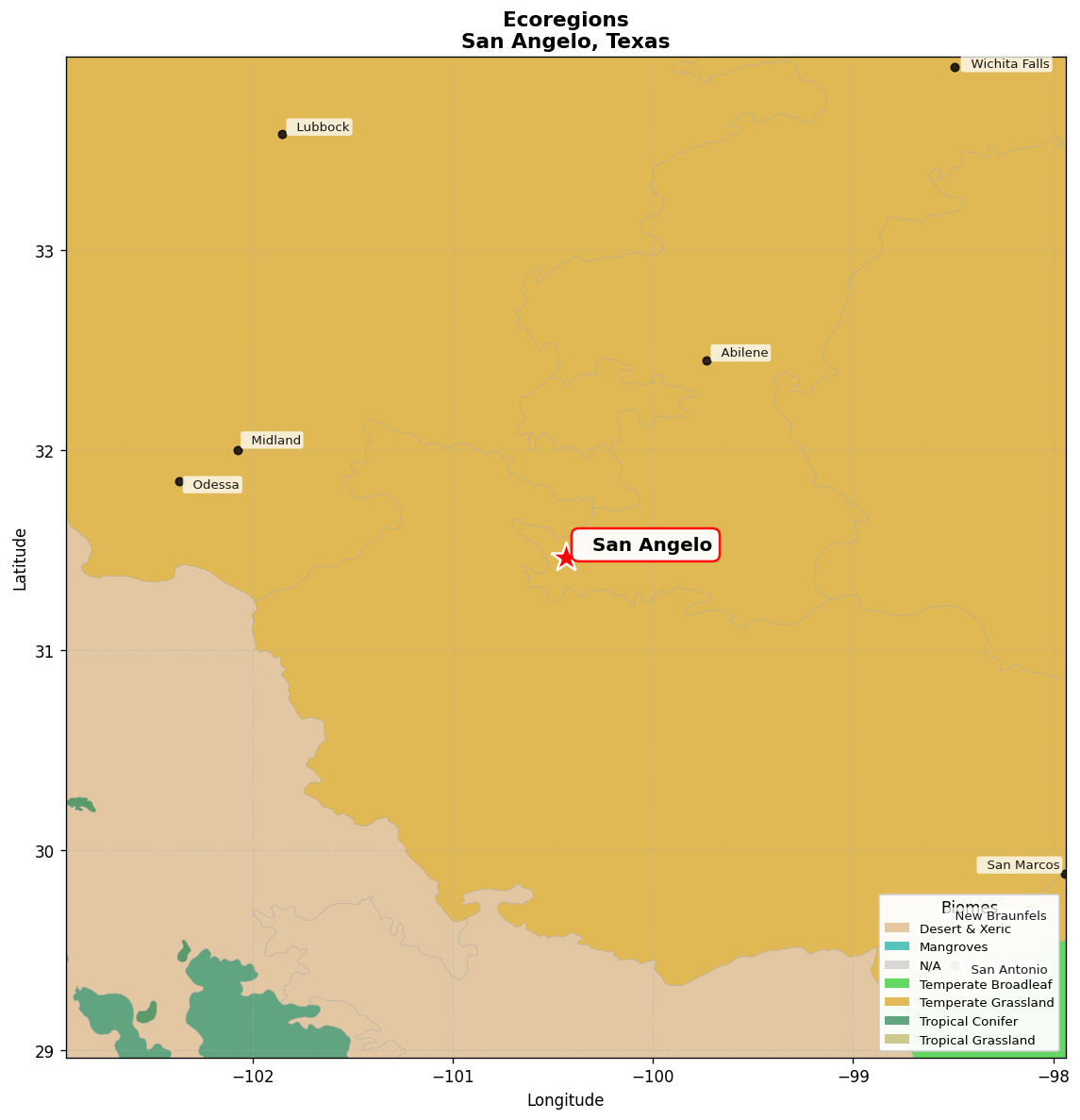
Central-Southern US mixed grasslands
Native ecoregionFrequently Asked Questions
How much does a desert garden cost in San Angelo, TX?
Prices depend on the contractor, quarry distance and size of the plants. Buy one-gallon yuccas and agaves if you are planting yourself, as they establish faster than big specimens. Prices vary with site, size and finishes, so get two or three local quotes.
Is a desert garden low maintenance in San Angelo?
Yes, once established. With about 21 inches of rain a year, drip irrigation on a timer is usually all the plants need. Hand-pull weeds from the gravel in spring, cut back dead flower stalks of Hesperaloe in fall and clean leaves out of the agave rosettes. Wear long sleeves and gloves around Agave parryi and Yucca rostrata, because the tips are sharp.
When is the best time to plant a desert garden in San Angelo?
Fall from late September through November gives roots time to grow through the mild winter. Early spring after the last frost also works. Avoid July and August, when highs average around 96°F, and avoid planting right before a hard freeze. Water new plants every week or two for the first summer, then taper off.
Do I need a permit or HOA approval in San Angelo?
Planting alone usually needs no permit, but retaining walls, fences, drainage changes and some irrigation work might, so confirm with the City of San Angelo first. Newer subdivisions often have deed restrictions on front-yard turf and landscaping, so check yours. The city's Water Conservation and Drought Contingency Plan also limits irrigation by drought stage.
What desert plants survive San Angelo's winters?
Agave havardiana, Agave neomexicana, Agave parryi var. truncata, Yucca rostrata, Hesperaloe parviflora 'Brakelights', Opuntia cacanapa 'Ellisiana', Cylindropuntia imbricata and Dasylirion wheeleri all handle the -4°F record low if drainage is good. Agave americana, golden barrel cactus and columnar cacti are risky and can freeze out. Use the hardier names above instead.
Why do my agave and yucca rot in San Angelo even though it is dry?
Winter wet is the cause, not cold. San Angelo's clay loam over caliche holds water around the crowns during cool, damp spells, and rot sets in. Plant on a mound 8–12 inches high, mix in crushed limestone, and keep the crown above grade with gravel mulch pulled back from the base.