4 Cottage Garden Ideas for San Antonio
Native plants from the Texas blackland prairies (Zone 9a) — Humid subtropical climate
Why Cottage/English Gardens in San Antonio?
San Antonio and the English cottage garden have a complicated but rewarding relationship. Traditional cottage gardens were born in the cool, rainy British countryside — and San Antonio's summers are a different world entirely: regularly hitting 100°F+ from June through September, limestone and caliche soil that drains fast and runs alkaline, and SAWS water restrictions that make open-ended irrigation a non-starter. That's the honest truth. But here's what's also true: San Antonio has one of the most spectacular cottage garden seasons in the country, and it's called spring (March through May). When the rest of the country is still waiting for the last frost, San Antonio's cottage gardens are already exploding with roses, foxgloves, larkspur, and poppies in full bloom.
The city's Monte Vista and King William historic districts tell this story in real terms — their Victorian and Craftsman homes are surrounded by exactly the kind of lush, billowing cottage plantings that look like they were lifted from the English countryside. The secret is that their gardeners work with the calendar rather than against it: plant in fall, glory in spring, and let the garden shift into a heat-tolerant holding pattern through summer. Antique roses are the definitive San Antonio cottage plant. Texas has a deep heritage with old garden rose varieties — 'Cecile Brunner', 'Mutabilis', 'Old Blush', and 'Climbing Sombreuil' are proven performers that survive San Antonio's summers without constant coddling, bloom spring and fall, and bring genuine Victorian cottage character to any design.
The soil challenge is real but manageable. San Antonio's limestone-heavy caliche resists root penetration and alkalizes the pH, so amending beds deeply with compost and native soil before planting is not optional — it's the foundation of anything that survives. SAWS water restrictions mean cottage gardens here run on drip irrigation timed to allowed days, not the free-flowing overhead watering that British gardeners take for granted. Set it up properly from the start and the water budget is manageable. The reward is a spring season so good that visitors genuinely mistake it for the English countryside — and a city with the architectural heritage and historic neighborhoods to match.
4 Cottage/English Design Ideas for San Antonio
AI-generated image
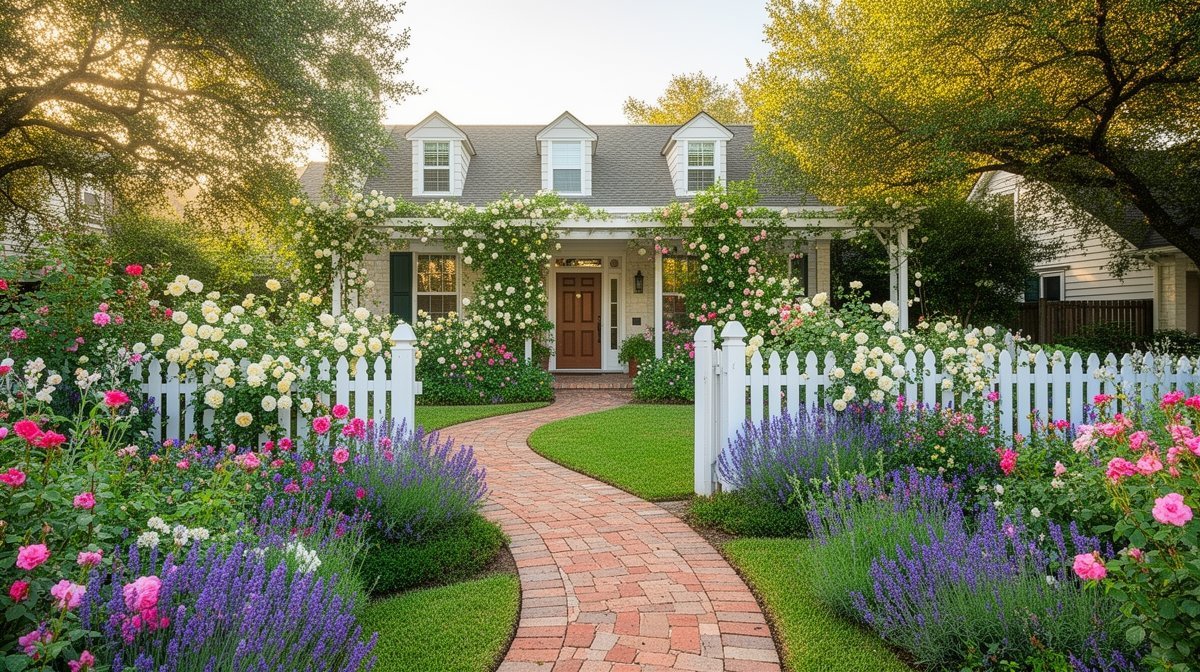
The White Rose Arbor and Lavender Gate
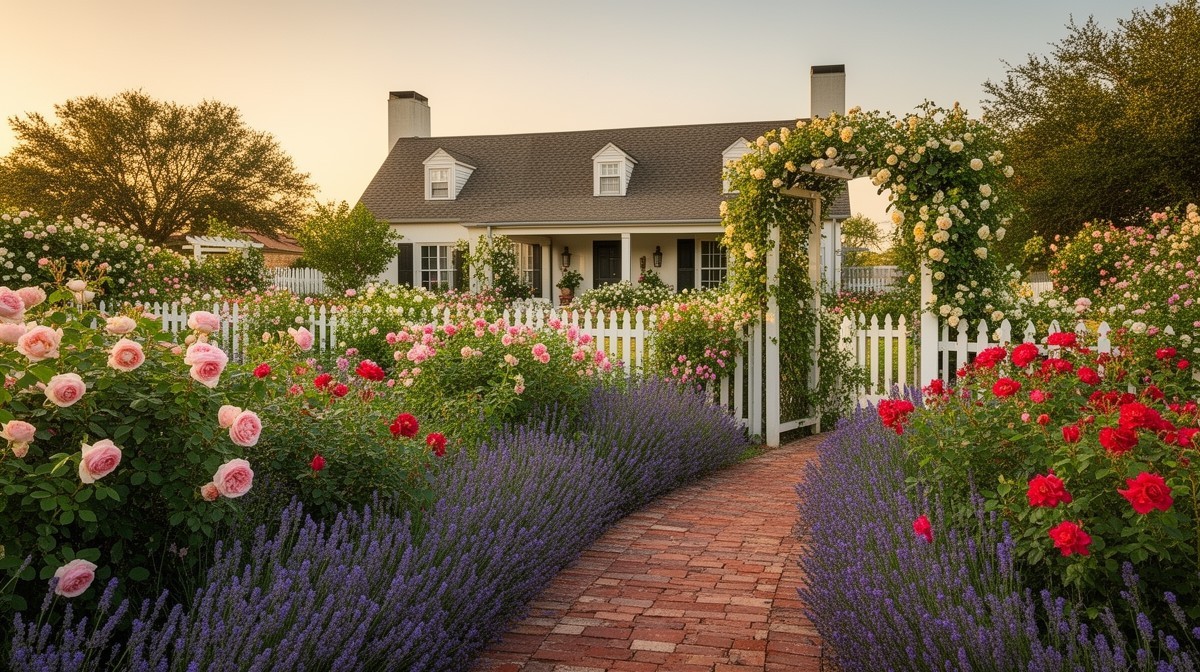
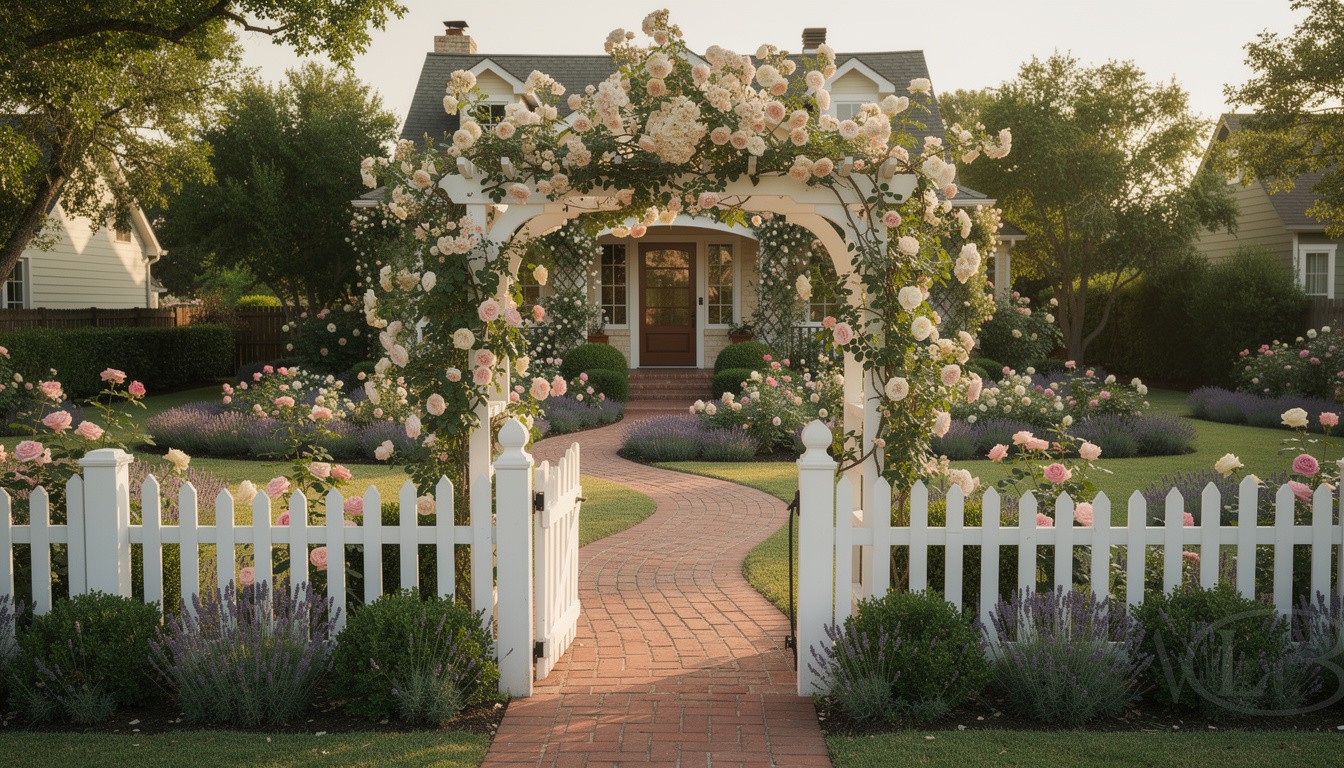
$12–22/sqftA white picket fence with a rose-covered arbor gate frames a brick pathway to the front door of a San Antonio cottage. White and pale pink climbing roses drape the wooden arch in full bloom, and lavender borders flank the path symmetrically on both sides with the fence interior planted in flowering shrubs. San Antonio's limestone-influenced soils and long warm spring season from February through May give this classic cottage composition its strongest performance: lavender thrives in excellent drainage, antique roses perform without spray programs, and the entire composition peaks simultaneously in that golden spring window.
AI-generated image
The Cottage Arch and Colorful Perennial Walk
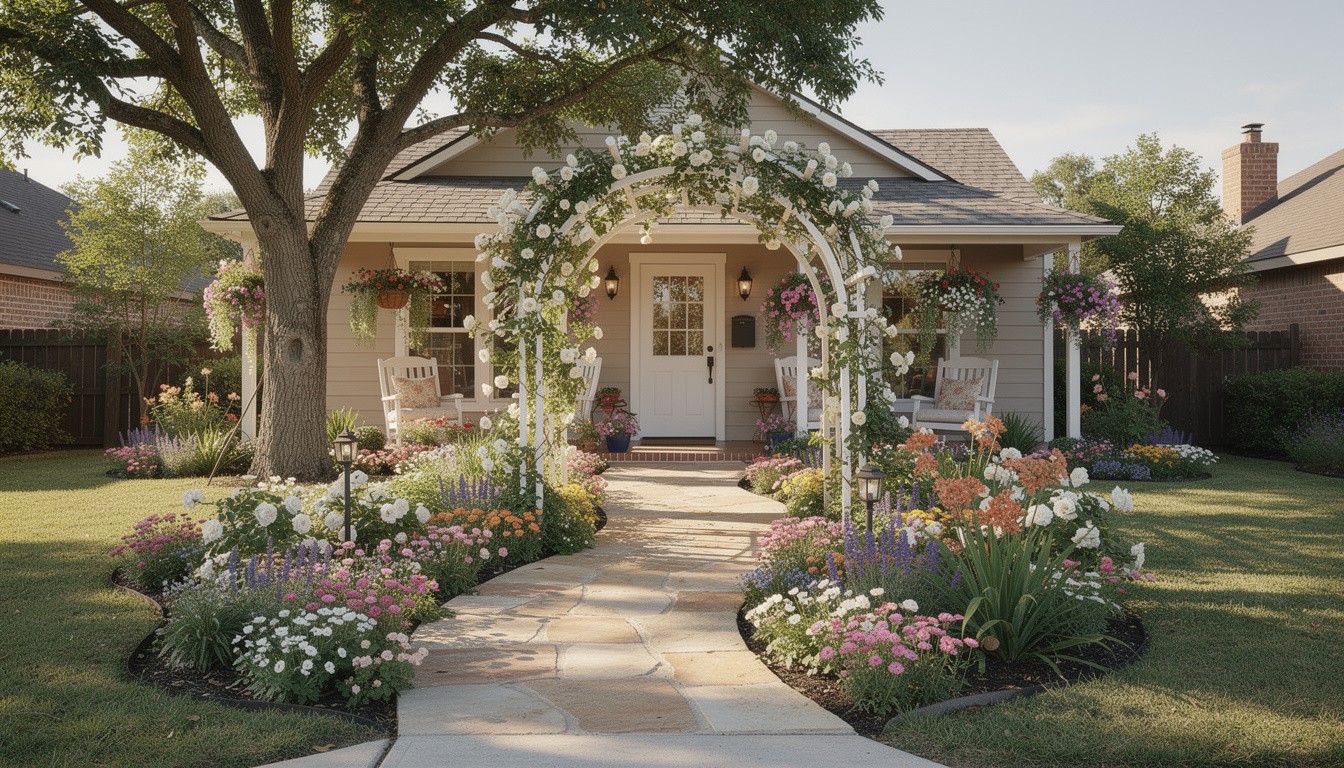
$13–24/sqftA white rose arch frames the front entry of a craftsman cottage, wrapped in white climbing roses at full spring bloom. Mixed perennial borders run the full length of the front walk with daisies, foxgloves, lavender, and bright-colored annuals in an exuberant informal display. A mature shade tree anchors one side of the yard and hanging flower baskets add color to the covered porch. San Antonio's tropical-influenced climate allows a wider palette of flowering plants than the DFW Metroplex — the warmer winters mean more tender perennials survive, and the result is a cottage garden that can feel genuinely lush in both spring and fall.
AI-generated image
The Garden Path and Rose Arch Backyard
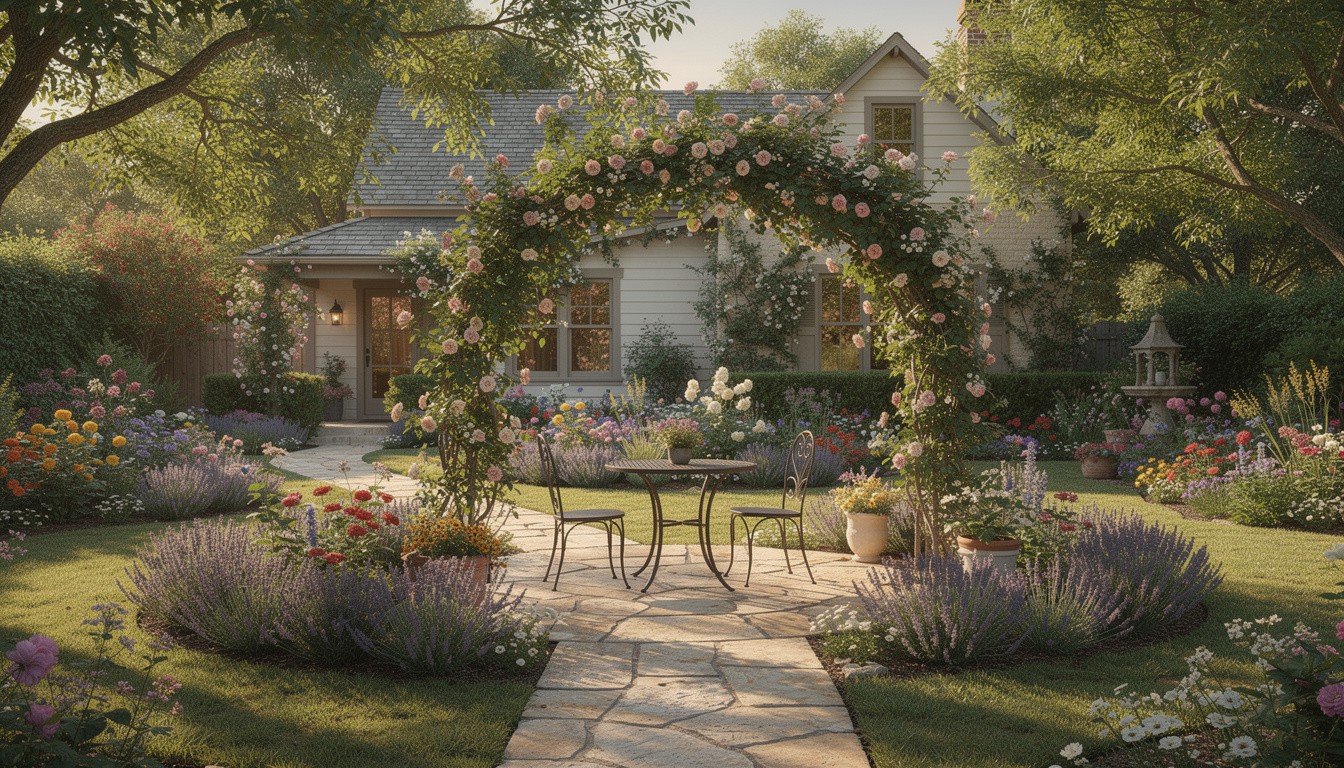
$16–30/sqftA white climbing rose arch frames the entrance to a serene backyard garden room where a small bistro table sits on a flagstone patio surrounded by roses, lavender, foxgloves, and cottage perennials. The garden is enclosed by lush plantings on three sides with a lawn panel providing an open green foreground. Mature trees overhead filter the afternoon light to a warm golden tone. San Antonio's climate delivers genuinely pleasant outdoor conditions from September through May — a long outdoor season that this design exploits fully with a sheltered cottage room that feels distinct from the wider yard.
AI-generated image
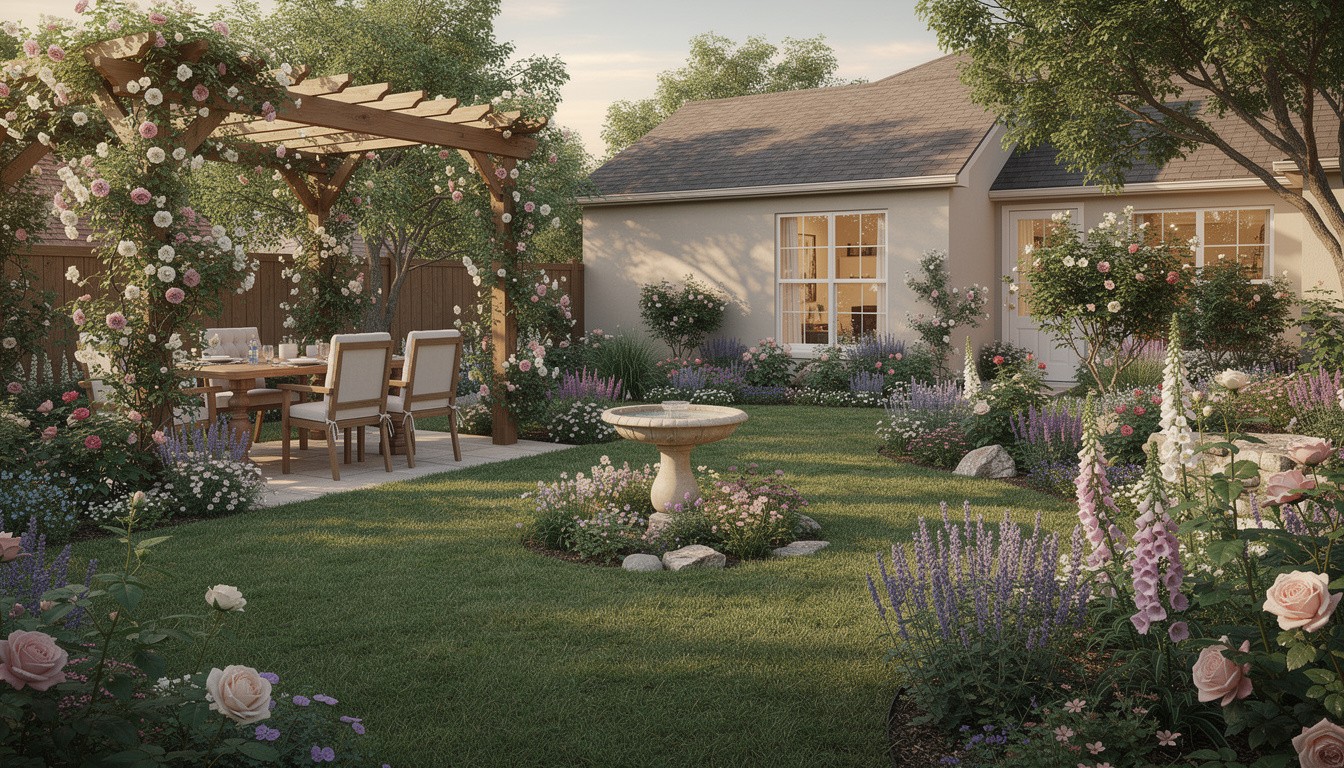
The Pergola and Bird Bath Rose Garden
$20–45/sqftA cedar pergola covered in climbing roses shelters a dining area at the rear of a San Antonio cottage garden, while a round stone bird bath anchors a circular island bed at the center of a well-maintained lawn. Mixed cottage borders of roses, lavender, and foxgloves frame the space on all sides. The San Antonio climate makes this kind of full backyard cottage garden particularly successful — the warmth encourages repeat-blooming roses to cycle through multiple flushes from March through November, and the pergola's climbing rose coverage builds over two to three seasons into the lush, overgrown look that defines the style.
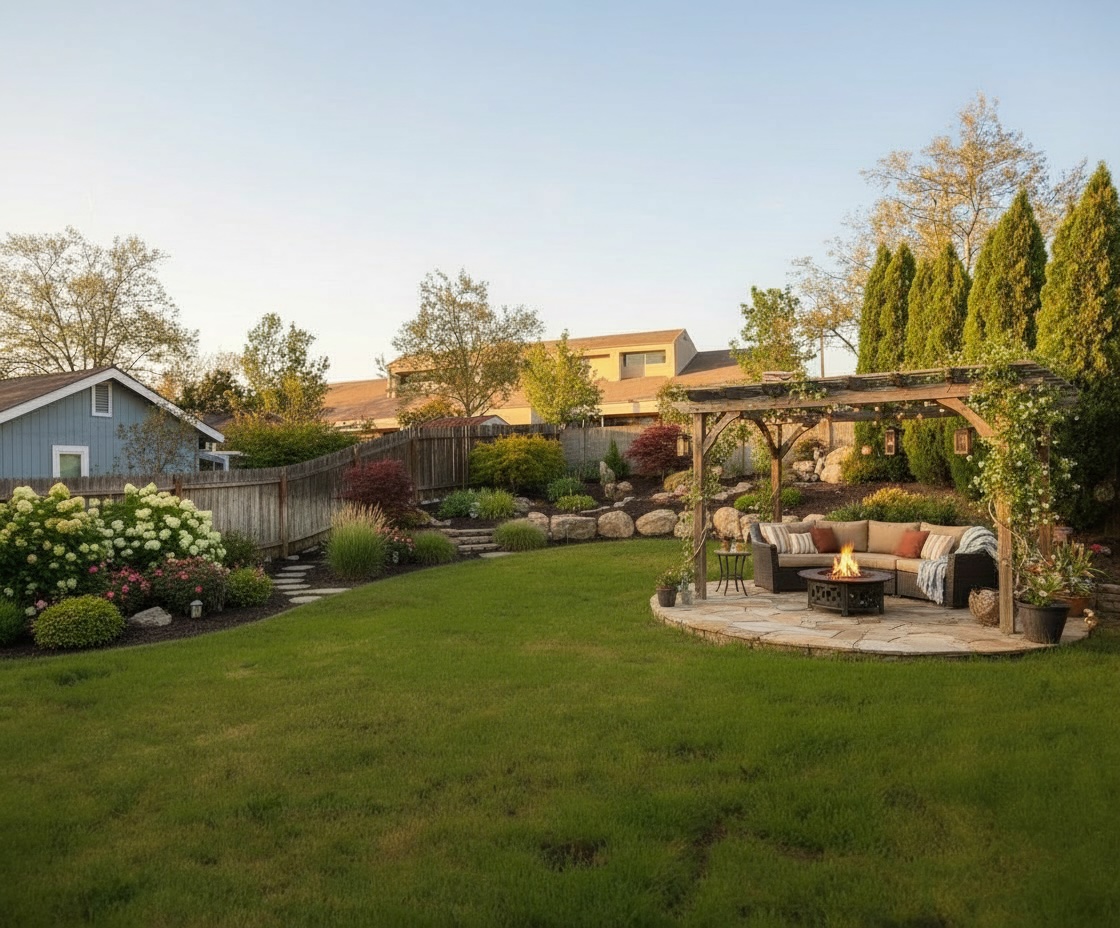
See how a cottage/english garden looks on YOUR property
Upload a photo of your San Antonio yard and visualize your dream garden in seconds.
Try ProScapeAI Free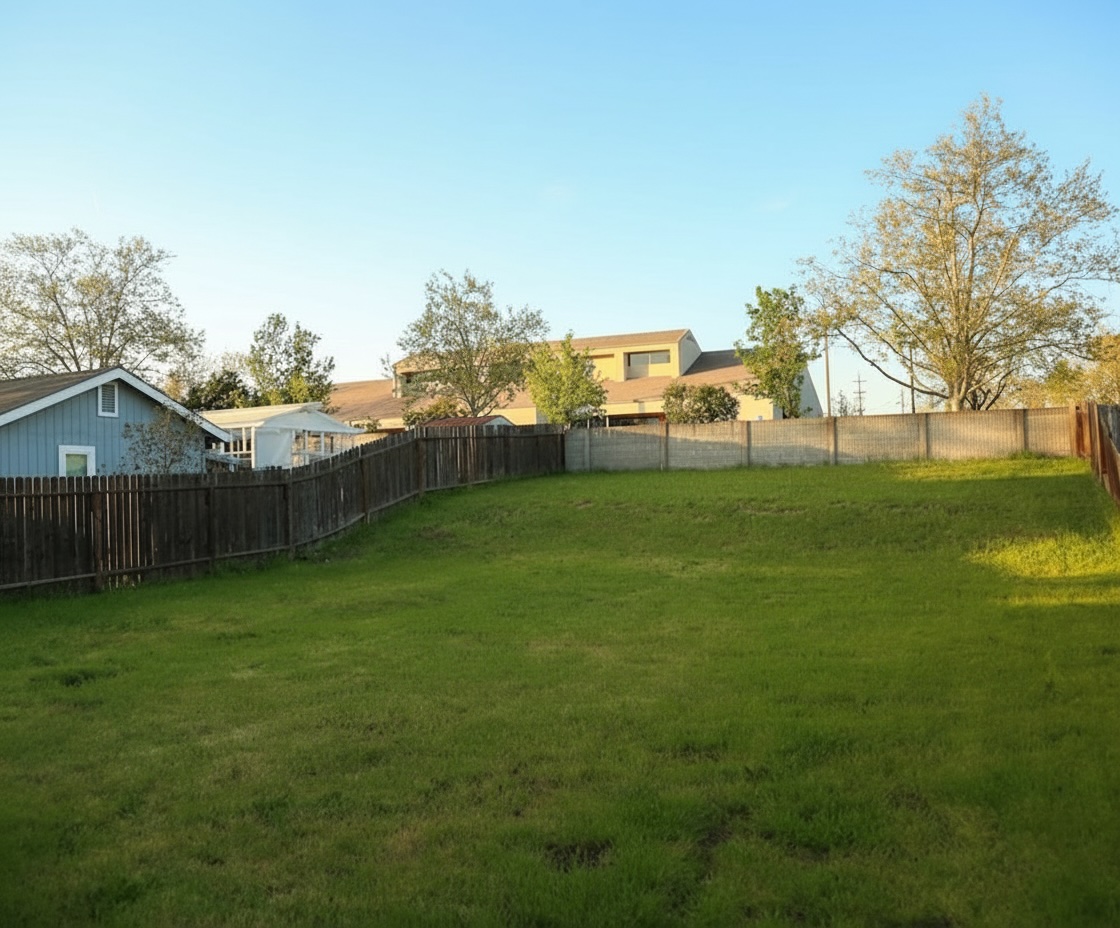
AI-generated image
Featured Trees & Shrubs for Cottage/English Gardens
Browse all 158 plants for San Antonio
Texas Mountain Laurel
Sophora secundiflora
medium-sized at 12 feet, purple blooms in spring. Evergreen year-round.

Cedar Elm
Ulmus crassifolia
large shade tree reaching 60+ feet, blooms in fall. Yellow fall color.
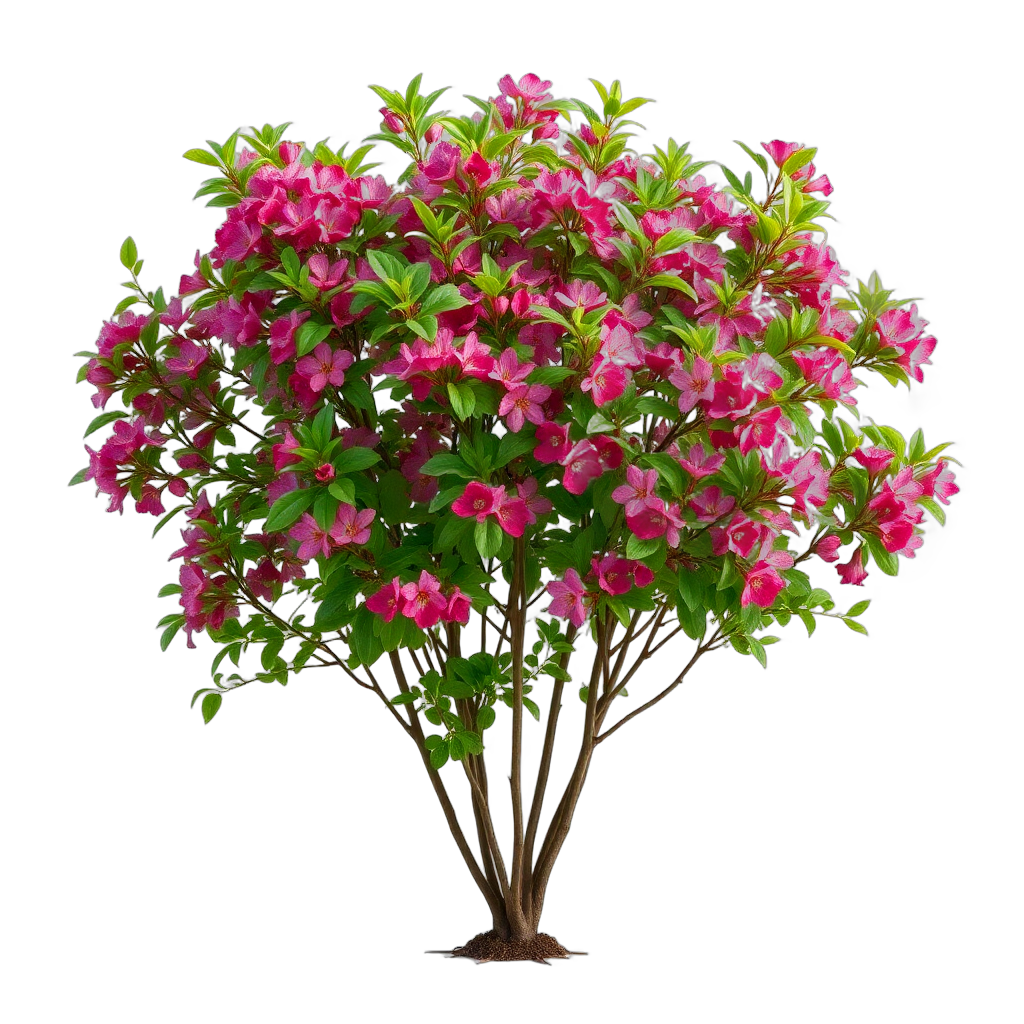
Oklahoma Redbud
Cercis reniformis
reaches 20 feet tall, purple blooms in spring. Attracts hummingbirds.

Osage Orange
Maclura pomifera
large shade tree reaching 50+ feet, blooms in spring. Yellow fall color.
Featured Grasses & Groundcovers for Cottage/English Gardens
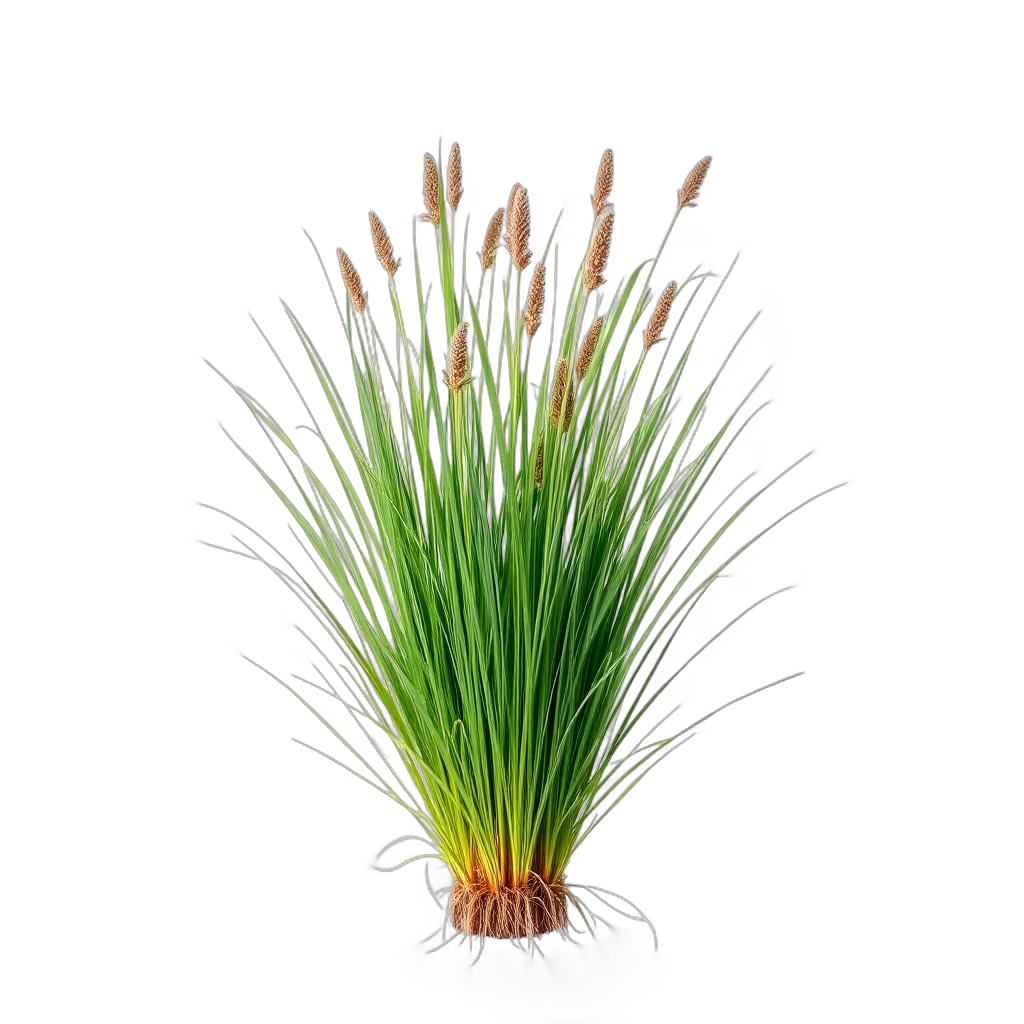
Lindheimer's Muhly
Muhlenbergia lindheimeri
grows to 4 feet, white blooms in fall.
Featured Flowers & Perennials for Cottage/English Gardens
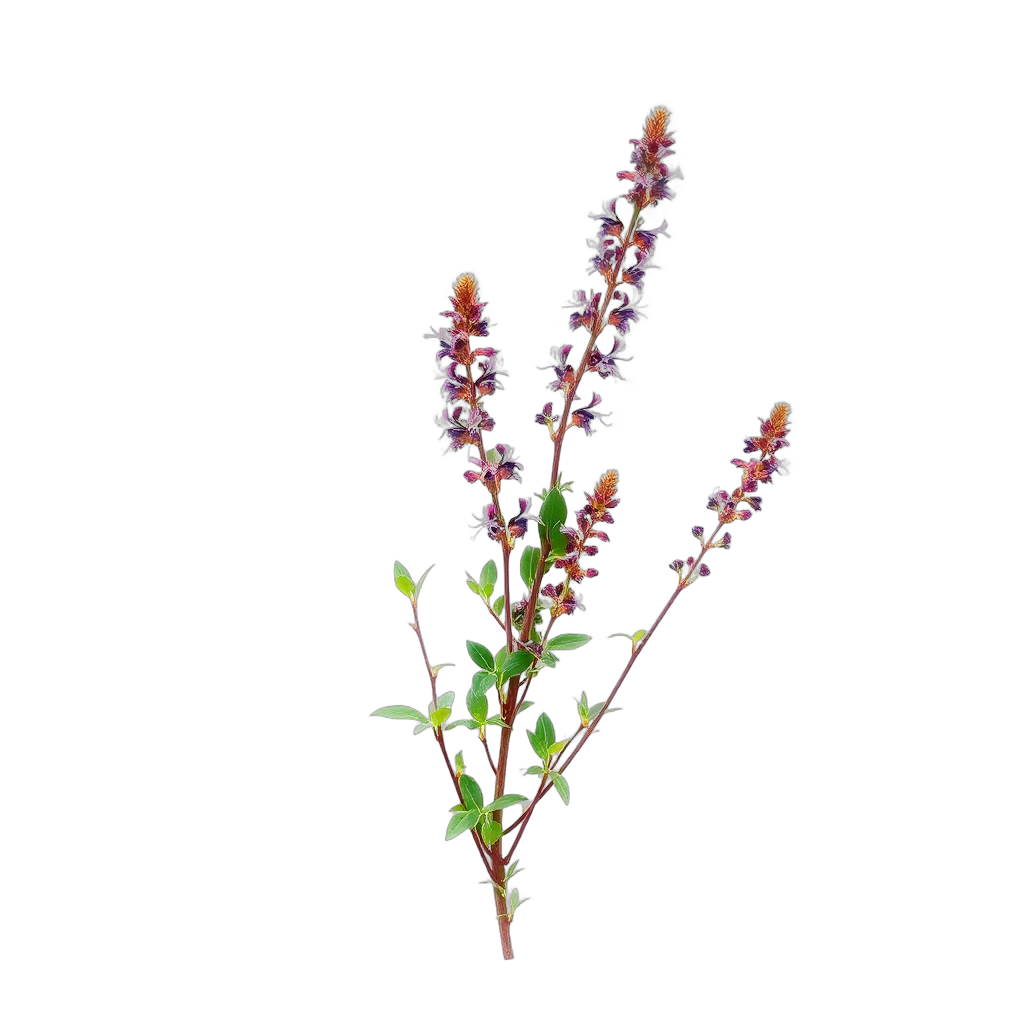
Mealy Cup Sage
Salvia farinacea
low-growing ground cover, blue blooms in summer. Attracts butterflies.
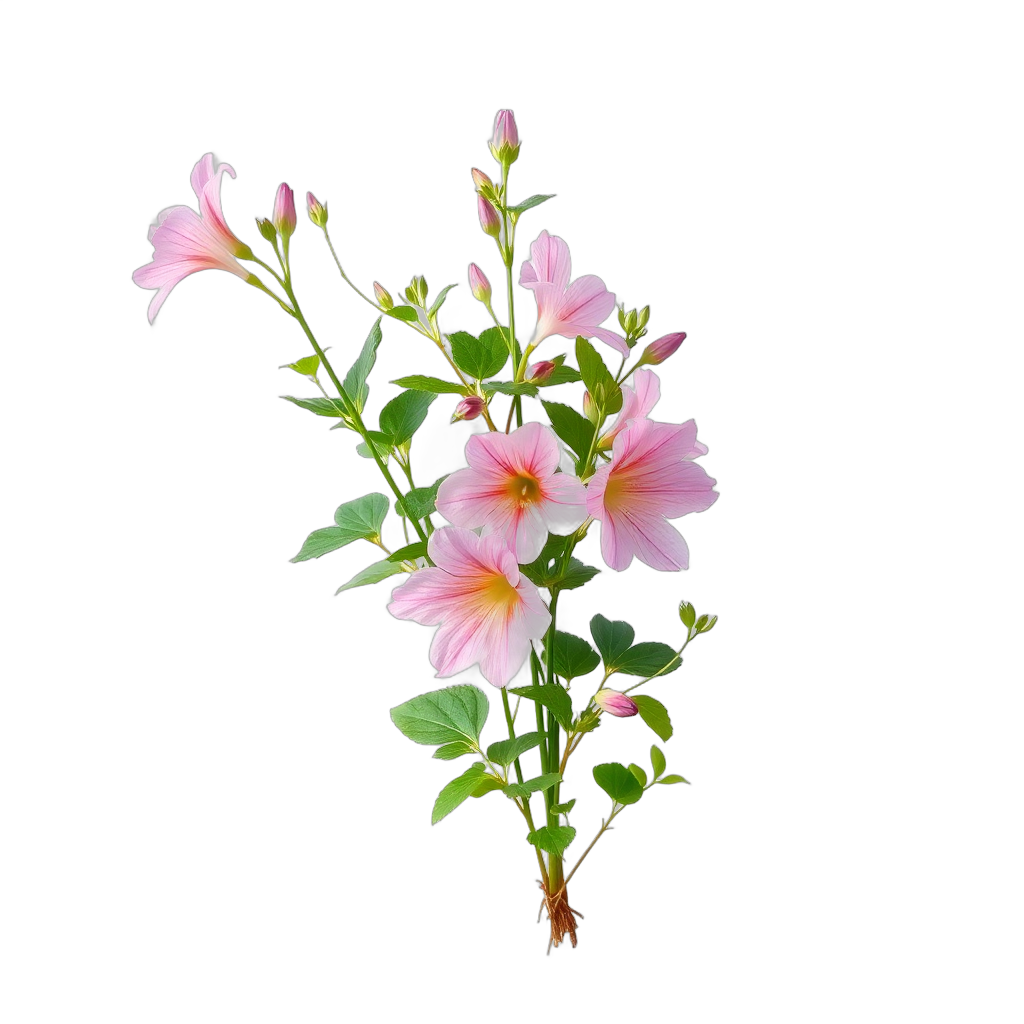
Pink Evening Primrose
Oenothera speciosa
low-growing ground cover, pink blooms in summer. Attracts butterflies.

Papyrus
Cyperus papyrus
grows to 5 feet, blooms in summer. Pollinator-friendly.

Water Hyacinth
Eichhornia crassipes
low-growing ground cover, purple blooms in summer. Attracts butterflies.
Zone and sun checks come from our database — confirm with your local nursery before you buy.
Bloom Calendar for San Antonio
spring
Texas Mountain Laurel, Oklahoma Redbud, Osage Orangesummer
Mealy Cup Sage, Pink Evening Primrose, Papyrusfall
Mealy Cup Sage, Lindheimer's Muhly, Cedar Elmwinter
Limited bloomsDesign Tips for San Antonio (Zone 9a)
- Plant antique and old garden roses as your cottage backbone — varieties like 'Mutabilis', 'Old Blush', and 'Cecile Brunner' are proven in San Antonio's alkaline soil and summer heat in ways that hybrid teas simply aren't
- Break through caliche before you plant anything: impenetrable hardpan kills cottage gardens before they start — use a mattock or breaker, amend deeply with compost and expanded shale, and your roses and perennials will reward you for years
- Design for the spring glory season (March–May) as your primary show, then choose heat-tolerant perennials (salvia greggii, catmint, coneflower) to maintain structure and some color through summer
- Install drip irrigation on a SAWS-compliant smart timer from day one — twice-weekly deep watering via drip is far more effective for cottage perennials than frequent shallow overhead watering, and it keeps you compliant year-round
- Plant foxgloves, larkspur, and poppies as fall-sown annuals in October: they establish through winter and deliver the dramatic English spring display that makes a cottage garden unmistakable
- In Monte Vista, King William, or Alamo Heights, lean into your home's Victorian or Craftsman architecture — a rose arbor over a picket gate or climbing roses on a front porch post are historically appropriate and make the cottage aesthetic feel genuinely rooted in the neighborhood
Where to Source Plants in San Antonio
Skip the big-box stores. These independent San Antonio nurseries specialize in the plants that make cottage/english gardens thrive in Zone 9a.
Rainbow Gardens
Northwest & Central (2 locations)
Native plants, xeriscape, drought-tolerant species, fruit trees — since 1976
Evergreen Garden Center
Central/Southtown
Native and adapted Central Texas plants — original 1940 greenhouse
The Garden Center
Northwest
Native and adapted plants, hand-picked local sourcing — family-owned since 1985
Pollinatives
Converse (East)
Texas native plants for pollinators and wildlife habitat — owned by Master Naturalists
The Nectar Bar
North Central
Native Texas plants, rare species, pollinator plants — Thu-Sun only
Cottage/English Landscaping Costs in San Antonio
| Project Scope | Estimated Cost |
|---|---|
| Rose arbor + picket fence cottage entry | $5,000 – $12,000 |
| Full cottage front yard redesign (400–600 sqft) | $6,500 – $15,500 |
| Backyard cottage patio with arch + planting | $8,000 – $20,000 |
| Pergola + bird bath + cottage garden (full backyard) | $20,000 – $48,000 |
| Soil amendment (limestone + clay preparation) | $1,200 – $3,500 |
| Drip / soaker irrigation system | $1,000 – $2,800 |
| AI visualization with ProScapeAI | Free to start |
Estimates based on San Antonio, TX-area contractor rates as of 2026. Actual costs vary by site conditions, materials, and contractor.
San Antonio Climate & Growing Zone
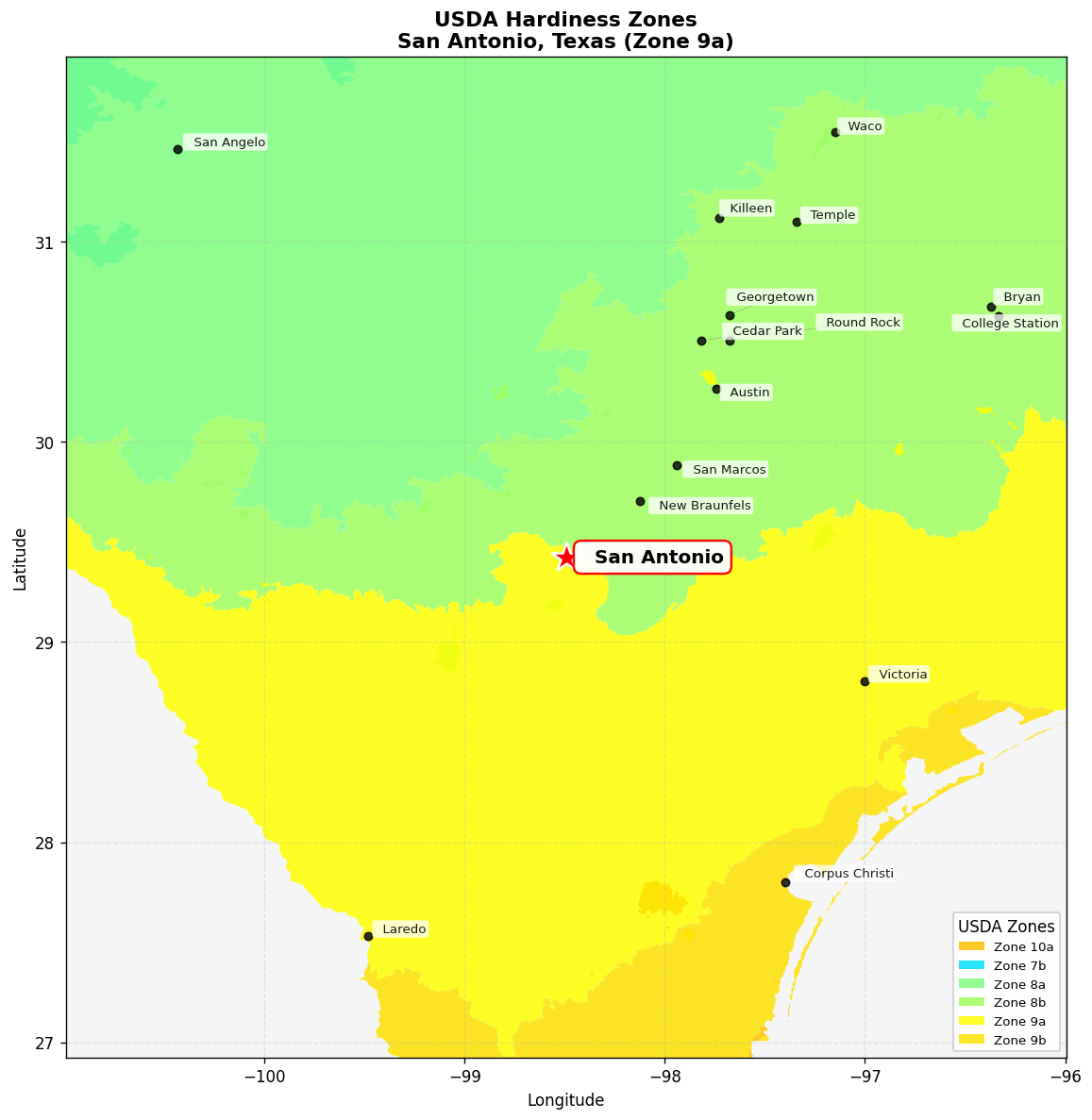
USDA Zone 9a
Hardiness zone for San Antonio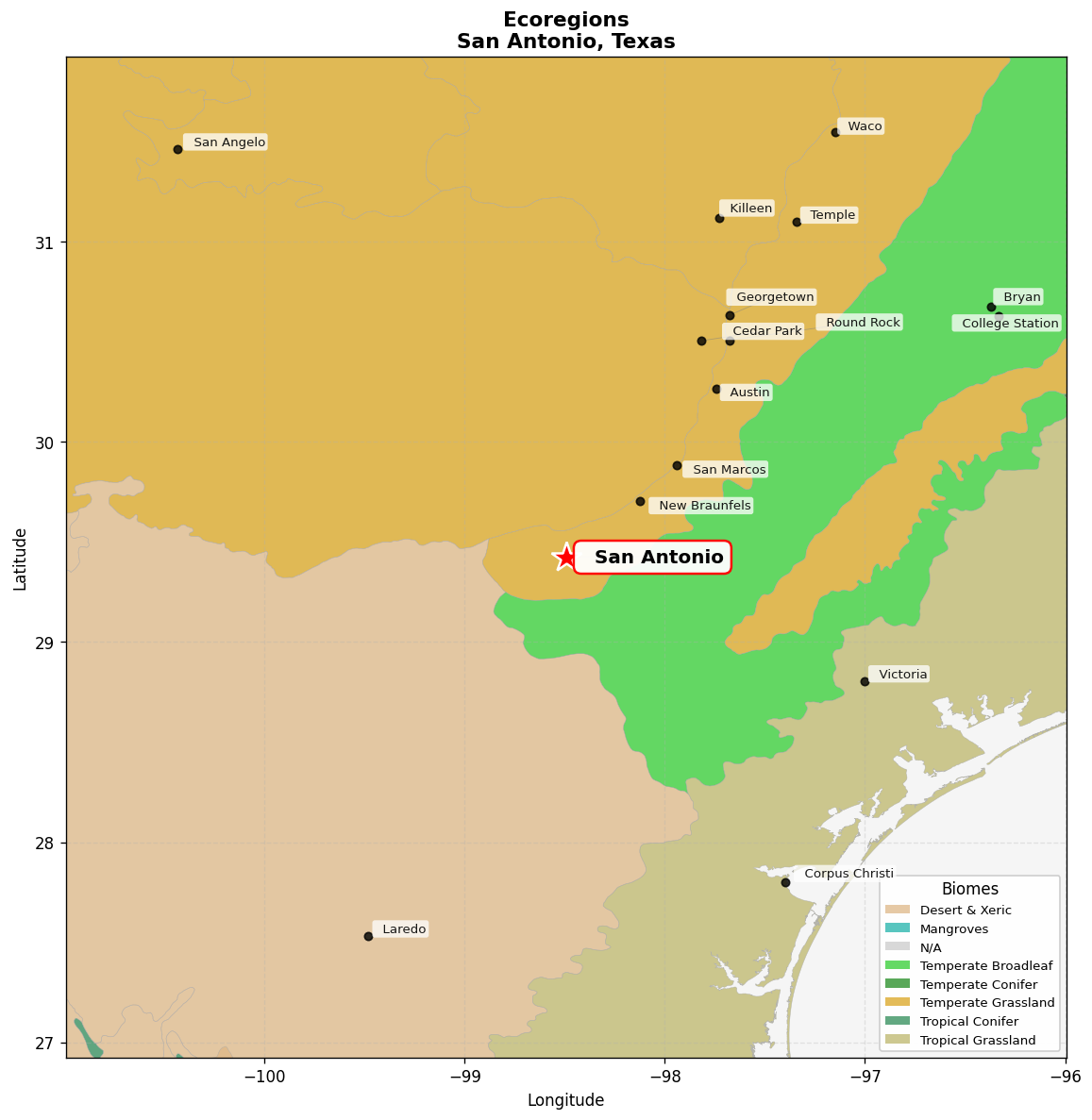
Texas blackland prairies
Native ecoregionFrequently Asked Questions
Can you really grow an English cottage garden in San Antonio's heat?
Yes — with the right plants, timing, and honest expectations about the seasons. San Antonio's spring (March–May) is genuinely spectacular for cottage gardens: the combination of mild temperatures, occasional rain, and long days produces exactly the lush, billowing rose-and-perennial look associated with English cottage style. Summer is the challenge: the strategy is to plant heat-tolerant antique roses and Texas-proven perennials that go semi-dormant in summer and revive for a second bloom in fall. The garden doesn't look the same in August as it does in April — and that's fine.
What roses work best for cottage gardens in San Antonio (Zone 9a)?
Antique and old garden roses are the definitive answer for San Antonio. Varieties proven in South Texas heat include 'Mutabilis' (continuous bloom, disease resistant), 'Old Blush' (the classic pink China rose), 'Cecile Brunner' (climbing and shrub forms), 'Climbing Sombreuil' (white, vigorous on arches), and 'La Marne'. The Texas Rose Rustlers — a local group dedicated to heirloom roses — have decades of field testing in this climate. Avoid modern hybrid teas without excellent irrigation and afternoon shade: they're maintenance-intensive and struggle in San Antonio's alkaline soil and summer heat.
How do SAWS water restrictions affect a cottage garden?
Significantly, which is why drip irrigation is non-negotiable for a San Antonio cottage garden. SAWS Stage 1 restrictions (the typical baseline) allow landscape watering twice a week on assigned days — which is enough to maintain established cottage perennials through summer if you're delivering water directly to the root zone via drip, not wasting it to evaporation with overhead spray. Budget for a properly designed drip system from the start. An established cottage garden with good drip coverage uses far less water than a lawn of equivalent square footage, which helps justify the transition.
How do I deal with San Antonio's limestone and caliche soil?
Deep bed preparation before planting is the answer — there are no shortcuts. Caliche layers can be impenetrable to roots and drainage; break through any hard layer with a mattock or rented breaker before amending. Fill beds with a mix of quality compost, native soil, and expanded shale for drainage. Raised beds (6–12 inches above grade) built directly over amended caliche are a practical alternative for smaller cottage beds. Antique roses are more tolerant of alkaline conditions than most perennials, which is another reason they're the backbone of San Antonio cottage gardening.
When is the best time to plant a cottage garden in San Antonio?
Fall (October–November) is the ideal window. Planting in fall allows roses and perennials to establish root systems during the mild winter months, putting on significant growth before the spring bloom season — and San Antonio's winter is gentle enough (Zone 9a lows rarely below 20°F) that most cottage plants survive without protection. Spring-planted larkspur and foxglove seeds should go in the ground in October for March bloom. The worst time to plant is summer: transplant stress combined with 100°F heat and restricted watering creates high failure rates and expensive losses.
Which cottage plants thrive in San Antonio and which struggle?
Thrives reliably: antique and old garden roses, lavender, salvia greggii and S. farinacea, catmint, coneflower (Echinacea), Turk's cap, esperanza, yarrow, and lantana as a cottage-compatible filler. Thrives seasonally with siting: foxgloves, larkspur, and poppies (plant in fall for spring bloom, treat as cool-season annuals). Struggles in full sun and summer: delphiniums, astilbe, impatiens, and English hydrangeas. The general rule: if it needs cool summers to look its best, either give it afternoon shade or plan for spring-only display.