4 Mediterranean Garden Ideas for Simi Valley, CA | Olives, Lavender and Zone 9b Heat
Native plants from the California coastal sage and chaparral (Zone 9b) — Mediterranean (warm summer) climate
Why Mediterranean Gardens in Simi Valley?
Simi Valley already has a Mediterranean climate, so this style simply goes with what the valley already wants to grow. Roughly 17.9 inches of rain falls between November and March, and May through September are close to bone dry, the same wet-winter, dry-summer rhythm as inland Spain or southern Greece. The houses help. The stucco and tile-roofed homes of Wood Ranch and Big Sky look finished the moment an olive, a gravel terrace and a run of lavender go in front of them, and even a plain 1960s ranch in the Texas Tract or the Presidential Tract turns handsome with a terracotta-toned path, a pomegranate by the door and rosemary spilling over a low wall.
Simi Valley has the hot, inland kind of Mediterranean climate. The valley floor sits around 770 feet, August highs average about 97°F and the city reached 116°F in 1985. That heat suits the classic palette: Olea europaea 'Swan Hill', Salvia rosmarinus 'Tuscan Blue', Lavandula × intermedia 'Provence', Cistus × purpureus, Phlomis fruticosa and Punica granatum 'Wonderful' all like a long hot summer with deep, infrequent water. Winter is where people get caught. Zone 9b means typical lows of 25 to 30°F, but cold air drains into the low ground along the Arroyo Simi and the record low is 18°F. Bougainvillea 'Barbara Karst' and Citrus × limon 'Improved Meyer' can be burned back in a valley-floor frost pocket, so plant them against a south or west wall that holds the day's heat, and use frost-proof Ficus carica 'Black Mission' or the pomegranate in the open.
The soil is heavier than the stony hillsides these plants come from. Much of the valley floor is clay that commonly tests alkaline, around pH 7.5 to 8.0. Olives, rosemary and lavender are happy with the pH; they object to wet roots. Frost depth is effectively zero, so the work is drainage: plant on mounds with the root crown a couple of inches above grade, mulch with gravel and keep it off the trunk. Citrus is the exception that needs help, because alkaline clay locks up iron and leaves yellow between green veins; feed it chelated iron and a citrus fertilizer.
Fire and water rules finish the plan. The hillside edges of the city back onto chaparral (the 2003 Simi Fire burned about 108,000 acres), and state law requires 100 feet of defensible space around homes in fire hazard areas, so keep the first five feet in gravel and stone and space shrubs rather than hedging them solid. For homes on Ventura County Waterworks District No. 8, run by the City, permanent rules bar sprinkler irrigation from 9 a.m. to 5 p.m., and drought-year stages add day limits. A Mediterranean garden on drip, watered deeply twice a month in summer once established, works comfortably inside those rules.
4 Mediterranean Design Ideas for Simi Valley

AI-generated image
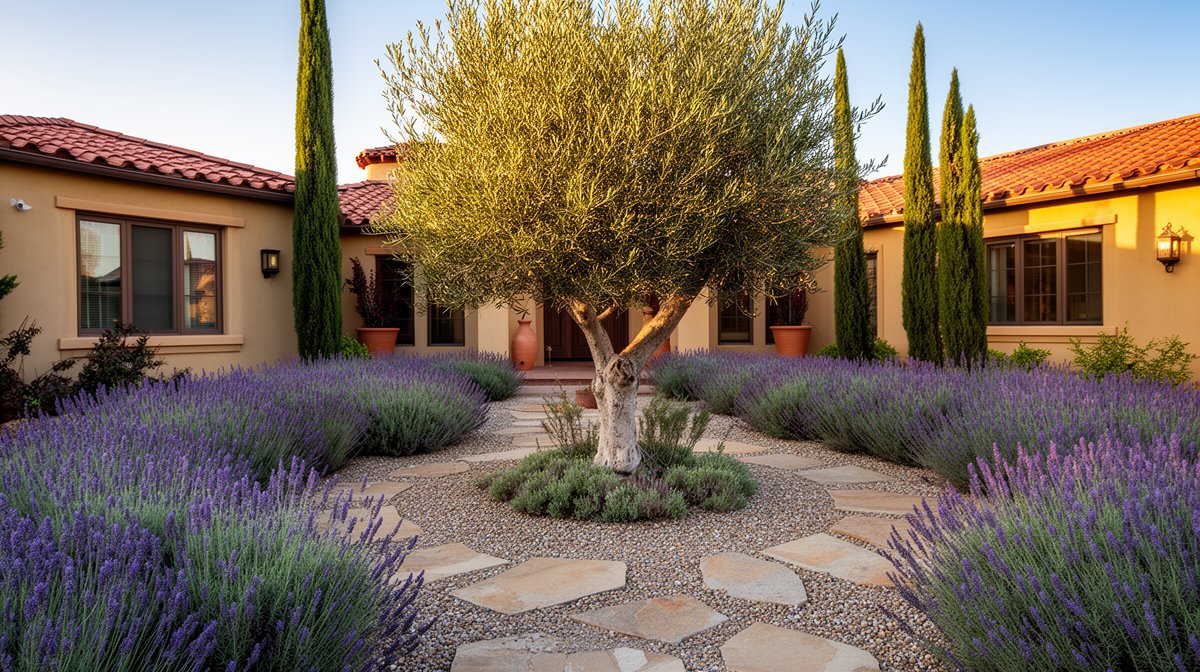
The Olive and Gravel Forecourt
$16–32/sqftThe front lawn of a two-story stucco house with a tile roof is replaced by a forecourt of golden decomposed granite, with a multi-trunk fruitless olive set off-center as the focal point and a sandstone flagstone path running to the door. Broad drifts of lavender and rosemary fill the sunny south side, and low clipped mounds of germander frame the edges. The olive casts light afternoon shade across the entry, which is exactly where you want it in August.

AI-generated image
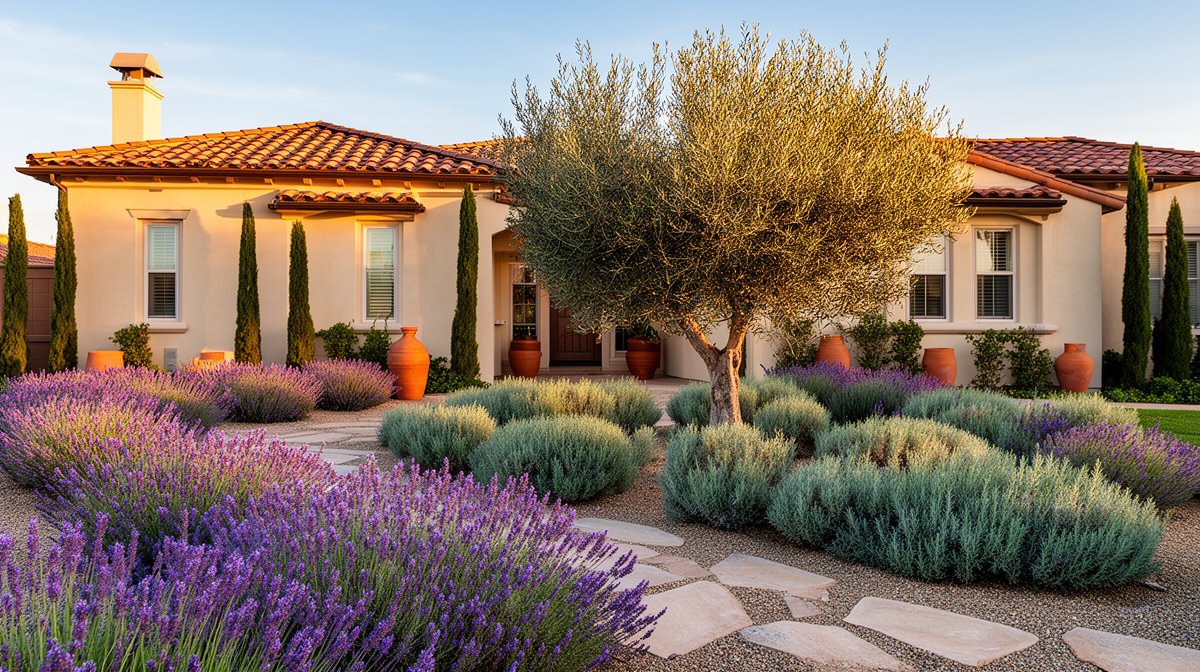
The Ranch House Terrace Wall
$18–35/sqftA single-story 1960s ranch gets a low stacked-stone wall along the front, with the yard behind it raised slightly so lavender and rosemary can spill over the top. A pomegranate stands by the porch, and a gravel path in terracotta-toned crushed stone replaces the straight concrete walk. The wall faces south, so the stone stores heat and the planting on top stays dry at the crown in winter.

AI-generated image
The Citrus Wall Courtyard
$30–60/sqftA side or back courtyard paved in terracotta-colored tile, with citrus and bougainvillea trained against the south- and west-facing house walls, where the stucco radiates stored warmth on cold nights. A small wall fountain and big glazed pots of herbs make it a sitting room rather than a passage. This is the spot for frost-tender plants that would struggle out in the open on the valley floor.

AI-generated image
The Pergola Dining Terrace
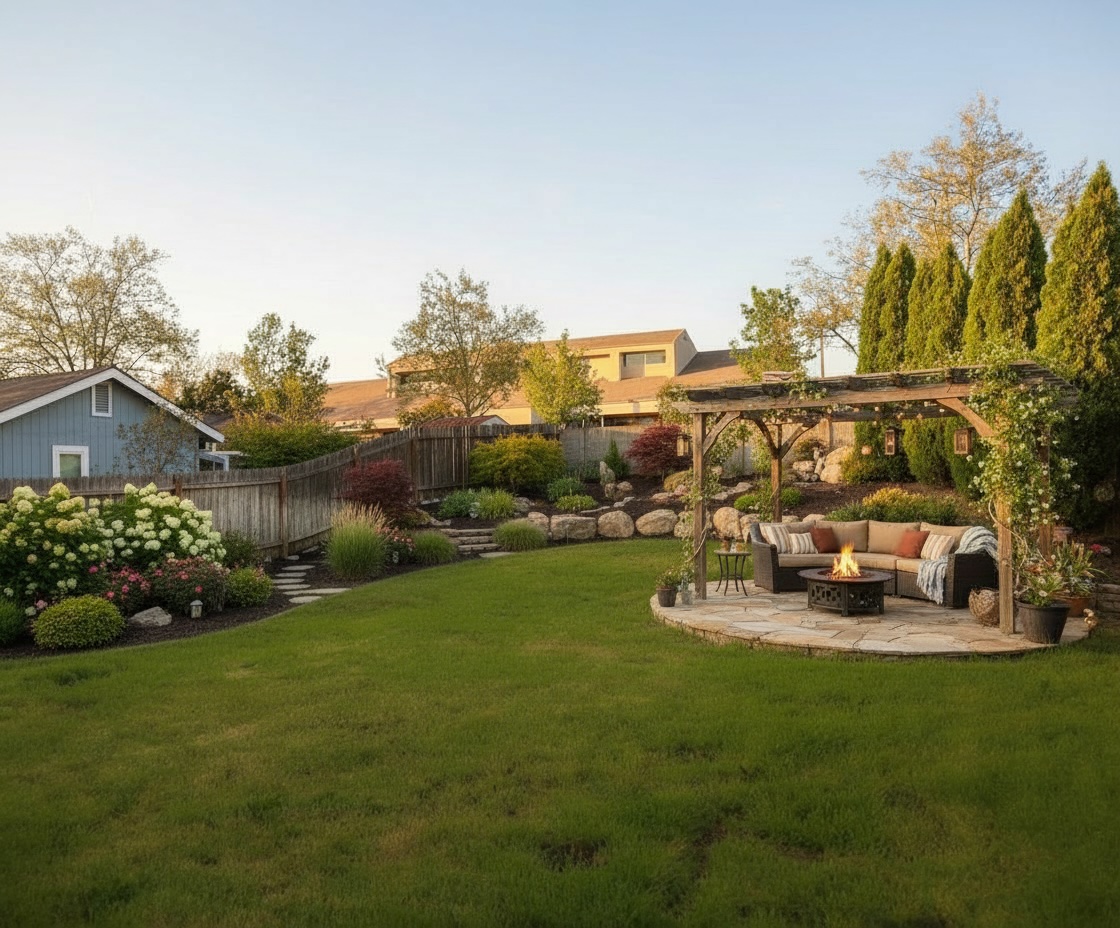
$30–60/sqftA back yard built around a timber pergola carrying a grapevine, with a long table on a flagstone terrace and a gravel garden of shrubs and fig spreading beyond it toward the back fence. The pergola sits on the west side of the house so the vine shades dinner from the evening sun. On hillside lots the shrubs are spaced in islands with gravel between them, which keeps the look Mediterranean and the fuel low.
See how a mediterranean garden looks on YOUR property
Upload a photo of your Simi Valley yard and visualize your dream garden in seconds.
Try ProScapeAI Free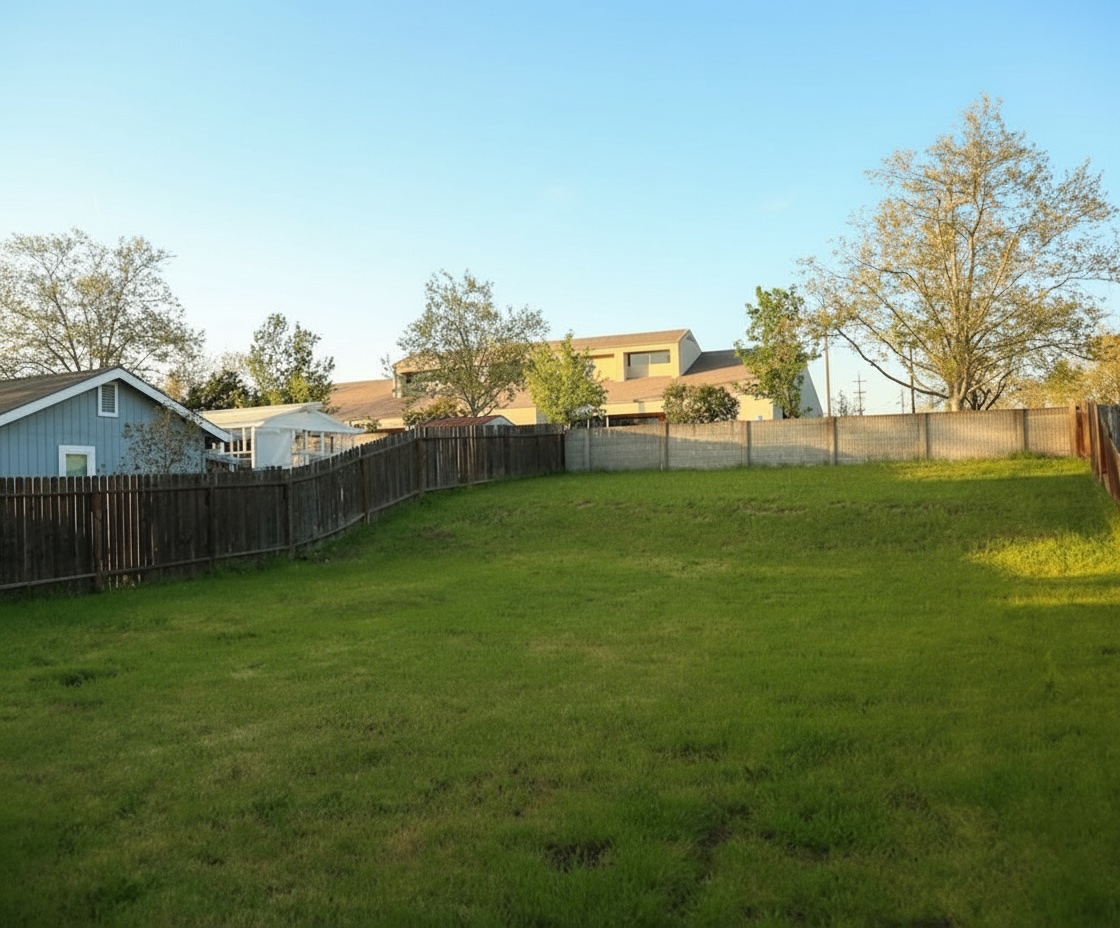
AI-generated image
Featured Trees & Shrubs for Mediterranean Gardens
Browse all 220 plants for Simi Valley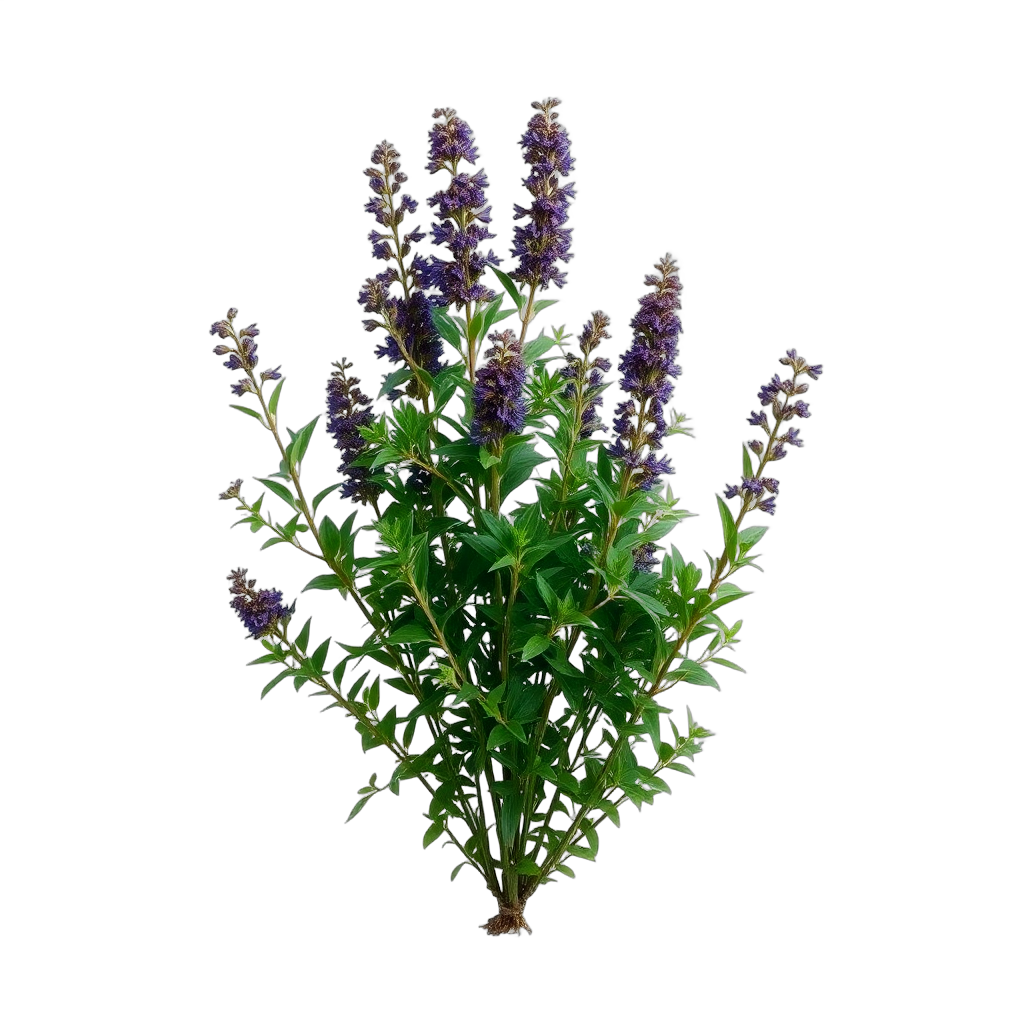
Black Sage
Salvia mellifera
grows to 4 feet, white blooms in spring. Attracts butterflies.
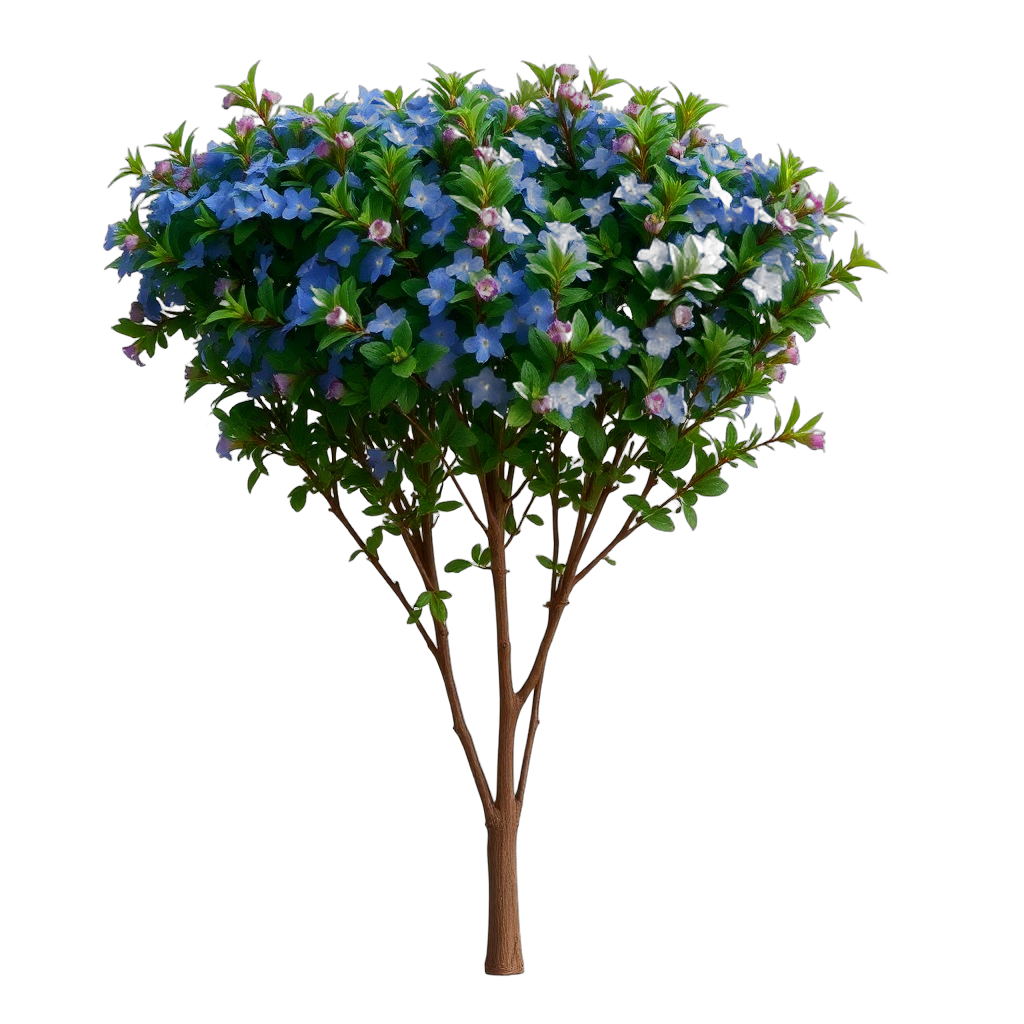
Blue Blossom
Ceanothus thyrsiflorus
medium-sized at 12 feet, blue blooms in spring. Attracts butterflies.
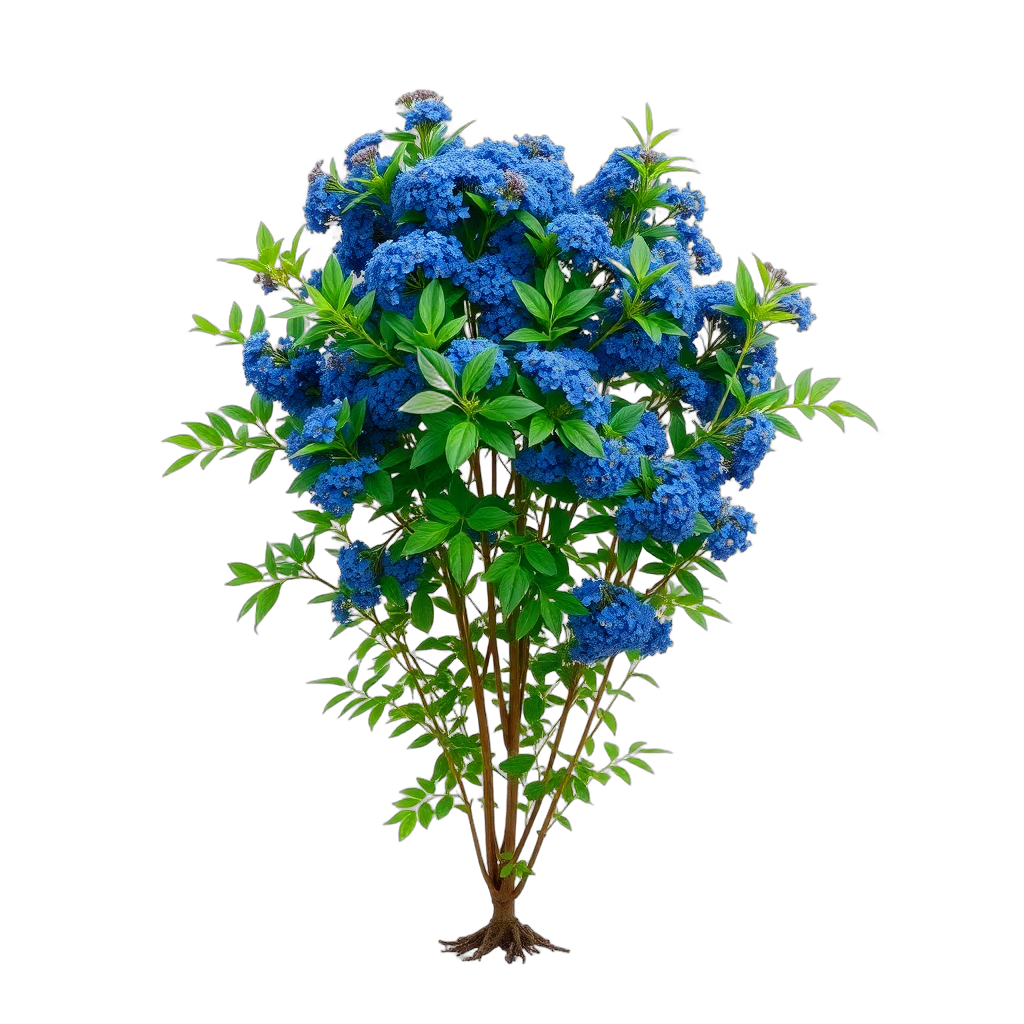
Blue Elderberry
Sambucus cerulea
medium-sized at 15 feet, white blooms in spring. Attracts butterflies.
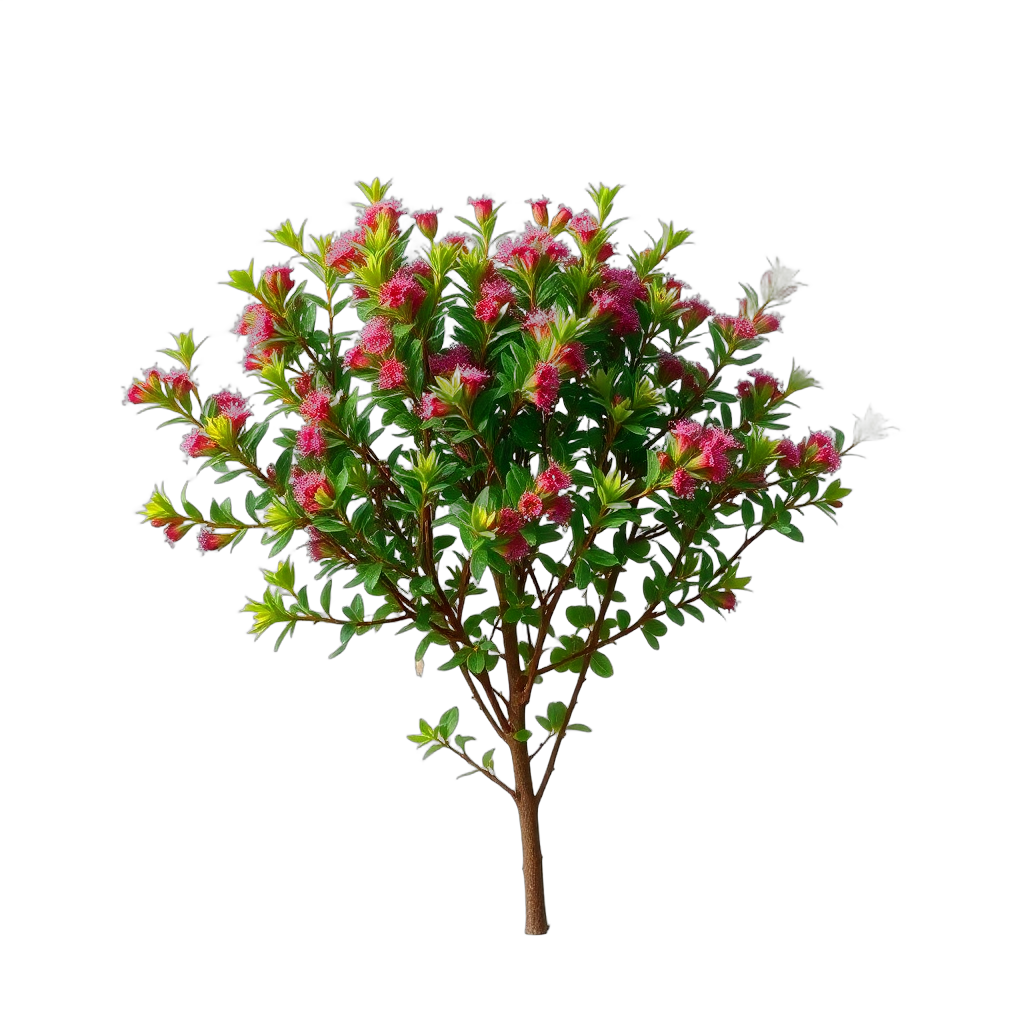
Buckbrush
Ceanothus cuneatus
medium-sized at 7 feet, white blooms in spring. Attracts butterflies.
Featured Grasses & Groundcovers for Mediterranean Gardens
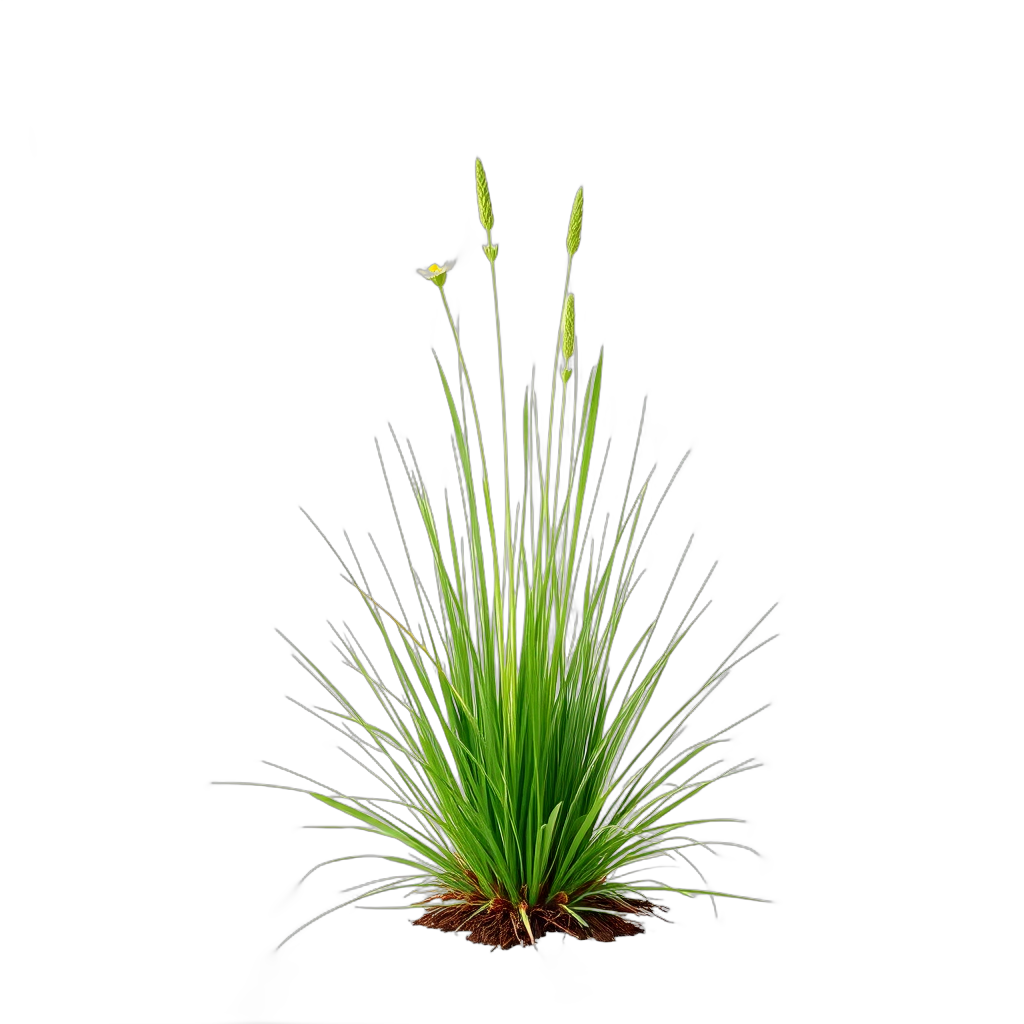
California Brome
Bromus carinatus
low-growing ground cover, blooms in spring. Yellow fall color.
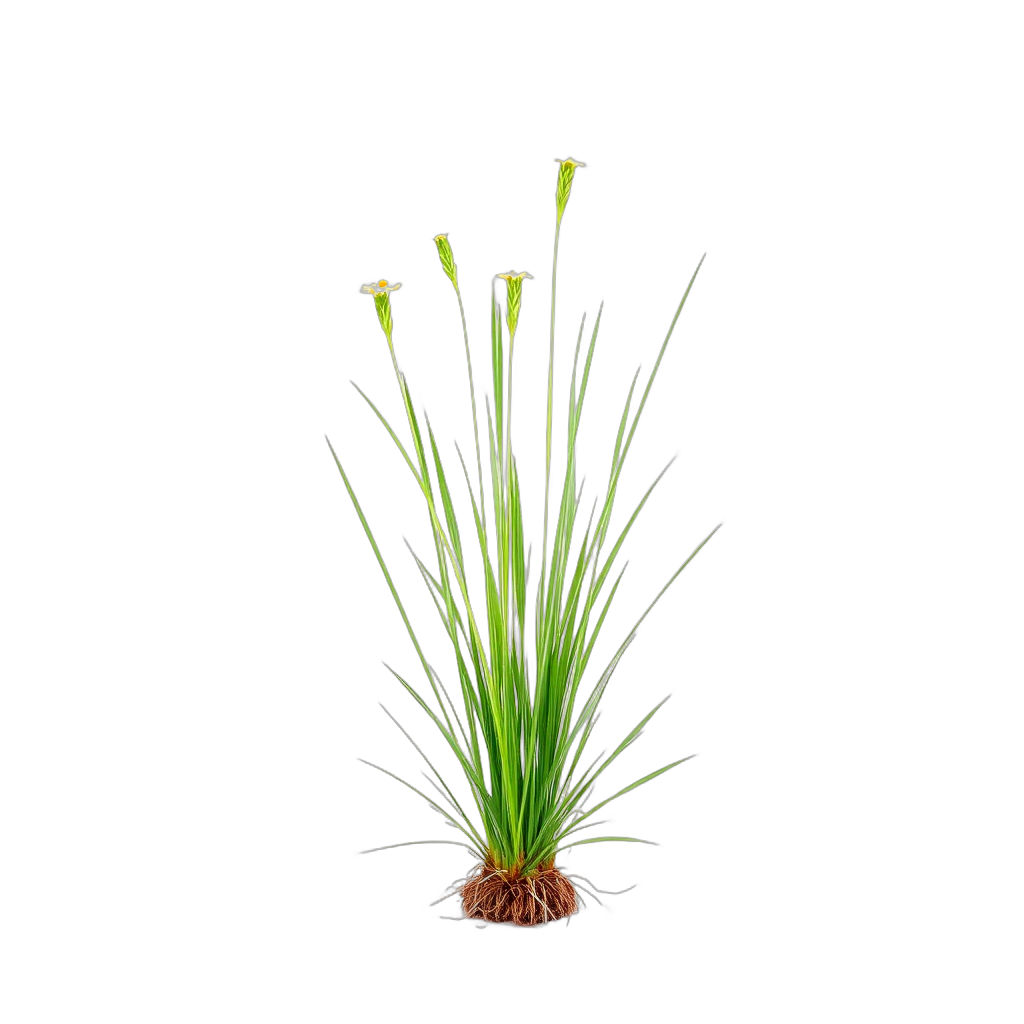
California Melic
Melica californica
low-growing ground cover, blooms in spring.
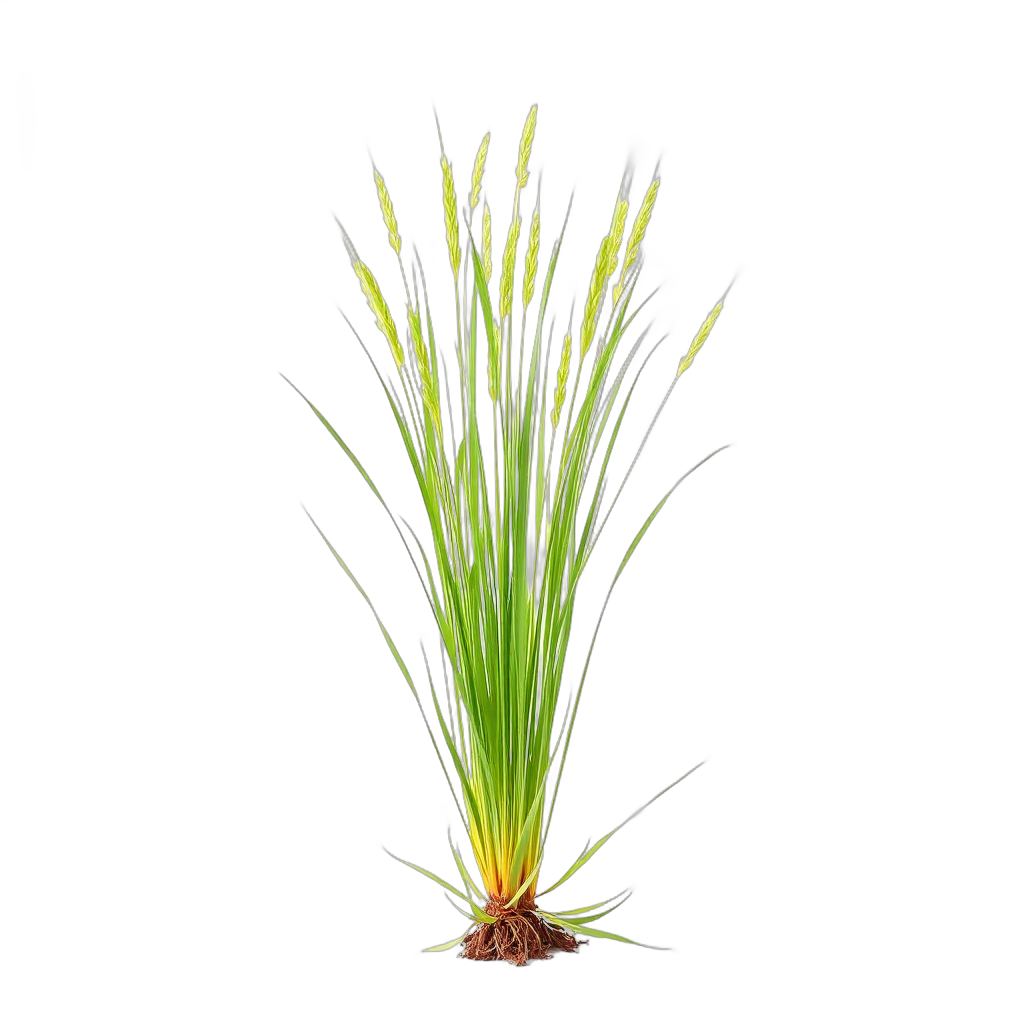
California Oatgrass
Danthonia californica
low-growing ground cover, blooms in spring. Yellow fall color.
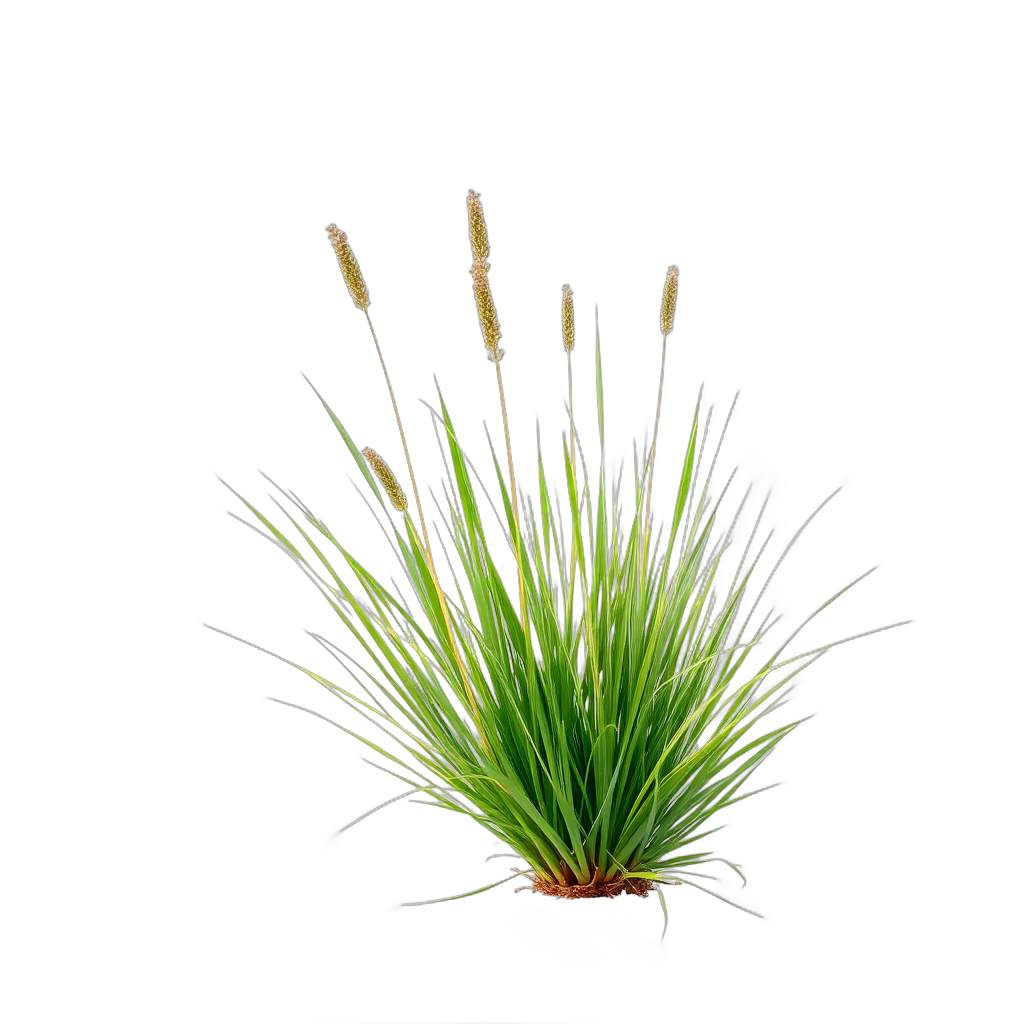
Deer Grass
Muhlenbergia rigens
grows to 3 feet, yellow blooms in fall. Evergreen year-round.
Featured Flowers & Perennials for Mediterranean Gardens
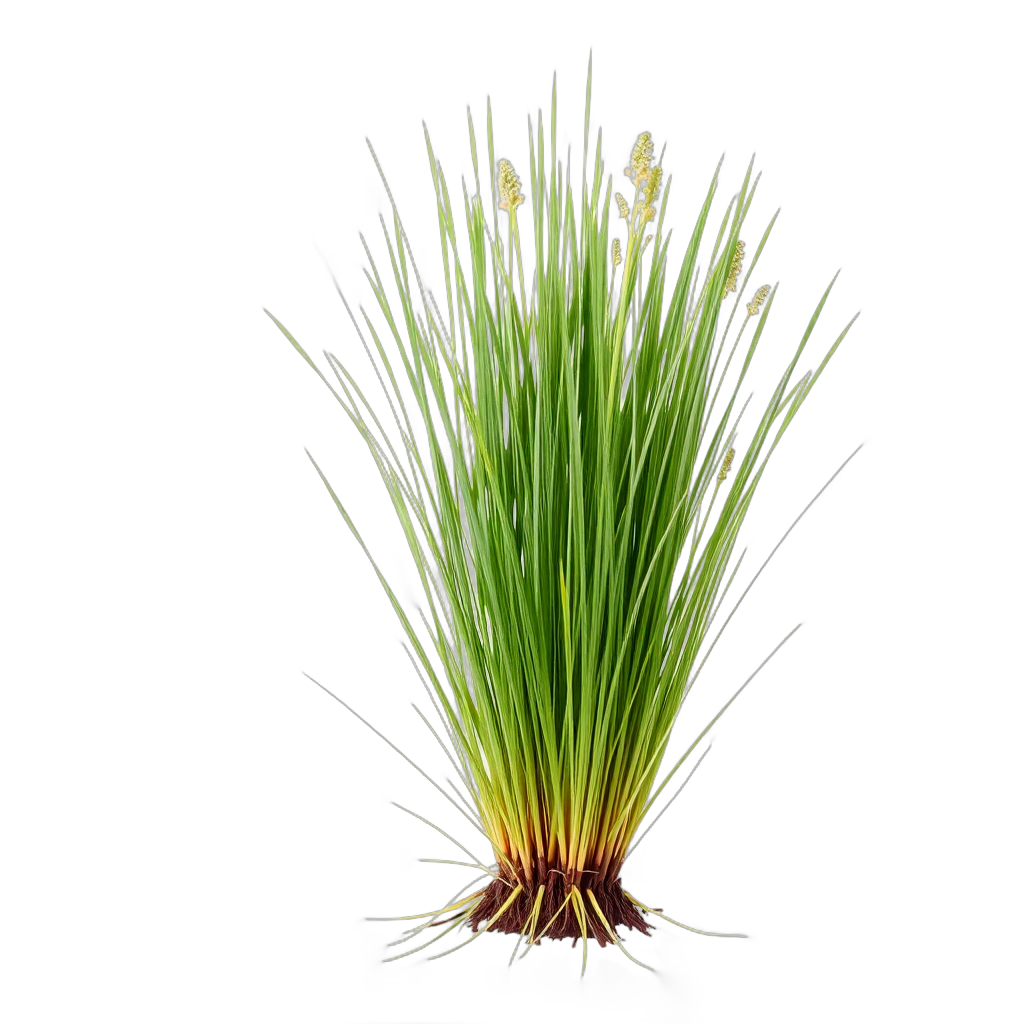
California Gray Rush
Juncus patens
low-growing ground cover, blooms in summer. Evergreen year-round.
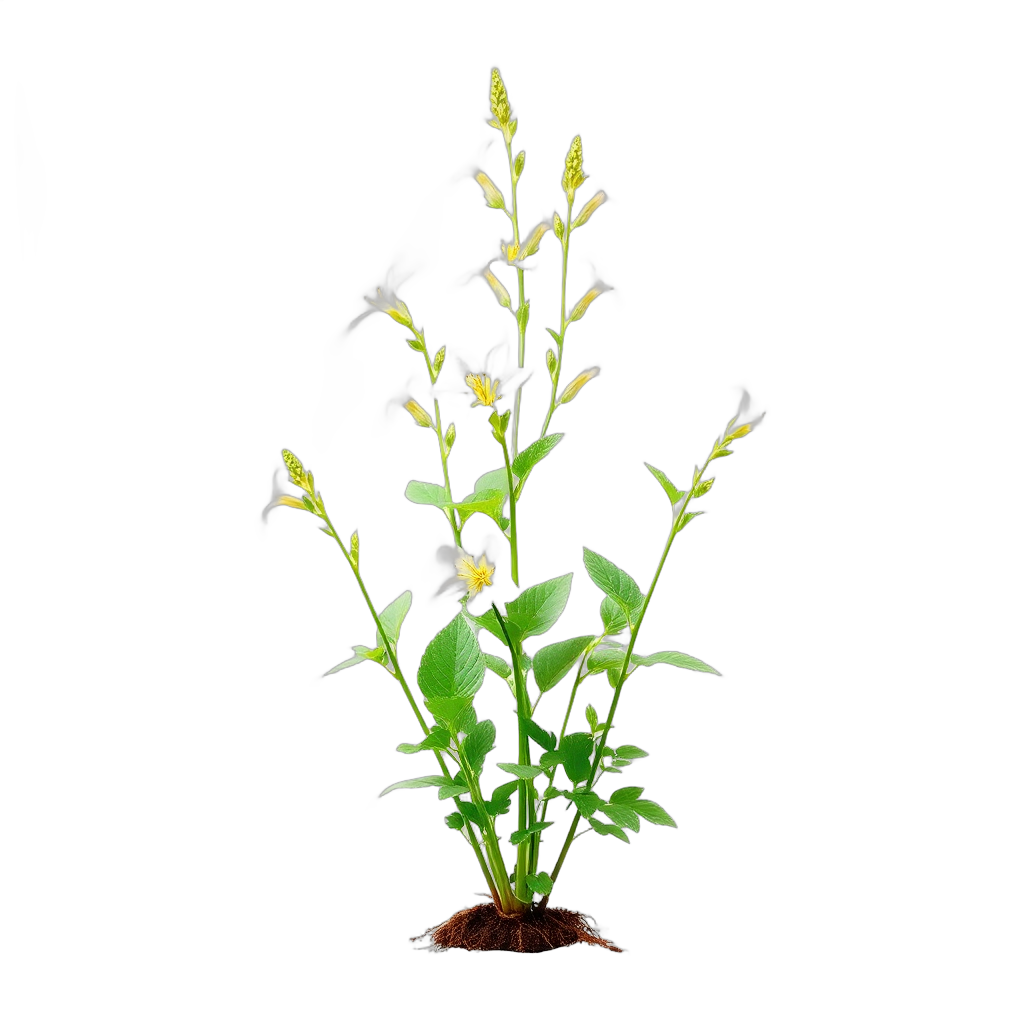
Beach Evening Primrose
Camissonia cheiranthifolia
low-growing ground cover, yellow blooms in spring. Attracts butterflies.
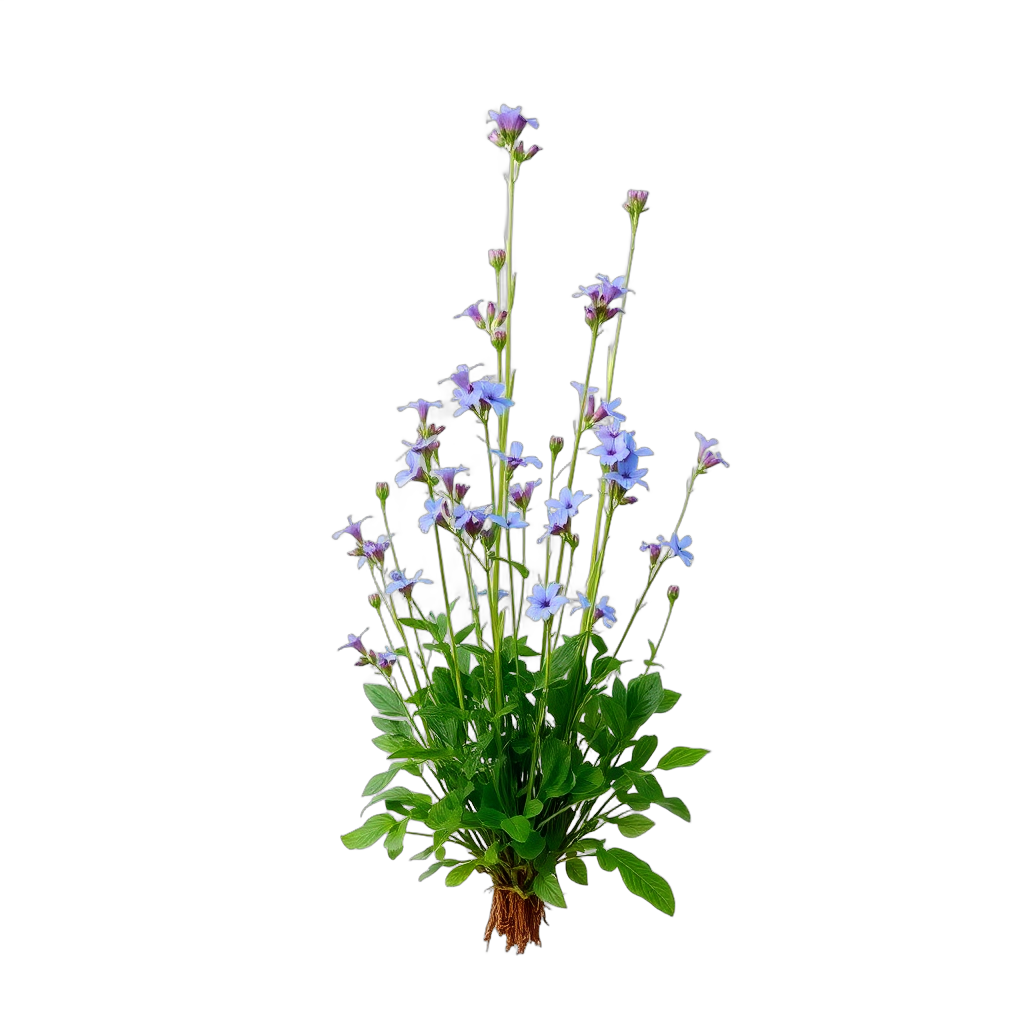
Blue Dicks
Dichelostemma capitatum
low-growing ground cover, blue blooms in spring. Pollinator-friendly.
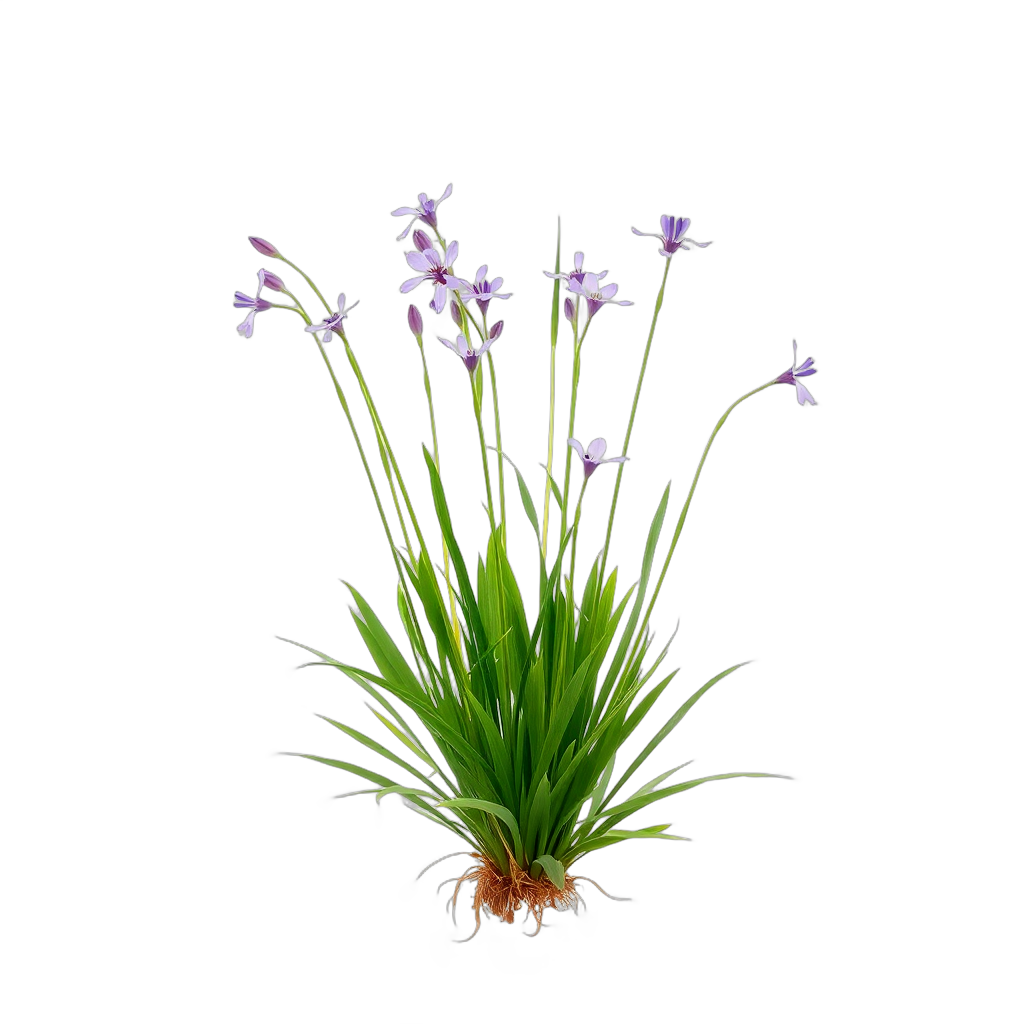
Blue-Eyed Grass
Sisyrinchium bellum
low-growing ground cover, blue blooms in spring. Attracts butterflies.
Zone and sun checks come from our database — confirm with your local nursery before you buy.
Bloom Calendar for Simi Valley
spring
Beach Evening Primrose, Blue Dicks, Blue-Eyed Grasssummer
California Gray Rush, Hooker's Evening Primrose, Hummingbird Mintfall
California Fuchsiawinter
Limited bloomsDesign Tips for Simi Valley (Zone 9b)
- Plant olives, lavender and rosemary on mounds with the crown a couple of inches above grade: valley-floor clay holds February rain, and wet crowns kill these plants far more often than Simi Valley heat
- Put frost-tender plants on the warm walls: Citrus × limon 'Improved Meyer' and Bougainvillea 'Barbara Karst' belong against south or west stucco, not out in an open frost pocket near the Arroyo Simi
- Repeat one plant until it reads as a mass: a single long drift of Lavandula × intermedia 'Provence' looks like Provence, while ten different shrubs in one bed look like a nursery bench
- Use gravel, not bark, in the first five feet against the house; it is the fire-smart choice on hillside lots and it looks right under stucco and tile anyway
- Feed citrus for alkaline soil with chelated iron and an acidifying citrus food; at pH 7.5 to 8.0 no amount of extra water will fix yellow leaves
- Water the Mediterranean way: infrequent, deep and on drip, run before 9 a.m. to stay inside the City's permanent rules for Waterworks District No. 8
- Put the pergola or the olive on the west side of the terrace; late-afternoon sun is what makes a Simi Valley patio unusable in August, not the noon sun
Where to Source Plants in Simi Valley
Skip the big-box stores. These independent Simi Valley nurseries specialize in the plants that make mediterranean gardens thrive in Zone 9b.
Elegant Gardens Nursery
Moorpark (Tierra Rejada Road, just west of Wood Ranch)
Over a thousand plant varieties from 1-gallon to 36-inch box, fruit trees, and bulk decomposed granite, gravel, rock and mulch
Matilija Nursery
Moorpark (Waters Road)
The largest inventory of California native plants in Ventura County, useful for native sages and shrubs that sit well beside a Mediterranean palette
Nature's Best Nursery
Santa Rosa Valley, Camarillo
Family-owned for over 40 years, with shade trees, hedging and water-wise lavender, salvia and agave
Camarillo Nursery
Camarillo
Fruit trees, roses, palms, pottery, water features and bird baths, with landscape design, planting and delivery
Mediterranean Landscaping Costs in Simi Valley
| Project Scope | Estimated Cost |
|---|---|
| Front forecourt: lawn removal, decomposed granite, flagstone path, planting (400–600 sqft) | $8,000 – $19,000 |
| Specimen fruitless olive, 24-inch box, planted | $800 – $1,500 |
| Dry-stacked sandstone front wall (40–60 linear ft) | $3,000 – $6,500 |
| Tiled courtyard with wall fountain (200–300 sqft) | $9,000 – $20,000 |
| Cedar pergola with flagstone dining terrace | $15,000 – $35,000 |
| Full Mediterranean back yard: terrace, pergola, gravel garden, drip | $35,000 – $80,000 |
| AI visualization (ProScapeAI) | Free to start |
Estimates based on Simi Valley, CA-area contractor rates as of 2026. Actual costs vary by site conditions, materials, and contractor.
Simi Valley Climate & Growing Zone
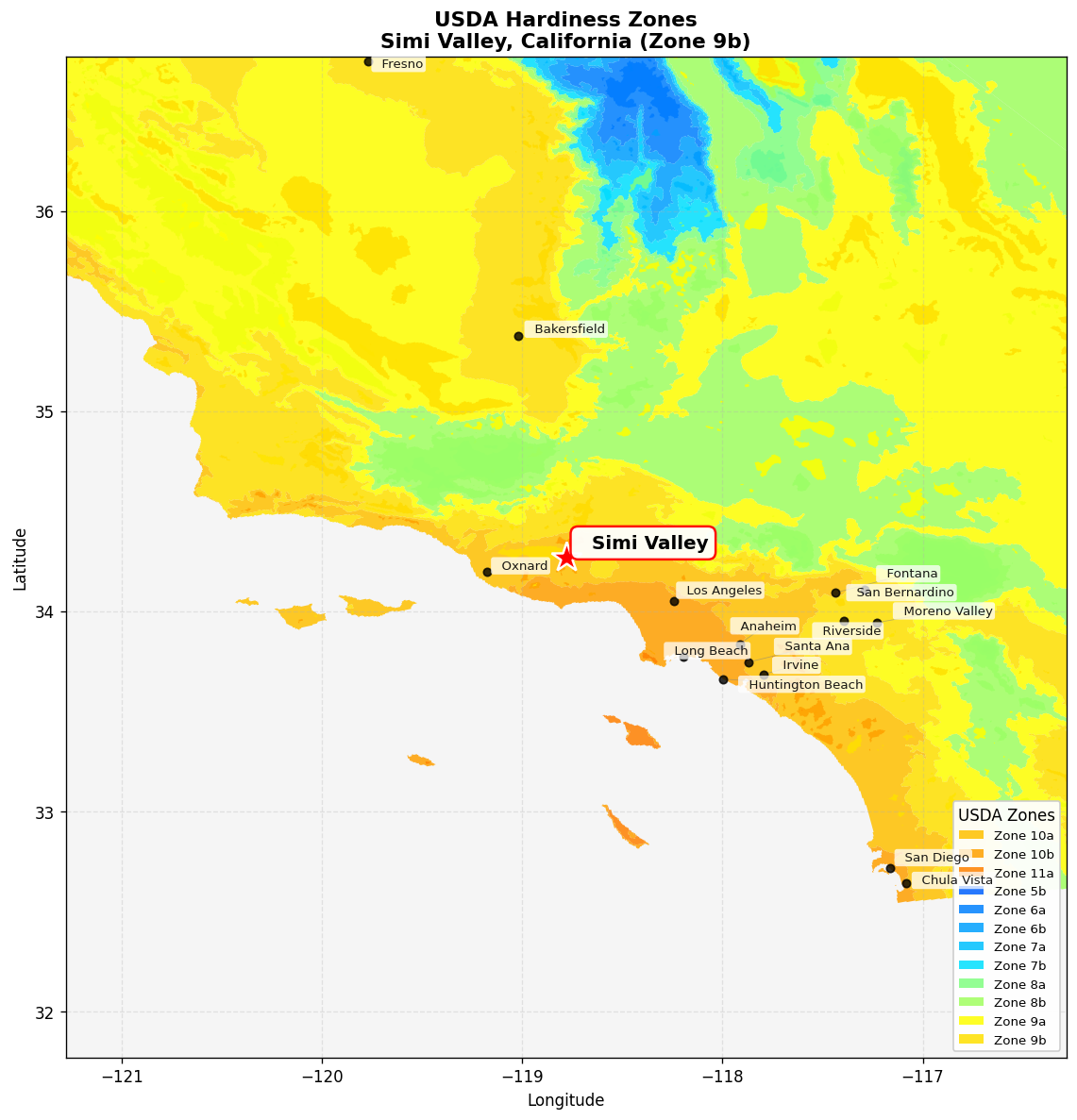
USDA Zone 9b
Hardiness zone for Simi Valley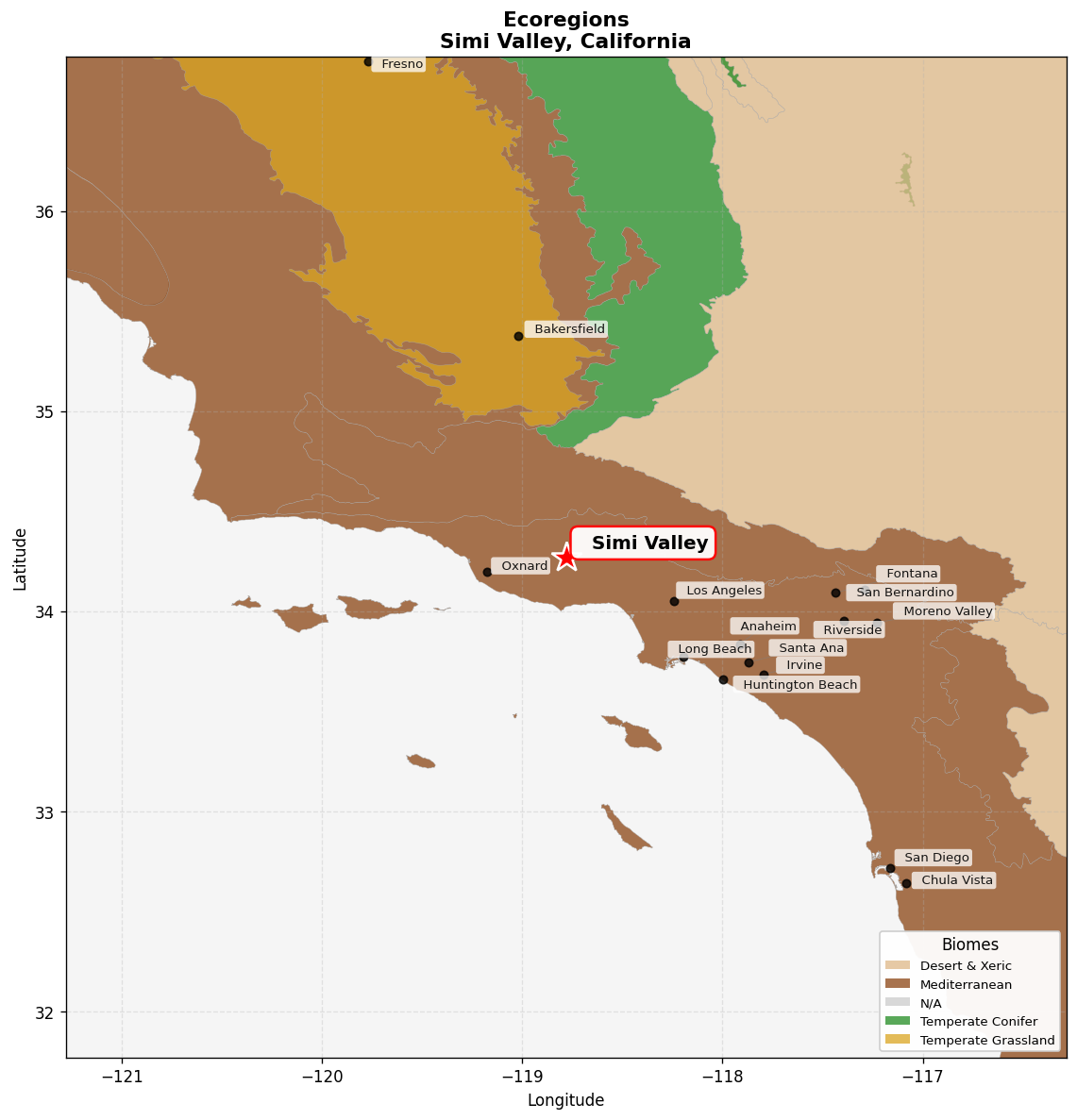
California coastal sage and chaparral
Native ecoregionFrequently Asked Questions
How much does a Mediterranean garden cost in Simi Valley?
Ventura County landscape crews typically bill around $65–95 per hour, and most quote by the job. A front forecourt of decomposed granite, a flagstone path and lavender and rosemary drifts on a 400–600 sqft frontage usually runs $8,000–19,000. A 15-gallon to 24-inch box Olea europaea 'Swan Hill' adds $400–1,500 planted. A stacked-stone front wall runs $60–110 per linear foot, and a full back yard with flagstone terrace, pergola and planting commonly lands at $35,000–80,000.
Will olives, citrus and bougainvillea survive a Simi Valley winter?
Olives, yes, anywhere in the city; Olea europaea 'Swan Hill' and the other fruiting and fruitless forms take the 18°F record low. Citrus and Bougainvillea 'Barbara Karst' are the risk. On the valley floor and near the Arroyo Simi, where cold air pools, plant Citrus × limon 'Improved Meyer' and bougainvillea against a south or west wall, and cover young citrus with frost cloth on clear nights below 30°F. On the warmer hillsides they usually come through without help.
Is a Mediterranean garden low maintenance in Simi Valley?
It is one of the easiest styles here once established. Shear lavender after flowering, prune rosemary and Cistus lightly once a year, and rake leaves out of the gravel. Water deeply on drip about twice a month in summer and switch it off once the winter rain is steady. The main mistake is overwatering: lavender and rosemary in irrigated clay rot far faster than they ever die of heat.
When should I plant a Mediterranean garden in Simi Valley?
October and November are best. The soil is still warm, winter rain does most of the watering, and olives and shrubs root in before the 97°F August highs arrive. Late February to April is the second window, especially for citrus and bougainvillea, which prefer to go in after the frost risk passes. Avoid July to September planting.
What are the water rules, and is there a turf removal program?
If your water comes from Ventura County Waterworks District No. 8, run by the City of Simi Valley, permanent rules bar sprinkler irrigation between 9 a.m. and 5 p.m. and cap run times, with drip exempt from the cap. In drought years the district declares shortage stages that add watering days; in 2022 it went to one day a week. The City runs a turf removal program that asks for a stormwater retention feature such as a dry creek or rain garden. Rates change, so check the City's water conservation page before you start.
Are Mediterranean plants safe in a fire-prone hillside yard?
They can be, with spacing and maintenance. State law requires 100 feet of defensible space around homes in fire hazard areas, and many hillside lots in Wood Ranch, Big Sky and Santa Susana Knolls back onto chaparral. Keep the first five feet from the house in gravel, stone and pots, space rosemary, Cistus and Westringia as separate islands rather than a solid hedge, and keep dead wood pruned out. Italian cypress is better kept away from the house. Check CAL FIRE's Fire Hazard Severity Zone map for your address.
Why do my citrus leaves go yellow with green veins?
That is iron deficiency, and it is the most common citrus complaint in Simi Valley. The valley's clay soil commonly tests alkaline, around pH 7.5 to 8.0, which locks iron away from the roots. Feed Citrus × limon 'Improved Meyer' and Citrus reticulata 'Gold Nugget' with chelated iron and an acidifying citrus fertilizer two or three times a year, and water deeply rather than often.