4 Modern Landscape Ideas for Simi Valley, CA | Fire-Smart, Water-Wise Zone 9b Yards
Native plants from the California coastal sage and chaparral (Zone 9b) — Mediterranean (warm summer) climate
Why Modern/Minimalist Gardens in Simi Valley?
Simi Valley has the right bones for a modern landscape. The low, horizontal 1960s and 1970s ranches of the Texas Tract, the Greek Tract and the Presidential Tract were built with long rooflines and flat lots that a clean groundplane extends naturally, and the newer stucco homes in Wood Ranch and Big Sky have the plain wall planes that make a single agave or a sweep of grass read as sculpture. Add the backdrop of the Santa Susana Mountains and the sandstone of Rocky Peak, and a restrained palette of gravel, concrete and a few strong plants looks like it belongs here more than a lawn ever did.
The climate makes modern the practical choice here. The valley floor sits around 770 feet with August highs averaging about 97°F, a record of 116°F, and roughly 17.9 inches of rain arriving between November and March, then almost nothing for five months. The catch is winter. Zone 9b says lows of 25 to 30°F, but cold air drains into the low ground along the Arroyo Simi and the city's record low is 18°F. That is why Agave attenuata, the soft fox-tail agave in so many coastal modern yards, burns or turns to mush in a Simi Valley frost pocket. Use frost-proven forms instead: Agave 'Blue Glow', Agave parryi var. truncata, Agave ovatifolia 'Frosty Blue' and Yucca rostrata for the architecture, with Muhlenbergia rigens and Muhlenbergia capillaris 'Regal Mist' for soft mass and Hesperaloe parviflora 'Brakelights' for summer color.
Soil and fire set the construction details. Much of the valley floor is heavy clay that commonly tests alkaline, around pH 7.5 to 8.0, and holds winter water around succulent crowns. Frost depth is effectively zero, so footings for walls and pads are about drainage and expansive clay, not frost. Set agaves and yuccas on low mounds of native soil cut with pumice or crushed rock, never in rich backfill. The hillside edges, from Wood Ranch to Santa Susana Knolls, back onto chaparral that burns: the 2003 Simi Fire covered about 108,000 acres. State law requires 100 feet of defensible space around structures in fire hazard areas, and a modern yard of gravel, concrete and widely spaced succulents carries very little fuel near the house.
Water rules reward the same choices. For homes on Ventura County Waterworks District No. 8, which the City runs, permanent rules bar sprinkler irrigation between 9 a.m. and 5 p.m., and drought-year shortage stages add day limits (2022 brought one watering day a week). A modern yard on drip needs water only every week or two once established, and the City's turf removal program, which asks for a stormwater retention feature, fits neatly into a design with a gravel swale or dry creek.
4 Modern/Minimalist Design Ideas for Simi Valley

AI-generated image
The Ranch House Gravel Plane
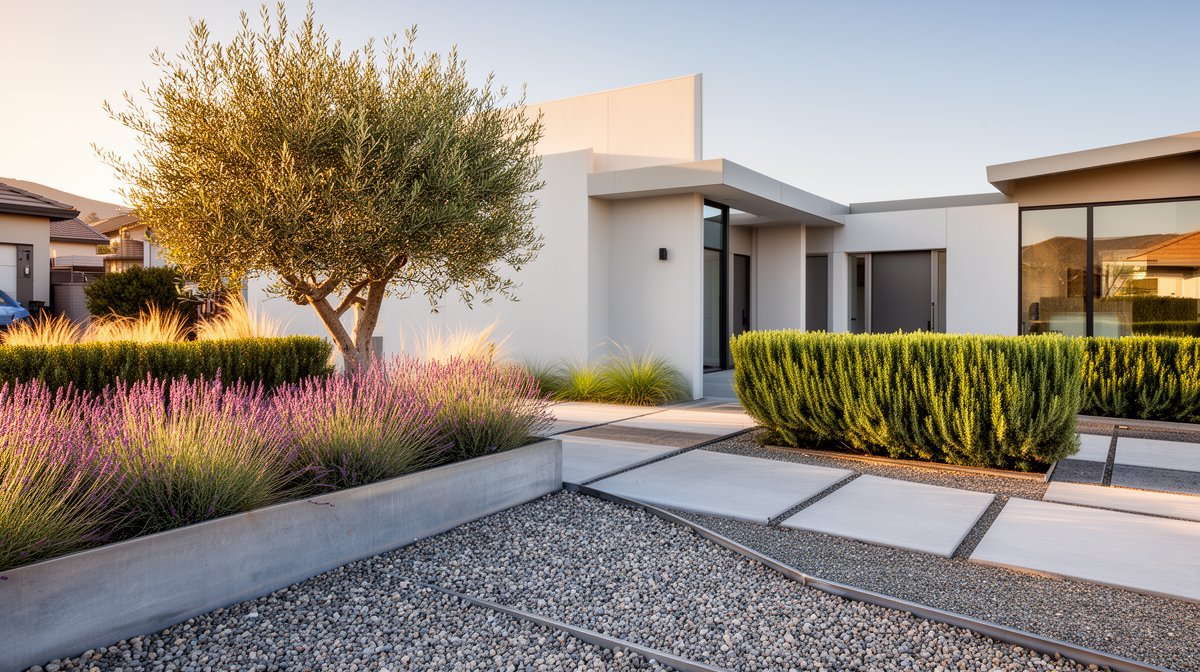
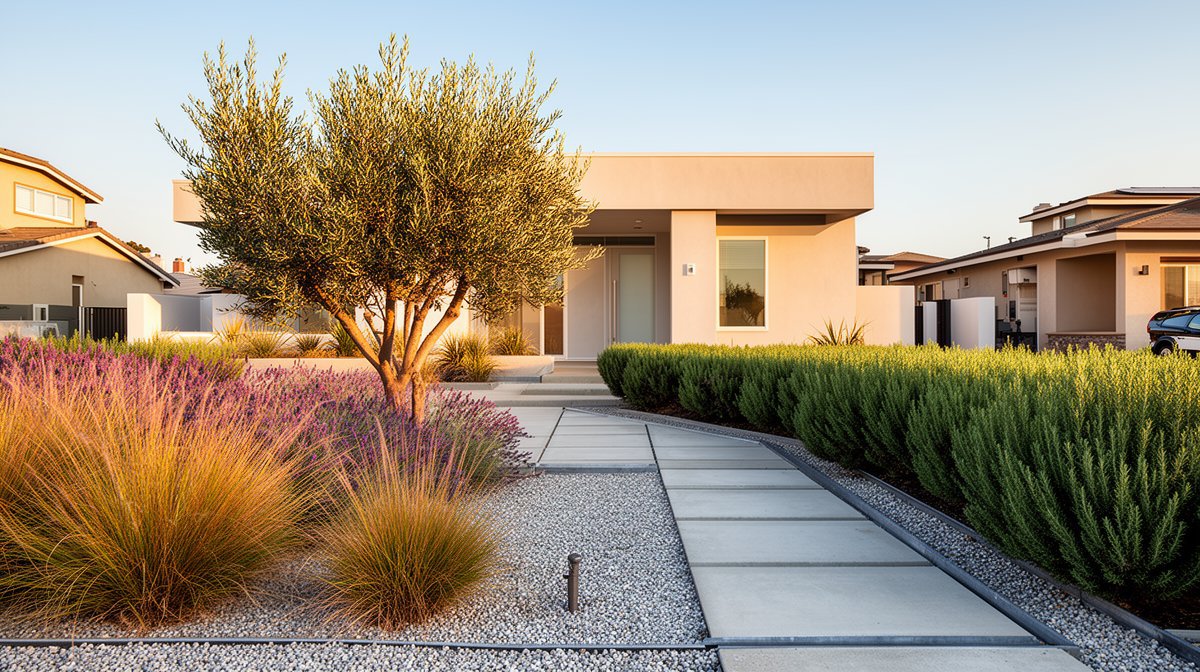
$14–28/sqftA single-story 1960s ranch loses its front lawn to a single plane of buff decomposed granite, crossed by large poured concrete stepping pads that run from the driveway to the door in line with the roof's long horizontal. Three groupings of blue agaves and one Yucca rostrata stand against the south-facing stucco wall, and a solid sweep of deergrass fills the corner by the street. It keeps to one material underfoot and three plant shapes, in full sun all day.

AI-generated image
The Board-Formed Wall Courtyard
$35–70/sqftA low board-formed concrete wall cuts the front yard of a two-story stucco house into a private entry court, with a large-format porcelain paver floor and a single specimen tree for shade on the west side. Behind the wall, a band of gray and silver plants softens the concrete, and uplights wash the wall at night. A plain HOA front yard becomes a room you can sit in.

AI-generated image
The Fire-Smart Hillside Terrace
$25–50/sqftOn a back lot that runs up into chaparral, the first five feet from the house is all concrete and gravel, then a flat terrace of poured concrete with a steel fire bowl looks out over a lower slope of widely spaced succulents and bunchgrasses on rock mulch, with the Santa Susana Mountains beyond. Plants are kept in islands with gravel between them so a fire on the slope has nothing continuous to climb.

AI-generated image
The Pool Yard Grid
$30–60/sqftA back yard with a pool is organized on a strict grid: concrete pavers with gravel joints, a row of identical containers along the fence, and a shade structure of steel and slatted wood on the west side to cut the late afternoon sun across the deck. Planting is limited to repeated grasses and one tree, so leaf litter in the pool stays low. Everything that touches the deck is soft-edged, so bare feet are safe.
See how a modern/minimalist garden looks on YOUR property
Upload a photo of your Simi Valley yard and visualize your dream garden in seconds.
Try ProScapeAI Free

AI-generated image
Featured Trees & Shrubs for Modern/Minimalist Gardens
Browse all 220 plants for Simi Valley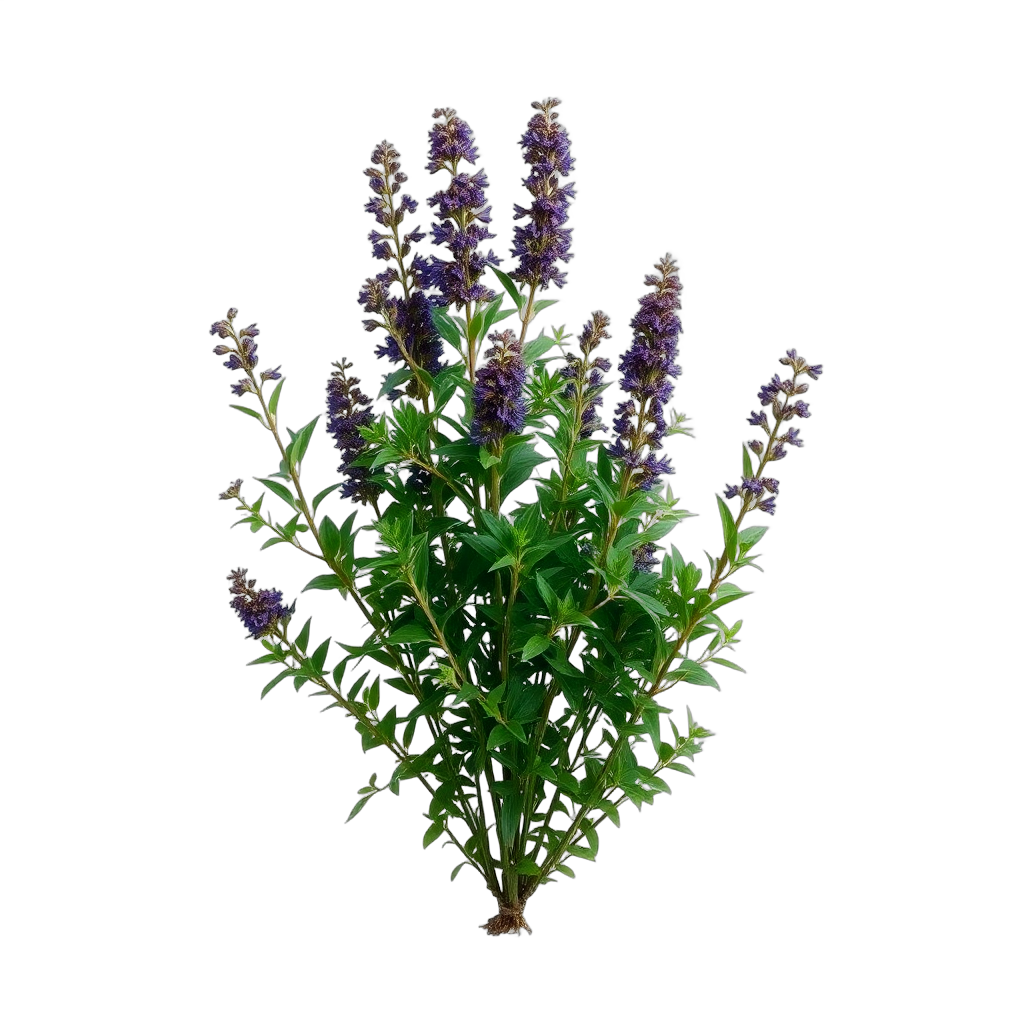
Black Sage
Salvia mellifera
grows to 4 feet, white blooms in spring. Attracts butterflies.
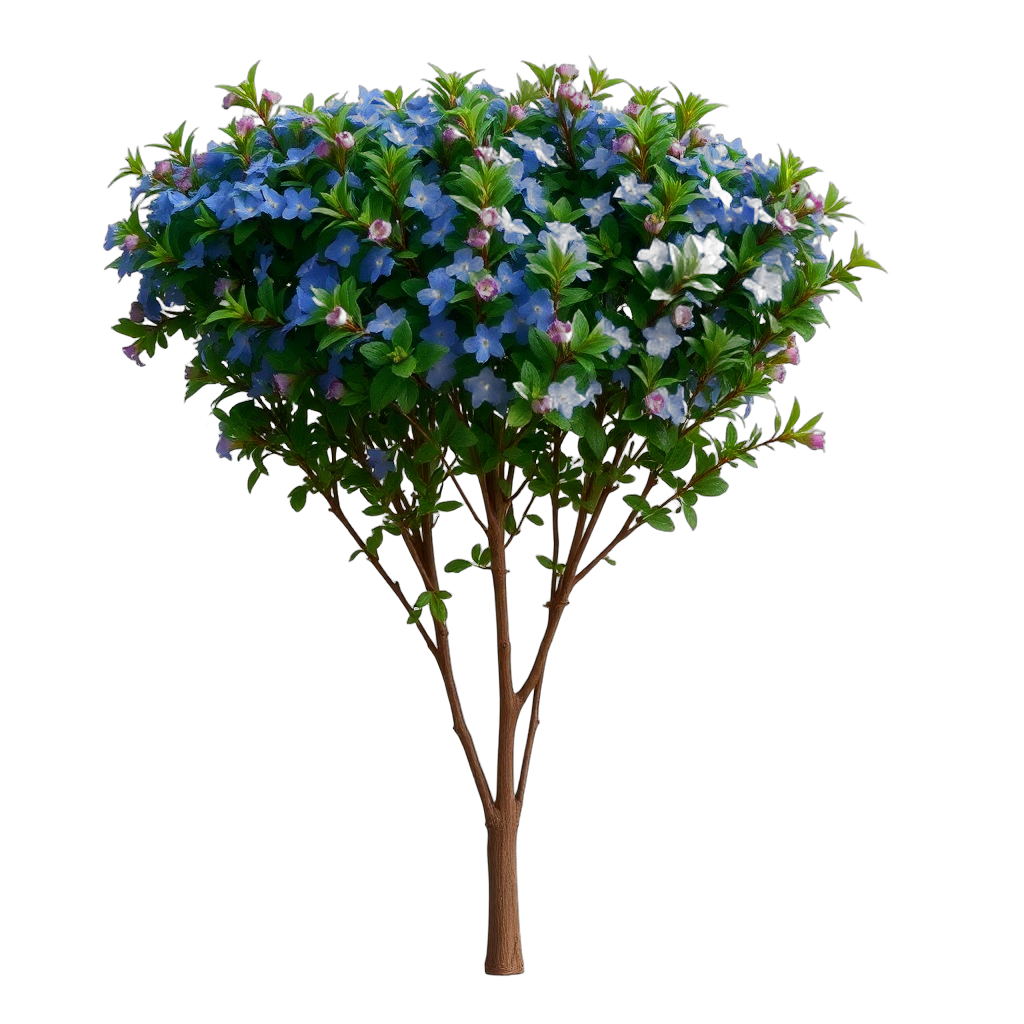
Blue Blossom
Ceanothus thyrsiflorus
medium-sized at 12 feet, blue blooms in spring. Attracts butterflies.
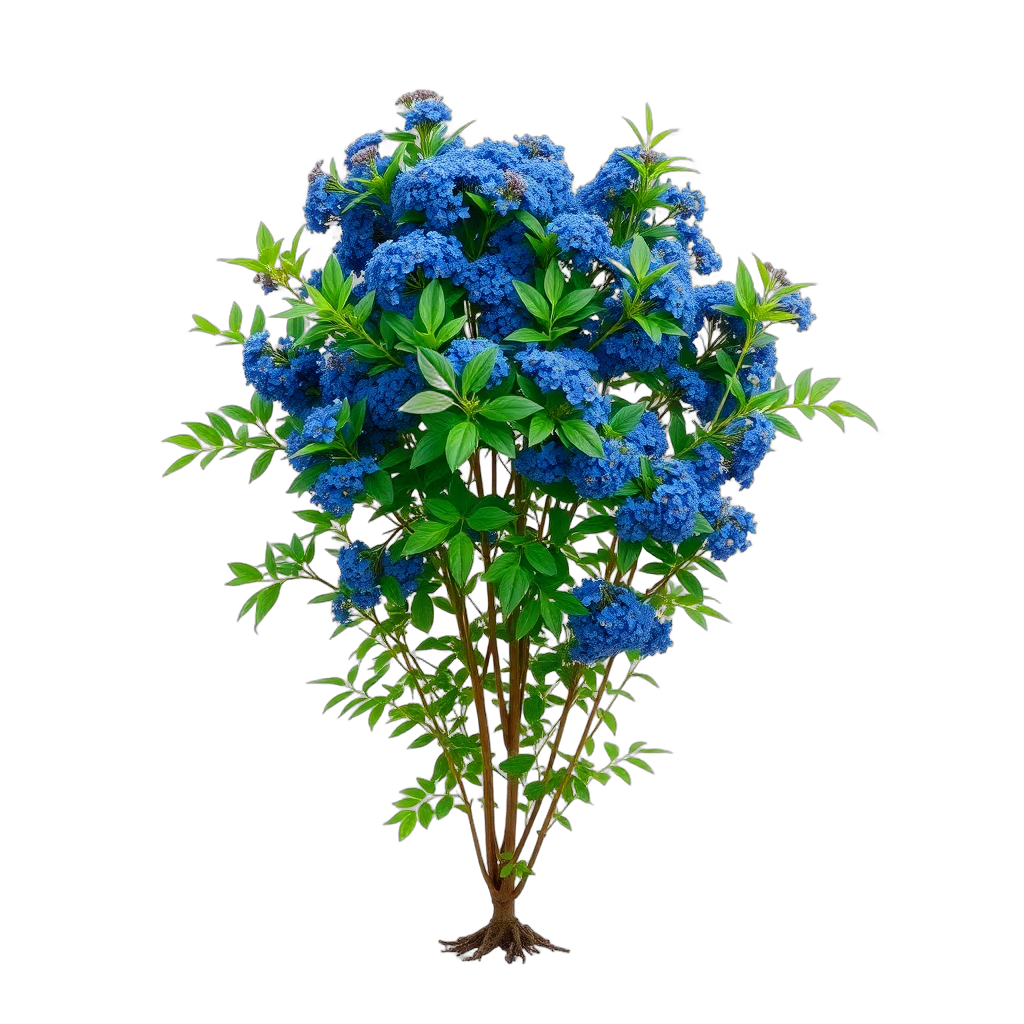
Blue Elderberry
Sambucus cerulea
medium-sized at 15 feet, white blooms in spring. Attracts butterflies.
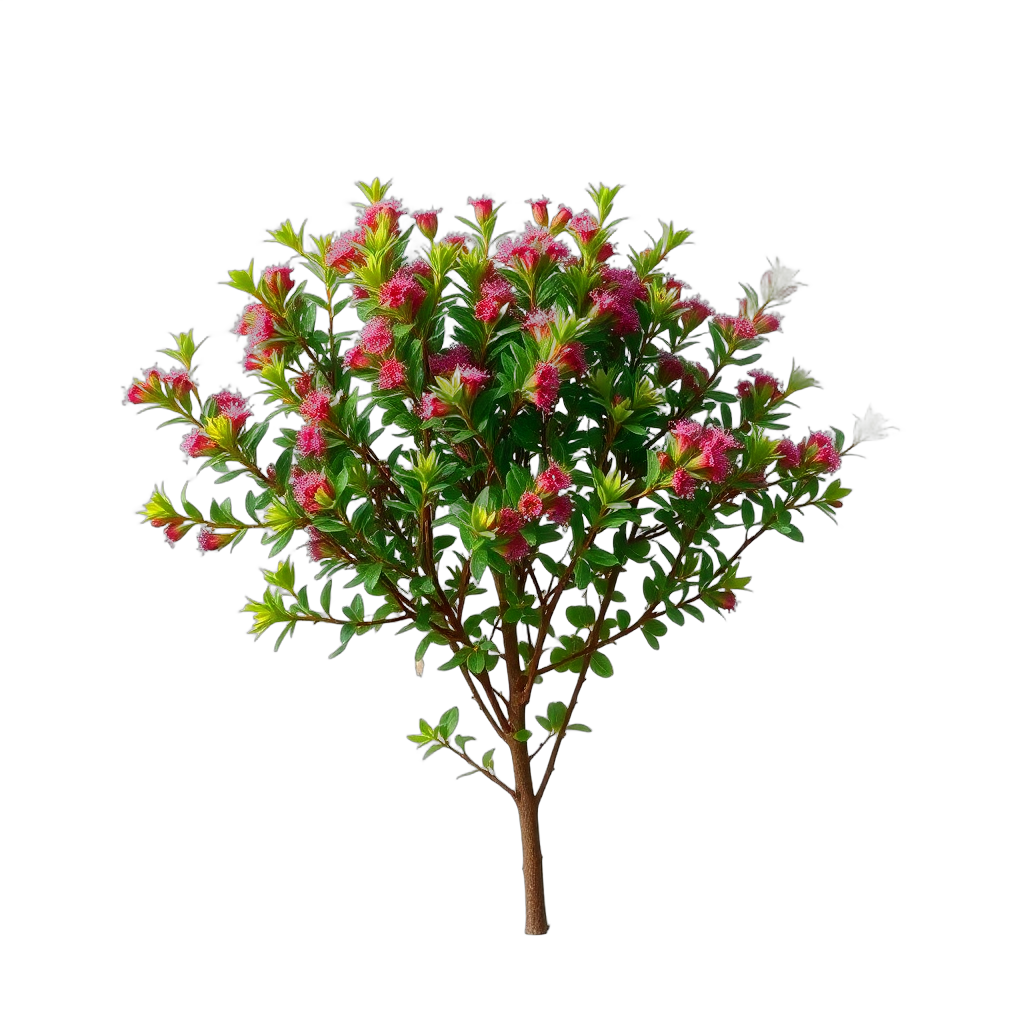
Buckbrush
Ceanothus cuneatus
medium-sized at 7 feet, white blooms in spring. Attracts butterflies.
Featured Grasses & Groundcovers for Modern/Minimalist Gardens
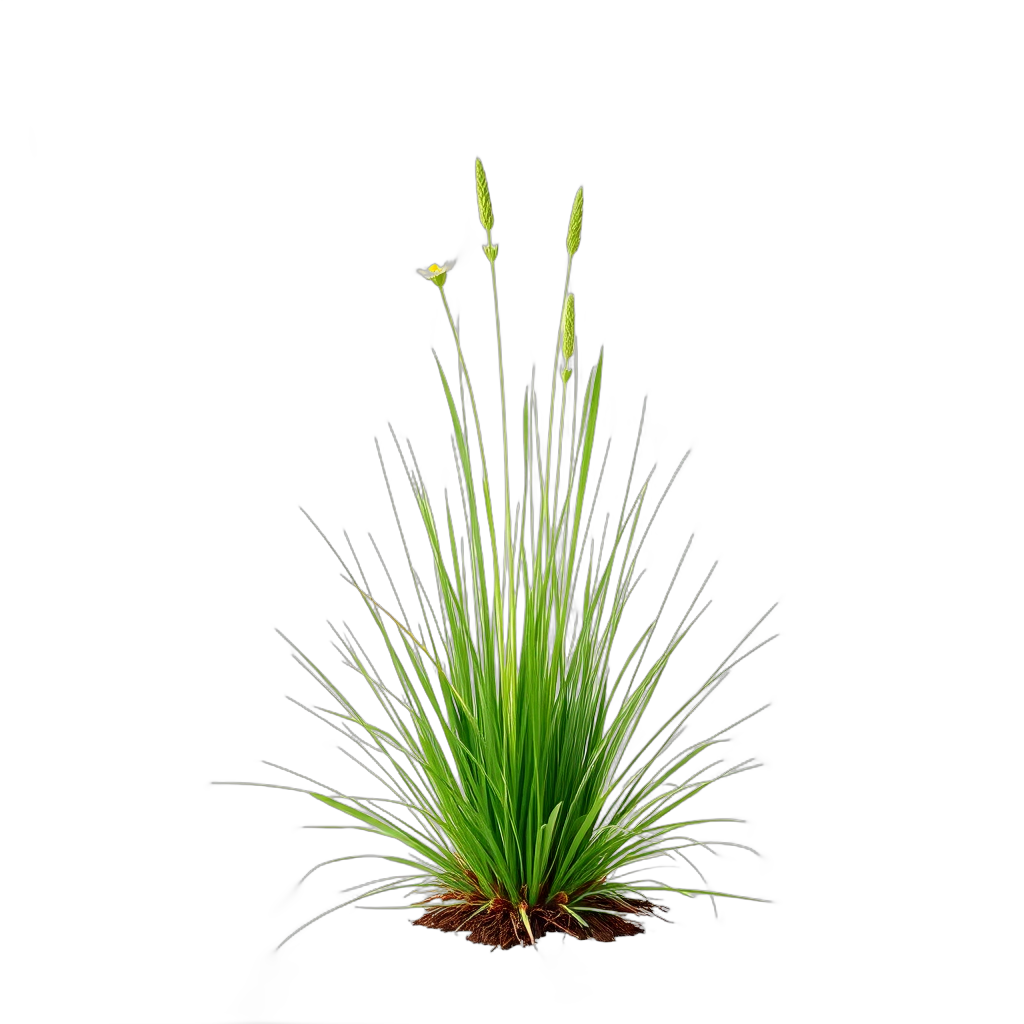
California Brome
Bromus carinatus
low-growing ground cover, blooms in spring. Yellow fall color.
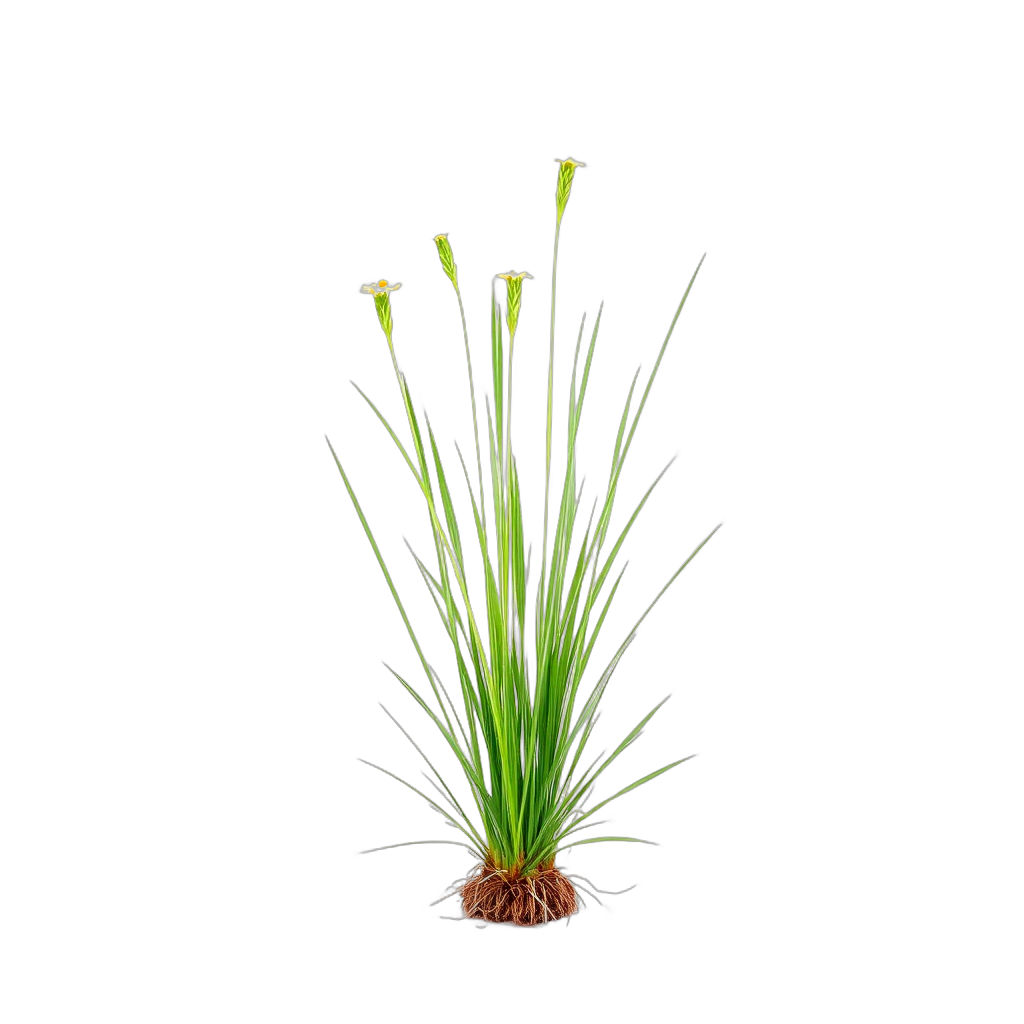
California Melic
Melica californica
low-growing ground cover, blooms in spring.
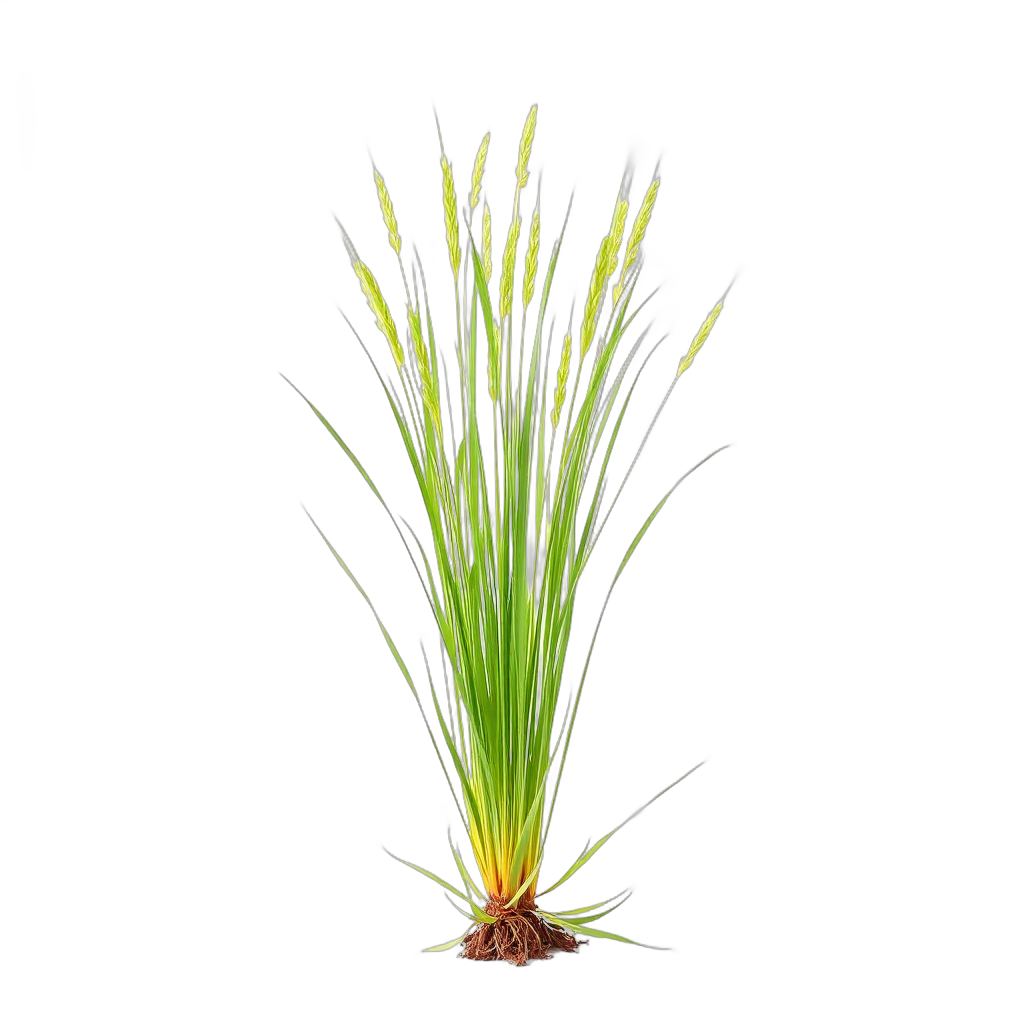
California Oatgrass
Danthonia californica
low-growing ground cover, blooms in spring. Yellow fall color.
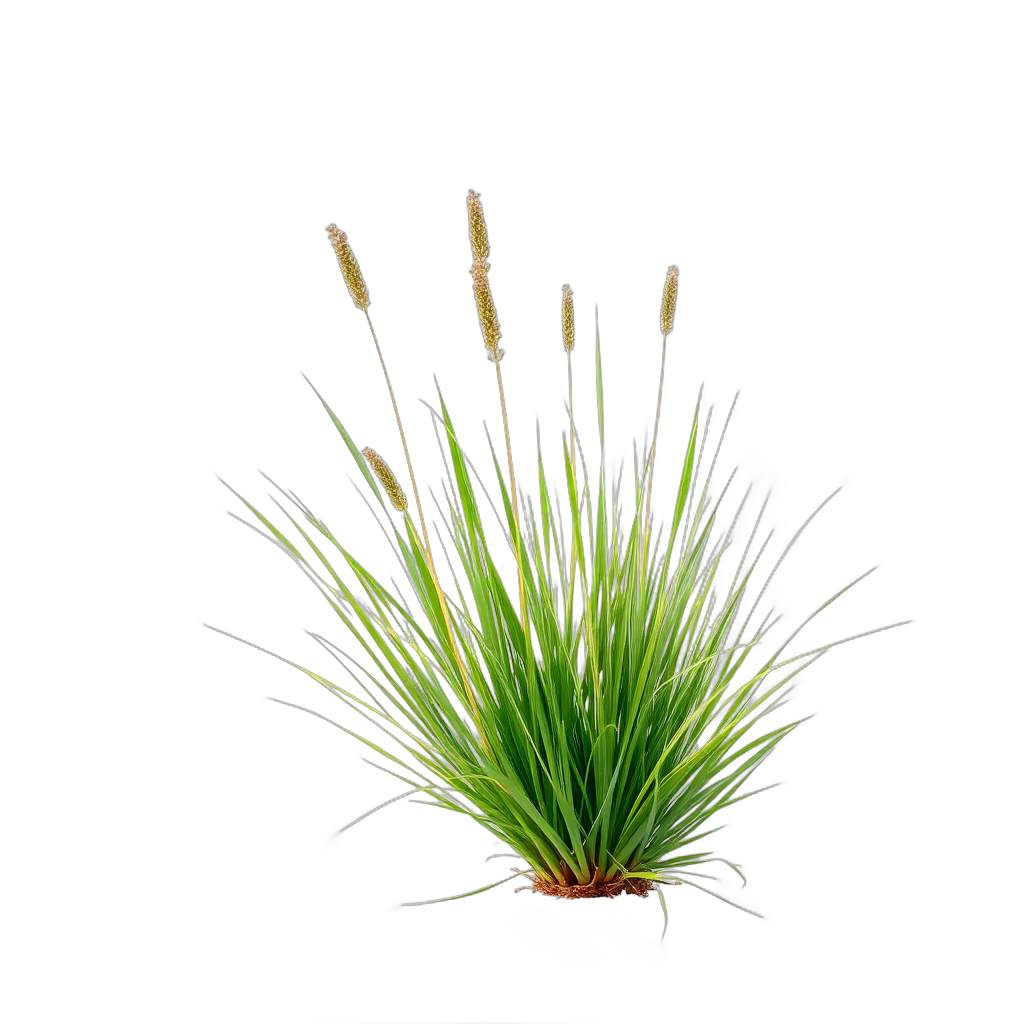
Deer Grass
Muhlenbergia rigens
grows to 3 feet, yellow blooms in fall. Evergreen year-round.
Featured Flowers & Perennials for Modern/Minimalist Gardens
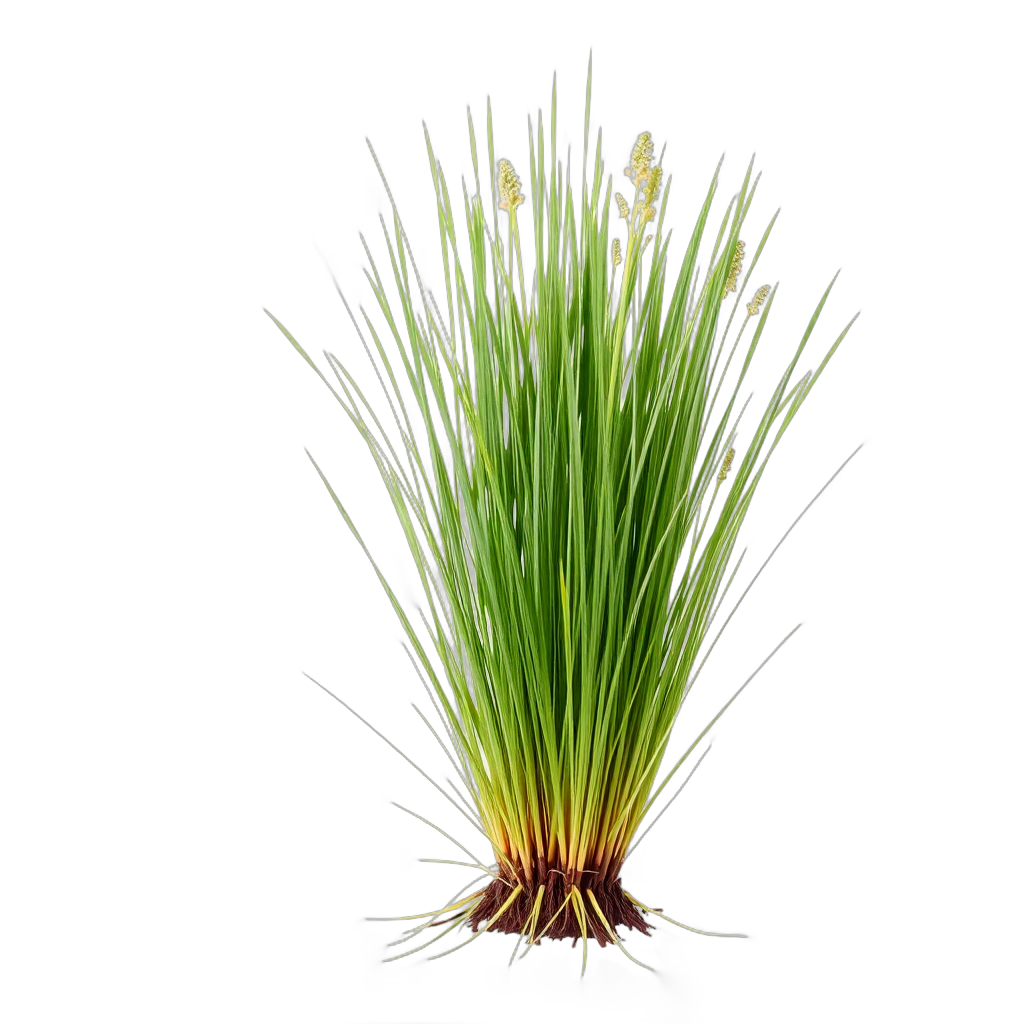
California Gray Rush
Juncus patens
low-growing ground cover, blooms in summer. Evergreen year-round.
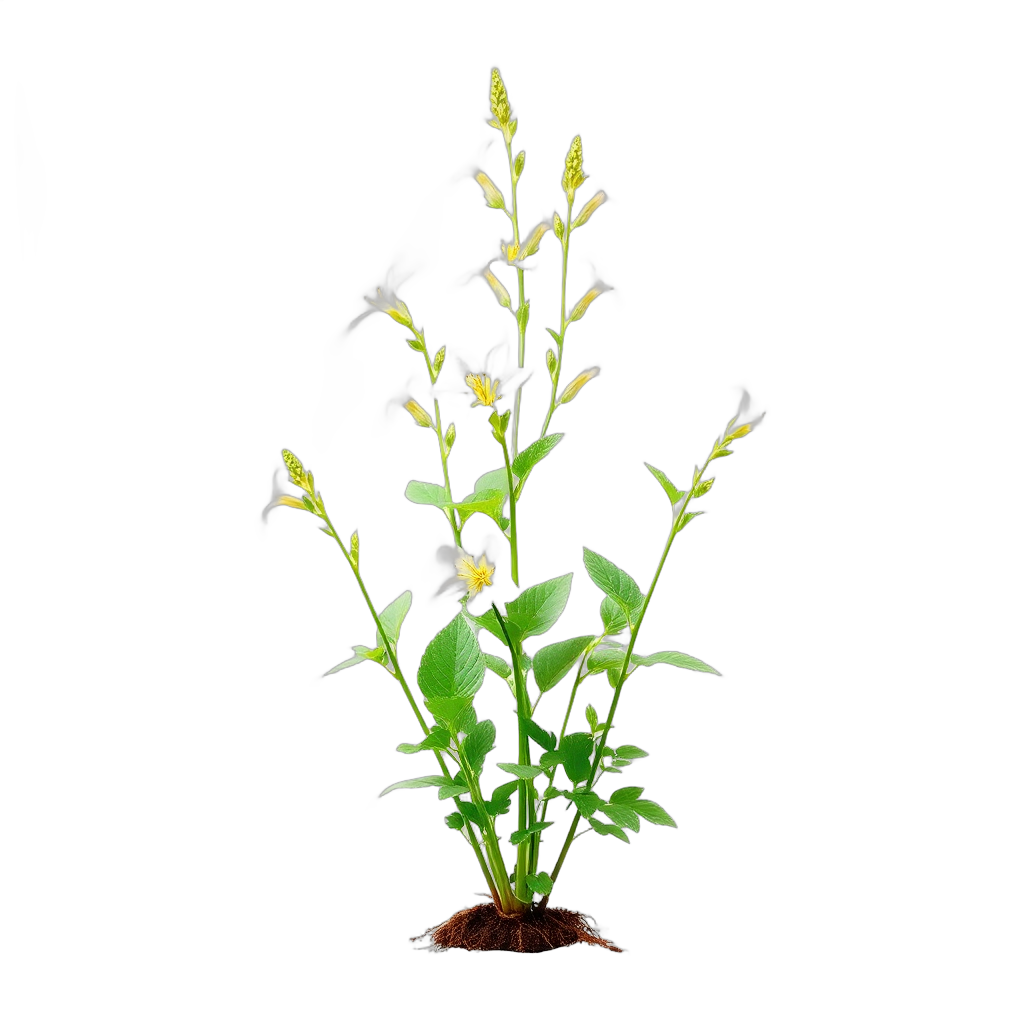
Beach Evening Primrose
Camissonia cheiranthifolia
low-growing ground cover, yellow blooms in spring. Attracts butterflies.
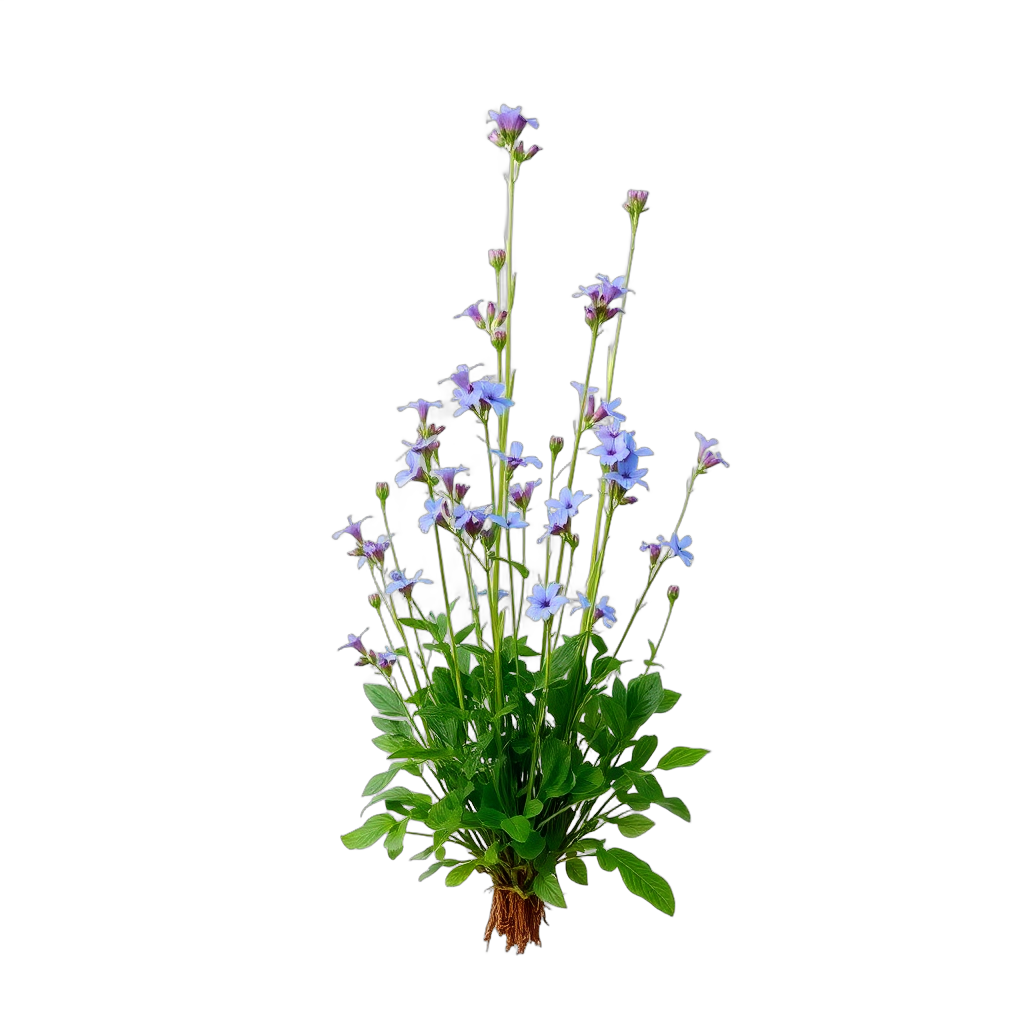
Blue Dicks
Dichelostemma capitatum
low-growing ground cover, blue blooms in spring. Pollinator-friendly.
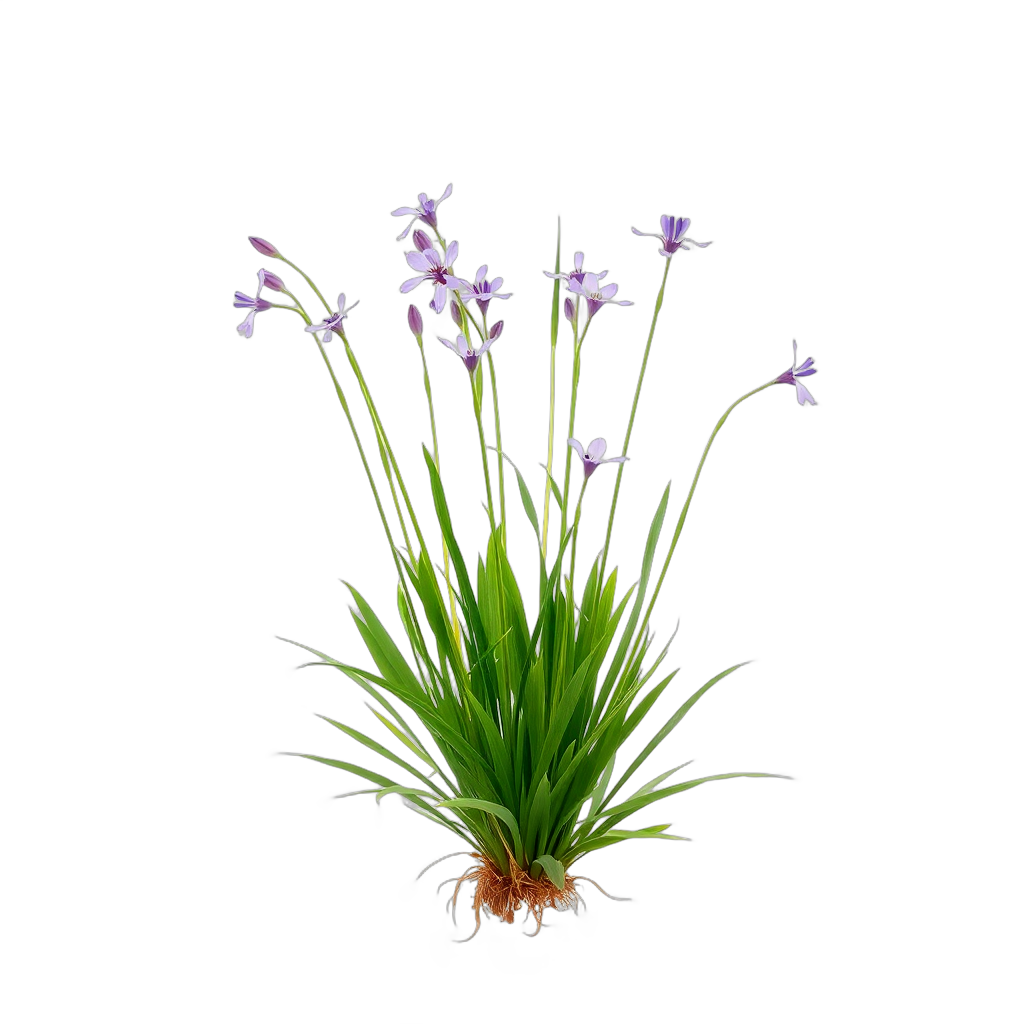
Blue-Eyed Grass
Sisyrinchium bellum
low-growing ground cover, blue blooms in spring. Attracts butterflies.
Zone and sun checks come from our database — confirm with your local nursery before you buy.
Bloom Calendar for Simi Valley
spring
Beach Evening Primrose, Blue Dicks, Blue-Eyed Grasssummer
California Gray Rush, Hooker's Evening Primrose, Hummingbird Mintfall
California Fuchsiawinter
Limited bloomsDesign Tips for Simi Valley (Zone 9b)
- Skip Agave attenuata on the valley floor: cold air pools along the Arroyo Simi and the record low is 18°F; Agave 'Blue Glow' and Agave parryi var. truncata give the same clean rosette without the frost damage
- Plant succulents high, in native clay cut with pumice or crushed rock, never in compost-rich backfill; in Simi Valley agaves die of a wet February far more often than a 100°F August
- Mass one grass instead of mixing five: a sweep of 30 or more Muhlenbergia rigens reads as a single modern gesture and needs cutting back only every two or three years
- Keep the first five feet around the house to concrete, gravel and pots, especially on hillside lots in Wood Ranch, Big Sky and Santa Susana Knolls that face chaparral
- Shade the west side: a steel and slatted-wood pergola or a Parkinsonia 'Desert Museum' on the west edge of a patio makes it usable on 97°F August evenings
- Run drip before 9 a.m.: the City's permanent rules for Waterworks District No. 8 bar sprinkler irrigation between 9 a.m. and 5 p.m., and morning water keeps succulent crowns dry overnight
- Use the turf removal program's stormwater requirement as a design element: a straight gravel swale or a basalt-lined dry creek suits a modern plan better than a meandering river-rock bed
Where to Source Plants in Simi Valley
Skip the big-box stores. These independent Simi Valley nurseries specialize in the plants that make modern/minimalist gardens thrive in Zone 9b.
Elegant Gardens Nursery
Moorpark (Tierra Rejada Road, just west of Wood Ranch)
Over a thousand plant varieties from 1-gallon to 36-inch box, plus bulk decomposed granite, gravel, rock, sand, topsoil and mulch for modern groundplanes
Matilija Nursery
Moorpark (Waters Road)
The largest inventory of California native plants in Ventura County, including native bunchgrasses and sages for fire-smart slopes
Nature's Best Nursery
Santa Rosa Valley, Camarillo
Family-owned for over 40 years, with shade trees and water-wise stock including agave, succulents and ornamental grasses
Camarillo Nursery
Camarillo
Succulents, palms, trees, pottery and water features, with landscape design, planting and delivery
Modern/Minimalist Landscaping Costs in Simi Valley
| Project Scope | Estimated Cost |
|---|---|
| Front yard lawn removal and decomposed granite with succulent planting (500 sqft) | $7,000 – $16,000 |
| Poured concrete stepping pads or entry walk (100–200 sqft) | $2,500 – $6,000 |
| Board-formed concrete wall courtyard with porcelain pavers | $20,000 – $45,000 |
| Steel and wood shade pergola over a patio | $8,000 – $20,000 |
| Low-voltage LED lighting package (10–15 fixtures) | $2,500 – $6,000 |
| Full modern back yard: terrace, pergola, lighting, planting | $40,000 – $90,000 |
| AI visualization (ProScapeAI) | Free to start |
Estimates based on Simi Valley, CA-area contractor rates as of 2026. Actual costs vary by site conditions, materials, and contractor.
Simi Valley Climate & Growing Zone
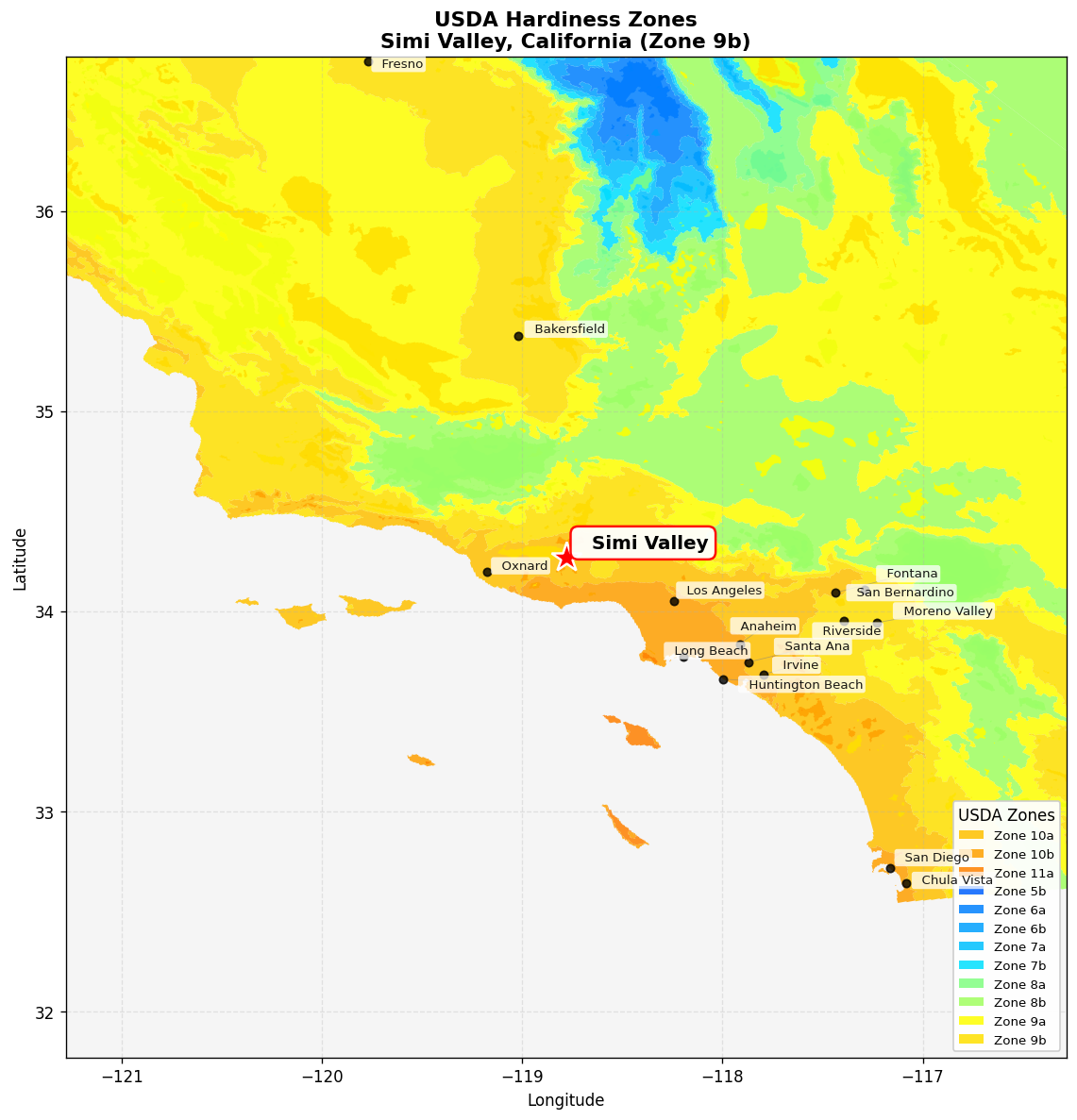
USDA Zone 9b
Hardiness zone for Simi Valley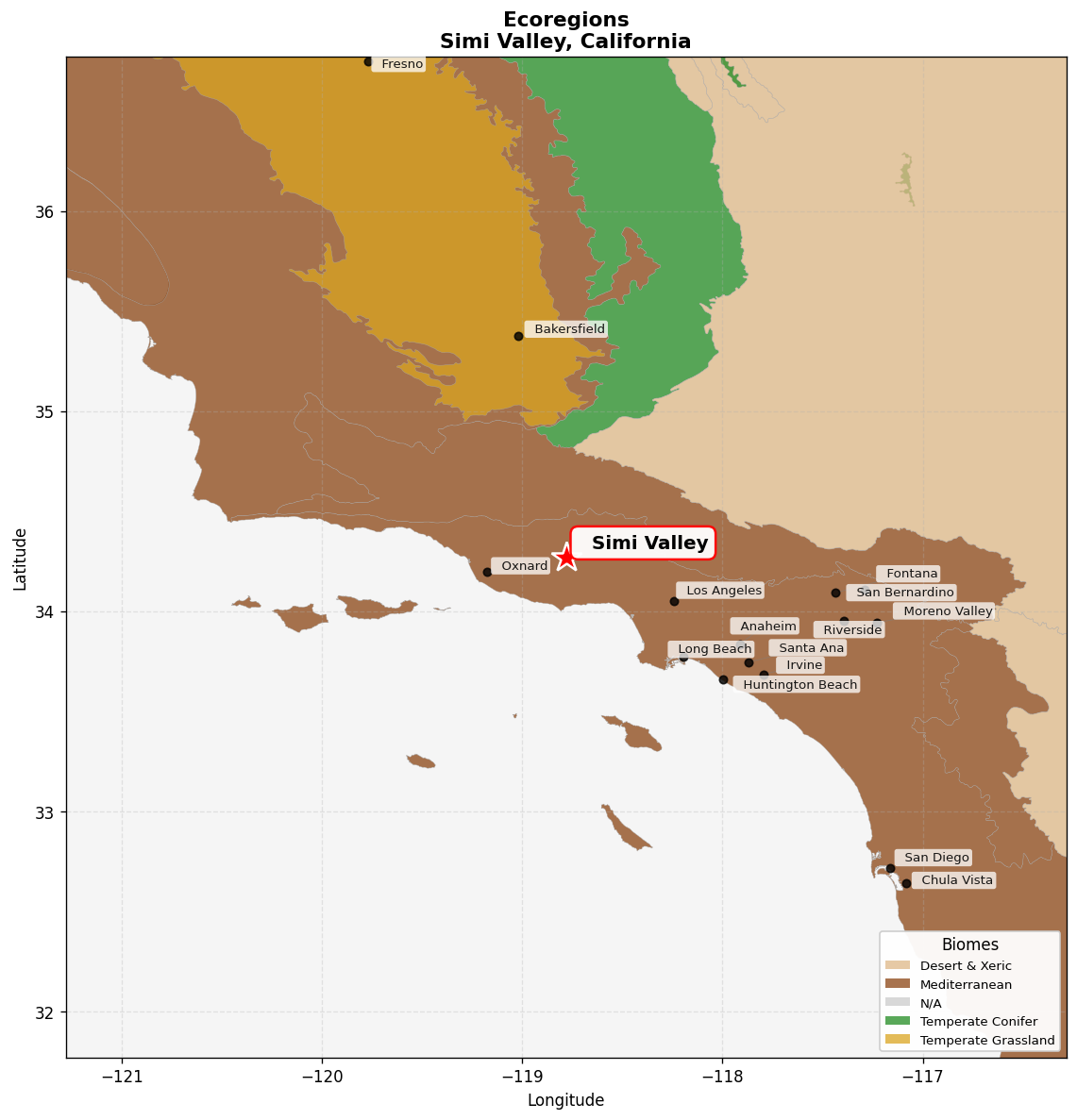
California coastal sage and chaparral
Native ecoregionFrequently Asked Questions
How much does a modern landscape cost in Simi Valley?
Ventura County landscape crews typically bill around $65–95 per hour, and most quote by the job. A decomposed granite front yard with concrete pads and succulent planting on a 400–600 sqft frontage usually runs $7,000–16,000. A board-formed concrete wall courtyard with porcelain pavers is $20,000–45,000. A full back yard with a concrete terrace, pergola, lighting and planting commonly lands at $40,000–90,000. Agave 'Blue Glow' and Muhlenbergia rigens in one- and five-gallon sizes keep the planting itself modest.
Which agaves survive Simi Valley winters?
The valley floor can drop to the low 20s on a clear January night, and the record low is 18°F. Agave attenuata and Agave 'Blue Flame' are the most tender, so keep them against a south wall or under an eave. Agave 'Blue Glow', Agave parryi var. truncata, Agave ovatifolia 'Frosty Blue' and Yucca rostrata all take those lows without damage. Drainage matters more than cold: set crowns slightly above grade in soil cut with pumice and keep spray heads off them in winter.
Is a modern gravel yard good for wildfire safety in Simi Valley?
Yes, it is one of the better choices. The hillside edges of the city back onto chaparral, and state law requires 100 feet of defensible space around homes in fire hazard areas. Gravel, concrete and widely spaced succulents carry almost no fuel. Keep the first five feet from the house free of bark mulch and plants, irrigate and cut back grasses such as Muhlenbergia capillaris 'Regal Mist' before the dry season, and avoid Pennisetum setaceum (fountain grass) and junipers near structures. Check your address on CAL FIRE's Fire Hazard Severity Zone map.
Is a modern landscape low maintenance here?
Once established, very. Expect to rake or re-level decomposed granite once a year after the winter rains, pull agave pups, and cut Muhlenbergia rigens back hard every two or three years in late winter. Hesperaloe 'Brakelights' needs only its spent flower stalks removed. Most of the water goes in during the first summer; after that, deep drip every one to two weeks in summer is enough for most of this palette.
When should I install a modern landscape in Simi Valley?
Do the hardscape any time it is dry, and plant from October to early December so roots grow on winter rain. Succulents also go in well in spring, from March to May, before the heat. Avoid planting in July and August, when highs average about 97°F and a fresh transplant needs daily care.
What are the water rules and rebates in Simi Valley?
If your water comes from Ventura County Waterworks District No. 8, run by the City, permanent rules bar irrigation between 9 a.m. and 5 p.m. and cap sprinkler run times, with drip exempt from the cap. In drought years the district adds shortage stages with watering days; in 2022 it went to one day a week. The City also runs a turf removal program that asks for a stormwater retention feature, such as a gravel swale or dry creek. Rebate amounts change, so check the City's water conservation page before you start.
Do I need HOA approval for a modern front yard?
In planned communities such as Wood Ranch and Big Sky, assume the HOA's architectural committee reviews front-yard changes, walls and paving, so submit a plan before work starts. In older tracts without an HOA, the City's zoning rules on wall and fence height in the front setback still apply, and a retaining wall over a certain height usually needs a building permit, so check with the City of Simi Valley first.