4 Mediterranean Garden Ideas for Santa Clarita, CA | Olive, Lavender & Terracotta Design for Zone 9b
Native plants from the California coastal sage and chaparral (Zone 9b) — Mediterranean (hot summer) climate
Why Mediterranean Gardens in Santa Clarita?
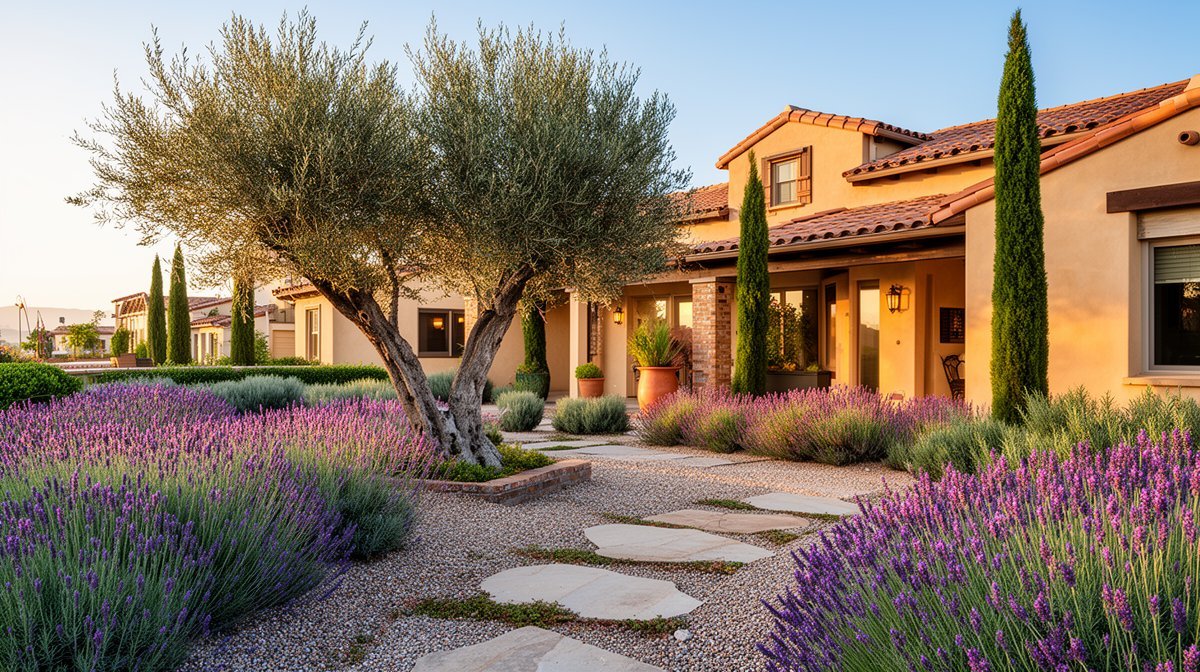
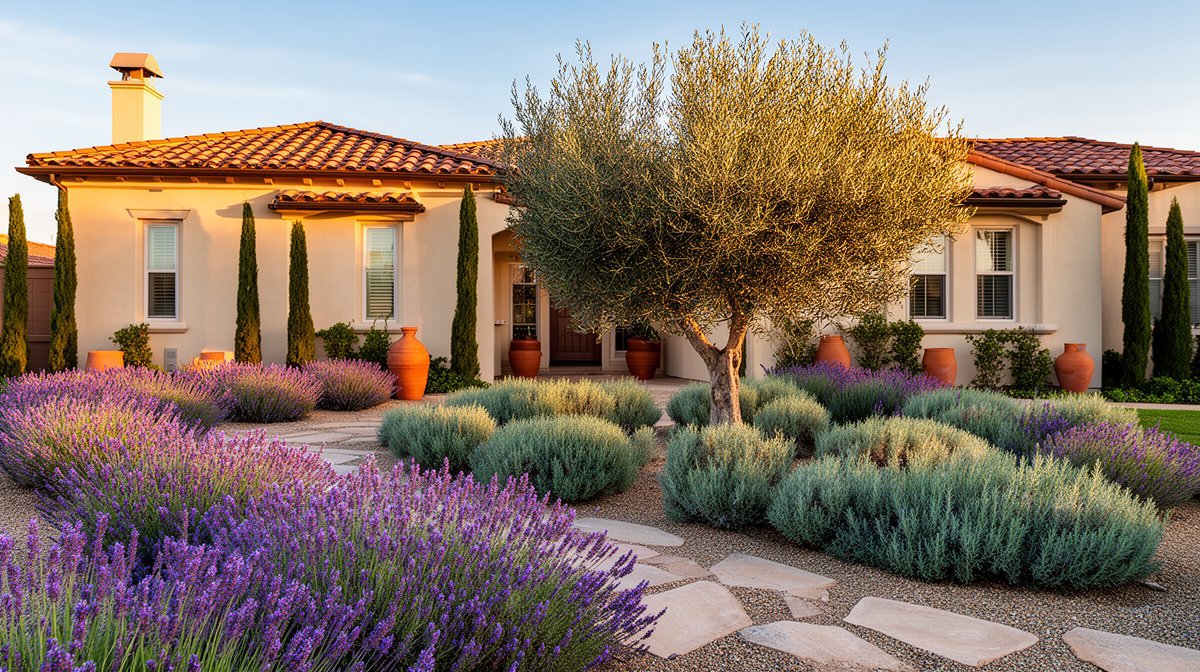
Santa Clarita does not have to imitate the Mediterranean — it already is one. The SCV sits in a Köppen Csa hot-summer Mediterranean climate, the same classification as Seville, Beirut and inland Sicily, which is why olives, citrus, lavender and bougainvillea behave like natives here instead of like guests. Roughly 17 inches of rain falls almost entirely between November and March, then the valley goes five months without meaningful precipitation while daytime highs climb past 100°F. That is precisely the rhythm the classic Mediterranean palette evolved under: winter-wet, summer-dry, alkaline mineral soil. It is also why so many Valencia and Stevenson Ranch front yards fail — they were planted with Mediterranean plants and then watered on a summer lawn schedule, which rots olive and lavender roots faster than drought ever would.
The cultivar choices matter more than the category. Use Olea europaea 'Wilsonii' or 'Swan Hill' rather than a fruiting olive — both are effectively fruitless, so you avoid staining driveways and the pollen that triggers LA basin allergy complaints, and both take the multi-trunk sculptural form the style depends on. Underneath, Lavandula × intermedia 'Grosso' and 'Provence' outperform true English lavender in alkaline decomposed granite, joined by Lavandula stoechas 'Otto Quast' for earlier bloom, Salvia leucantha 'Santa Barbara' for a September wave, Teucrium fruticans 'Azureum' and Westringia fruticosa 'Morning Light' for silver structure, Phlomis fruticosa and Santolina chamaecyparissus for the dry gravel middle ground. Agave attenuata and Agave americana 'Mediopicta Alba' supply architecture; Dietes bicolor and Phormium 'Amazing Red' fill terracotta pots; Dymondia margaretae and Thymus praecox 'Elfin' knit flagstone joints. For the productive layer that makes a Mediterranean garden feel lived in, Citrus 'Washington' navel, Citrus 'Improved Meyer', Punica granatum 'Wonderful' and Ficus carica 'Black Mission' all fruit reliably in Zone 9b.
The one place the fantasy collides with local reality is fire. Most of Santa Clarita lies in a Very High Fire Hazard Severity Zone, and LA County Fire enforces 100 feet of defensible space with annual brush-clearance inspections. Italian cypress — the signature Mediterranean vertical — is a documented roman candle, and rows of Cupressus sempervirens planted tight to a stucco wall are exactly what gets cited. Keep them beyond 30 feet from the structure and widely spaced, or substitute Podocarpus elongatus 'Icee Blue', Pittosporum tenuifolium 'Silver Sheen' or columnar Arbutus for the same silhouette without the resin load. Junipers, unpruned rosemary, pampas grass, Acacia and fountain grass are similarly out. Well-irrigated olives, citrus, Arbutus 'Marina', Rhamnus californica 'Eve Case' and Buxus 'Green Beauty' are the fire-resistive backbone, and gravel or decomposed granite groundplanes are an asset rather than a compromise here — they carry no fuel at all.
4 Mediterranean Design Ideas for Santa Clarita
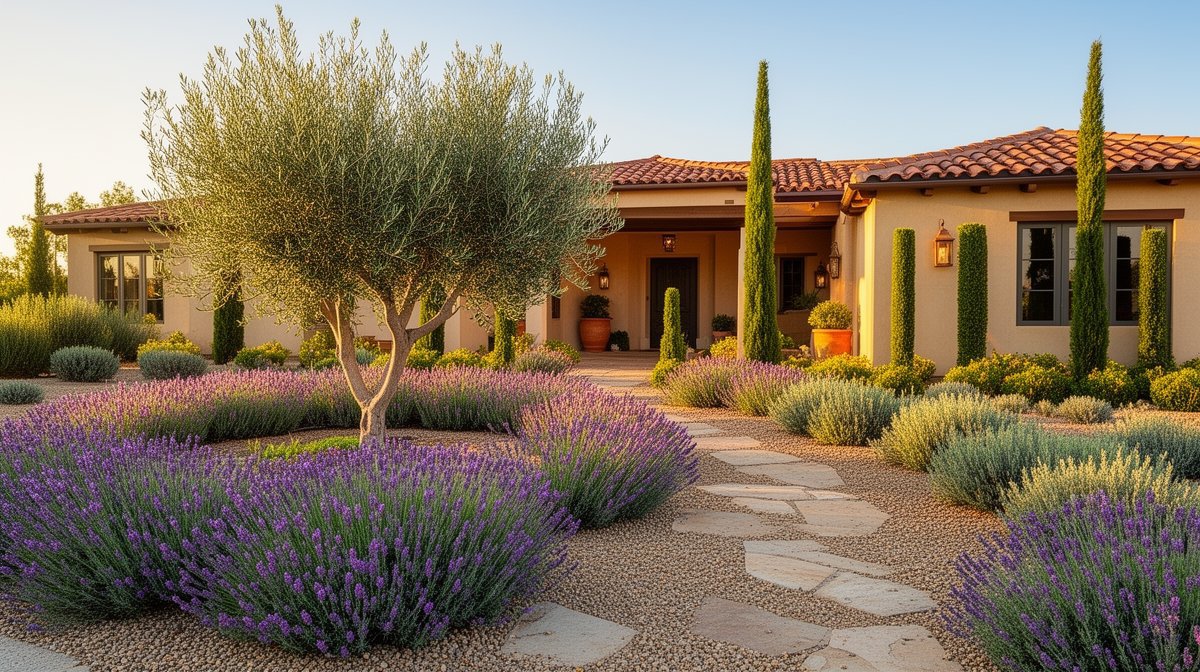
The Olive Courtyard Entry
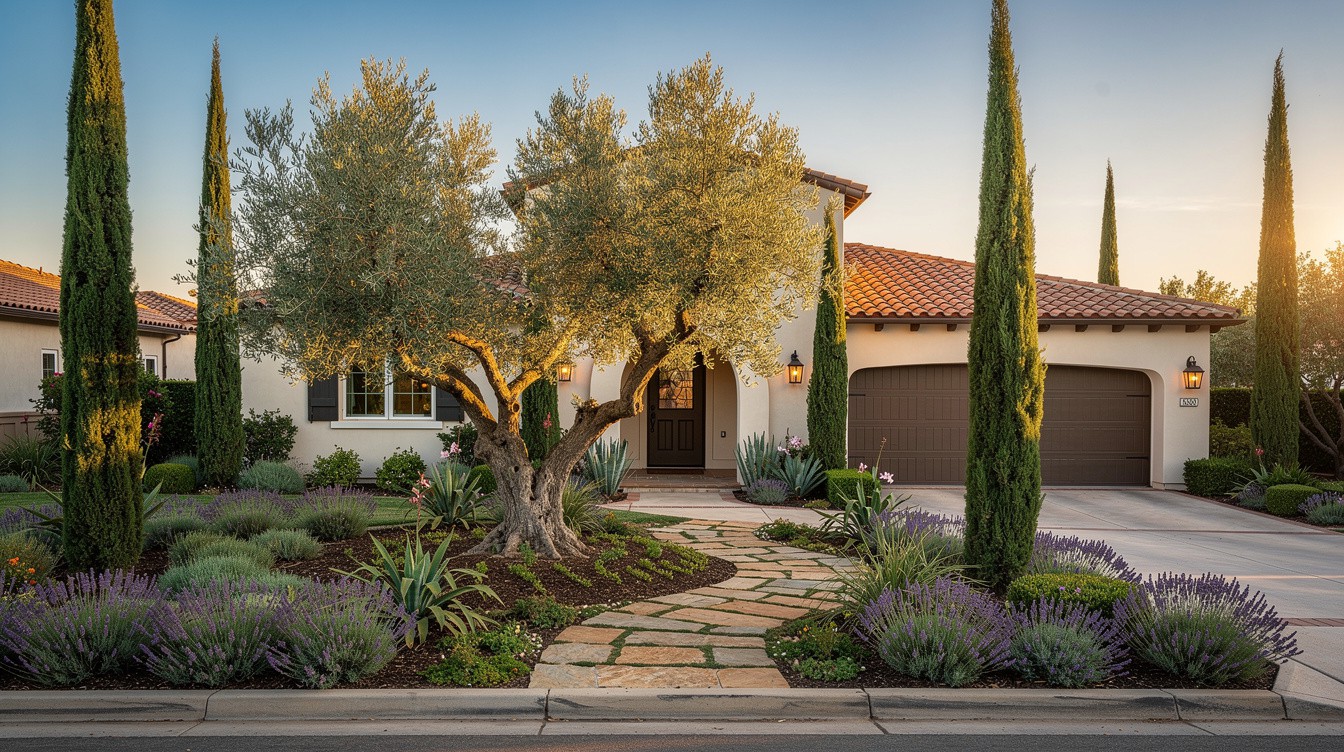
$16–28/sqftThe lawn is gone entirely and a single mature multi-trunk olive becomes the front yard's whole reason for being, its gnarled trunk uplit against a tile-roofed stucco elevation. A flagstone walkway curves from the sidewalk to the arched entry with low groundcover knitting the joints, and slim dark-green columnar accents repeat down both sides of the drive to give the flat elevation vertical rhythm. Between them sit broad drifts of lavender in bloom, silver-blue agaves for punctuation and low mounded shrubs holding the bed edges — a zero-turf front yard that still reads as generous.
The Walled Citrus Forecourt
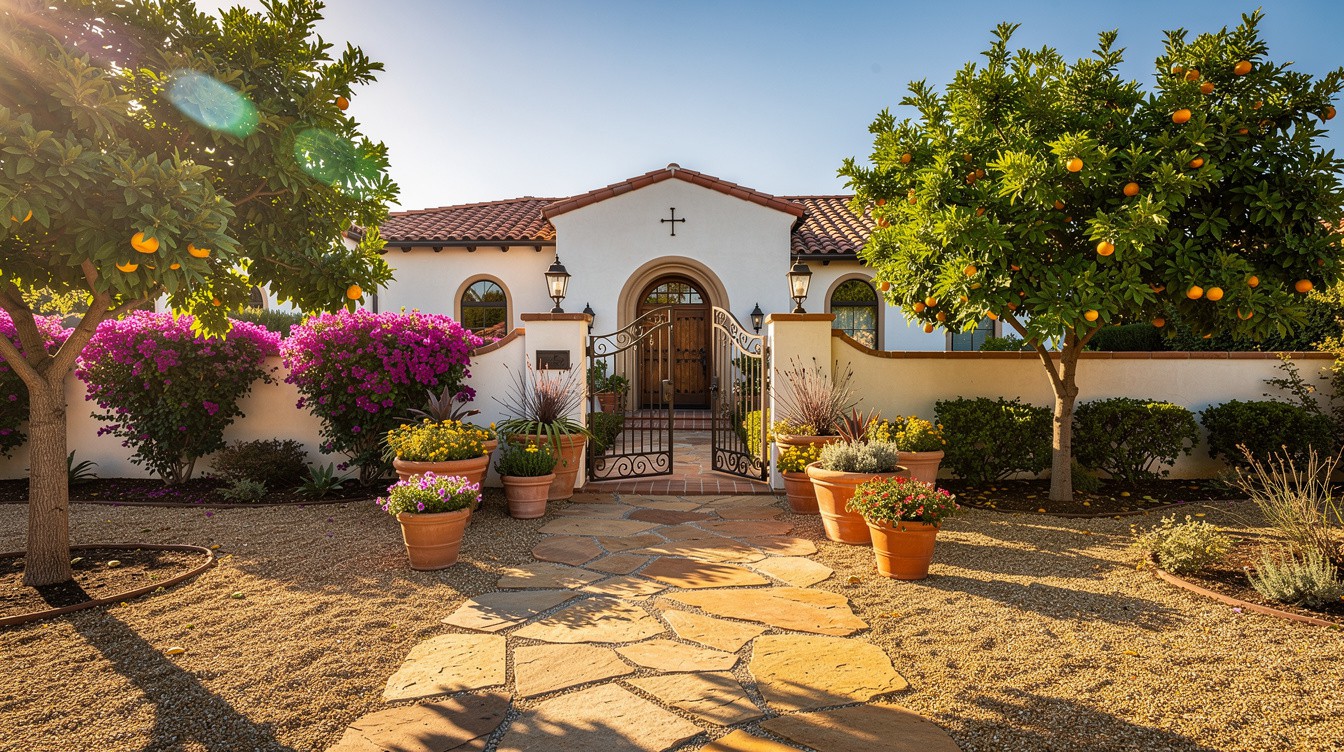
$24–42/sqftA low white stucco wall with a terracotta cap and a wrought-iron gate turns the front of a Spanish revival home into an outdoor room before you even reach the door. Magenta bougainvillea cascades over the wall on both sides, two mature citrus trees anchor the corners in fruit, and the groundplane is warm pea gravel with irregular flagstone steppers floating through it. Glazed and unglazed terracotta pots cluster at the gate holding spiky bronze phormium, yellow daisy shrubs and trailing color — the whole composition costs a fraction of a full hardscape and delivers most of the drama.
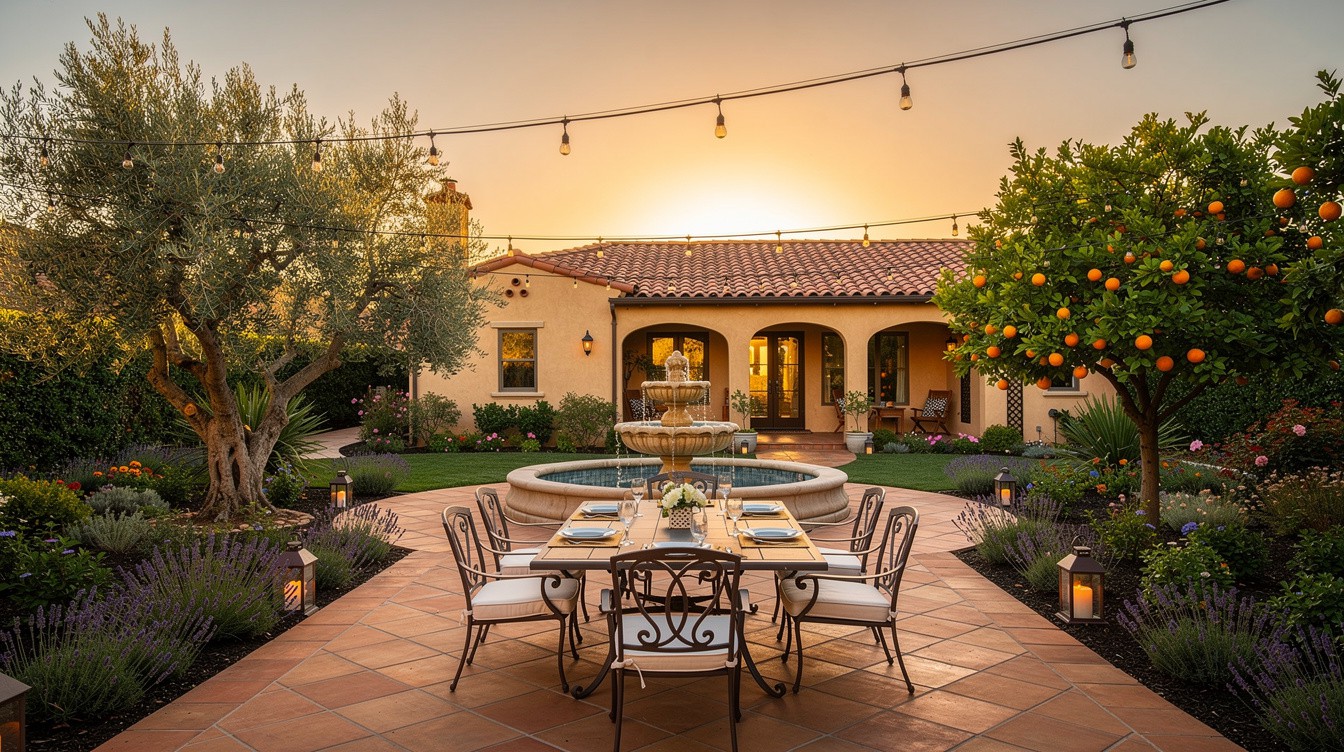
The Fountain Courtyard Terrace
$30–55/sqftA three-tier cast-stone fountain sits at the heart of a terracotta-tiled rear courtyard, with a wrought-iron dining table pulled up close so the water is the soundtrack to dinner. String lights run overhead corner to corner, lanterns sit at the terrace edges, and a narrow strip of lawn keeps the space from feeling paved solid. An olive on one side and a fruiting orange on the other frame the view back to the arched loggia, while a continuous lavender hedge lines the tile edges and releases scent every time someone brushes past.
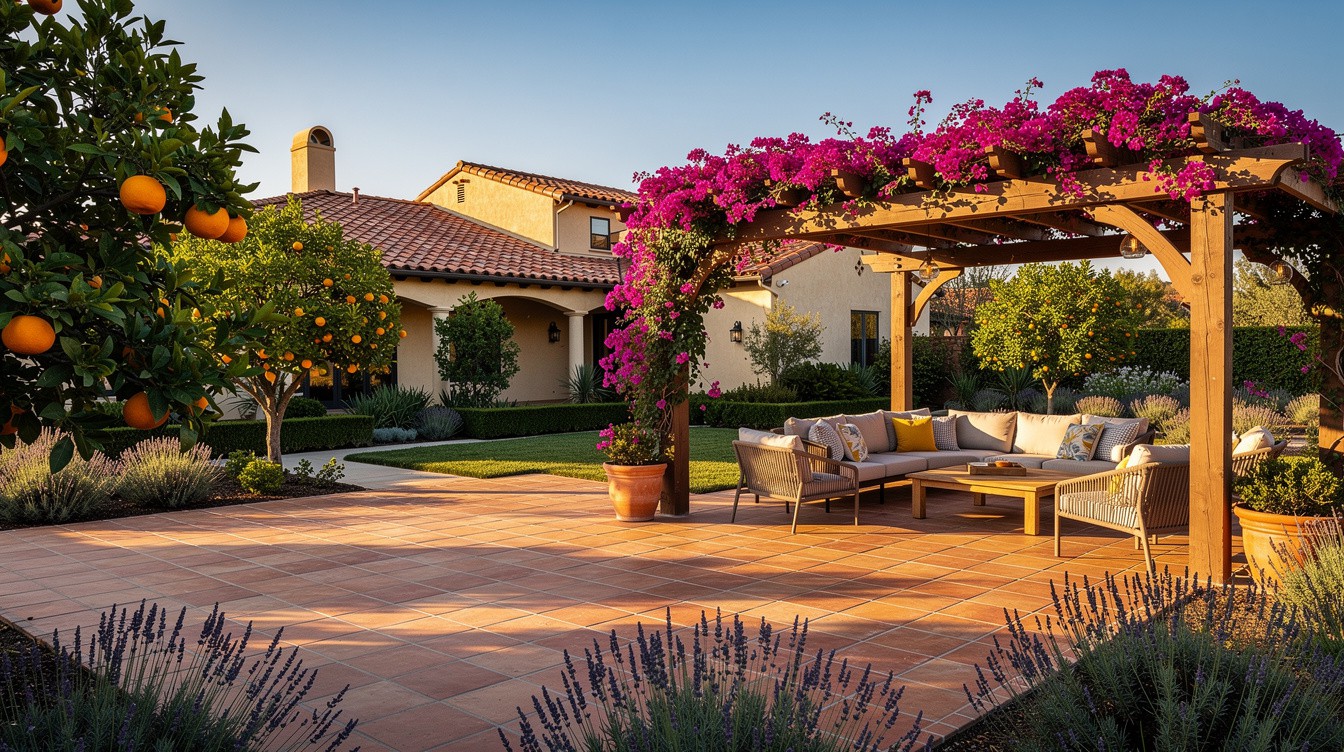
The Bougainvillea Pergola Lounge
$26–46/sqftA heavy timber pergola in warm cedar carries a curtain of magenta bougainvillea across a wide terracotta-tiled terrace, and beneath it a low sectional and coffee table make an outdoor living room that is genuinely usable from March to November. Clipped hedges and a small lawn panel supply the green counterpoint, mature citrus trees frame both sides in fruit and fragrance, and lavender laps at the tile edge. It is a comparatively simple build — one paved surface, one overhead structure, one vine — but it does more for a Saugus backyard than three separate features would.
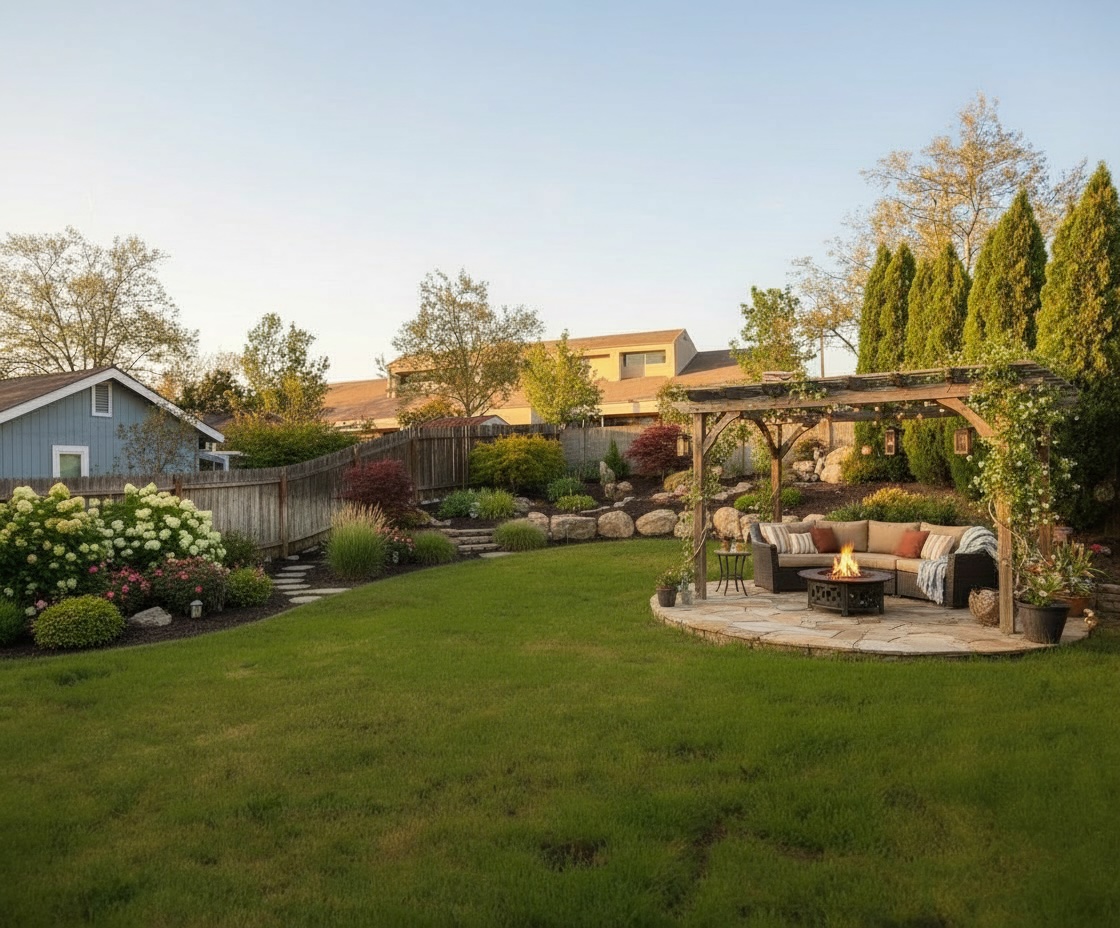
See how a mediterranean garden looks on YOUR property
Upload a photo of your Santa Clarita yard and visualize your dream garden in seconds.
Try ProScapeAI Free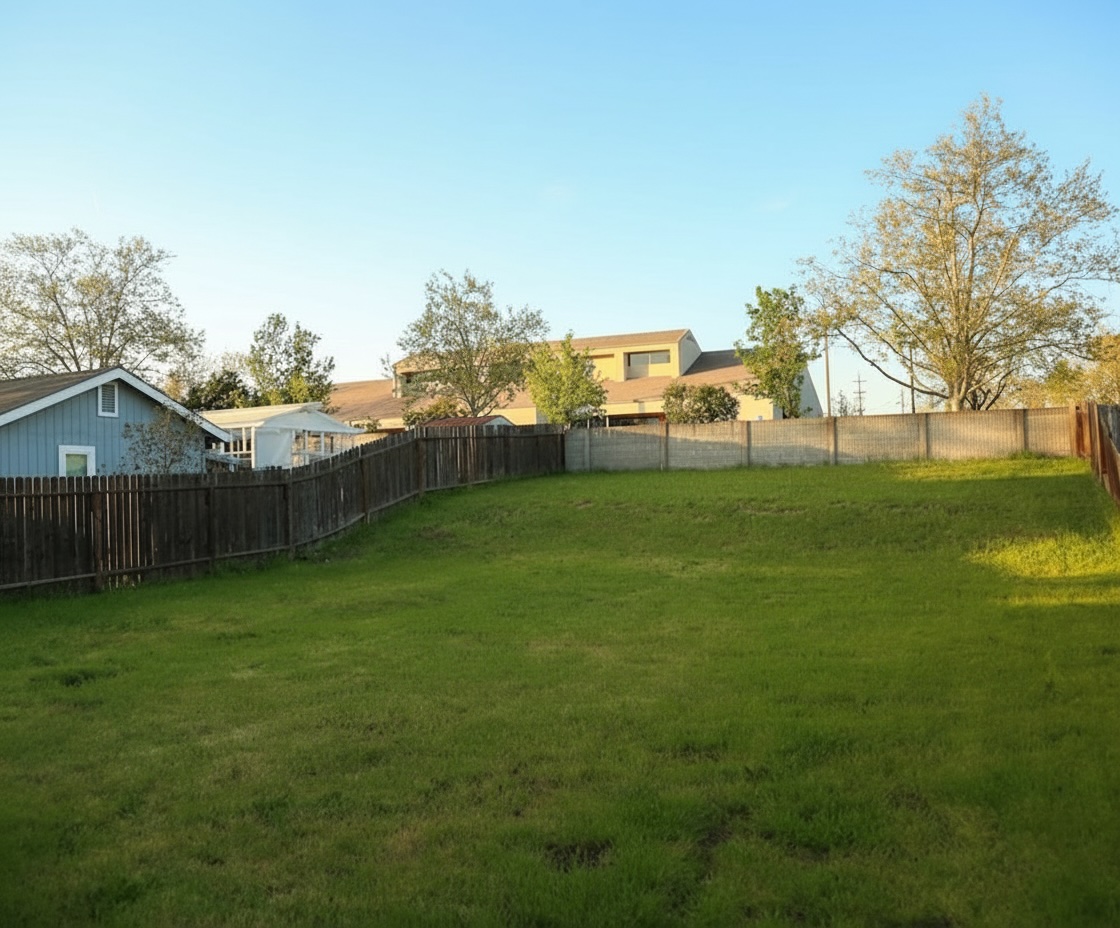
Featured Trees & Shrubs for Mediterranean Gardens
Browse all 223 plants for Santa Clarita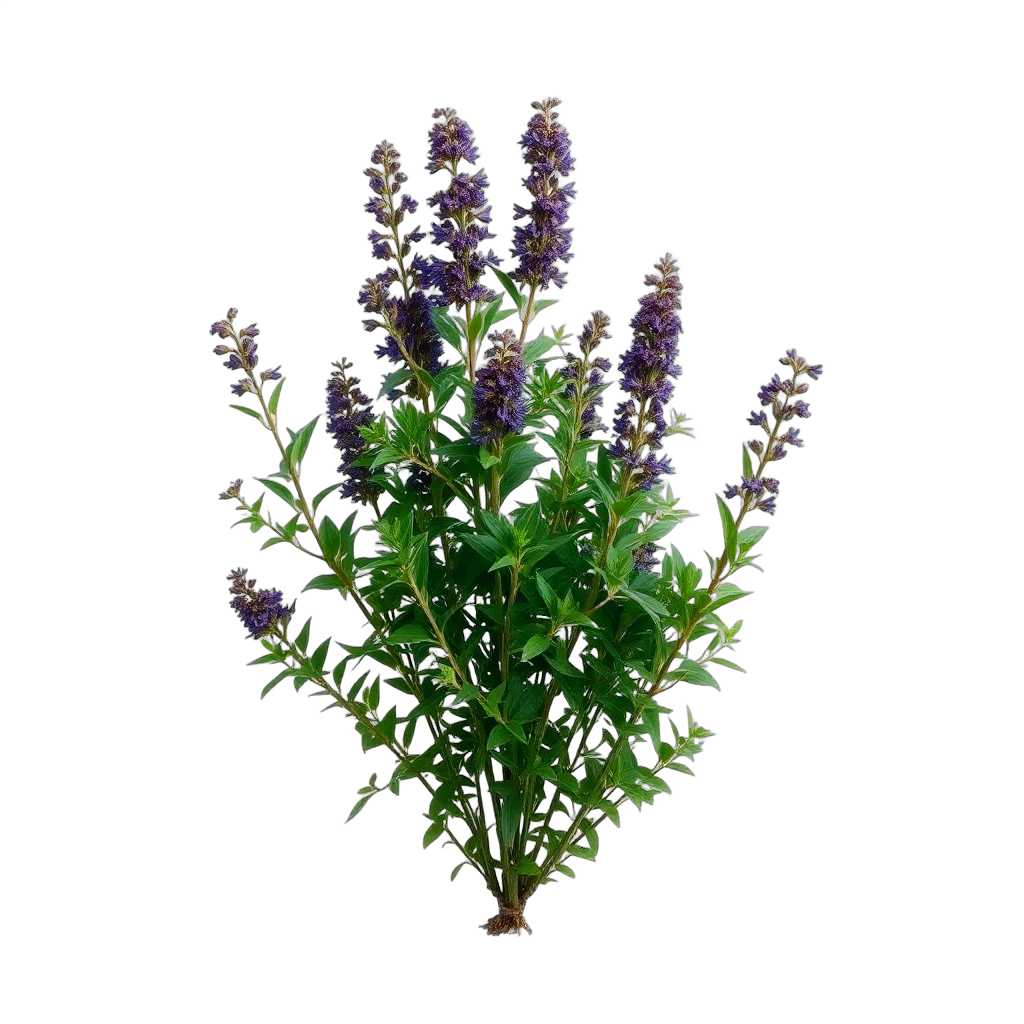
Black Sage
Salvia mellifera
grows to 4 feet, white blooms in spring. Attracts butterflies.
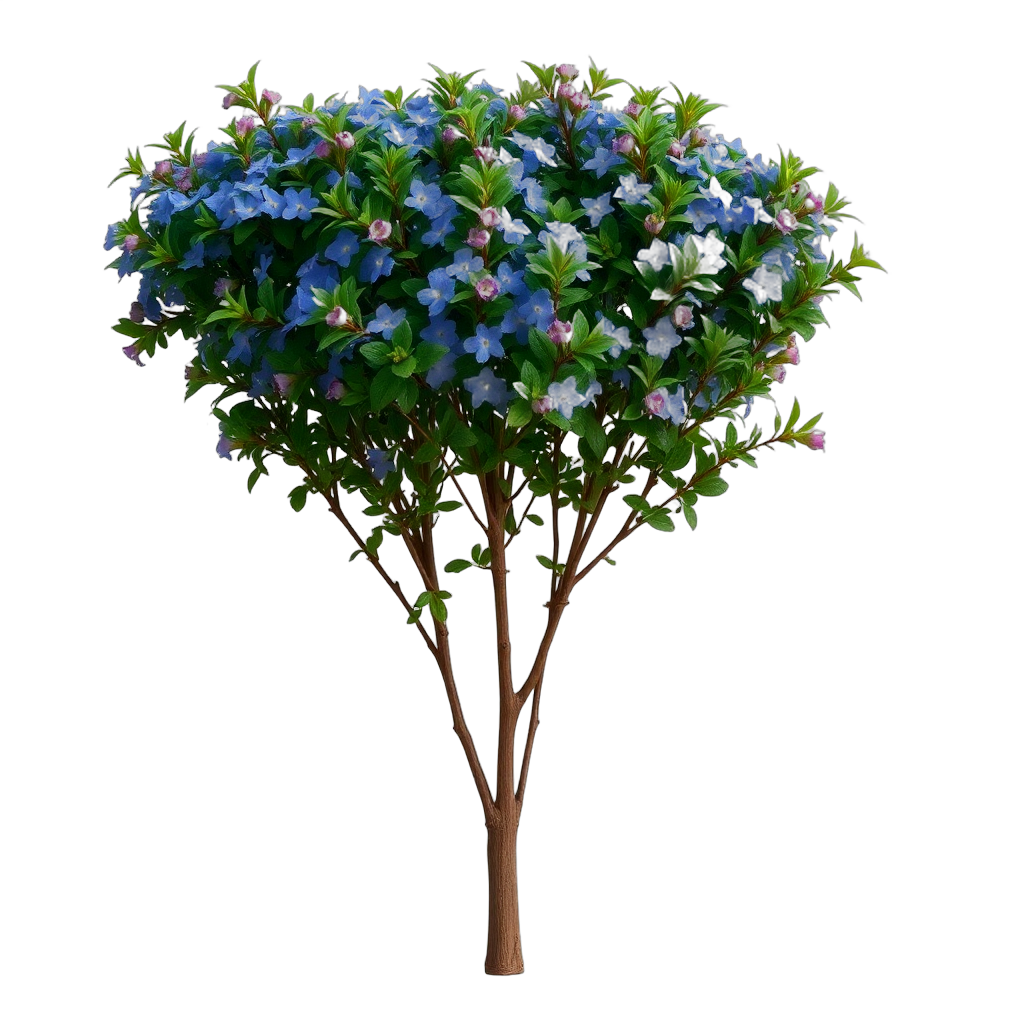
Blue Blossom
Ceanothus thyrsiflorus
medium-sized at 12 feet, blue blooms in spring. Attracts butterflies.

Blue Elderberry
Sambucus cerulea
medium-sized at 15 feet, white blooms in spring. Attracts butterflies.
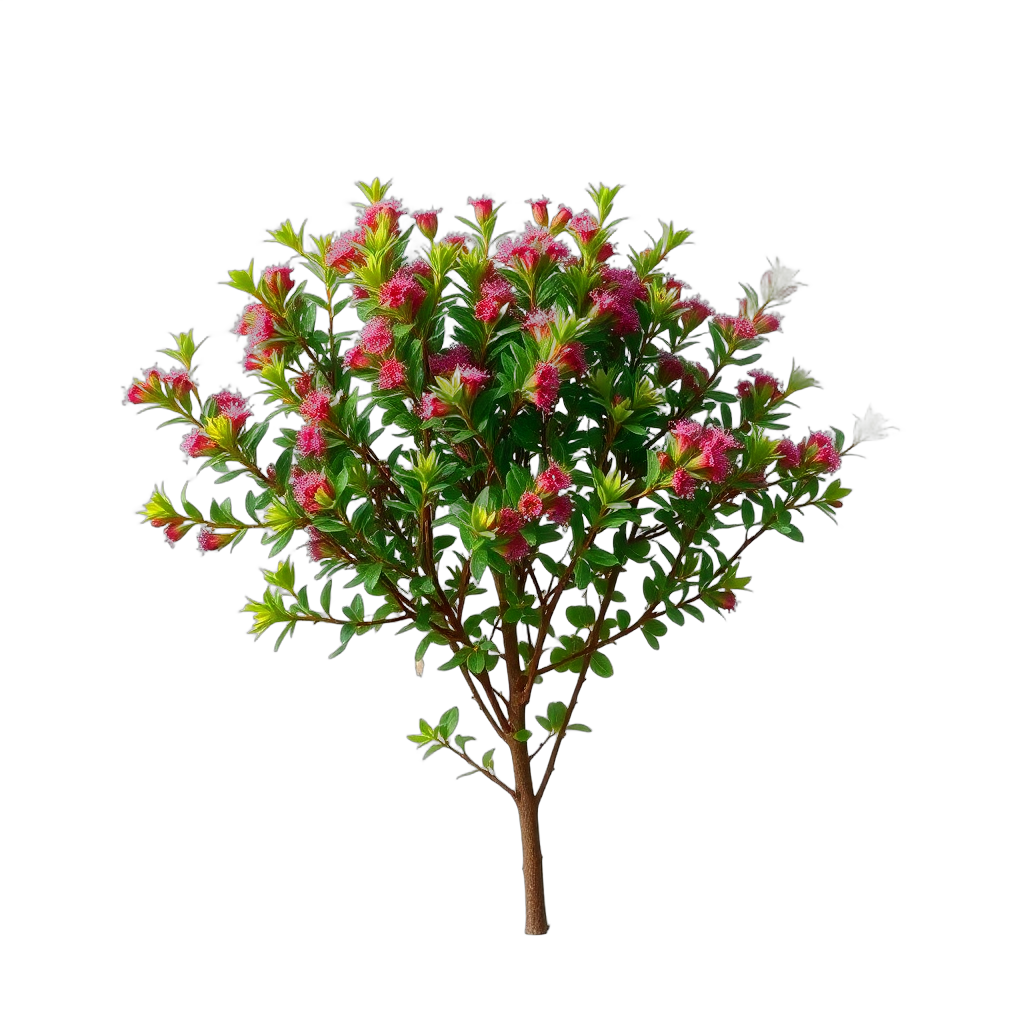
Buckbrush
Ceanothus cuneatus
medium-sized at 7 feet, white blooms in spring. Attracts butterflies.
Featured Grasses & Groundcovers for Mediterranean Gardens
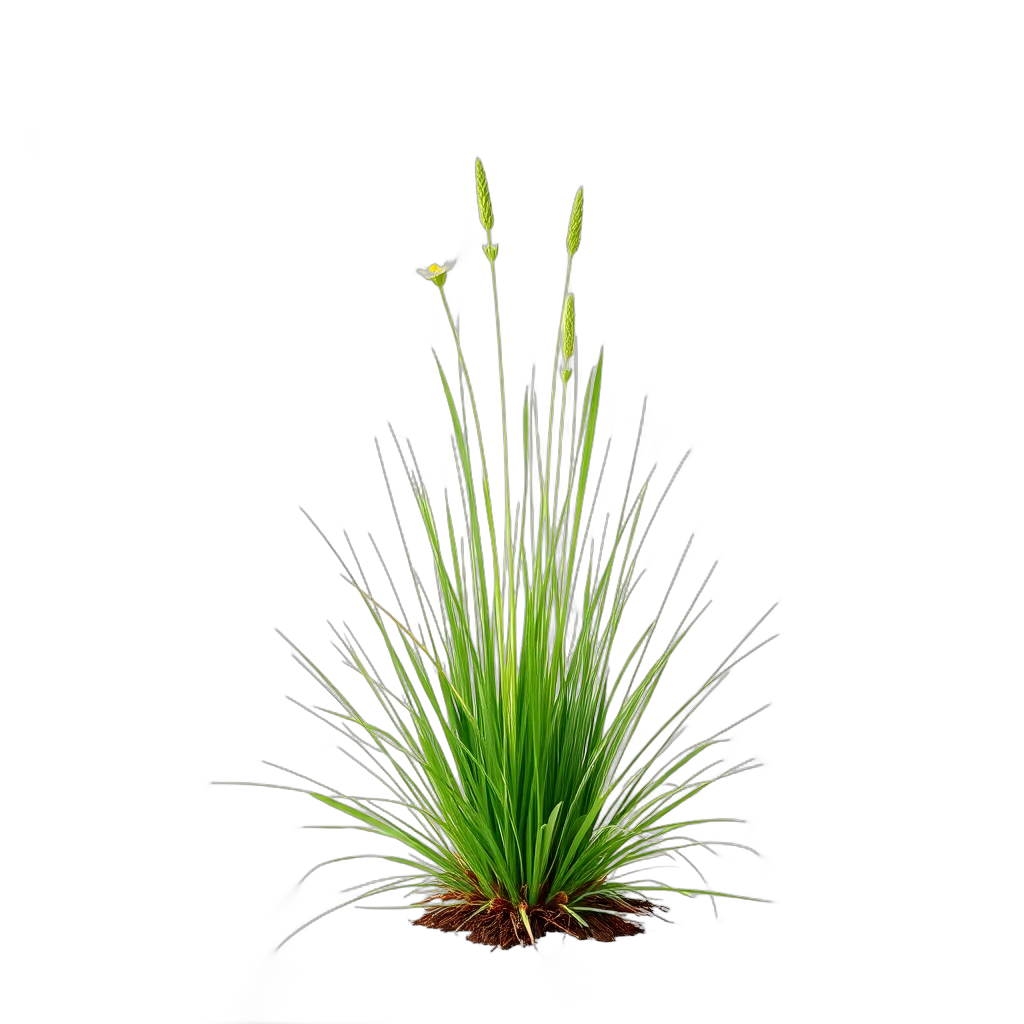
California Brome
Bromus carinatus
low-growing ground cover, blooms in spring. Yellow fall color.
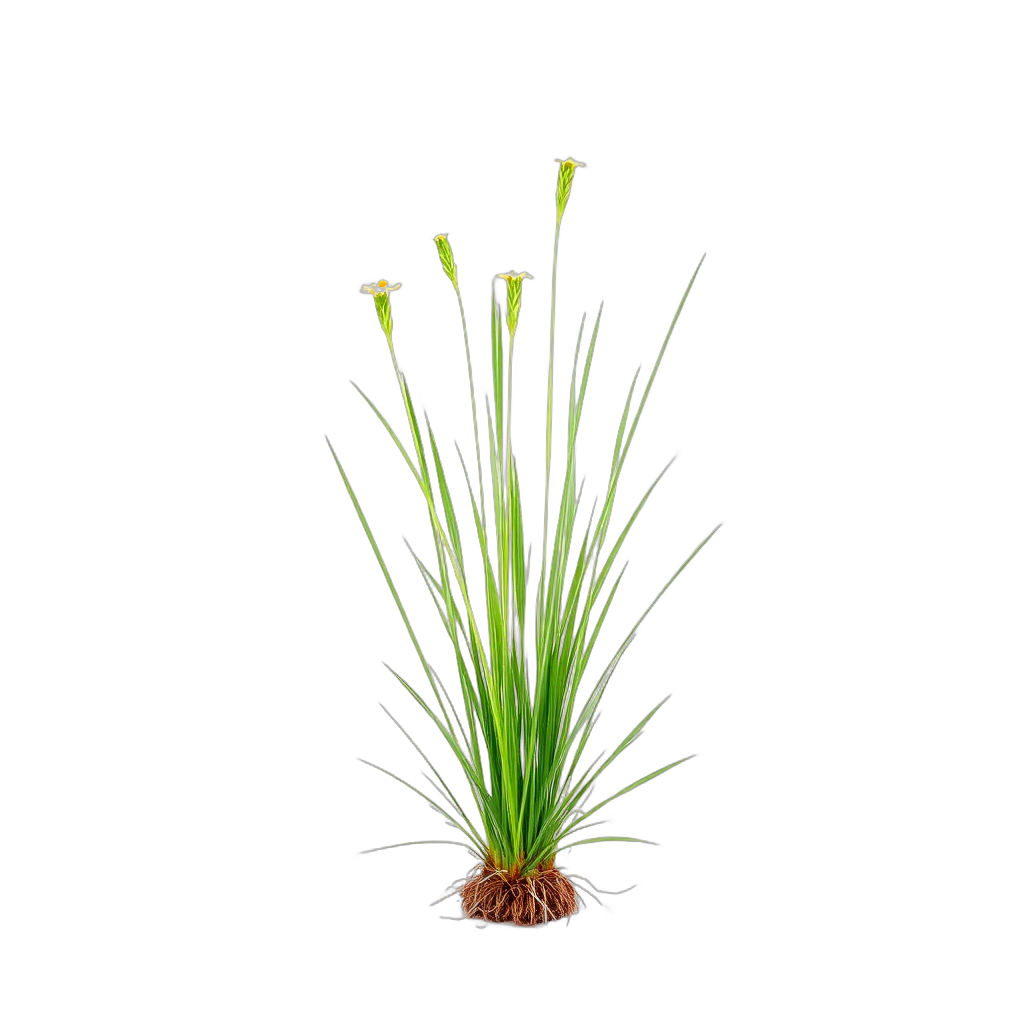
California Melic
Melica californica
low-growing ground cover, blooms in spring.
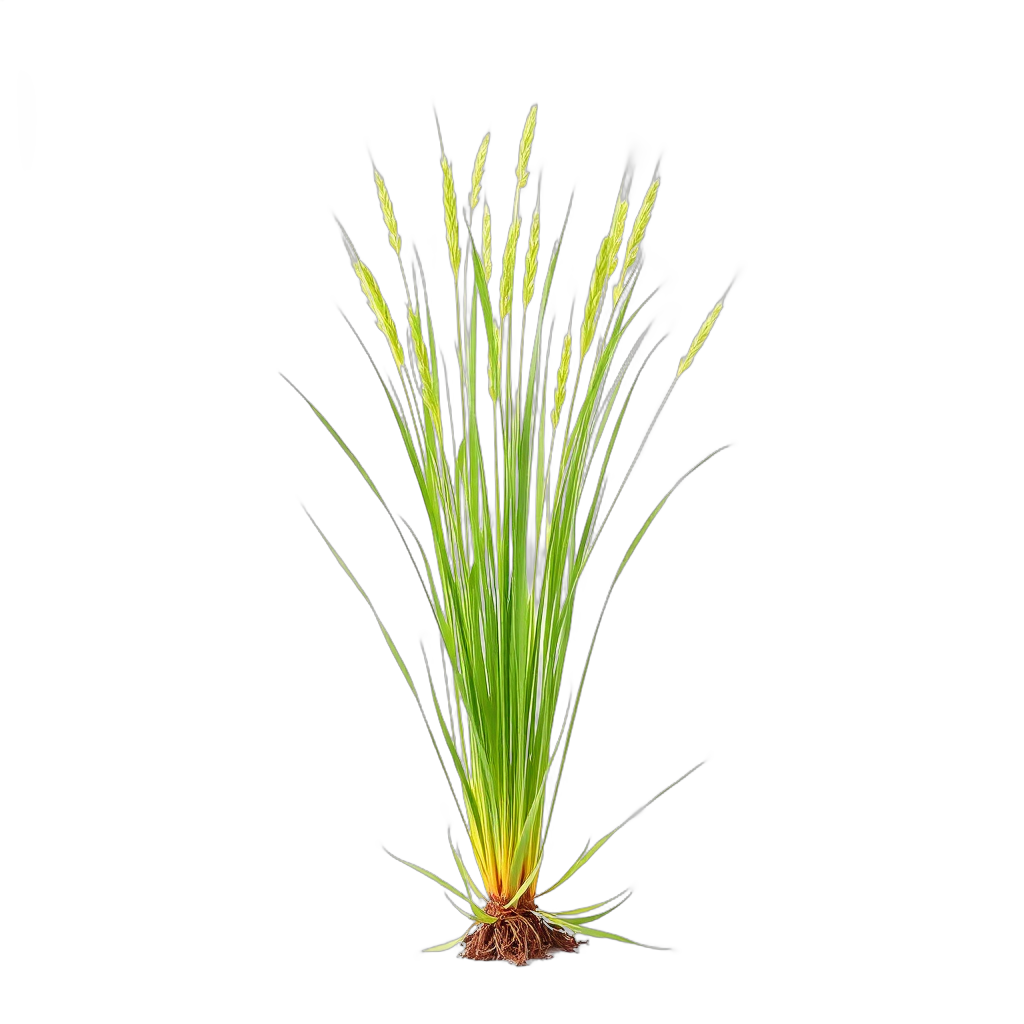
California Oatgrass
Danthonia californica
low-growing ground cover, blooms in spring. Yellow fall color.
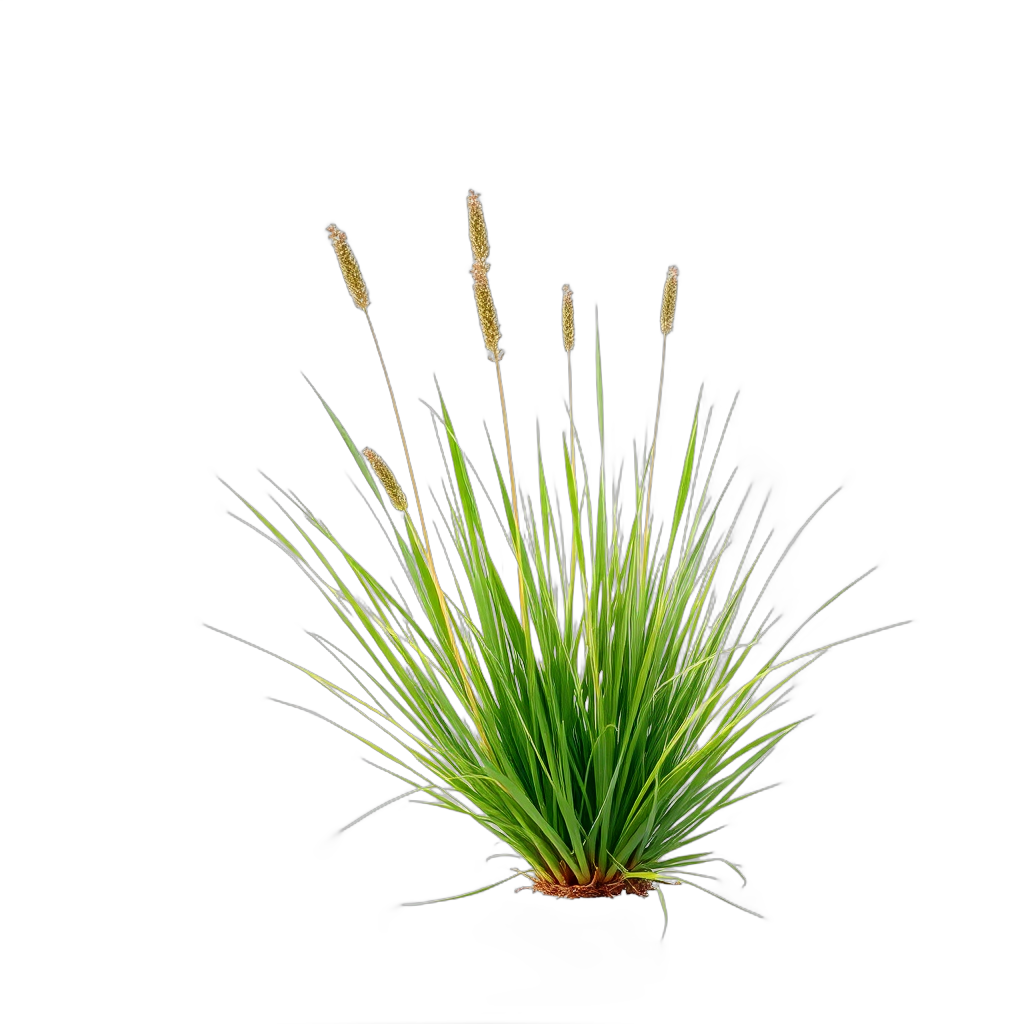
Deer Grass
Muhlenbergia rigens
grows to 3 feet, yellow blooms in fall. Evergreen year-round.
Featured Flowers & Perennials for Mediterranean Gardens
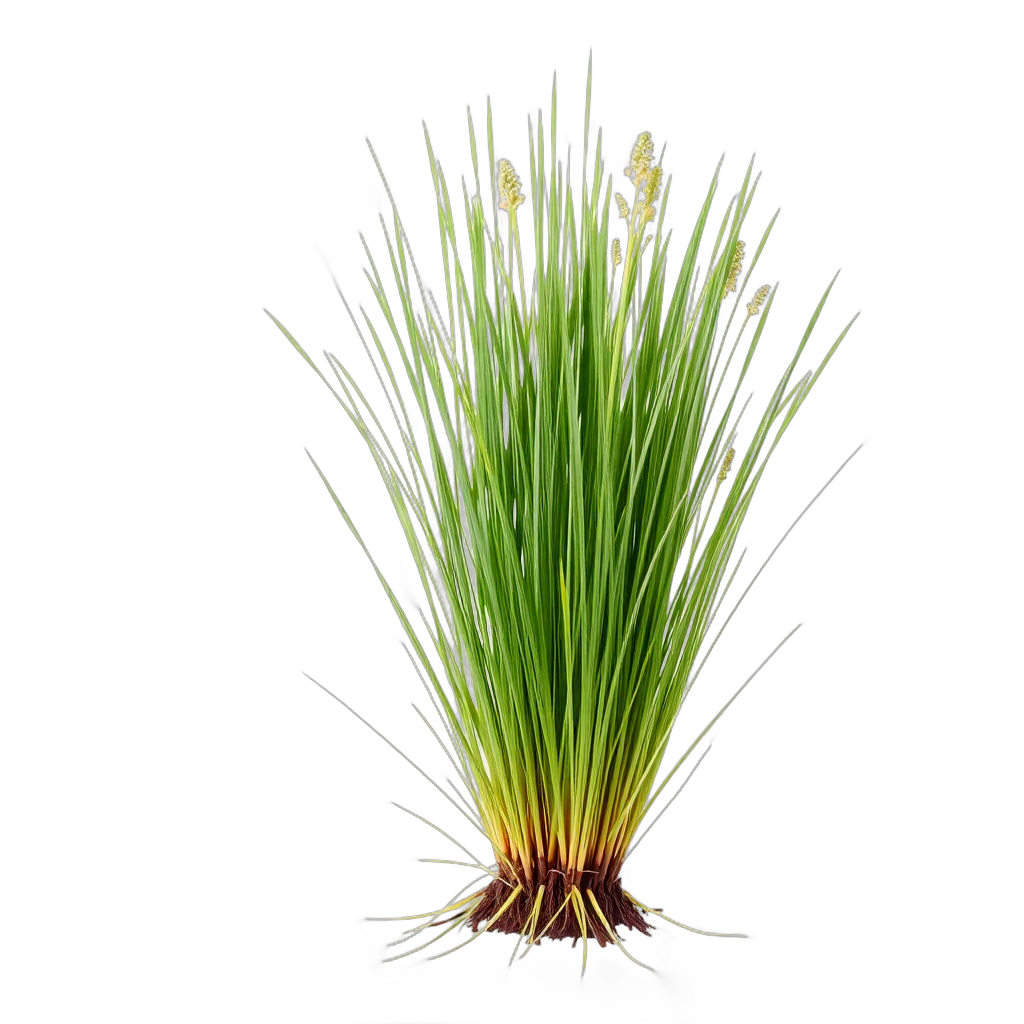
California Gray Rush
Juncus patens
low-growing ground cover, blooms in summer. Evergreen year-round.
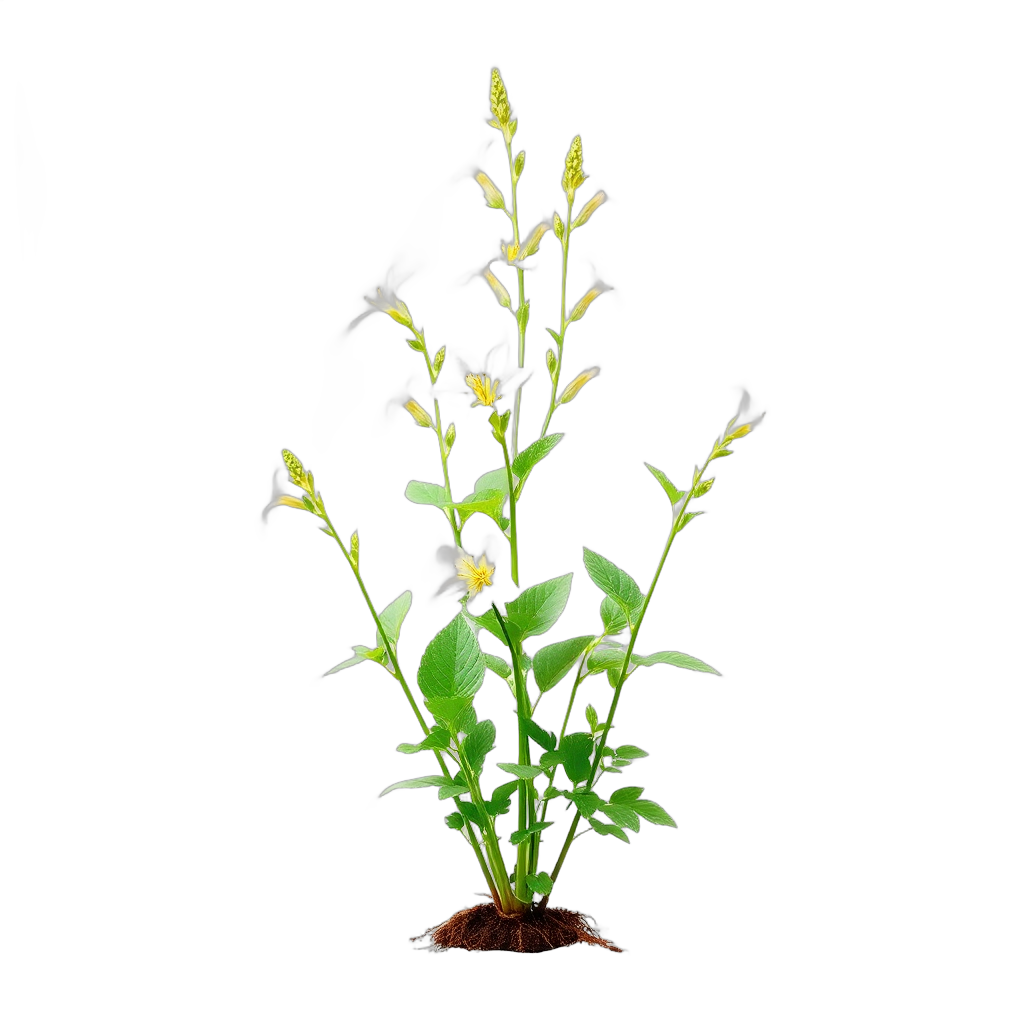
Beach Evening Primrose
Camissonia cheiranthifolia
low-growing ground cover, yellow blooms in spring. Attracts butterflies.
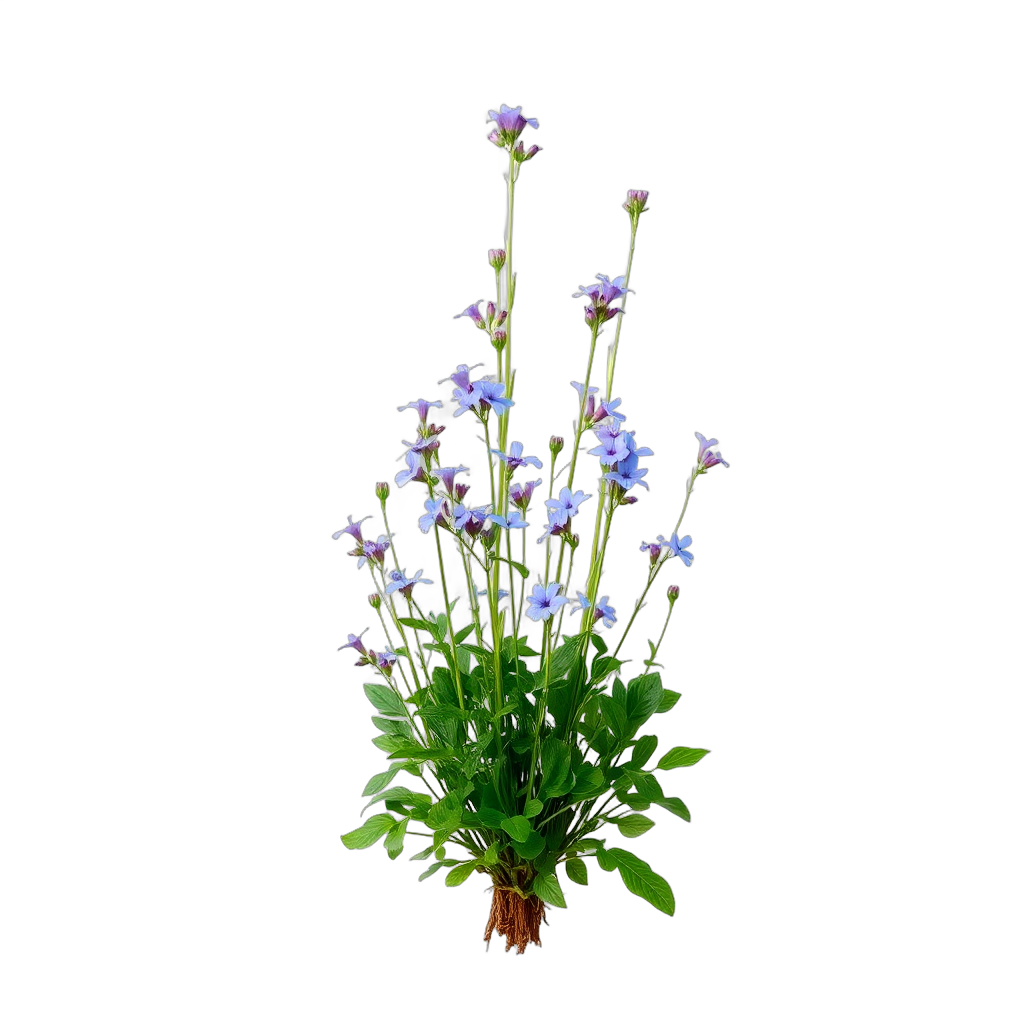
Blue Dicks
Dichelostemma capitatum
low-growing ground cover, blue blooms in spring. Pollinator-friendly.
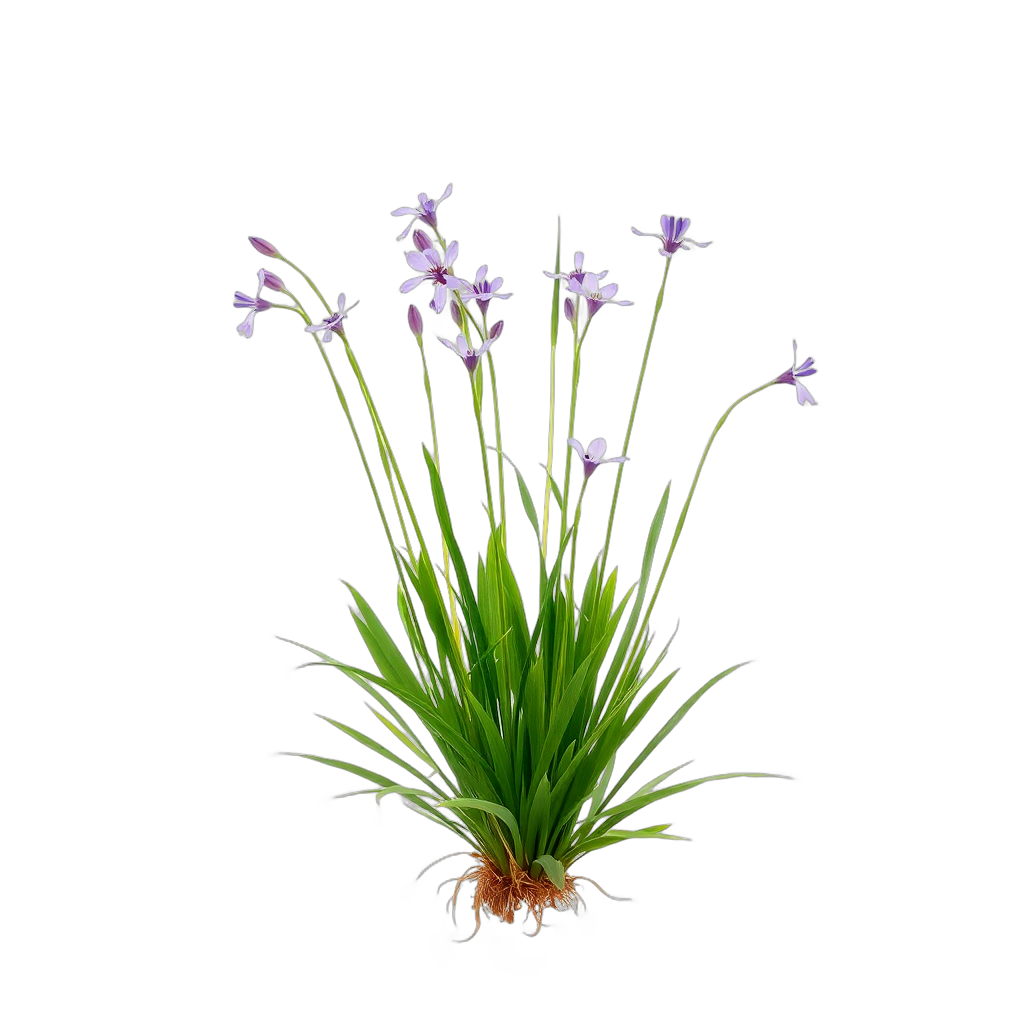
Blue-Eyed Grass
Sisyrinchium bellum
low-growing ground cover, blue blooms in spring. Attracts butterflies.
Bloom Calendar for Santa Clarita
spring
Beach Evening Primrose, Blue Dicks, Blue-Eyed Grasssummer
California Gray Rush, Hooker's Evening Primrose, Hummingbird Mintfall
California Fuchsiawinter
Limited bloomsDesign Tips for Santa Clarita (Zone 9b)
- Spend the money on one sculptural Olea europaea 'Wilsonii' or 'Swan Hill' rather than five ordinary trees — a single gnarled multi-trunk specimen uplit at night carries an entire Santa Clarita front yard and needs almost no water once established
- Get the Italian cypress out of the first 30 feet: LA County Fire flags Cupressus, Juniperus, Acacia and unpruned rosemary in brush-clearance inspections, and Podocarpus 'Icee Blue' or Pittosporum tenuifolium 'Silver Sheen' gives you the same vertical line without the resin load
- Zone citrus separately from everything else — Citrus 'Washington' navel and 'Improved Meyer' need weekly deep summer soaks while Olea, Lavandula 'Grosso' and Westringia want water every two to three weeks, and one shared valve kills whichever plant loses the argument
- Use 3/8-inch gold decomposed granite or pea gravel as the groundplane instead of bark: it reflects the warm tones of Spanish tile roofs, carries no fire fuel, and stays put through Santa Ana winds that will scatter shredded mulch across the driveway
- Plant Dymondia margaretae or Thymus praecox 'Elfin' into flagstone joints instead of grouting them — the green seams are what separate a real Mediterranean walkway from a patio, and both take foot traffic and 100°F valley heat
- Add soil sulfur and a chelated iron citrus feed at planting; SCV decomposed granite runs pH 7.5–8.2 and the yellow interveinal leaves on half the valley's citrus and gardenias are alkaline iron lockout, not a watering problem
Where to Source Plants in Santa Clarita
Skip the big-box stores. These independent Santa Clarita nurseries specialize in the plants that make mediterranean gardens thrive in Zone 9b.
Green Thumb Nursery
Newhall
Organic earth-friendly plants, fruit trees, California natives, and succulents with certified horticulturist staff.
Green Landscape Nursery
Bouquet Canyon
4-acre family-owned nursery specializing in trees, shrubs, succulents, and native plants with design services.
Mediterranean Landscaping Costs in Santa Clarita
| Project Scope | Estimated Cost |
|---|---|
| Front yard turf-to-Mediterranean conversion (900–1,200 sqft) | $18,000 – $34,000 |
| Specimen multi-trunk fruitless olive (36–48 inch box, installed) | $900 – $8,000 |
| Stucco courtyard wall with terracotta cap and iron gate (30–40 linear ft) | $9,000 – $22,000 |
| Saltillo or terracotta tile terrace (400–600 sqft, over slab) | $14,000 – $30,000 |
| Cast-stone tiered fountain, plumbed and recirculating | $3,500 – $12,000 |
| AI visualization with ProScapeAI | Free to start |
Estimates based on Santa Clarita, CA-area contractor rates as of 2026. Actual costs vary by site conditions, materials, and contractor.
Santa Clarita Climate & Growing Zone
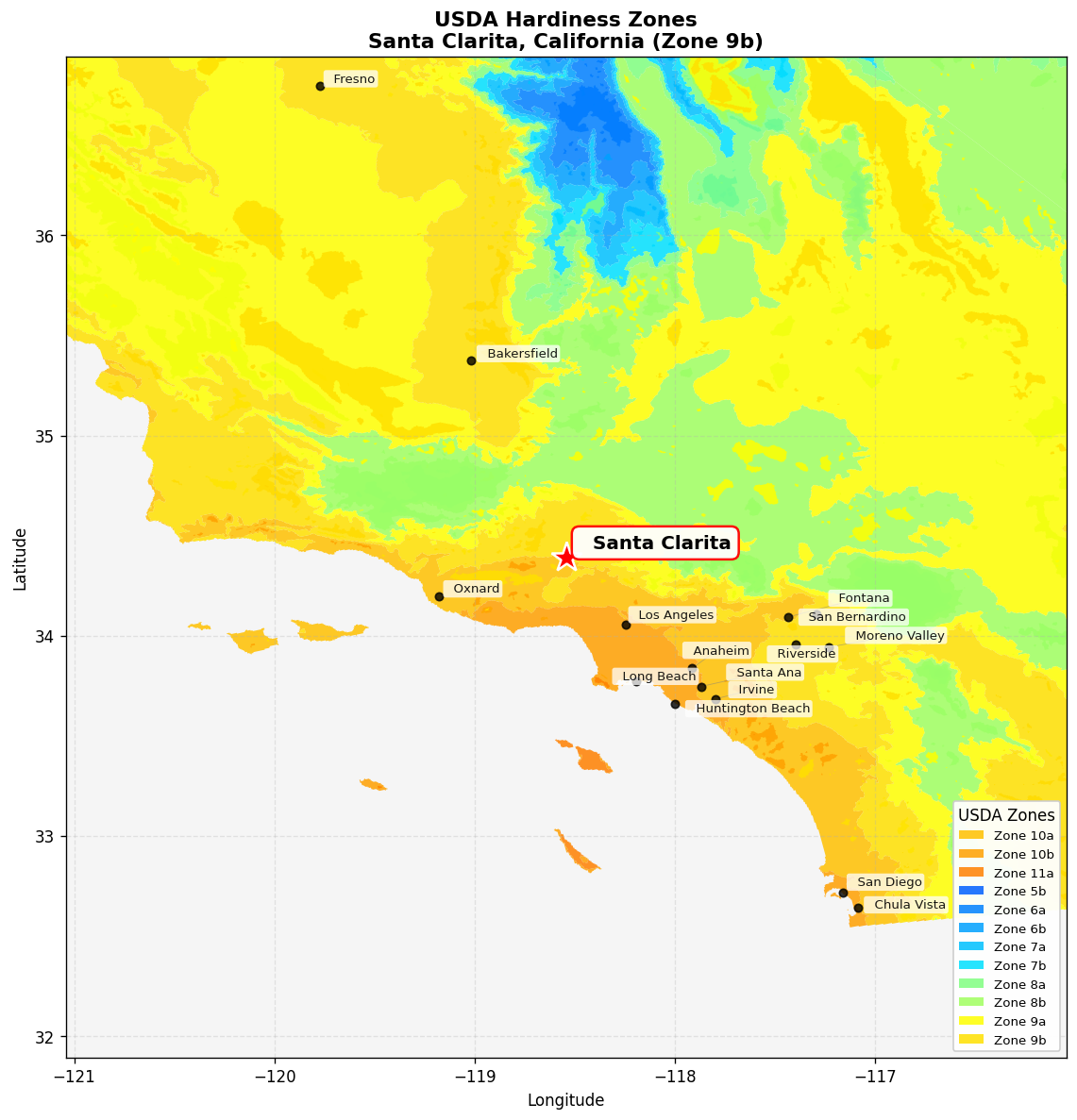
USDA Zone 9b
Hardiness zone for Santa Clarita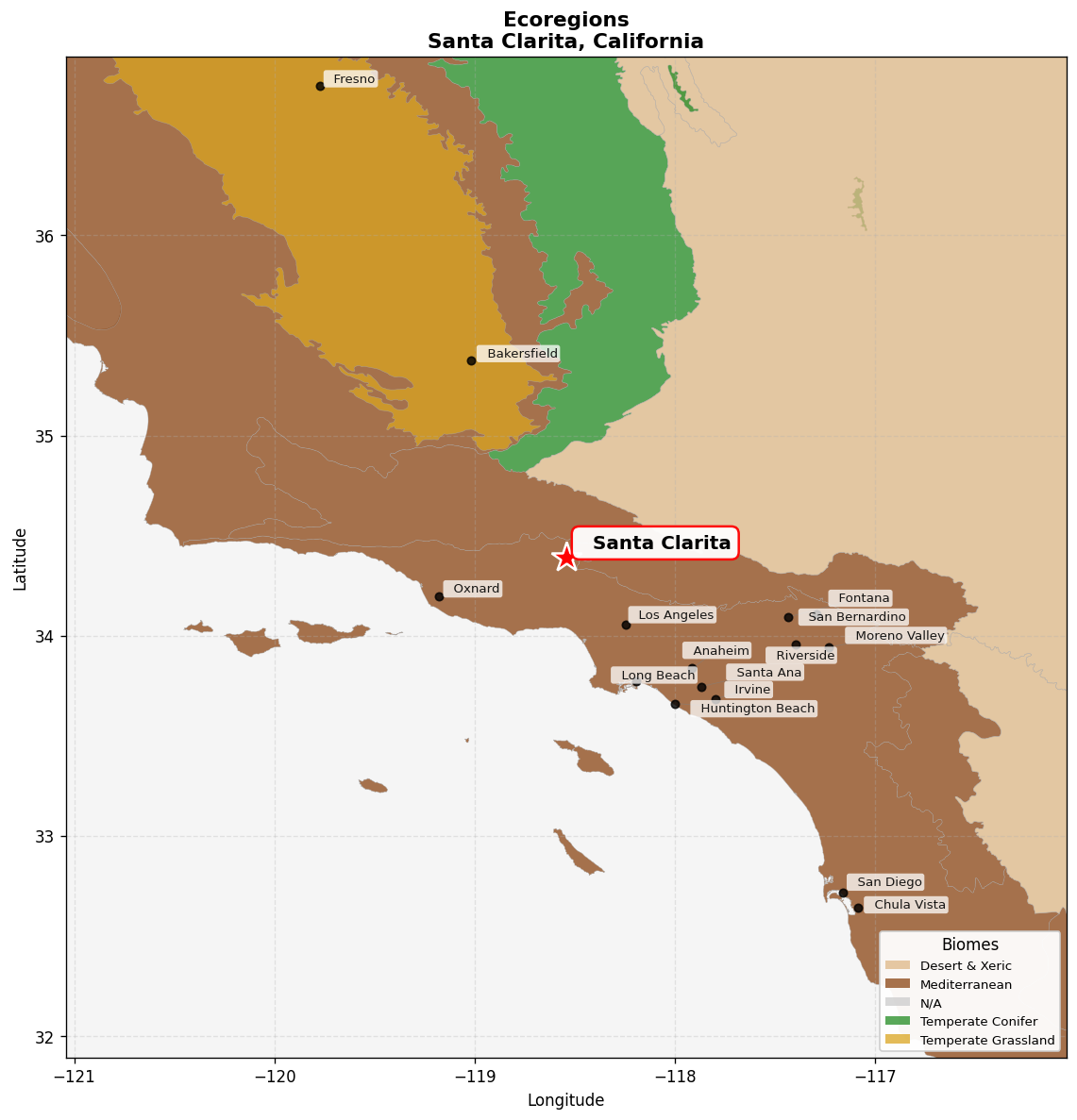
California coastal sage and chaparral
Native ecoregionFrequently Asked Questions
How much does Mediterranean landscaping cost in Santa Clarita?
LA County labor sets the floor — crews bill roughly $65–95 per hour and installed work runs 10–20% above national metro averages. A full front-yard olive-and-gravel conversion on a typical 900–1,200 sqft SCV front yard lands at $18,000–34,000, and most of that is the specimen tree and the flagstone. A 36-inch box Olea 'Wilsonii' runs $900–2,500 installed; a genuinely sculptural 48-inch multi-trunk is $3,500–8,000. A Saltillo-tiled rear courtyard with a cast-stone fountain is typically $35,000–75,000. The cheapest high-impact version is design 2: a stucco courtyard wall, gravel, two citrus and a dozen terracotta pots can be done for $15,000–25,000 and changes the whole street presence.
Can I plant Italian cypress in Santa Clarita, or is it a fire risk?
It is a real risk and worth taking seriously. Cupressus sempervirens holds dead interior needles and volatile resins, and a mature row will ignite as a single column — LA County Fire's fuel modification guidance treats junipers, cypress, eucalyptus, Acacia and pampas grass as high-fuel species, and most of Santa Clarita is in a Very High Fire Hazard Severity Zone with annual brush-clearance inspections and 100-foot defensible space requirements. If you want the vertical, use it beyond 30 feet from any structure, space individual trees rather than planting a hedge, and clean out dead interior growth every year. For the same silhouette inside 30 feet, plant Podocarpus elongatus 'Icee Blue', Pittosporum tenuifolium 'Silver Sheen', columnar Arbutus unedo 'Compacta' or a clipped Laurus nobilis 'Saratoga' instead.
How do I water olives, lavender and citrus correctly here?
Separate them, because they want opposite things. Olives and lavender want deep, infrequent water — once every 10–21 days in summer once established, delivered slowly to a wide root zone — and they die from frequent shallow irrigation, not drought. Citrus is the outlier: it needs consistent moisture through fruit set and sizing, roughly weekly deep soaks in July and August, plus a spring feeding of citrus fertilizer with zinc and iron. Put them on separate valves and never share a zone. SCV water is also hard and relatively high in chlorides, so give citrus and containers an occasional heavy leaching irrigation to flush accumulated salts past the root zone, and keep emitters off the trunk flare on every tree.
What does Santa Clarita's soil do to Mediterranean plants?
SCV soils are sandy decomposed granite alluvium, alkaline at roughly pH 7.5–8.2, and on graded tract pads there is usually a compacted fill layer with hardpan a foot or two down. Mediterranean plants love the drainage and the mineral character, so the main job is breaking the hardpan — auger or rip through it before setting an olive or a citrus, because a tree in a compacted bathtub will drown during a wet February. Do not amend the backfill heavily for olives, lavender or Westringia; native soil plus a gravel mulch outperforms rich compost. Citrus and pomegranate do want compost and an acidifying fertilizer, since alkaline soil locks up iron and produces the yellow interveinal chlorosis you see all over the valley.
Will my HOA in Valencia or Stevenson Ranch approve a no-lawn Mediterranean front yard?
Usually yes, but submit plans first. Valencia, Westridge, Tesoro del Valle, Stevenson Ranch and most SCV master-planned communities require architectural review committee approval for front-yard changes, and expect 30–60 days for a decision. Include a plant list, hardscape material samples and an irrigation note. Courtyard walls, gates and pergolas almost always need a separate review for height and setback, and freestanding walls over about 3.5 feet or attached structures typically need a City of Santa Clarita building permit as well. Importantly, California Civil Code §4735 prevents an HOA from prohibiting low-water-use plants or drought-tolerant landscaping, so a documented water-efficient design is on solid legal ground even where CC&Rs still describe turf.
When is the best time to install a Mediterranean landscape in the SCV?
October through early December is the ideal window — olives, citrus, lavender and Westringia all root through the mild wet winter and enter their first summer already established, and contractor schedules are more open than in spring. February and March is the second-best window. Avoid planting June through September: soil temperatures in decomposed granite regularly exceed 100°F and new root tips simply cook, no matter how generously you irrigate. Hardscape work runs year-round in Santa Clarita since frost is negligible, though Saltillo tile and mortar should not be set during a Santa Ana event because the wind flash-dries the setting bed and causes bond failure.