4 Mediterranean Garden Ideas for Thousand Oaks, CA | Zone 10a
Native plants from the California coastal sage and chaparral (Zone 10a) — Mediterranean (warm summer) climate
Why Mediterranean Gardens in Thousand Oaks?
Thousand Oaks did not adopt the Mediterranean garden — it inherited the climate that invented it. The Conejo Valley sits at roughly 800 to 1,000 feet between the Santa Monica Mountains and the Simi Hills, close enough to the coast that the marine layer pushes up through the Conejo Grade most mornings from May into July, and far enough inland that summer afternoons still run into the mid-80s. That is a Csb warm-summer Mediterranean climate, the same classification as Provence, Tuscany and the Spanish meseta, and the housing stock has always known it. Red barrel-tile roofs and arched entries define the custom homes of North Ranch and Dos Vientos Ranch, the 1960s Janss-era tracts in Casa Conejo, Ventu Park and Old Town wear stucco and low-pitched tile beautifully, and even the plainest Newbury Park ranch turns handsome the moment an olive, a run of lavender and a flagstone path are put in front of it.
The numbers are what make the style honest here rather than decorative. Thousand Oaks collects roughly 15 to 17 inches of rain a year and essentially all of it falls between November and April — June through September are close to bone dry. A Mediterranean palette is built for exactly that rhythm: Olea europaea 'Swan Hill', Lavandula × intermedia 'Provence', Salvia rosmarinus 'Tuscan Blue', Cistus × purpureus and Westringia fruticosa 'Wynyabbie Gem' all want a wet winter, a dry summer and no fussing in between. Winter is the sting in the tail. The city is nominally USDA Zone 10a, but cold air drains downhill into the valley floor overnight, so Newbury Park and the lower Conejo bottom routinely run a full zone colder than the ridgelines in Lynn Ranch and Sunset Hills. Bougainvillea 'Barbara Karst' and Citrus × limon 'Improved Meyer' sail through on a warm slope and defoliate in a frost pocket a mile away — site them against a south or west wall that radiates stored heat overnight and the problem mostly disappears.
Underneath everything is the Conejo Volcanics. Much of the city sits on weathered basalt and volcanic breccia, which means shallow, rocky, alkaline clay loam that commonly tests between pH 7.2 and 8.0 and drains far more slowly than the gravel these plants evolved on. The fix is the same one used in every hillside olive grove in the Mediterranean: plant high. Set olives, lavender, Phlomis fruticosa and Teucrium fruticans on a raised mound with the root crown two to three inches above finish grade, mulch with gravel or coarse bark but keep it pulled back from the trunk, and never let a spray head wet the crown in July. Citrus is the exception that needs coddling — alkaline soil locks up iron, so Citrus × sinensis 'Washington' navel and Citrus reticulata 'Gold Nugget' will yellow between the veins unless they get chelated iron and a slightly acidic citrus feed two or three times a year.
Finally, three local rules shape every design here. Water is entirely imported — the City of Thousand Oaks water utility, California American Water in parts of Newbury Park and Cal Water in the Westlake area all buy from Calleguas Municipal Water District, which in turn buys State Water Project supply from Metropolitan. California's Model Water Efficient Landscape Ordinance applies from 500 square feet of new permitted landscape, and its prescriptive path caps turf at 25 percent of the planted area, which is why the two trim lawn panels flanking a flagstone walk have replaced the full front lawn in most new Conejo designs. The city's oak ordinance is the second rule: coast live oaks and valley oaks are protected from a very small trunk diameter upward and the protected zone reaches beyond the dripline, so trenching, grading, paving or irrigating near one needs a conversation with the Planning Division and usually a certified arborist's report before a shovel moves. The third is fire. Much of Thousand Oaks sits in a Very High Fire Hazard Severity Zone against COSCA open space, and the Woolsey and Springs fires are still recent memory — keep the first five feet around the house ember-resistant, use gravel rather than bark right at the foundation, and plan for Ventura County Fire's 100-foot defensible space standard as part of the design rather than an afterthought.
4 Mediterranean Design Ideas for Thousand Oaks

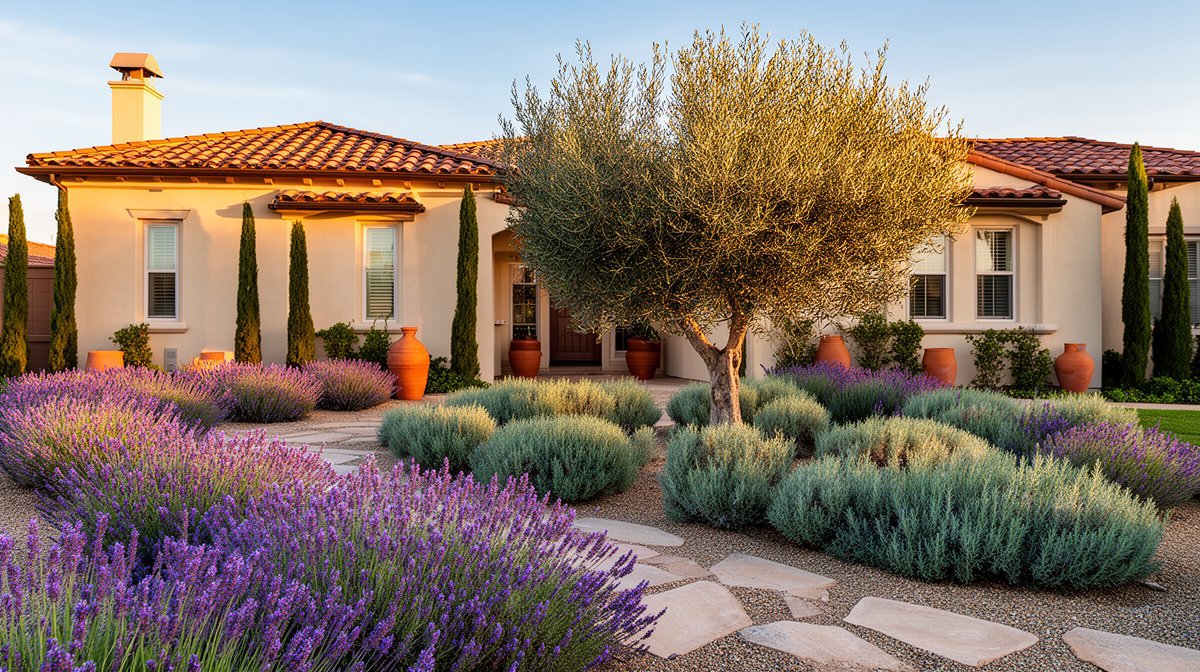
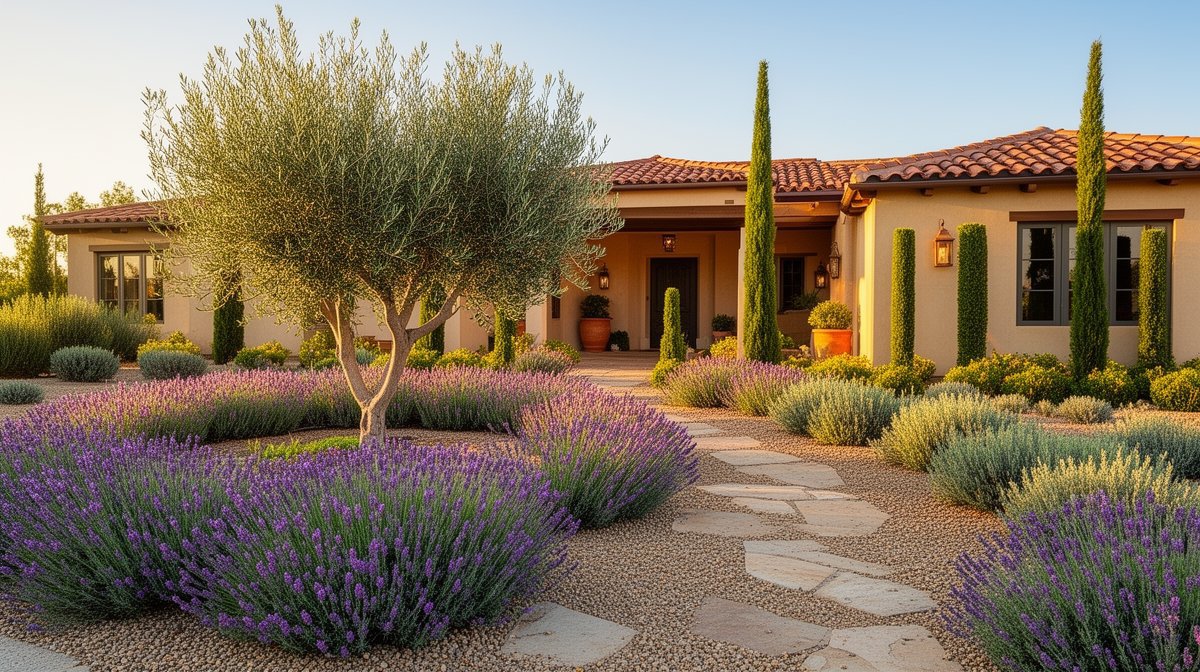
The Olive and Lavender Entry
$16–30/sqftA cream-stucco single-story under a red barrel-tile roof, with a deep arched entry and a stained wood door. Three narrow Italian cypress punctuate the facade like exclamation marks, and a mature multi-trunk olive with a gnarled, hollowed trunk leans out over the front garden and throws dappled shade across the walk. An irregular buff flagstone path curves from the street to a small landing, and both sides of it are given over to great unbroken drifts of lavender in dark bark mulch — nothing clever, just one plant repeated until it reads as a single purple mass. Trim green lawn panels sit left and right, blue rosettes and a spiky grey accent break up the lavender near the house, and wall lanterns wash the stucco at dusk.

The Bougainvillea Wall and Citrus Forecourt
$14–26/sqftA two-story white Spanish Colonial with a red tile roof, arched wood door and an arched loggia on the right, with the golden Conejo hills rising directly behind it. The design does two big things and nothing else: a single bougainvillea is trained across the entire left elevation until it is a two-story sheet of magenta, and two mature citrus — a lemon on the left, an orange on the right — stand in a gravel forecourt as matched living gateposts. A low white stucco garden wall with a tile cap runs the frontage, broken by a forged iron pedestrian gate, and terracotta pots of rosemary and lavender march along its base. The paving is irregular flagstone set in gravel, so the motor court drains straight through instead of shedding to the street.

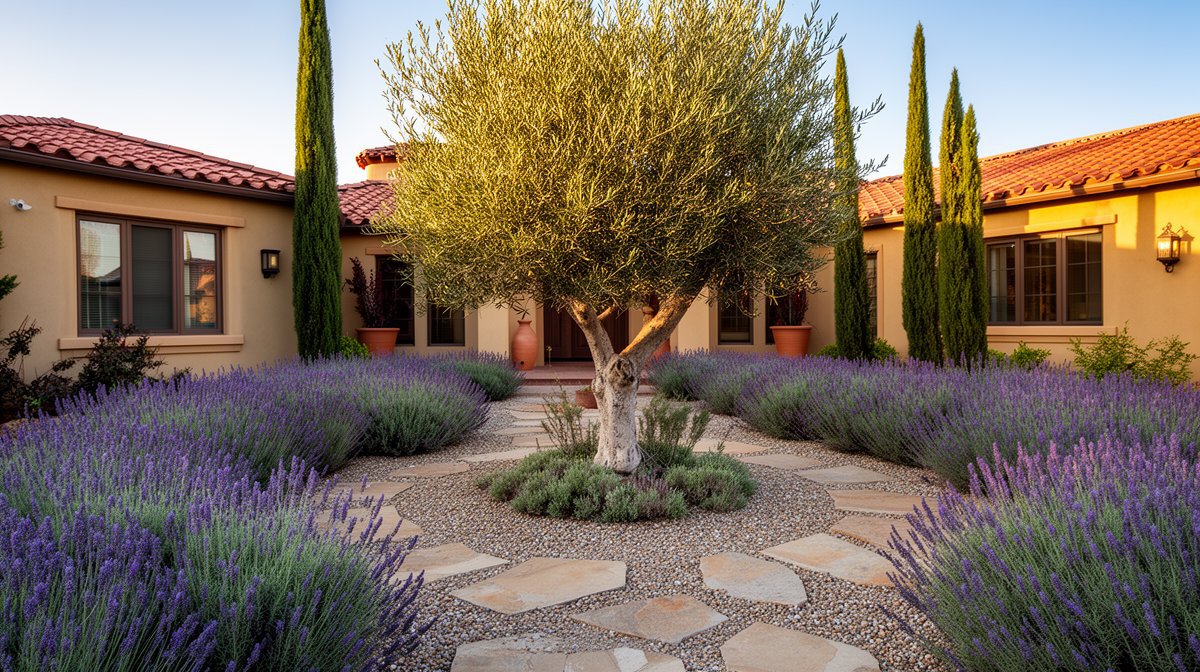
The Fountain Courtyard
$28–55/sqftAn enclosed rear courtyard organised entirely around a two-tier cast-stone fountain sitting in a wide round basin, splashing loudly enough to cancel the 101 on a still evening. Saltillo terracotta runs on the diagonal with a narrower border band framing the field, and a wrought-iron dining table and chairs sit off-centre beneath an old olive whose canopy does the shading a pergola would otherwise have to do. An orange tree hangs heavy with fruit on the opposite side, lavender is planted in soft drifts around the fountain surround, a low clipped hedge holds the bed edges crisp, and a small square of lawn survives as a green rug against the white stucco and arched breezeway.

The Bougainvillea Pergola Terrace
$30–60/sqftA wide terracotta tile terrace runs the length of the house, and a heavy rough-sawn timber pergola stands free on it, roofed in a solid canopy of magenta and white bougainvillea that has been allowed to flop over the front beam. Deep lounge seating sits underneath in the shade it makes. A lemon tree on the left and an orange on the right frame the view out, rows of lavender edge the terrace against clipped low hedging, and a tall dark hedge closes the back boundary so the eye stops at the planting instead of the fence. It is a simple build — one paving material, one structure, one flowering vine — that turns a flat rear yard into a room.
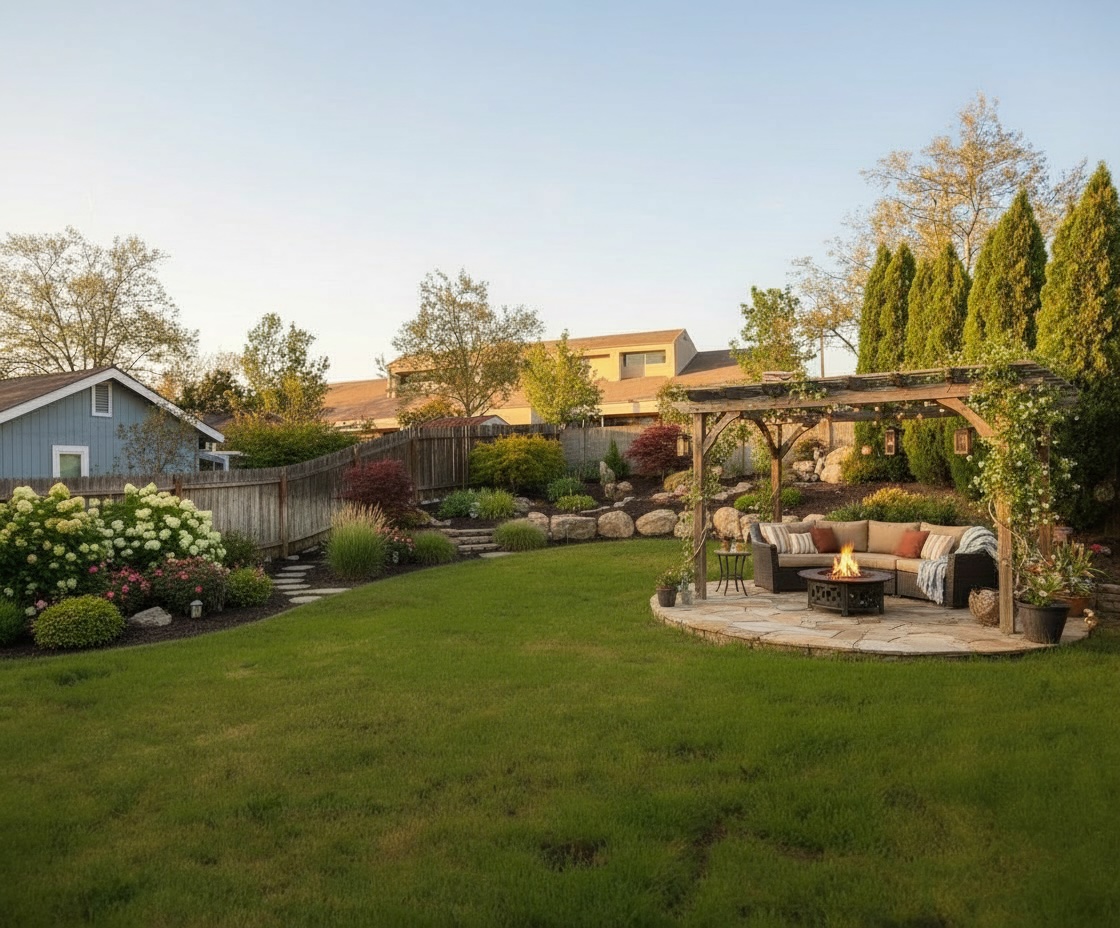
See how a mediterranean garden looks on YOUR property
Upload a photo of your Thousand Oaks yard and visualize your dream garden in seconds.
Try ProScapeAI Free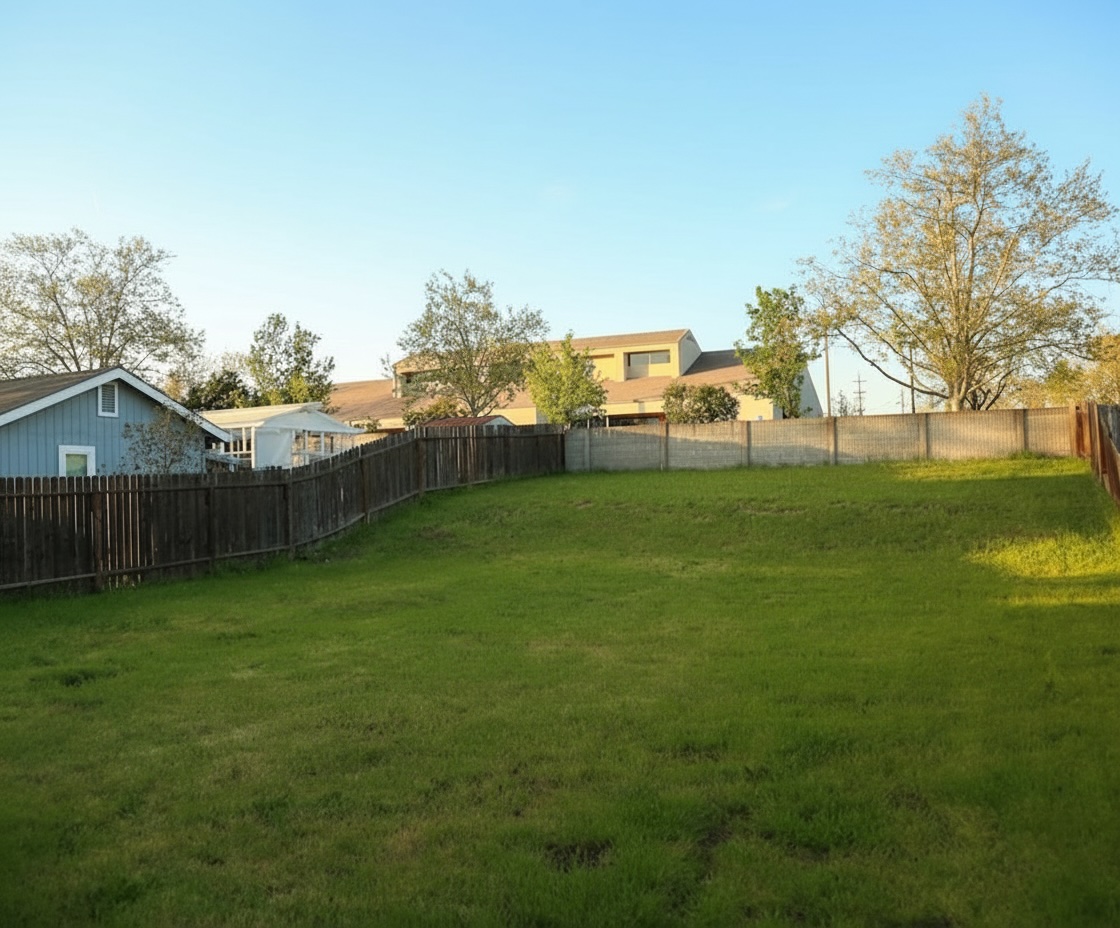
Featured Trees & Shrubs for Mediterranean Gardens
Browse all 219 plants for Thousand Oaks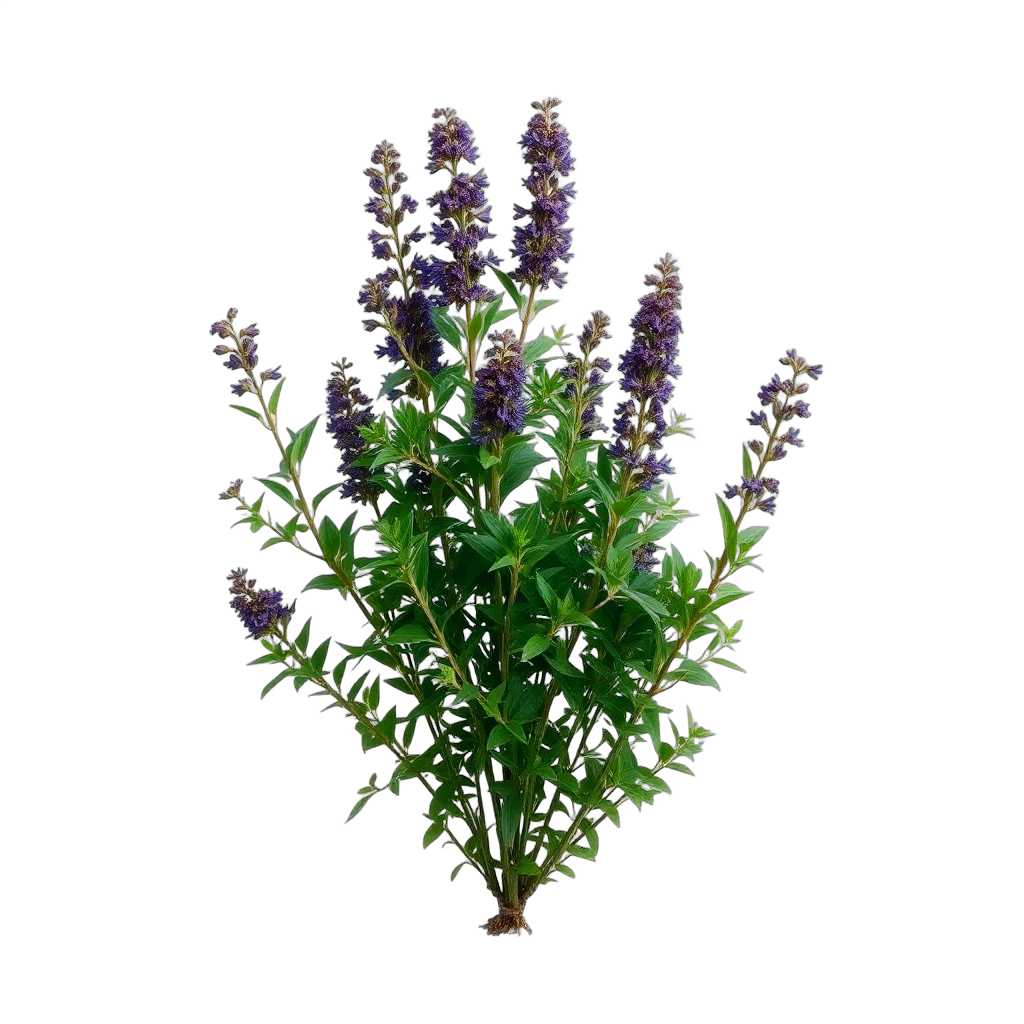
Black Sage
Salvia mellifera
grows to 4 feet, white blooms in spring. Attracts butterflies.
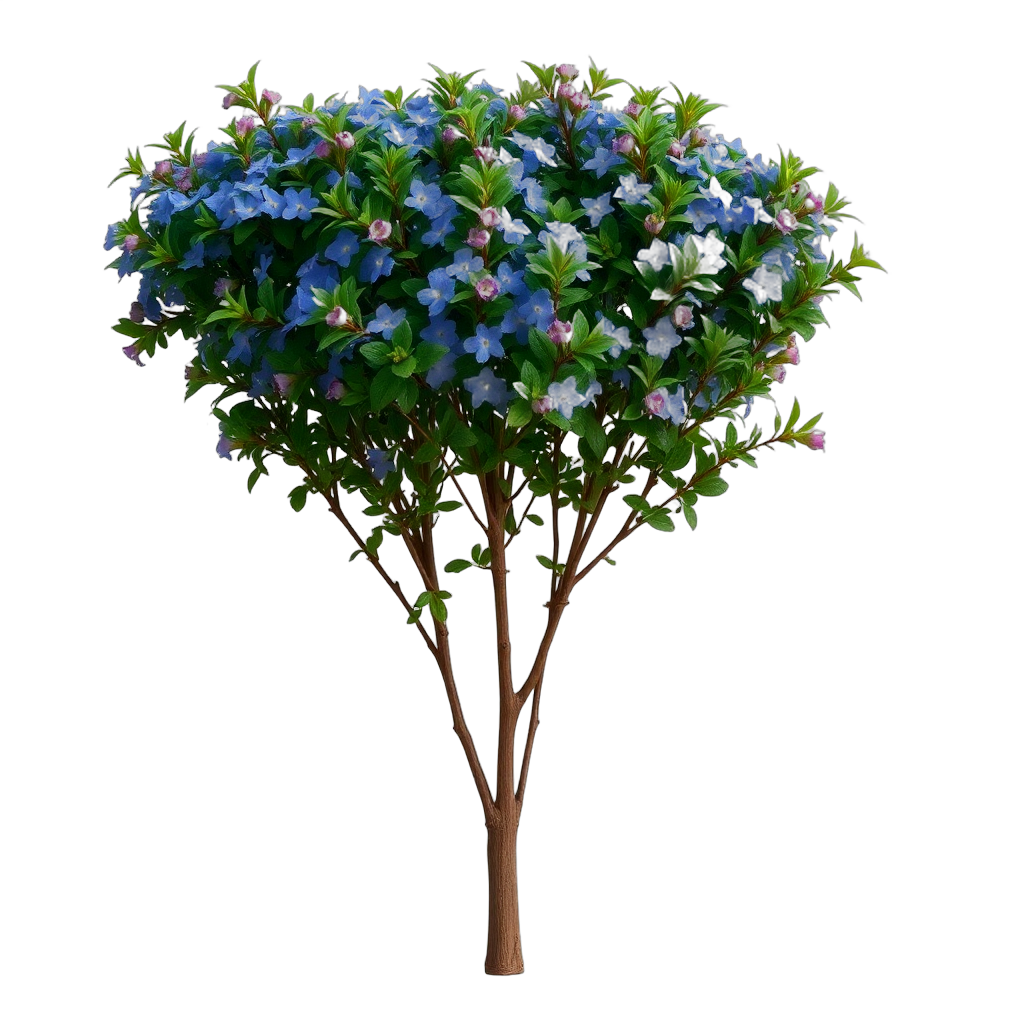
Blue Blossom
Ceanothus thyrsiflorus
medium-sized at 12 feet, blue blooms in spring. Attracts butterflies.

Blue Elderberry
Sambucus cerulea
medium-sized at 15 feet, white blooms in spring. Attracts butterflies.
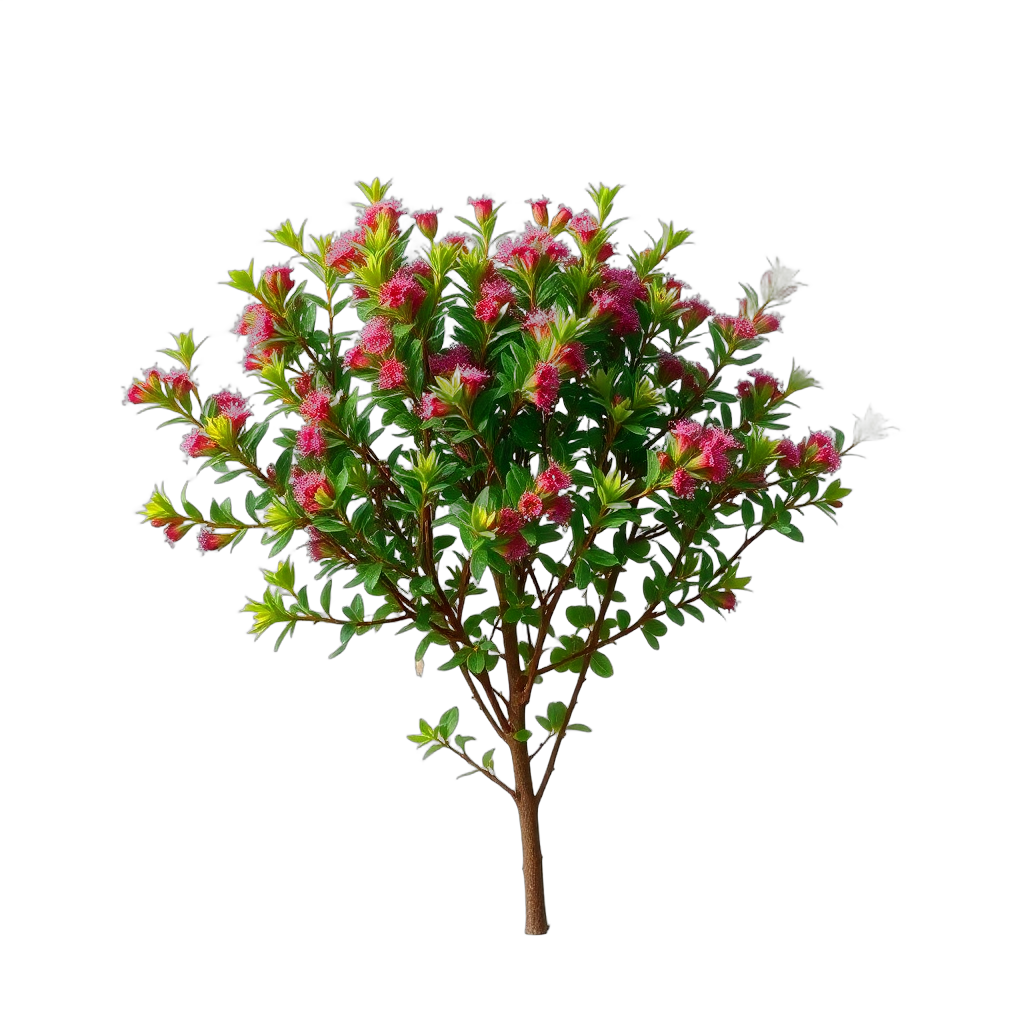
Buckbrush
Ceanothus cuneatus
medium-sized at 7 feet, white blooms in spring. Attracts butterflies.
Featured Grasses & Groundcovers for Mediterranean Gardens
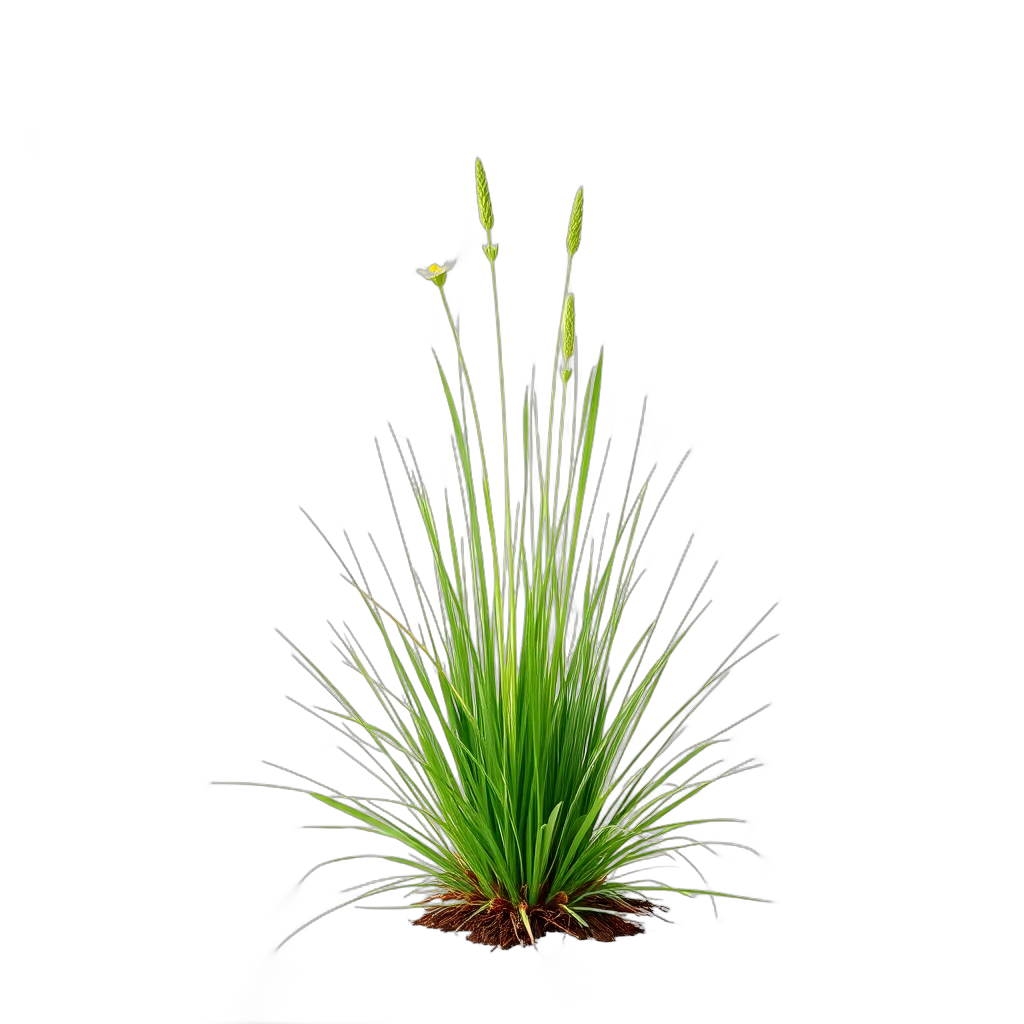
California Brome
Bromus carinatus
low-growing ground cover, blooms in spring. Yellow fall color.
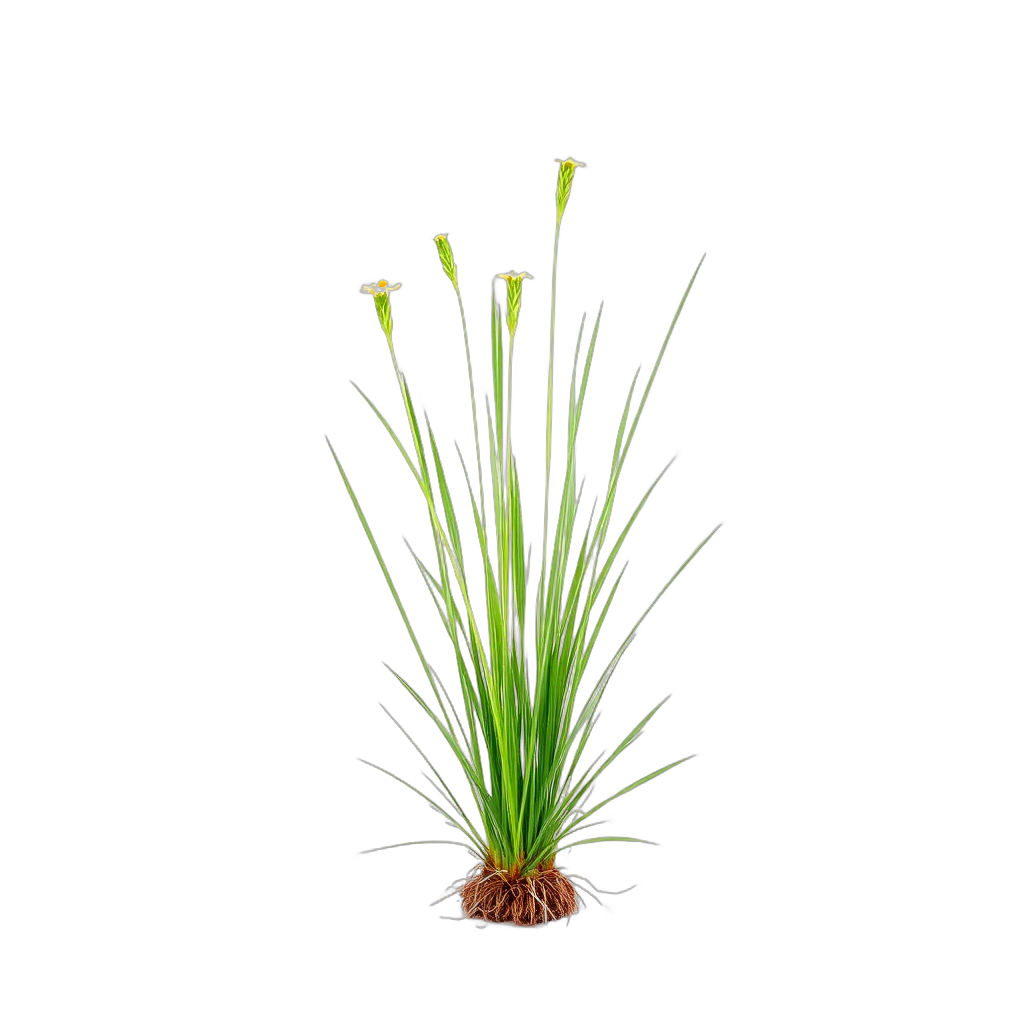
California Melic
Melica californica
low-growing ground cover, blooms in spring.
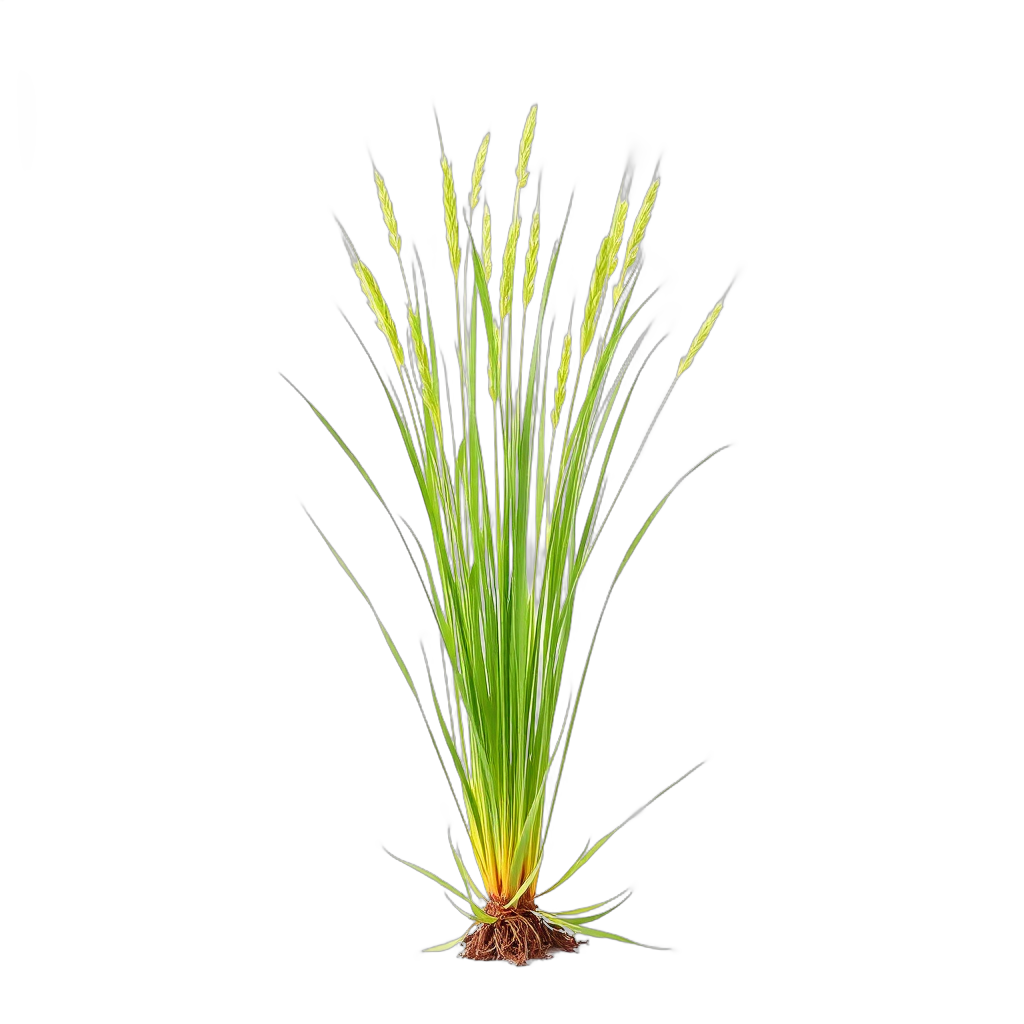
California Oatgrass
Danthonia californica
low-growing ground cover, blooms in spring. Yellow fall color.
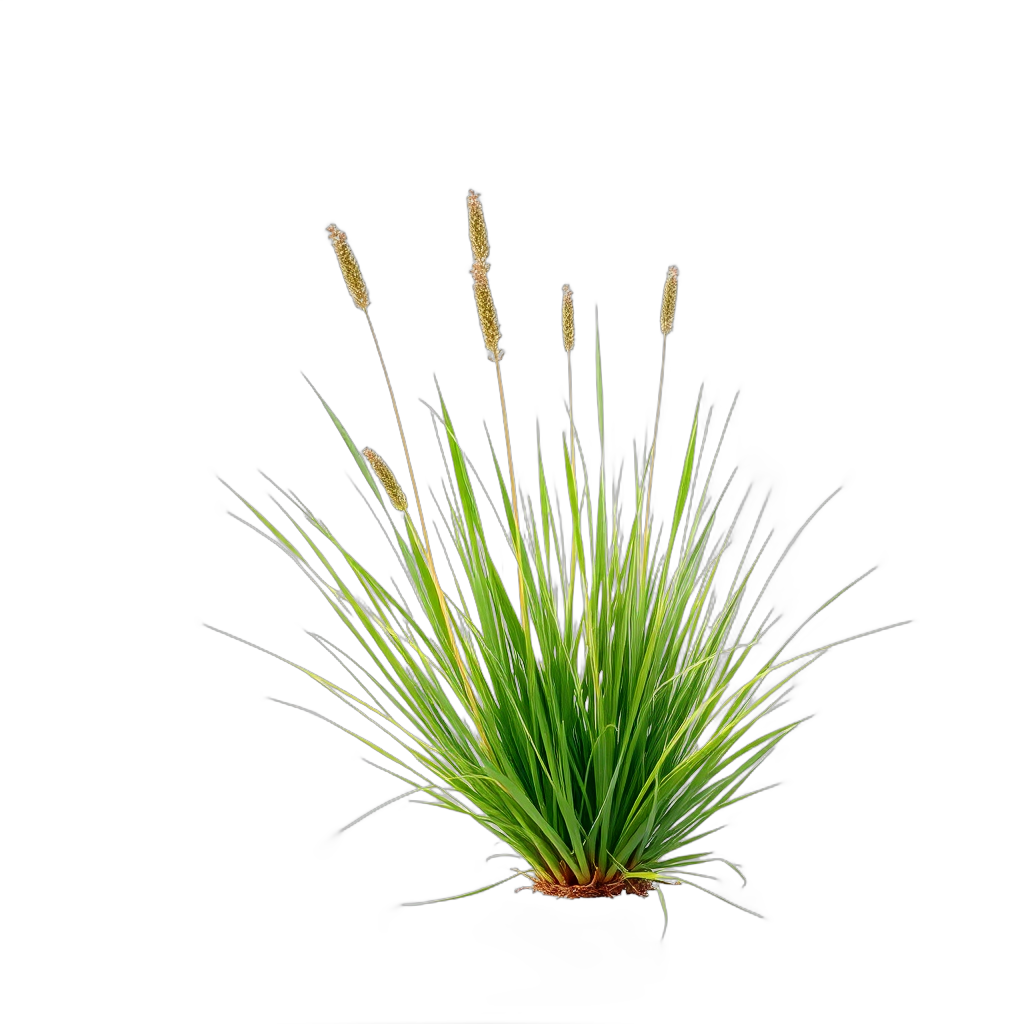
Deer Grass
Muhlenbergia rigens
grows to 3 feet, yellow blooms in fall. Evergreen year-round.
Featured Flowers & Perennials for Mediterranean Gardens
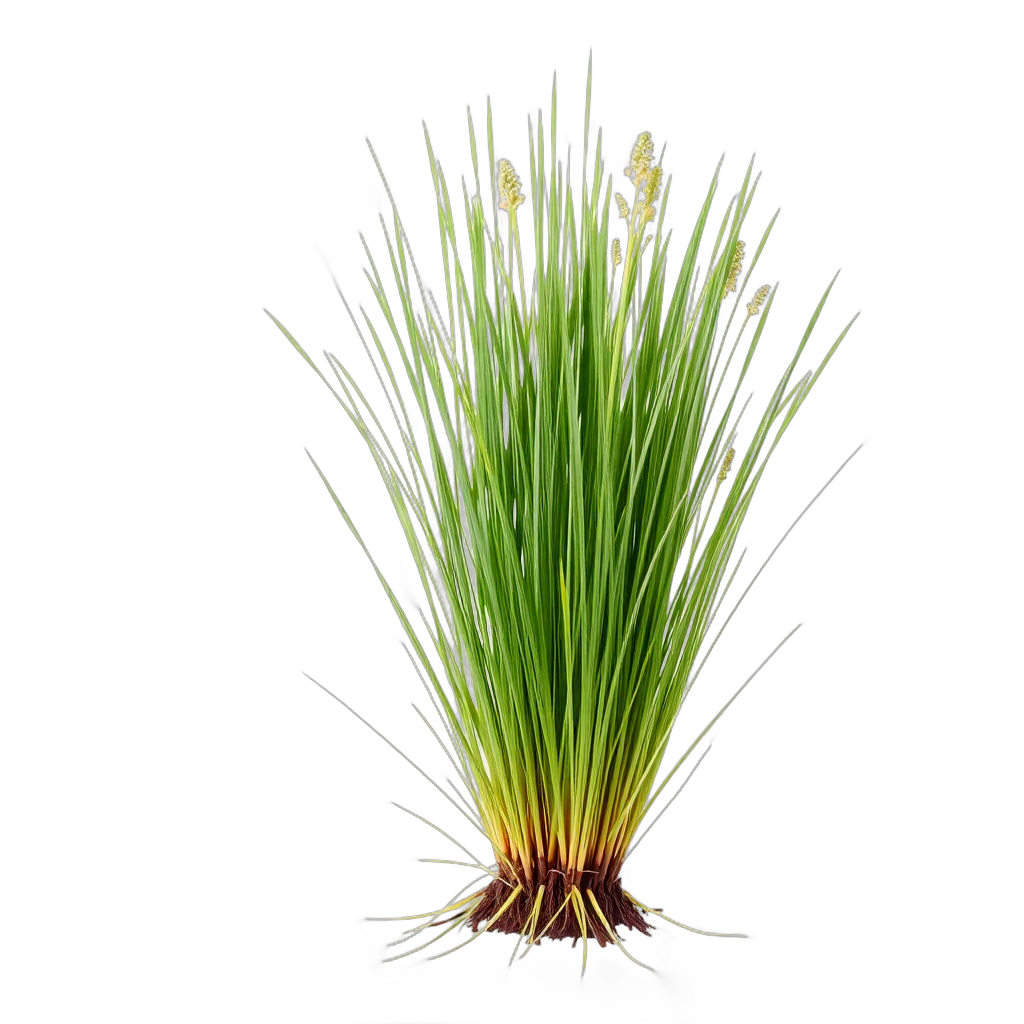
California Gray Rush
Juncus patens
low-growing ground cover, blooms in summer. Evergreen year-round.
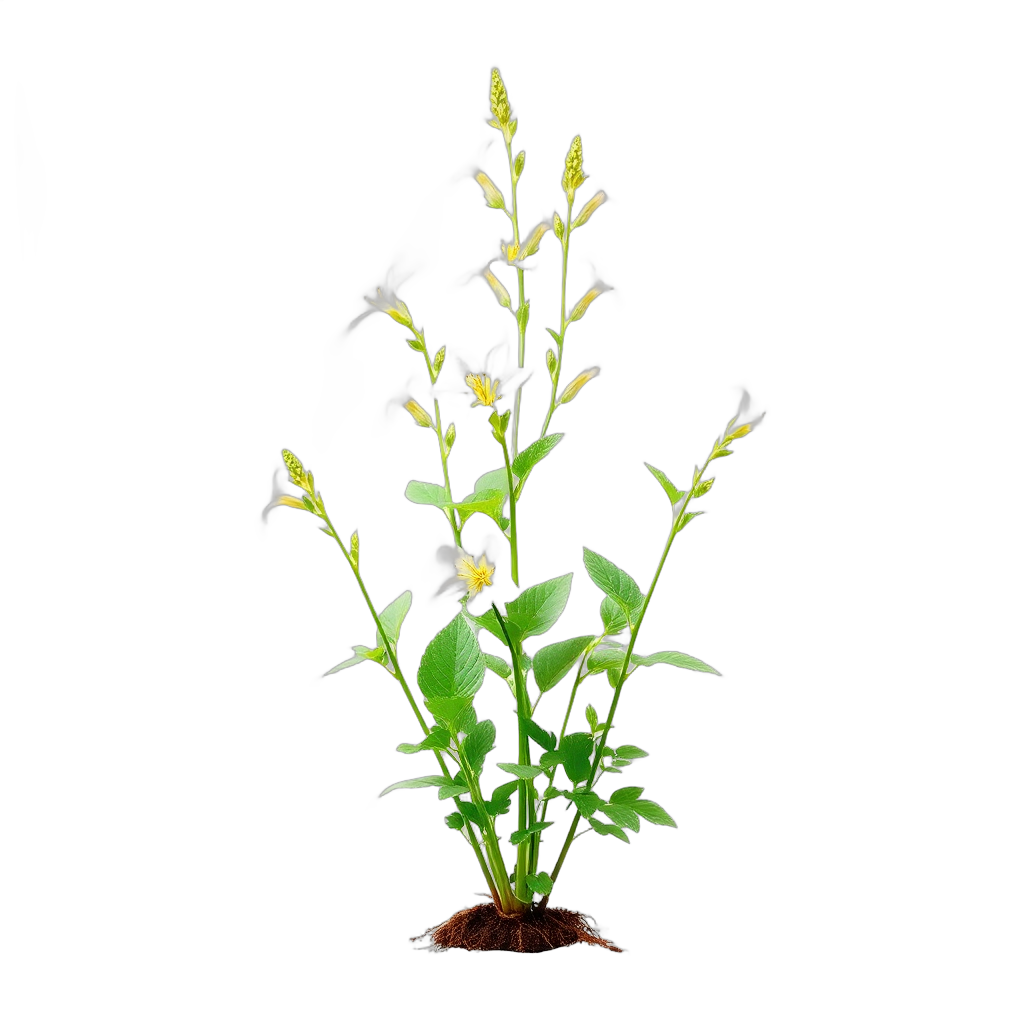
Beach Evening Primrose
Camissonia cheiranthifolia
low-growing ground cover, yellow blooms in spring. Attracts butterflies.
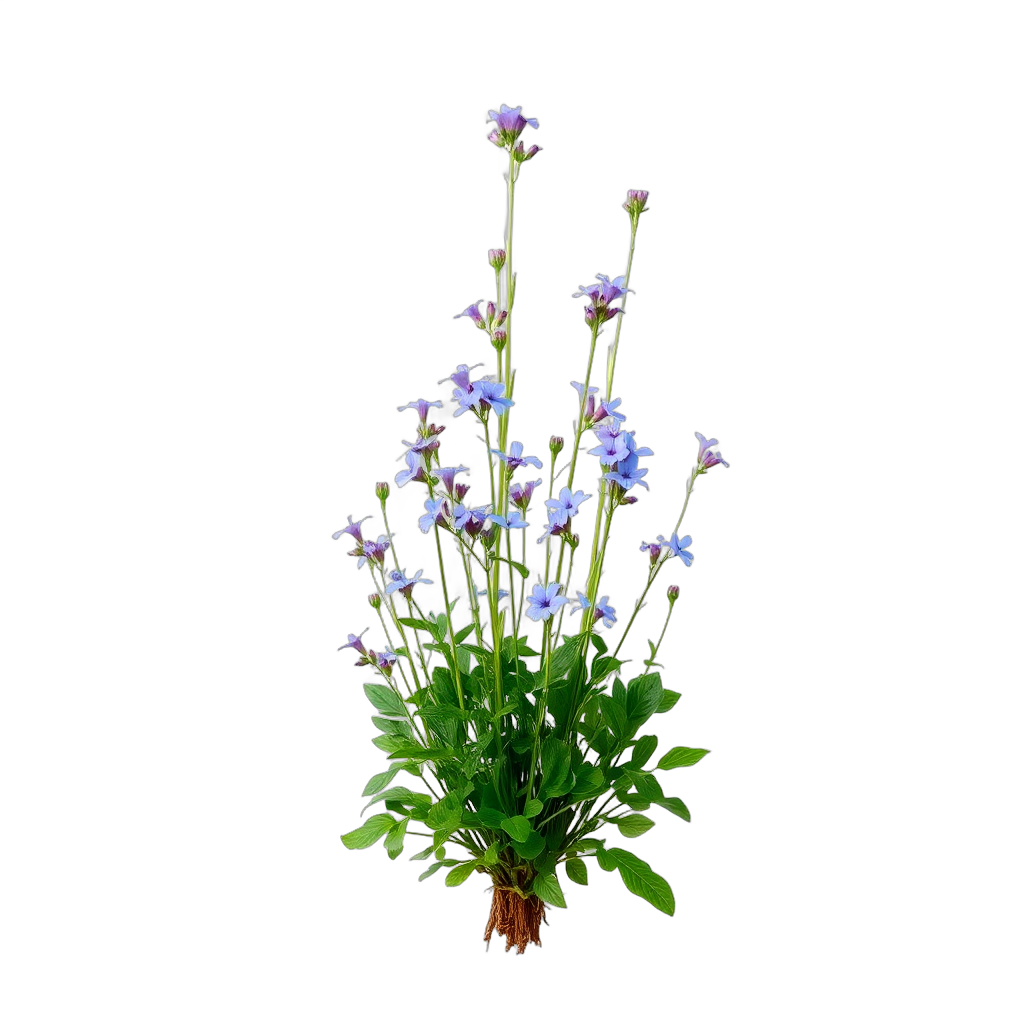
Blue Dicks
Dichelostemma capitatum
low-growing ground cover, blue blooms in spring. Pollinator-friendly.
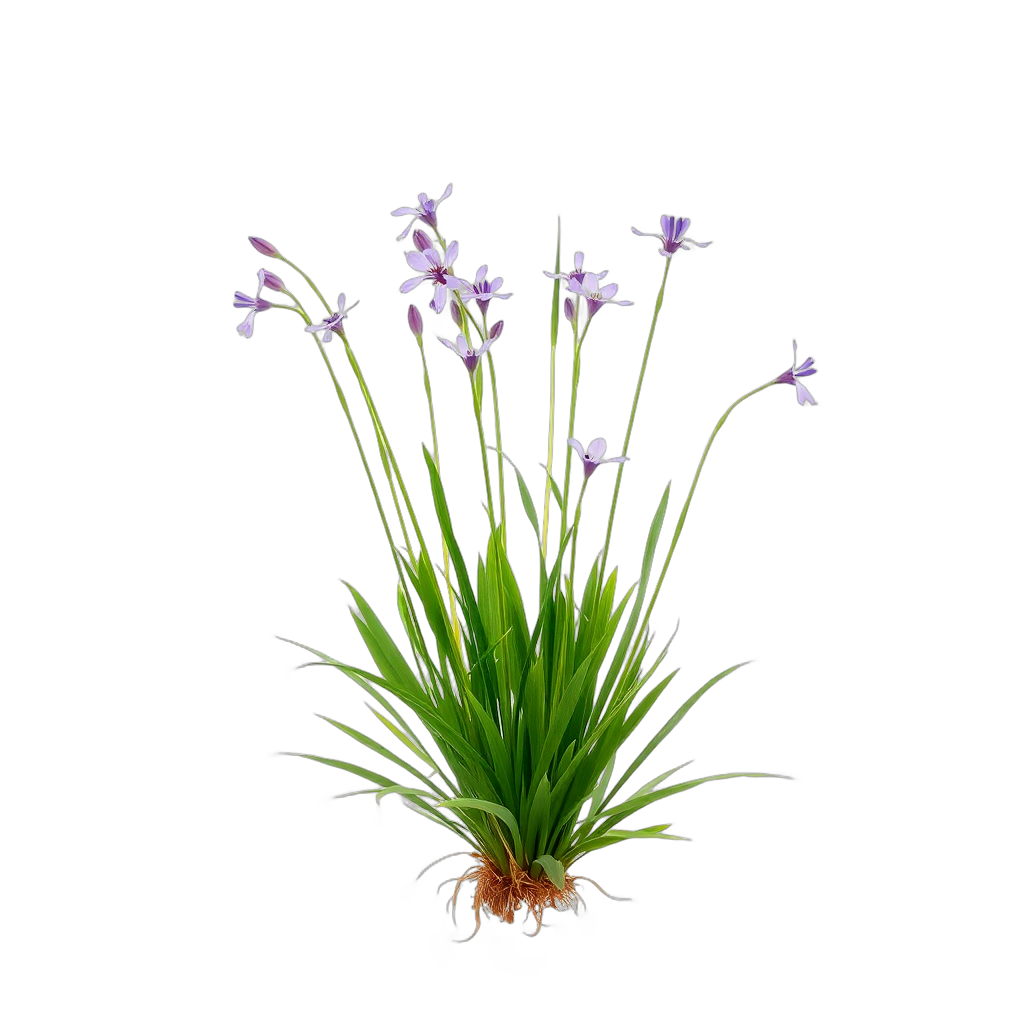
Blue-Eyed Grass
Sisyrinchium bellum
low-growing ground cover, blue blooms in spring. Attracts butterflies.
Zone and sun checks come from our database — confirm with your local nursery before you buy.
Bloom Calendar for Thousand Oaks
spring
Beach Evening Primrose, Blue Dicks, Blue-Eyed Grasssummer
California Gray Rush, Hooker's Evening Primrose, Hummingbird Mintfall
California Fuchsiawinter
Limited bloomsDesign Tips for Thousand Oaks (Zone 10a)
- Plant everything high. Conejo Volcanics soil is shallow, rocky, alkaline clay loam, and the single most common killer of olives, lavender and Cistus here is winter water sitting at the crown — set the root flare two to three inches proud of finish grade on a mound and pull the mulch back from the trunk
- Repeat one plant until it reads as a mass. A hundred feet of Lavandula × intermedia 'Provence' in one unbroken drift looks like Provence; ten different plants in the same bed look like a nursery clearance shelf, and in this bleaching Conejo light the difference is brutal
- Match the plant to the microclimate, not the zone number. Cold air drains into the valley floor overnight, so put Bougainvillea 'Barbara Karst' and Citrus × limon 'Improved Meyer' against a heat-storing south or west wall in Newbury Park and Casa Conejo, and save the open frontage for Olea europaea and Westringia, which do not care
- Feed citrus for the alkalinity. At pH 7.2 to 8.0 iron locks up and new leaves go yellow between green veins — chelated iron plus an acidifying citrus food two or three times a year fixes it, and no amount of extra water will
- Design around a summer-dry oak. Coast live oaks want winter rain and a bone-dry August, so keep lawn, spray heads and thirsty beds entirely outside the dripline, run terraces on a permeable base rather than a slab, and check city oak rules before trenching anywhere near one
- Use gravel, not bark, in the first five feet against the house. It is the fire-safe choice in a Very High Fire Hazard Severity Zone, it stops bark washing across the walk in the January storms, and it looks correct under stucco and terracotta anyway
- Water the Mediterranean way from the start: infrequent, deep and on inline drip, never a daily sprinkle. Two deep soaks a month through summer builds the deep root plate these plants are built for, and a weather-based controller will skip cycles automatically after the winter rain arrives
Where to Source Plants in Thousand Oaks
Skip the big-box stores. These independent Thousand Oaks nurseries specialize in the plants that make mediterranean gardens thrive in Zone 10a.
Elegant Gardens Nursery
Moorpark (Tierra Rejada Valley, 15 minutes north of Thousand Oaks)
Twenty-acre grower carrying more than 1,000 varieties from 1-gallon to 36-inch box, including multi-trunk fruitless olives, Italian cypress and citrus, plus bulk decomposed granite, gravel and compost by the yard
Nature's Best Nursery
Santa Rosa Valley, Camarillo (over the hill from Newbury Park)
Family-run for more than 40 years, growing trees, shrubs and water-wise stock selected for the Conejo and Santa Rosa valleys' coastal-valley climate
Matilija Nursery
Moorpark (Waters Road, off Los Angeles Ave)
The deepest California native inventory in Ventura County — coastal sage and chaparral species, Ceanothus, manzanita, deergrass and Pacific Coast Hybrid irises, retail and restoration
Camarillo Nursery
Camarillo (formerly Growing Grounds Nursery)
Independent garden centre with a rotating selection of citrus, roses, hedging, palms, glazed pottery and fountains, plus on-site design sketches with purchase
Mediterranean Landscaping Costs in Thousand Oaks
| Project Scope | Estimated Cost |
|---|---|
| Front-lawn conversion to olives, lavender and gravel (700–1,000 sqft) | $9,000 – $24,000 |
| Flagstone entry path and landing (150–300 sqft) | $4,500 – $14,000 |
| Saltillo or porcelain terrace (300–500 sqft) | $12,000 – $35,000 |
| Rough-sawn timber pergola over the terrace (14×16 ft) | $9,000 – $25,000 |
| Cast-stone fountain, plumbed on a recirculating basin | $2,500 – $9,000 |
| 24-inch box multi-trunk fruitless olive, delivered and planted | $1,200 – $3,500 |
| Drip conversion with a weather-based controller and new valves | $2,500 – $7,000 |
| Certified arborist report plus city oak tree permit | $600 – $2,500 |
| AI visualization with ProScapeAI | Free to start |
Estimates based on Thousand Oaks, CA-area contractor rates as of 2026. Actual costs vary by site conditions, materials, and contractor.
Thousand Oaks Climate & Growing Zone
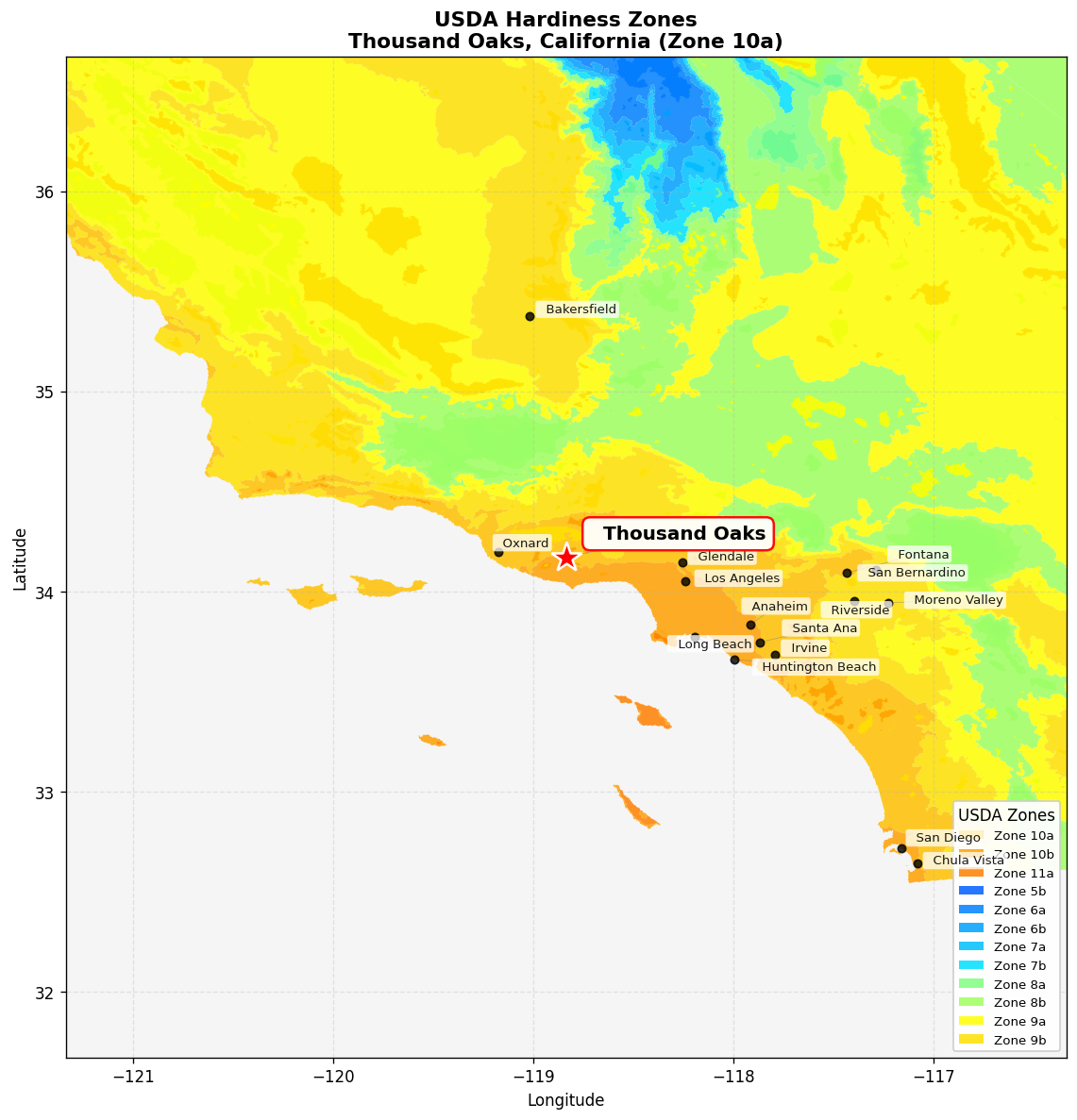
USDA Zone 10a
Hardiness zone for Thousand Oaks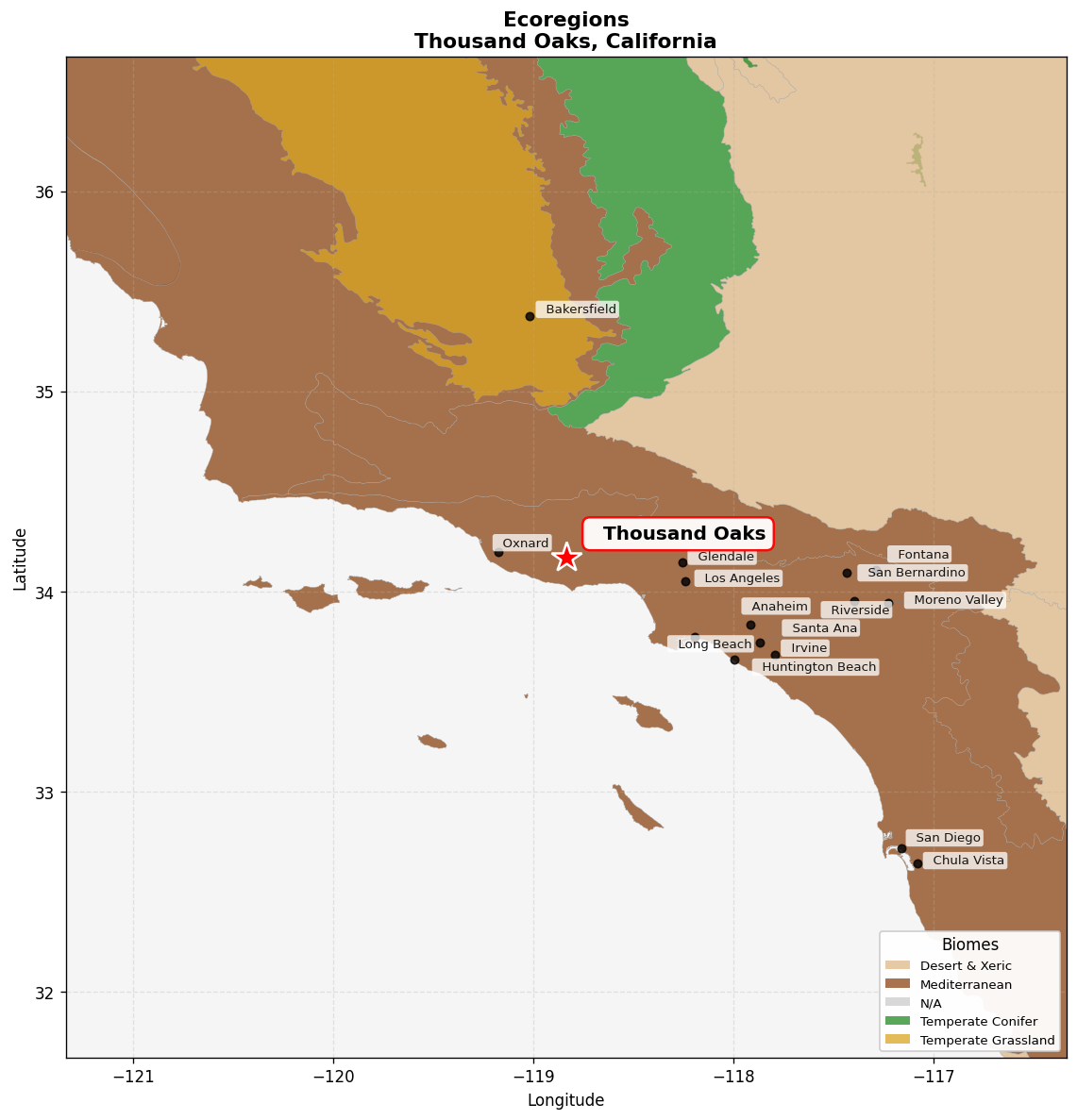
California coastal sage and chaparral
Native ecoregionFrequently Asked Questions
How much does a Mediterranean landscape cost in Thousand Oaks?
Ventura County installation rates run above the national average, so budget accordingly. A front-lawn conversion to olives, lavender and flagstone across 700 to 1,000 square feet typically lands between $9,000 and $24,000 installed. A flagstone entry path with a landing runs $30 to $55 per square foot. A saltillo or porcelain terrace of 300 to 500 square feet with a timber pergola over it runs $25,000 to $65,000 all in. A plumbed cast-stone fountain on a recirculating basin is $2,500 to $9,000 depending on size and whether a new circuit is needed. Specimen material moves the number fastest — a 24-inch box multi-trunk Olea europaea 'Swan Hill' delivered and planted is $1,200 to $3,500 on its own.
Will olives, citrus and bougainvillea survive a Thousand Oaks winter?
Almost always, but where you plant matters more than the zone map. Thousand Oaks is rated USDA 10a, and yet cold air drains downhill overnight into the Conejo bottom and Newbury Park, so those pockets behave more like 9b and can touch the high 20s on a clear, still January night. Olea europaea and Citrus × sinensis 'Washington' navel shrug that off. Bougainvillea 'Barbara Karst' and Citrus × limon 'Improved Meyer' are the tender ones — put them against a south or west stucco wall that re-radiates stored heat, keep them out of low spots and off open lawn, and hold back on late-summer fertiliser so they are not pushing soft growth in November.
How much water does a Mediterranean garden here actually use, and are there rebates?
A converted front garden of olives, Lavandula × intermedia 'Grosso', Salvia rosmarinus 'Tuscan Blue' and Cistus × purpureus on inline drip typically runs 60 to 80 percent below the same area in cool-season turf once established, and after two or three winters most of it will coast on one deep soak every two to three weeks from June through September. On rebates, the Metropolitan Water District SoCal Water$mart turf replacement programme has run at $2 per square foot for residential conversions, with local adders in the Calleguas service area at times. Funding is not permanent and rules change, so confirm what is open and get pre-approval from your retailer before the lawn comes out — not after.
What are the rules about the oak trees on my property?
Coast live oaks and valley oaks are protected by the city's oak tree ordinance, and the protected zone extends past the dripline. Removal, pruning beyond a threshold, trenching, grading and paving inside that zone all require city review and normally a certified arborist's report — budget $600 to $2,500 for the report and permit. Beyond compliance, the horticulture matters: Quercus agrifolia lives on winter rain and a dry summer, so never install lawn, spray irrigation or summer-watered lavender inside the dripline, never raise the soil grade around the trunk, and keep the terrace on piers or a permeable base rather than a poured slab. Confirm current thresholds with the Planning Division before you design anything close to one.
Will the deer eat everything?
Thousand Oaks is stitched through with COSCA open space and the mule deer treat back gardens as a browsing route, particularly in Wildwood, Dos Vientos and along the Santa Monica Mountains edge. The good news is that the Mediterranean palette is one of the most deer-resistant there is: deer generally leave Lavandula, Salvia rosmarinus, Teucrium fruticans, Phlomis fruticosa, Westringia and Achillea 'Moonshine' alone because of the aromatic oils. Roses, young citrus and anything soft and newly planted are the exceptions — cage new trees for the first two seasons and keep the tempting material inside a walled courtyard rather than out at the street.
Does this style work with fire department defensible space requirements?
Yes, with three adjustments. Keep the first five feet around the house ember-resistant — gravel or paving rather than bark mulch, nothing woody hard against the stucco, and no bougainvillea trained onto a wall directly beneath a vent or eave gap. In the 5 to 30 foot band, keep plants low, irrigated and separated so there is no continuous fuel path, which is exactly how the lavender-drift-and-flagstone layout already behaves. Beyond that, Ventura County Fire's 100-foot defensible space standard applies to most of the city's hillside and open-space-adjacent lots. Avoid juniper and untended ornamental grass right at the structure, and clean fallen olive and oak litter out of the gutters and the first five feet each autumn before the Santa Anas arrive.
When should I install a Mediterranean garden in the Conejo Valley?
November through February is the window, and it is not a close call. Planting into the front edge of the rainy season lets Olea europaea, Cistus and Lavandula put down roots through the cool, damp months and meet their first dry summer already established, which can halve the irrigation they need in year one. October is acceptable if you can water through the Santa Ana season. Avoid planting from June to September — new stock in shallow, alkaline volcanic clay under a 90 degree afternoon needs constant hand watering to survive. Hardscape is different: paving, walls and pergolas can be built any month, and winter is often when contractor schedules are most open.