4 Modern Landscape Ideas for Thousand Oaks, CA | Zone 10a Design
Native plants from the California coastal sage and chaparral (Zone 10a) — Mediterranean (warm summer) climate
Why Modern/Minimalist Gardens in Thousand Oaks?
Modern landscape design has an unusually easy job in Thousand Oaks, because the housing stock was already halfway there. The Janss Investment Company built out the Conejo Valley through the late 1950s and 1960s, and the result is street after street of low, wide, flat-eaved single-story ranches in Lynn Ranch, Casa Conejo, Shadow Oaks, Conejo Oaks and Newbury Park — long horizontal rooflines, deep overhangs, post-and-beam entries and, in the best pockets, genuine Eichler-adjacent geometry with vertical wood siding against white stucco. Those are exactly the lines that clean modern landscaping is built to extend: a broad poured-concrete walk, one sweeping curve, a gravel plane instead of a lawn, and planting used as sculpture rather than as filler. The setting does the rest. Golden chaparral ridgelines and the coast live oaks of the COSCA open space form a borrowed backdrop no designer could afford to build, and a restrained palette of grey concrete, blue-grey rosettes and blond grasses reads as if it grew out of that landscape rather than being dropped on it.
The climate is what makes the desert-modern look practical here rather than an affectation. Thousand Oaks sits at roughly 800 to 1,000 feet in a Csb warm-summer Mediterranean climate: about 16 inches of rain a year, essentially all of it between November and April, summer afternoons in the mid-80s, and functionally zero rainfall from June through September. Sculptural plants that would rot in a humid climate thrive on that rhythm — Agave 'Blue Glow', Agave attenuata 'Boutin Blue', Yucca rostrata 'Sapphire Skies', Curio repens and Aloe 'Blue Elf' hold their form all year with almost no input. The one real trap is the reverse of what people expect. The city is nominally USDA Zone 10a, but cold air drains downhill overnight into the Conejo bottom and lower Newbury Park, so those pockets behave like 9b and can touch the high 20s on a still January night. Agave americana, Agave parryi var. truncata and Yucca rostrata do not blink at that; soft Mexican species and large Echeveria 'Afterglow' rosettes in a low frost pocket will mark.
Soil is the reason most modern gardens here fail, and it is always the same failure. Much of the city sits on the Conejo Volcanics — weathered basalt and volcanic breccia producing shallow, rocky, alkaline clay loam that commonly tests pH 7.2 to 8.0 and drains slowly. Set an agave at grade in that and the January rain will sit around its crown until it collapses. The answer is the same detail that makes the style look right anyway: build the beds up. Raised beds behind a Corten steel edge, backfilled with a coarse mix cut heavily with crushed rock and topped with gravel or lava mulch, deliver both the crisp geometry and the sharp drainage, and they let you put a 36-inch Agave americana within a few feet of the stucco without gambling on the winter. The same discipline applies to hardscape: compact a proper crushed-stone base under every slab and walkway, because expansive Conejo clay swings hard between the saturated winter and a baked-dry September, and concrete poured on bare soil will crack within a few seasons.
Three local constraints then shape the plan. Water is 100 percent imported — the City of Thousand Oaks water utility, California American Water in parts of Newbury Park and Cal Water in the Westlake area all buy from Calleguas Municipal Water District, which buys State Water Project supply from Metropolitan. California's Model Water Efficient Landscape Ordinance applies from 500 square feet of new permitted landscape and its prescriptive path caps turf at 25 percent of the planted area, which is why the modern answer here is a single crisp lawn panel used as a green rug rather than wall-to-wall fescue. Coast live oaks are protected by the city's oak ordinance, and the protected zone extends beyond the dripline — a mature Quercus agrifolia in the front yard is the best free asset on the lot, but paving, trenching, grading or summer irrigation near it needs city review and normally a certified arborist's report first. And most of the city sits in a Very High Fire Hazard Severity Zone against open space, with the Woolsey and Springs fires still in living memory. Fortunately a gravel plane with widely spaced succulents is close to the ideal defensible-space treatment already: keep the first five feet ember-resistant, avoid continuous fuel beds against the walls, and design to Ventura County Fire's 100-foot standard from the outset.
4 Modern/Minimalist Design Ideas for Thousand Oaks

The Grass Meadow Walk
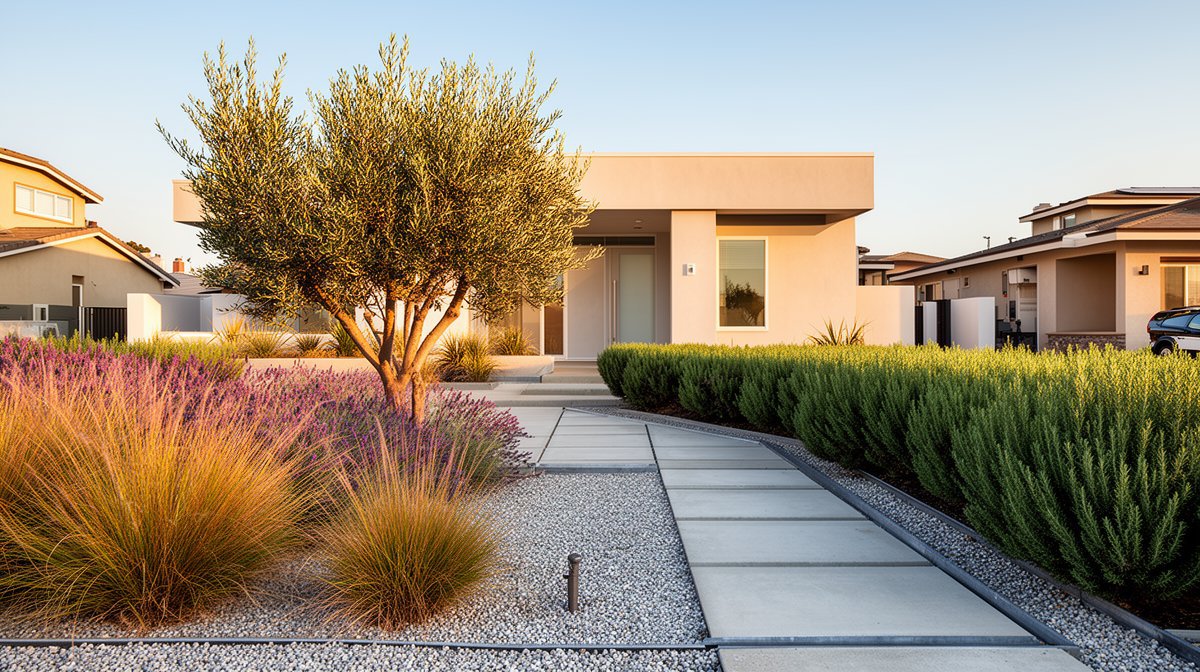
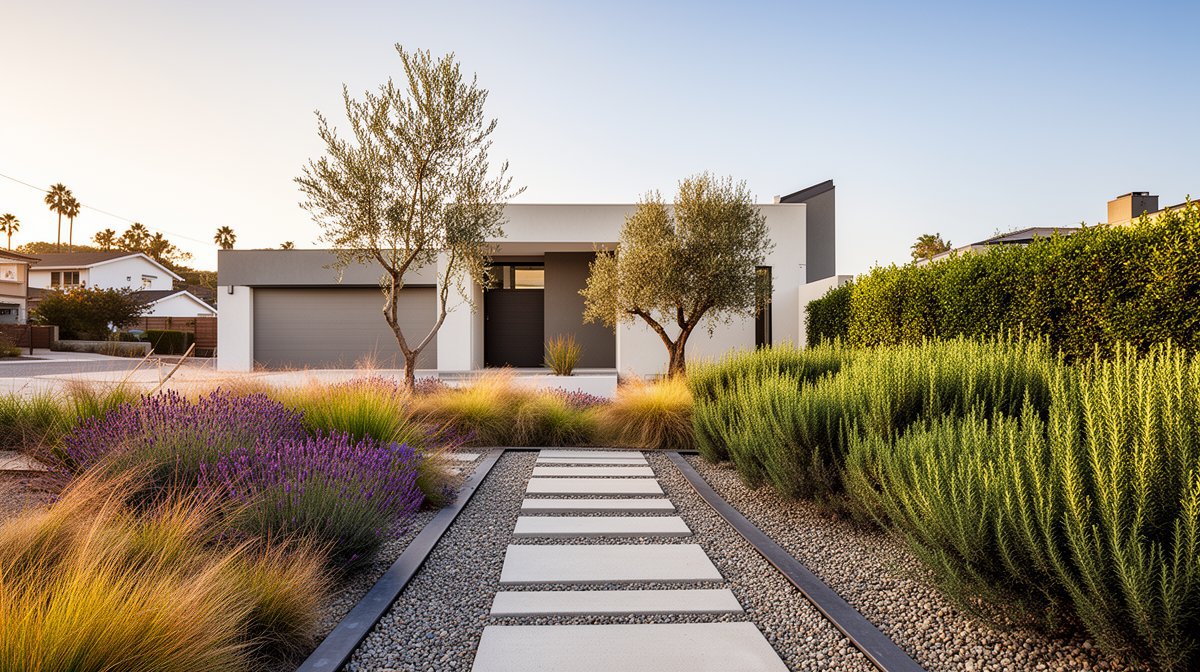
$12–24/sqftA low greige-stucco single-story with dark window frames and a squared, flat-parapet entry projection, with a mature coast live oak leaning over the right side of the lot and the golden Conejo hills behind. The whole front garden is one gesture: a broad, broom-finished concrete walk sweeps in a long shallow S from the kerb to the door, and everything either side of it is planting. Big blond tufted grass mounds hold the left-hand corner, purple lavender masses run through the middle in grey gravel mulch, and blue rosettes sit tight against the foundation where the eaves keep them dry. On the right a single clipped lawn panel survives, with a poured concrete curb ring encircling the oak and pale rosettes planted inside it.

The Corten Succulent Court
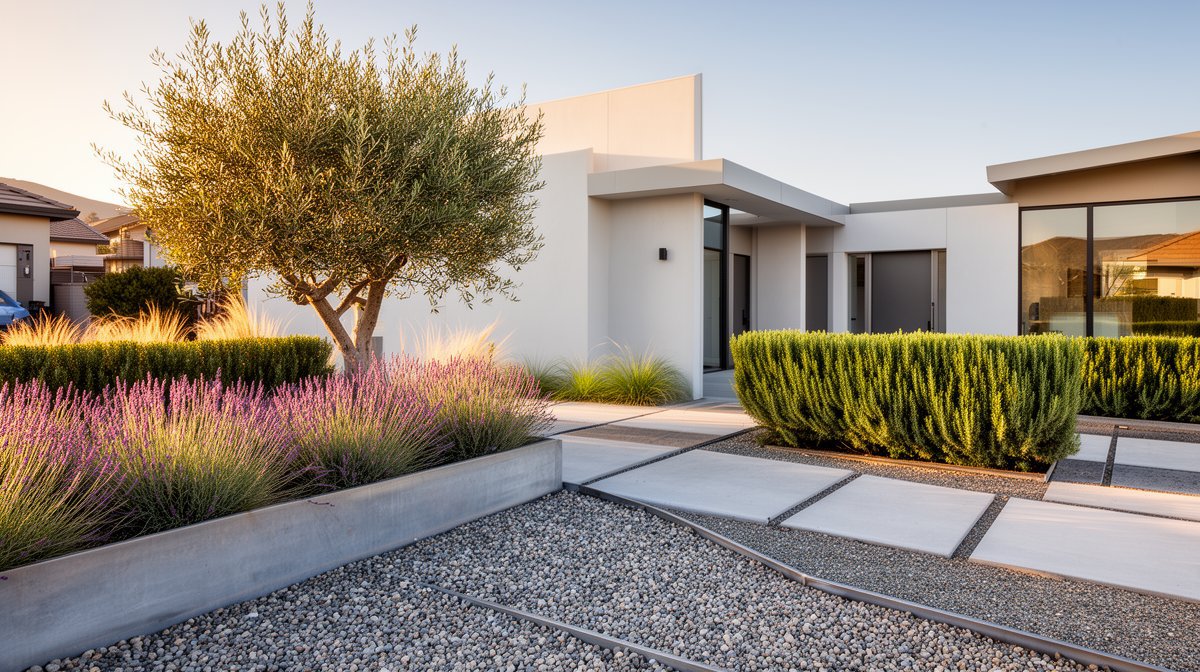
$10–20/sqftA mid-century post-and-beam house — white stucco panels against warm vertical wood siding, a low-slope roof with wide flat eaves and a floating carport wing — with a huge oak canopy behind it. There is no lawn at all. A field of pale decomposed granite forms the motor court and forecourt, and it is cut by crisp rusted steel edges into raised rectangular islands filled with black lava mulch. Each island is a composition of oversized blue-grey agaves, fat pale rosettes at ground level and one upright red-leaved accent for vertical contrast. Nothing is symmetrical and nothing is fussy — the design is four rectangles, one gravel plane and about a dozen plant forms, all lit low from within the beds at night.

The Concrete Slab and Fire Table Room
$20–38/sqftA wide pale-grey concrete terrace, sawcut into big panels, runs the full width of a single-story house behind a bank of sliding glass doors. A round cast concrete fire table sits at the centre with a low flame in it, ringed by a long woven-rope sofa and two facing armchairs, while a slim dining set tucks in against the house. Catenary string lights sweep the whole space overhead from the roofline to a specimen tree at the right, whose canopy is threaded with the same lights. A clipped green hedge hides the boundary fence, a strip of lawn runs beyond the slab, and soft grasses spill over the terrace edges to stop the concrete reading as hard.

The Reflecting Pool Pavilion
$45–90/sqft (pool area inclusive)Twilight over a flat-roofed glass pavilion with a slim floating roof plane and a warm-lit kitchen and dining room visible straight through. A long rectangular pool sits directly on axis in a wide, pale, almost seamless concrete deck, and at this hour it works as a mirror rather than a swimming pool. Two low sofas face each other across a linear gas fire trough at the head of the water. Smooth stucco garden walls wrap the space on both sides and are grazed from below with warm light, drifts of pale feathery grasses soften the deck edges, and old oaks stand in silhouette against the last pink of the sky. The restraint is the whole design: three materials, one axis, one light temperature.
See how a modern/minimalist garden looks on YOUR property
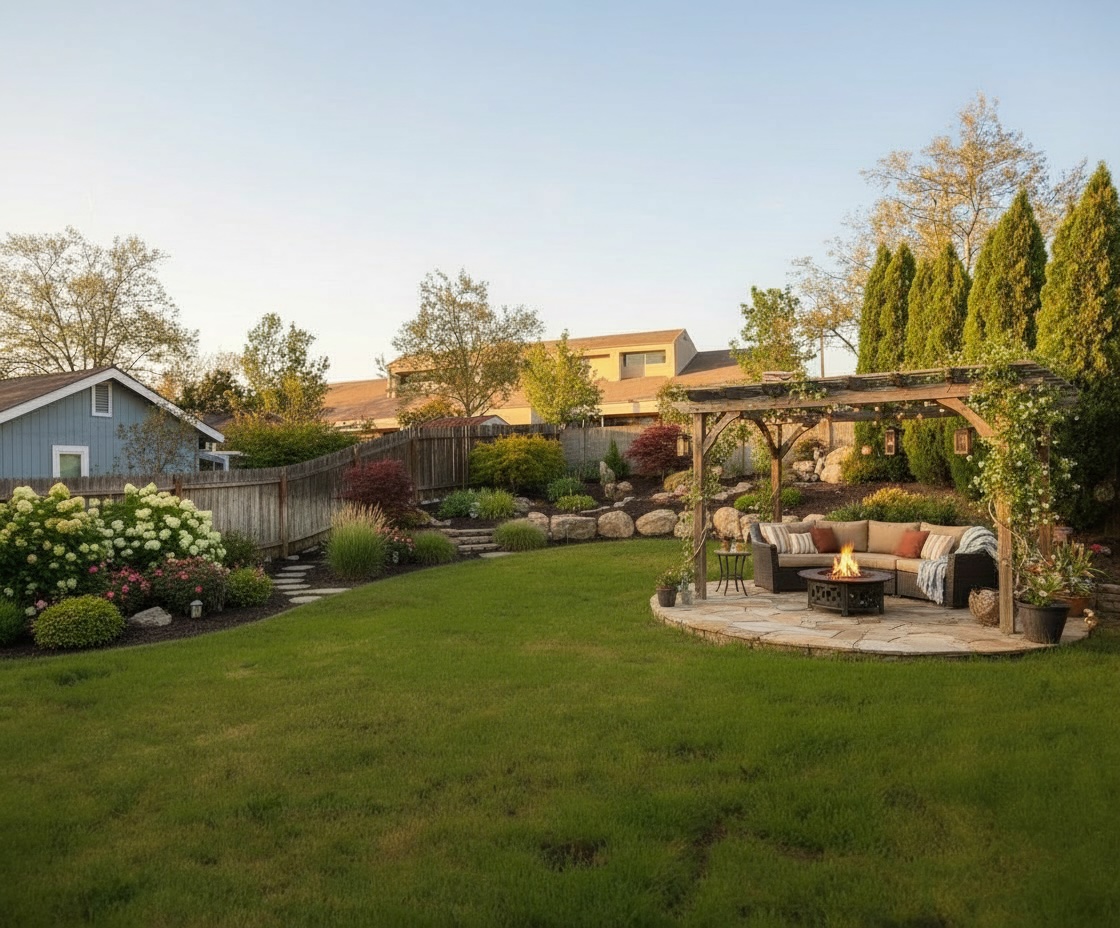
Upload a photo of your Thousand Oaks yard and visualize your dream garden in seconds.
Try ProScapeAI Free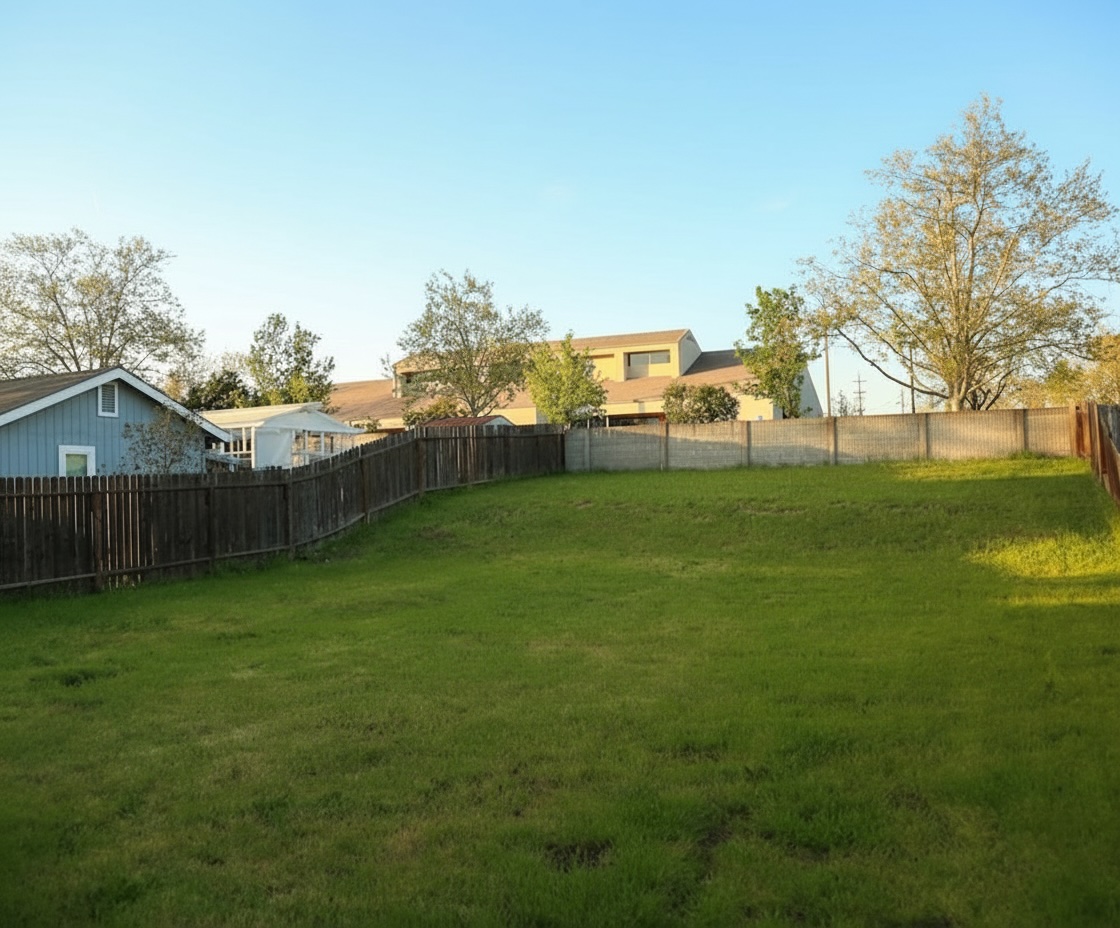
Featured Trees & Shrubs for Modern/Minimalist Gardens
Browse all 219 plants for Thousand Oaks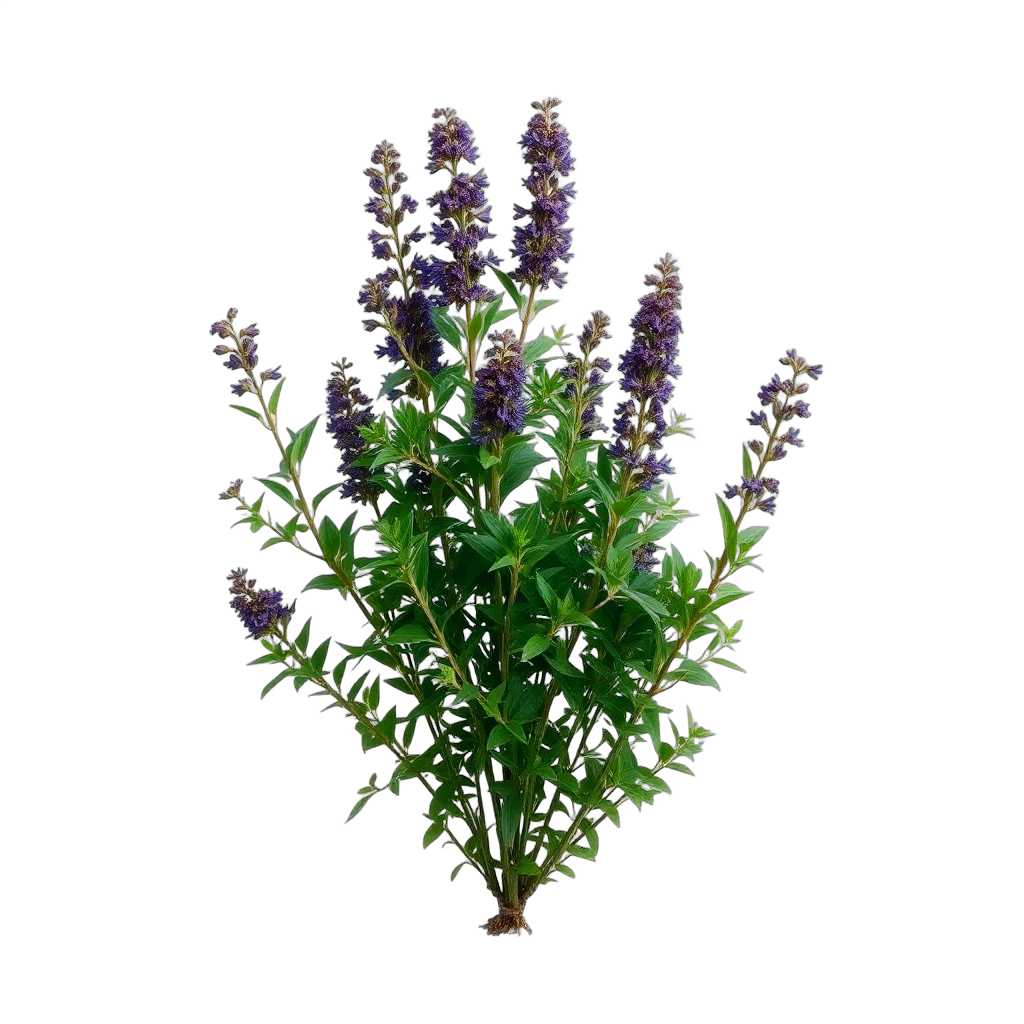
Black Sage
Salvia mellifera
grows to 4 feet, white blooms in spring. Attracts butterflies.
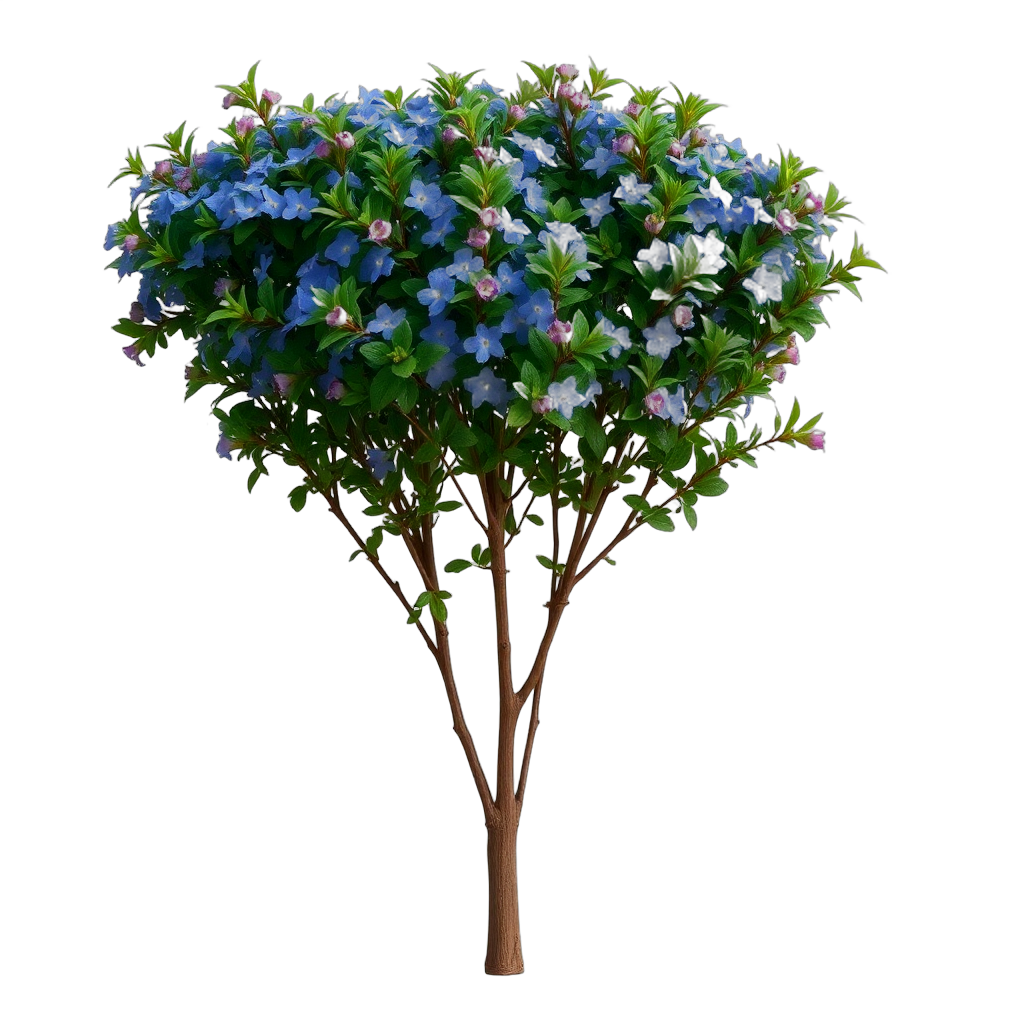
Blue Blossom
Ceanothus thyrsiflorus
medium-sized at 12 feet, blue blooms in spring. Attracts butterflies.

Blue Elderberry
Sambucus cerulea
medium-sized at 15 feet, white blooms in spring. Attracts butterflies.
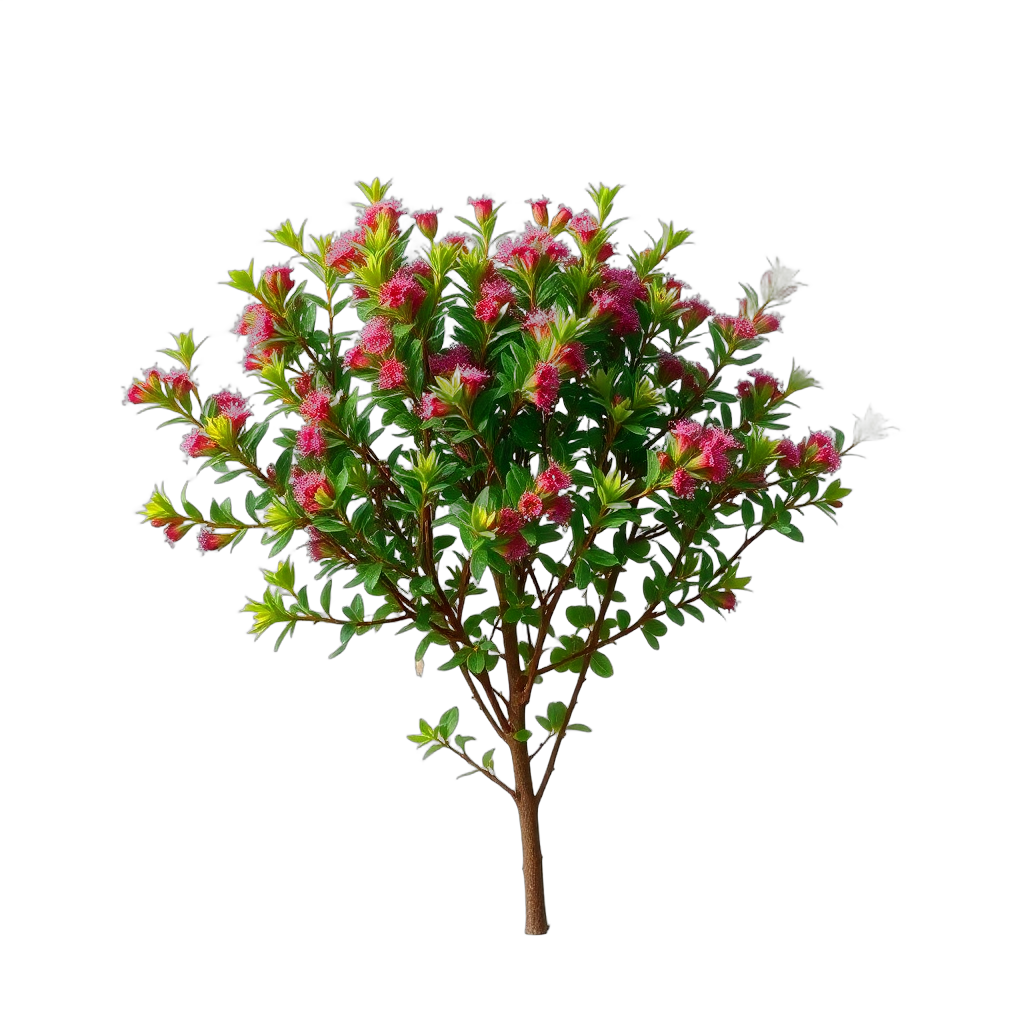
Buckbrush
Ceanothus cuneatus
medium-sized at 7 feet, white blooms in spring. Attracts butterflies.
Featured Grasses & Groundcovers for Modern/Minimalist Gardens
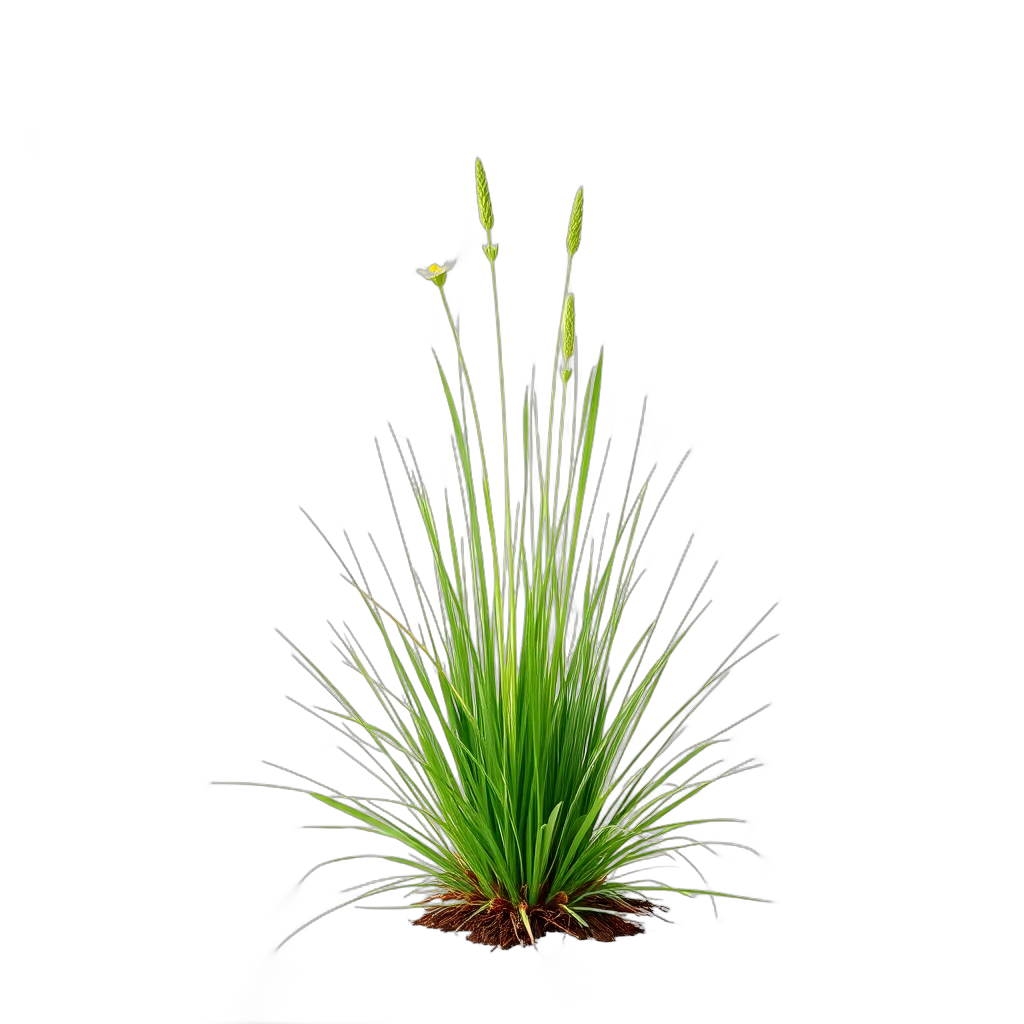
California Brome
Bromus carinatus
low-growing ground cover, blooms in spring. Yellow fall color.
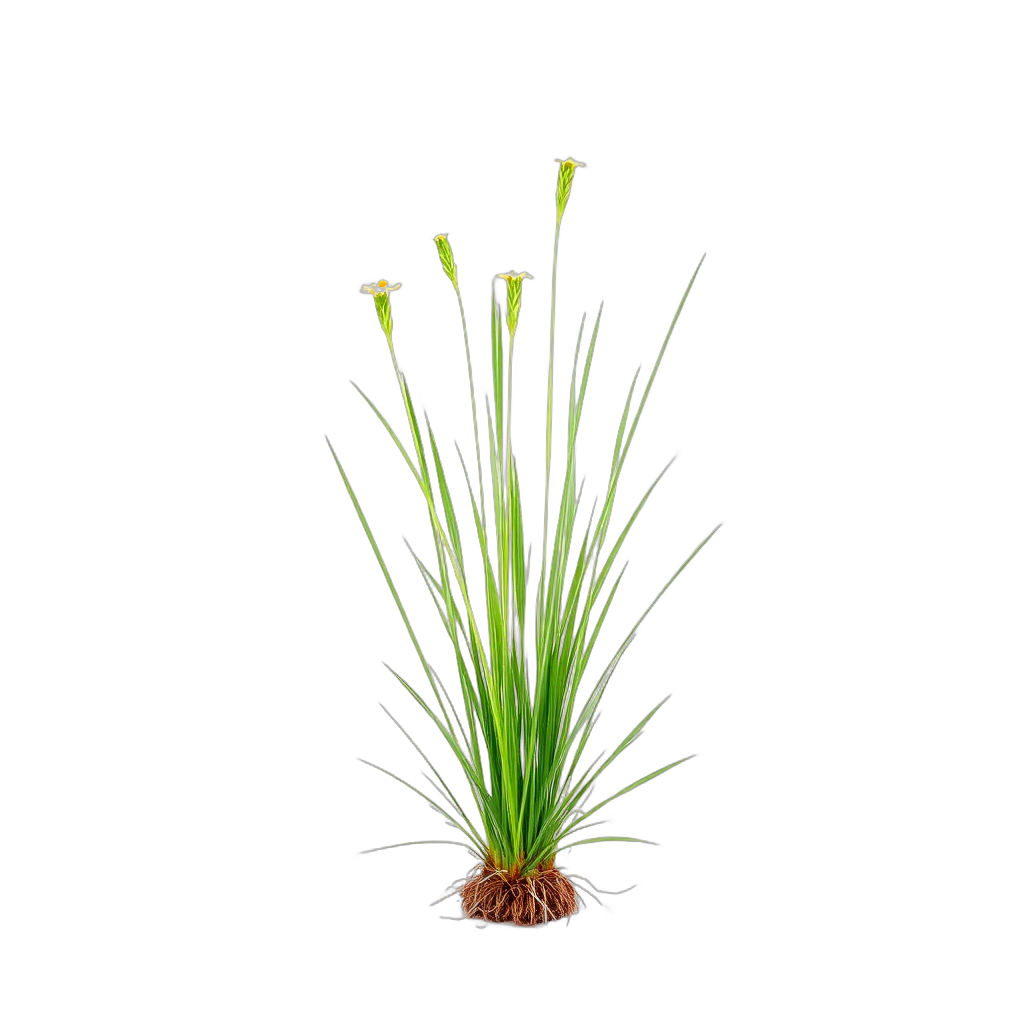
California Melic
Melica californica
low-growing ground cover, blooms in spring.
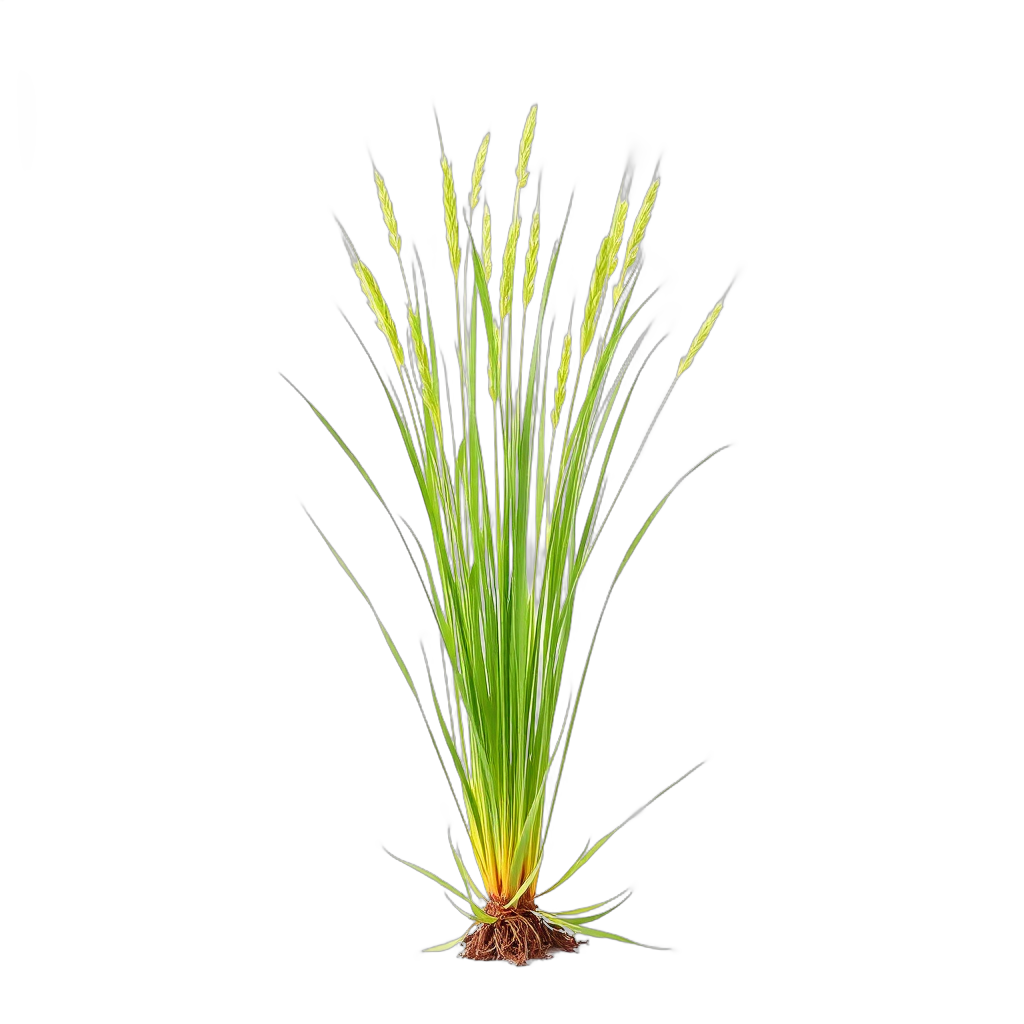
California Oatgrass
Danthonia californica
low-growing ground cover, blooms in spring. Yellow fall color.
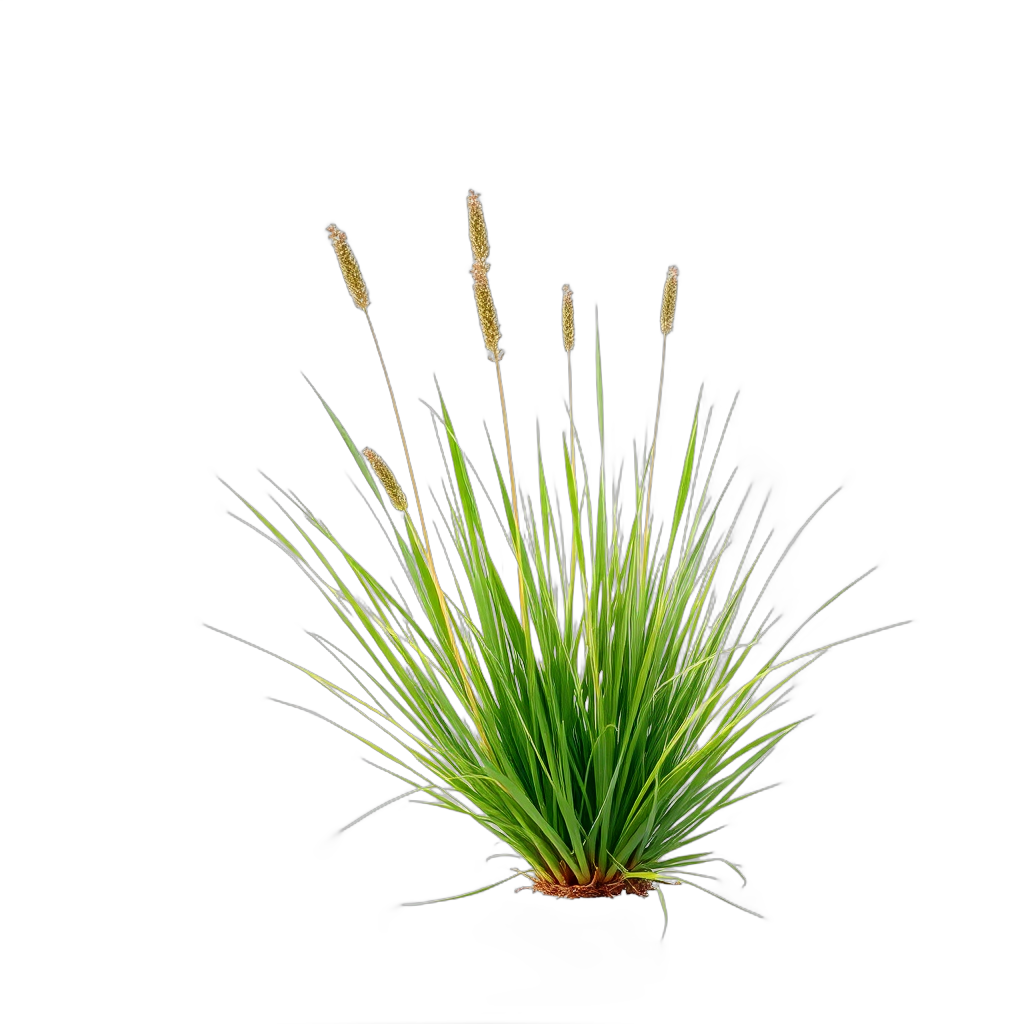
Deer Grass
Muhlenbergia rigens
grows to 3 feet, yellow blooms in fall. Evergreen year-round.
Featured Flowers & Perennials for Modern/Minimalist Gardens
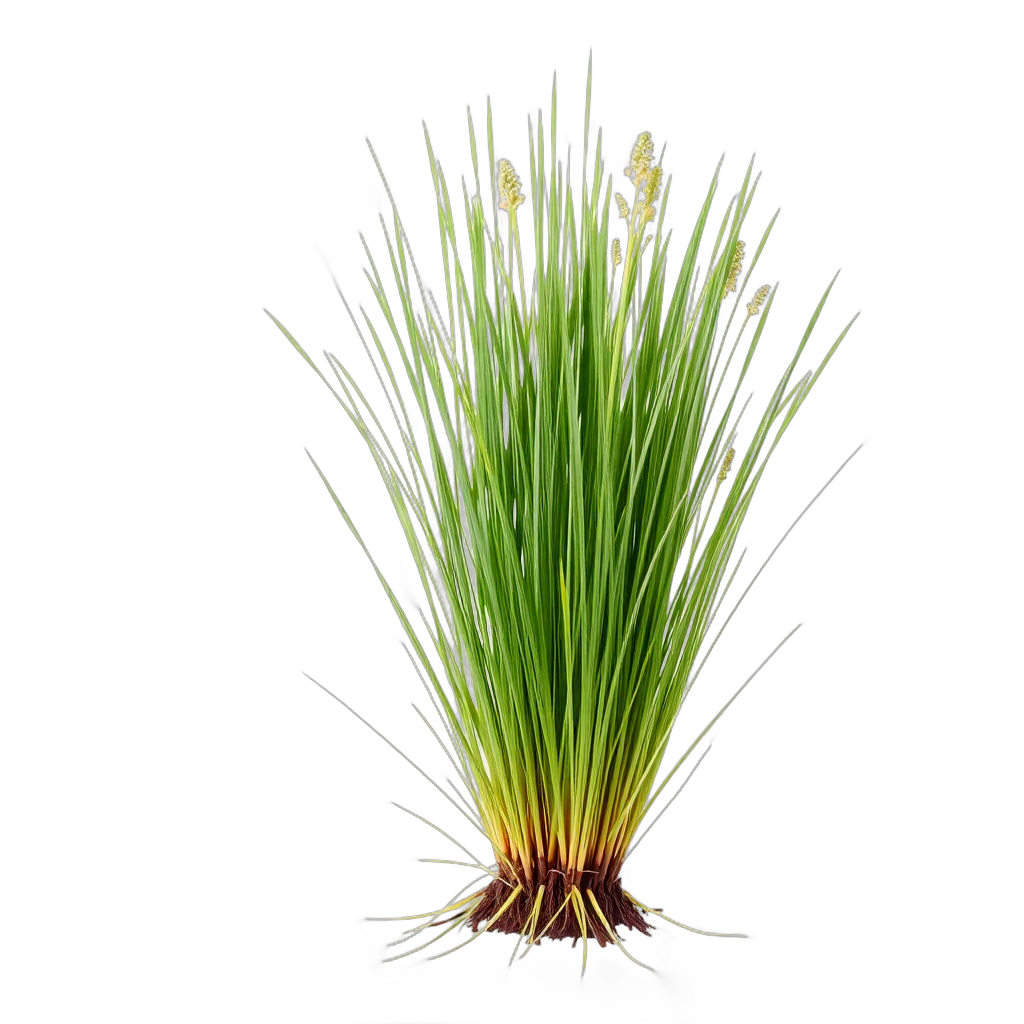
California Gray Rush
Juncus patens
low-growing ground cover, blooms in summer. Evergreen year-round.
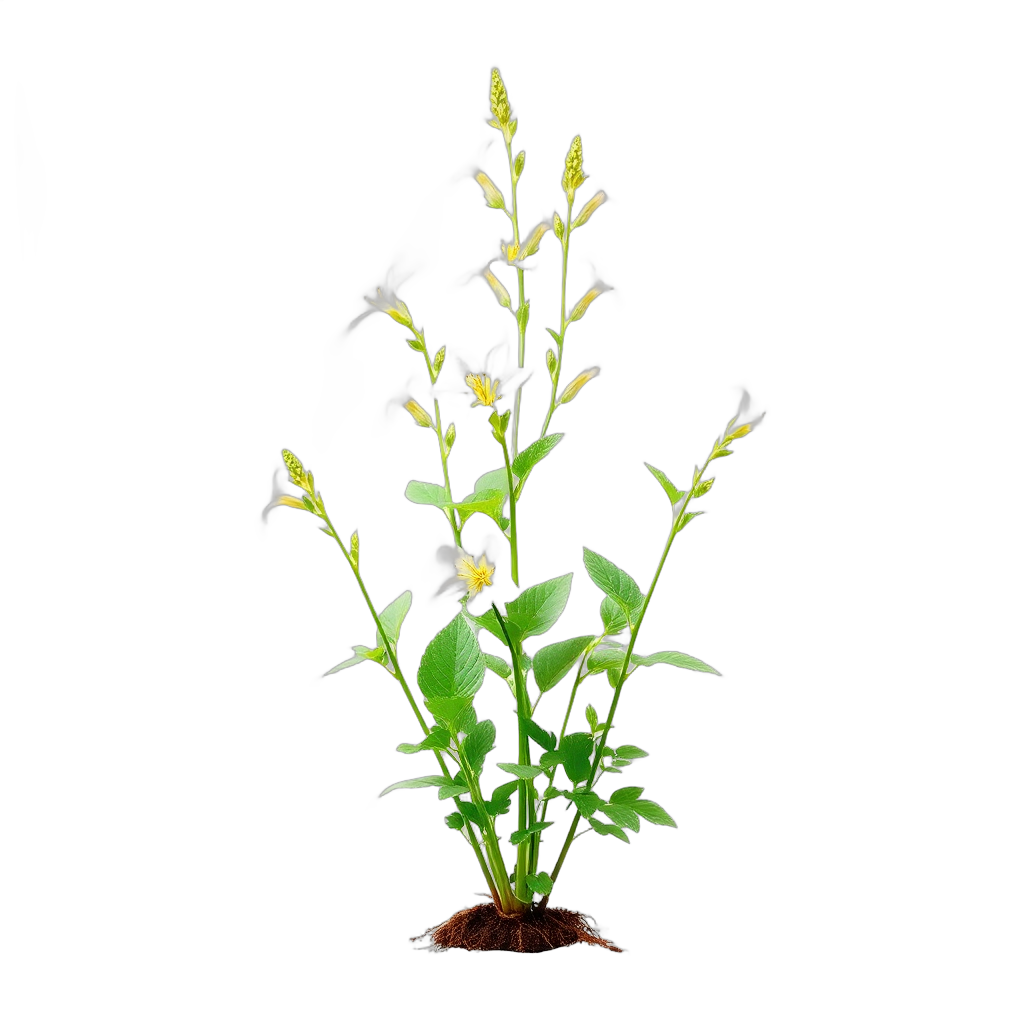
Beach Evening Primrose
Camissonia cheiranthifolia
low-growing ground cover, yellow blooms in spring. Attracts butterflies.
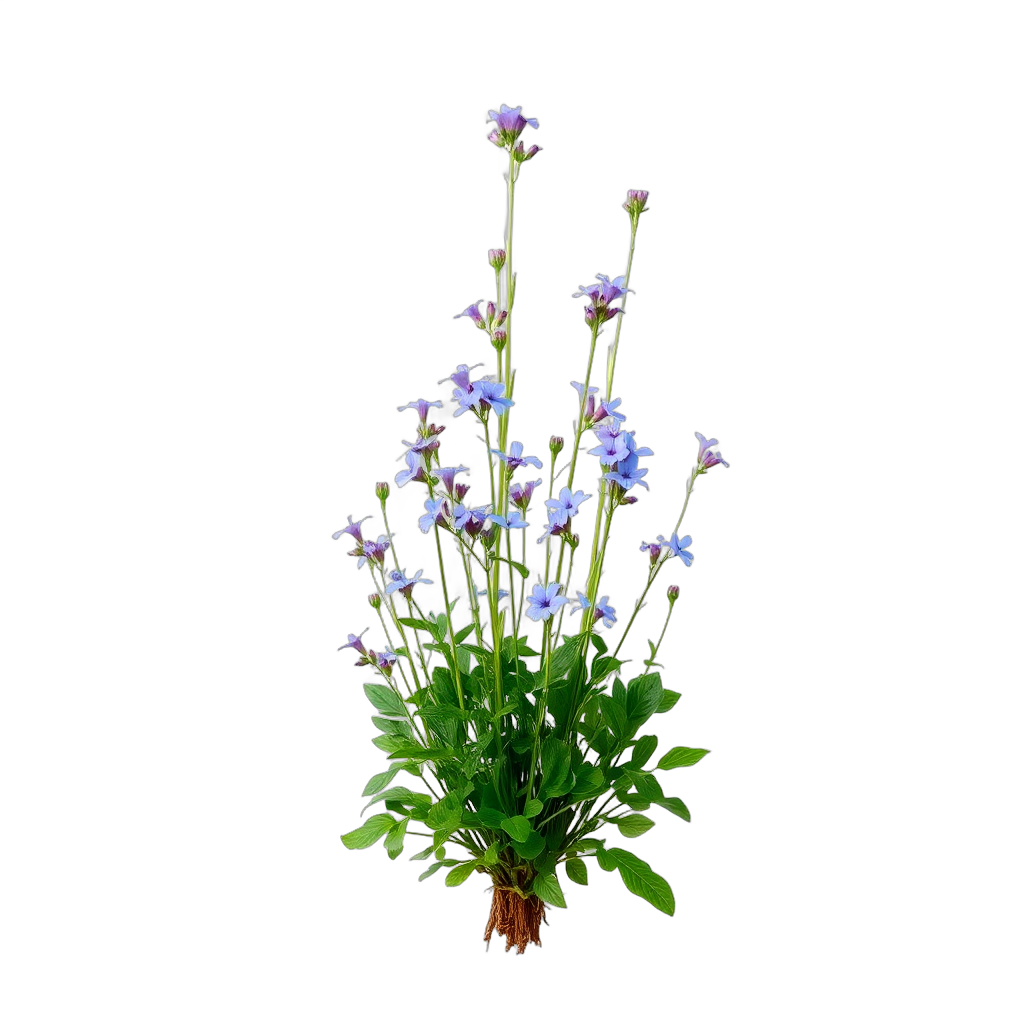
Blue Dicks
Dichelostemma capitatum
low-growing ground cover, blue blooms in spring. Pollinator-friendly.
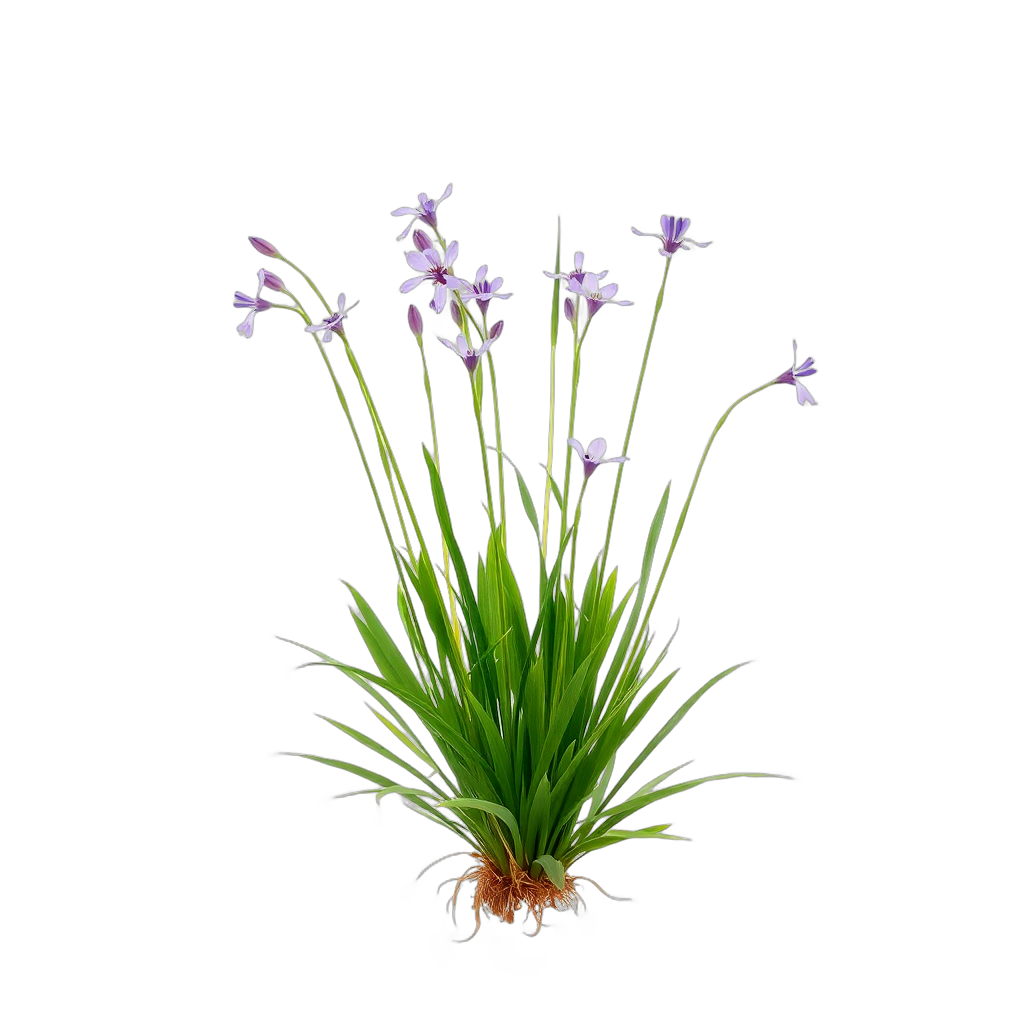
Blue-Eyed Grass
Sisyrinchium bellum
low-growing ground cover, blue blooms in spring. Attracts butterflies.
Zone and sun checks come from our database — confirm with your local nursery before you buy.
Bloom Calendar for Thousand Oaks
spring
Beach Evening Primrose, Blue Dicks, Blue-Eyed Grasssummer
California Gray Rush, Hooker's Evening Primrose, Hummingbird Mintfall
California Fuchsiawinter
Limited bloomsDesign Tips for Thousand Oaks (Zone 10a)
- Raise every succulent bed. Conejo Volcanics clay drains slowly and 16 inches of winter rain sitting at a crown is what kills agaves here, not cold — six to twelve inches of lift behind a Corten or masonry edge, backfilled with a coarse crushed-rock mix, solves the horticulture and creates the geometry at the same time
- Compact a real crushed-stone base under every slab and walkway. Conejo clay swings from saturated in February to baked-hard in September, and concrete poured straight onto native soil will crack and lip within three summers no matter how good the finish looks on day one
- Buy three large plants instead of thirty small ones. Modern design is composition, not coverage — a single 36-inch Yucca rostrata 'Sapphire Skies' or a field-grown Agave americana carries a whole bed, while a scatter of 1-gallon material just reads as unfinished for four years
- Treat the existing coast live oak as the most valuable object on the lot. Design the gravel plane and the concrete around it, keep every irrigated bed outside the dripline, never raise the grade at the trunk, and check the city's oak rules before you trench for lighting or drip
- Use deergrass where a Palm Springs designer would use Mexican feather grass. Muhlenbergia rigens is native to this exact ecoregion, gives the same soft fountain form against hard concrete, and will not seed itself into the COSCA open space at the end of your street
- Light low, warm and from within the planting. Grazing 2700K light up a stucco garden wall and in-grade uplights behind grasses and agaves is what makes these gardens work after dark, and with sunset at half past four in December that is most of the time you actually look at them
- Keep the first five feet against the house gravel, paving or bare — no bark, no continuous shrub mass, no thatchy grass. In a Very High Fire Hazard Severity Zone that is the single highest-value detail in the design, and it happens to be exactly what the clean modern look wants anyway
Where to Source Plants in Thousand Oaks
Skip the big-box stores. These independent Thousand Oaks nurseries specialize in the plants that make modern/minimalist gardens thrive in Zone 10a.
Ventura Cactus and Succulents
Ventura (North Ventura Avenue, 25 minutes west on the 101)
Specialist cactus and succulent grower — specimen agaves, aloes, echeverias, aeoniums and barrel cacti in sizes large enough to anchor a sculptural bed the day it is planted
Matilija Nursery
Moorpark (Waters Road, off Los Angeles Ave)
The deepest California native inventory in Ventura County — deergrass, Leymus, Ceanothus, manzanita and coastal sage species grown for local conditions, retail and restoration
Elegant Gardens Nursery
Moorpark (Tierra Rejada Valley, 15 minutes north of Thousand Oaks)
Twenty-acre grower with more than 1,000 varieties from 1-gallon to 36-inch box, plus bulk decomposed granite, 3/8-inch gravel, crushed rock and compost sold by the yard for gravel-garden builds
Nature's Best Nursery
Santa Rosa Valley, Camarillo (over the hill from Newbury Park)
Family-run for more than 40 years, growing trees, hedging and water-wise shrubs chosen for the Conejo and Santa Rosa valleys' coastal-valley climate
Modern/Minimalist Landscaping Costs in Thousand Oaks
| Project Scope | Estimated Cost |
|---|---|
| Front-yard turf removal, gravel plane and architectural planting (700–1,000 sqft) | $8,000 – $22,000 |
| Corten steel edged raised beds, fabricated, set and backfilled | $70 – $140 per linear foot |
| Sawcut poured concrete terrace (300–500 sqft) | $9,000 – $28,000 |
| Gas fire table or concrete fire bowl, plumbed | $3,500 – $12,000 |
| Low-voltage LED lighting, 12–20 fixtures with transformer | $2,500 – $7,500 |
| Pool, deck, garden walls and full modern backyard | $90,000 – $250,000 |
| Drip conversion with a weather-based controller and new valves | $2,500 – $7,000 |
| Certified arborist report plus city oak tree permit | $600 – $2,500 |
| AI visualization with ProScapeAI | Free to start |
Estimates based on Thousand Oaks, CA-area contractor rates as of 2026. Actual costs vary by site conditions, materials, and contractor.
Thousand Oaks Climate & Growing Zone
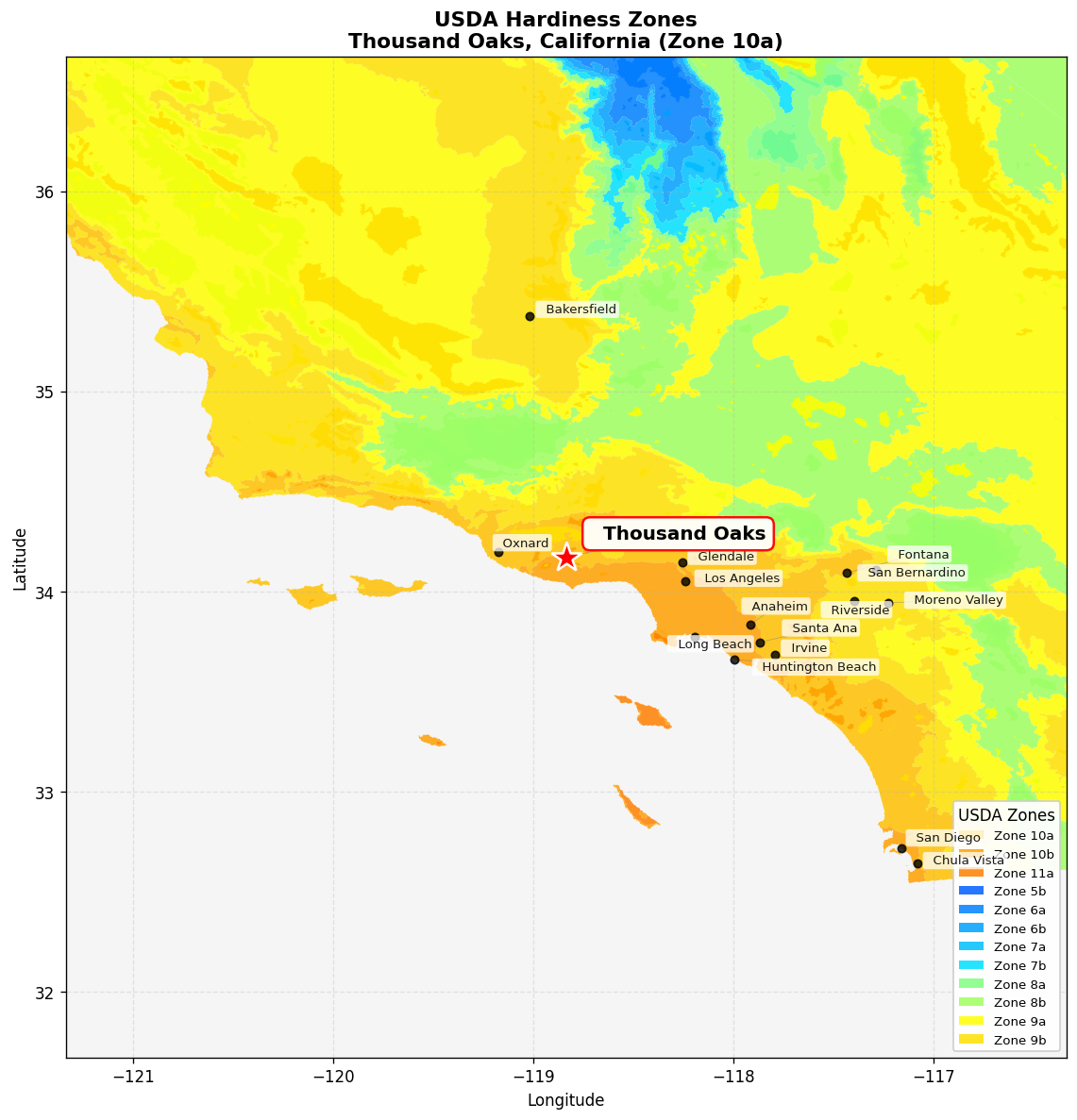
USDA Zone 10a
Hardiness zone for Thousand Oaks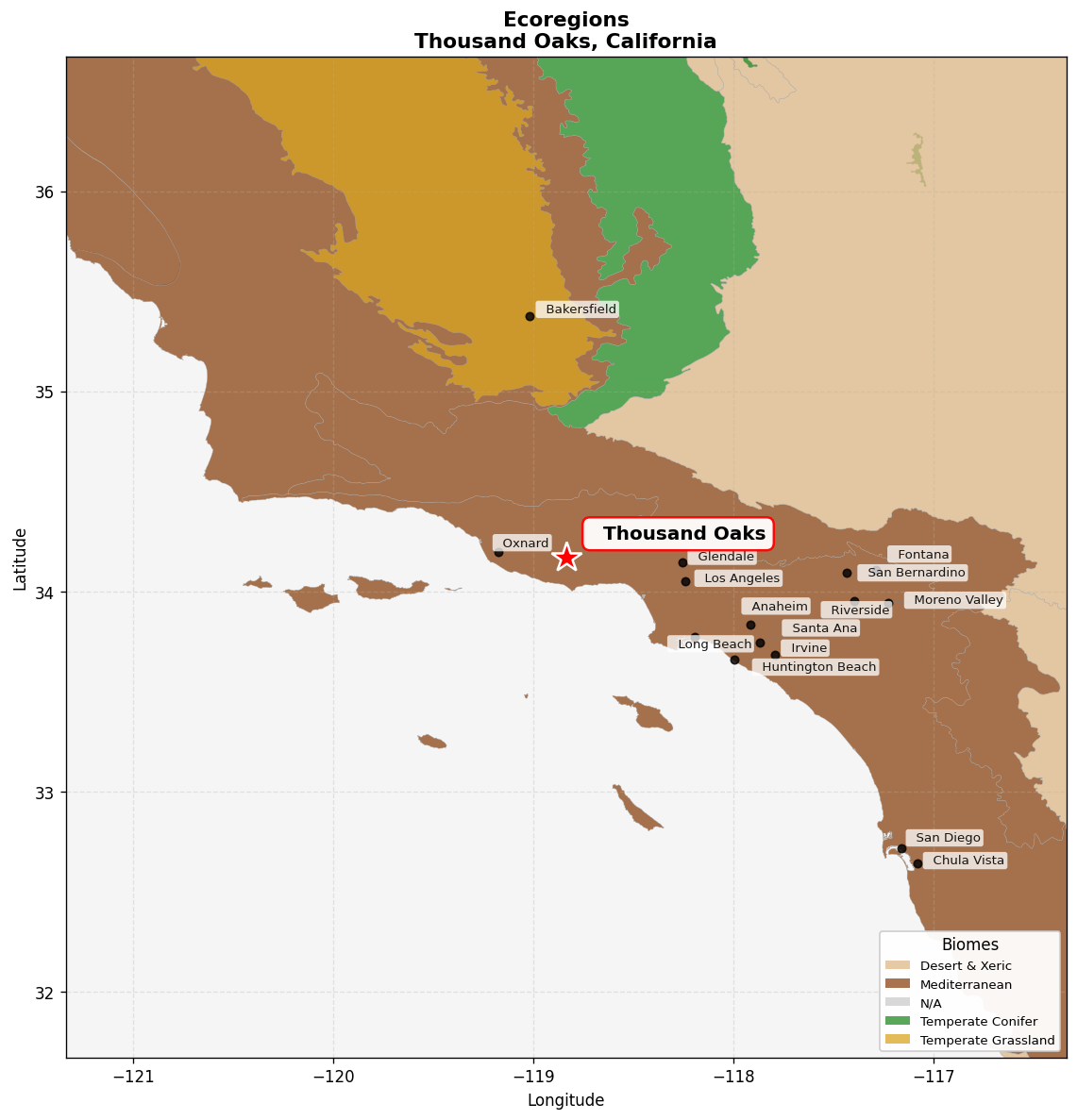
California coastal sage and chaparral
Native ecoregionFrequently Asked Questions
How much does a modern landscape cost in Thousand Oaks?
Ventura County labour and materials sit above national averages, so plan for it. A front-yard conversion from lawn to gravel, Corten-edged beds and architectural planting across 700 to 1,000 square feet typically runs $8,000 to $22,000 installed. A sawcut concrete terrace of 300 to 500 square feet is $9,000 to $28,000, and a plumbed gas fire table or concrete fire bowl adds $3,500 to $12,000. A complete modern backyard with a pool, deck, walls and lighting in North Ranch or Sunset Hills commonly lands between $90,000 and $250,000. Specimen material is the swing factor — one large field-grown Agave americana or a 36-inch Yucca rostrata can be $400 to $1,500 on its own, but three of them will do more for the design than fifty 1-gallon plants.
Can agaves and succulents really survive here, or will they rot?
They thrive, provided you never plant one at grade in Conejo Volcanics clay. The danger is not cold, it is the 16 inches of winter rain sitting against a crown in slow-draining alkaline soil. Build beds up six to twelve inches behind a Corten or masonry edge, backfill with a coarse mix cut hard with crushed rock, and mulch with gravel or lava rather than bark. Choose for the microclimate too: Agave parryi var. truncata, Agave americana and Yucca rostrata 'Sapphire Skies' shrug off the high-20s nights that settle into the Conejo bottom, while Agave attenuata and big Echeveria 'Afterglow' rosettes want a warmer slope in Lynn Ranch or a spot under an eave.
Which grasses should I use, and which should I avoid?
Use Muhlenbergia rigens, our own deergrass, as the workhorse — it is native to the coastal sage and chaparral country the city sits in, holds a clean fountain form, takes clay and needs a single cut-back in late winter. Leymus condensatus 'Canyon Prince' gives the blue-grey colour, Muhlenbergia capillaris 'Regal Mist' delivers an autumn haze, Festuca mairei is the reliable blond mound, and Carex pansa makes a walkable low meadow where you would otherwise put turf. Avoid Mexican feather grass, Stipa tenuissima — it looks perfect and it seeds aggressively into California open space, which is a genuine problem on a lot backing onto COSCA land.
How much lawn can I keep, and are there rebates for taking it out?
Under California's Model Water Efficient Landscape Ordinance, new permitted landscape from 500 square feet upward has to comply, and the prescriptive path caps turf at 25 percent of the planted area — which suits modern design, since a single clipped rectangle of Carex pansa or tall fescue reads as a deliberate green rug while a full lawn just reads as leftover. On the money side, the Metropolitan Water District SoCal Water$mart turf replacement rebate has run at $2 per square foot for residential conversions, with local adders in the Calleguas service area at times. Funding opens and closes, so get pre-approval from your retail water provider before the sod is lifted, not after.
Can I build a concrete patio near my coast live oak?
Carefully, and only after talking to the city. Coast live oaks are protected by the Thousand Oaks oak ordinance and the protected zone reaches past the dripline, so trenching, grading, paving and tree work inside it require review and normally a certified arborist's report — budget $600 to $2,500. Horticulturally, Quercus agrifolia survives on winter rain and a dry summer: never raise the grade around the trunk, never run spray irrigation or a summer-watered bed inside the dripline, and if you want usable surface under the canopy use a permeable deck on piers or a gravel-over-base terrace rather than a poured slab. Confirm current thresholds with the Planning Division before you finalise a layout.
Does a gravel-and-succulent garden meet defensible space requirements?
It is close to the ideal treatment, which is one of the real advantages of this style in the Conejo Valley. Widely spaced Agave and Aloe in a gravel plane carry almost no fuel and break the continuity fire needs. Three details still matter: keep the first five feet around the house ember-resistant with gravel or paving instead of bark, keep grasses cut back and clear of the walls rather than allowed to build thatch against stucco, and plan the wider layout to Ventura County Fire's 100-foot defensible space standard on open-space-adjacent lots. Skip juniper entirely, and clear oak litter out of the first five feet and the gutters each autumn before the Santa Anas start.
When is the best time to install?
November through February. Planting into the front of the rainy season lets Muhlenbergia rigens, Westringia fruticosa 'Mundi' and Leymus establish through the cool months and face their first dry summer with real roots, which can halve first-year irrigation. Succulents are the one exception worth thinking about — large Agave and Aloe transplant more happily in early spring, once the heaviest rain has passed, so a February or March set is often better for those. Avoid planting anything from June to September, when new stock in shallow volcanic clay under a 90 degree afternoon needs daily hand watering. Hardscape runs year-round, and winter is usually when contractor schedules are most open.