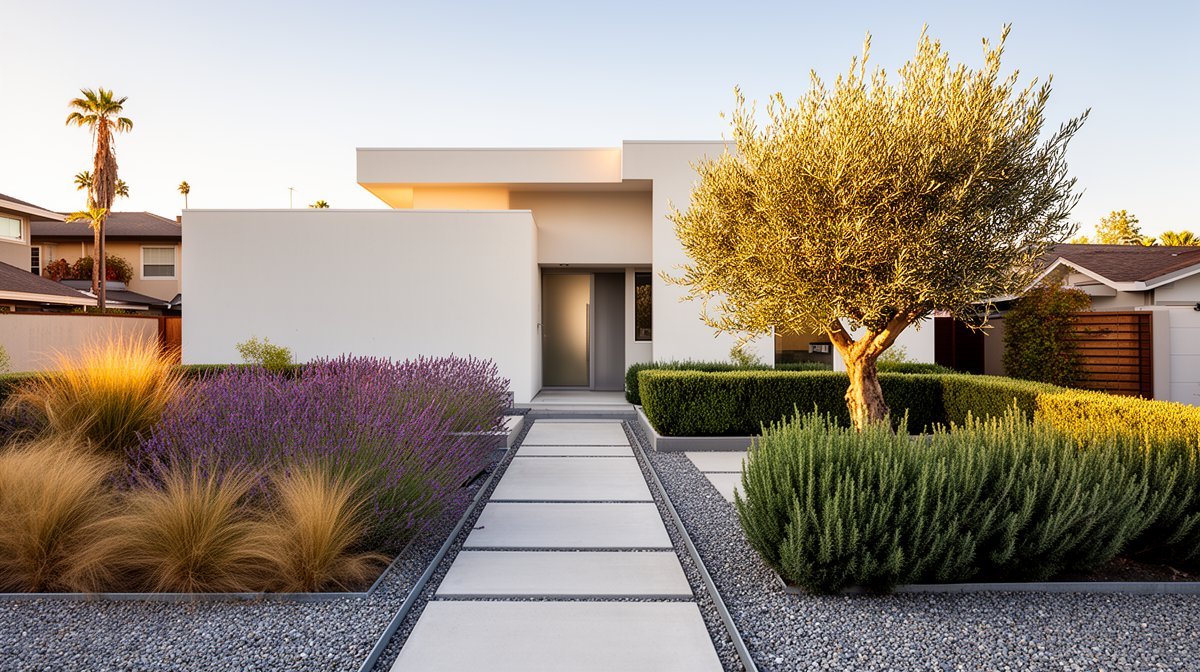
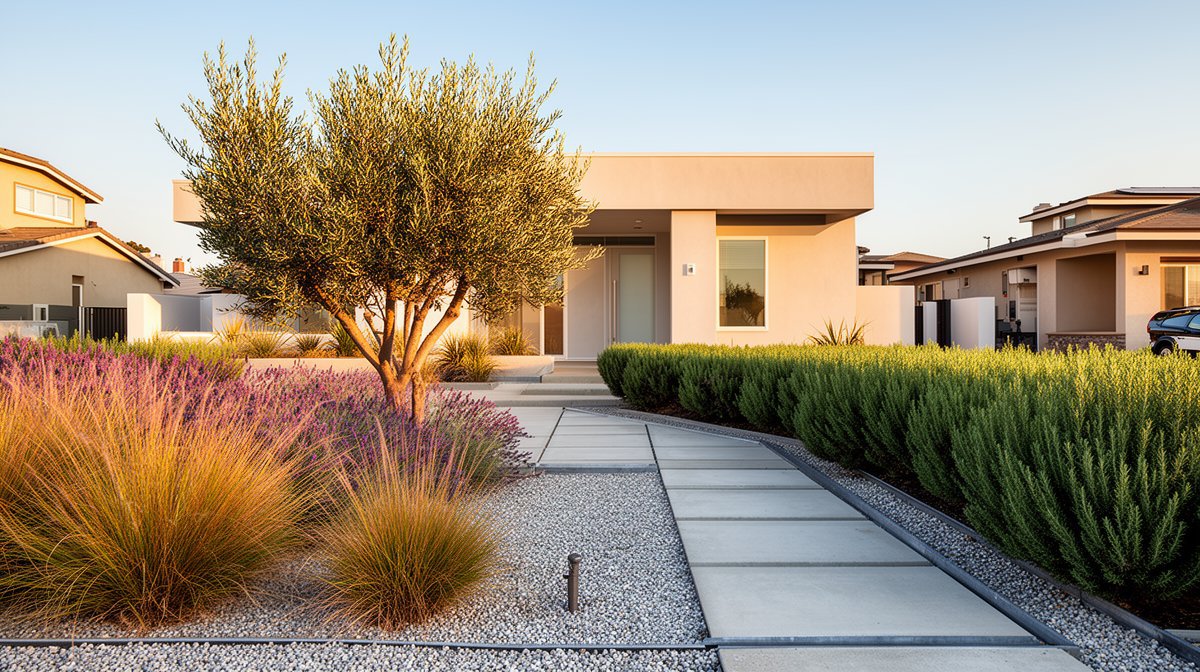
4 Modern Garden Ideas for Santa Clarita, CA | Agave, Grasses & Concrete Design for Zone 9b
Native plants from the California coastal sage and chaparral (Zone 9b) — Mediterranean (hot summer) climate
Why Modern/Minimalist Gardens in Santa Clarita?
Modern landscape design and the Santa Clarita Valley are an unusually good match, and not just aesthetically. Zone 9b with roughly 17 inches of winter-only rain, five bone-dry months and inland valley highs above 100°F is the exact climate in which sculptural succulents, bunchgrasses and gravel groundplanes are the low-maintenance option rather than the stylish one. The valley's building stock helps too: the mid-century ranches of Newhall and Canyon Country have the low horizontal rooflines modern landscaping was invented to extend, while the newer contemporary builds in Valencia, West Creek and Stevenson Ranch arrive with flat pads and clean stucco planes waiting for a strong groundplane. Where a cottage garden fights this climate, a modern garden simply agrees with it.
The palette should be specific, not generic. Agave americana var. protoamericana, Agave ovatifolia 'Frosty Blue', Agave parryi var. truncata and Agave 'Blue Glow' each read completely differently in scale and silhouette, and a good design uses two or three deliberately rather than one repeated everywhere. Pair them with Echinocactus grusonii for the low golden spheres, Pachycereus marginatus for a true vertical, and Yucca rostrata 'Sapphire Skies' or Dasylirion wheeleri where you want spiky movement. The soft counterweight is native bunchgrass: Muhlenbergia rigens (deergrass) is the best modern mass planting in the SCV — evergreen, indifferent to decomposed granite, cut back once every two or three years — with Muhlenbergia capillaris 'Regal Mist' supplying the pink October haze and Muhlenbergia lindheimeri 'Autumn Glow' or Festuca mairei adding scale. Fill between with Lavandula × intermedia 'Grosso', Hesperaloe parviflora 'Brakelights', Curio repens, Salvia leucantha 'Santa Barbara' and Dymondia margaretae. Deliberately avoid Pennisetum setaceum and Cortaderia selloana, which are both invasive here and flagged as high fuel.
Two local rules should shape the plan before a single line is drawn. First, most of Santa Clarita sits in a Very High Fire Hazard Severity Zone with LA County Fire enforcing 100 feet of defensible space and annual brush-clearance inspections — which the modern vocabulary handles beautifully, since gravel fields, concrete pads and widely spaced succulents carry almost no fuel, while junipers, Italian cypress, Acacia and fountain grass do. Keep grasses irrigated, spaced and cut back before the spring inspection window. Second, the City of Santa Clarita's oak tree preservation ordinance protects coast live oaks (Quercus agrifolia) at 8 inches diameter or larger and requires a permit for pruning, grading or encroachment within the protected zone. That mature oak shading your patio is an asset and a legal obligation at once — design paving to float clear of the root zone, keep drip emitters at least six feet off the trunk, and never install summer irrigation under the canopy, which invites oak root fungus.
4 Modern/Minimalist Design Ideas for Santa Clarita
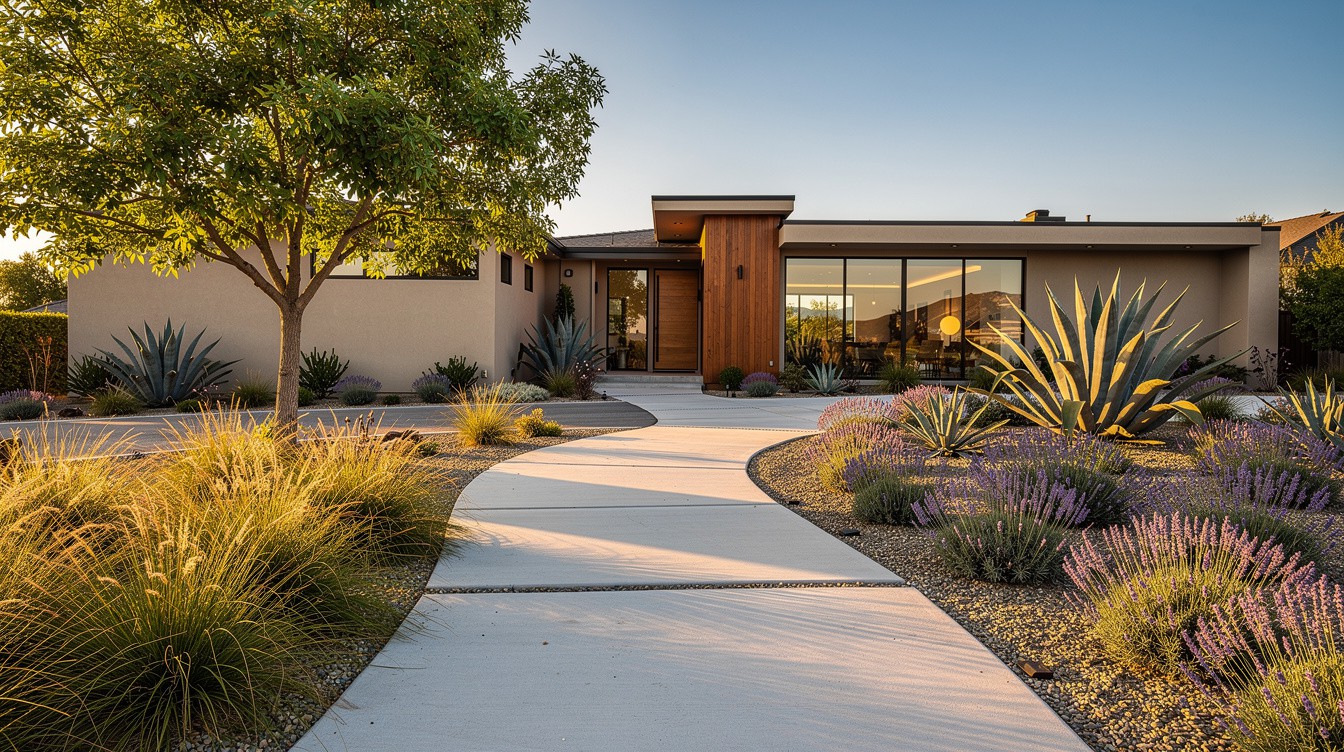
The Mid-Century Concrete Ribbon
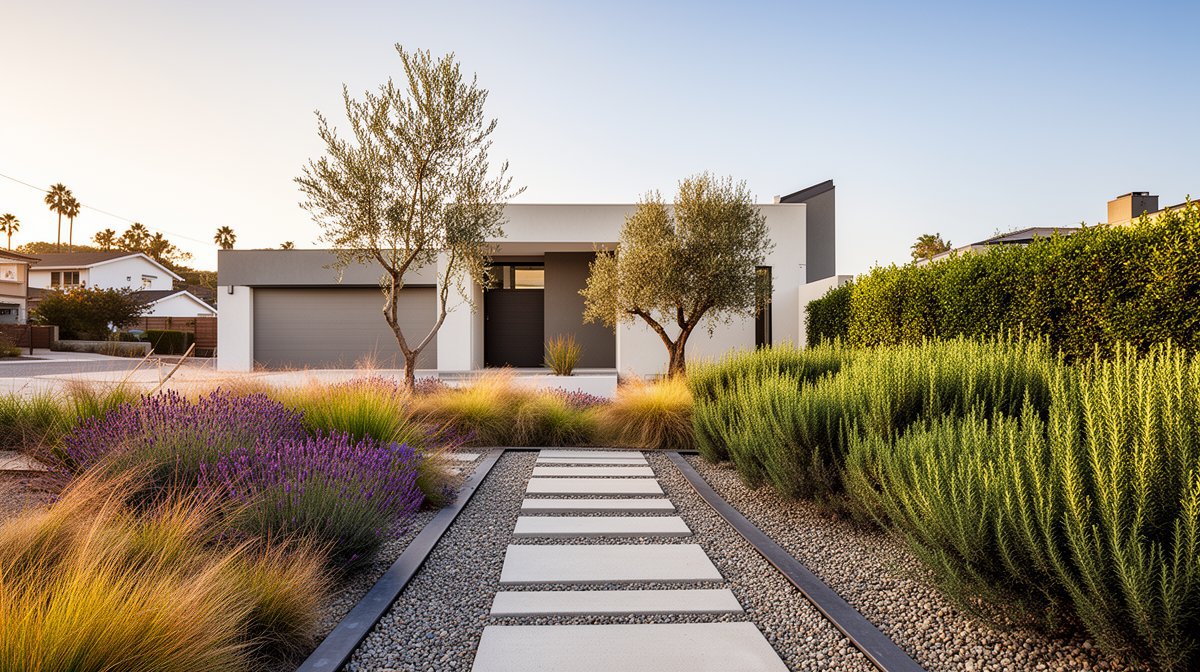
$14–26/sqftA low-slung flat-roofed home with vertical cedar cladding and full-height glazing sits behind a wide poured-concrete walkway that curves from the driveway to the door in broad sawcut panels — the walk is the design, not an afterthought. On both sides the groundplane switches to warm crushed gravel, planted with huge blue-grey agave rosettes at true specimen scale, drifts of blooming lavender at knee height and loose golden bunchgrasses catching the low sun. A single broadleaf shade tree on the west side keeps the glass usable through a Santa Clarita July.
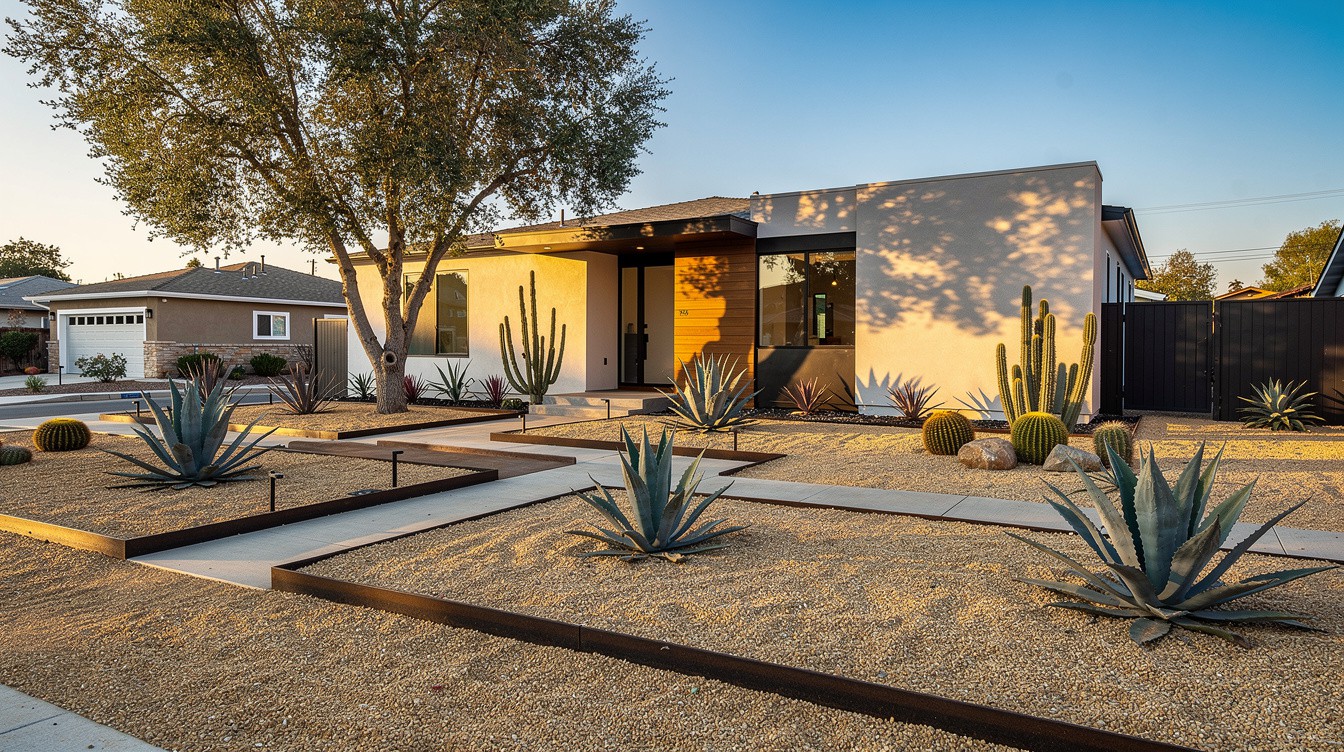
The Corten Grid Desert Front
$12–24/sqftTurf is replaced entirely by a crushed-granite field divided into a strict grid by Corten steel edging, with floating concrete pads stepping from the driveway to the entry. Each gravel panel holds a deliberate composition rather than a scatter — grey-blue agave rosettes at three different scales, clusters of golden barrel cactus at ground level, columnar cactus for verticals, and a few weathered boulders for mass. A mature specimen tree throws dappled shadow across the stucco, proving that a desert-modern groundplane and existing canopy work together rather than against each other.
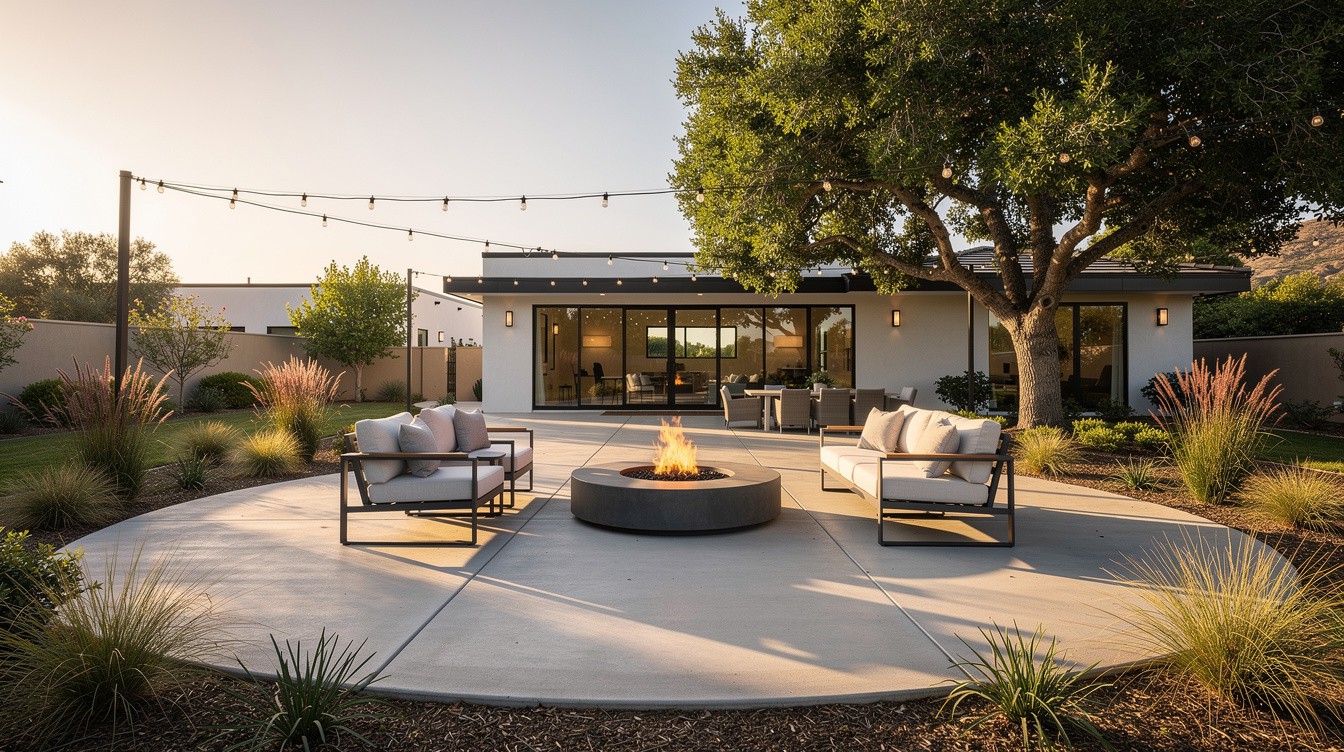
The Circular Fire Terrace Under the Oak
$22–40/sqftA large disc of poured concrete floats in the back lawn with a round cast-concrete gas fire bowl at dead center and two facing lounge sofas — one geometric move that organizes an entire backyard. Catenary string lights sweep across from a steel pole to the roofline, a mature coast live oak leans over one side of the circle for real daytime shade, and the terrace edge dissolves into loose plantings of pink-plumed and green bunchgrasses instead of stopping at a hard border. Low white perimeter walls keep the sightlines clean out to the hills.
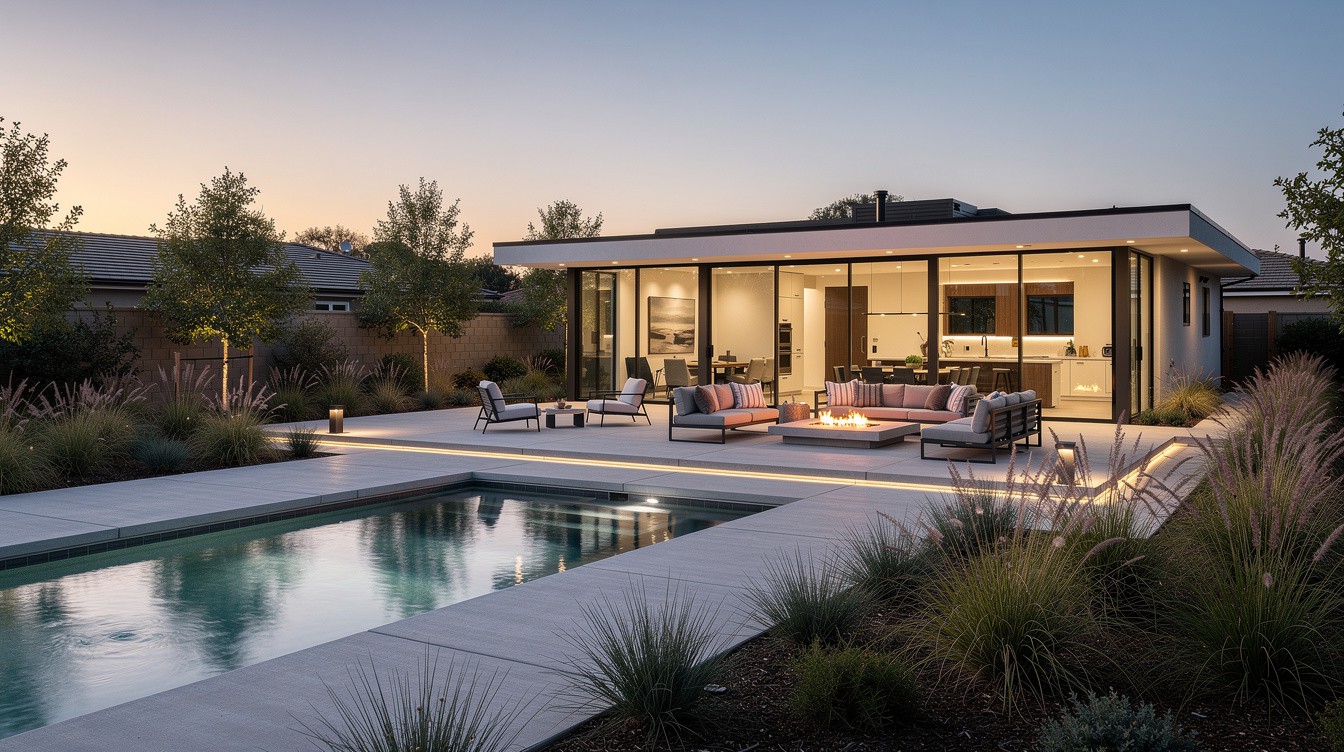
The Twilight Pool Deck
$45–90/sqft (pool area inclusive)A rectangular pool with pale flush coping sits in a wide concrete deck that steps down in two planes, with a continuous linear LED strip washing the riser so the whole terrace glows at dusk. A low-profile linear fire table anchors the lounge grouping against a fully glazed contemporary elevation, and the planting does its work at the edges: pink-plumed grasses and blue-grey bunchgrasses run the length of the block wall in dark mulch beds, uplit so the plumes read as light rather than mass. Slender multi-trunk trees soften the wall without ever blocking the view.
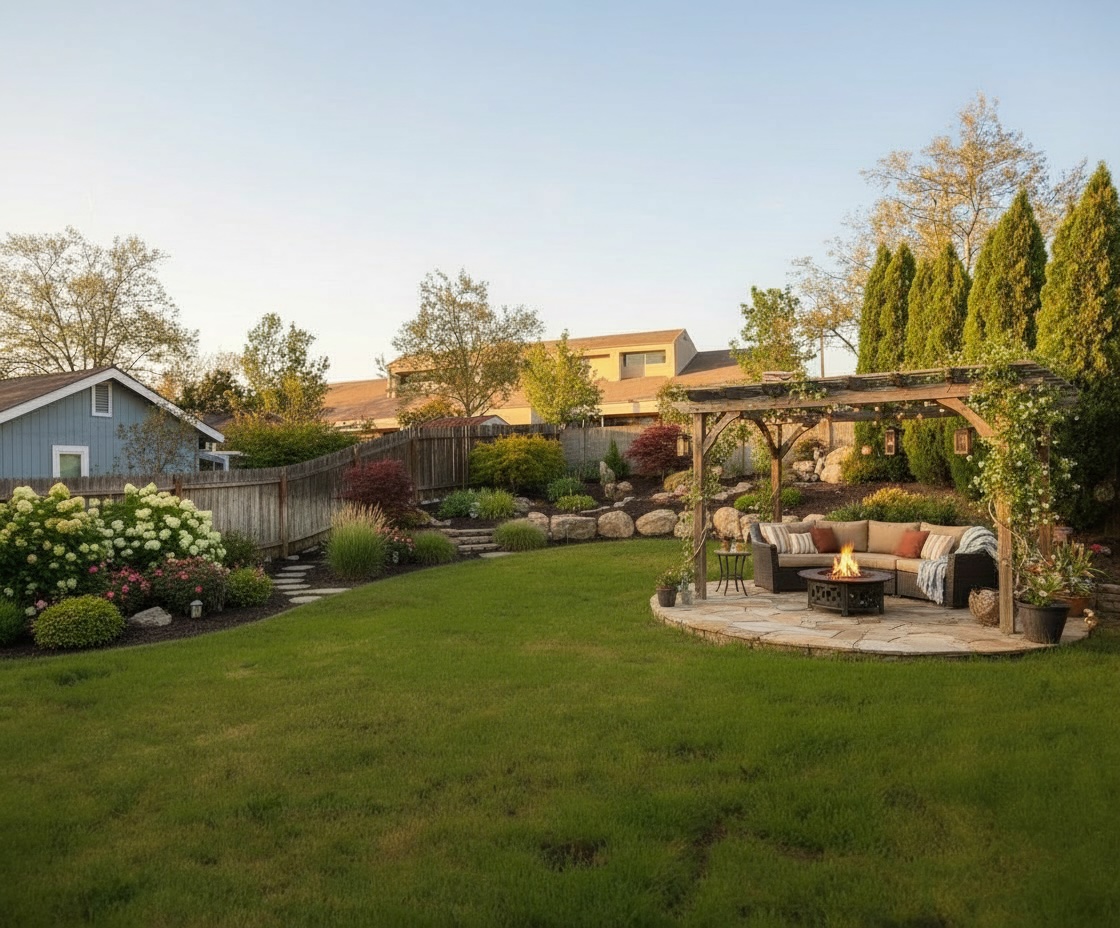
See how a modern/minimalist garden looks on YOUR property
Upload a photo of your Santa Clarita yard and visualize your dream garden in seconds.
Try ProScapeAI Free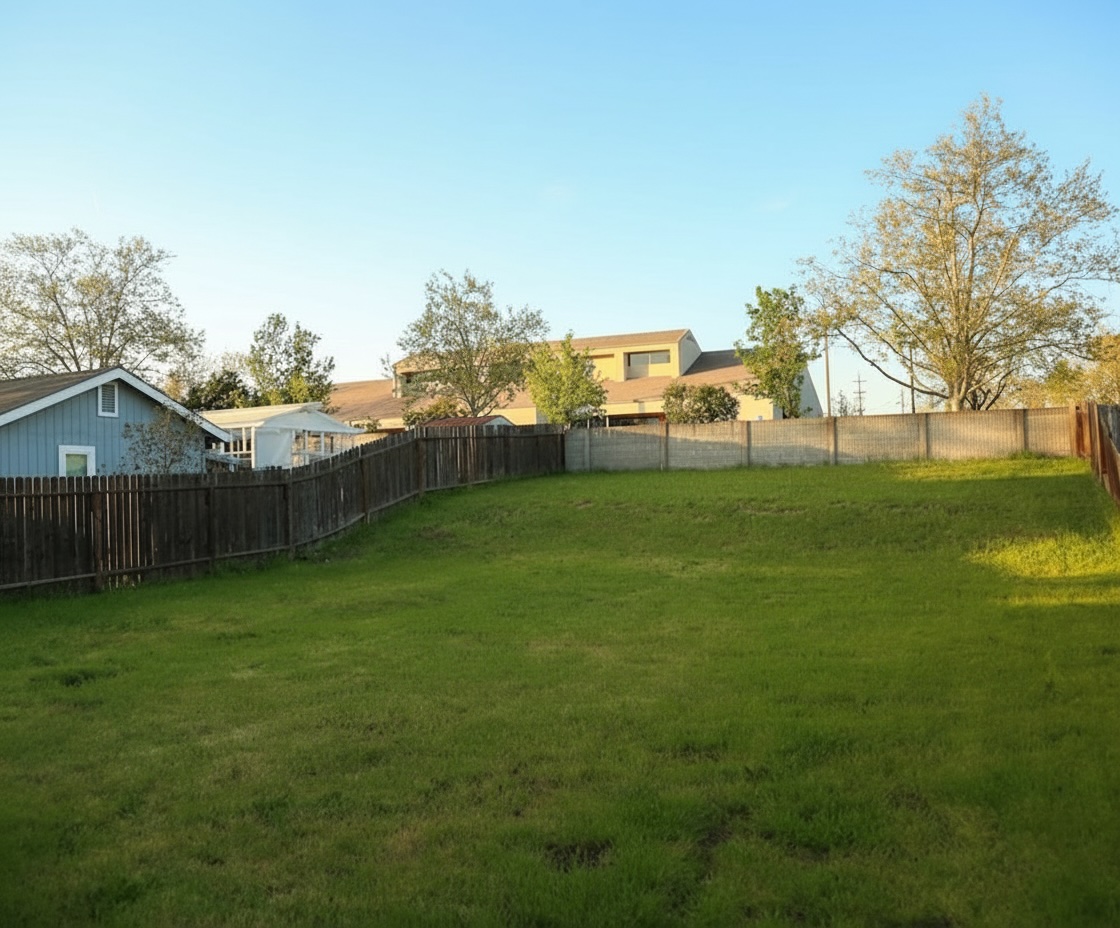
Featured Trees & Shrubs for Modern/Minimalist Gardens
Browse all 223 plants for Santa Clarita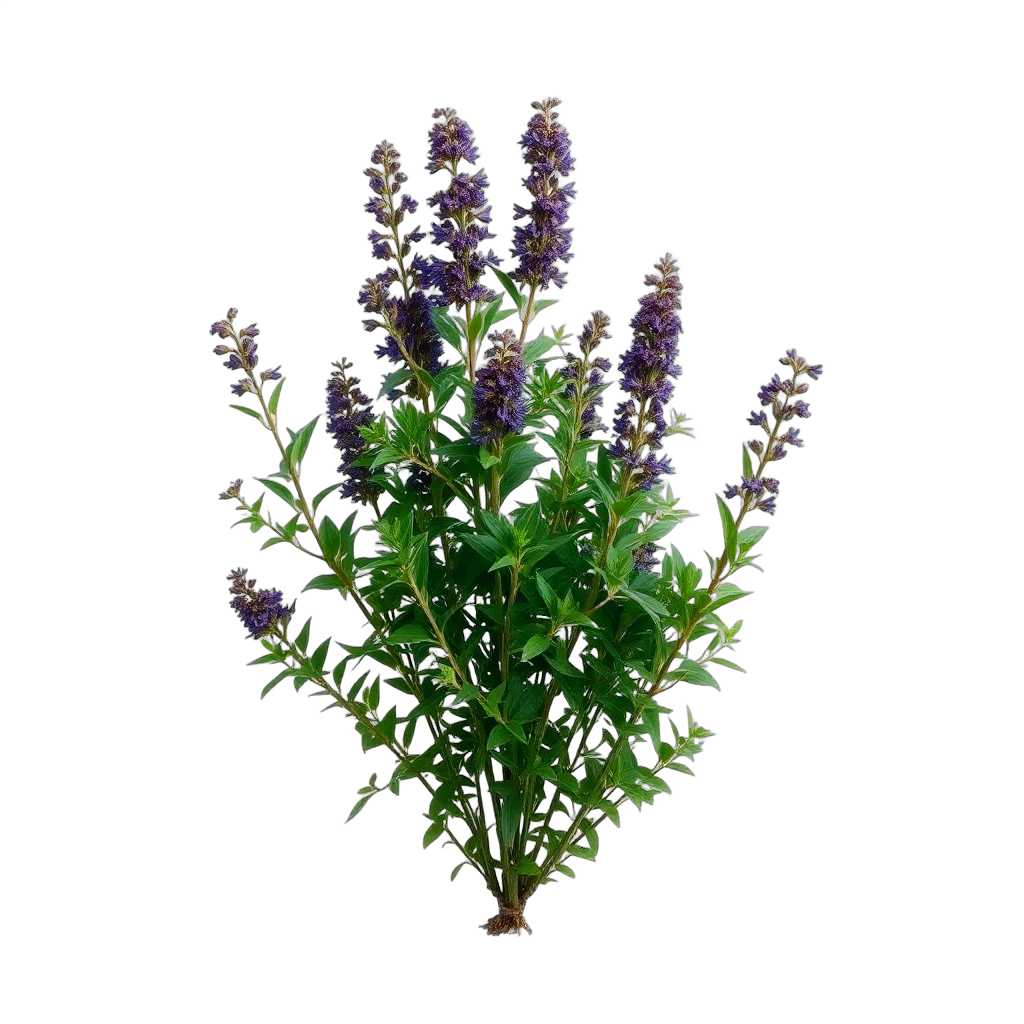
Black Sage
Salvia mellifera
grows to 4 feet, white blooms in spring. Attracts butterflies.
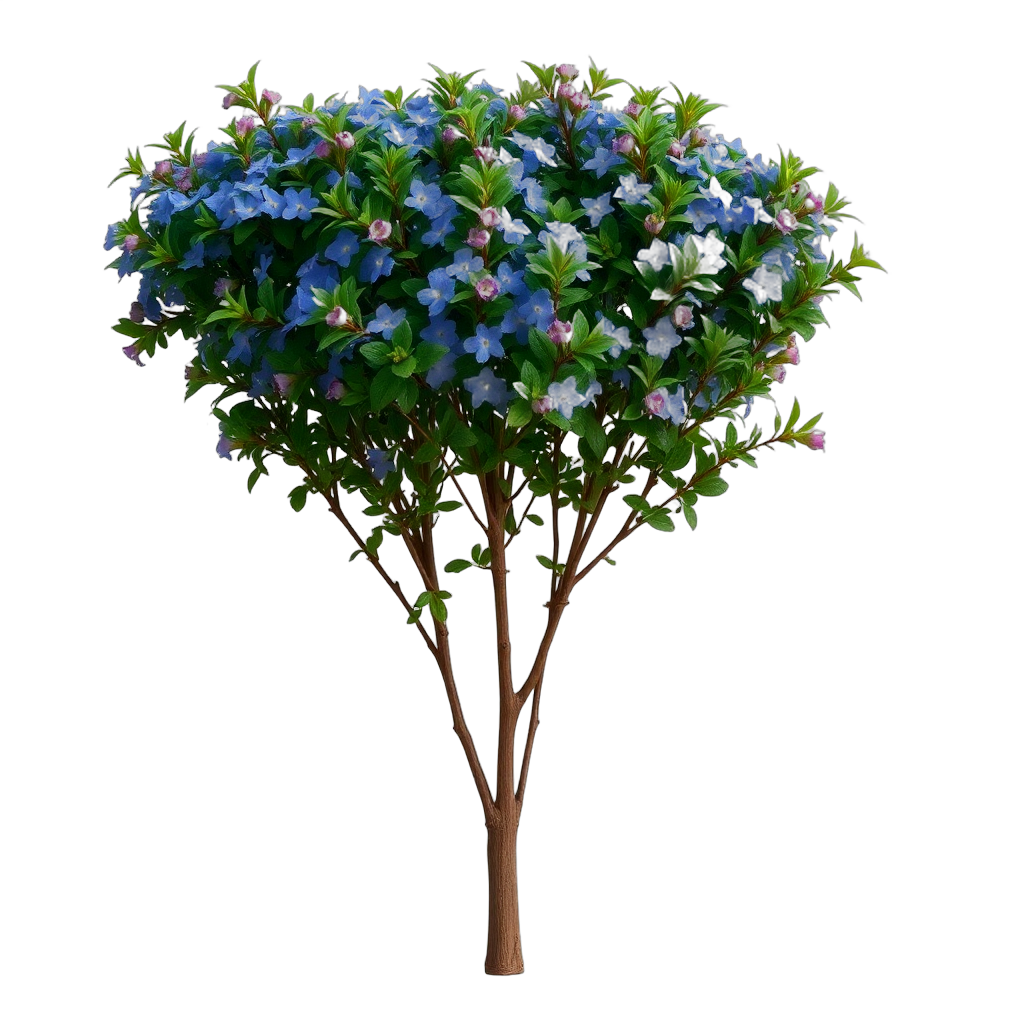
Blue Blossom
Ceanothus thyrsiflorus
medium-sized at 12 feet, blue blooms in spring. Attracts butterflies.
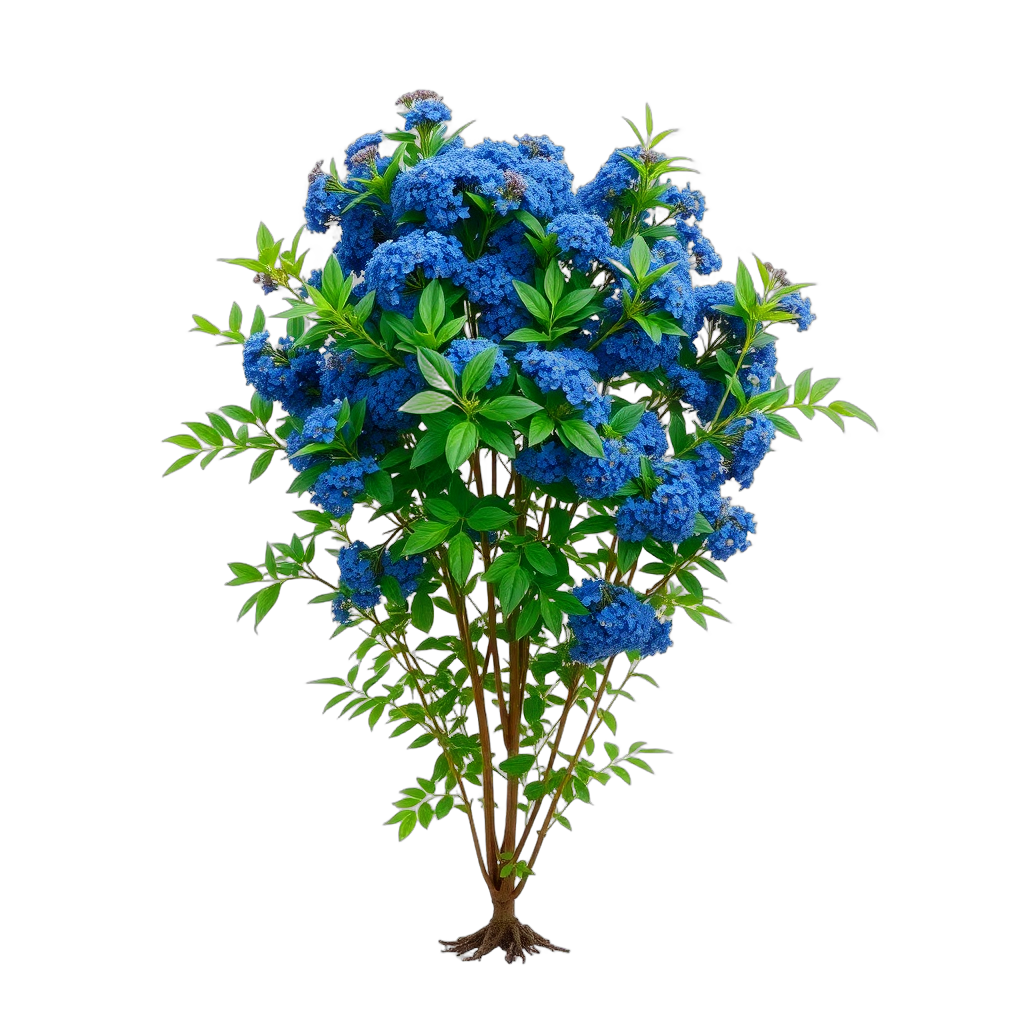
Blue Elderberry
Sambucus cerulea
medium-sized at 15 feet, white blooms in spring. Attracts butterflies.
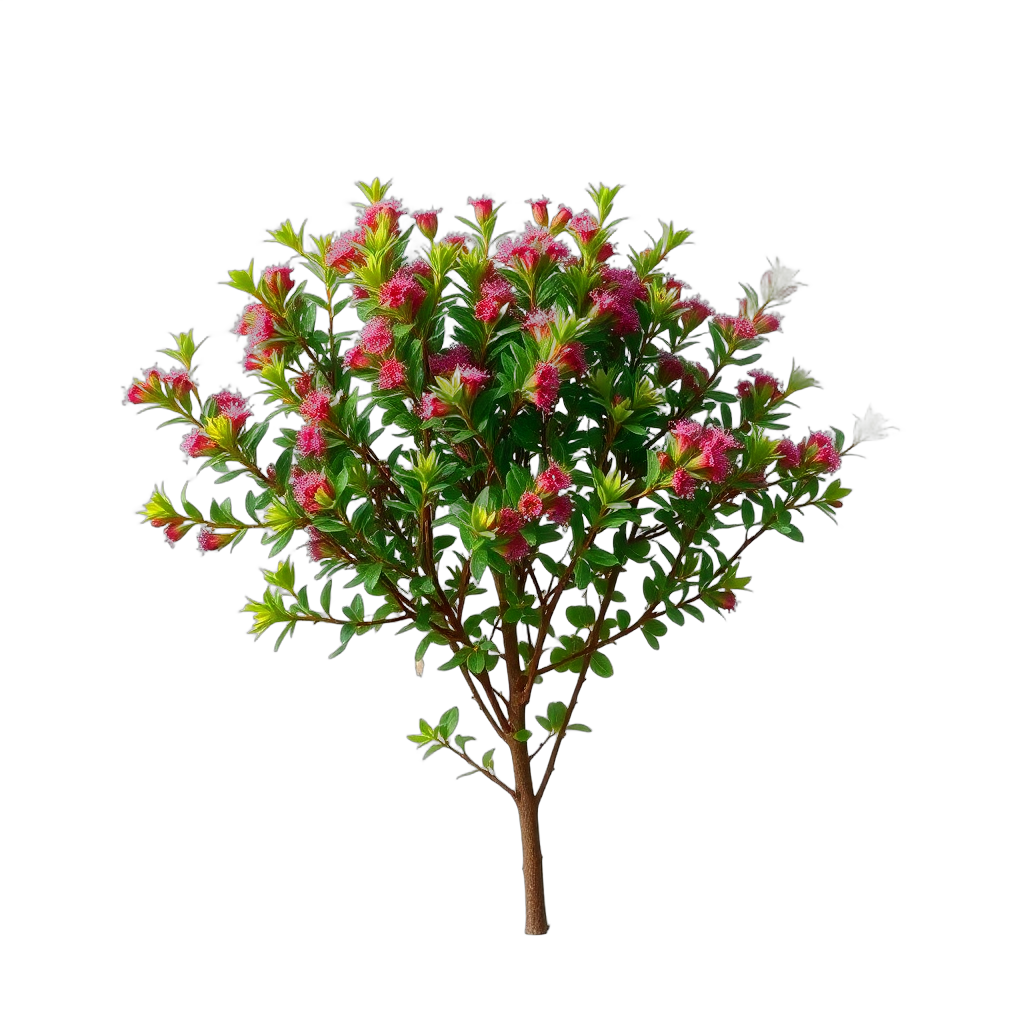
Buckbrush
Ceanothus cuneatus
medium-sized at 7 feet, white blooms in spring. Attracts butterflies.
Featured Grasses & Groundcovers for Modern/Minimalist Gardens
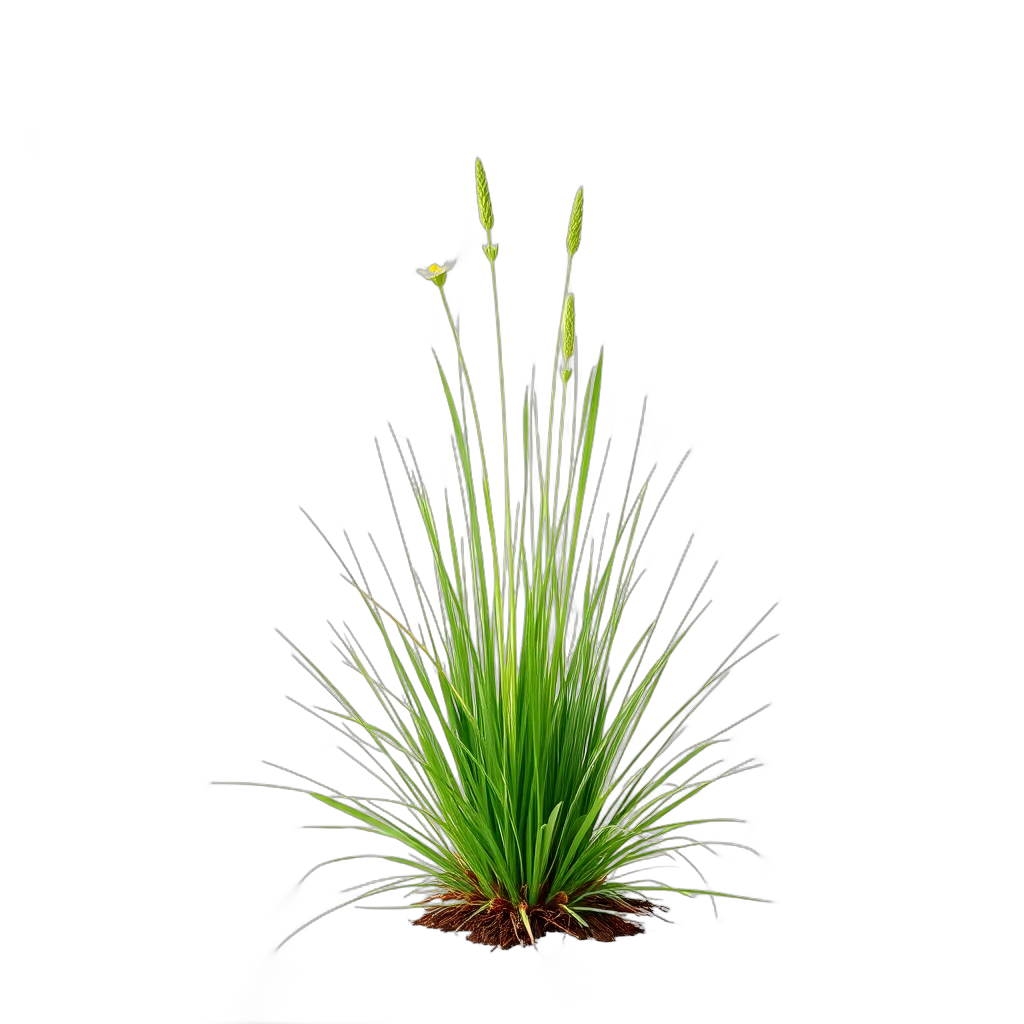
California Brome
Bromus carinatus
low-growing ground cover, blooms in spring. Yellow fall color.
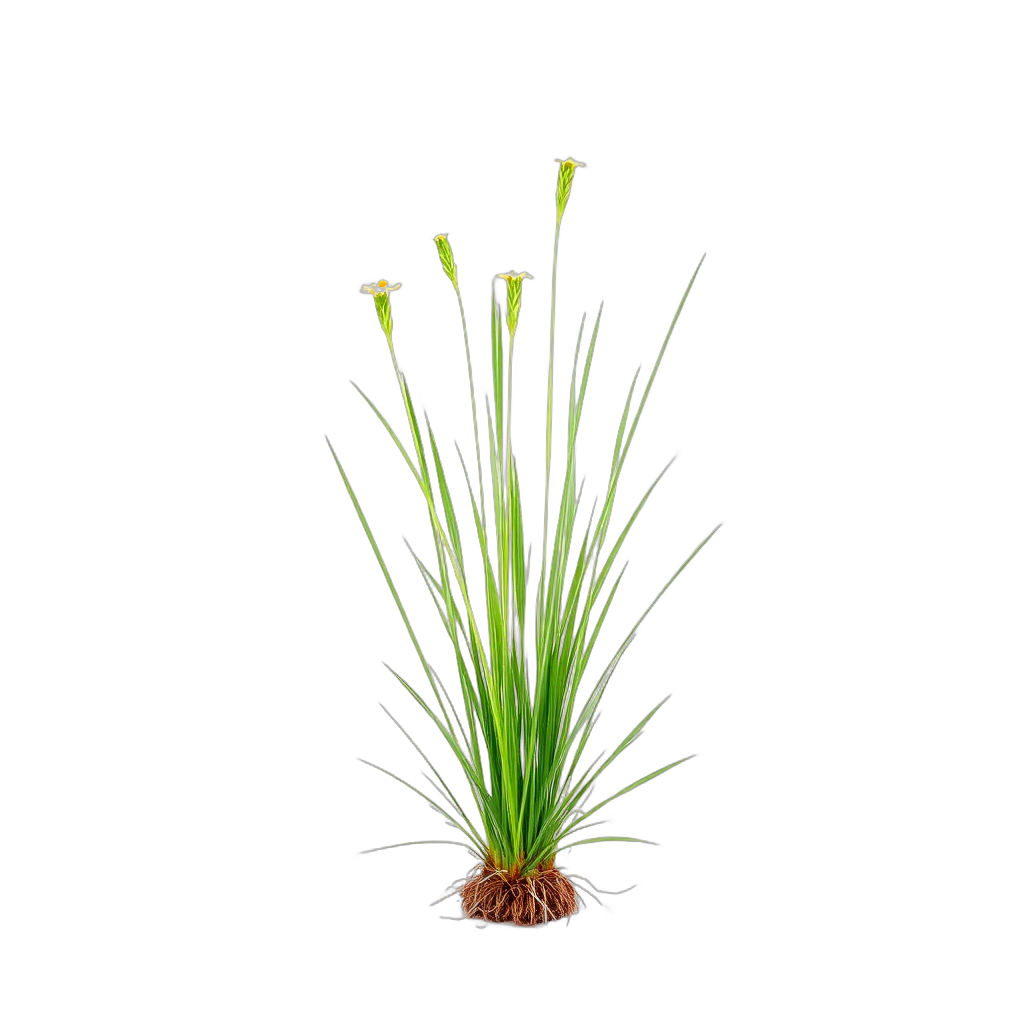
California Melic
Melica californica
low-growing ground cover, blooms in spring.
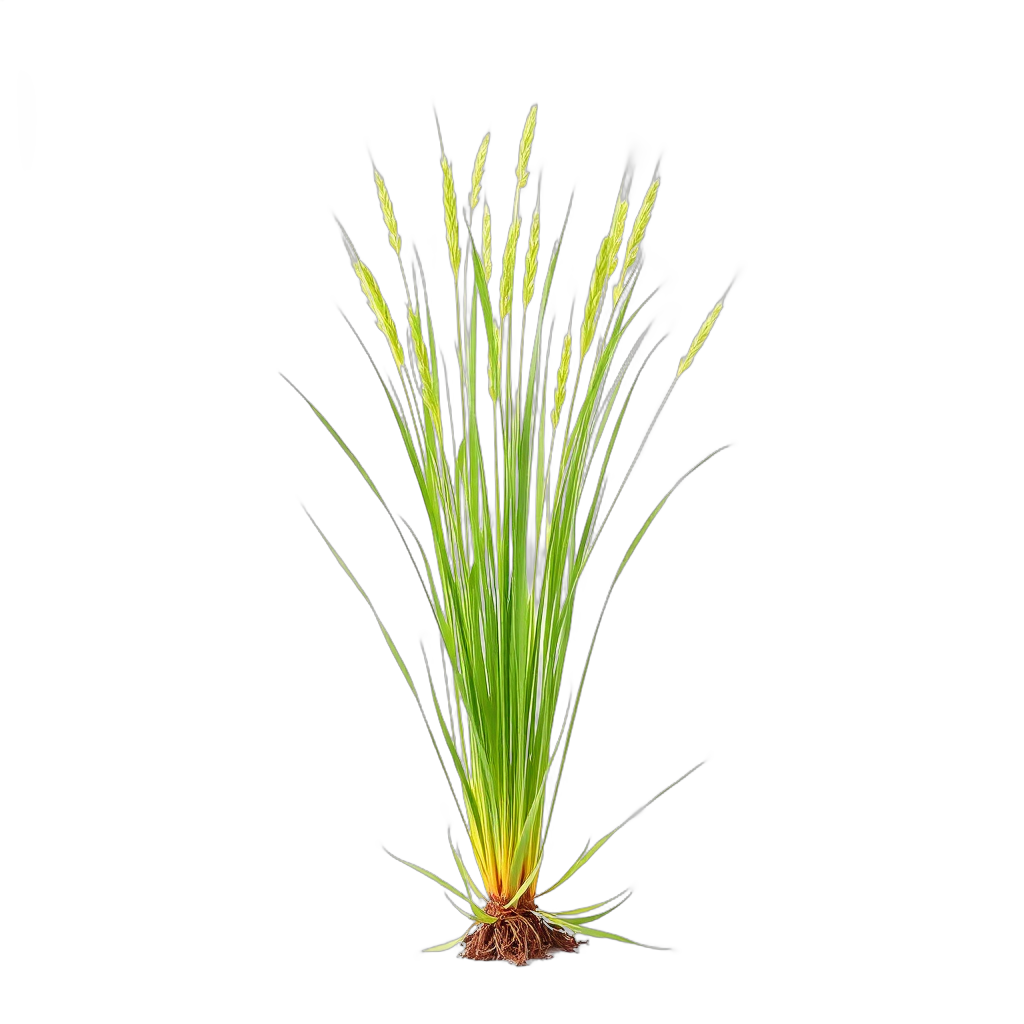
California Oatgrass
Danthonia californica
low-growing ground cover, blooms in spring. Yellow fall color.
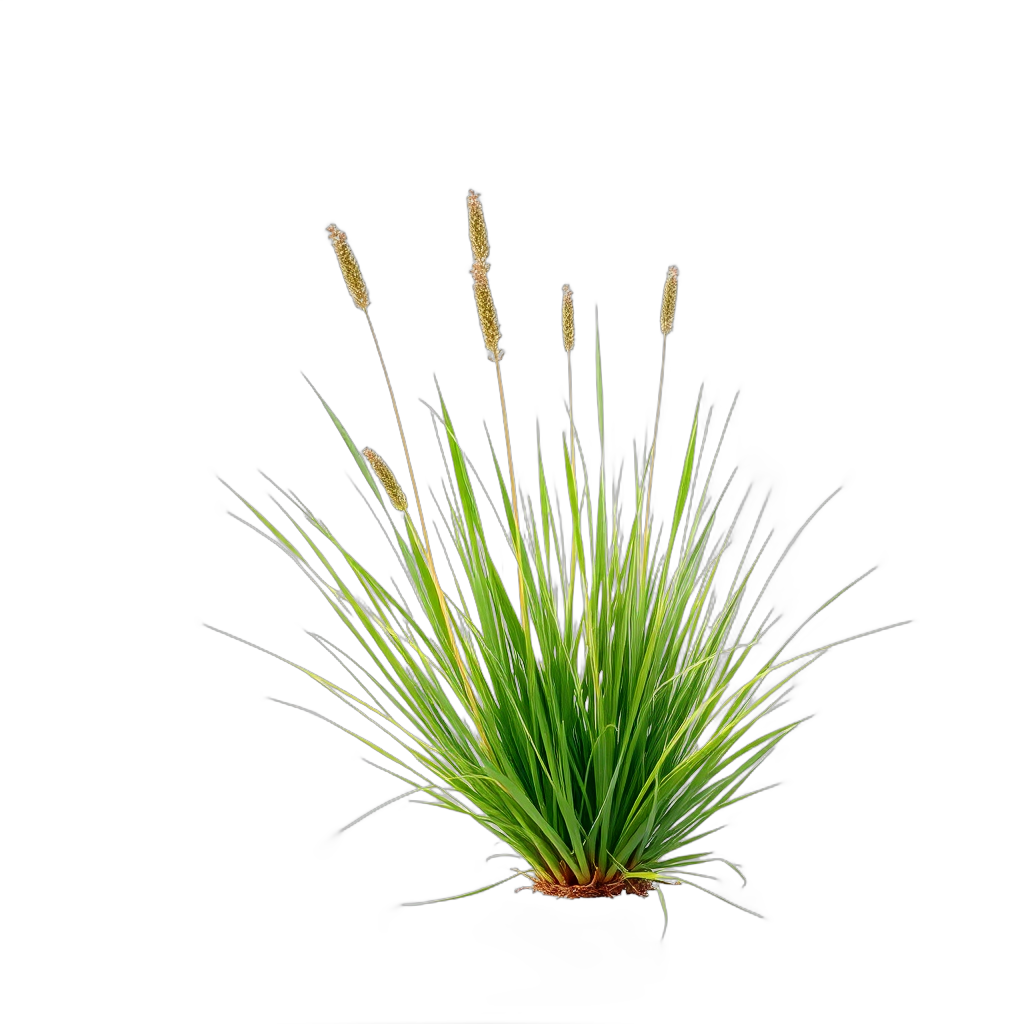
Deer Grass
Muhlenbergia rigens
grows to 3 feet, yellow blooms in fall. Evergreen year-round.
Featured Flowers & Perennials for Modern/Minimalist Gardens
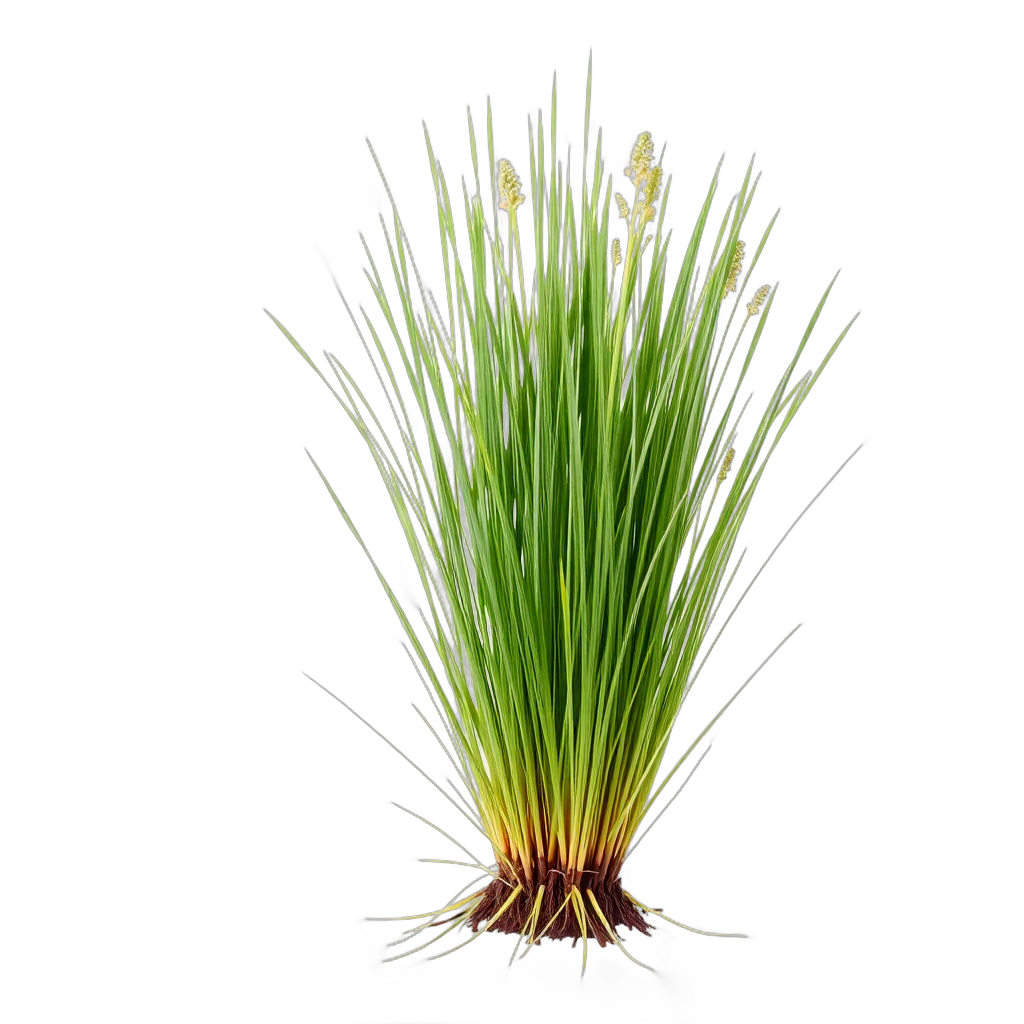
California Gray Rush
Juncus patens
low-growing ground cover, blooms in summer. Evergreen year-round.
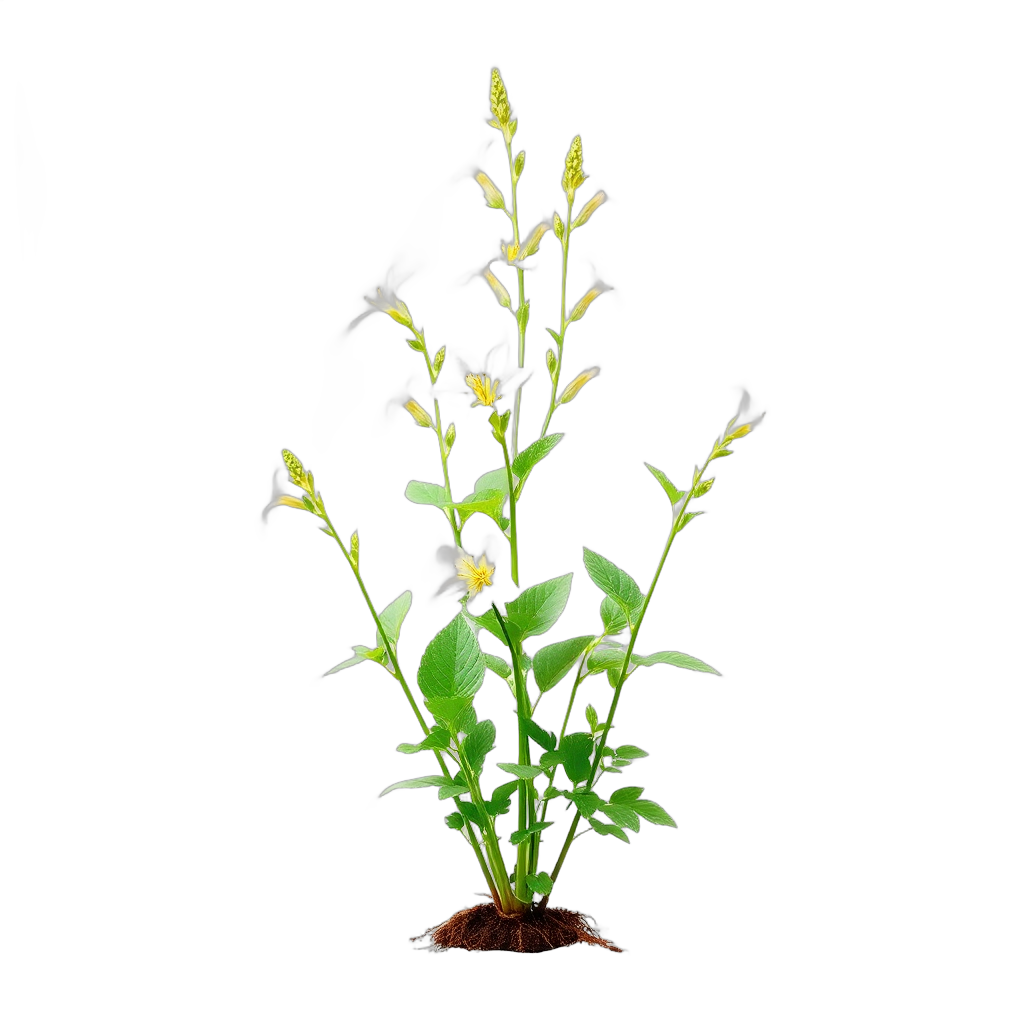
Beach Evening Primrose
Camissonia cheiranthifolia
low-growing ground cover, yellow blooms in spring. Attracts butterflies.
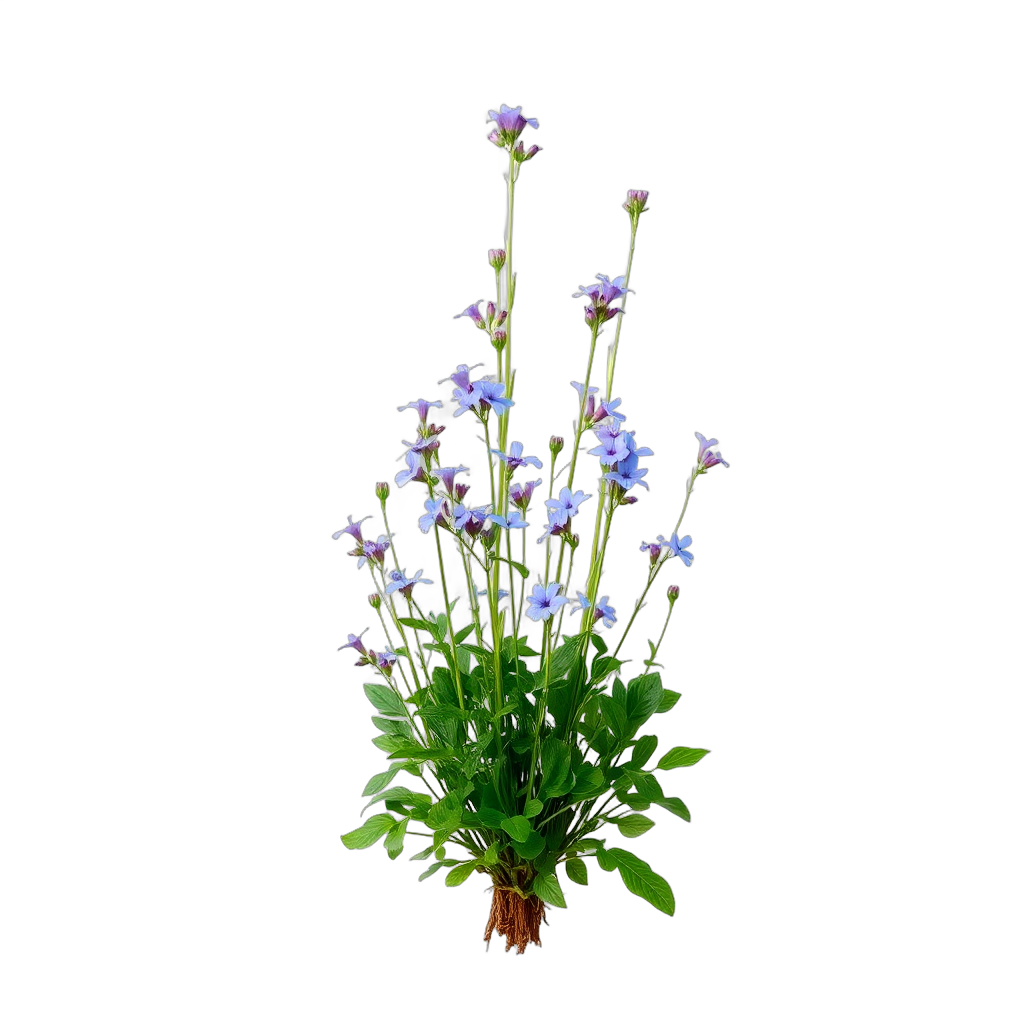
Blue Dicks
Dichelostemma capitatum
low-growing ground cover, blue blooms in spring. Pollinator-friendly.
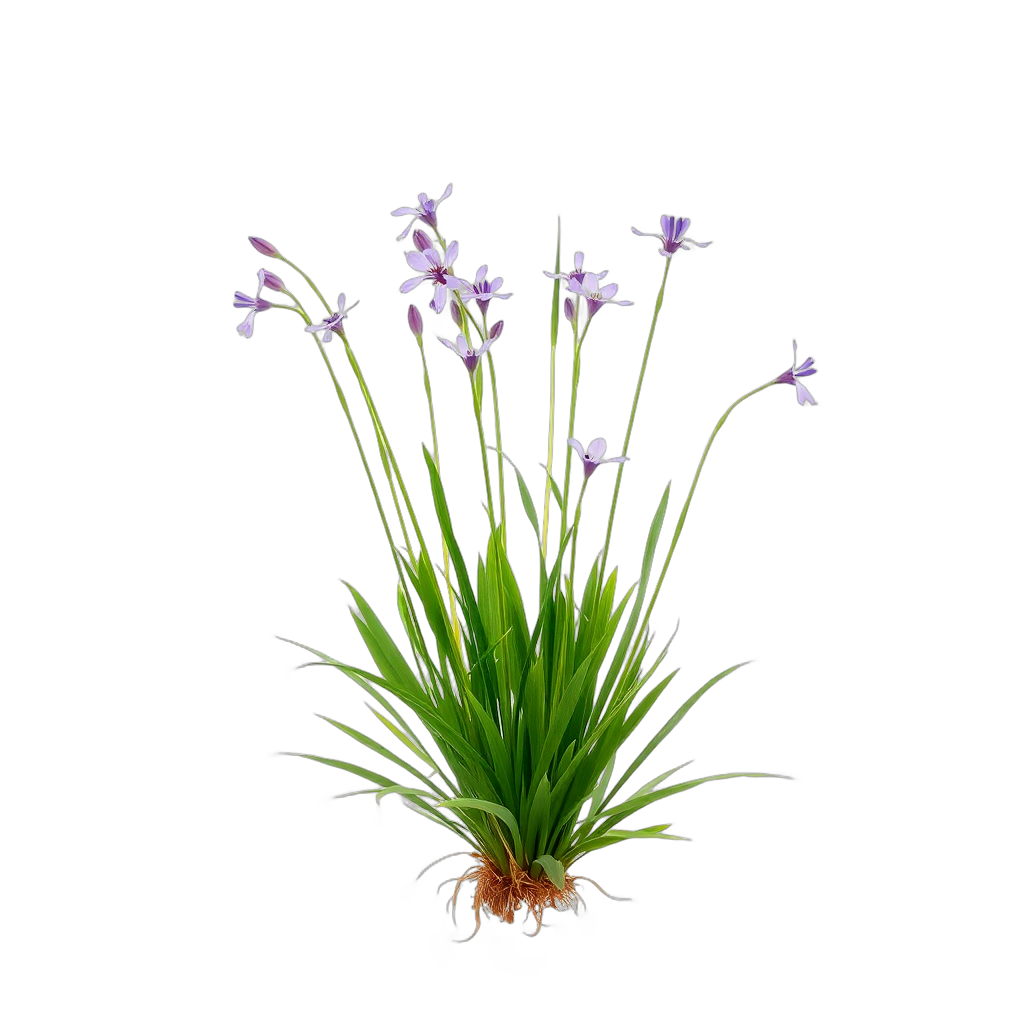
Blue-Eyed Grass
Sisyrinchium bellum
low-growing ground cover, blue blooms in spring. Attracts butterflies.
Bloom Calendar for Santa Clarita
spring
Beach Evening Primrose, Blue Dicks, Blue-Eyed Grasssummer
California Gray Rush, Hooker's Evening Primrose, Hummingbird Mintfall
California Fuchsiawinter
Limited bloomsDesign Tips for Santa Clarita (Zone 9b)
- Mass one bunchgrass rather than mixing five — 30 to 60 Muhlenbergia rigens reading as a single sweep is the strongest and cheapest modern move available in Santa Clarita, and it needs cutting back only once every two or three years
- Vary agave scale on purpose: pair a 6-foot Agave americana var. protoamericana with tight Agave parryi var. truncata rosettes and low Echinocactus grusonii spheres, because one repeated agave size reads as a parking-lot planting rather than a designed composition
- Set succulent crowns slightly above grade in native decomposed granite cut with pumice, never in compost-rich backfill — in the SCV agaves die from crown rot in a wet February, not from the 100°F August they are actually built for
- Check for a protected oak before you draw anything: Quercus agrifolia at 8 inches diameter or more triggers a City of Santa Clarita oak permit for any encroachment, and the design fix is a terrace that floats clear of the root zone with no summer irrigation under the canopy
- Skip Pennisetum setaceum and Cortaderia selloana no matter how well they photograph — both are invasive in SCV canyons and both are flagged as high fuel under LA County Fire brush-clearance rules; Muhlenbergia capillaris 'Regal Mist' gives you the same plumes and passes inspection
- Light the grasses and graze the agaves rather than flooding the yard: in-grade uplights aimed through Muhlenbergia plumes and a low grazing light across an Agave rosette turn a Santa Clarita front yard into its best version for eight months of warm evenings a year
Where to Source Plants in Santa Clarita
Skip the big-box stores. These independent Santa Clarita nurseries specialize in the plants that make modern/minimalist gardens thrive in Zone 9b.
Green Thumb Nursery
Newhall
Organic earth-friendly plants, fruit trees, California natives, and succulents with certified horticulturist staff.
Green Landscape Nursery
Bouquet Canyon
4-acre family-owned nursery specializing in trees, shrubs, succulents, and native plants with design services.
Modern/Minimalist Landscaping Costs in Santa Clarita
| Project Scope | Estimated Cost |
|---|---|
| Front yard turf-to-gravel modern conversion (900–1,200 sqft) | $14,000 – $30,000 |
| Poured concrete terrace or walkway with sawcut joints (per sqft) | $20 – $45/sqft |
| Corten steel edging, fabricated and installed (per linear ft) | $35 – $70/linear ft |
| Gas fire bowl or linear fire table, plumbed and installed | $5,000 – $16,000 |
| Pool, deck, lighting and full backyard landscape | $110,000 – $250,000 |
| AI visualization with ProScapeAI | Free to start |
Estimates based on Santa Clarita, CA-area contractor rates as of 2026. Actual costs vary by site conditions, materials, and contractor.
Santa Clarita Climate & Growing Zone
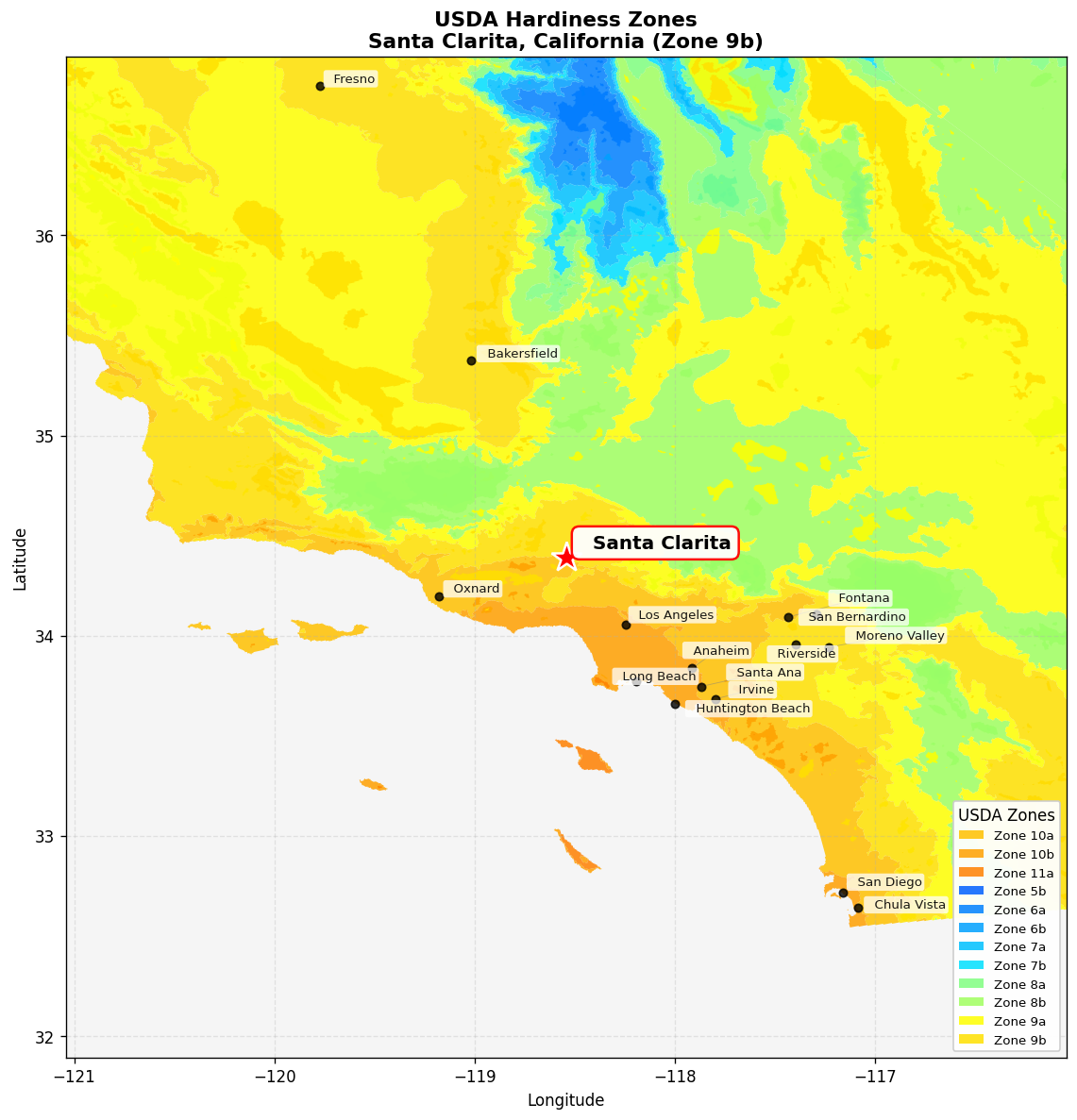
USDA Zone 9b
Hardiness zone for Santa Clarita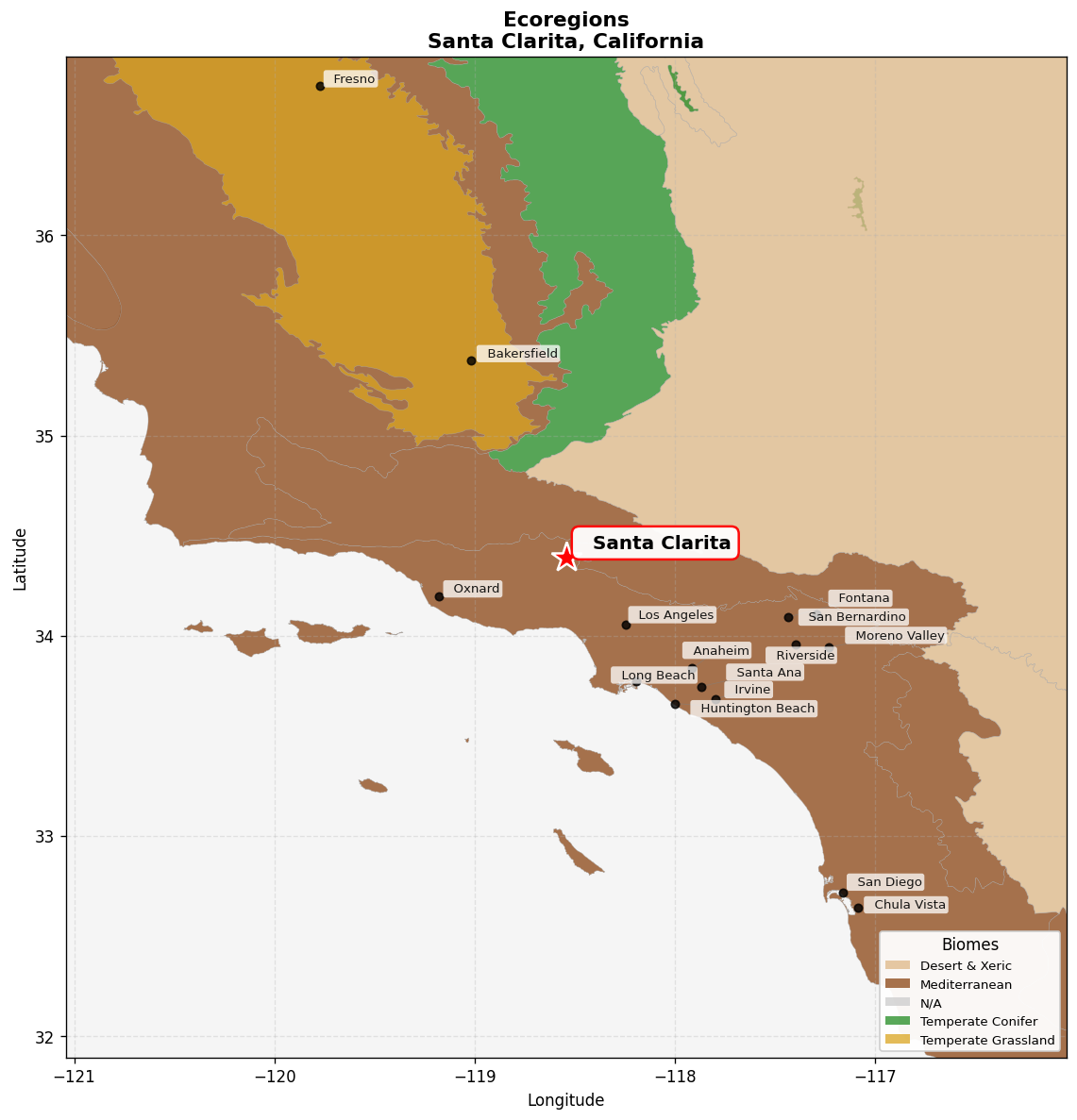
California coastal sage and chaparral
Native ecoregionFrequently Asked Questions
How much does modern landscaping cost in Santa Clarita?
LA County labor puts SCV pricing 10–20% above national metro averages, with crew rates around $65–95 per hour. A complete front-yard modern conversion — turf removal, compacted gravel field, Corten edging, concrete pads and specimen succulents — runs $14,000–30,000 on a typical 900–1,200 sqft front yard. Individual plants are not the expense: a 15-gallon Agave americana is $120–250 and a mature Echinocactus grusonii $150–400, but a 200 sqft poured concrete terrace is $4,000–9,000 and Corten edging runs $35–70 per linear foot installed. A full backyard with a pool, deck, fire feature and lighting in Stevenson Ranch or Westridge typically lands between $110,000 and $250,000.
Is a gravel-and-succulent modern yard actually good for wildfire safety?
It is one of the best options available in a Very High Fire Hazard Severity Zone, which covers most of Santa Clarita. LA County Fire requires 100 feet of defensible space with annual brush-clearance inspections, and a gravel or decomposed granite groundplane with widely spaced Agave, Echinocactus, Hesperaloe and Aloe carries essentially no fuel — succulents hold so much water they act as heat sinks. Two cautions apply. Keep bunchgrasses irrigated, spaced and cut back before the spring inspection window, because a dormant untrimmed grass mass is fuel. And never plant Pennisetum setaceum (fountain grass) or Cortaderia selloana (pampas grass) even though they suit the look — both are invasive in SCV canyons and both appear on high-fuel lists, along with Juniperus, Cupressus, Acacia and Eucalyptus.
There's a big oak in my backyard. Can I build a patio around it?
Carefully, and with a permit. The City of Santa Clarita's oak tree preservation ordinance protects coast live oak (Quercus agrifolia) and other native oaks at roughly 8 inches diameter or larger, and requires an oak tree permit for pruning, grading, trenching or encroachment inside the protected zone, which typically extends five feet beyond the dripline. Fines for unpermitted work are significant. The workable approach is a floating terrace: keep footings and excavation outside the protected zone, use permeable joints or pier-supported decking under the canopy, and route irrigation lines around rather than through the root plate. Critically, do not install summer irrigation under an established oak — regular summer water at the trunk is the leading cause of Phytophthora crown rot in SCV oaks. Keep emitters at least six feet from the trunk and irrigate the outer dripline only, infrequently.
Which agaves and grasses actually survive Santa Clarita winters and summers?
Zone 9b winter lows around 30–32°F are mild, but canyon-bottom lots in Sand Canyon and Placerita Canyon get cold-air drainage and occasional light frost, which burns tender species. Agave americana, Agave ovatifolia 'Frosty Blue', Agave parryi var. truncata, Agave 'Blue Glow' and Hesperaloe parviflora 'Brakelights' all handle both frost and 100°F+ summers without protection. Agave attenuata is the one to watch — beautiful, but it marks in a hard frost, so keep it on the warm side of the house. Echinocactus grusonii is fine as long as drainage is sharp. On the grass side, Muhlenbergia rigens is the most reliable evergreen mass planting in the valley, with Muhlenbergia capillaris 'Regal Mist', Muhlenbergia lindheimeri 'Autumn Glow', Festuca mairei and Chondropetalum tectorum all dependable. Avoid true blue fescue in full valley sun — it melts out by August.
Do I need permits or HOA approval, and what about water rules?
Planting and gravel conversions generally need no City permit, but retaining walls over 4 feet, pools, and any work touching a protected oak do. Valencia, West Creek, Stevenson Ranch, Westridge and Tesoro del Valle all require architectural review committee approval for front-yard changes — allow 30–60 days and submit a plant list plus hardscape samples. California Civil Code §4735 prevents an HOA from banning low-water-use landscaping, so a documented drought-tolerant design has legal backing. On water: any permitted new or rehabilitated landscape over 500 sqft triggers the state Model Water Efficient Landscape Ordinance (MWELO), requiring a water budget, high-efficiency drip and a weather-based controller. SCV Water participates in the SoCal Water$mart turf-replacement rebate program, historically $2–5 per square foot — apply and get approval before removing any turf, since retroactive claims are rejected.
What has to happen to the soil before the gravel goes down?
SCV soils are sandy decomposed granite alluvium, alkaline at roughly pH 7.5–8.2, and on graded tract pads there is a compacted fill layer with hardpan a foot or two down. For hardscape that is ideal — DG compacts to a superb base. For plants it is a trap: an agave planted in a compacted bathtub will hold February rainwater at the crown and rot. Auger through the hardpan under every specimen, backfill with native soil plus pumice or 1/4-inch crushed rock rather than rich compost, and set succulent crowns slightly proud of grade. Use a proper woven geotextile under gravel fields, not plastic sheeting, so water still reaches roots. Finally, cage anything soft in wire gopher baskets — pocket gopher pressure in Santa Clarita is severe and grasses are their preferred target.