4 Modern Landscape Ideas for Spokane Valley, WA | Zone 7a Dry-Summer Designs
Native plants from the Northern Rockies conifer forests (Zone 7a) — Temperate climate
For a modern garden in Spokane Valley, WA, a zone 7a city with a temperate climate, start with Calamagrostis × acutiflora 'Karl Foerster', Pinus mugo 'Slowmound' and Sedum 'Autumn Joy', the plants this guide's first design is built on.
Why Modern/Minimalist Gardens in Spokane Valley?
Spokane Valley has the housing stock a modern landscape needs. The low-slung ranches and split-levels of Opportunity, Veradale and Dishman, and the newer builds scattered across the valley floor, have flat rooflines and wide, shallow front yards that read well with crisp edges, repeated shapes and a short plant list. A long, level front strip is easy to divide into rectangles of gravel, grass and concrete, and the style asks for restraint more than for plants.
NOAA's 1991–2020 normals for Spokane International Airport show 16.45 inches of precipitation a year, with only 0.42 inch in July and 0.47 inch in August, while the average July high is 84.4°F. A lawn that stays green through that stretch needs steady irrigation, so a modern design that trades most of the turf for gravel mulch, steel-edged beds and drifts of grass makes practical sense. Winter sets the plant limits: the January average low is 24.7°F, snowfall averages 45.4 inches, and the Zone 7a rating means plants must handle readings near -5°F. Mexican feather grass and most agaves do not belong in the ground here. Calamagrostis × acutiflora 'Karl Foerster', Helictotrichon sempervirens 'Sapphire' and Panicum virgatum 'Northwind' hold the same upright line and come back every spring.
The average last spring frost falls around April 26 (50% probability), and the first fall frost around October 12, so the growing season runs close to five and a half months. Late-April planting works, and September planting gives roots time before the ground freezes. The valley floor is glacial outwash, and USDA's description of the Garrison series, an eastern Washington outwash soil, calls for gravelly, somewhat excessively drained ground with a near-neutral reaction. That suits Perovskia atriplicifolia 'Little Spire' and Sedum 'Autumn Joy', and it means beds drain quickly. Run a soil test before buying amendments.
One rule shapes every front-yard design: the City of Spokane Valley's fencing standards limit sight-obstructing fences in a front yard to 3 feet (4 feet for open types such as chain link), with fences up to 7 feet allowed without a permit elsewhere on a residential lot. A modern screen wall at the street needs to stay within those heights, so confirm setbacks with the Permit Center before building.
4 Modern/Minimalist Design Ideas for Spokane Valley
AI-generated image
The Gravel Grid Front Yard
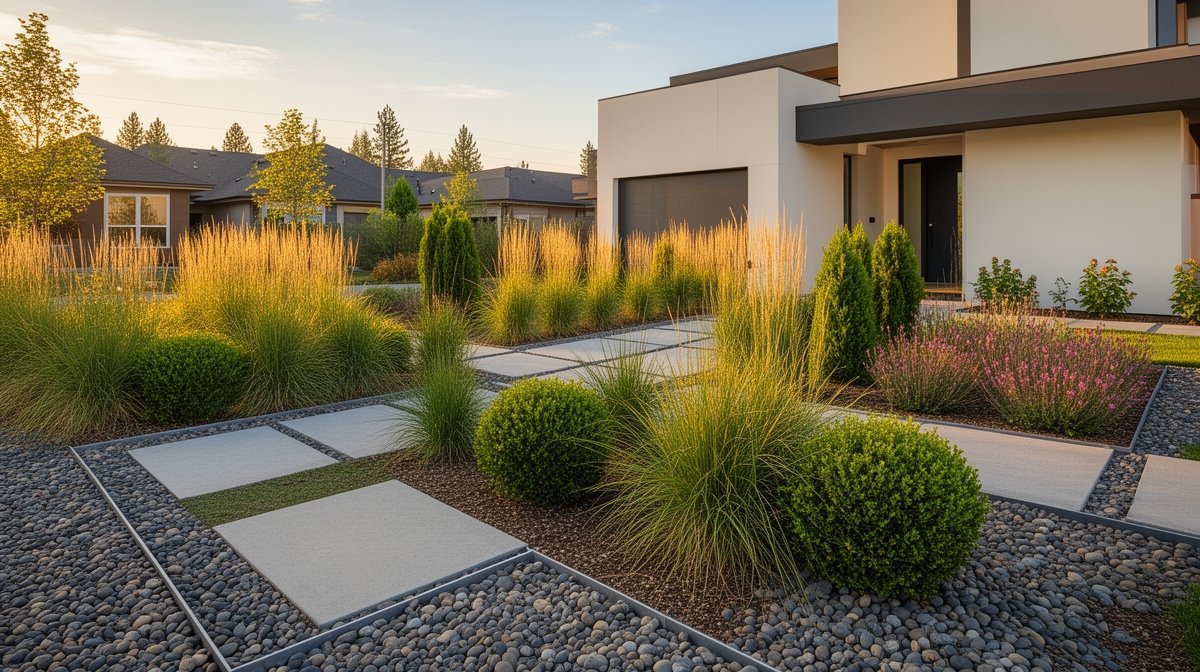
$12–26/sqftA level ranch front yard is cut into a grid of three rectangles: one of pale gravel, one of a single row of Calamagrostis × acutiflora 'Karl Foerster' in a charcoal steel-edged bed, and one of smooth gray concrete pavers leading to the door. Low rounded Pinus mugo 'Slowmound' mounds break the grid at the corners, and the west-facing bed gets the afternoon sun that these grasses handle without extra water once rooted. The plumes stand tan through snow, so the grid still reads in January.
Try this on your yard: The Gravel Grid Front YardAI-generated image
The Blue Grass Drift
$14–28/sqftA broad curved drift of Helictotrichon sempervirens 'Sapphire' in silvery-blue, cut by a straight concrete path, fronts a dark-stained cedar fence on a side yard. Panicum virgatum 'Northwind' stands behind as a soft vertical screen, and Echinacea 'PowWow Wild Berry' adds a single band of magenta in July. The mass planting uses only three kinds of plant, which keeps the look calm and the maintenance to one March cutback.
Try this on your yard: The Blue Grass DriftAI-generated image
The Courtyard Black Box
$30–60/sqftA square patio set against a south-facing wall of a contemporary home is framed by a low charcoal planter wall, with a single multi-stem Amelanchier × grandiflora 'Autumn Brilliance' growing from a gravel square. Yucca filamentosa 'Color Guard' gives the sword-like silhouette that agave would offer in a warmer city, and rows of Festuca glauca 'Elijah Blue' line the walls. A linear fire feature and a built-in bench make it a place for cold evenings in October.
Try this on your yard: The Courtyard Black BoxAI-generated image
The Steel and Stone Slope
$20–42/sqftA sloped front lawn is replaced by three stepped terraces held by corten steel retaining edges, each planted with a single band: Juniperus horizontalis 'Blue Chip' on the top step, Schizachyrium scoparium 'Standing Ovation' in the middle, and Sedum 'Autumn Joy' at the bottom. Basalt boulders sit between the steps and a narrow flagstone stair climbs one side. The fast-draining gravelly ground keeps the terraces from holding water after snowmelt.
Try this on your yard: The Steel and Stone SlopeSee how a modern/minimalist garden looks on YOUR property
Upload a photo of your Spokane Valley yard and visualize your dream garden in seconds.
Try ProScapeAI Free

AI-generated image
Featured Trees & Shrubs for Modern/Minimalist Gardens
Browse all 190 plants for Spokane Valley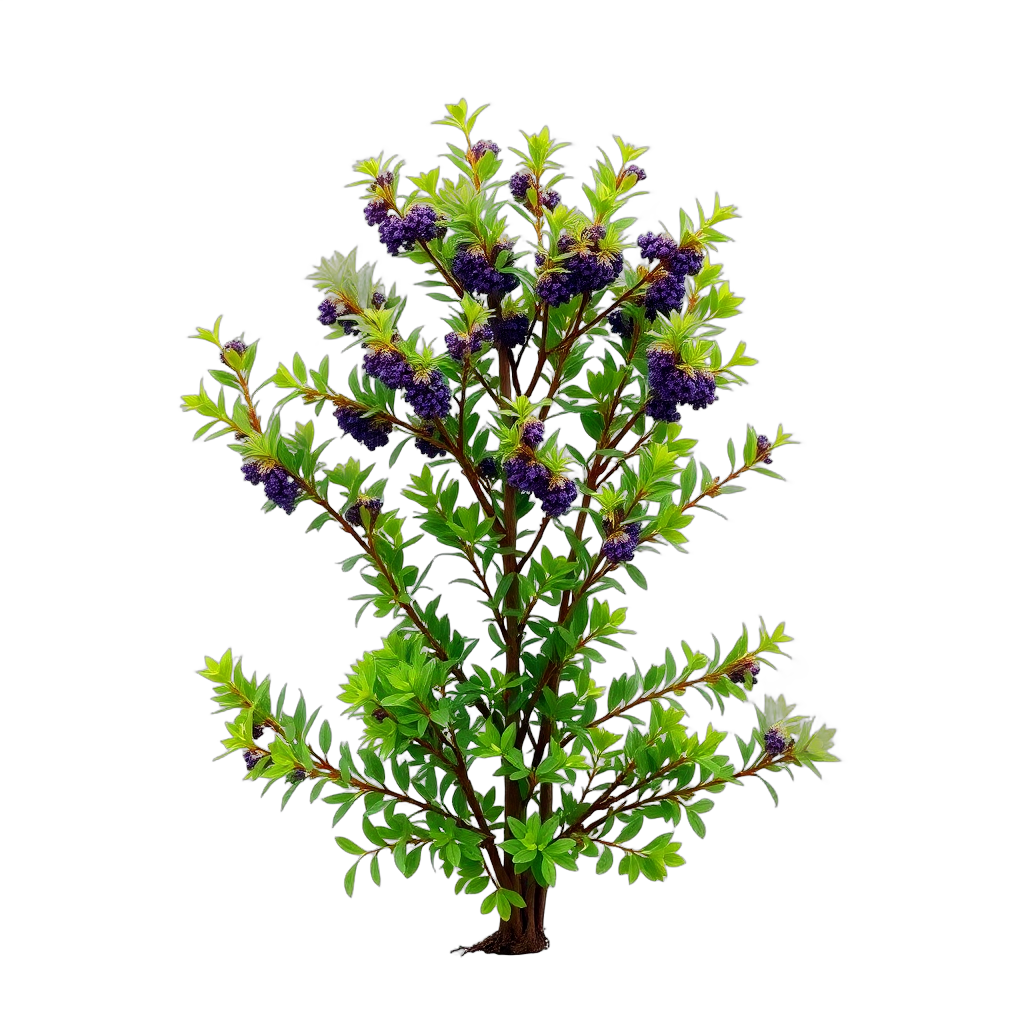
Creeping Mahonia
Mahonia repens
low-growing ground cover, yellow blooms in spring. Pollinator-friendly.
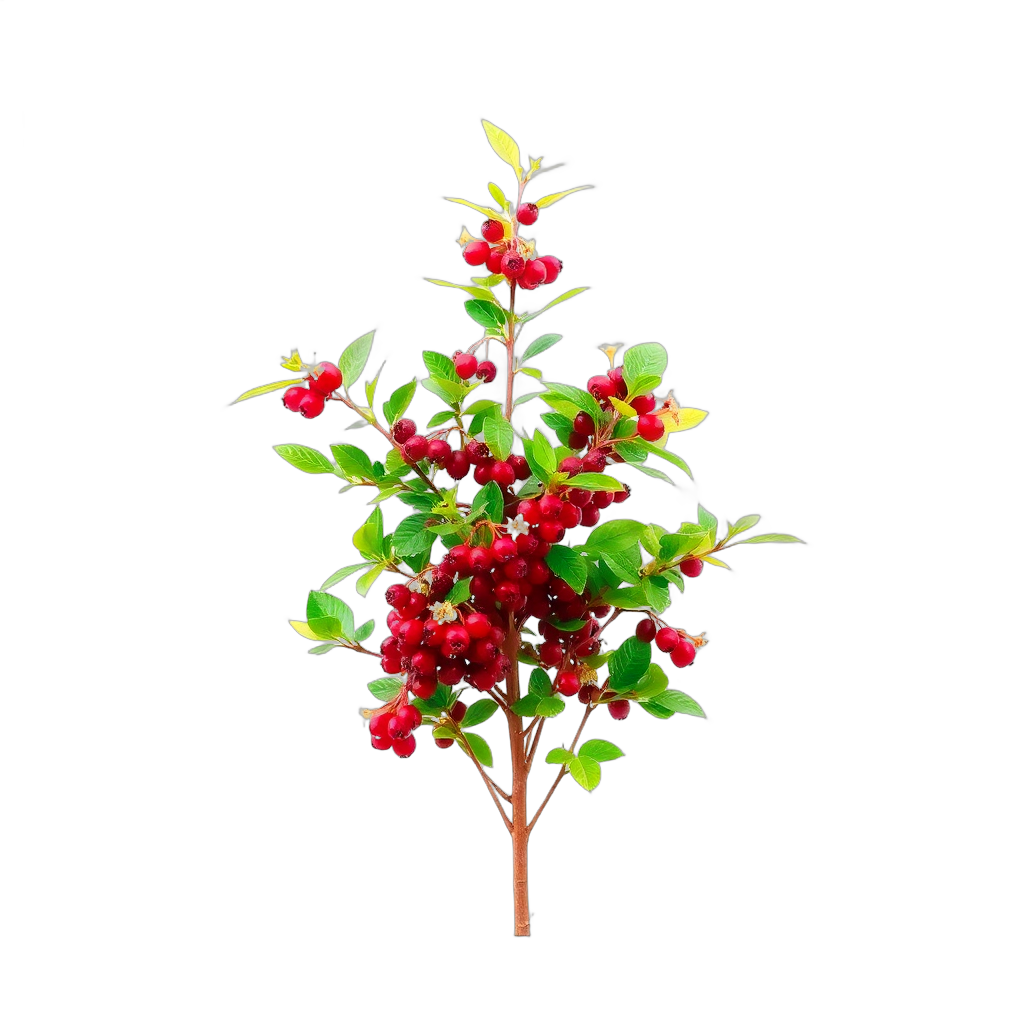
Grouseberry
Vaccinium scoparium
low-growing ground cover, pink blooms in spring. Attracts butterflies.
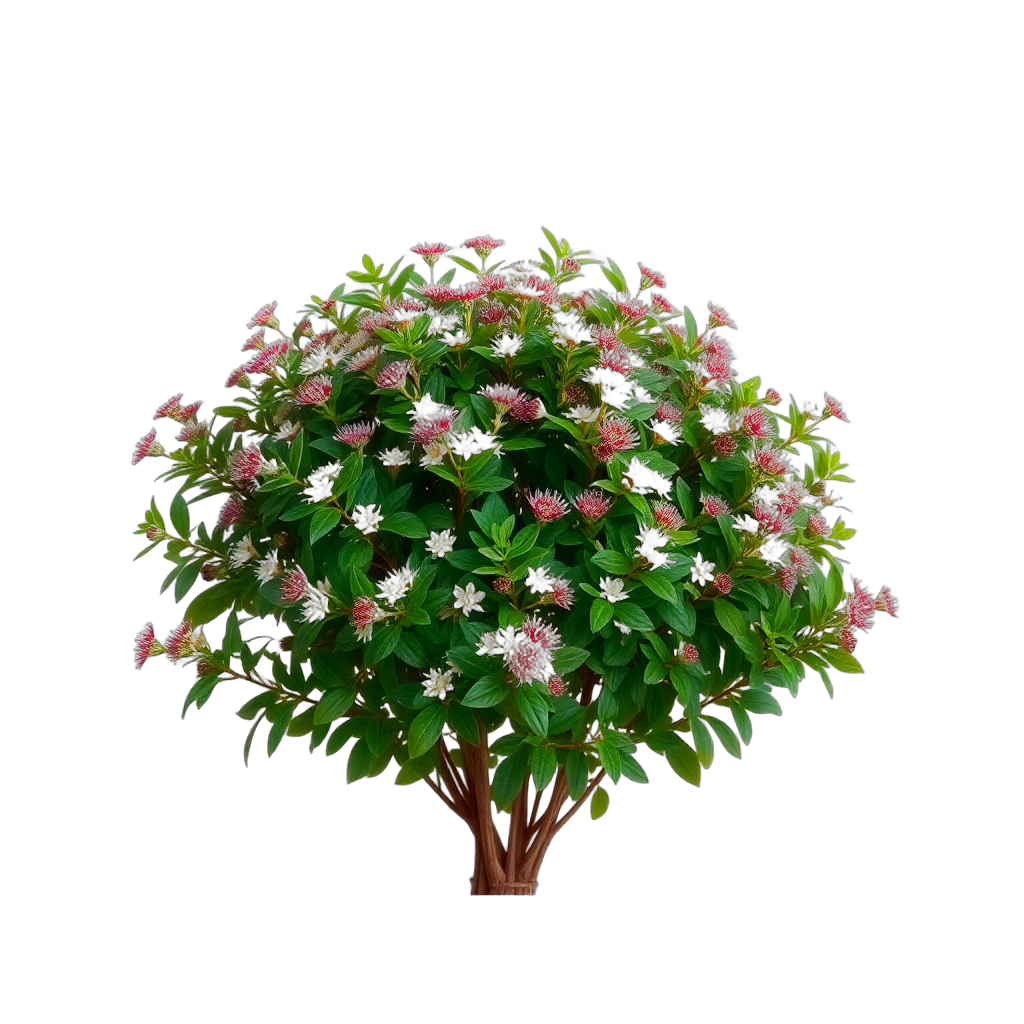
Labrador Tea
Ledum glandulosum
grows to 4 feet, white blooms in spring. Evergreen year-round.
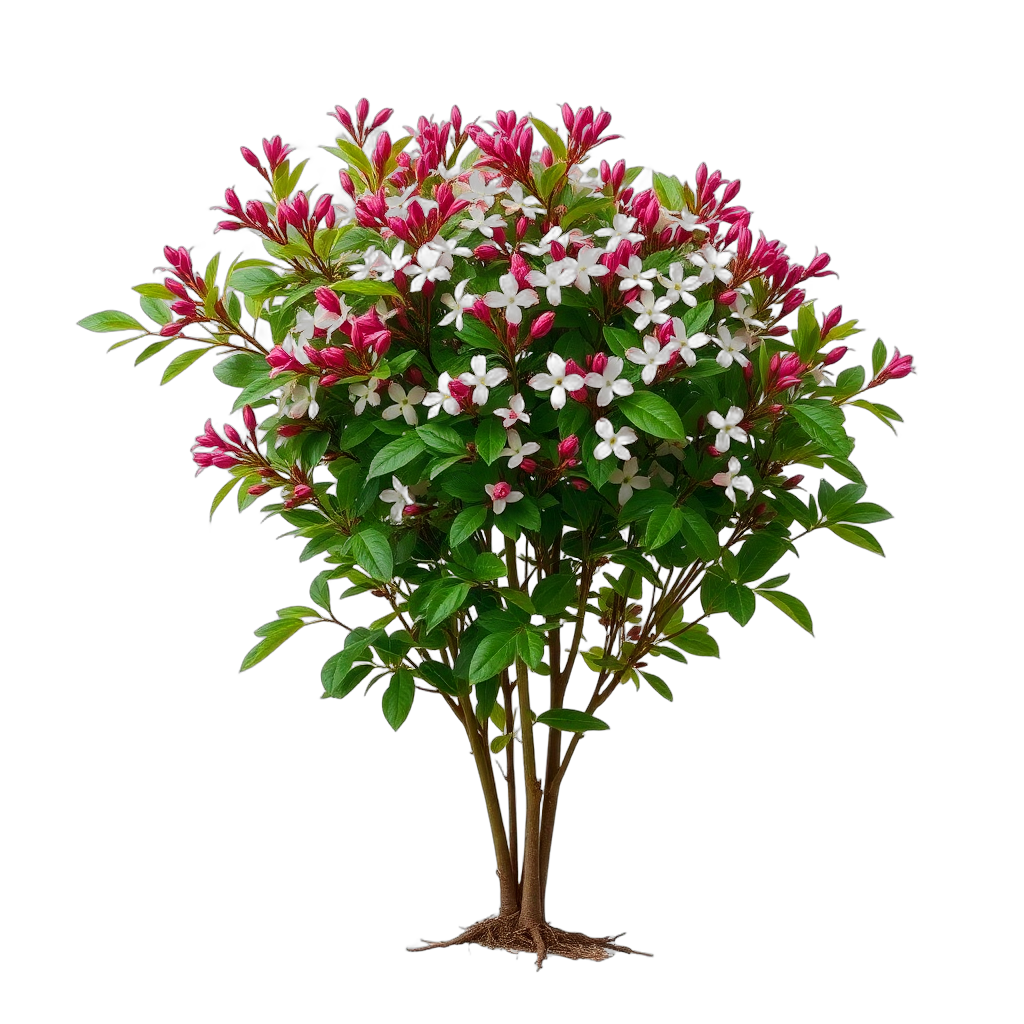
Red Osier Dogwood
Cornus sericea
medium-sized at 8 feet, white blooms in spring. Pollinator-friendly.
Featured Grasses & Groundcovers for Modern/Minimalist Gardens
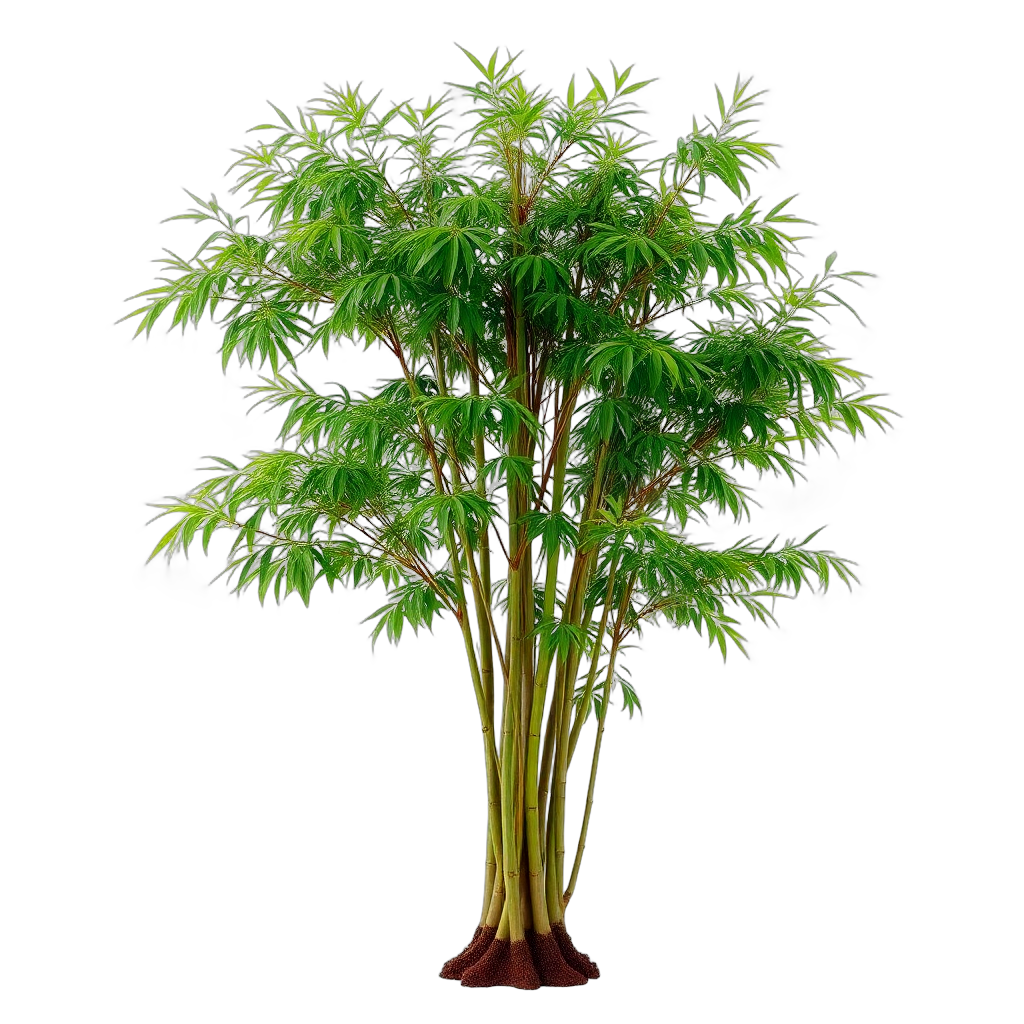
Arrow Bamboo
Pseudosasa japonica
medium-sized at 15 feet, blooms in none. Evergreen year-round.
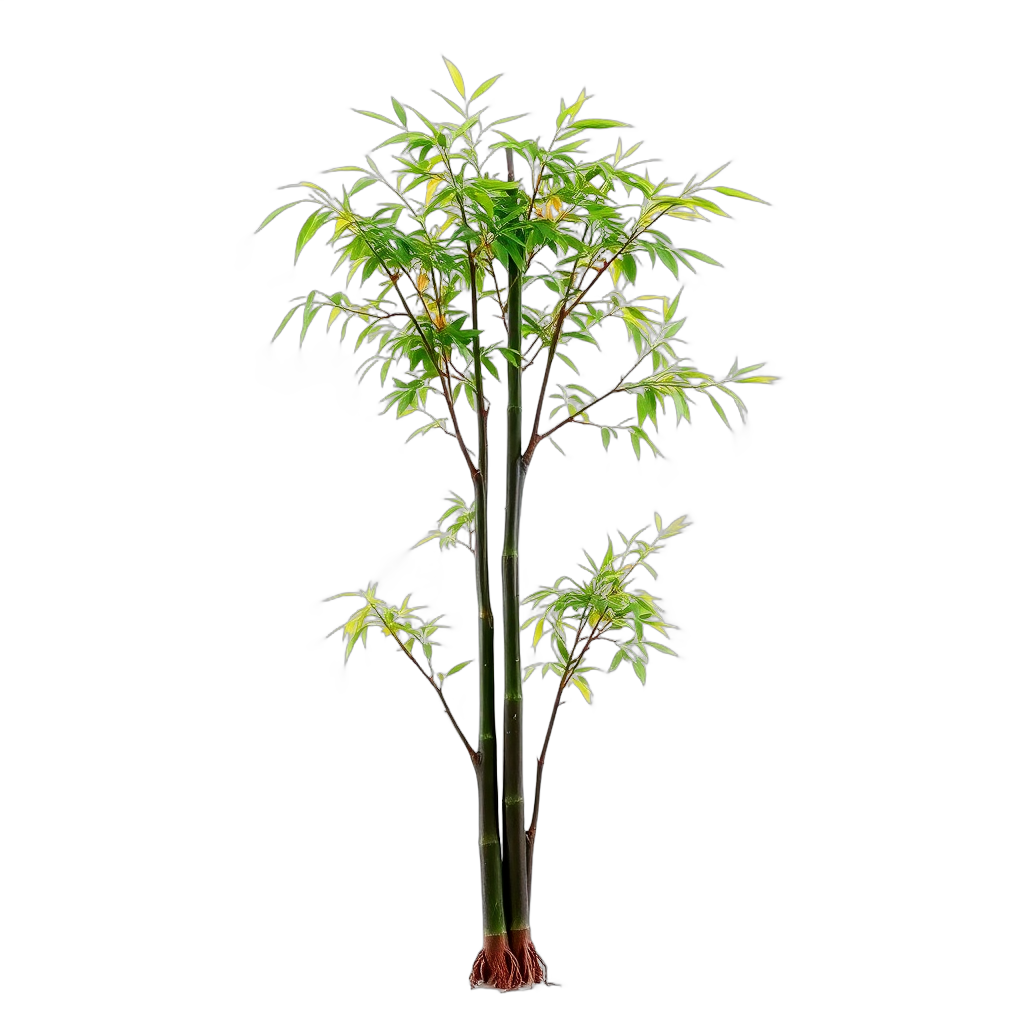
Black Bamboo
Phyllostachys nigra
reaches 25 feet tall, blooms in none. Evergreen year-round.
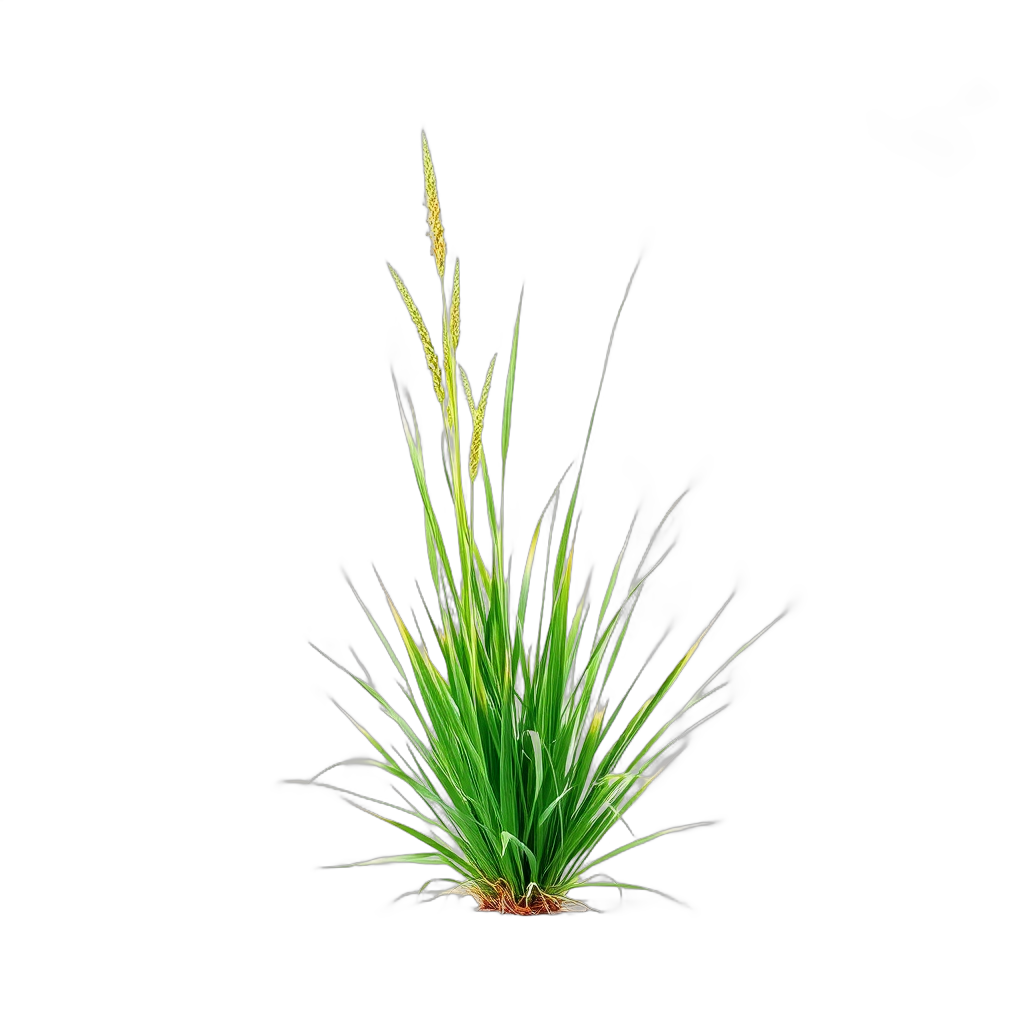
Bull Grass
Muhlenbergia emersleyi
grows to 4 feet, purple blooms in fall. Yellow fall color.
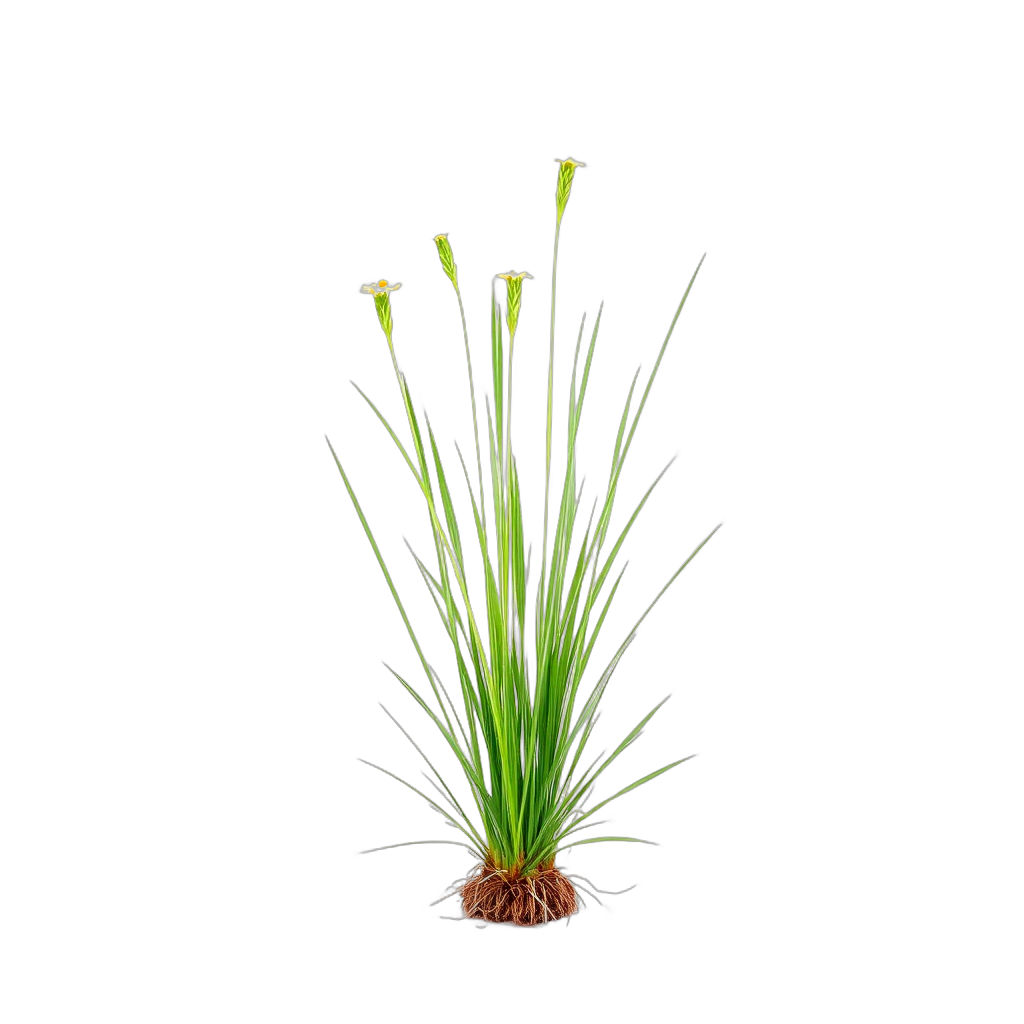
California Melic
Melica californica
low-growing ground cover, blooms in spring.
Featured Flowers & Perennials for Modern/Minimalist Gardens
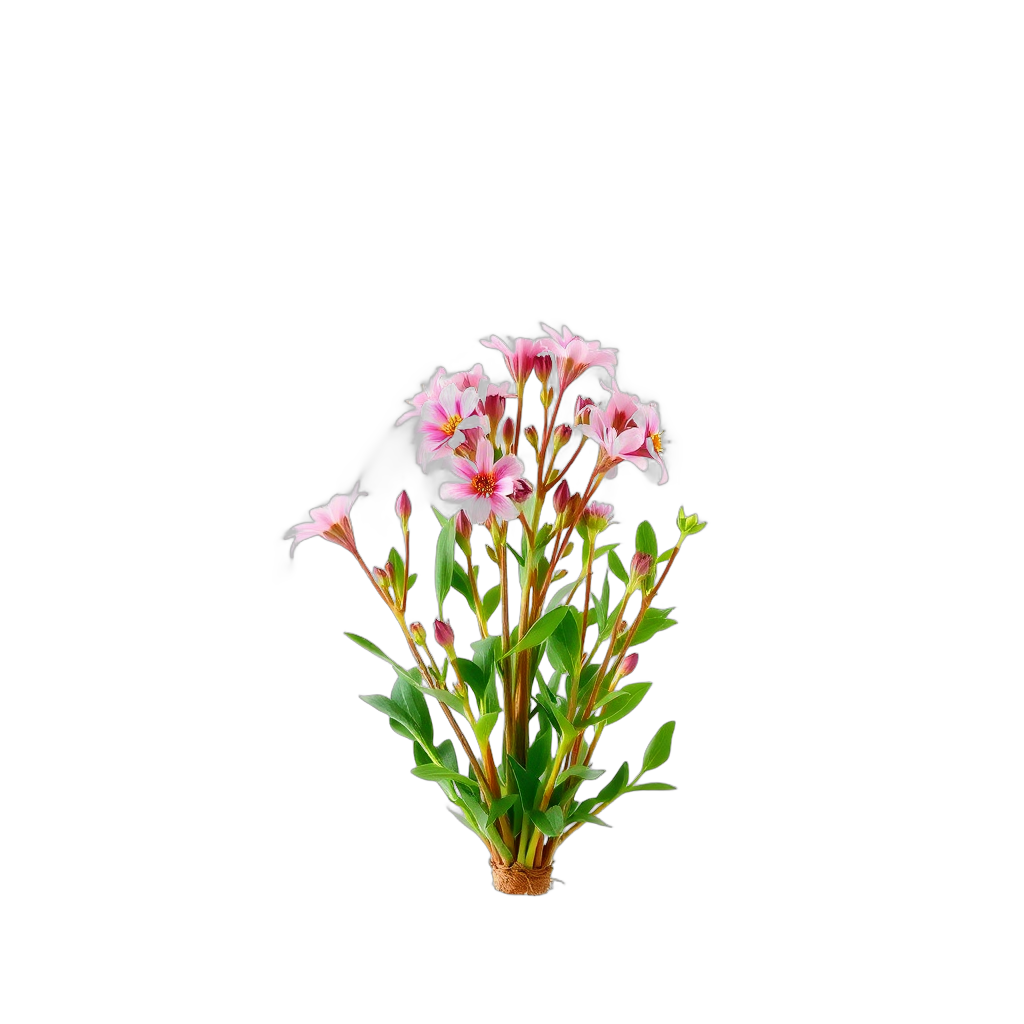
Bitterroot
Lewisia rediviva
low-growing ground cover, pink blooms in spring.
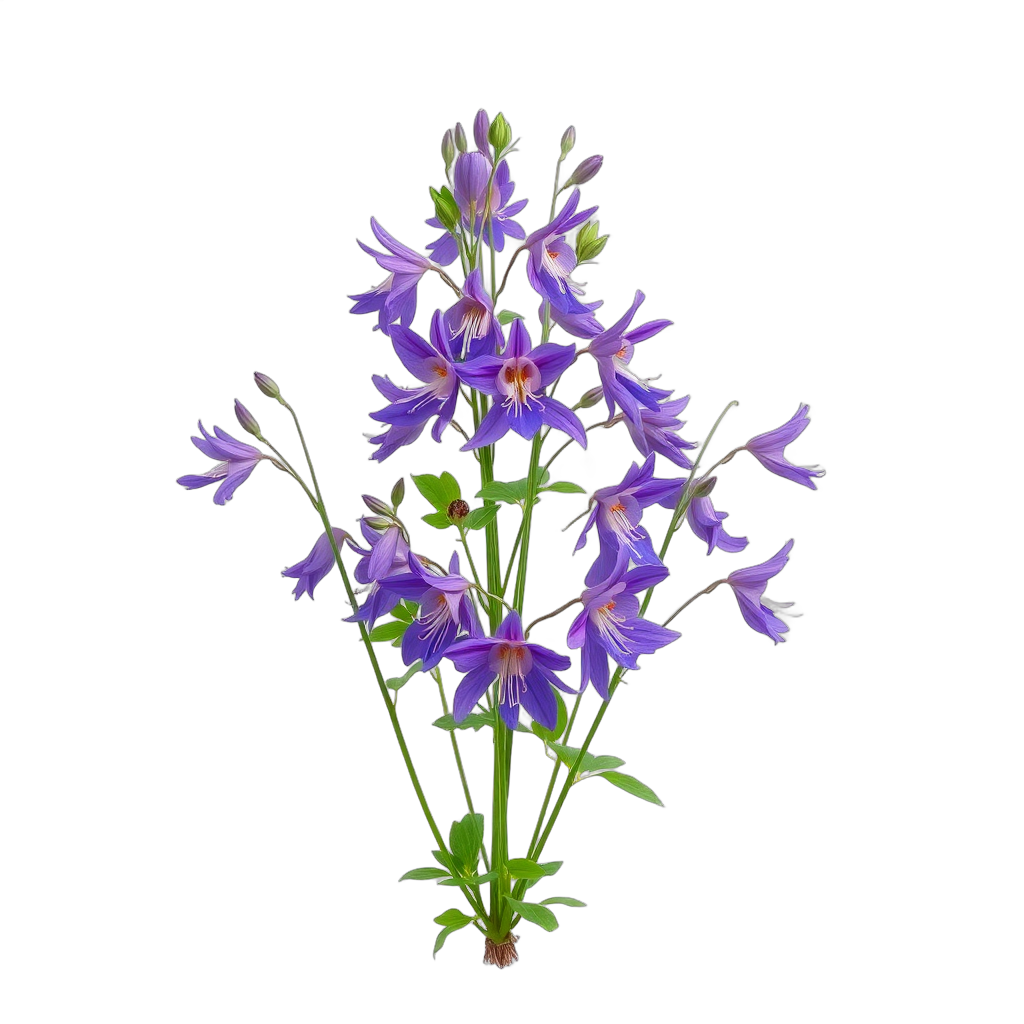
Colorado Columbine
Aquilegia caerulea
low-growing ground cover, blue blooms in spring. Attracts hummingbirds.
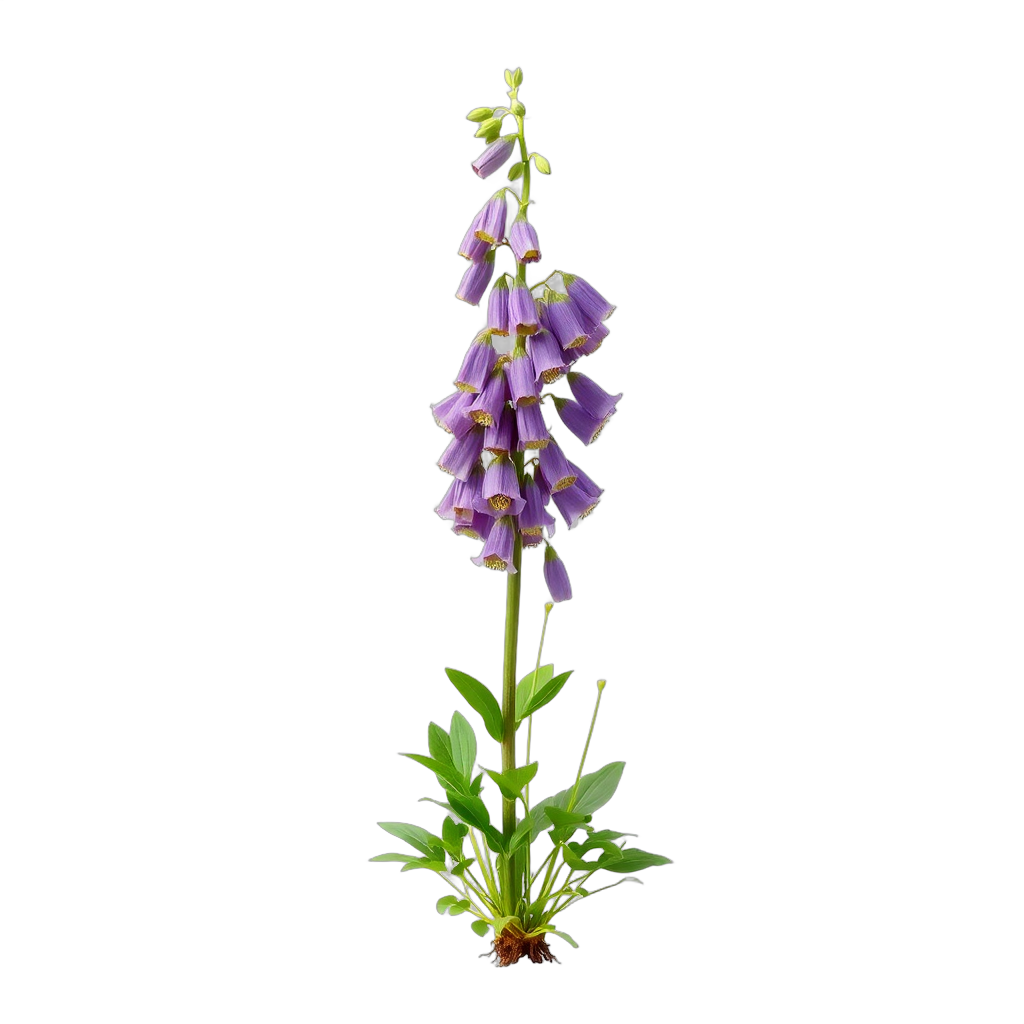
Columbian Monkshood
Aconitum columbianum
grows to 3 feet, purple blooms in summer. Pollinator-friendly.
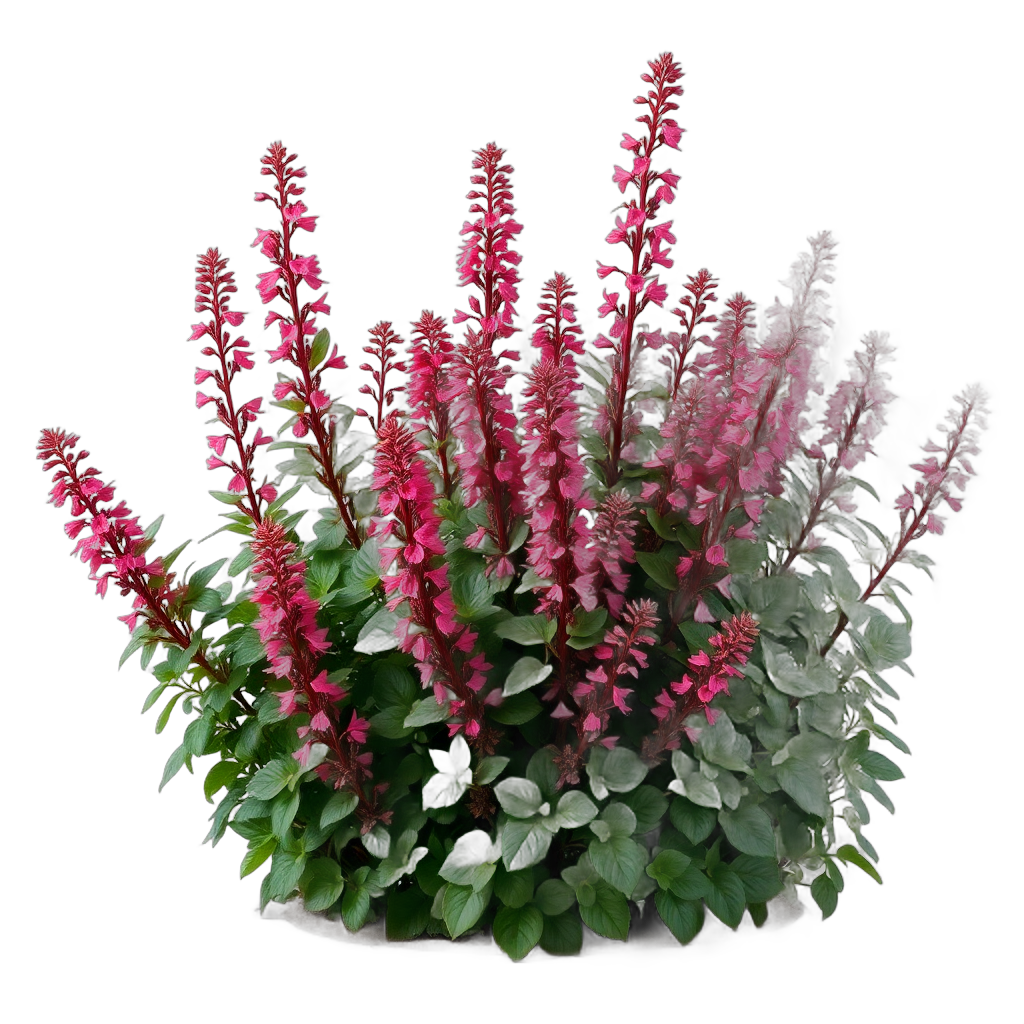
Coral Bells
Heuchera cylindrica
low-growing ground cover, white blooms in spring. Attracts hummingbirds.
Zone and sun checks come from our database — confirm with your local nursery before you buy.
Bloom Calendar for Spokane Valley
spring
Bitterroot, Colorado Columbine, Coral Bellssummer
Columbian Monkshood, Mountain Death Camas, Pipsissewafall
Limited bloomswinter
Limited bloomsDesign Tips for Spokane Valley (Zone 7a)
- Cut the grasses back in March: Calamagrostis × acutiflora 'Karl Foerster' stands through snow and the plumes give winter structure, but old stems need to come down before April 26, the average last frost, when new growth starts
- Use Hylotelephium 'Autumn Joy' and Perovskia atriplicifolia 'Little Spire' for late color: both handle July rain of 0.42 inch and a gravelly, fast-draining soil without added water once rooted
- Replace tender agaves with Yucca filamentosa 'Color Guard' and Festuca glauca 'Elijah Blue', which hold the same spiky shapes through a January that averages 24.7°F
- Stay under the front-yard fence limit: sight-obstructing fences are capped at 3 feet by the Spokane Valley standards, so use a low charcoal wall or a row of Pinus mugo 'Slowmound' for the street edge
- Keep gravel beds at least 3 inches deep over fabric and edge them in steel, so winter snow shoveling does not drag stone onto the lawn and driveway
- Run drip, not sprinklers, to every planted bed: dry July and August weather means overhead spray evaporates, and drip delivers water at the roots of new grasses
- Test the soil before adding amendments: the valley floor sits on glacial outwash, and gravelly ground drains fast, so organic compost at planting helps new roots in the first summer
Where to Source Plants in Spokane Valley
Skip the big-box stores. These independent Spokane Valley nurseries specialize in the plants that make modern/minimalist gardens thrive in Zone 7a.
Ritters Garden & Gift
North Spokane (Division Street)
Locally owned garden center selling annuals, shrubs, fruit trees, berries, herbs, vegetables and houseplants, plus soil, amendments and plant health products
Smart Gardens Nursery
North Spokane (Argonne Road)
Independent nursery with a large plant selection, organic nutrients, and bulk garden soil, bark and rock mulch
Rosarium Garden Center
Southwest Spokane (Williams Lane)
Winter-hardy own-root roses (David Austin, Canadian, Griffith Buck and Kordes types) plus shrubs, perennials, trees and annuals; seasonal, reopening in early April
Modern/Minimalist Landscaping Cost Ranges
| Project Scope | Estimated Cost |
|---|---|
| Concrete or interlocking paver patio (200–300 sqft) | $2,100–$8,500 |
| Concrete patio, broom finish (200 sqft) | $2,100–$2,500 |
| Low-voltage landscape lighting (6 fixtures) | $1,200–$2,000 |
| AI visualization (ProScapeAI) | Free to start |
National average installed ranges for 2026 from our landscaping price list (Homewyse and other published sources). Prices in Spokane Valley, WA vary with site, materials and contractor, so get two or three local quotes.
Spokane Valley Climate & Growing Zone
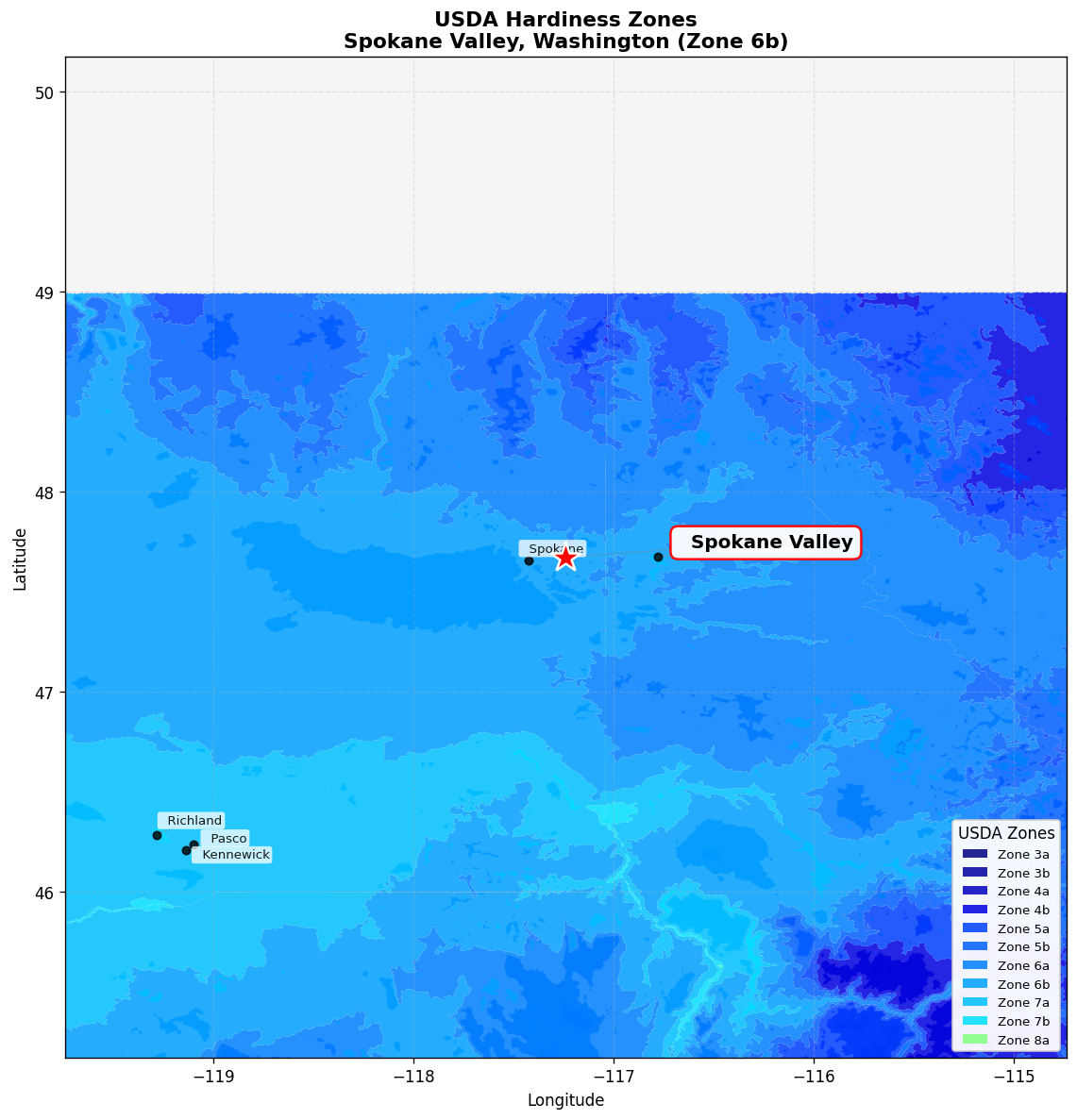
USDA Zone 7a
Hardiness zone for Spokane Valley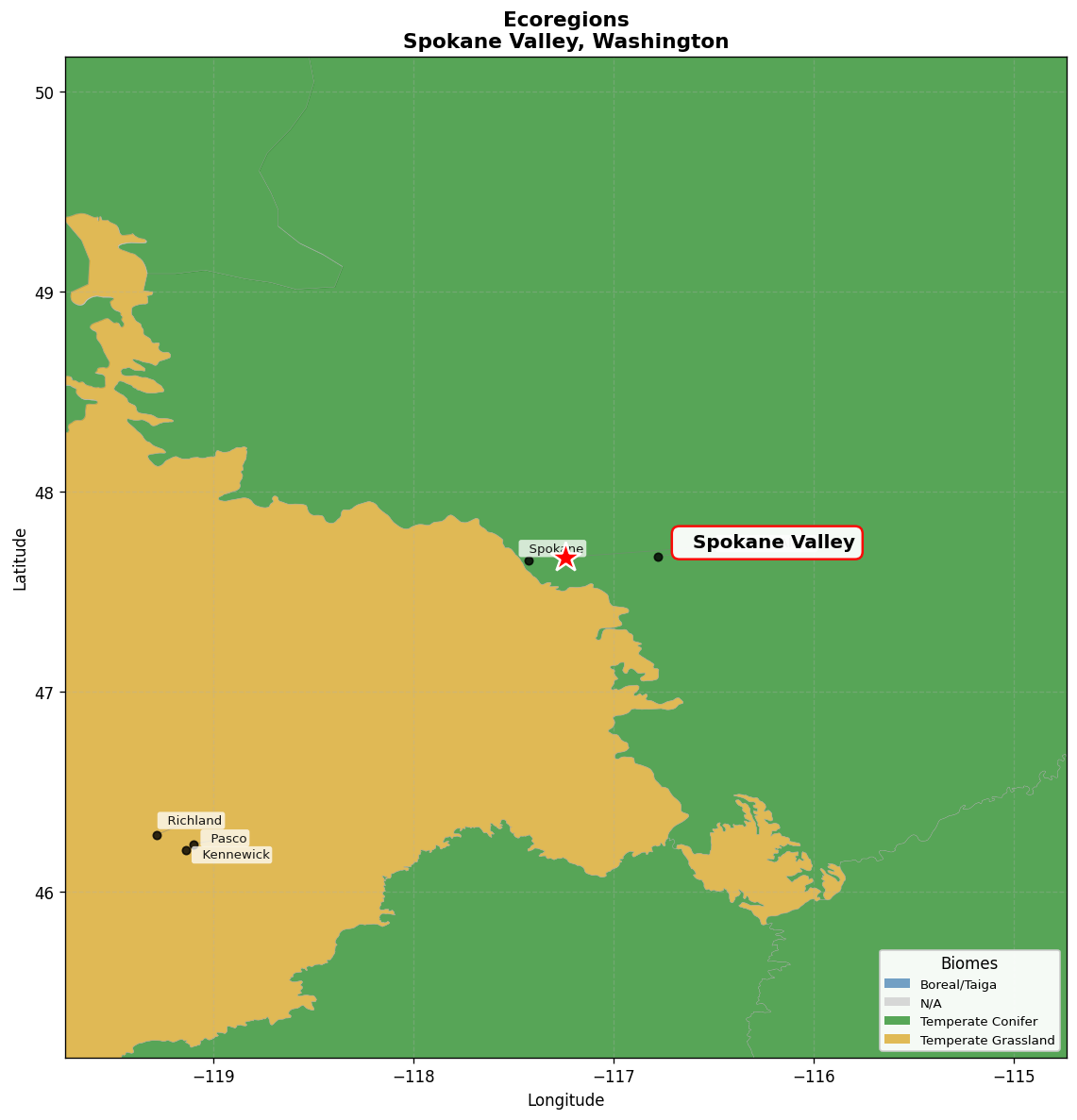
Northern Rockies conifer forests
Native ecoregionFrequently Asked Questions
How much does a modern landscape cost in Spokane Valley?
Collect at least three written bids, because prices vary a lot between installers.
Is a modern garden low maintenance in Spokane Valley's climate?
It is, with two chores. Karl Foerster feather reed grass, 'Northwind' switchgrass and 'Sapphire' blue oat grass need one cutback in March before new growth starts, and the gravel needs a leaf blower in October. NOAA normals show only 0.42 inch of rain in July, so new plants need weekly drip watering for the first summer, then much less. Mulch fabric under gravel keeps weeds down, but windblown seed still sprouts in the stone and needs pulling.
When is the best time to plant in Spokane Valley?
Late April through May and again from late August to early October. NOAA's normals put the median last spring frost near April 26 and the median first fall frost near October 12. Grasses planted in September root into warm soil and flower the following summer. Avoid planting in July and August without a drip line, since highs average 84.4°F with almost no rain.
Does Spokane Valley have rules about front-yard fences and walls?
Yes. The City of Spokane Valley fencing standards limit a sight-obstructing front-yard fence to 3 feet and an open fence such as chain link to 4 feet. Fences up to 7 feet go without a permit elsewhere on a residential lot, and 7–8 feet needs a permit and engineering. Contact the Spokane Valley Permit Center at 509-720-5240 before building a wall or screen, and ask about HOA rules, which are separate from city code.
What survives Spokane Valley's winters in a modern garden?
January lows average 24.7°F in NOAA's normals and Zone 7a plants must tolerate about -5°F. Calamagrostis × acutiflora 'Karl Foerster' is hardy to Zone 4, Helictotrichon sempervirens 'Sapphire' to Zone 4, and Yucca filamentosa 'Color Guard' to Zone 4. Agave and Stipa tenuissima are tender here; use them in containers or swap in Festuca glauca 'Elijah Blue' and Sesleria autumnalis.
Can a modern yard cut a summer water bill in Spokane Valley?
A planting of grasses and sedum on drip uses far less water than a lawn, which wants roughly an inch a week through July and August when the NOAA normals show under half an inch of rain per month. Spokane Valley homes are served by several water districts, so check with the district that bills your address for current watering rules and any turf-removal programs. No rebate is assumed in the cost ranges above.
Does gravel get too hot or messy in a modern Spokane Valley yard?
Light-colored crushed gravel stays cool enough against plants, while dark rock near the south wall of a house can scorch the base of tender plants in July. Edge every bed in steel so the gravel stays out of the lawn and walks, and keep a 3-inch depth over fabric. Snow shovels and plows scatter loose stone, so keep gravel at least a foot from driveways.