Modern Landscape Design Ideas for Bellevue, WA | Zone 8b
Native plants from the Puget lowland forests (Zone 8b) — Mediterranean (warm summer) climate
Why Modern/Minimalist Gardens in Bellevue?
Modern landscape design has a natural home in Bellevue, because the city has been rebuilding itself in that language for twenty years. The glass-and-steel towers downtown, the flat-roofed spec houses replacing 1950s ramblers across Clyde Hill and West Bellevue, and the Northwest Contemporary work in Somerset, Bridle Trails and Cougar Mountain all want a landscape of clean geometry rather than a mixed border — and the setting does half the job for free. A dark backdrop of Pseudotsuga menziesii and Thuja plicata behind a pale concrete terrace is a composition most cities have to build from scratch. Bellevue's mid-century stock earns the same treatment: the low rambler rooflines of Lake Hills, Woodridge and Newport Hills are exactly the horizontal lines that board-formed walls, wide-joint paver walks and mass planting are built to extend.
Zone 8b, with average winter lows of 15–20°F, and a Csb climate that stays green all year, is a huge advantage for a style that lives or dies on structure. Calamagrostis × acutiflora 'Karl Foerster' stands upright into January here, Miscanthus sinensis 'Morning Light' holds a sculptural silhouette through the wet months, and Buxus 'Green Velvet', Ilex crenata 'Sky Pencil' and Taxus × media 'Hicksii' keep clipped geometry legible twelve months a year with no winter dieback. Even the light works in the style's favor: Bellevue's flat overcast, roughly 226 cloudy days a year, kills the harsh shadows that make minimal planting look thin in a sunbelt city and instead reads every texture — the seed head of Pennisetum alopecuroides 'Hameln', the copper of Carex testacea, the blue of Helictotrichon sempervirens — with unusual clarity.
The two real constraints are water and what is underneath. Bellevue averages roughly 41 inches of rain a year, but almost none of it in July and August, which is only about 1.5 inches combined — so the gravel-and-succulent version of modern is not automatically the low-maintenance answer people expect. Agave ovatifolia, Yucca rostrata 'Sapphire Skies' and Sempervivum do survive an Eastside winter, but only on a raised gravel bed with sharp drainage; planted flat in native ground they rot by February. That native ground is Alderwood soil, a shallow gravelly sandy loam over cemented glacial till, with the hardpan typically 20 to 40 inches down. Water travels sideways along that layer, which is why so much Bellevue hardscape settles and cracks: any concrete slab, paver terrace or pool deck needs a properly compacted crushed-rock base and a real drainage plan, not just a screed over subgrade. Get the base right and modern hardscape here is close to permanent.
Two more Bellevue-specific details separate a modern design that ages well from one that looks tired in three years. The first is moss and algae: a smooth, sealed, shaded concrete surface will green over by its second winter, so specify a light broom or sandblast finish, keep planting pruned back for airflow, and plan on one low-pressure wash each spring. The second is the city's rulebook. Bellevue's clearing and grading code sets limits on how much soil may be moved and how much ground disturbed, critical-areas regulations govern work near steep slopes, streams and wetlands, retaining walls above a set height are reviewed, and tree regulations protect significant trees on many lots — so verify your parcel with Development Services before finalizing a design that involves cut and fill. Most modern Bellevue gardens end up better for that constraint anyway: a big Douglas fir kept as the one vertical element above a plane of Hakonechloa macra 'Aureola' and clipped hedge is more striking than anything you could plant to replace it.
4 Modern/Minimalist Design Ideas for Bellevue

The Clipped Form and Grass Entry
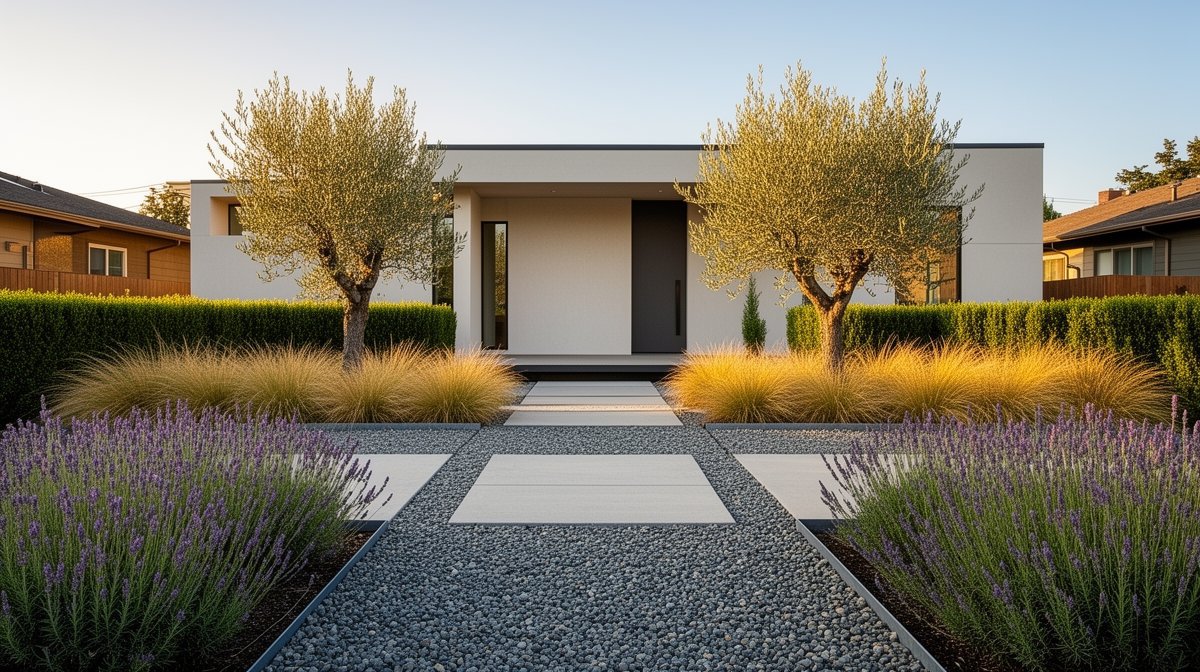
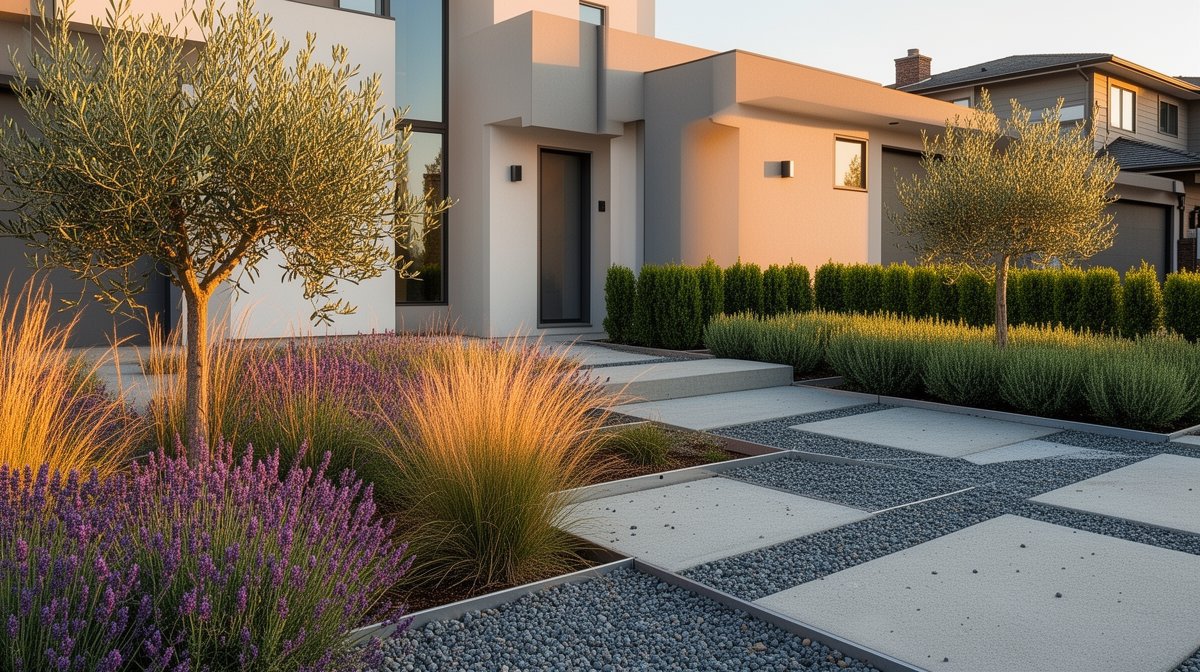
$22–40/sqftA two-story contemporary with tall glass panels, white stucco and warm interior light is approached on a wide, straight concrete walk with no step and no curve — the strongest move on the page, because it lets the planting do everything else. Spiral-clipped evergreen topiary stands in matched pairs against the facade, low clipped globes carry a rhythm along the foundation, and then the whole front plane dissolves into big soft drifts of feathery grasses interleaved with lavender in blocks, split by two clean panels of lawn. A single small-scale deciduous tree on the left provides the only canopy. The contrast between tight clipped geometry near the house and loose mass planting at the street is the entire design idea, and it holds up in Bellevue because everything in it is evergreen or structural through winter.

The Gravel Rock Garden Rambler
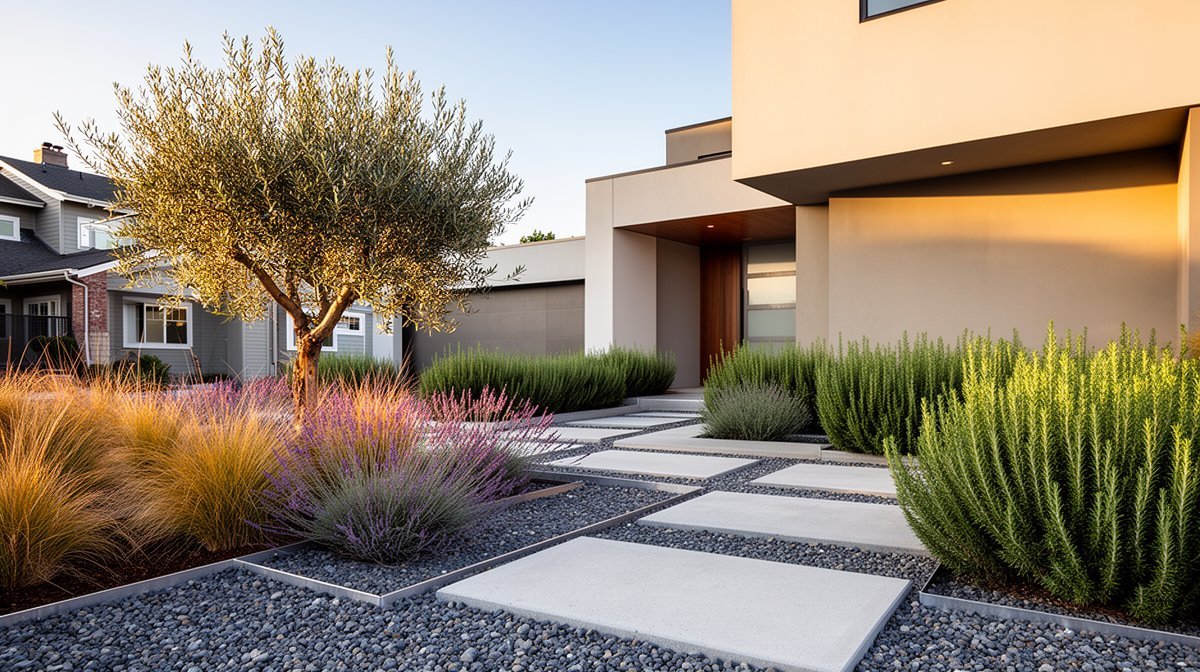
$16–30/sqftA mid-century rambler with a low hipped roof, dark timber cladding and a full glass wall loses its lawn completely. In its place a field of pale pea gravel is divided by crisp black steel edging into planes that step slightly, with a walk of large square concrete pavers running from the street to the entry stair. Individual rosette-forming plants, blue grass clumps and spiky forms are set out one at a time rather than in drifts, so each reads as an object on the gravel plane, and a boulder near the door anchors the composition. In Bellevue the critical detail is invisible: every one of those beds is raised and built on a free-draining gravel and pumice mix, because winter wet, not cold, is what would otherwise kill this planting.

The Fire Table Terrace
$30–55/sqftA large-format concrete terrace runs the width of a contemporary house with floor-to-ceiling sliding glass, and the layout is a single conversation: two sofas and four armchairs squared around a low round gas fire table. Café string lights are strung overhead from the roofline out to a mature shade tree, a tall clipped hedge closes the property line, and the lawn beyond is edged with soft grass planting that catches the low evening light. It is a simple, buildable design — one floor material, one focal element, one planting texture — and it is exactly what extends a Bellevue evening from a six-week season into a seven-month one, since the fire table covers the cool, dry-ish evenings of April, May, September and October.

The Glass House Pool Deck
$60–120/sqft (pool area inclusive)A flat-roofed glass-box house lights up at dusk over a rectangular pool set in a broad, pale concrete deck with almost nothing on it. The restraint is the design: a long linear gas fire table, a pair of low sofas, and board-formed concrete planters with continuous LED strip lighting washing the deck from beneath their lips, filled with upright grasses that catch the light. A dense clipped hedge rings the property, and the tall Douglas firs of the surrounding neighborhood do the rest of the work as a black silhouette against the evening sky. The lighting is the Bellevue-specific investment here — with sunset before 4:30pm in December, a pool garden lit to be looked at from indoors earns its cost in the months no one swims.
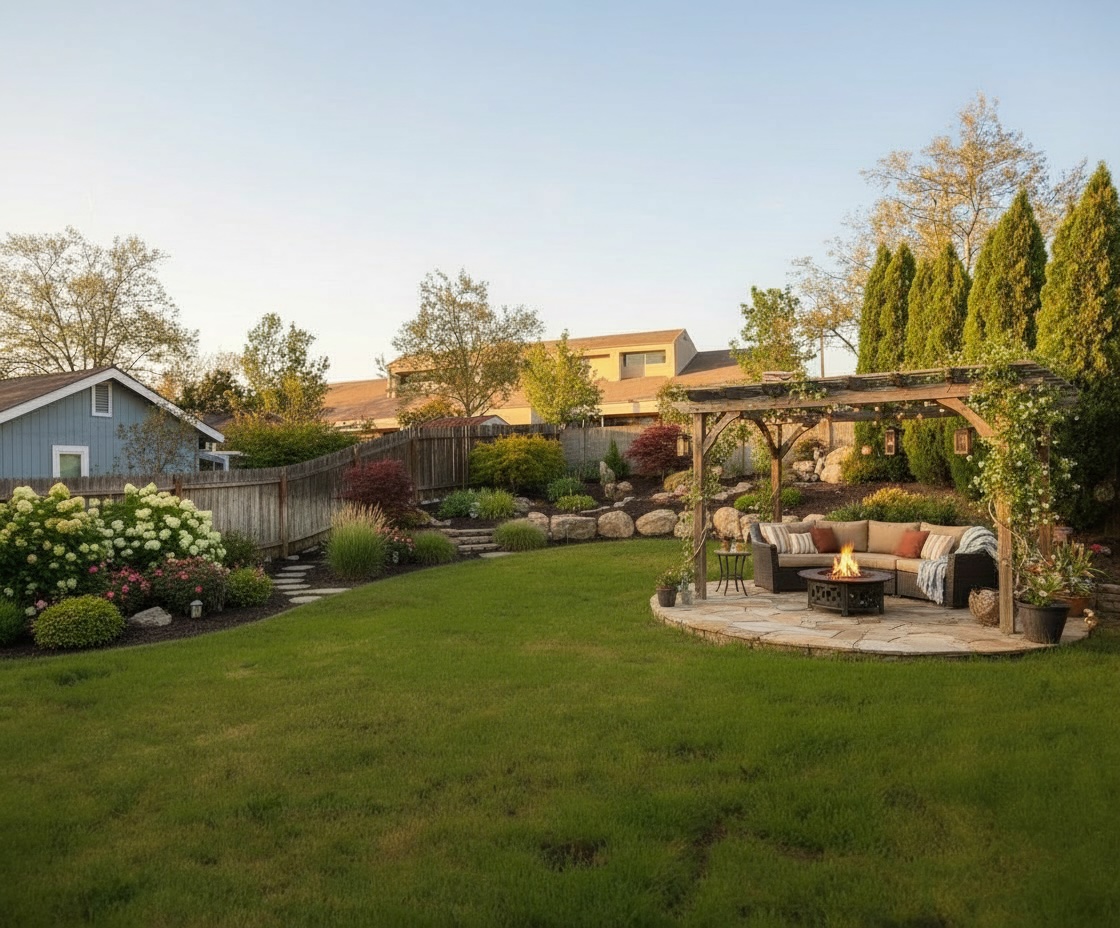
See how a modern/minimalist garden looks on YOUR property
Upload a photo of your Bellevue yard and visualize your dream garden in seconds.
Try ProScapeAI Free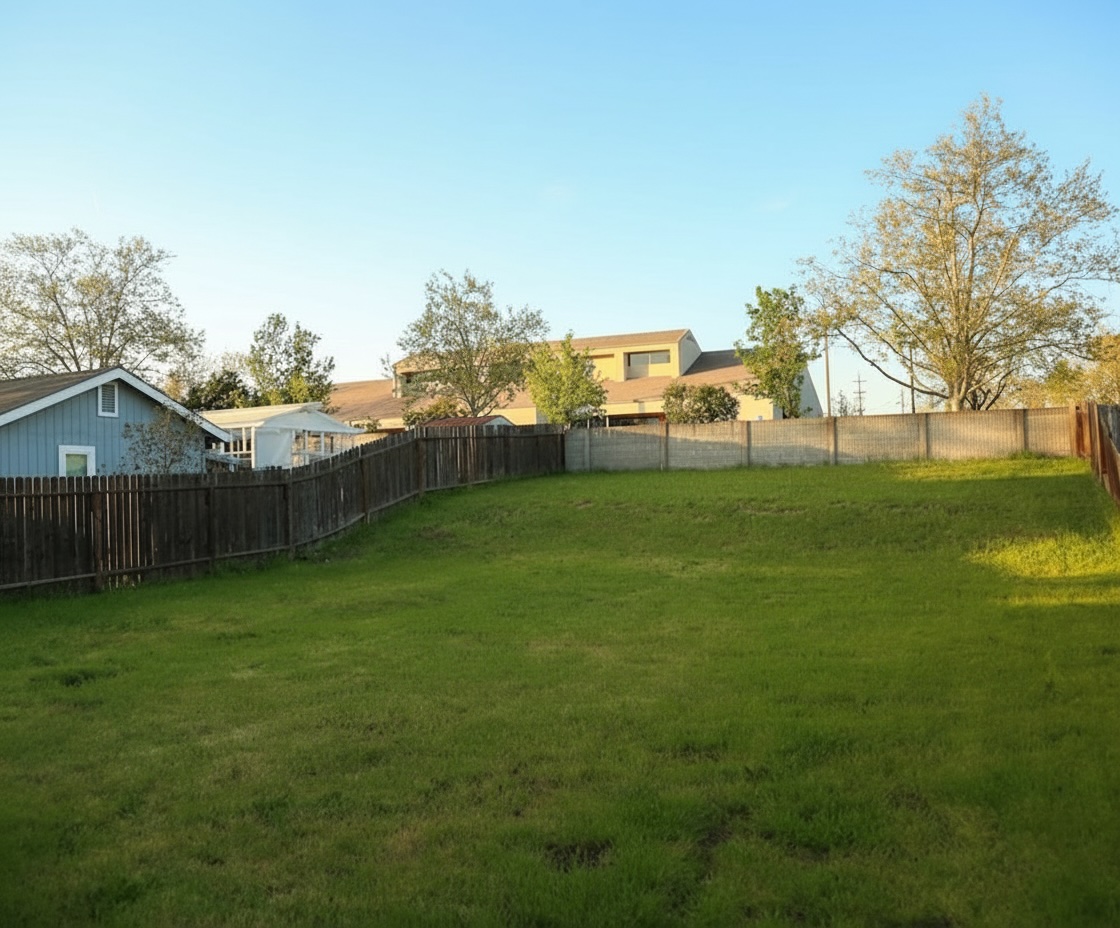
Featured Trees & Shrubs for Modern/Minimalist Gardens
Browse all 163 plants for Bellevue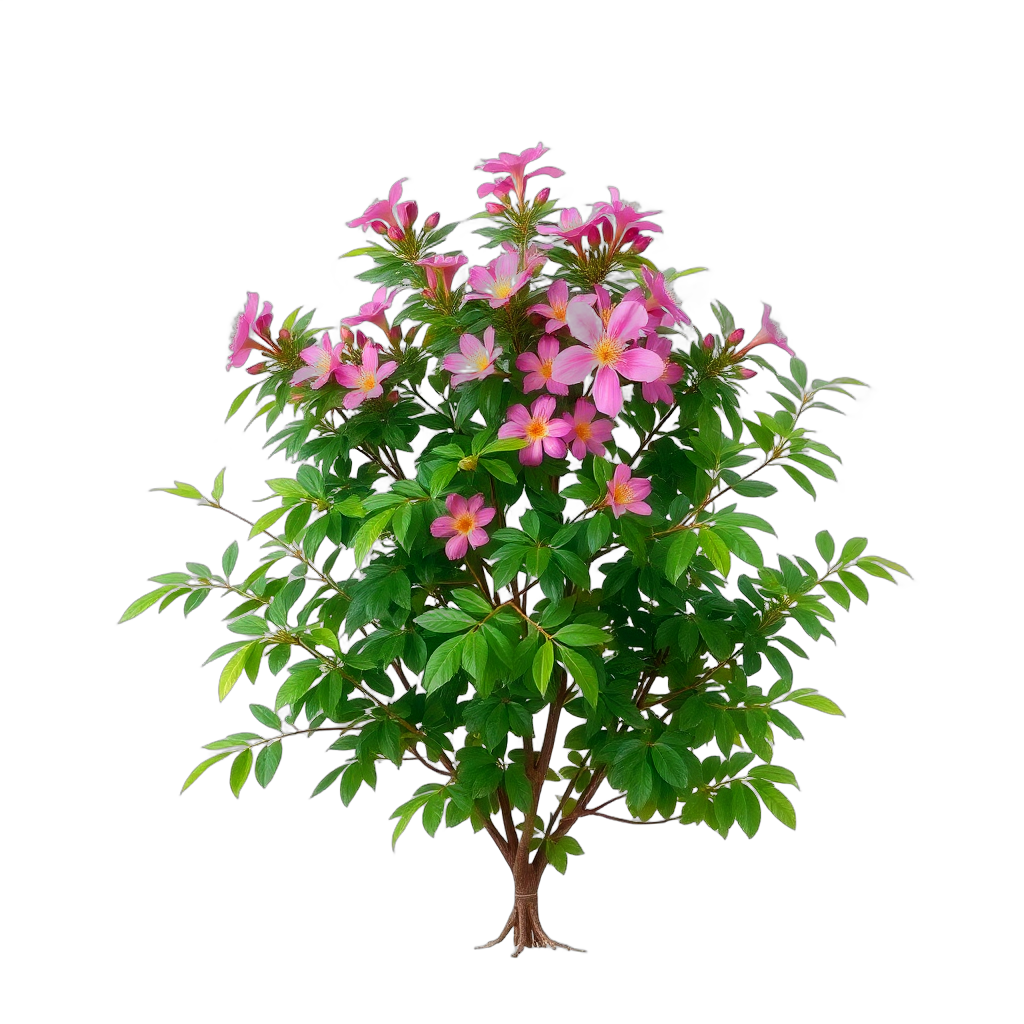
Nootka Rose
Rosa nutkana
grows to 5 feet, pink blooms in spring. Attracts butterflies.
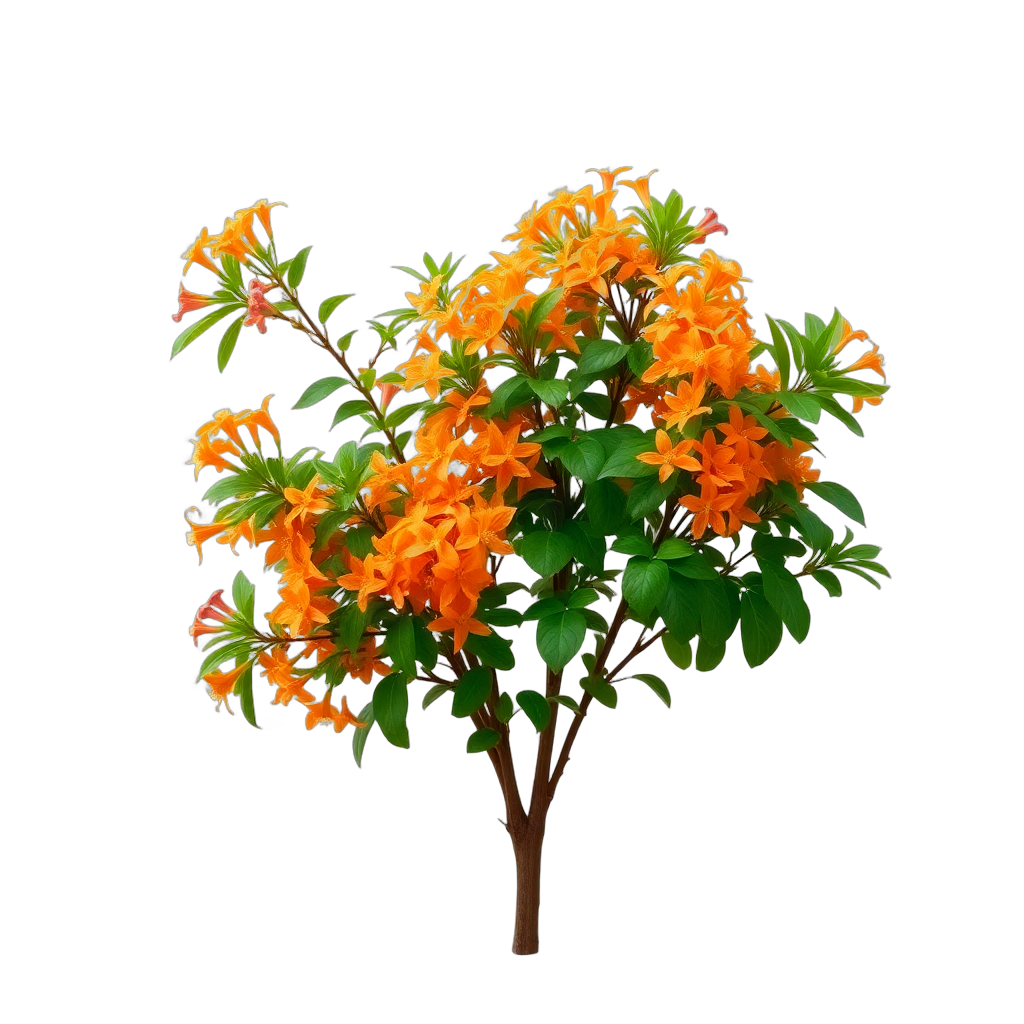
Orange Honeysuckle
Lonicera ciliosa
medium-sized at 15 feet, orange blooms in summer. Attracts hummingbirds.
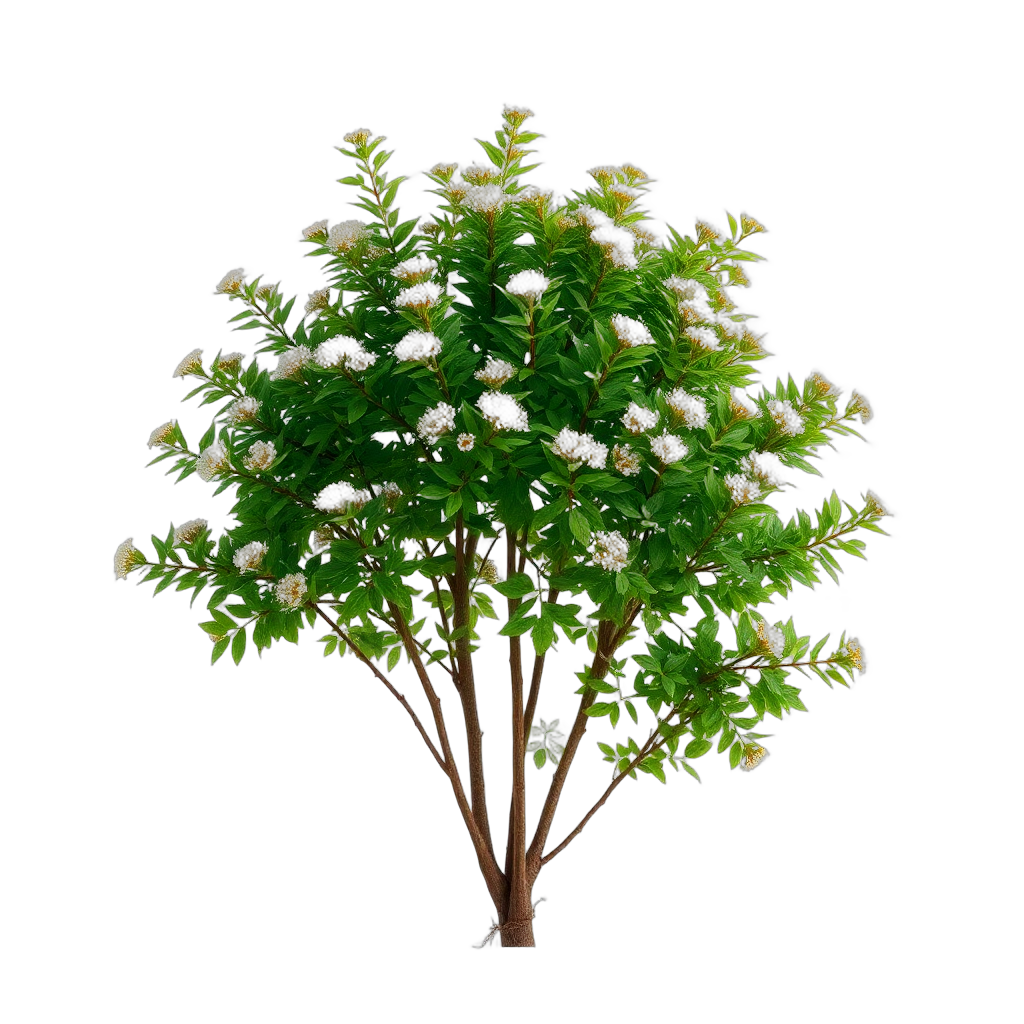
Pacific Ninebark
Physocarpus capitatus
medium-sized at 8 feet, white blooms in spring. Attracts butterflies.
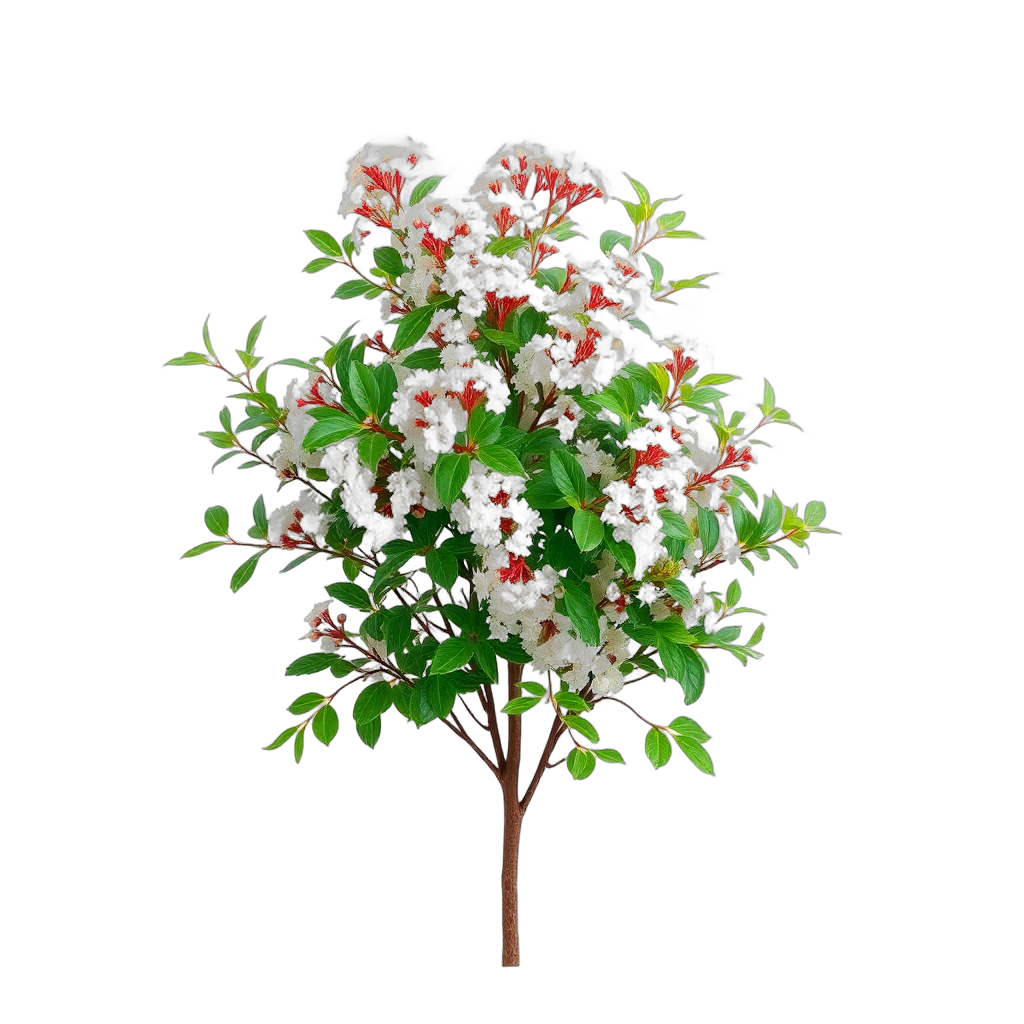
Snowberry
Symphoricarpos albus
grows to 4 feet, pink blooms in summer.
Featured Flowers & Perennials for Modern/Minimalist Gardens
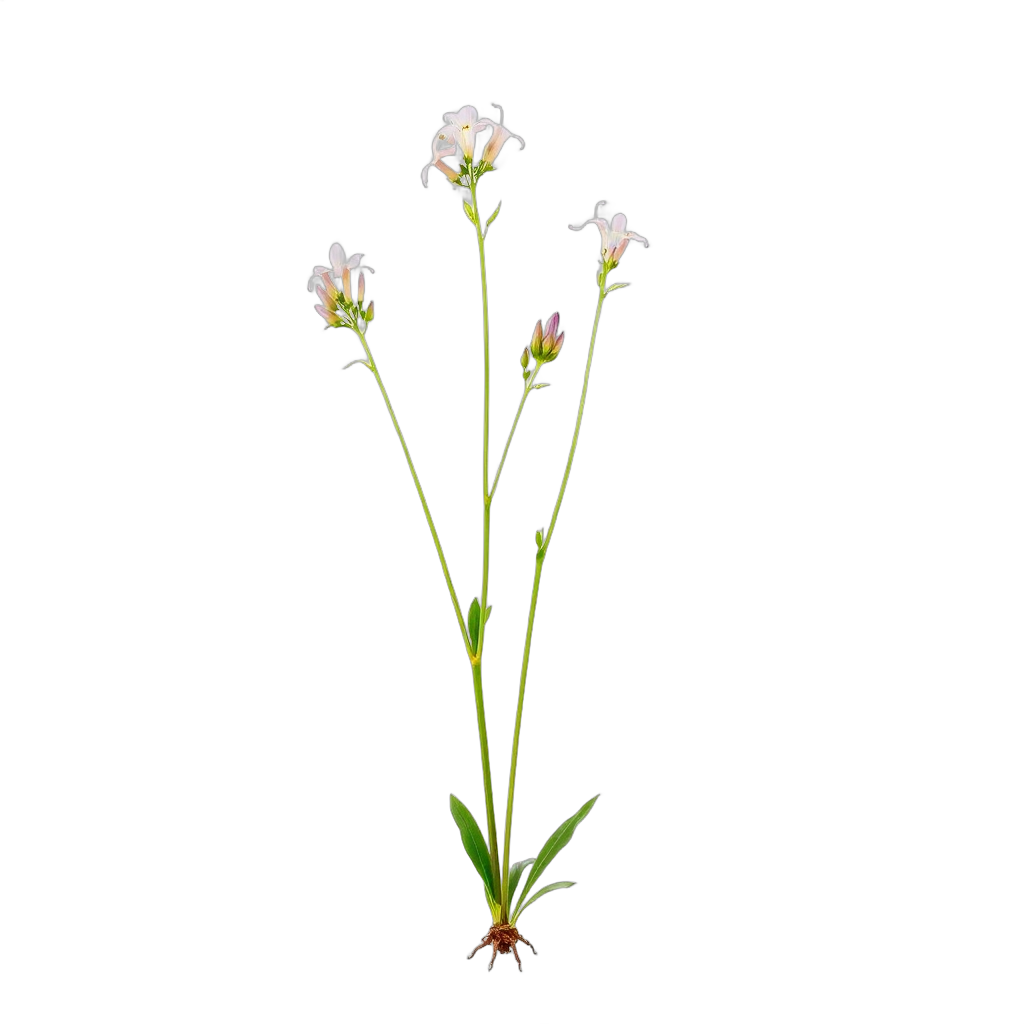
Common Camas
Camassia quamash
low-growing ground cover, blue blooms in spring. Pollinator-friendly.
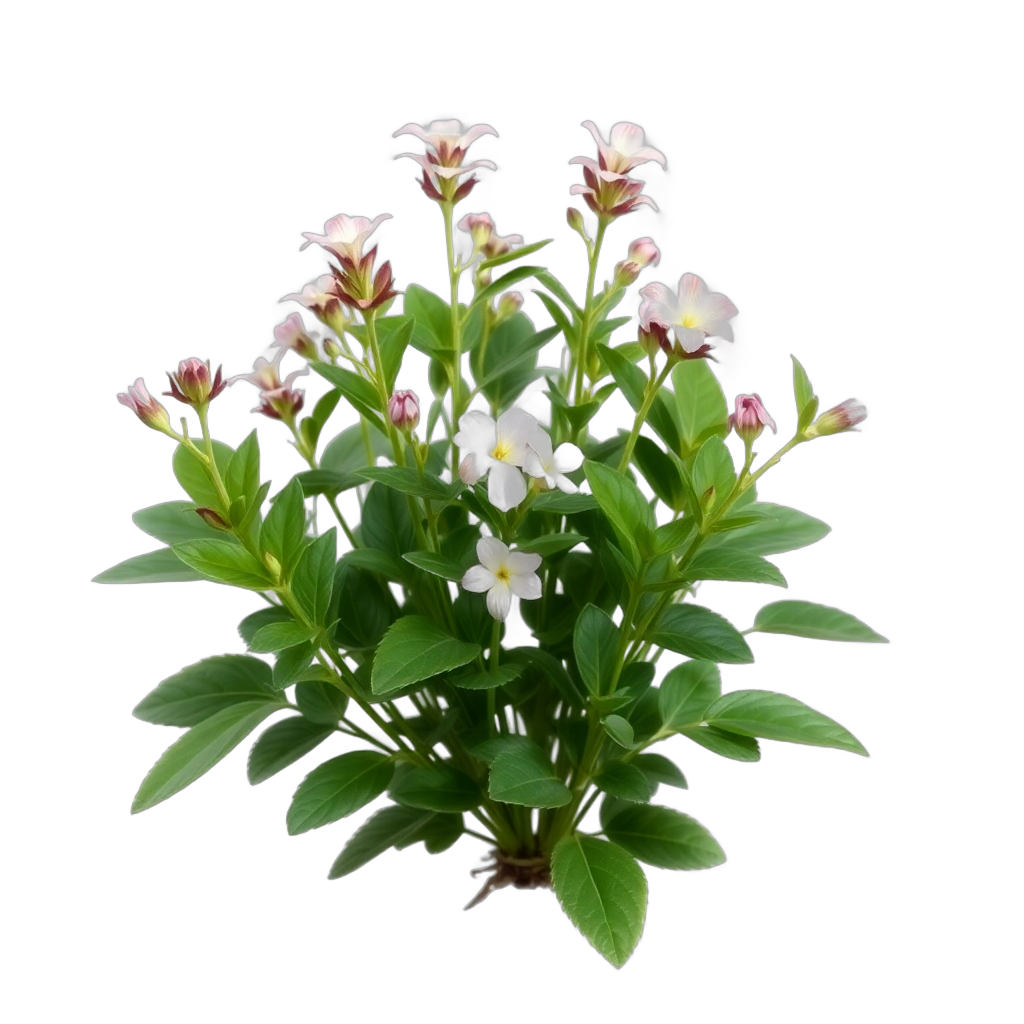
Inside-Out Flower
Vancouveria hexandra
low-growing ground cover, white blooms in spring.
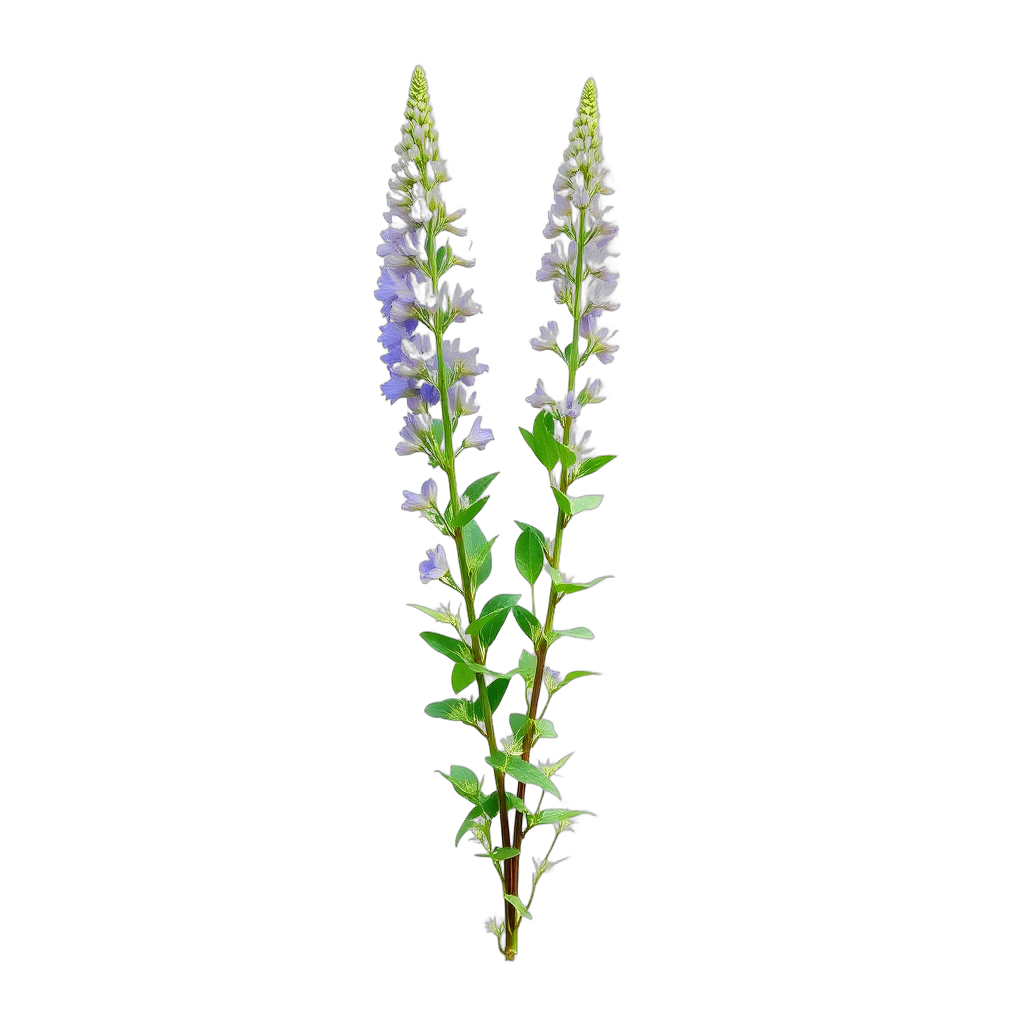
Large-Leaved Lupine
Lupinus polyphyllus
grows to 4 feet, multi blooms in spring. Attracts butterflies.
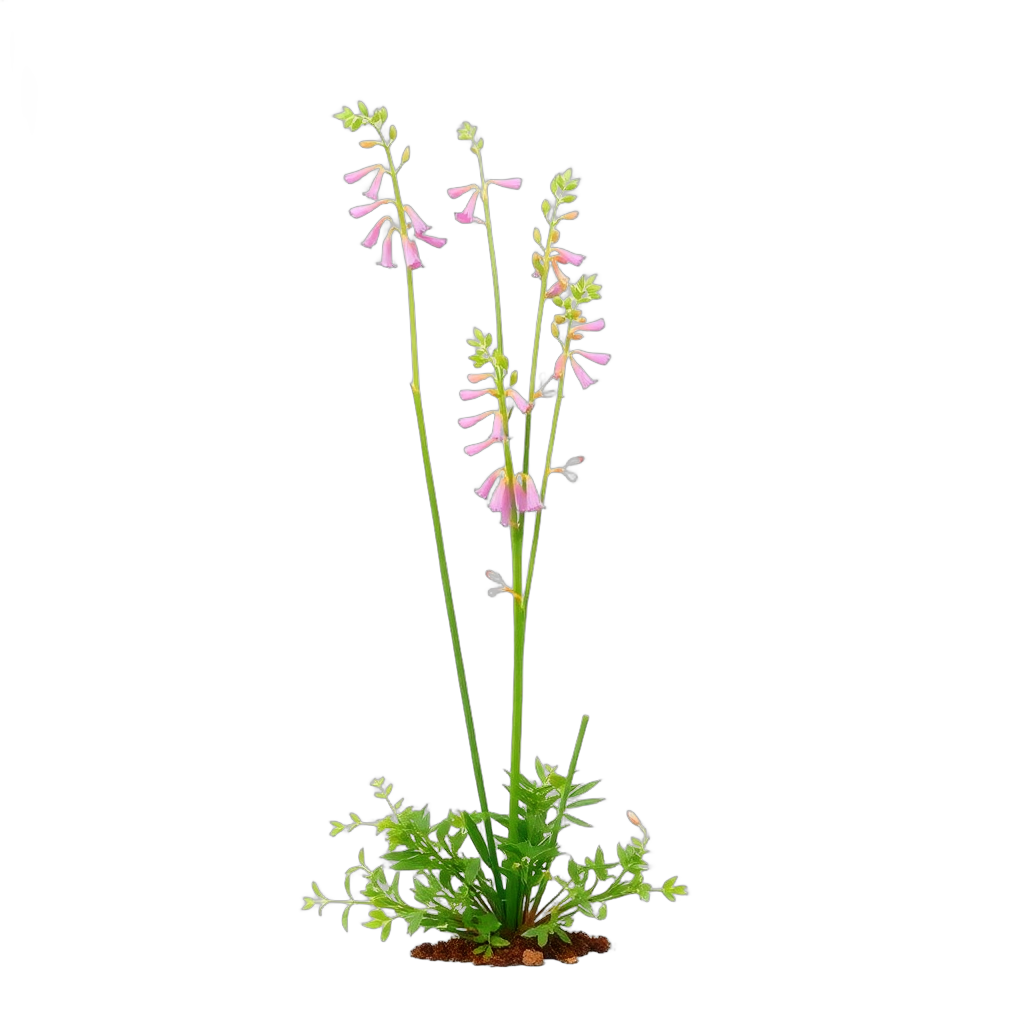
Scouler's Corydalis
Corydalis scouleri
grows to 3 feet, pink blooms in spring. Pollinator-friendly.
Zone and sun checks come from our database — confirm with your local nursery before you buy.
Bloom Calendar for Bellevue
spring
Common Camas, Inside-Out Flower, Large-Leaved Lupinesummer
Tiger Lily, Orange Honeysuckle, Snowberryfall
Limited bloomswinter
Limited bloomsDesign Tips for Bellevue (Zone 8b)
- Spend the money below the surface — six to ten inches of compacted crushed rock plus real perimeter drainage under every slab and paver field, because Alderwood glacial till sheds water sideways and is what cracks Eastside concrete within three winters
- Build gravel and rosette planting on mounds at least ten inches above grade in a 50/50 native-soil and pumice mix; Agave ovatifolia and Yucca rostrata 'Sapphire Skies' handle 17°F in Bellevue easily but not a wet crown in February
- Choose a light broom or sandblast finish over polished or sealed concrete: a smooth shaded slab greens over by its second Bellevue winter, and a textured one only needs a low-pressure wash each March
- Lean the planting on species that keep structure in the rain — Calamagrostis × acutiflora 'Karl Foerster', Miscanthus sinensis 'Morning Light', Buxus 'Green Velvet' and Ilex crenata 'Sky Pencil' all read as designed form from November to March, which is when you actually look at the garden
- Budget lighting as a primary line item, not a finishing touch; with sunset before 4:30pm in December, uplit hedges, grazed hedge lines and lit planters are what a Bellevue modern garden is for two thirds of the year
- Keep the big conifers and design around them — a retained Pseudotsuga menziesii or Thuja plicata above a plane of Hakonechloa macra 'Aureola' and clipped hedge gives a scale and a dark backdrop no new planting can buy
- Drip-irrigate even the low-water schemes for their first two summers: 41 inches of annual rain hides the fact that July and August deliver only about 1.5 inches, and unestablished mass planting is the most common Eastside failure
Where to Source Plants in Bellevue
Skip the big-box stores. These independent Bellevue nurseries specialize in the plants that make modern/minimalist gardens thrive in Zone 8b.
Bellevue Nursery
Downtown Bellevue / 104th Ave SE
Independent garden center since 1955, strong on urban-scale trees, shrubs and seasonal color for small Eastside lots
Wells Medina Nursery
Medina (five minutes west of downtown Bellevue)
Five acres of family-run stock since 1971 — the Eastside source for unusual conifers, Japanese maples, roses, rhododendrons and hard-to-find border plants
Squak Mt. Nursery & Greenhouses
Issaquah (15 minutes east on I-90)
Home-grown annuals, hanging baskets, grasses, natives and a large plant-finder inventory; serves Bellevue and the Issaquah plateau
Newcastle Fruit & Produce Co.
Newcastle (south Bellevue / Factoria side)
Combined produce market and nursery known for Japanese maples, camellias, rhododendrons, hydrangeas, fruit trees and a searchable plant database
Modern/Minimalist Landscaping Costs in Bellevue
| Project Scope | Estimated Cost |
|---|---|
| Front yard modern conversion (turf removal, gravel or concrete, clipped forms, mass planting) | $20,000 – $42,000 |
| Poured concrete terrace with compacted base and drainage (400–600 sqft) | $16,000 – $38,000 |
| Back garden with terrace, gas fire table, hedging and lighting | $45,000 – $110,000 |
| Board-formed concrete planters with integrated LED lighting | $1,800 – $5,500 each |
| Pool with concrete deck and surrounding landscape | $130,000 – $320,000 |
| Low-voltage landscape lighting scheme for a typical Bellevue lot | $5,000 – $15,000 |
| AI visualization with ProScapeAI | Free to start |
Estimates based on Bellevue, WA-area contractor rates as of 2026. Actual costs vary by site conditions, materials, and contractor.
Bellevue Climate & Growing Zone
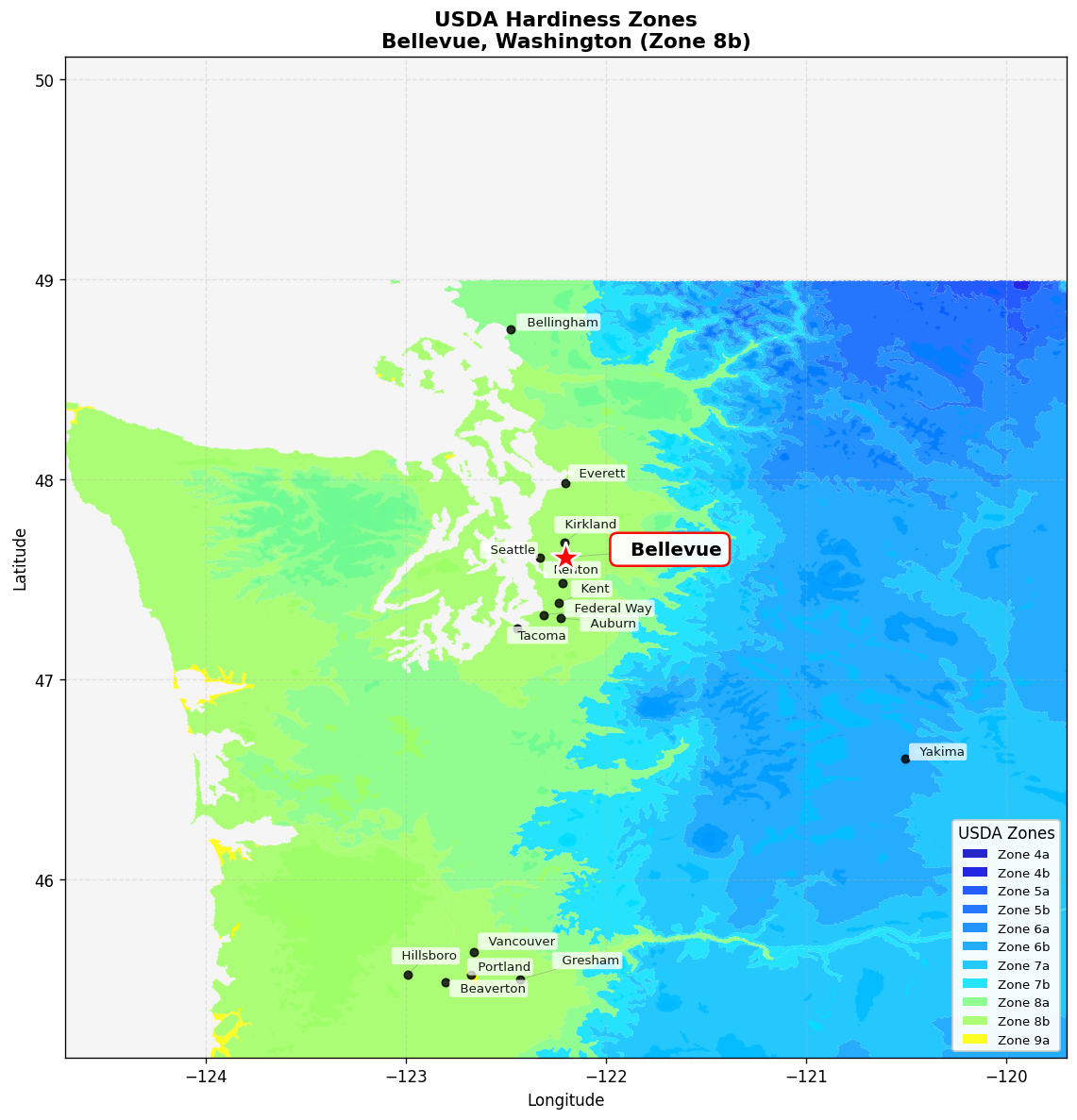
USDA Zone 8b
Hardiness zone for Bellevue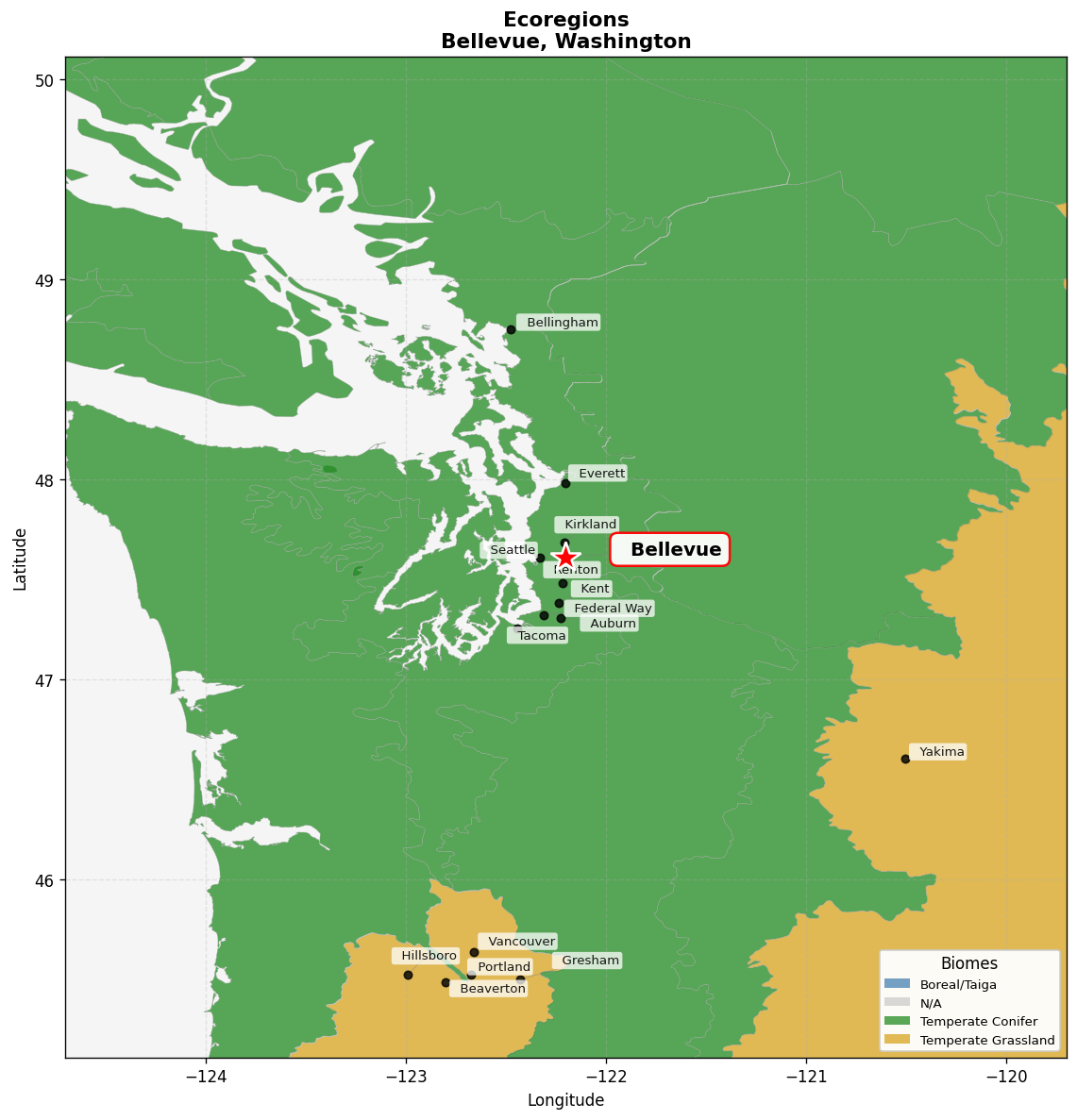
Puget lowland forests
Native ecoregionFrequently Asked Questions
What does modern landscaping cost in Bellevue?
Bellevue is among the most expensive residential landscape markets in the United States, so plan above national averages. A front-yard modern conversion of about 600 sqft — turf removal, gravel or concrete, steel edging, clipped forms and mass grass planting — typically runs $20,000 to $42,000 installed. A poured concrete back terrace of 400 to 600 sqft with a gas fire table lands between $30,000 and $70,000. A full backyard with terrace, lighting, hedging and irrigation commonly reaches $90,000 to $200,000, and a pool with a concrete deck in Bellevue generally starts around $130,000 and goes well past $300,000. A stand-alone design plan is $2,500 to $8,000.
Can I grow agaves and other desert plants in Bellevue?
Yes, and the reason people fail is drainage rather than temperature. Zone 8b lows of 15–20°F are within range for Agave ovatifolia, Agave parryi var. truncata, Yucca rostrata 'Sapphire Skies', Hesperaloe parviflora and most Sempervivum. What they cannot survive is 41 inches of rain sitting around the crown on Alderwood glacial till. Build mounded beds at least ten inches above grade from a 50/50 mix of native soil and crushed pumice or lava rock, top with 3/8-inch gravel rather than bark, and angle the planting crown slightly so water runs off. Done that way an agave here will outlive the fence.
Why does concrete crack and settle so often on Eastside lots?
Because Alderwood soil is a shallow gravelly loam sitting on cemented glacial till, and water moves sideways along that hardpan rather than draining through it. A slab poured on unprepared subgrade will heave and settle within a few winters. Excavate six to ten inches, compact a crushed-rock base in lifts, and add perimeter drainage that leads somewhere real — a dry well or an approved outfall on your own property. Saw-cut or tool the control joints on a proper grid so the inevitable movement happens on a line you chose. That base work is 20 to 30 percent of a Bellevue hardscape budget and it is the part nobody should value-engineer away.
How do I stop moss and algae taking over concrete and pavers?
Design for airflow and light first. A smooth, sealed, shaded slab will green over by its second Eastside winter. Specify a light broom, sandblast or shot-blast finish so the surface has tooth; keep hedges and grasses pruned back a foot from the edge; and avoid film-forming sealers on shaded surfaces. Then plan for one low-pressure wash in March each year, preferably plain water or an oxygen bleach product rather than anything that will run into the storm system. Gravel and open-jointed pavers never develop the problem at all, which is one reason they suit Bellevue better than a monolithic polished slab.
Which grasses keep their shape through a Bellevue winter?
Calamagrostis × acutiflora 'Karl Foerster' is the most reliable upright here — it stands through wind and rain into January where softer species flatten in the first November storm. Miscanthus sinensis 'Morning Light' and 'Gracillimus' hold a good silhouette, Pennisetum alopecuroides 'Hameln' gives the soft seed heads with less winter collapse than larger fountain types, and Carex testacea and Helictotrichon sempervirens are evergreen so they carry color right through. Cut the deciduous grasses back once in late February, just before new growth breaks, and leave them standing all winter — the seed heads are half of what makes a modern Bellevue garden worth looking at in the rain.
When should modern landscape work be installed in Bellevue?
Split it by trade. Planting is best in October and early November, when warm soil and returning rain let roots establish through winter, with late February to April as the second window. Hardscape is different: concrete pours and paver work go far more smoothly from June through September, when the base can be compacted dry and cure conditions are predictable, and most Bellevue contractors are booked solid for exactly that reason. The usual sequence is to book hardscape for summer and plant behind it in October. Winter hardscape is possible here since the ground rarely freezes, but expect mud, short daylight and higher pricing.
Do Bellevue's rules affect a modern design with walls and grading?
They can, more than for a planting-only project. Bellevue administers a clearing and grading code with thresholds on the volume of soil moved and area disturbed, critical-areas regulations covering steep slopes, streams and wetlands, review of retaining walls above a set height, and tree regulations protecting significant trees on many lots. Modern designs lean on cut and fill, terracing and walls, so this matters. It also affects the plan you should want: keeping a mature Douglas fir or western redcedar as the single vertical element above a clean groundplane usually improves the design. Confirm what applies to your address with City of Bellevue Development Services early, before drawings are finalized.