4 Modern Landscape Ideas for Yakima, WA | Zone 7a, 8 Inches of Rain
Native plants from the Palouse prairie (Zone 7a) — Cold semi-arid climate
For a modern garden in Yakima, WA, a zone 7a city with a cold semi-arid climate, start with Calamagrostis × acutiflora 'Karl Foerster', Festuca glauca 'Elijah Blue' and Sedum 'Autumn Joy', the plants this guide's first design is built on.
Why Modern/Minimalist Gardens in Yakima?
Yakima has the right houses for a modern landscape. The 1950s and 1960s ramblers and split-levels of Yakima's older neighborhoods and West Valley, and the newer stucco and fiber-cement homes around Summitview and Terrace Heights, share low rooflines, wide frontages and big picture windows that look best against a few bold shapes rather than a busy bed. Strong lines, one gravel or concrete surface, and masses of three or four plants suit that architecture, and the sun does the rest: this valley gets long, bright days that make grasses and silver foliage glow at 6 p.m.
NOAA's 1991–2020 normals for Yakima Air Terminal show 8.01 inches of precipitation a year, a July average high of 89.9°F, about 40 days a year at 90°F or above, and a January average low of 24.0°F. Roughly seven nights a year drop to 10°F or below. The median last 32°F night is May 8 and the median first is October 4, a frost-free window near 149 days, so set tender plants out after mid-May. July averages only 0.20 inch of rain, which means every plant on this page lives on drip irrigation. Hydrangea macrophylla, rhododendrons and Japanese maples that anchor a modern bed on the wet side of the Cascades scorch or yellow here. Swap them for Calamagrostis × acutiflora 'Karl Foerster', Panicum virgatum 'Northwind', Juniperus horizontalis 'Blue Chip' and Spiraea japonica 'Magic Carpet'.
Soil needs a test before you spend on plants. Eastern Washington soils are commonly neutral to alkaline according to WSU Extension guidance, and silty valley ground drains slowly and stays wet longer in spring. High pH locks up iron, which is why red maples such as Acer × freemanii 'Autumn Blaze' go chlorotic. Choose trees that shrug off alkaline ground instead: Ginkgo biloba 'Princeton Sentry', Gleditsia triacanthos var. inermis 'Shademaster' and Quercus macrocarpa.
Call 811 before you dig, check with the City of Yakima before building a fence, retaining wall or anything over a few feet high, and if your lot draws irrigation water from a ditch or district, ask the supplier about delivery season and pressure before you size drip zones. Gravel mulch and steel edging also keep winter-wet silt off the foot of a wall, which holds up better than bark through a freeze-thaw season of 20 inches of snow.
4 Modern/Minimalist Design Ideas for Yakima
AI-generated image
The Gravel Grid Front Court
$16–32/sqftA 1960s rambler gets its lawn replaced by a grid of 4-by-4-foot concrete pavers set in decomposed granite, with a drift of grasses in the voids and a single multi-stem tree off the picture window. Low steel edging keeps the gravel crisp where it meets the walk. In July the afternoon sun comes in from the west and lights the grass plumes; the pavers stay cooler than a dark asphalt drive.
Try this on your yard: The Gravel Grid Front CourtAI-generated image
The Charcoal Fence Screen Garden
$20–38/sqftA horizontal cedar fence stained charcoal runs behind a long, narrow border on the side of a newer Summitview two-story. In front of it, rows of ornamental grass and flat-topped perennials step down toward a poured concrete path. Morning sun reaches the east end first; the west end bakes, so the toughest plants sit there.
Try this on your yard: The Charcoal Fence Screen GardenAI-generated image
The Cantilever Patio and Fire Table
$28–55/sqftA backyard in West Valley loses its patchy lawn for a 20-by-24-foot concrete patio with a linear gas fire table, a slatted cedar shade structure on the west side, and raised steel planters of grass. A single honey locust gives dappled shade in the afternoon. Evenings cool fast in the high desert, so the fire table earns its place from September through May.
Try this on your yard: The Cantilever Patio and Fire TableAI-generated image
The Evergreen Wall and Water Basin
$24–46/sqftA tight, clipped hedge of upright evergreens screens a side street at a corner lot, and a shallow black stone basin with a single spout sits at the center of a gravel court. The hedge gives winter color when Yakima's long January grays arrive, and the water adds sound against traffic. Everything is evergreen so the picture holds from November to March.
Try this on your yard: The Evergreen Wall and Water BasinSee how a modern/minimalist garden looks on YOUR property
Upload a photo of your Yakima yard and visualize your dream garden in seconds.
Try ProScapeAI Free

AI-generated image
Featured Trees & Shrubs for Modern/Minimalist Gardens
Browse all 153 plants for Yakima
Cabbage Palm
Sabal palmetto
reaches 40 feet tall, white,yellow blooms in spring. Pollinator-friendly.

Windmill Palm
Trachycarpus fortunei
reaches 20 feet tall, yellow blooms in spring. Pollinator-friendly.
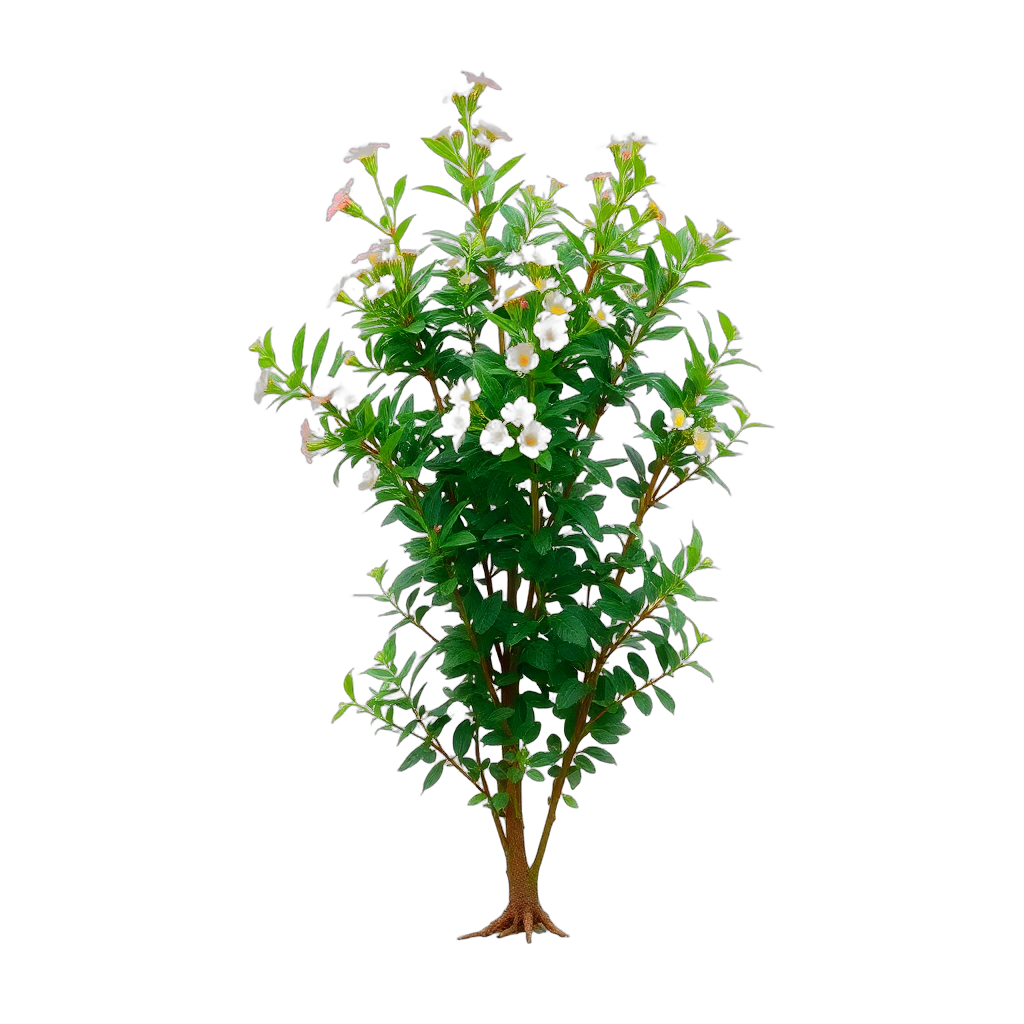
Abbotswood Potentilla
Potentilla fruticosa 'Abbotswood'
low-growing ground cover, white blooms in summer. Attracts butterflies.
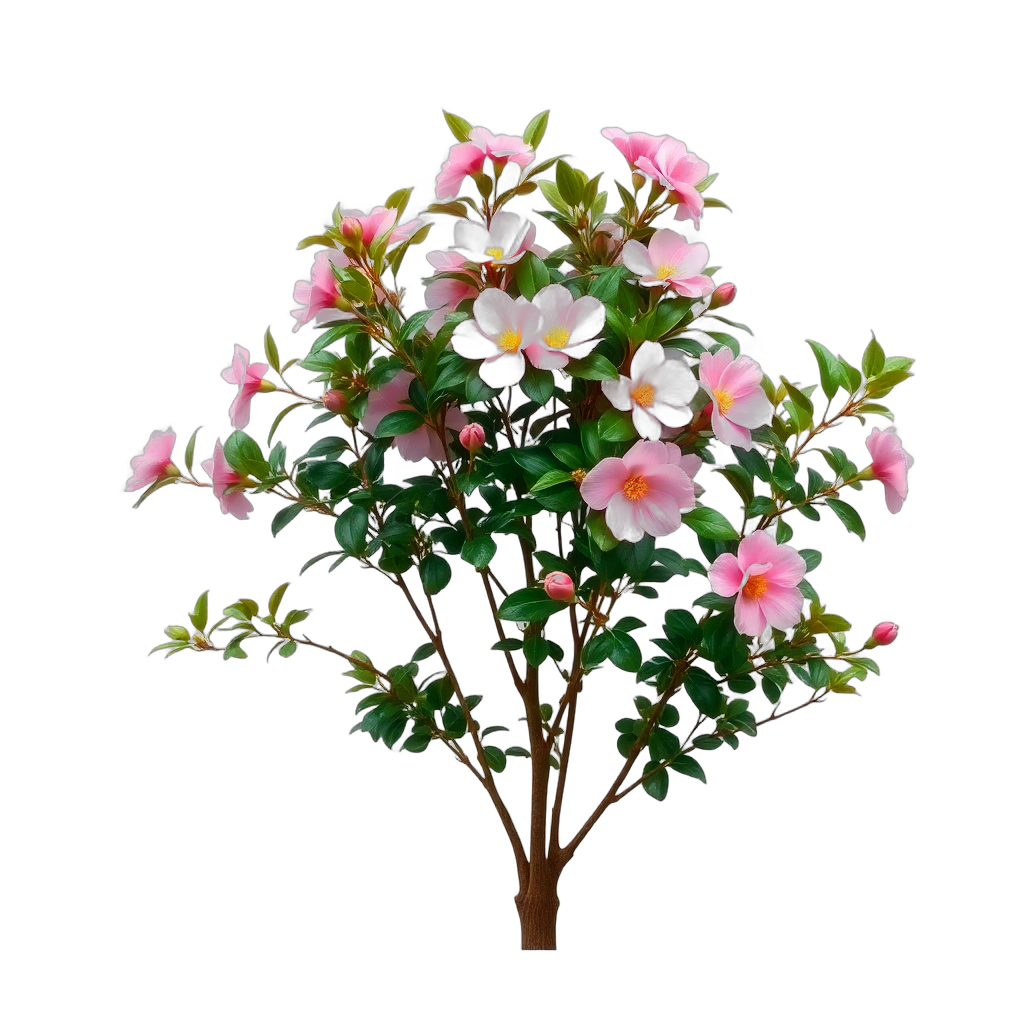
Adolphe Audusson Camellia
Camellia japonica 'Adolphe Audusson'
medium-sized at 12 feet, red blooms in winter. Evergreen year-round.
Featured Grasses & Groundcovers for Modern/Minimalist Gardens
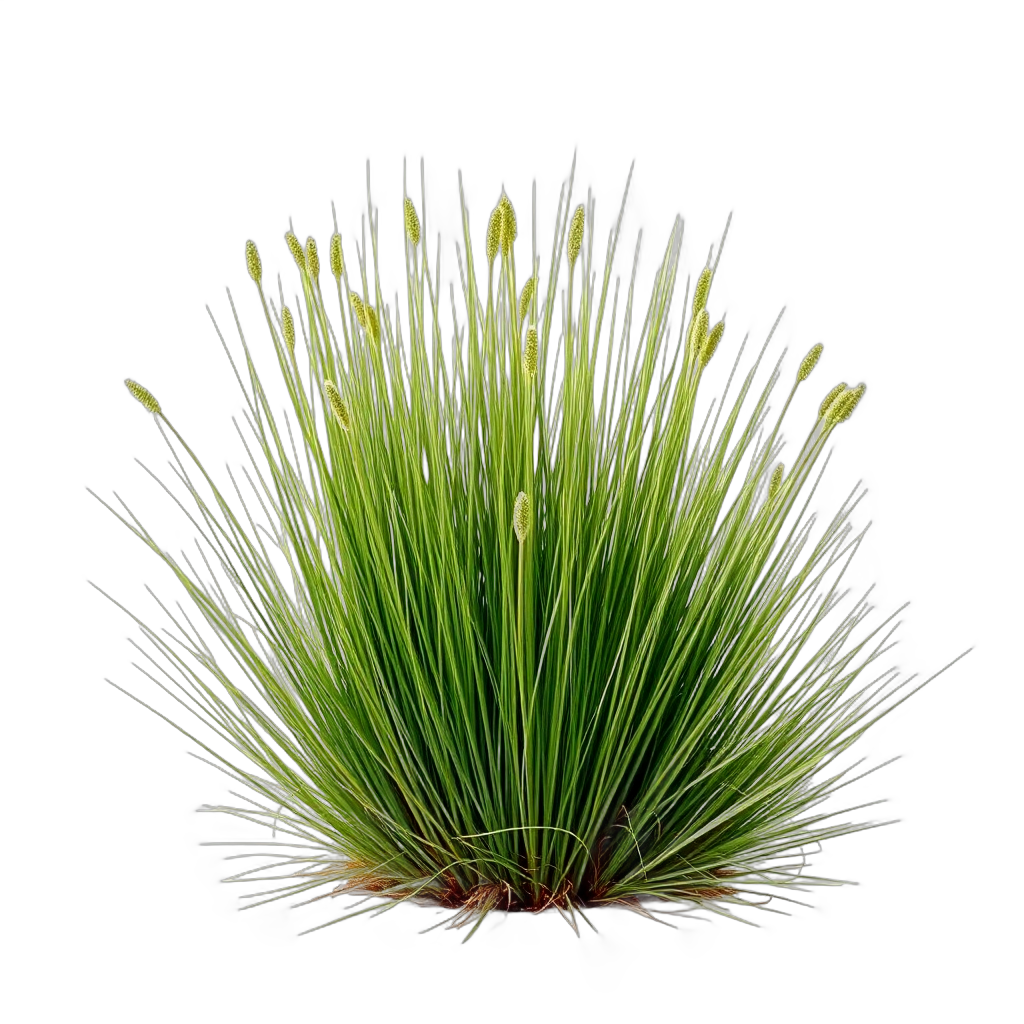
Idaho Fescue
Festuca idahoensis
low-growing ground cover, blooms in summer.
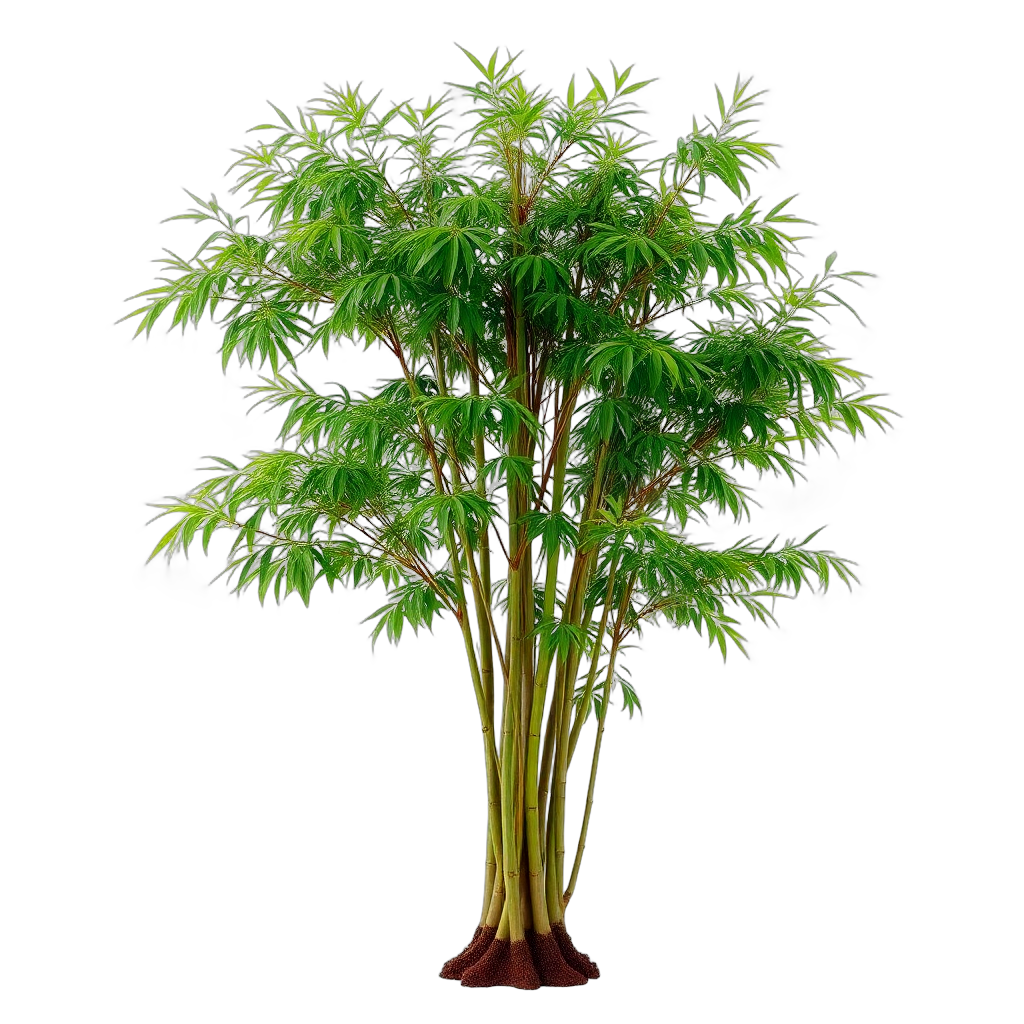
Arrow Bamboo
Pseudosasa japonica
medium-sized at 15 feet, blooms in none. Evergreen year-round.
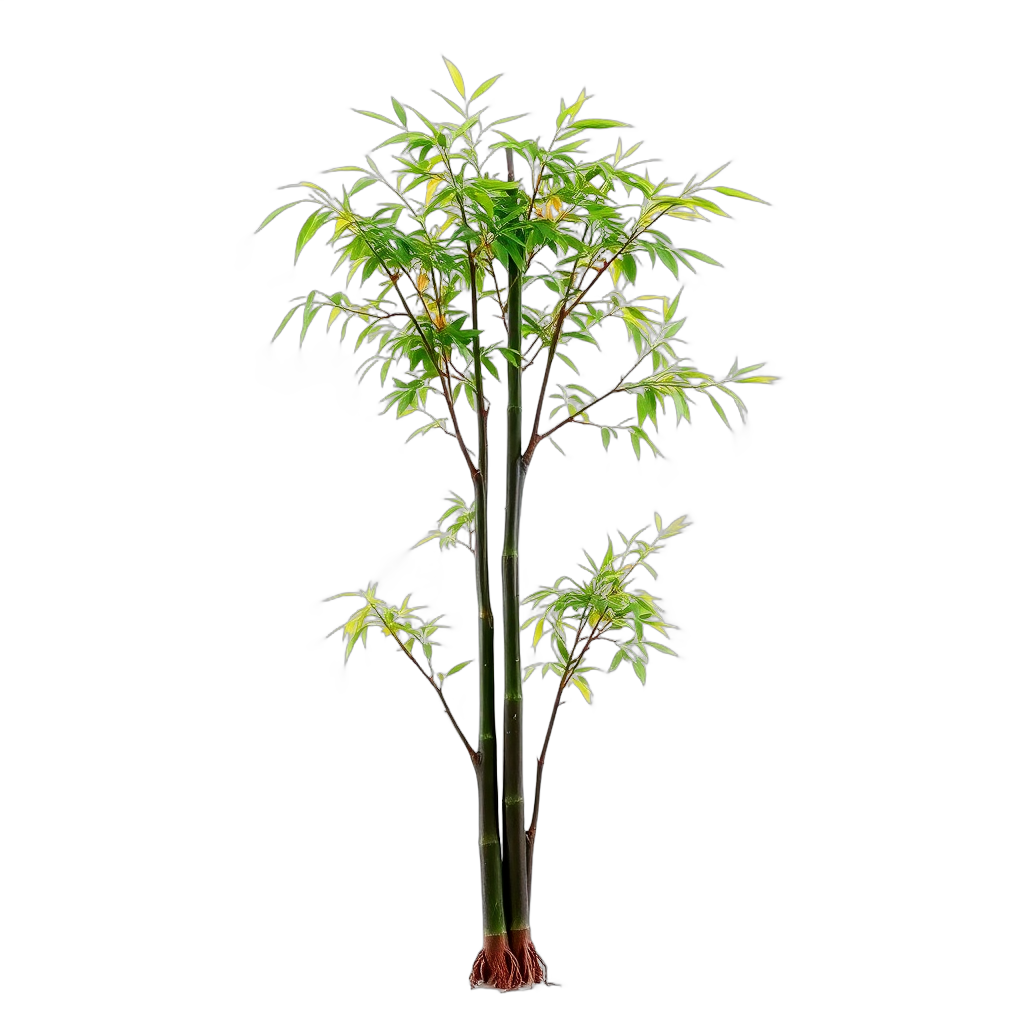
Black Bamboo
Phyllostachys nigra
reaches 25 feet tall, blooms in none. Evergreen year-round.
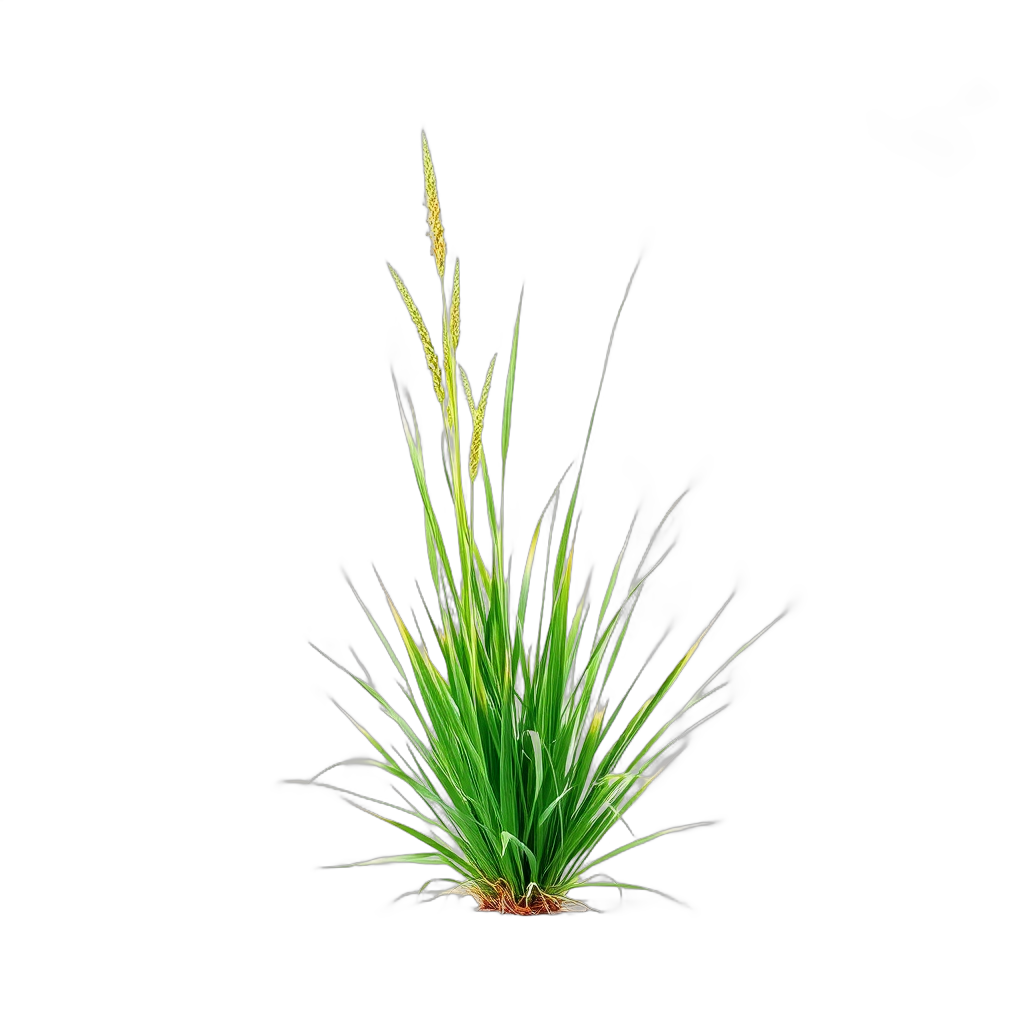
Bull Grass
Muhlenbergia emersleyi
grows to 4 feet, purple blooms in fall. Yellow fall color.
Featured Flowers & Perennials for Modern/Minimalist Gardens
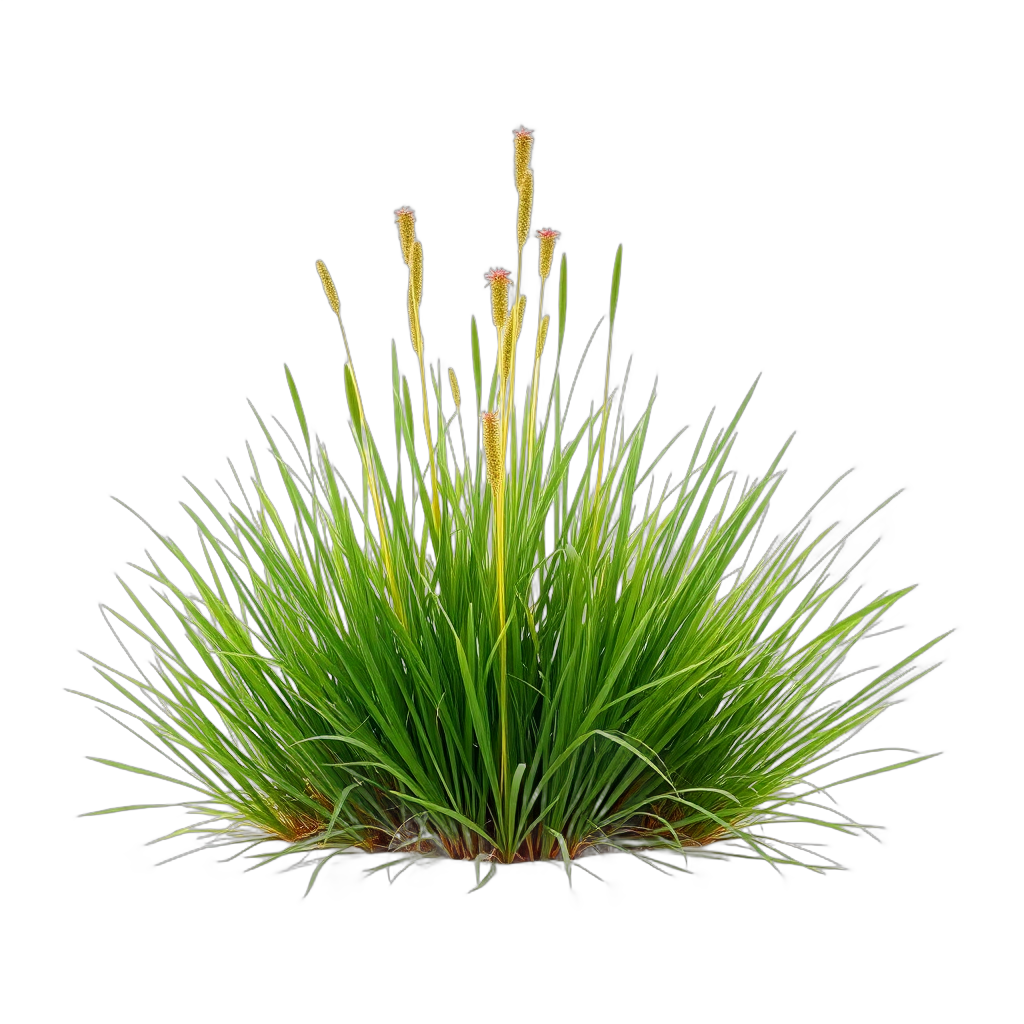
Clustered Field Sedge
Carex praegracilis
low-growing ground cover, blooms in spring.
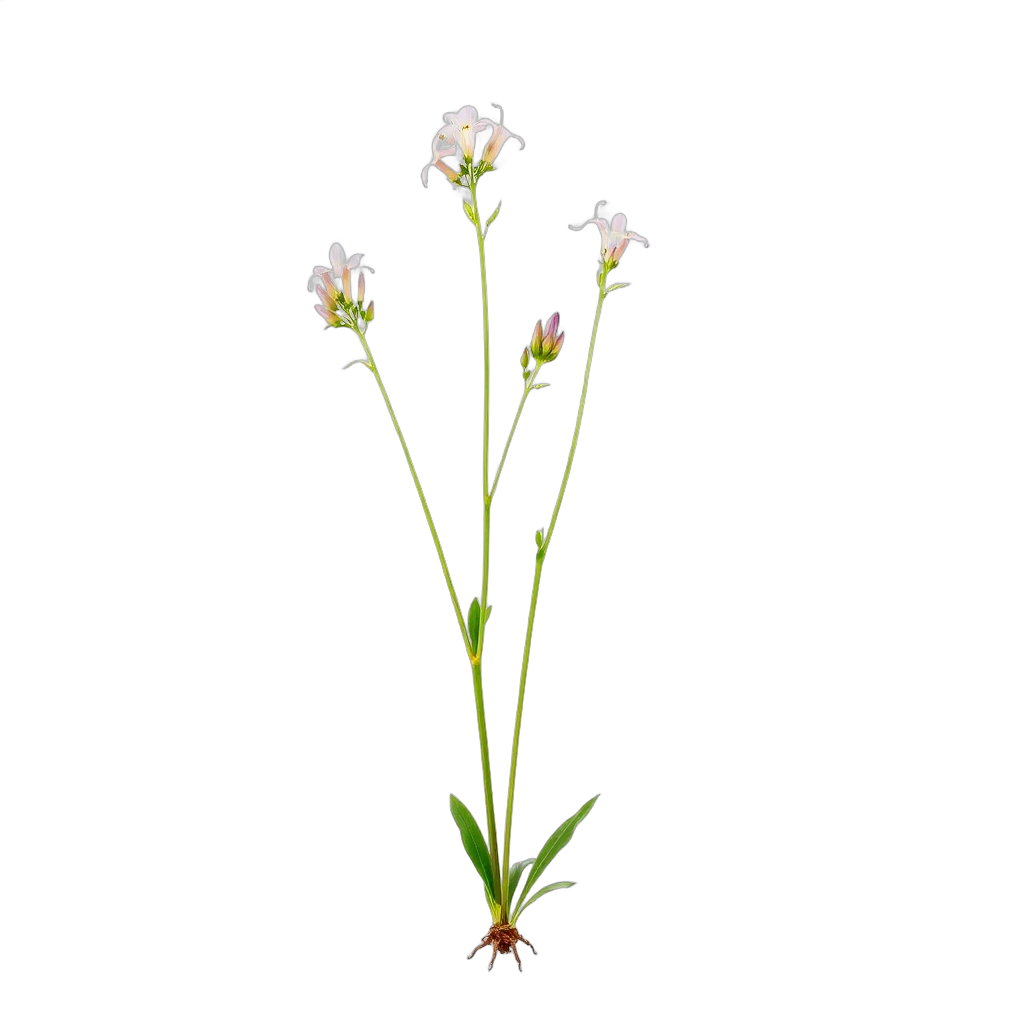
Common Camas
Camassia quamash
low-growing ground cover, blue blooms in spring. Pollinator-friendly.

Water Fern
Azolla filiculoides
low-growing ground cover, blooms in none. Red fall color.
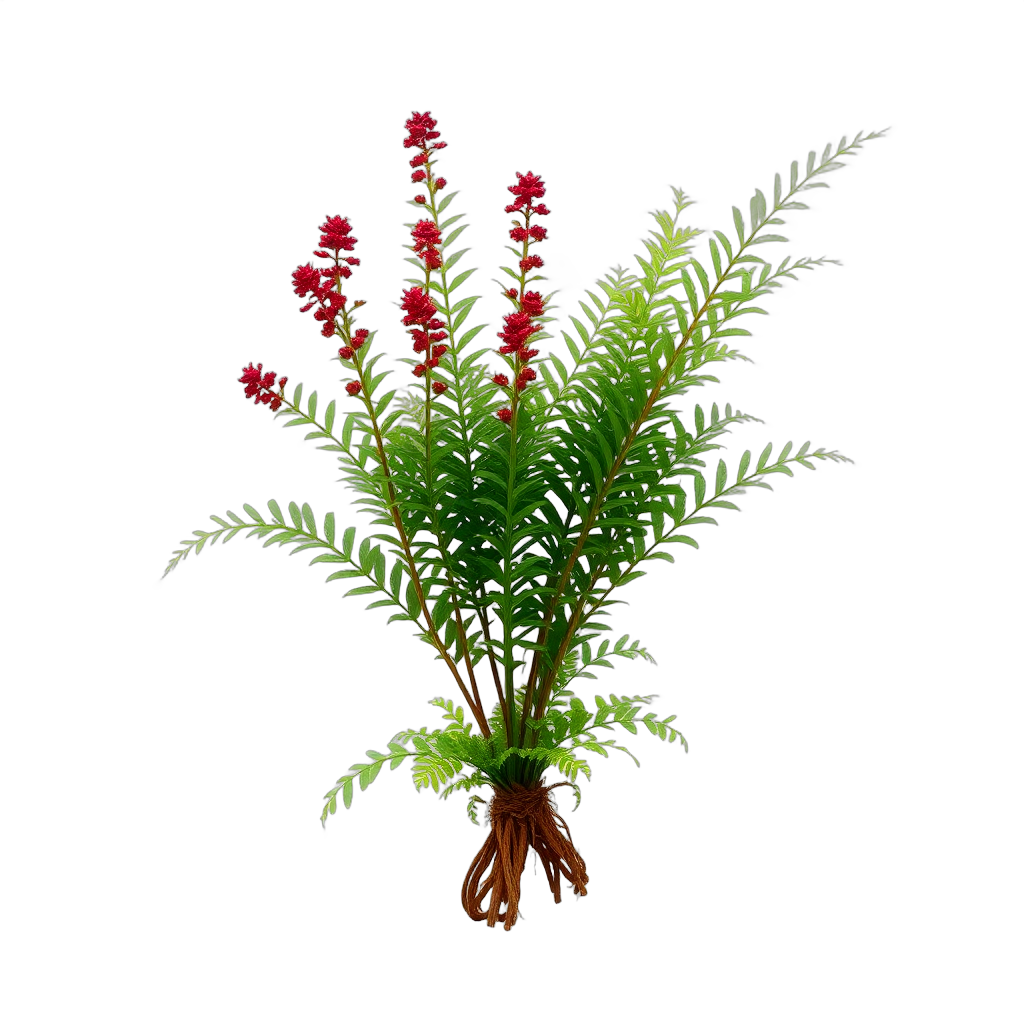
Holly Fern
Cyrtomium falcatum
low-growing ground cover, blooms in none. Evergreen year-round.
Zone and sun checks come from our database — confirm with your local nursery before you buy.
Bloom Calendar for Yakima
spring
Clustered Field Sedge, Common Camas, Bishop's Capsummer
Idaho Fescue, Angel's Fishing Rod, Anise Sagefall
Anise Sage, California Fuchsiawinter
Limited bloomsDesign Tips for Yakima (Zone 7a)
- Run drip on every bed: NOAA normals give Yakima 8.01 inches of precipitation a year and 0.20 inch in July, so Calamagrostis × acutiflora 'Karl Foerster' and Panicum virgatum 'Northwind' need regular water for their first two summers
- Test the soil before buying plants: eastern Washington ground is commonly neutral to alkaline, which suits junipers and grasses but yellows Acer × freemanii 'Autumn Blaze' and hydrangea
- Plant tender material after mid-May: the median last 32°F night at the Yakima Air Terminal is May 8, and the median first is October 4
- Put the toughest plants on the west side: Perovskia atriplicifolia 'Little Spire', Juniperus squamata 'Blue Star' and Festuca glauca 'Elijah Blue' handle the 40 days a year at 90°F or above
- Set steel edging 4 inches deep where gravel meets turf: winter-wet silt pushes lawn roots into the gravel by the second summer
- Choose evergreen structure for January: Pinus mugo 'Slowmound', Taxus × media 'Hicksii' and Cornus sericea 'Arctic Fire' red stems hold the picture through a month when the average high is only 39.5°F
- Light-colored pavers and decomposed granite stay cooler under July highs near 89.9°F than dark stone
Where to Source Plants in Yakima
Skip the big-box stores. These independent Yakima nurseries specialize in the plants that make modern/minimalist gardens thrive in Zone 7a.
Verdant Yakima
WestPark Shopping Center, Summitview
Nursery with shrubs, conifers and evergreens, bulbs, houseplants, pottery and stone
Country Farm & Garden
West Washington Avenue
Garden center with annuals, perennials, vegetable starts, hanging baskets and planters
Modern/Minimalist Landscaping Cost Ranges
| Project Scope | Estimated Cost |
|---|---|
| Concrete or paver patio (400 sqft) | $4,100–$11,400 |
| Concrete patio, broom finish (200 sqft) | $2,100–$2,500 |
| Low-voltage landscape lighting (6 fixtures) | $1,200–$2,000 |
| Drip irrigation system (500 sqft of planted area) | $1,200–$2,200 |
| AI visualization (ProScapeAI) | Free to start |
National average installed ranges for 2026 from our landscaping price list (Homewyse and other published sources). Prices in Yakima, WA vary with site, materials and contractor, so get two or three local quotes.
Yakima Climate & Growing Zone
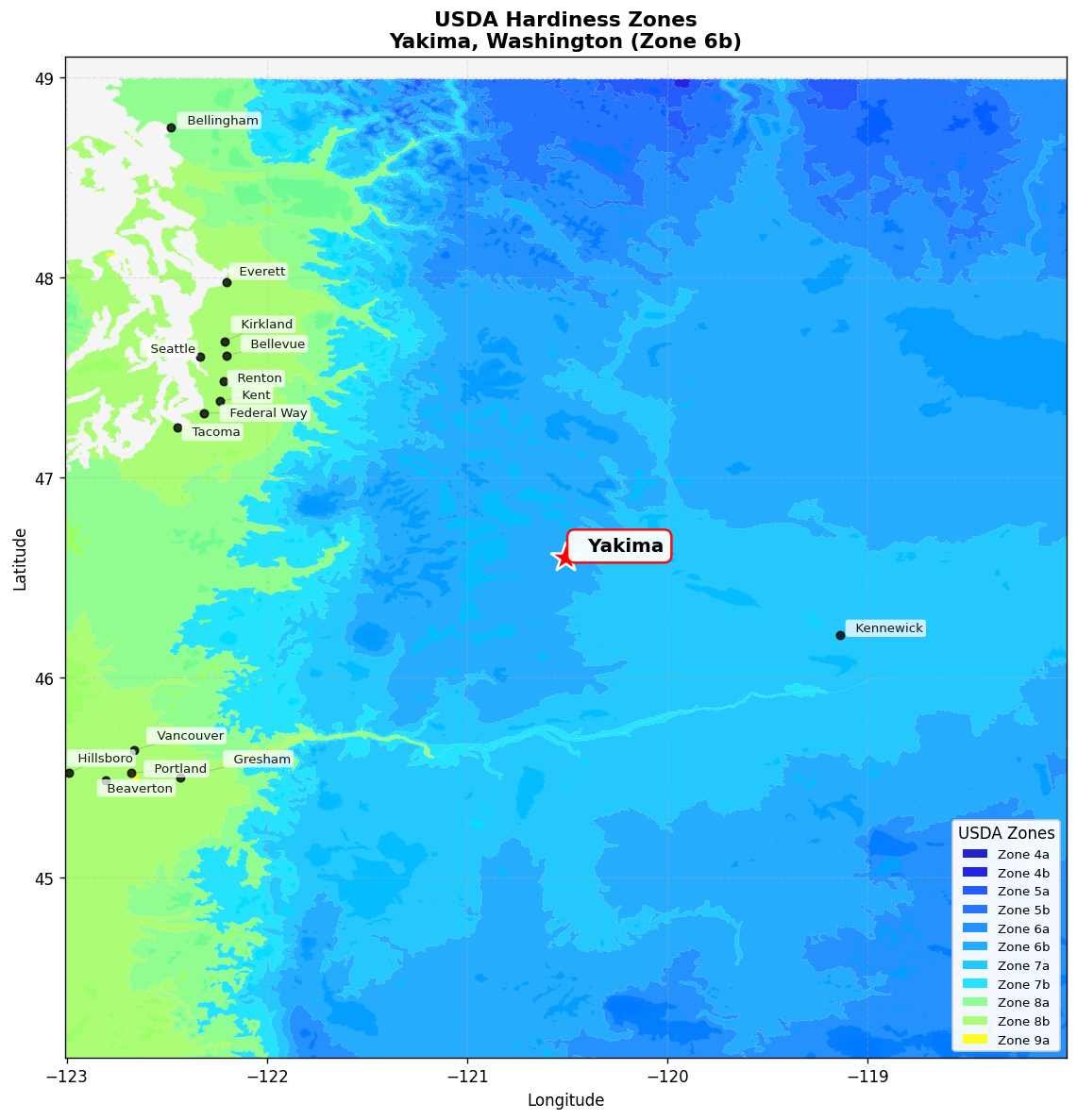
USDA Zone 7a
Hardiness zone for Yakima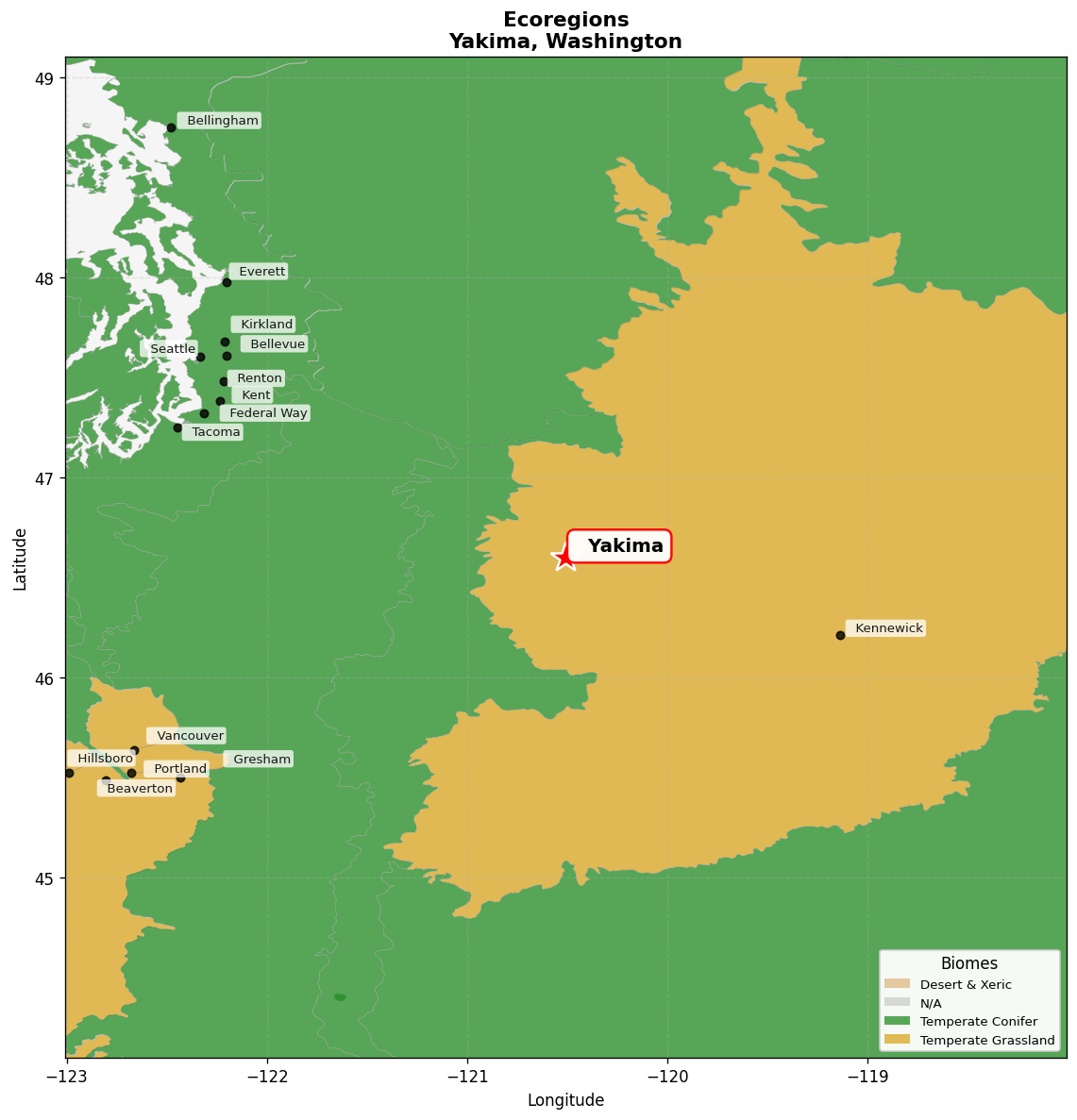
Palouse prairie
Native ecoregionFrequently Asked Questions
How much does a modern landscape cost in Yakima, WA?
Prices vary with site, size and finishes, so get two or three local quotes.
Is a modern landscape low maintenance in Yakima's climate?
It is, once the drip is set. NOAA normals put Yakima at 8.01 inches of precipitation a year with only 0.20 inch in July, so lawn is the high-maintenance part and gravel with grasses is the low one. Cut Calamagrostis × acutiflora 'Karl Foerster' to 4–6 inches in late February, shear Perovskia atriplicifolia 'Little Spire' in March, and check the drip emitters each April after winter.
When is the best time to plant in Yakima?
September to mid-October and April to early May are the best windows. NOAA's median last 32°F night at the Yakima Air Terminal is May 8 and the median first is October 4, so wait until mid-May for anything tender. Container perennials and grasses planted in September root in warm soil and handle the January lows around 24°F (7 nights a year hit 10°F or below). Avoid July and August, when roughly 40 days a year reach 90°F or above.
Do I need a permit or HOA approval for landscaping in Yakima?
Plain planting and gravel usually need none, but fences, retaining walls, patios with structures and electrical or gas work for a fire table can. Check with the City of Yakima before building, call 811 before digging, and read your HOA rules if you live in a newer subdivision. If your property takes ditch or district irrigation water, confirm the delivery season and pressure with that supplier.
What survives Yakima's heat and cold in a modern garden?
Choose plants rated Zone 6 or colder that also tolerate heat and alkaline soil. Calamagrostis × acutiflora 'Karl Foerster', Panicum virgatum 'Northwind', Sporobolus heterolepis, Perovskia atriplicifolia 'Little Spire', Salvia nemorosa 'May Night' and Juniperus horizontalis 'Blue Chip' all handle 90°F days and winter lows near 10°F. Skip Hydrangea macrophylla and Rhododendron, which struggle in neutral-to-alkaline ground, and Acer × freemanii 'Autumn Blaze', which turns chlorotic.
What about soil pH in Yakima?
Eastern Washington soils are commonly neutral to alkaline, per WSU Extension guidance, and a pH test shows where your lot sits. A soil test tells you where your lot sits. Choose Gleditsia triacanthos var. inermis 'Shademaster' or Ginkgo biloba 'Princeton Sentry' for trees, and lean on grasses and junipers, which tolerate the pH. Do not spend money lowering pH across a whole yard; it creeps back.
Will a gravel yard get too hot in a Yakima summer?
Light-colored decomposed granite and pale pavers reflect more heat toward the house than dark stone. Keep gravel beds away from the sunny west wall, put Juniperus squamata 'Blue Star' and Pinus mugo 'Slowmound' there as living cover, and use a 2–3 inch gravel depth. With roughly 40 days a year at 90°F or above and 5–6 days at 100°F or above, shade trees on the west side cut cooling load more than any ground cover.



