4 Cottage Garden Ideas for Springfield, MA | Zone 6a Design
Native plants from the Northeast US Coastal forests (Zone 6a) — Humid continental (hot summer) climate
Why Cottage/English Gardens in Springfield?
Springfield is quietly one of the best cottage-garden cities in New England, and the reason is the housing stock. The McKnight Historic District — roughly 800 Queen Anne, Stick and Colonial Revival houses built between 1870 and 1900, the largest intact Victorian neighbourhood in New England — hands you exactly what an English border needs behind it: deep porches, turned posts, bay windows and a 25-to-40-foot front setback made for a picket fence. Forest Park Heights and Ridgewood repeat the pattern on the hill, the Colonial Revivals along Longhill Street give you symmetry to plant against, and the post-war Capes and bungalows of Sixteen Acres, Pine Point and East Forest Park have the modest, low-eaved facades that a froth of Digitalis purpurea and roses flatters more than any foundation shrub row ever will. One local caution before you buy lumber: several Springfield neighbourhoods sit inside local historic districts, and the Springfield Historical Commission reviews street-visible exterior changes there. Planting is never the issue — a new fence, wall or arbor can be.
Zone 6a means designing for winter lows near -10°F, and Springfield delivers about 47 inches of precipitation and roughly 40 inches of snow across a year, with a growing season of some 165 days between a last frost around May 5 and a first frost near October 10. July highs average about 84°F with full Connecticut River Valley humidity. That combination is close to ideal for the classic English palette: Paeonia lactiflora 'Festiva Maxima' needs exactly this much winter chill to set buds, Delphinium elatum resents heat and gets a proper cool spring here, and Digitalis purpurea self-sows along a Springfield fence line the way it does in Devon. What actually limits the plant list is winter wet, not winter cold. Hydrangea macrophylla flower buds are routinely wiped out by a February cold snap, which is why Hydrangea paniculata 'Limelight' and Hydrangea arborescens 'Annabelle' — both blooming on new wood — are the two that never disappoint. Lavandula angustifolia 'Munstead' rots in a heavy, saturated March unless it sits high on a gritty, south-facing edge, and Lavandula × intermedia 'Phenomenal' is the cultivar that reliably comes through a Springfield winter.
Springfield sits on three genuinely different soils, and which one you have changes the whole plan. The North End and Memorial Square floodplain carries deep Hadley and Winooski silt loams — some of the best garden soil in Massachusetts, and the reason the valley grew tobacco. Sixteen Acres and East Forest Park sit on Windsor and Merrimac sandy terraces that drain fast and bake dry by mid-August. The uplands around Hungry Hill and Liberty Heights are dense glacial till over hardpan, where water simply stands from November to April. All three run acidic, typically pH 5.0–5.8, which suits Astilbe, Rhododendron and Hydrangea beautifully but leaves Lavandula, Nepeta and Dianthus sulking until you lime the bed toward 6.5. A routine soil test from the UMass Amherst Soil and Plant Nutrient Testing Lab costs about $20, takes a couple of weeks, and is the single highest-return thing you can do before you spend a dollar on plants.
Water restrictions here are seasonal, not permanent. The Springfield Water and Sewer Commission draws from Cobble Mountain Reservoir and supply is generally comfortable, but MassDEP declares drought levels for the Connecticut River Valley region in most dry summers, and the standard response limits nonessential outdoor watering to before 9 a.m. and after 5 p.m., occasionally to hand-held hose only. Design the border so it is self-sufficient by its third season — deep planting, 2–3 inches of shredded bark, and drip line under the mulch rather than sprinklers — and a restriction becomes an inconvenience instead of a crisis. Two more Springfield realities worth designing around: the Commission's combined sewer system overflows into the Connecticut River during heavy storms, so a low rain-garden pocket planted with Iris versicolor and Lobelia cardinalis genuinely earns its keep at the bottom of a downspout; and winter road salt thrown off plowed streets will brown Buxus × 'Green Velvet' and Thuja occidentalis 'Emerald Green' set within about six feet of the curb. Keep the clipped evergreens behind the picket fence, and put the tough stuff — Nepeta, daylilies, Rudbeckia — on the street side.
4 Cottage/English Design Ideas for Springfield

The Rose Arbor Picket Front
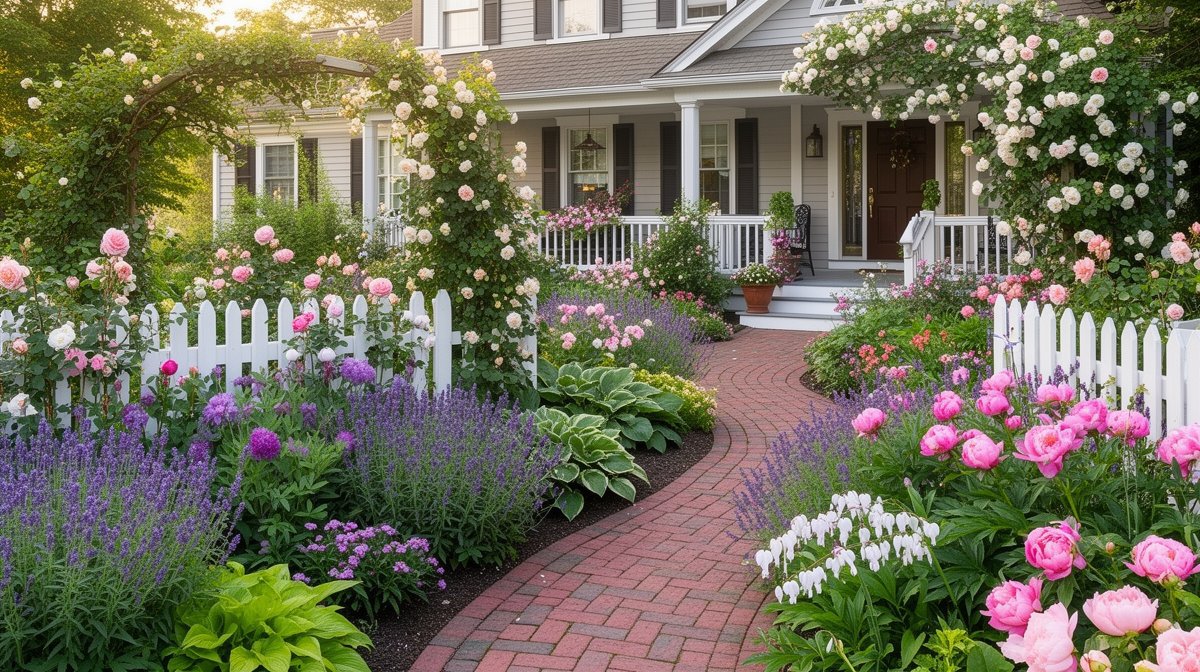
$18–34/sqftA cream clapboard colonial with black shutters, fronted by a low white picket fence and a timber arbor over the gate that has completely disappeared under pink and cream climbing roses. A curving red brick walk runs from the gate to a small columned portico, with two pots of pink hydrangea flanking the steps and a wreath on the door. Outside the fence, a continuous ribbon of purple lavender and silver dusty miller softens the pickets against the sidewalk; inside, shrub roses and clipped green mounds keep the beds reading as tidy even in October. It is the most photographed kind of front yard in Springfield for a reason — the arbor does ninety percent of the work and costs a fraction of a hardscape project.

The Porch-Front Perennial Riot
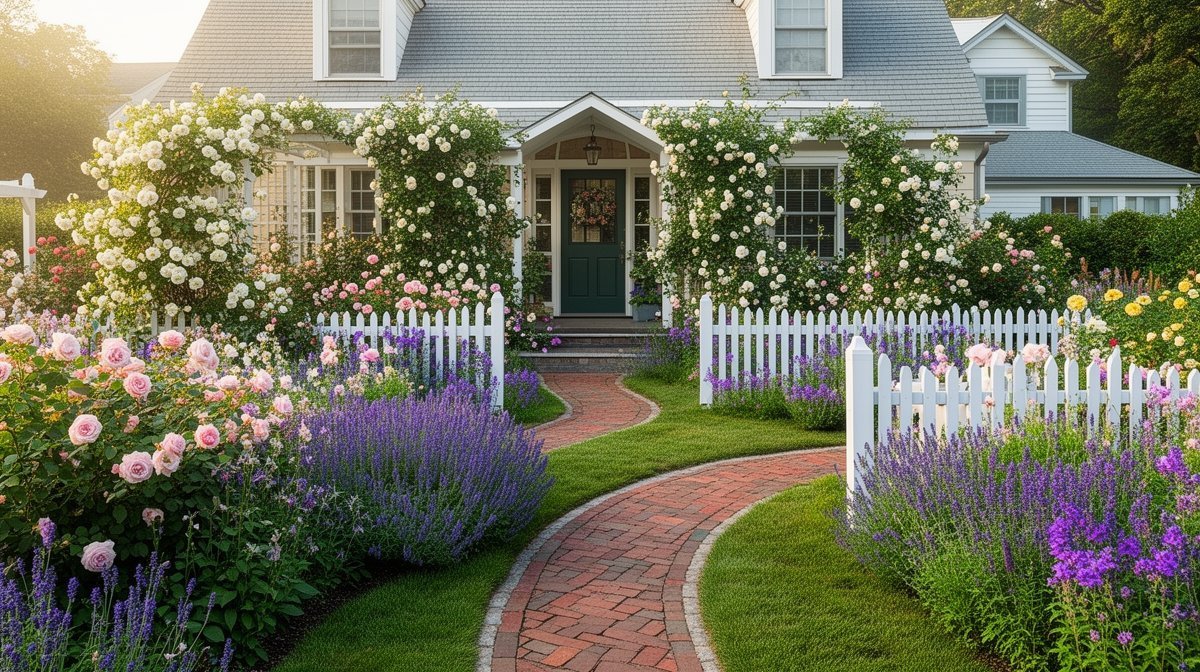
$14–26/sqftA white Cape with sage-grey shutters and a full-width porch, its posts wrapped in white climbing roses, hanging baskets of pink and purple petunias at every bay and window boxes under the sash. A tall white-painted arbor smothered in white roses marks the property line on the right. An irregular bluestone stepper path curves out of the lawn to the porch steps, and everything either side of it is border: pink, white and lilac spires of foxglove and delphinium at the back, shasta daisies and lavender through the middle, hot orange calendula and dark burgundy peonies pushing to the front. A mature maple on the left throws the afternoon shade that keeps the delphiniums standing through a humid Springfield July.

The Bluestone Tea Terrace
$22–40/sqftA small irregular bluestone terrace tucked under mature maples at the bottom of the garden, furnished with nothing more than a white cast-iron bistro table and two ornate chairs. A white lattice arch loaded with pink climbing roses frames the opening onto the lawn, and the cream colonial sits at the far end of a clipped hedge line, deliberately kept at a distance. The borders that wrap the terrace are the point: drifts of lavender at the edges, pink and cream peonies, spires of pink foxglove, shasta daisies and single roses, all catching low late-afternoon light. This is the cheapest genuinely transformative move in a Springfield back garden — a 120-square-foot terrace, an arch and two deep borders, no structure, no permit.

The Pergola Dining Garden
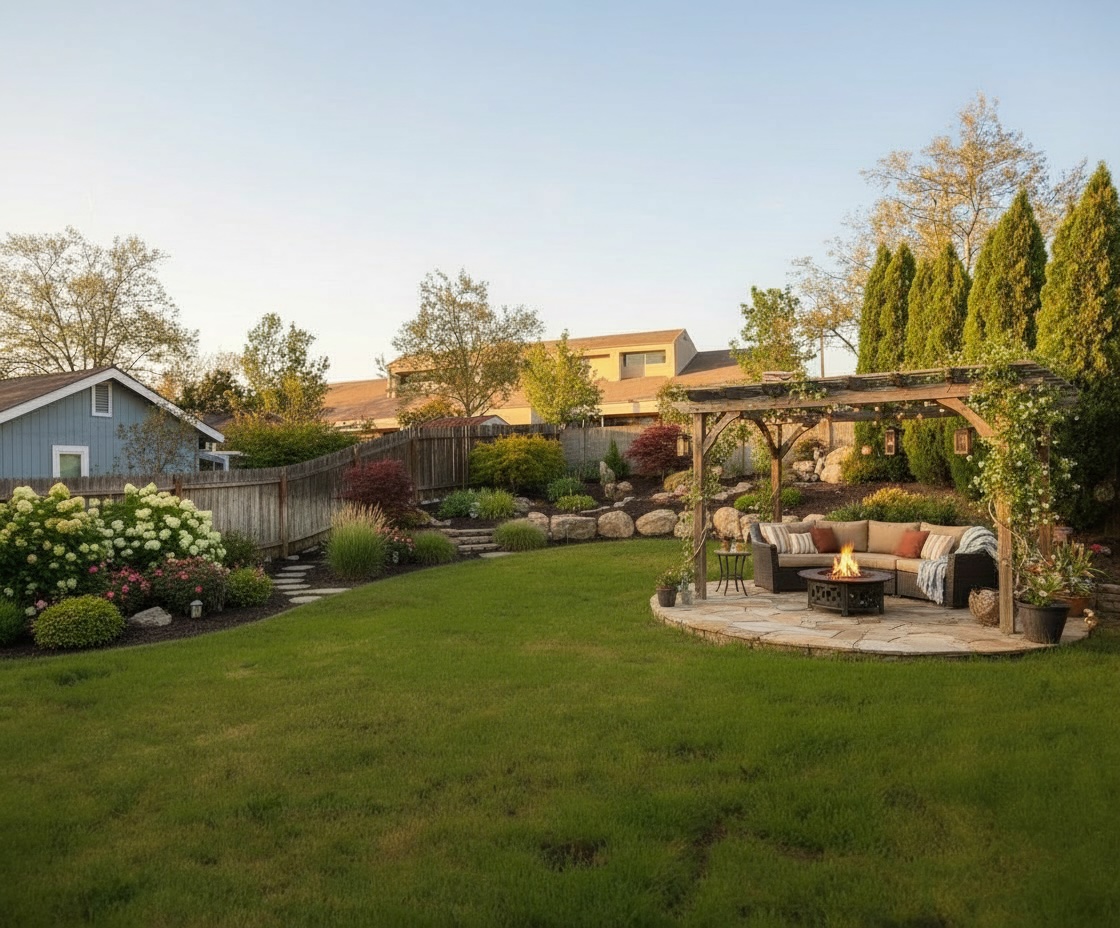
$26–48/sqftA white-painted pergola in the corner of the garden, its posts and rafters carrying blush and apricot climbing roses, sheltering a teak table set for six on a small raised deck. The centre of the garden is deliberately left as clean open lawn with a single cast-stone birdbath as the focal point, so the eye travels. Everything around the perimeter is layered: broad drifts of lavender in the foreground, purple and white foxgloves, hot orange-red roses on the right, blue hardy geranium spilling at the front, and a clipped hedge holding the whole composition in against the neighbours. Shot at dusk, the house windows glowing behind — which is exactly how you will use it from June through September.
See how a cottage/english garden looks on YOUR property
Upload a photo of your Springfield yard and visualize your dream garden in seconds.
Try ProScapeAI Free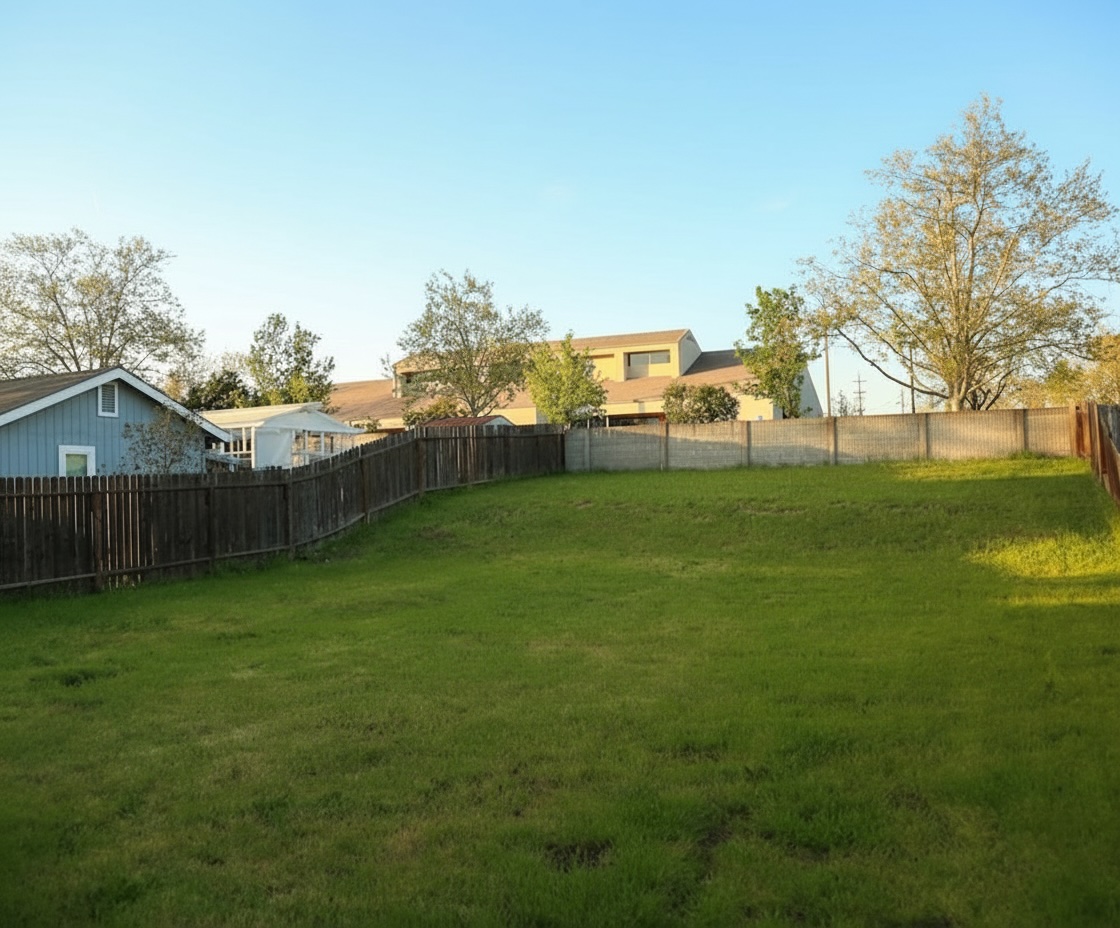
Featured Trees & Shrubs for Cottage/English Gardens
Browse all 181 plants for Springfield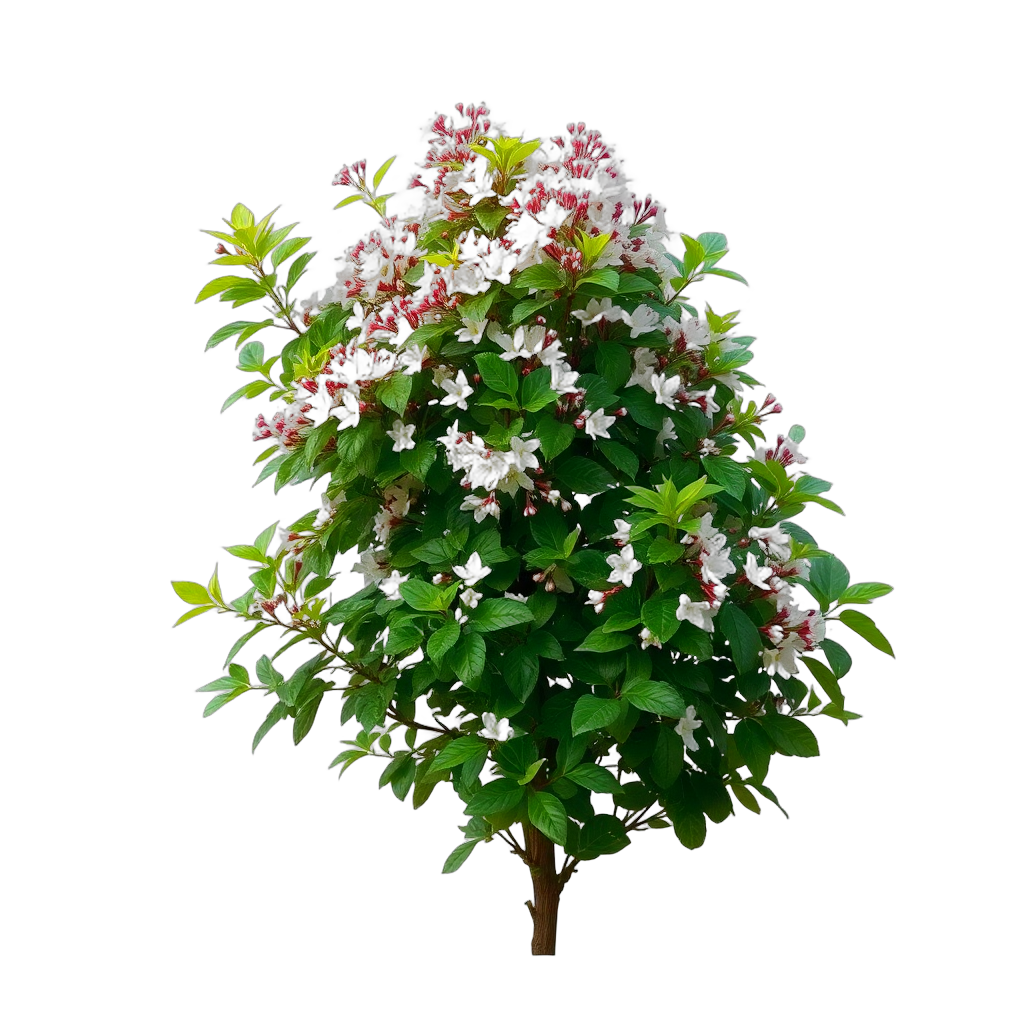
Arrowwood Viburnum
Viburnum dentatum
medium-sized at 10 feet, white blooms in spring. Pollinator-friendly.

Coastal Leucothoe
Leucothoe axillaris
grows to 3 feet, white blooms in spring. Evergreen year-round.
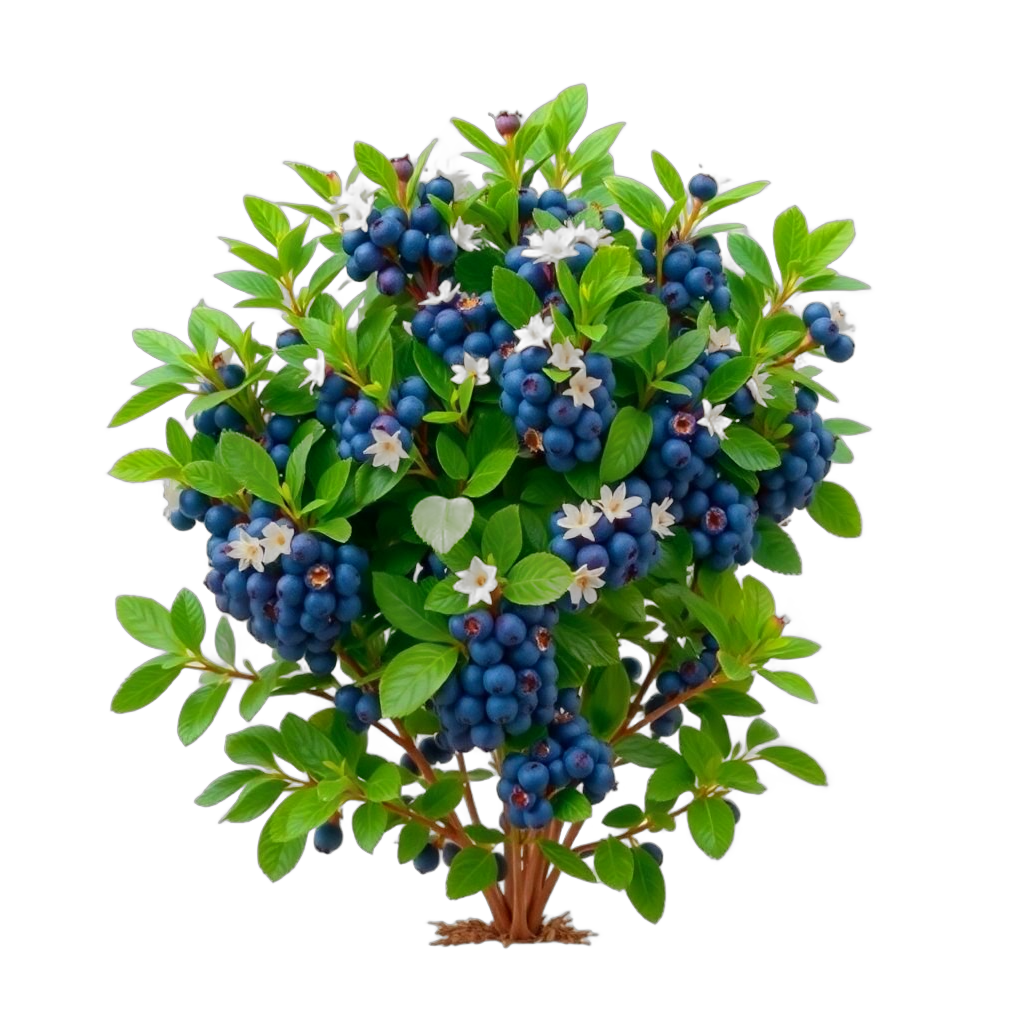
Highbush Blueberry
Vaccinium corymbosum
medium-sized at 7 feet, white blooms in spring. Attracts butterflies.

Inkberry
Ilex glabra
medium-sized at 8 feet, white blooms in spring. Pollinator-friendly.
Featured Grasses & Groundcovers for Cottage/English Gardens
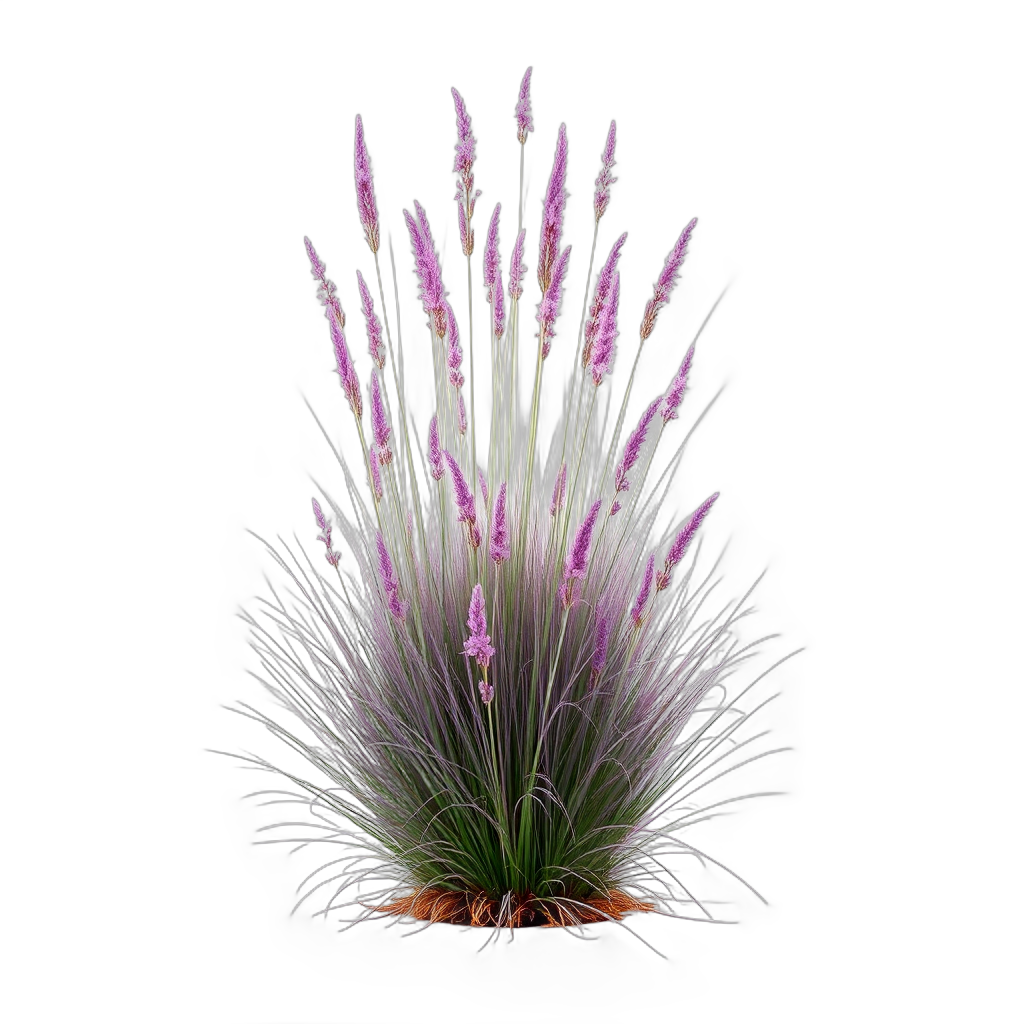
Purple Love Grass
Eragrostis spectabilis
low-growing ground cover, purple blooms in fall. Orange fall color.

Dwarf Fernleaf Bamboo
Pleioblastus distichus
low-growing ground cover, blooms in none. Evergreen year-round.
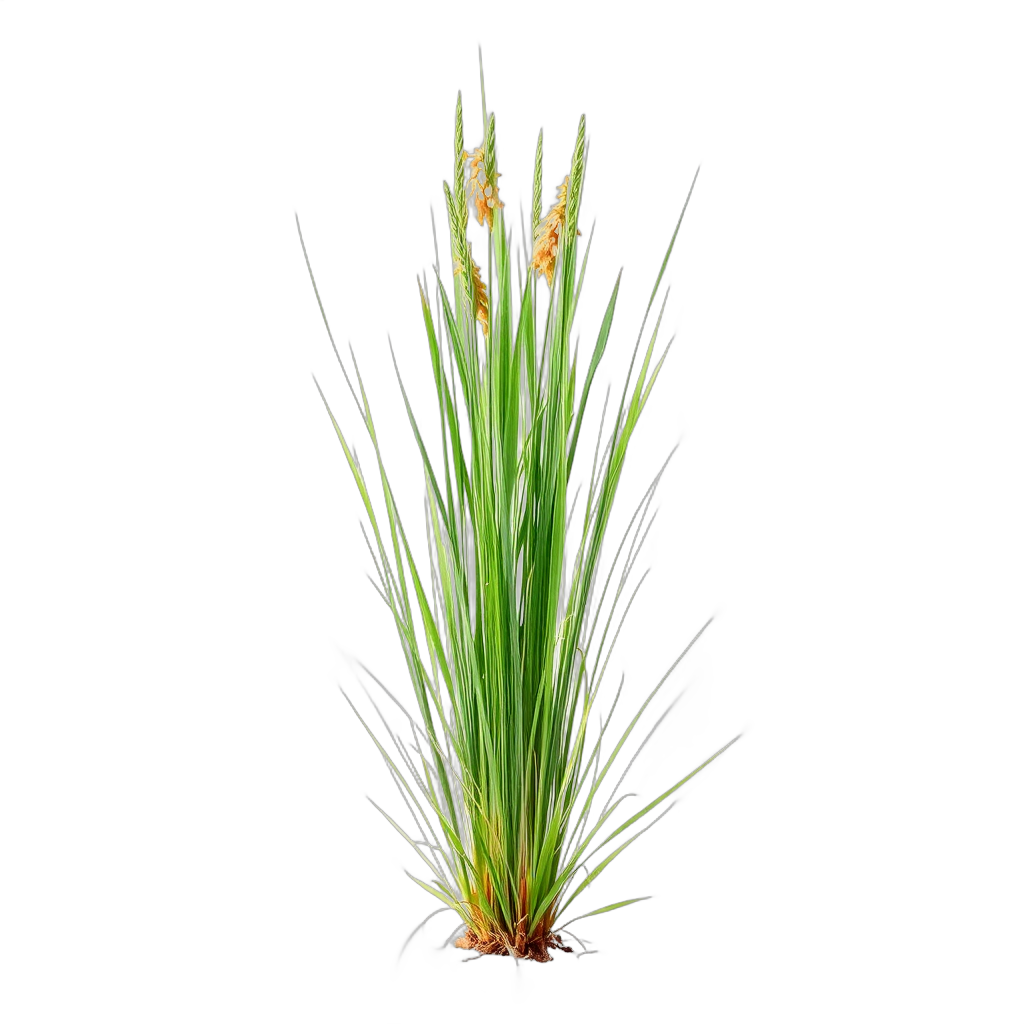
Eastern Gamagrass
Tripsacum dactyloides
grows to 6 feet, blooms in summer. Yellow fall color.

Large-leaf Bamboo
Indocalamus tessellatus
grows to 5 feet, blooms in none. Evergreen year-round.
Featured Flowers & Perennials for Cottage/English Gardens
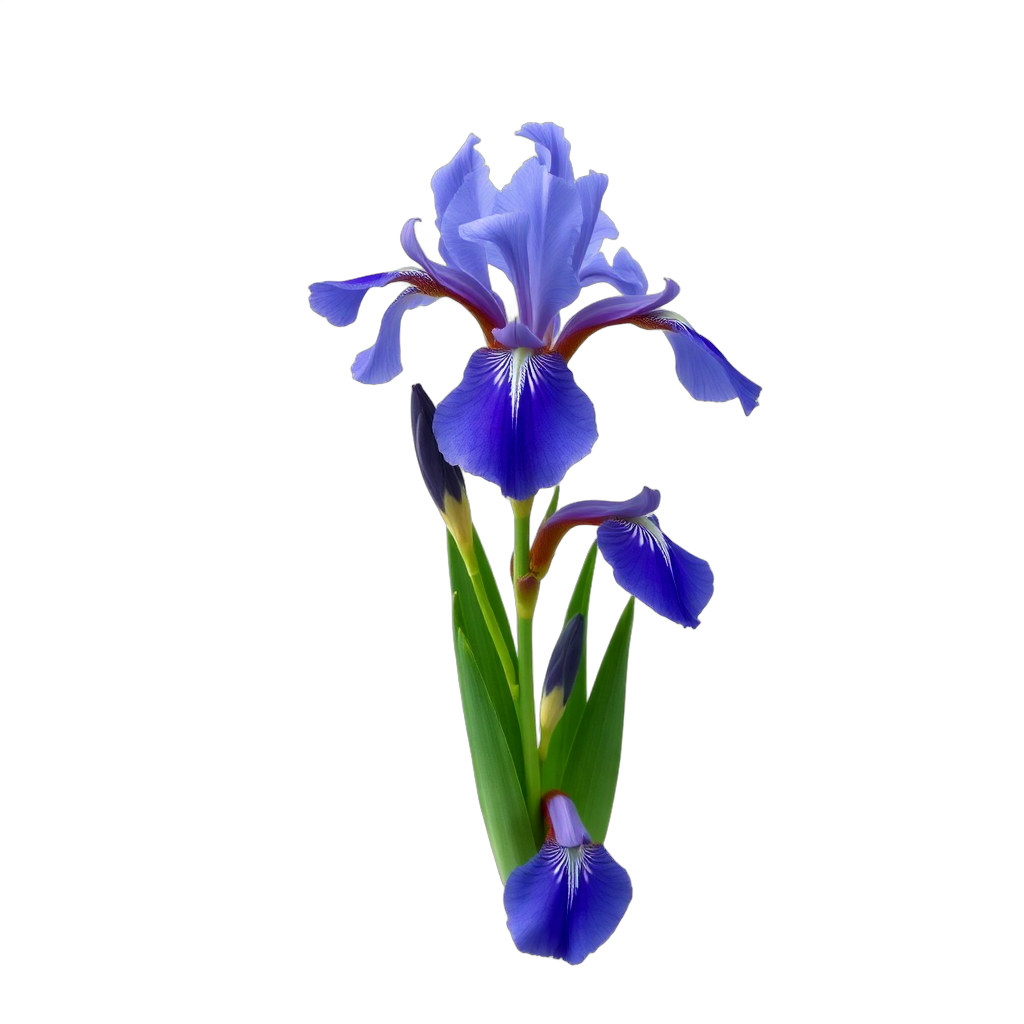
Blue Flag Iris
Iris versicolor
low-growing ground cover, purple blooms in spring. Attracts butterflies.

New York Ironweed
Vernonia noveboracensis
grows to 6 feet, purple blooms in fall. Attracts butterflies.
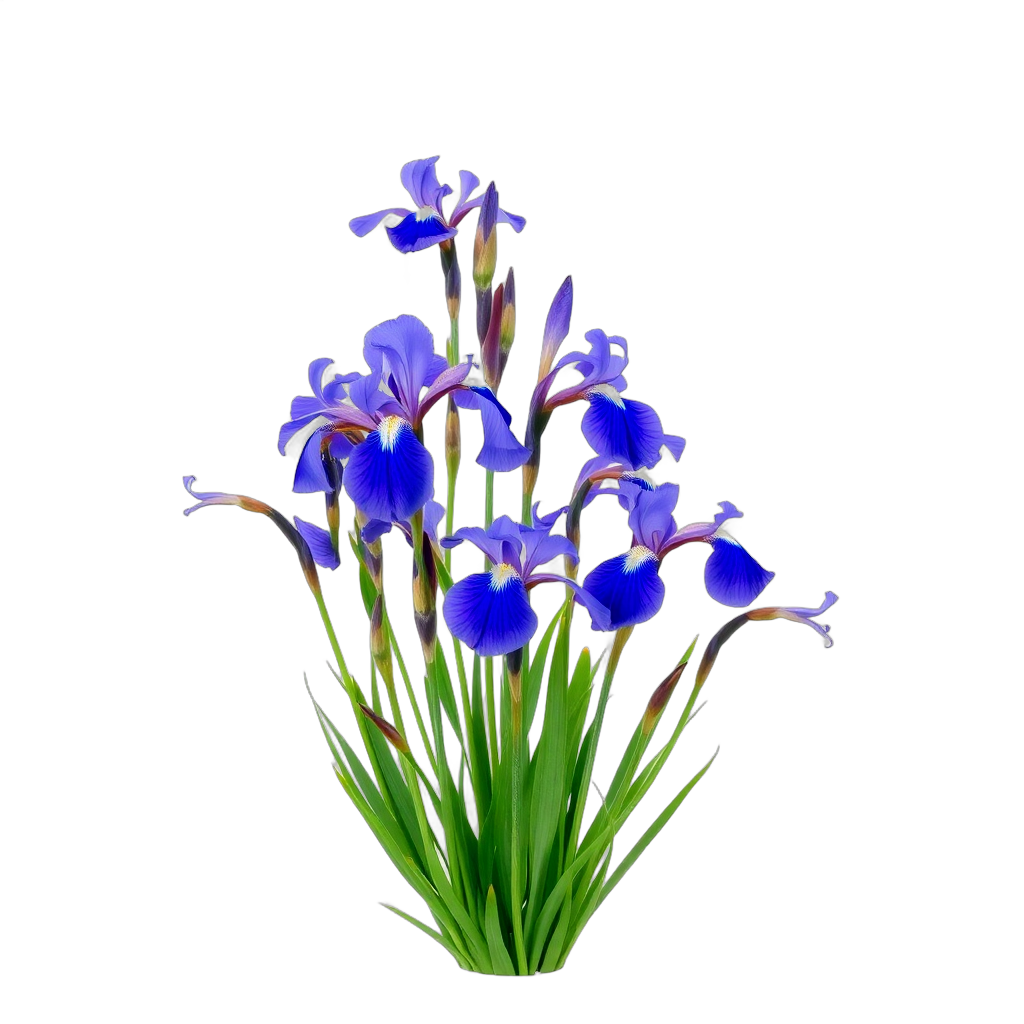
Southern Blue Flag
Iris virginica
low-growing ground cover, blue blooms in spring. Attracts butterflies.

Eastern Prickly Pear
Opuntia humifusa
low-growing ground cover, yellow blooms in summer. Attracts butterflies.
Zone and sun checks come from our database — confirm with your local nursery before you buy.
Bloom Calendar for Springfield
spring
Blue Flag Iris, Southern Blue Flag, Arrowwood Viburnumsummer
Ruby Spice Summersweet, Summersweet, Eastern Prickly Pearfall
New York Ironweed, Purple Love Grasswinter
Limited bloomsDesign Tips for Springfield (Zone 6a)
- Plant lavender high and gritty. Winter wet kills it here, not winter cold — raise the bed 8–10 inches, cut 30% coarse sand or grit into the mix, put it on a south-facing edge, and choose Lavandula × intermedia 'Phenomenal', the one cultivar that shrugs off a Connecticut Valley March
- Set peony eyes exactly 1.5–2 inches below finished grade. Plant Paeonia lactiflora 'Sarah Bernhardt' any deeper and you will get handsome foliage and no flowers for a decade — the most common cottage-garden mistake in Zone 6a
- Buy hydrangeas that bloom on new wood. Hydrangea paniculata 'Limelight' and Hydrangea arborescens 'Annabelle' flower after Springfield's late frosts every single year; Hydrangea macrophylla loses its buds to a February cold snap most years and gives you a green shrub
- Mulch after the ground freezes, not before. Two to three inches of shredded bark or salt marsh hay applied around Thanksgiving stops the freeze-thaw heaving that physically lifts Digitalis purpurea, Heuchera and young Nepeta out of the soil during a Springfield March
- Keep clipped evergreens six feet back from the curb. Winter road salt spray off plowed Springfield streets browns Buxus × 'Green Velvet' and Thuja occidentalis 'Emerald Green' every spring — put Hemerocallis, Rudbeckia and Achillea on the street side instead
- Cut back in April, not October. Leaving Rudbeckia fulgida 'Goldsturm', Echinacea purpurea and Sedum seedheads standing gives you structure through 40 inches of snow and feeds goldfinches; do the whole cleanup in one pass in mid-April
- Plant 200–300 bulbs into the borders in October. A Springfield cottage garden is bare from November to mid-May, and Narcissus 'Thalia' and Allium 'Purple Sensation' threaded between the peonies buy you six extra weeks of season for under $200
- Put every arbor and pergola post on a pier below 48 inches. That is the Massachusetts frost depth — posts set shallow will pitch visibly out of plumb after two winters, and a leaning rose arbor is the thing you will notice from the street every day
Where to Source Plants in Springfield
Skip the big-box stores. These independent Springfield nurseries specialize in the plants that make cottage/english gardens thrive in Zone 6a.
Sixteen Acres Garden Center
Sixteen Acres, Springfield
The city's own full-service garden center: perennials, roses, flowering shrubs and trees grown for Zone 6a, plus a florist and bulk mulch
Graziano Gardens
East Longmeadow
Deep perennial and Proven Winners shrub selection, ornamental trees, pottery and container plantings — the go-to for filling a cottage border in one trip
E. Cecchi Farms
Feeding Hills, Agawam
Family farm and greenhouse operation growing its own annuals, perennials, roses, shrubs and herbs across the river from Springfield
Randall's Farm & Greenhouse
Ludlow
Large greenhouse-grown annual and perennial selection, hanging baskets and window box plantings, strongest in spring and early summer
Class Grass Garden Center
Granby
Independent nursery north of the city with perennials, fruit trees, water plants, seed and bulk materials — worth the drive for unusual stock
Cottage/English Landscaping Costs in Springfield
| Project Scope | Estimated Cost |
|---|---|
| Front cottage border + 40 linear ft picket fence (installed) | $6,500 – $14,000 |
| Brick or bluestone front walk (60–90 sqft) | $3,000 – $7,500 |
| Cedar rose arbor or arch, built and planted | $2,500 – $9,000 |
| Bluestone tea terrace with borders (250–400 sqft) | $10,000 – $22,000 |
| Full back garden: pergola, dining deck, layered borders | $25,000 – $60,000 |
| DIY perennial border, 200 sqft (plants, compost, mulch) | $700 – $1,800 |
| AI visualization with ProScapeAI | Free to start |
Estimates based on Springfield, MA-area contractor rates as of 2026. Actual costs vary by site conditions, materials, and contractor.
Springfield Climate & Growing Zone
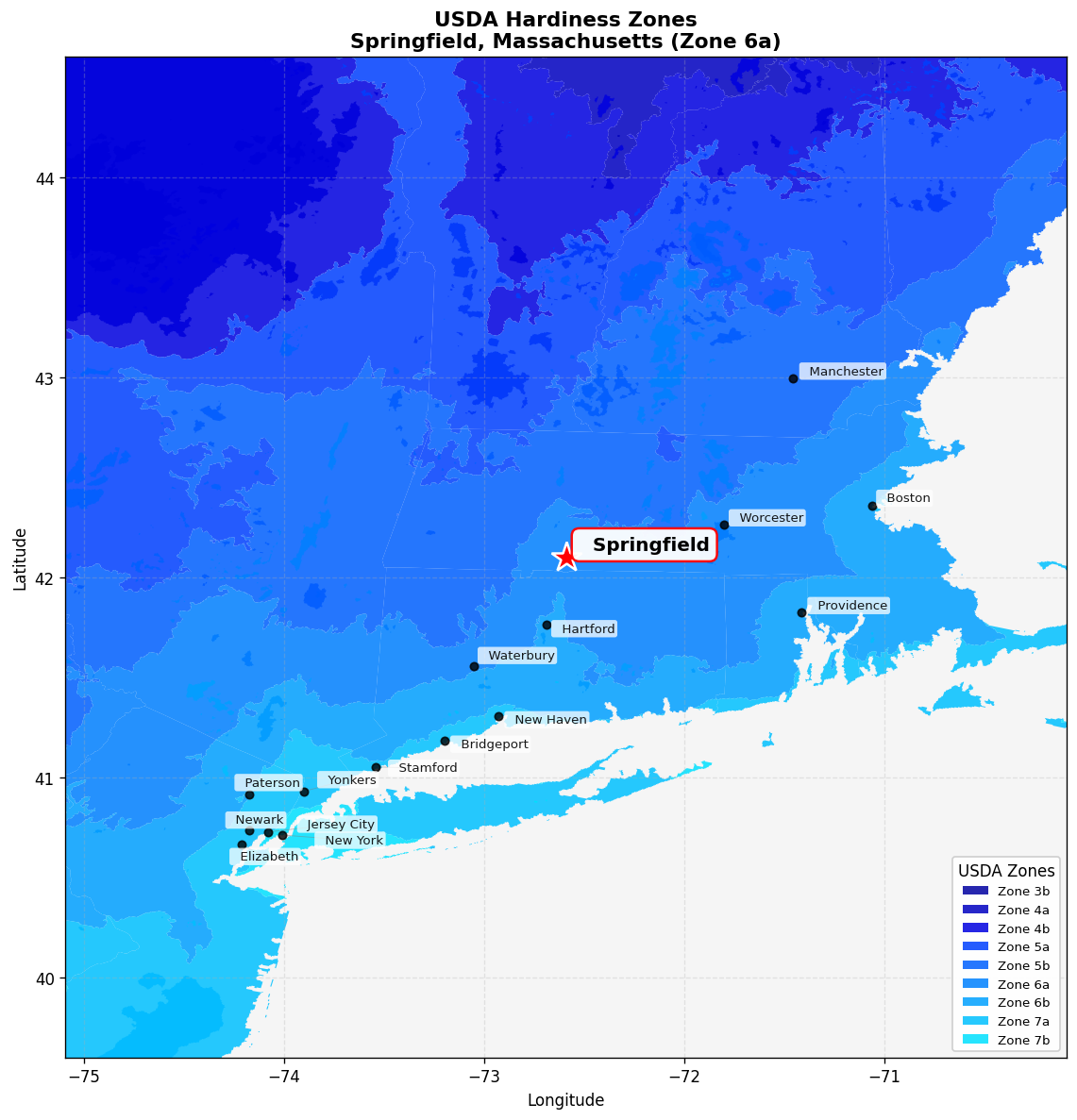
USDA Zone 6a
Hardiness zone for Springfield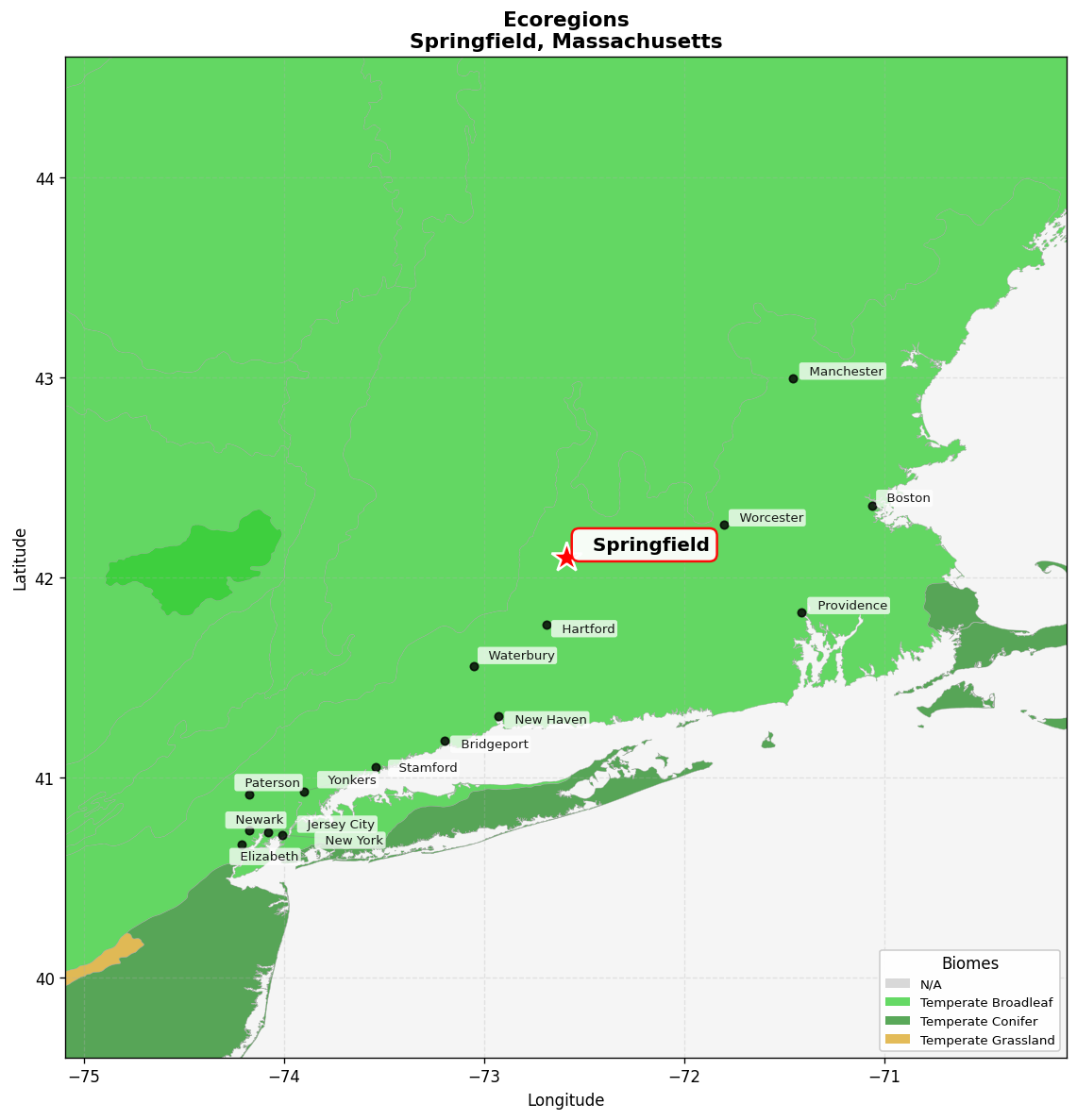
Northeast US Coastal forests
Native ecoregionFrequently Asked Questions
How much does a cottage garden cost in Springfield, MA?
Western Massachusetts installation pricing runs roughly 15–20% below Boston metro rates, which makes this style unusually reachable here. A front cottage border with 40 linear feet of picket fence and an arbor typically lands at $6,500–14,000 installed. A brick or bluestone front walk of 60–90 square feet runs $3,000–7,500. A bluestone tea terrace of 250–400 square feet with wrapping borders runs $10,000–22,000, and a full back garden with a pergola, dining deck and layered planting is generally $25,000–60,000. Doing the planting yourself changes the maths dramatically: a 200-square-foot border planted with quart-size Nepeta × faassenii 'Walker's Low', Leucanthemum × superbum 'Becky' and Alchemilla mollis, plus a few gallon roses, comes in around $700–1,800 including compost and mulch.
Which roses actually survive a Springfield winter?
Zone 6a lows near -10°F rule out the tender hybrid teas unless you are willing to mound and wrap them every November. The reliable performers here are Rosa 'New Dawn' and Rosa 'William Baffin' — the latter is a Canadian Explorer rose hardy to Zone 3 and will cover an arbor without any winter protection at all. Among the English roses, Rosa 'The Generous Gardener', Rosa 'Olivia Rose Austin' and Rosa 'Constance Spry' come through Springfield winters well if you plant the graft union 2 inches below finished grade, which is the single most important detail. Rosa 'Sally Holmes' and the Knock Out group are the low-effort options. Whatever you choose, expect Japanese beetles from late June into early August — the repeat bloomers simply out-grow the damage.
When should I plant a cottage garden in Springfield?
There are two windows. The spring window opens after the last frost around May 5 and closes in mid-June, before the humidity sets in — it is the right time for anything tender and for annuals like Calendula officinalis. The autumn window, roughly September 1 to October 15, is the better one for perennials and shrubs: soil is still warm, rainfall is more dependable, and roots establish before the ground freezes around mid-December. Paeonia lactiflora and spring bulbs are strictly autumn jobs — plant peony eyes in late September or early October, and get Narcissus and Allium 'Purple Sensation' in before Halloween. Avoid planting Digitalis purpurea or Delphinium elatum in July; they will sulk through the heat and rarely catch up.
My Springfield soil is acidic and heavy. What do I actually do about it?
Test first — the UMass Amherst Soil and Plant Nutrient Testing Lab is twenty minutes up the road and a routine test runs about $20. Most Springfield gardens come back at pH 5.0–5.8. That is fine, even ideal, for Hydrangea, Astilbe and Rhododendron, but Lavandula × intermedia 'Phenomenal', Nepeta and Dianthus want closer to 6.5, so lime those beds specifically rather than treating the whole garden. On the Hungry Hill and Liberty Heights hardpan, do not dig a hole and backfill with soft compost — you have built a bathtub. Build up instead: an 8–10 inch raised bed with 30% coarse sand or grit through the mix is the standard fix, and it is non-negotiable for lavender. On the Windsor sandy terraces of Sixteen Acres the opposite applies — 3–4 inches of compost worked in, because those soils drain so freely they dry out by August.
Are there watering restrictions in Springfield, and how much water does a cottage border need?
The Springfield Water and Sewer Commission supplies the city from Cobble Mountain Reservoir, and there is no year-round ban. What does happen most summers is a MassDEP drought declaration for the Connecticut River Valley region, which typically restricts nonessential outdoor watering to before 9 a.m. and after 5 p.m., and in a Level 2 or higher declaration can limit you to a hand-held hose. Plan for it: newly planted perennials and roses want about 1 inch of water per week through their first two growing seasons, delivered by drip line under the mulch rather than by sprinkler. By season three an established border of Nepeta, Achillea, Rudbeckia fulgida 'Goldsturm' and Lavandula on Springfield's roughly 47 inches of annual precipitation needs supplementary water only in a genuine drought.
Do I need a permit for a cottage garden in Springfield?
Planting, beds, mulch and borders need no permit anywhere in the city. Permits and reviews come into play for fences above 6 feet, retaining walls above 4 feet, decks, and any roofed structure. Two Springfield-specific checks are worth making early. First, if your property sits in one of the local historic districts, the Springfield Historical Commission reviews street-visible exterior changes — that includes a new picket fence or a front arbor, though never your plant choices. Second, if any part of the work falls within 100 feet of a wetland or 200 feet of a perennial stream, the Massachusetts Wetlands Protection Act puts it under the Conservation Commission. Separately, note that the state building code sets frost depth at 48 inches here, so pergola piers and deck footings have to go that deep whether or not a permit is required.
What about deer and pests in a Springfield garden?
Deer pressure is real on the eastern and southern edges — Sixteen Acres, East Forest Park and anything backing onto Forest Park or conservation land gets browsed hard, particularly in late winter. The good news is that the cottage palette is already largely deer-resistant: Lavandula, Nepeta × faassenii 'Walker's Low', Digitalis purpurea, Paeonia lactiflora, Achillea and Alchemilla mollis are all reliably left alone. Hosta and daylilies are candy, so keep them in fenced back gardens rather than out front near the woods. Japanese beetles arrive around the last week of June and work roses and Hibiscus for about six weeks — hand-picking into soapy water at 7 a.m. genuinely works on a domestic scale. Winter moth caterpillars can defoliate maples and crabapples in May in some years; a dormant oil application in late March is the usual answer.