4 Modern Landscape Ideas for Springfield, MA | Zone 6a Design
Native plants from the Northeast US Coastal forests (Zone 6a) — Humid continental (hot summer) climate
Why Modern/Minimalist Gardens in Springfield?
Modern landscape design has an easier time in Springfield than most people expect, and the reason is the same one that makes the city's Victorians so photogenic — the architecture is already committed. The post-war ranches, raised ranches and split-levels that fill Sixteen Acres, Pine Point and East Forest Park were built between about 1950 and 1975 with exactly the vocabulary modern landscaping amplifies: long horizontal rooflines, shallow-pitch attached garages, picture windows and a wide, shallow front setback. Where a McKnight Queen Anne fights a clean-line design, a Wilbraham Road ranch simply completes it. The city's industrial-brick inheritance helps too — the Armory, Union Station and the mill blocks along the Chicopee and Mill Rivers mean weathering steel, board-formed concrete and dark stained cedar read as local materials here rather than as imported California styling.
Zone 6a means design for winter lows near -10°F, and in a modern landscape that pressure lands on the hardscape, not the planting. Springfield averages roughly 47 inches of precipitation and about 40 inches of snow, and the resulting freeze-thaw cycling is the single biggest destroyer of patios in the Connecticut Valley. The Massachusetts building code sets frost depth at 48 inches here, so any pergola pier, fire-pit footing or retaining wall has to reach below that line. For paving, the detail that matters is the base: an open-graded clear-stone base of 10–12 inches of washed 3/4-inch stone drains and stays put, where the old compacted stone-dust base holds water, freezes and pumps pavers out of level within three winters. The second thing to design for is snow storage — decide before you break ground where 40 inches of plowed and shovelled snow is going, because a gravel court at the head of a driveway becomes an April stone-raking chore.
The city sits on three quite different soils, and a gravel or minimal-planting design succeeds or fails on which one you have. The North End and Memorial Square floodplain carries deep Hadley and Winooski silt loams. Sixteen Acres and East Forest Park sit on Windsor and Merrimac sand terraces that drain freely — perfect ground for a gravel garden and for the hardy succulents that make a modern front yard sculptural. The uplands of Hungry Hill and Liberty Heights are dense glacial till over hardpan, where a gravel court laid straight on grade becomes a winter ice sheet unless you build a real drainage layer under it. The plant list follows: with sharp drainage, Agave parryi var. neomexicana, Yucca filamentosa 'Color Guard' and Sempervivum tectorum all survive -10°F here, and Opuntia humifusa is genuinely native to the Connecticut Valley sand plains, so a desert-modern bed in Springfield has real local pedigree rather than being a transplanted look. Structure through the six months without leaves comes from grasses: Calamagrostis × acutiflora 'Karl Foerster' stands upright through heavy snow, Panicum virgatum 'Northwind' and Schizachyrium scoparium 'Standing Ovation' hold their colour into February, and Picea pungens and clipped Ilex glabra give the evergreen mass.
Two local rules shape the maintenance plan. The Springfield Water and Sewer Commission draws from Cobble Mountain Reservoir, and while there is no permanent ban, MassDEP declares Connecticut River Valley drought levels most dry summers, typically restricting nonessential outdoor watering to before 9 a.m. and after 5 p.m. A gravel-and-grass modern landscape sails through that without a thought, which is a real part of its appeal here. The other is de-icing salt: sodium chloride thrown from plowed streets and spread on your own walks browns Buxus × 'Green Velvet' and Thuja occidentalis and burns needles off Picea pungens on the exposed side. Switch to calcium chloride or coarse sand within eight feet of a bed, keep the clipped evergreens back from the curb, and put salt-tolerant grasses on the street edge. Finally, because the Commission's combined sewer system overflows to the Connecticut River in heavy storms, a permeable gravel court or a planted infiltration strip is not just a design choice — it measurably reduces what leaves your lot.
4 Modern/Minimalist Design Ideas for Springfield

The Mid-Century Ranch Reset
$16–30/sqftA low-slung ranch with a flat-roofed glass box at one end, greige siding, a dark vertical-panel accent and a slab front door, fronted by a broad poured-concrete walk that runs straight off the public sidewalk before sweeping to the entry. Narrow conical evergreens flank the doorway and repeat at the glass box, and the whole street edge is planted in wide drifts of fountain grass that catch the low sunset light, threaded with masses of purple lavender. A young maple sits in a clean mulch ring in the left lawn, and what lawn remains is kept as two crisp panels rather than a shapeless field. Nothing about it is expensive — it is one walk, one tree and three plants repeated at scale.

The Gravel Court, No Lawn
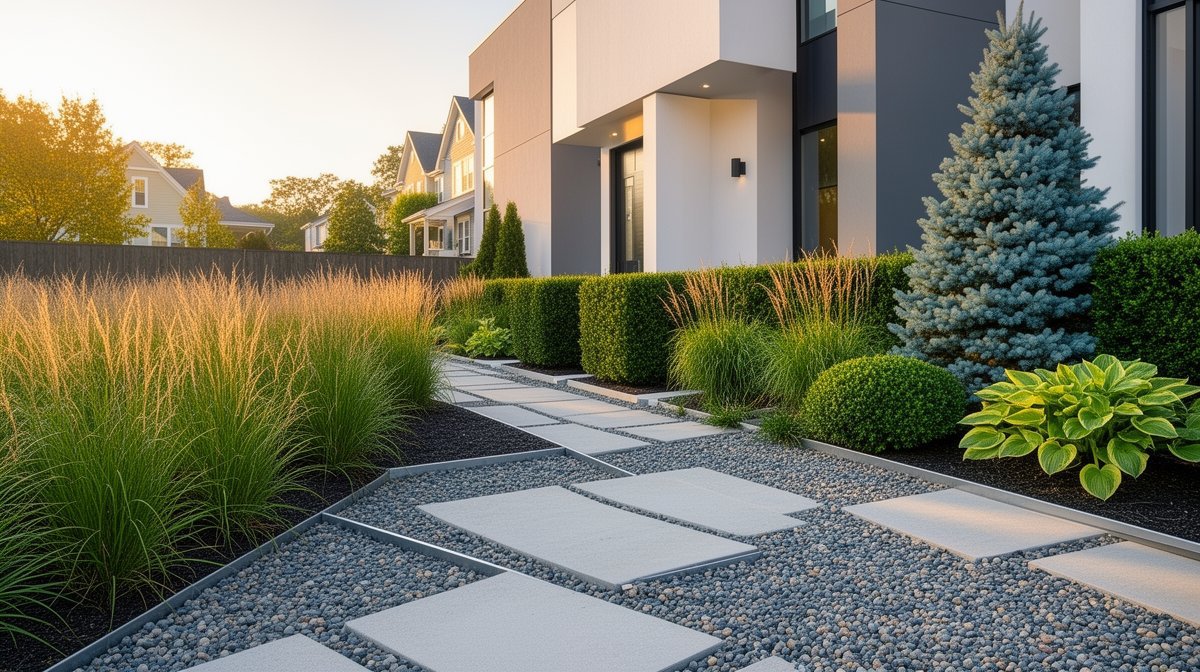
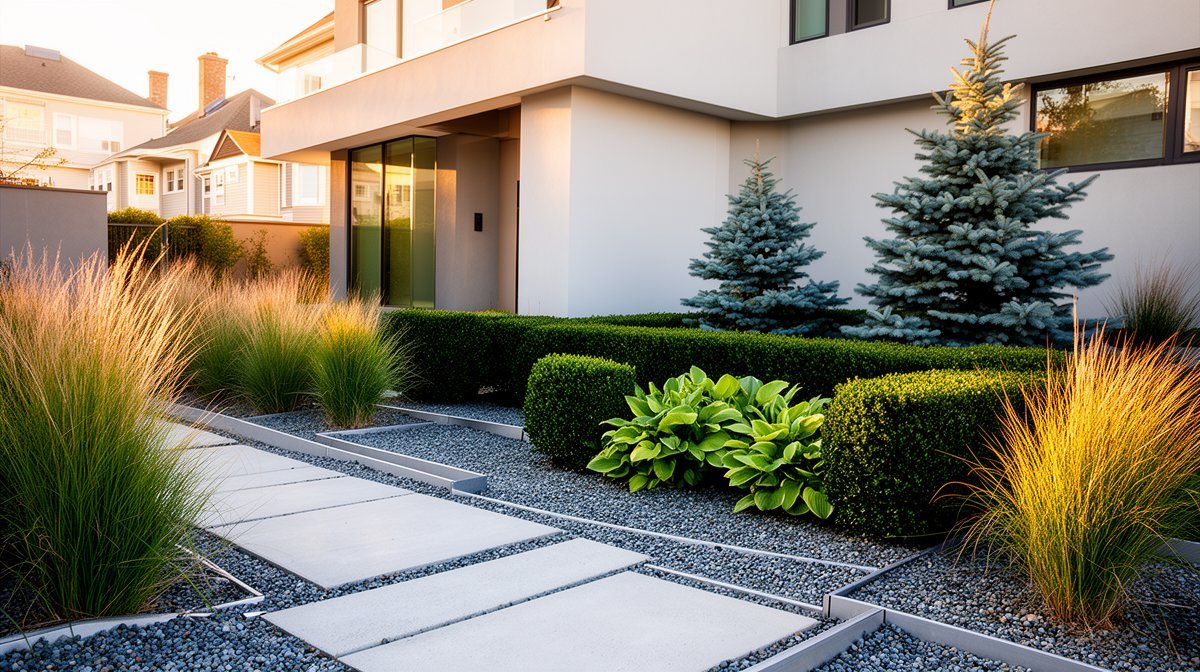
$12–24/sqftA two-storey contemporary in cream stucco and horizontal siding with black window frames and a warm wood door, where the entire front lawn has been replaced by fields of pea gravel and crushed granite divided into geometric planes by weathering-steel edging. The planting is deliberately sparse and sculptural: big blue-green rosettes, low pale succulents, small blue-green grass tufts, a clumping cactus and a few granite boulders, all with acres of gravel between them. A broad concrete walk and driveway apron cut the composition. The one Springfield caveat is snow — keep the gravel field back from the plow line and run a blower with the skids set high, or you will rake stone out of the neighbouring turf every April.

The Concrete Fire Terrace
$24–42/sqftA wide light-grey terrace of large-format concrete slabs off the back of a white two-storey with black-framed floor-to-ceiling glass, centred on a round precast concrete gas fire bowl. Four black-framed lounge chairs and a sofa in cream cushions circle it, café string lights run overhead on slim poles, and a mature deciduous tree anchors the right side of the composition. A clipped hedge screens the back property line, lawn sits beyond the slab, and the terrace edges are softened by drifts of upright grasses and low dark evergreen mounds. This is the design that stretches a Springfield outdoor season from a grudging four months to a comfortable seven, September and October included.

The Lit Pool Deck at Dusk
$55–110/sqft (pool area inclusive)Photographed at blue hour: a modern two-storey with a dramatic shed-roof overhang and a fully glazed, fully lit rear wall, opening onto a pale sand-finished concrete deck. A rectangular pool sits at the left with underwater lighting turning it turquoise against the dusk, and a sectional lounge grouping with low chairs and a coffee table occupies the right. Continuous LED strip lighting washes the planting beds at deck level, mounding grasses run the whole length of the pool edge and the fence line, and small multi-stem trees are uplit against black-stained boards. In Zone 6a a pool is a five-month asset, so the lighting and the winter grass structure are what earn the investment the other seven.
See how a modern/minimalist garden looks on YOUR property
Upload a photo of your Springfield yard and visualize your dream garden in seconds.
Try ProScapeAI Free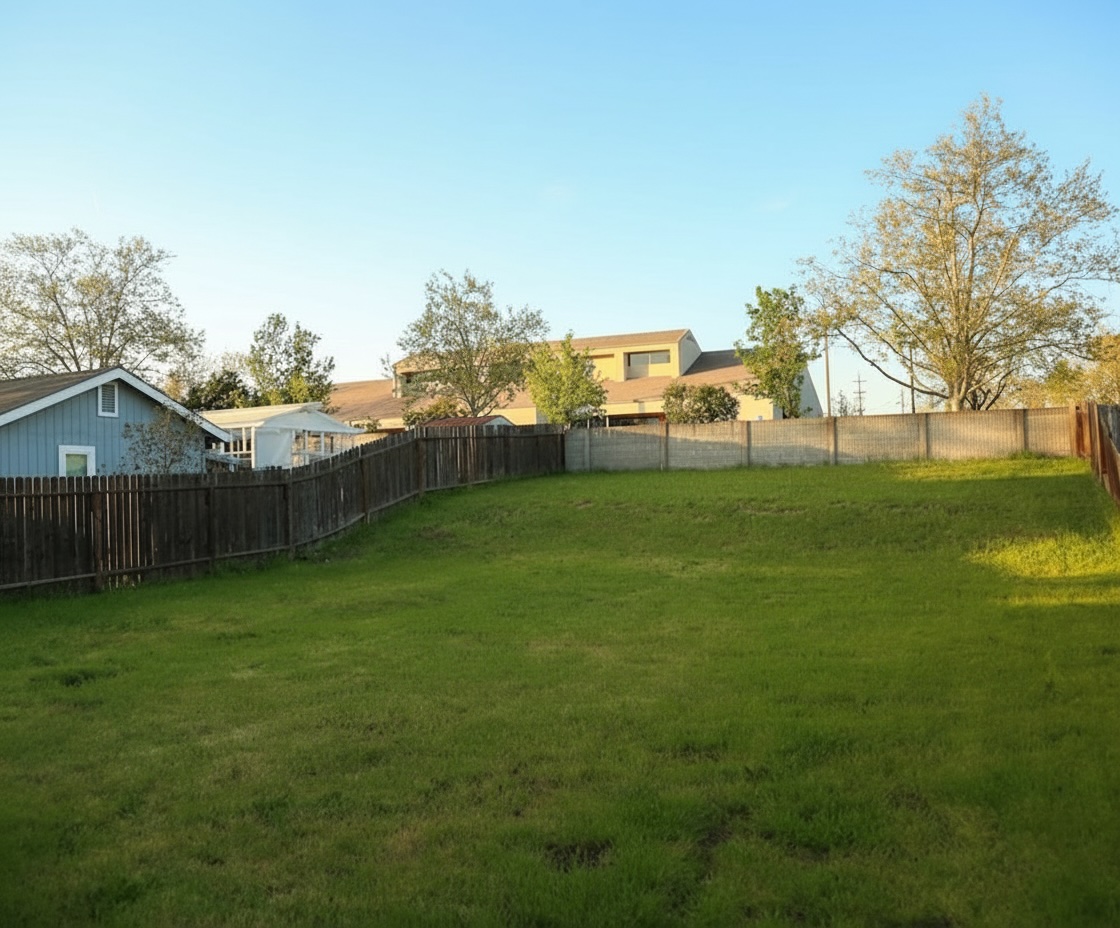
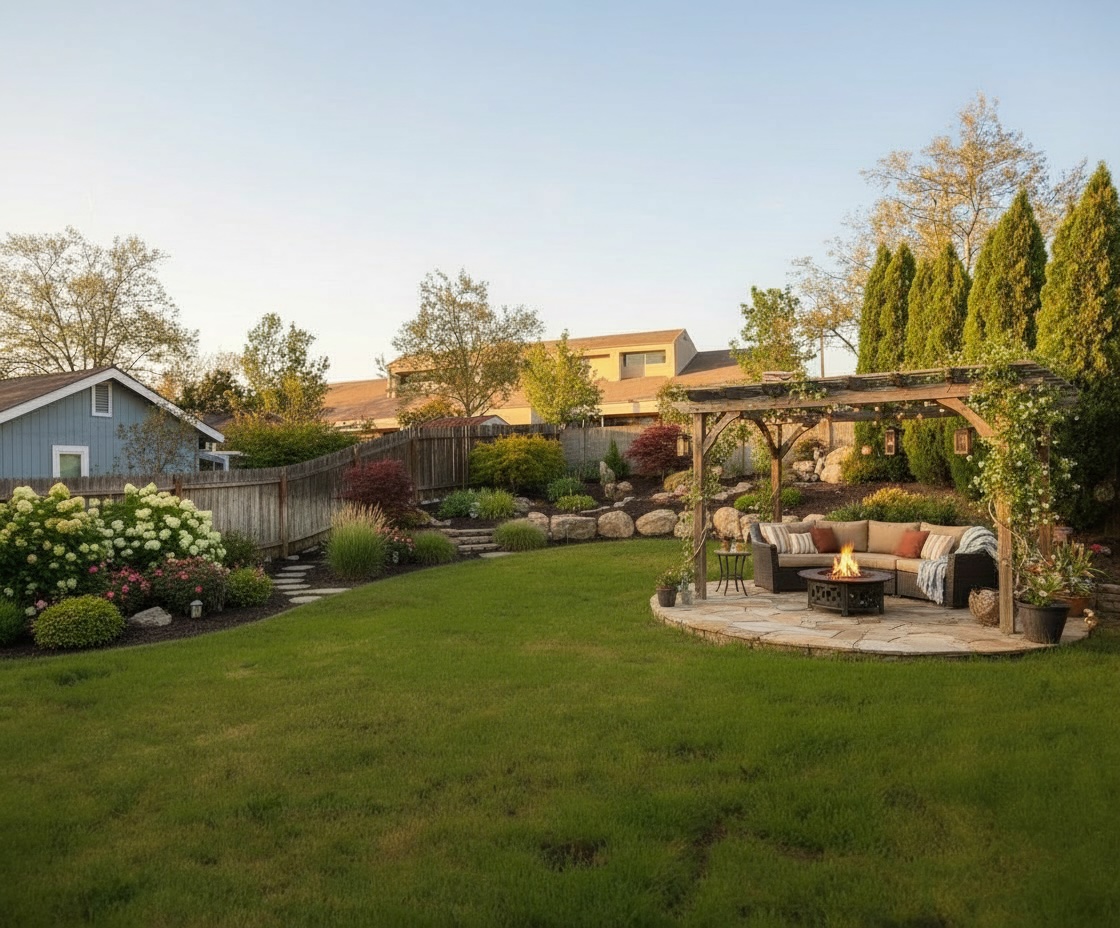
Featured Trees & Shrubs for Modern/Minimalist Gardens
Browse all 181 plants for Springfield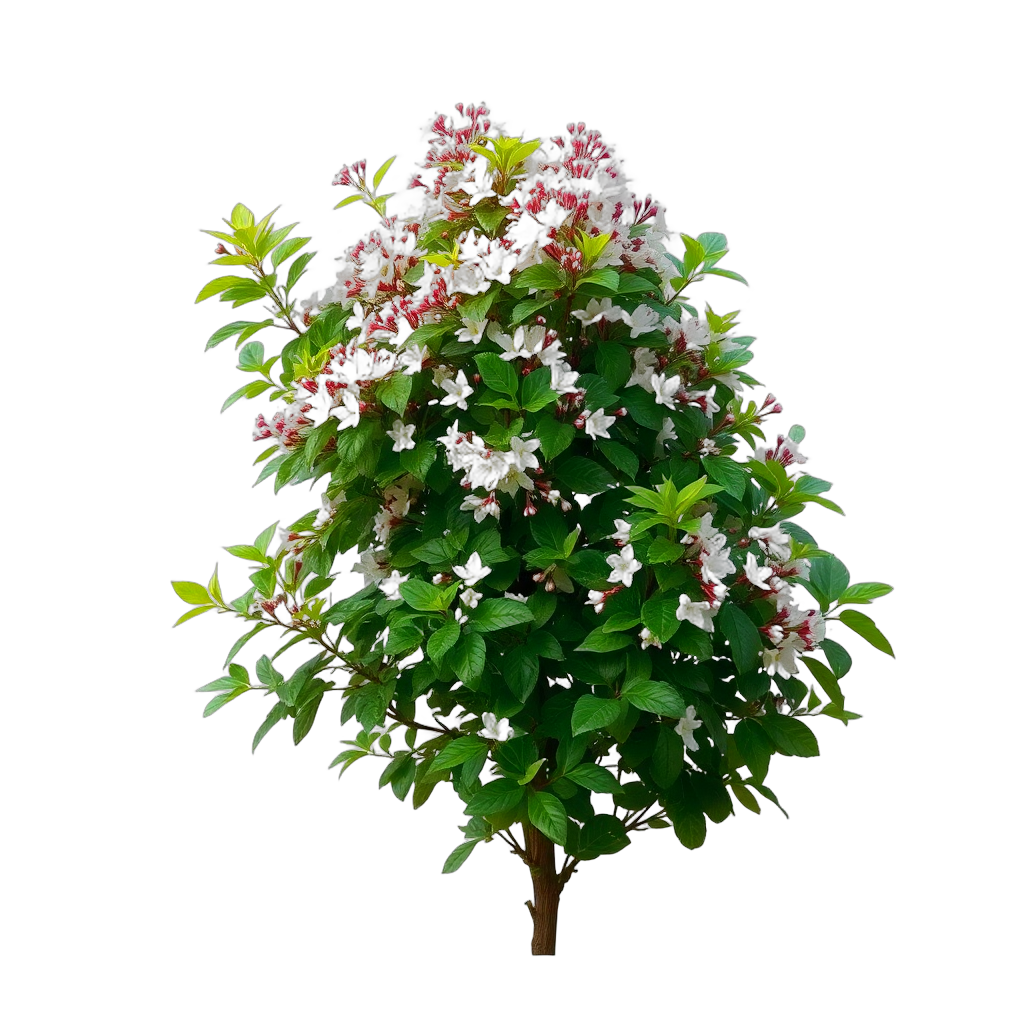
Arrowwood Viburnum
Viburnum dentatum
medium-sized at 10 feet, white blooms in spring. Pollinator-friendly.

Coastal Leucothoe
Leucothoe axillaris
grows to 3 feet, white blooms in spring. Evergreen year-round.
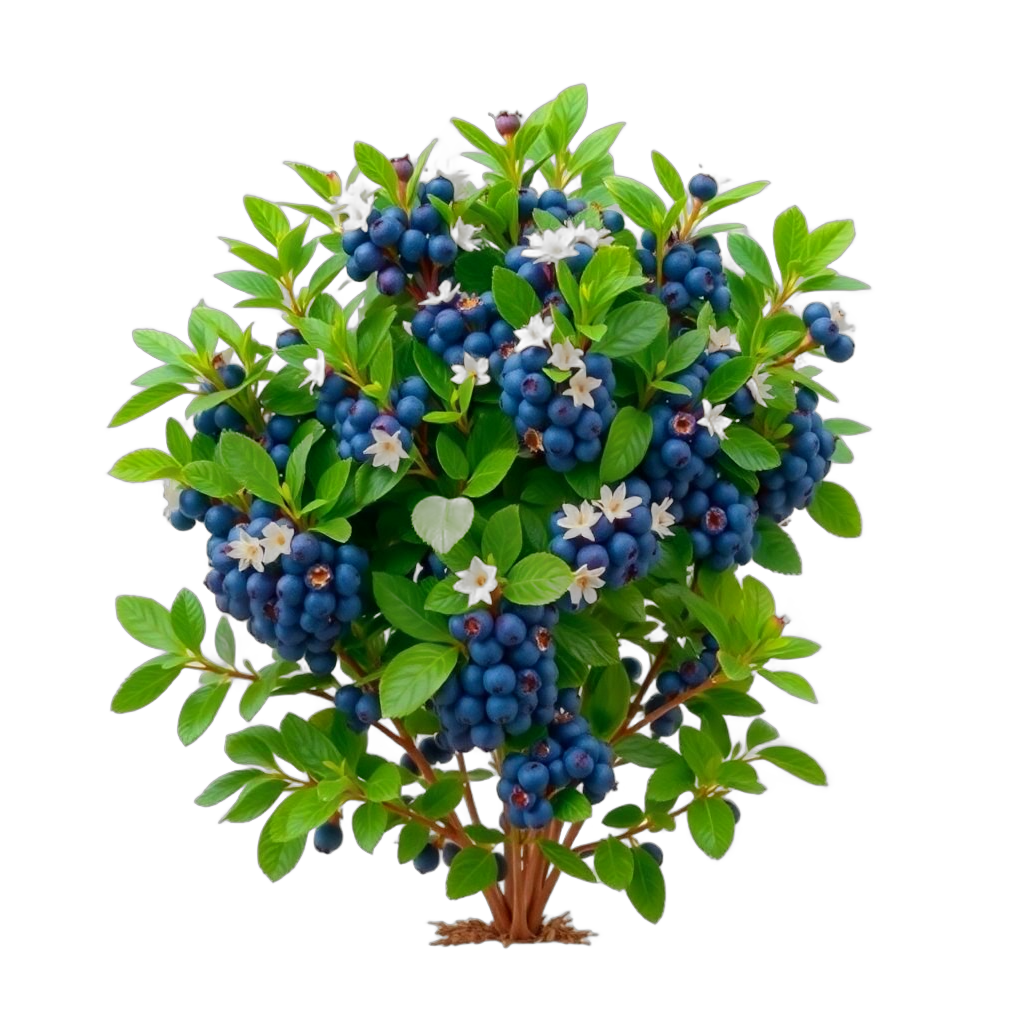
Highbush Blueberry
Vaccinium corymbosum
medium-sized at 7 feet, white blooms in spring. Attracts butterflies.

Inkberry
Ilex glabra
medium-sized at 8 feet, white blooms in spring. Pollinator-friendly.
Featured Grasses & Groundcovers for Modern/Minimalist Gardens
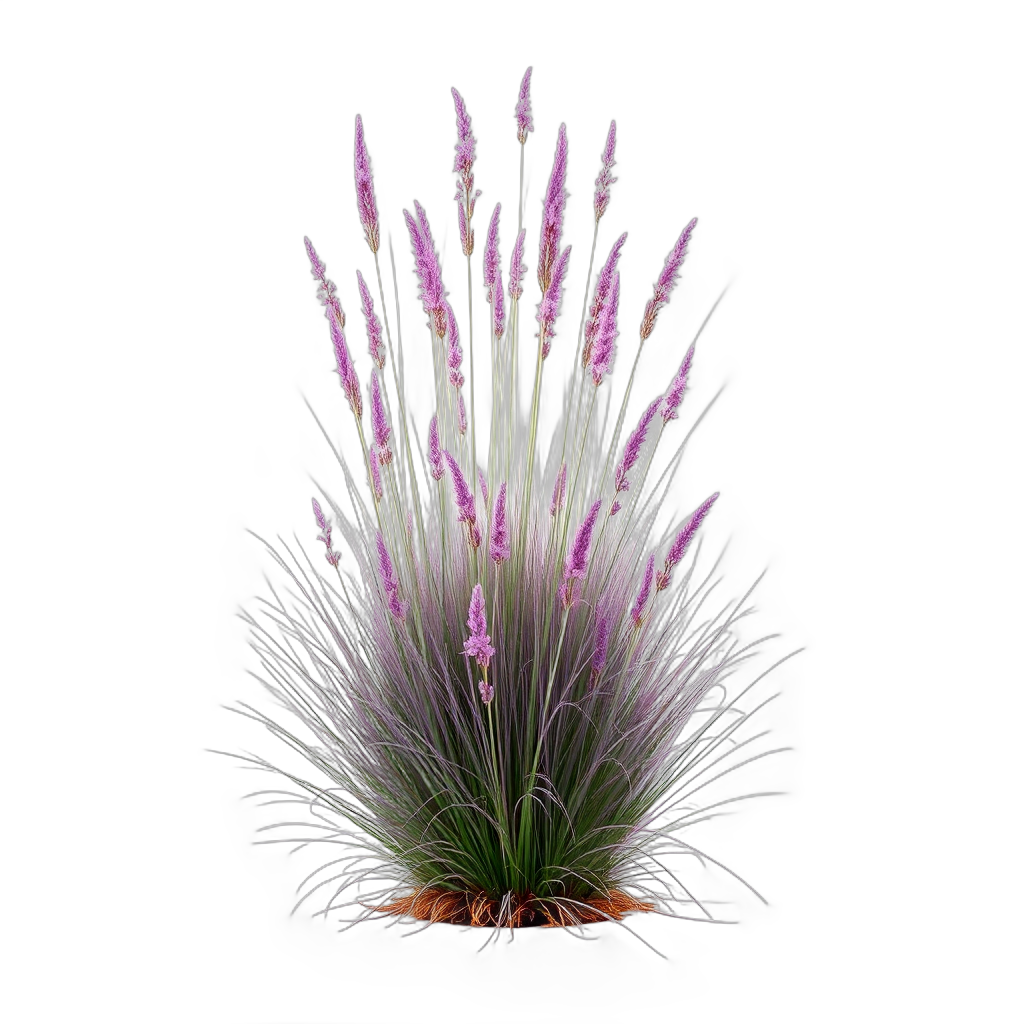
Purple Love Grass
Eragrostis spectabilis
low-growing ground cover, purple blooms in fall. Orange fall color.
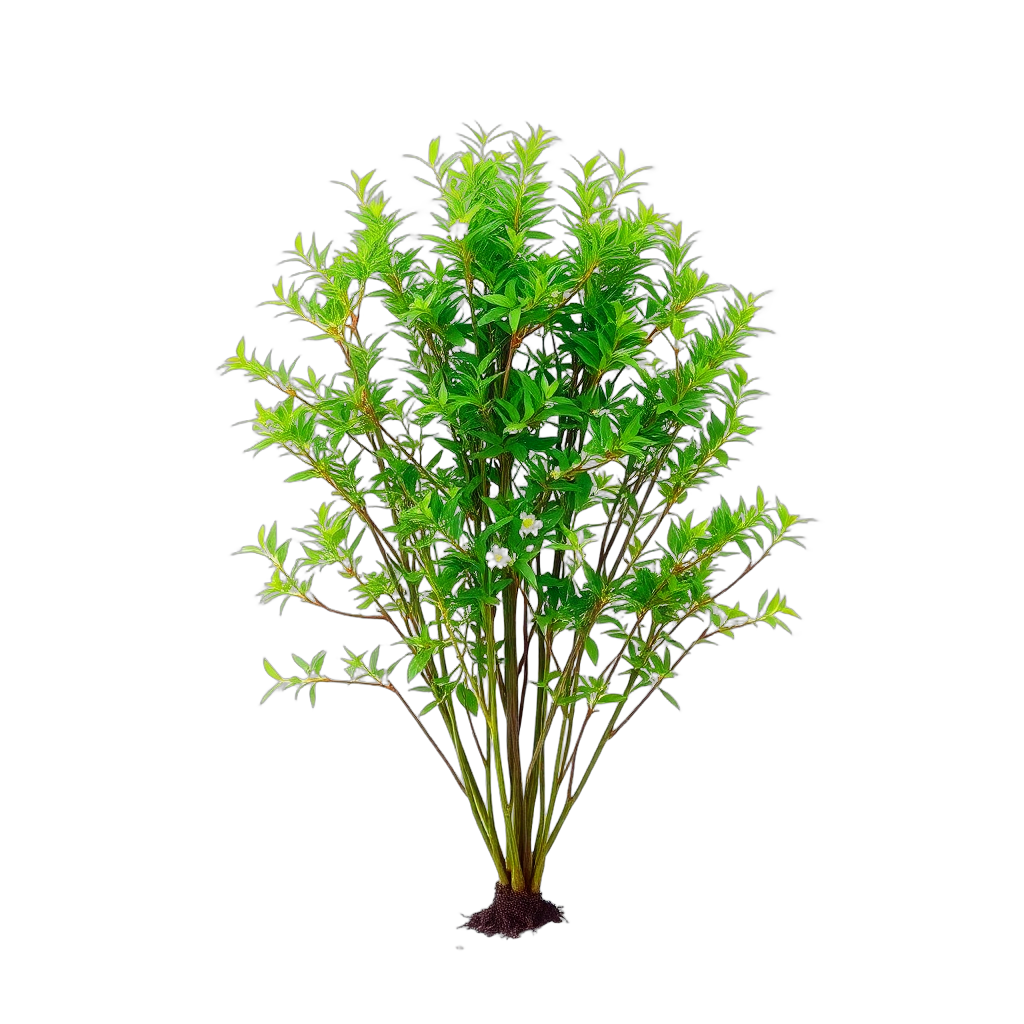
Dwarf Fernleaf Bamboo
Pleioblastus distichus
low-growing ground cover, blooms in none. Evergreen year-round.
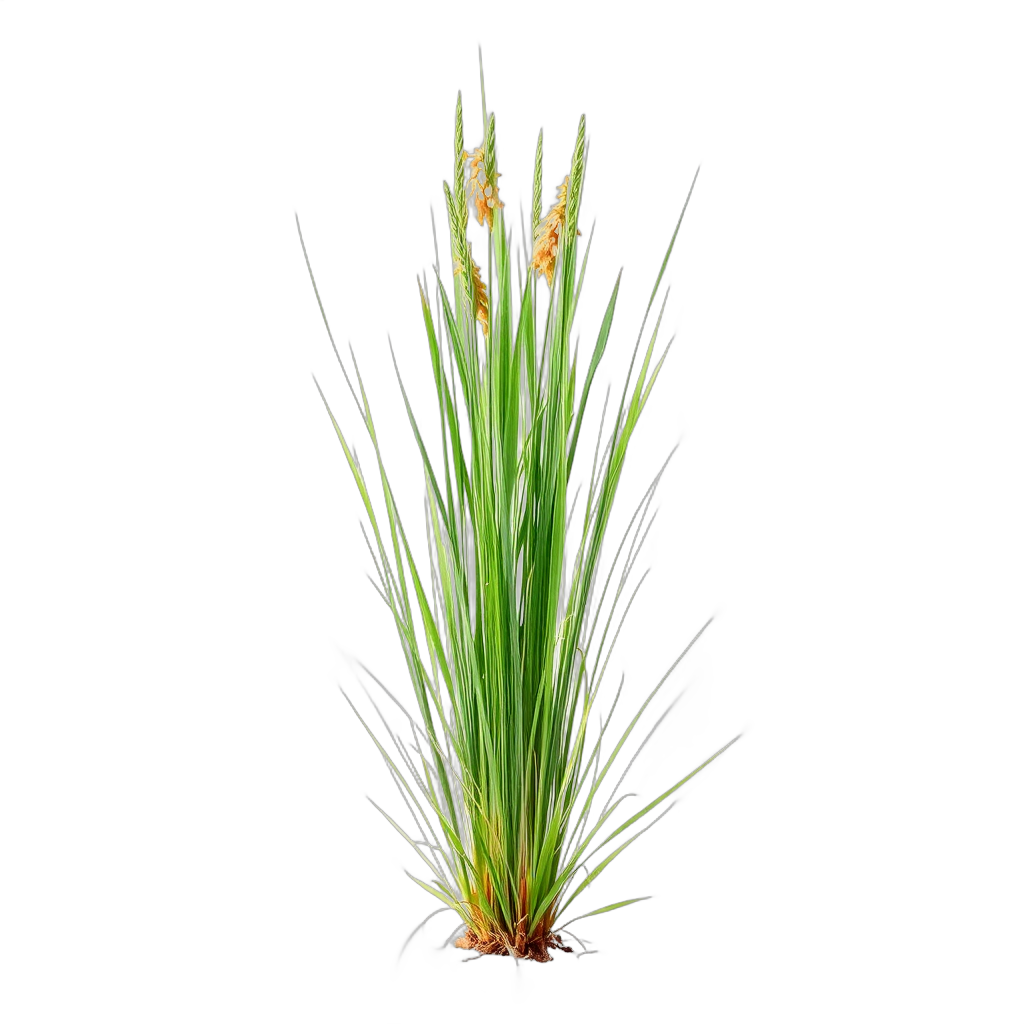
Eastern Gamagrass
Tripsacum dactyloides
grows to 6 feet, blooms in summer. Yellow fall color.
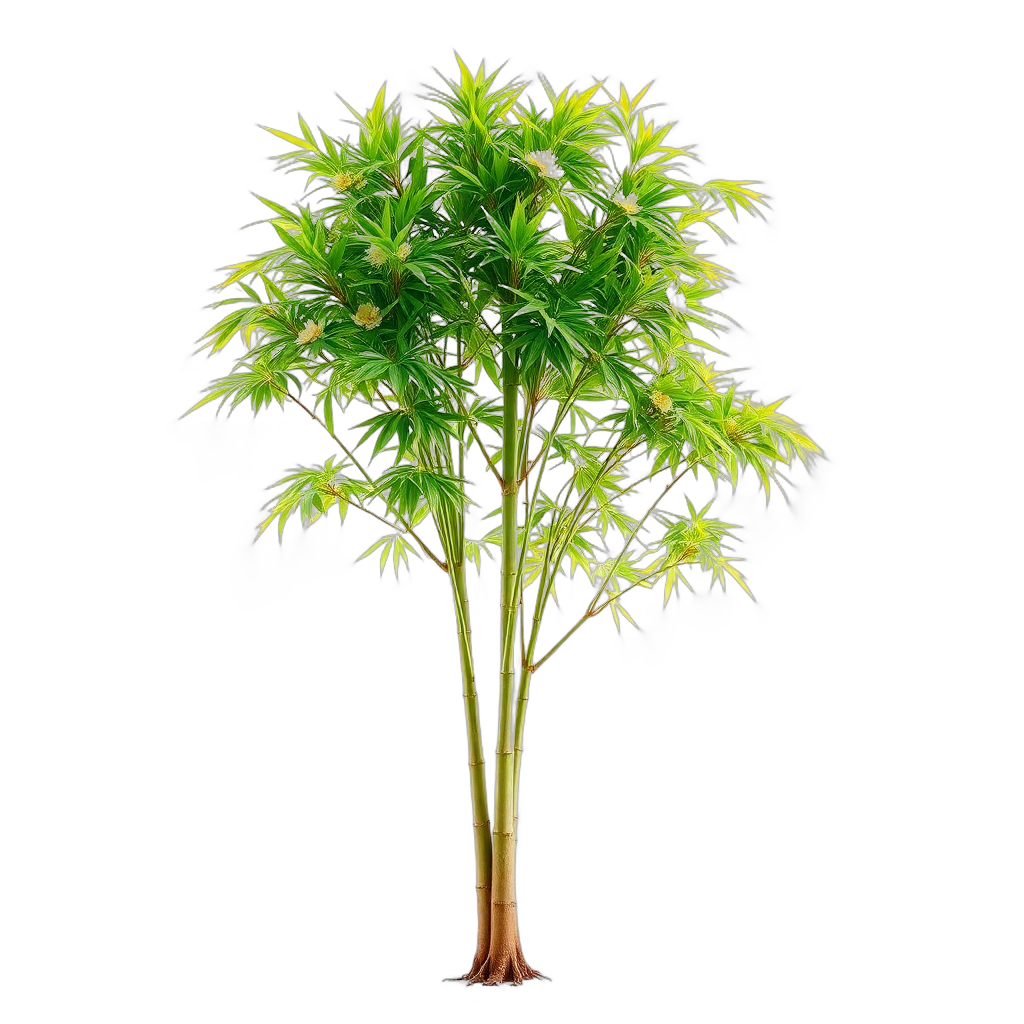
Large-leaf Bamboo
Indocalamus tessellatus
grows to 5 feet, blooms in none. Evergreen year-round.
Featured Flowers & Perennials for Modern/Minimalist Gardens
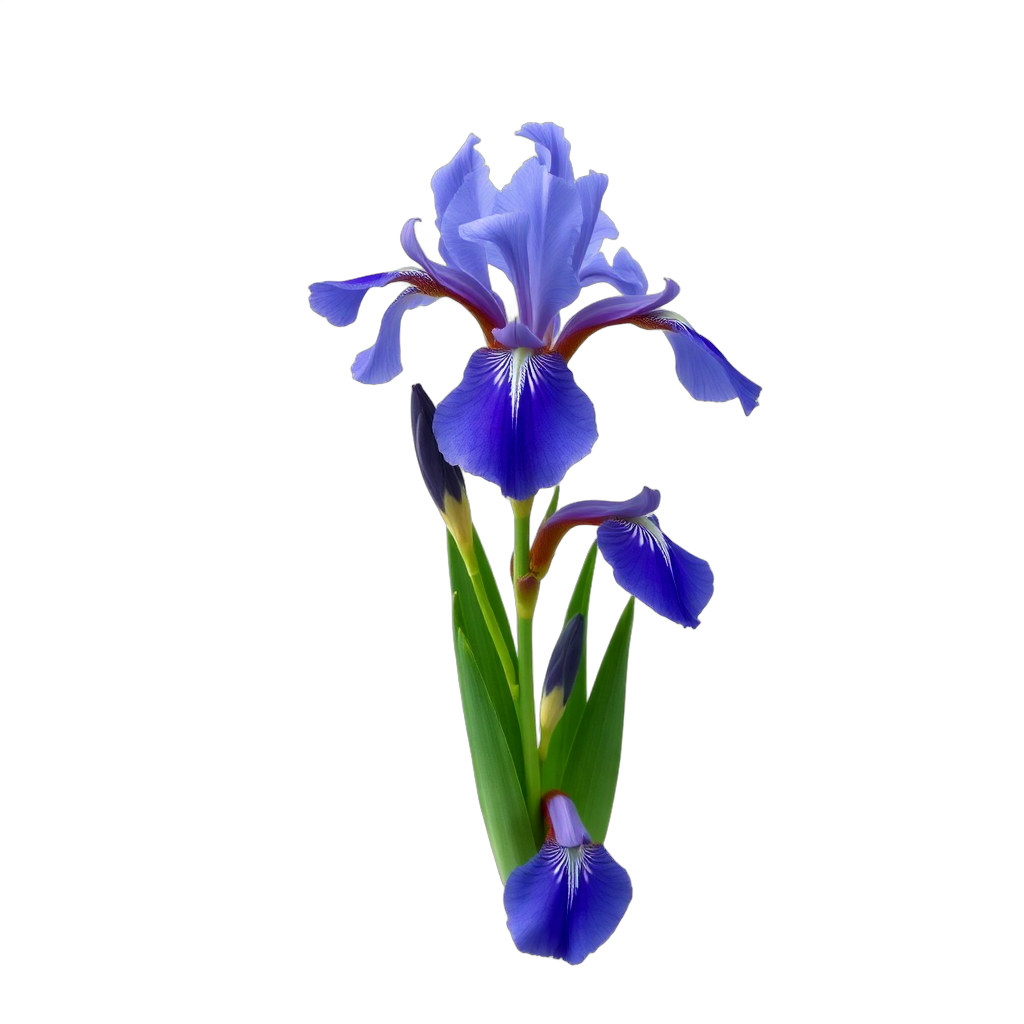
Blue Flag Iris
Iris versicolor
low-growing ground cover, purple blooms in spring. Attracts butterflies.

New York Ironweed
Vernonia noveboracensis
grows to 6 feet, purple blooms in fall. Attracts butterflies.
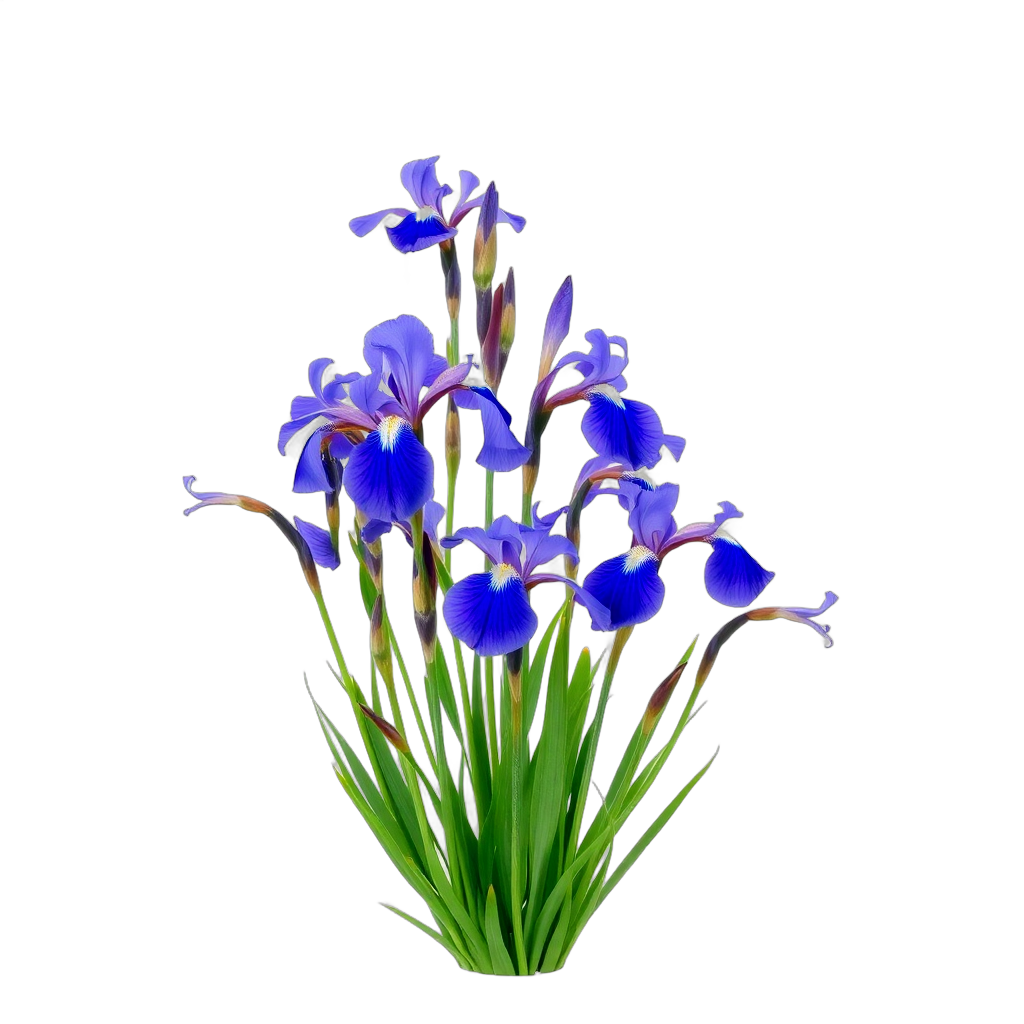
Southern Blue Flag
Iris virginica
low-growing ground cover, blue blooms in spring. Attracts butterflies.

Eastern Prickly Pear
Opuntia humifusa
low-growing ground cover, yellow blooms in summer. Attracts butterflies.
Zone and sun checks come from our database — confirm with your local nursery before you buy.
Bloom Calendar for Springfield
spring
Blue Flag Iris, Southern Blue Flag, Arrowwood Viburnumsummer
Ruby Spice Summersweet, Summersweet, Eastern Prickly Pearfall
New York Ironweed, Purple Love Grasswinter
Limited bloomsDesign Tips for Springfield (Zone 6a)
- Build every patio on open-graded clear stone, never stone dust. A Springfield freeze-thaw winter pumps water through a compacted-fines base and lifts the field out of level — 10 to 12 inches of washed 3/4 in stone drains, stays put, and is the difference between a patio that lasts five years and one that lasts thirty
- Take every footing below 48 inches. That is the Massachusetts frost depth, and it applies to pergola piers, fire-pit surrounds and any wall over 4 feet; shallow footings will visibly tilt after two winters, and in a design built on straight lines a 2-degree lean is the only thing anyone sees
- Design the snow before you design the summer. Work out where 40 inches of seasonal snowfall gets pushed and piled, then keep gravel fields, low edging and sculptural succulents out of the plow throw and off the shovel line
- Use grasses as the winter architecture, and choose by rigidity. Calamagrostis × acutiflora 'Karl Foerster' and Panicum virgatum 'Northwind' stay vertical under snow; Pennisetum alopecuroides 'Hameln' collapses in the first wet December storm, so place it where the flop does not read
- Set hardy succulents a foot up on stone. Cold is not what kills Agave parryi var. neomexicana or Sempervivum tectorum in Springfield — February meltwater at the crown is; 12 inches of crushed stone underneath and gravel mulch instead of bark makes them permanent
- Keep rock salt eight feet away from every bed. Switch to calcium chloride or coarse sand near planting, because sodium chloride browns Buxus × 'Green Velvet' and Thuja occidentalis and strips needles off Picea pungens on the plowed side every single spring
- Light the trunks, the grasses and the edges — not the house. Springfield's December sunset is before 4:30 p.m., so for half the year you see the landscape lit far more hours than you see it in daylight, and in-grade uplights on Amelanchier × grandiflora 'Autumn Brilliance' pay back more than any daytime feature
- Hold the material palette to three. Concrete, one metal and one wood is enough; the discipline is what makes a modern Springfield yard look designed rather than accumulated, and it also keeps the freeze-thaw detailing simple enough to get right
Where to Source Plants in Springfield
Skip the big-box stores. These independent Springfield nurseries specialize in the plants that make modern/minimalist gardens thrive in Zone 6a.
Sixteen Acres Garden Center
Sixteen Acres, Springfield
The only full-service garden center inside the city: ornamental grasses, clipped evergreens, specimen trees and bulk stone and mulch
Graziano Gardens
East Longmeadow
Best local range of grasses, dwarf conifers and architectural shrubs, plus large-format pottery for minimalist entry plantings
Class Grass Garden Center
Granby
Independent nursery north of Springfield with a broad grass and hardy-succulent bench, fruit and shade trees, and bulk gravel and mulch
E. Cecchi Farms
Feeding Hills, Agawam
Grower-owned farm and greenhouse with its own shrubs, trees and perennials — good source for massing a single cultivar at volume
Randall's Farm & Greenhouse
Ludlow
Large spring greenhouse operation, useful for filling modern planters and repeat-planting a single annual across a long bed
Modern/Minimalist Landscaping Costs in Springfield
| Project Scope | Estimated Cost |
|---|---|
| Poured concrete front walk replacement (80–120 sqft) | $3,500 – $8,500 |
| Front yard gravel conversion, 500 sqft (turf removal, base, steel edging, planting) | $7,500 – $17,000 |
| Large-format paver or concrete terrace (300–450 sqft) | $12,000 – $28,000 |
| Back garden fire terrace with seating and lighting | $18,000 – $45,000 |
| Low-voltage LED landscape lighting (12–18 fixtures) | $2,500 – $6,000 |
| Pool deck + full surrounding landscape | $80,000 – $180,000 |
| AI visualization with ProScapeAI | Free to start |
Estimates based on Springfield, MA-area contractor rates as of 2026. Actual costs vary by site conditions, materials, and contractor.
Springfield Climate & Growing Zone
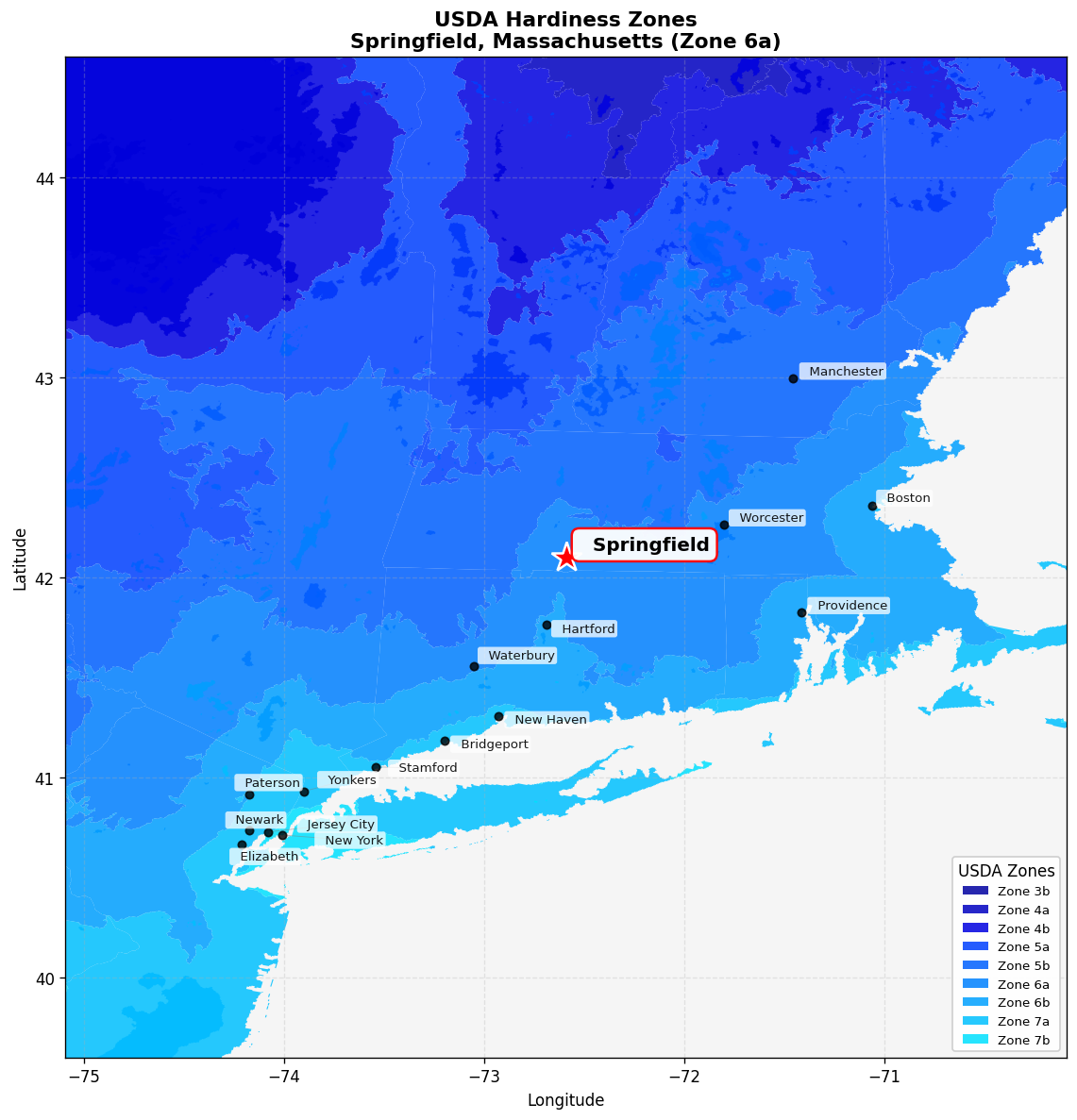
USDA Zone 6a
Hardiness zone for Springfield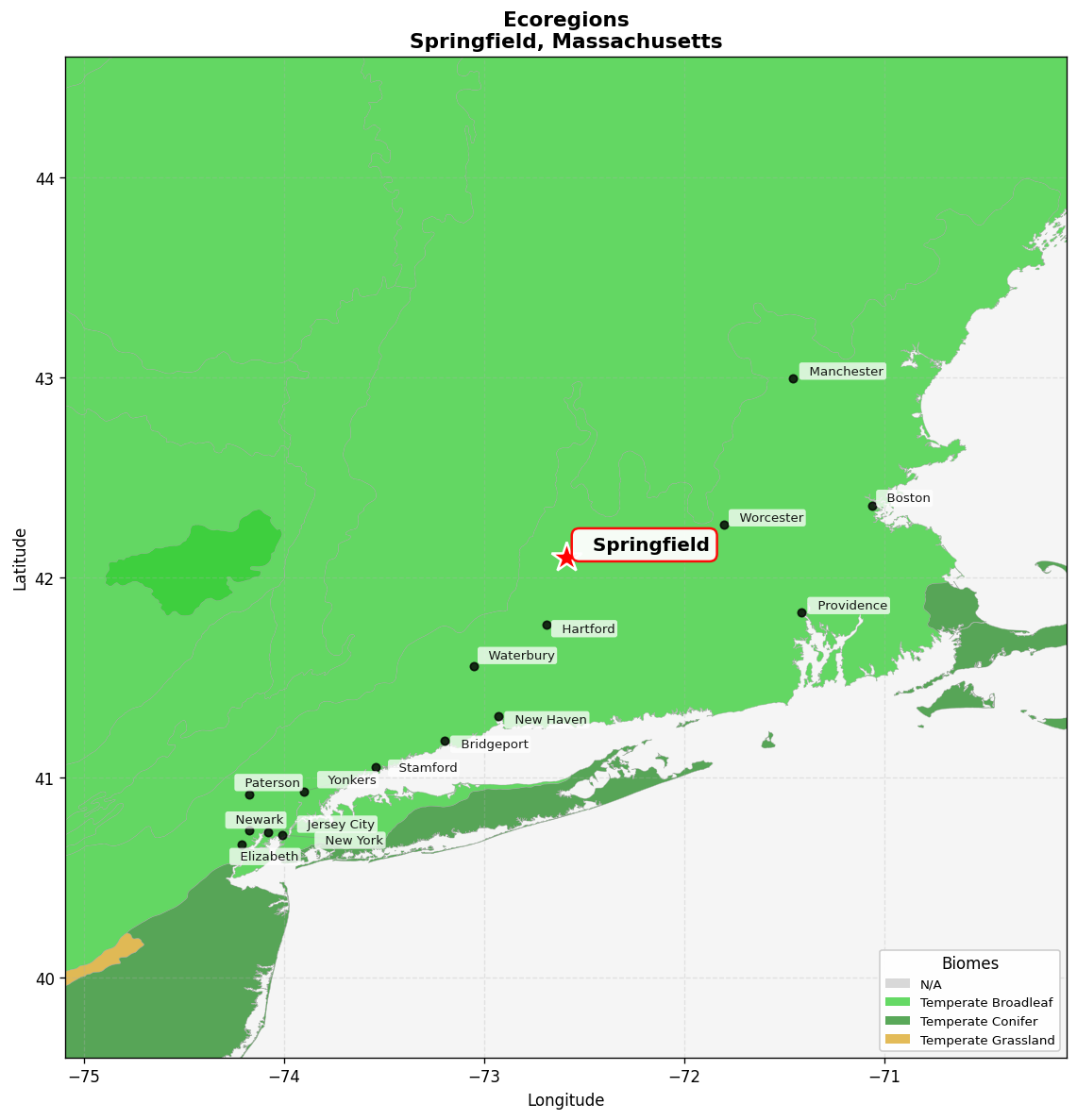
Northeast US Coastal forests
Native ecoregionFrequently Asked Questions
How much does modern landscaping cost in Springfield, MA?
Western Massachusetts installation pricing runs roughly 15–20% below Boston metro rates, which is the main reason clean-line design is achievable here on a normal budget. Replacing a front walk in poured concrete, 80–120 square feet, runs $3,500–8,500. A full front-yard gravel conversion of about 500 square feet — turf removal, drainage stone, Corten edging and sculptural planting with Agave parryi var. neomexicana and Festuca glauca 'Elijah Blue' — comes in at $7,500–17,000 installed. A large-format paver or concrete terrace of 300–450 square feet runs $12,000–28,000, and adding a gas fire feature, seating and lighting takes the back-garden total to $18,000–45,000. A pool deck with full surrounding landscape is a different order of project: $80,000–180,000.
Will agaves and succulents really survive a Springfield winter?
Yes, and the reason people assume otherwise is that they blame the cold when the actual killer is water. Agave parryi var. neomexicana is hardy well past -10°F, Yucca filamentosa 'Color Guard' shrugs off Zone 5, Sempervivum tectorum is effectively bulletproof, and Opuntia humifusa is native to the sand plains of this very river valley. What kills all of them in Springfield is February meltwater sitting around the crown. The fix is mechanical, not botanical: 12 inches of crushed stone under the plant, the crown set an inch or two above the surrounding grade, and gravel rather than bark as the mulch so the neck stays dry. Do that and they are permanent. Plant them at grade in Hungry Hill hardpan and they will be mush by April.
Which grasses give winter structure in Zone 6a?
This matters more here than in a mild climate, because a modern landscape in Springfield is looked at leafless from November to May. Calamagrostis × acutiflora 'Karl Foerster' is the benchmark — it stays vertical under heavy snow load and reads as architecture all winter. Panicum virgatum 'Northwind' is the second choice, stiff enough to hold up through 40 inches of seasonal snowfall, and Schizachyrium scoparium 'Standing Ovation' keeps a copper-bronze colour into February without flopping the way common little bluestem does. Miscanthus sinensis 'Morning Light' gives fine texture and Sesleria autumnalis stays low and neat. The one to place carefully is Pennisetum alopecuroides 'Hameln' — beautiful in September, flattened by the first wet December storm, so put it where a collapse does not matter. Cut everything back in late March, not autumn.
How do I stop a concrete or paver patio from heaving in a Springfield winter?
Freeze-thaw is the local enemy, and about 47 inches of annual precipitation gives it plenty to work with. For pavers, use an open-graded base — 10 to 12 inches of washed 3/4-inch clear stone with no fines, over geotextile, with polymeric or clear-stone joints. Water passes straight through instead of freezing in the base and lifting the field, which is precisely what happens with the traditional compacted stone-dust build. For poured concrete, specify air-entrained mix, control joints every 8 to 10 feet, and slope the slab at about 2% away from the house. Anything with a footing — a pergola pier, a fire-pit surround, a wall over 4 feet — must reach below the 48-inch Massachusetts frost depth. Skipping that detail is the most common reason a three-year-old Springfield patio looks ten.
What is the best time of year to install a modern landscape in Springfield?
April through June and September through October are the two good windows. Planting in September is quietly the best of all — the soil is still warm, autumn rainfall is dependable, and grasses and shrubs root out fully before the ground freezes around mid-December. Hardscape has a longer season than people think, but concrete pours generally stop once overnight temperatures stay below about 40°F, which in Springfield means roughly mid-November through late March. Excavation is possible any time the ground is not frozen. Plan for a last frost around May 5 and a first frost near October 10 if the design includes anything tender in containers, and expect contractor schedules in the valley to be fully booked from March onward.
How does snow and road salt affect a minimalist front yard?
Both need designing for, and neither is a reason to avoid the style. Decide where 40 inches of season snowfall is going before you build: keep gravel fields and low planting beds out of the plow throw and off the shovel line, and avoid delicate edging where a blade will hit it. On de-icing, sodium chloride is the problem — it browns Buxus × 'Green Velvet' and Thuja occidentalis and burns Picea pungens needles on the exposed side, and the damage from street plowing typically reaches about six feet in from the curb. Use calcium chloride or coarse sand within eight feet of any bed, put salt-tolerant grasses like Panicum virgatum and Sporobolus heterolepis on the street edge, and keep the clipped evergreens well back where they will still look sharp in April.
Do I need permits, and are there watering restrictions?
Planting, mulch, gravel beds and bed edging need no permit in Springfield. Permits and reviews attach to retaining walls above 4 feet, decks, fences above 6 feet, pools, and any roofed structure. Two local checks are worth making early: if your property sits in one of the city's local historic districts, the Springfield Historical Commission reviews street-visible exterior changes, and if any work falls within 100 feet of a wetland or 200 feet of a perennial stream, the Massachusetts Wetlands Protection Act puts it before the Conservation Commission. On water, the Springfield Water and Sewer Commission has no permanent ban, but MassDEP declares Connecticut River Valley drought levels most dry summers, typically limiting nonessential outdoor watering to before 9 a.m. and after 5 p.m. An established gravel-and-grass design needs no supplementary water at all once past its second season.