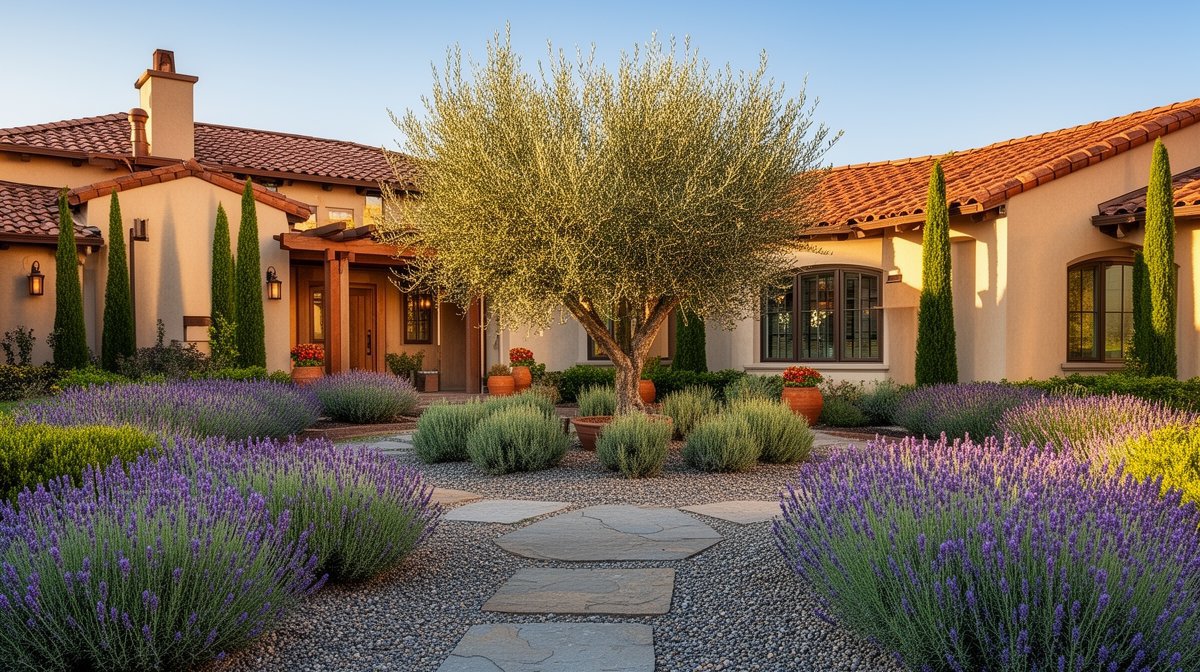
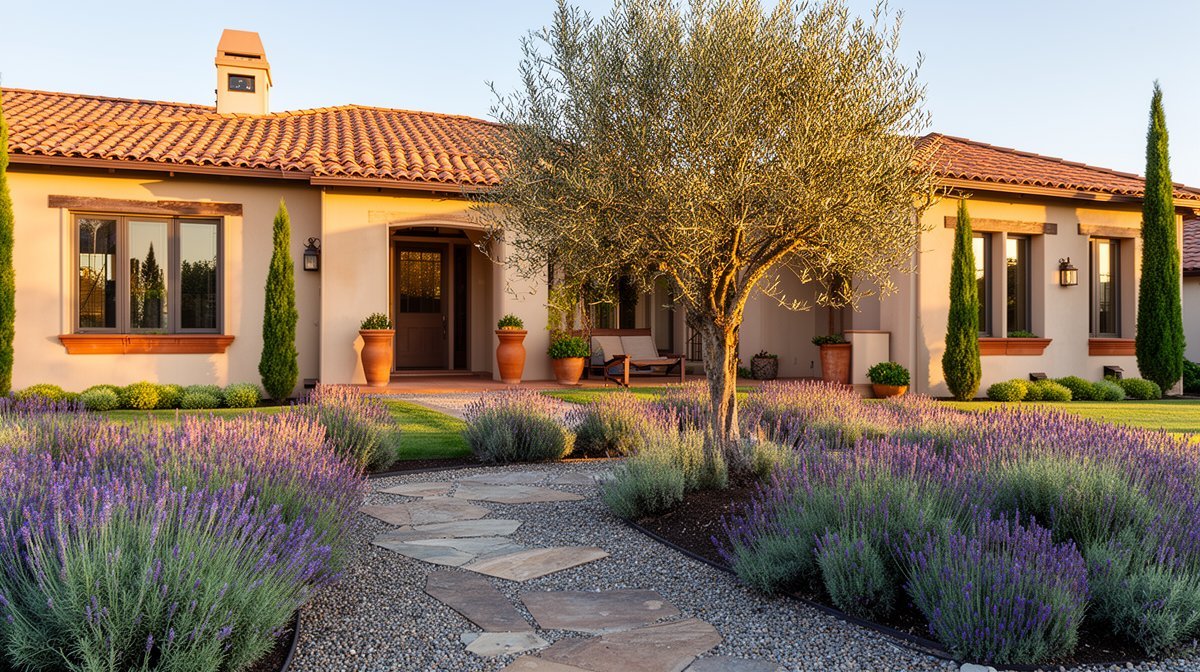
4 Mediterranean Garden Ideas for Tacoma, WA | Tuscan-Style Landscape Design in Zone 8b
Native plants from the Puget lowland forests (Zone 8b) — Mediterranean (warm summer) climate
Why Mediterranean Gardens in Tacoma?
Here is the fact most Tacoma homeowners never hear: the city technically has a Mediterranean climate. Köppen classifies the Puget lowlands as Csb — the same dry-summer category as coastal Spain and much of coastal California — because July and August routinely deliver under two inches of rain combined while winters stay mild and wet. That is precisely the rainfall rhythm Mediterranean plants evolved for, which is why lavender is not just viable here but commercially farmed across the region — Sequim, two hours up the Sound, calls itself the Lavender Capital of North America. Rosemary, santolina, Italian cypress, and even hardy olive varieties handle Zone 8b winters (lows of 15–20°F), and Tacoma's gravelly glacial soil supplies the sharp drainage the whole palette demands.
Honesty about the limits makes the style work. True citrus and bougainvillea are not hardy in Tacoma — grow them in terracotta pots that summer outdoors and winter in a garage, sunroom, or greenhouse, exactly as northern Italian gardeners have done with lemon trees for four centuries. Olives need the warmest wall you own: cold-hardy cultivars like 'Arbequina' survive most Tacoma winters in a sheltered, south-facing, sharply drained spot, but treat fruit as a bonus, not a plan. For bougainvillea's magenta blaze on a pergola, hardy substitutes — 'Dortmund' climbing roses, Jackmanii clematis, or hardy fuchsia — deliver the saturated color with none of the gamble. The stucco, terracotta, gravel, and wrought iron that carry the style's architecture, meanwhile, are completely climate-proof.
The payoff for getting it right is a landscape almost perfectly tuned to South Sound realities. Gravel courtyards and drought-adapted planting need virtually no summer irrigation — a genuine advantage as Tacoma Public Utilities pushes summer conservation — and no mowing, ever. Winter is the one season to engineer for: crown-sensitive plants like lavender and olives want raised or bermed beds so Tacoma's 40 inches of October-to-May rain drains past the roots rather than pooling around them, and terracotta pots must be frost-rated or emptied before hard freezes. Design the drainage, choose the hardy versions of the classics, wheel the citrus indoors in November, and a Mediterranean garden in Fircrest or the North End will look convincingly like Tuscany from June through September — during exactly the months Tacoma weather is at its Mediterranean best.
4 Mediterranean Design Ideas for Tacoma
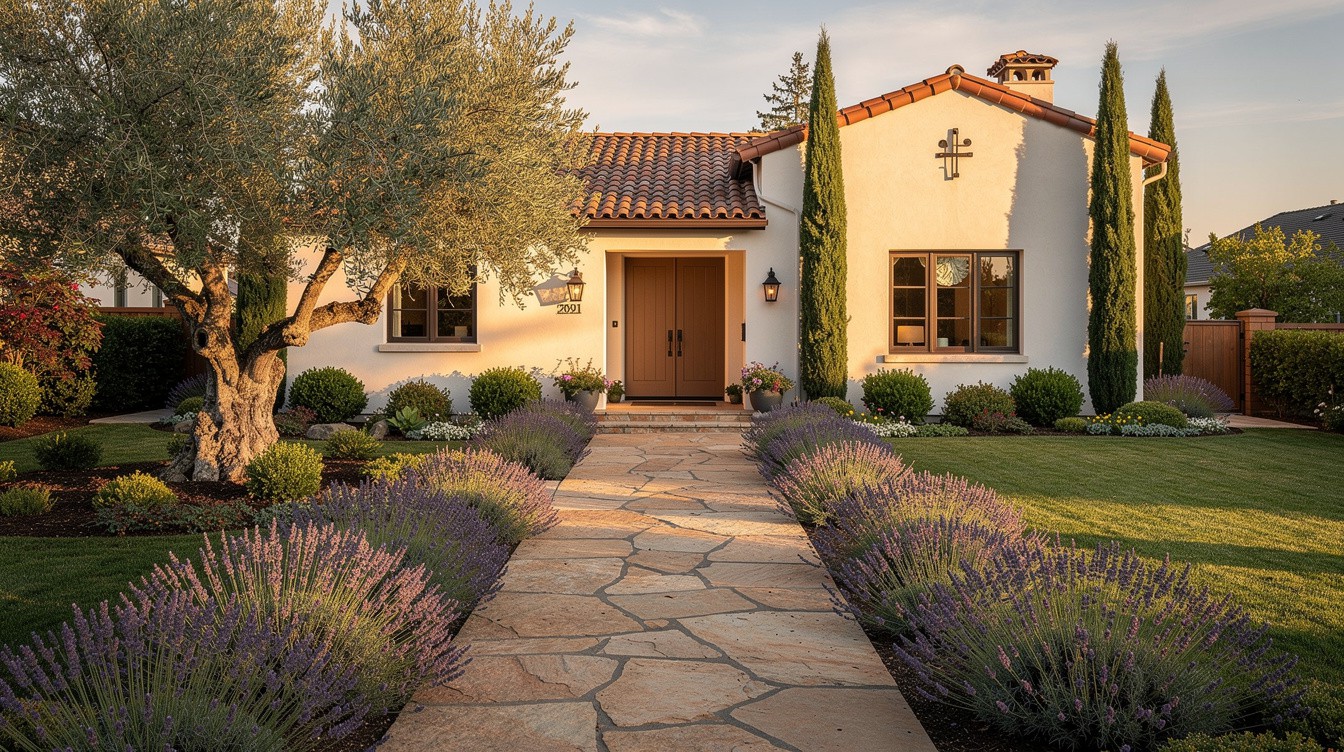
The Olive & Lavender Allée
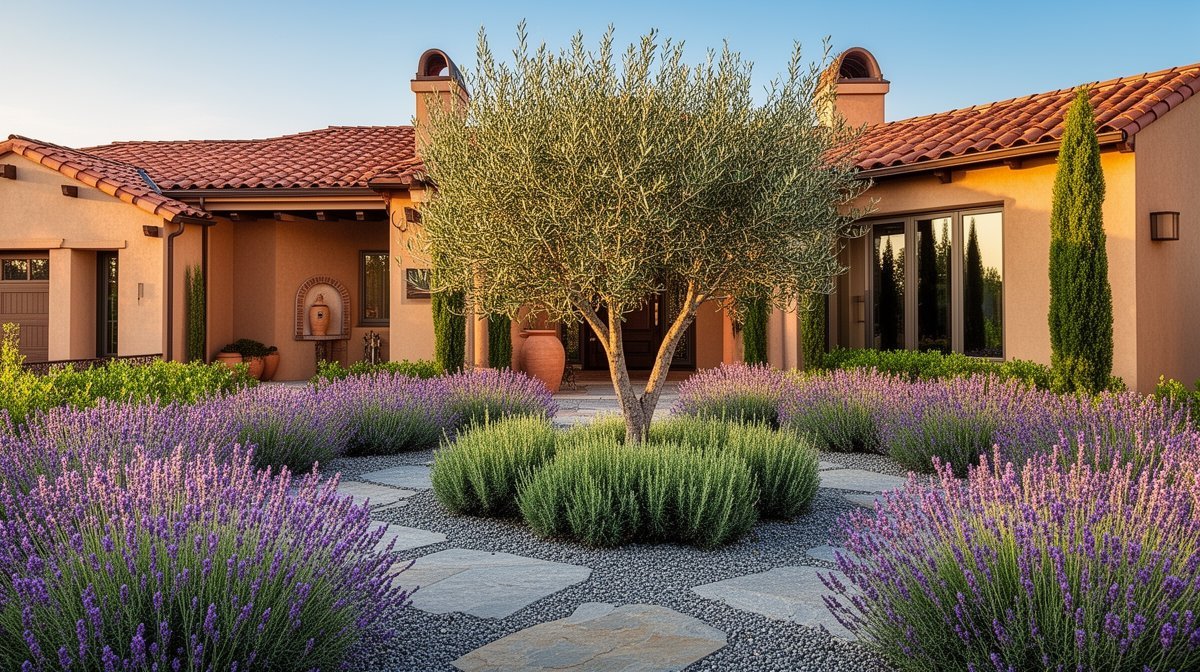
$12–24/sqftA white stucco home with a terracotta barrel-tile roof, wooden double entry doors, and paired Italian cypress sentinels, approached down a flagstone path lined on both sides with billowing hedges of blooming lavender. A gnarled, multi-decade olive tree anchors the front bed in classic Tuscan fashion, underplanted with clipped boxwood spheres and silver groundcovers, while a green lawn panel keeps the composition soft. Every element on display is achievable in Tacoma — the lavender and cypress are fully hardy, and an 'Arbequina' olive in this sheltered, south-facing position is a realistic centerpiece for a Zone 8b front yard.
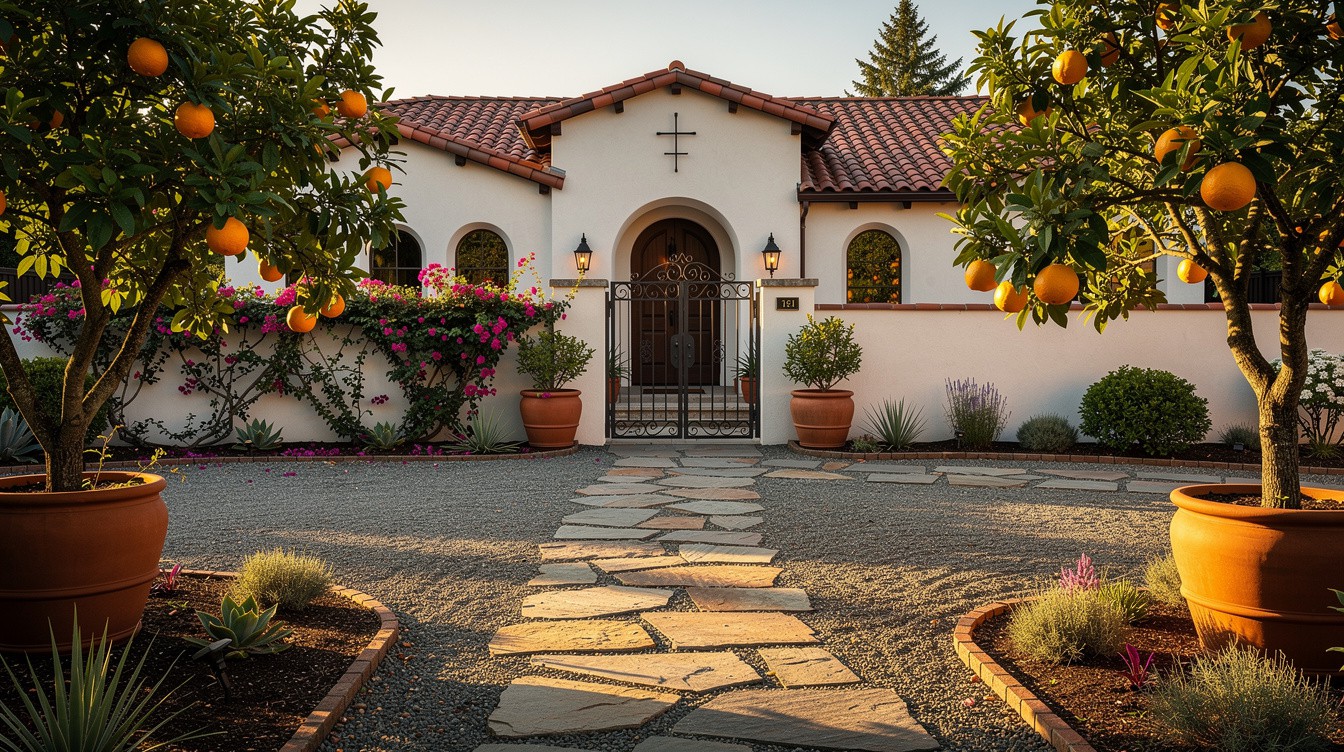
The Walled Citrus Courtyard
$14–26/sqftA low stucco courtyard wall with a wrought-iron gate turns the entire front yard into a private gravel courtyard, crossed by a flagstone path and edged in brick-trimmed planting beds. Orange trees heavy with fruit flank the gate and rise from enormous terracotta pots — in Tacoma these citrus live in their containers year-round, summering in the courtyard and wintering under cover — while magenta bougainvillea drapes the wall in a role a 'Dortmund' rose or clematis plays for a permanent Northwest planting. Agaves, potted bays, and drifts of low perennials fill the beds, and the crunch of gravel does the rest.
The Fountain Terrace
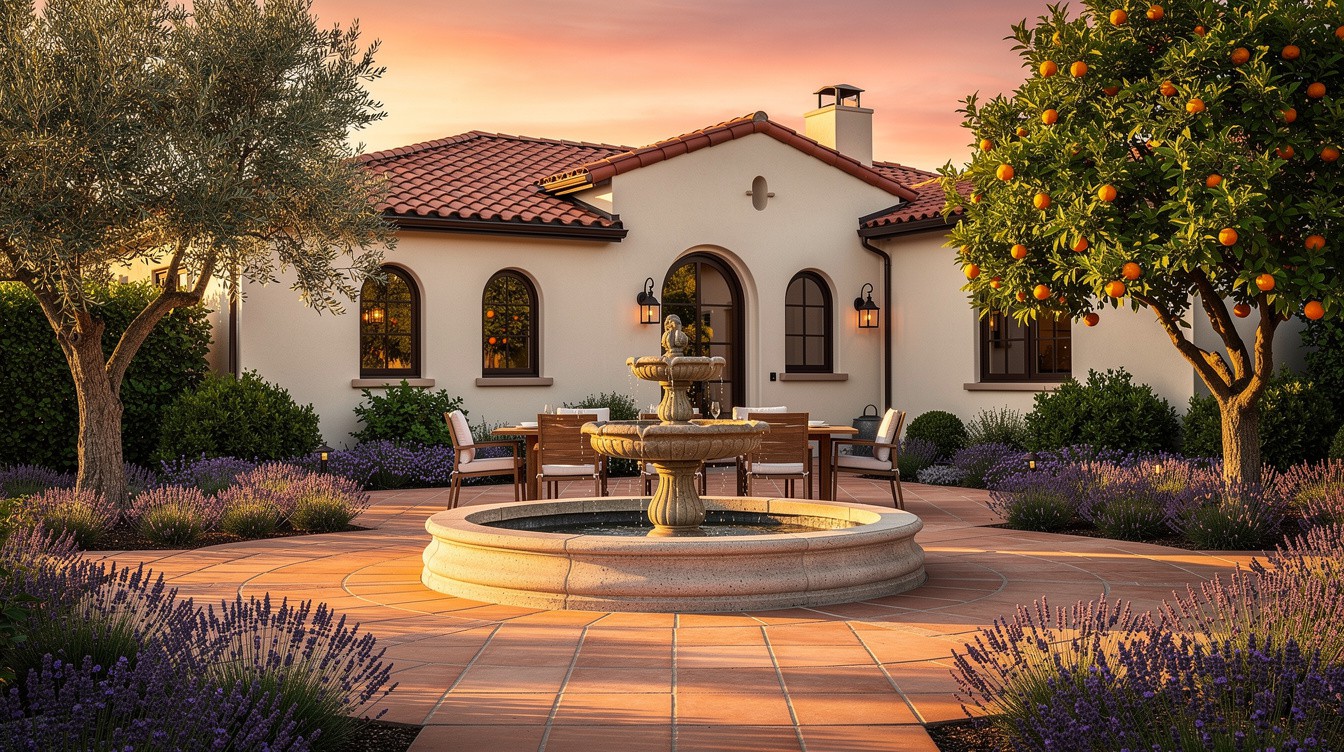
$20–38/sqftBehind a white stucco home with arched windows and a red tile roof, a circular terracotta-paver terrace radiates out from a three-tiered cast-stone fountain, with a wooden dining table and cushioned chairs set to catch the evening light. Massed lavender surrounds the entire terrace in concentric purple waves, an olive tree shades one flank and a fruiting orange tree the other — the citrus being Tacoma's one container-grown concession on an otherwise fully hardy plan. The fountain's splash, the warm paving underfoot, and lavender at nose height make this the most sensory of the four designs, and every hard element weathers Puget Sound winters untouched.
The Bougainvillea Pergola Lounge
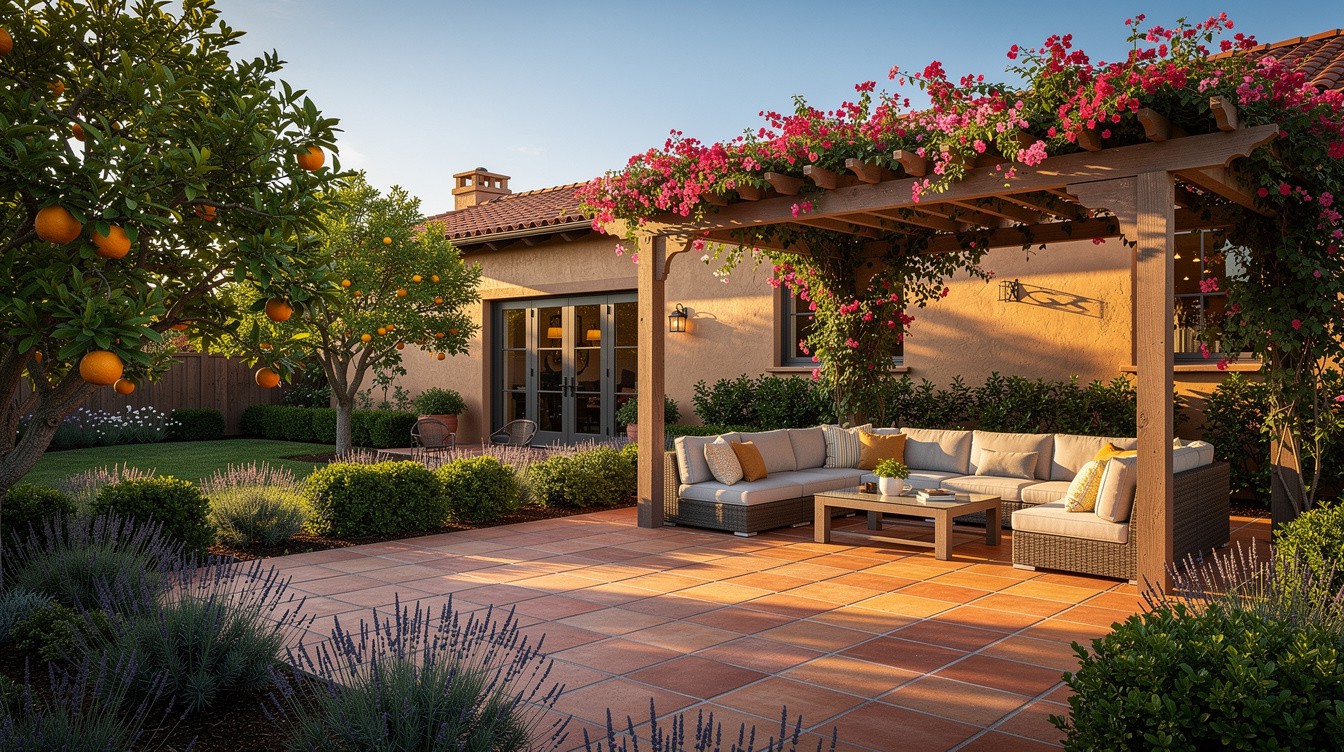
$22–40/sqftOff a warm ochre-stucco home, a stout timber pergola smothered in cascading pink and magenta blooms shelters a deep outdoor sectional and coffee table on a field of square terracotta tile. Clipped boxwood hedges and lavender borders define the patio edges, citrus trees glow with fruit at the corners, and a wall-mounted iron sconce and decor keep the Old World mood after dark. In Tacoma the pergola's showstopper canopy comes from hardy substitutes — a vigorous 'Dortmund' rose, Jackmanii clematis, or hardy fuchsia deliver the saturated color — while the tile, timber, and stucco palette needs nothing but a sealed surface to shrug off the rain.
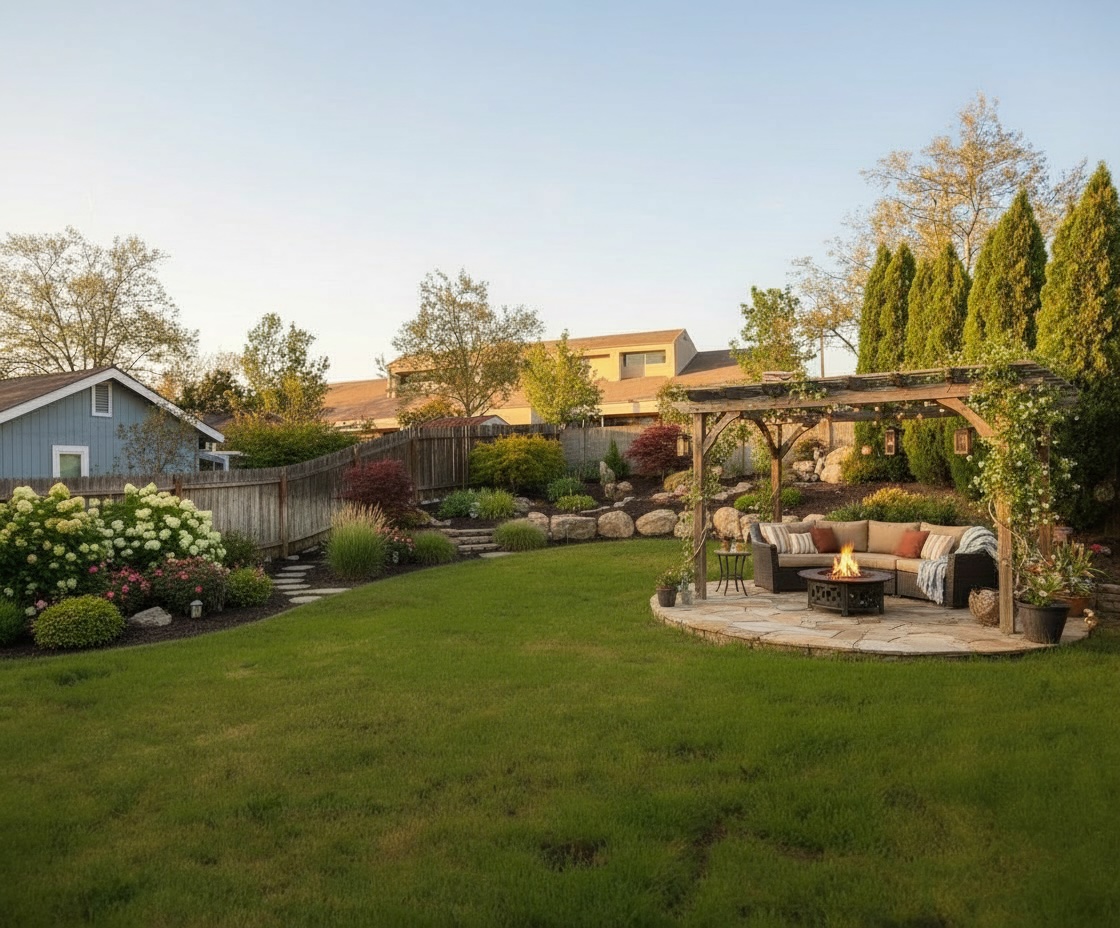
See how a mediterranean garden looks on YOUR property
Upload a photo of your Tacoma yard and visualize your dream garden in seconds.
Try ProScapeAI Free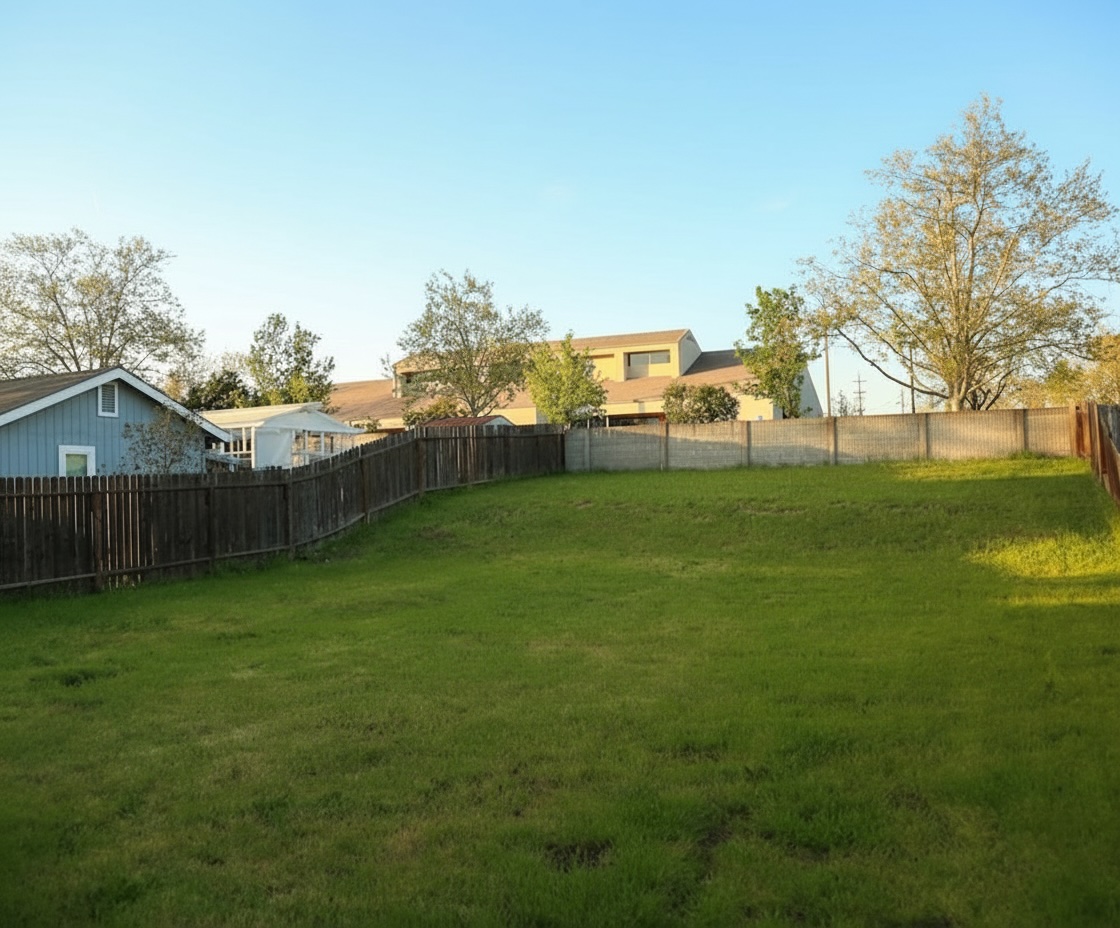
Featured Trees & Shrubs for Mediterranean Gardens
Browse all 164 plants for Tacoma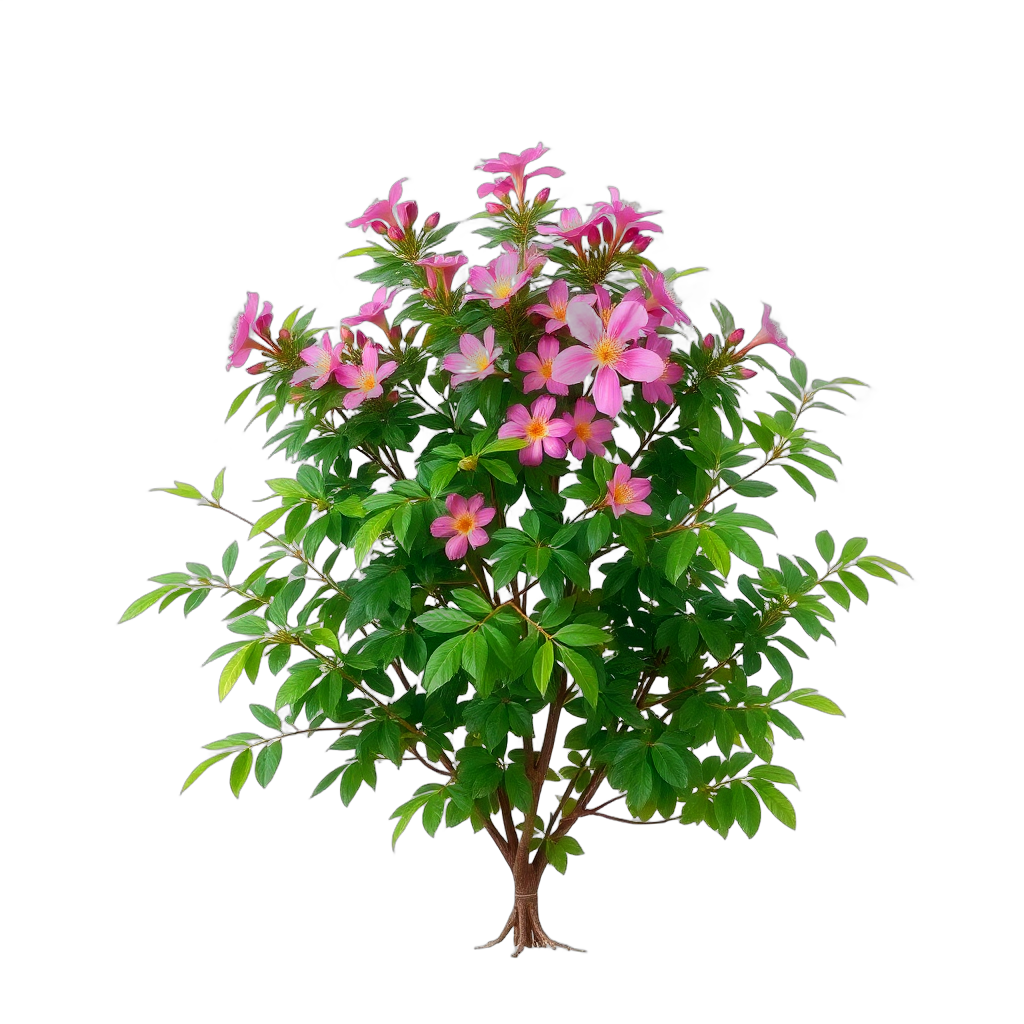
Nootka Rose
Rosa nutkana
grows to 5 feet, pink blooms in spring. Attracts butterflies.
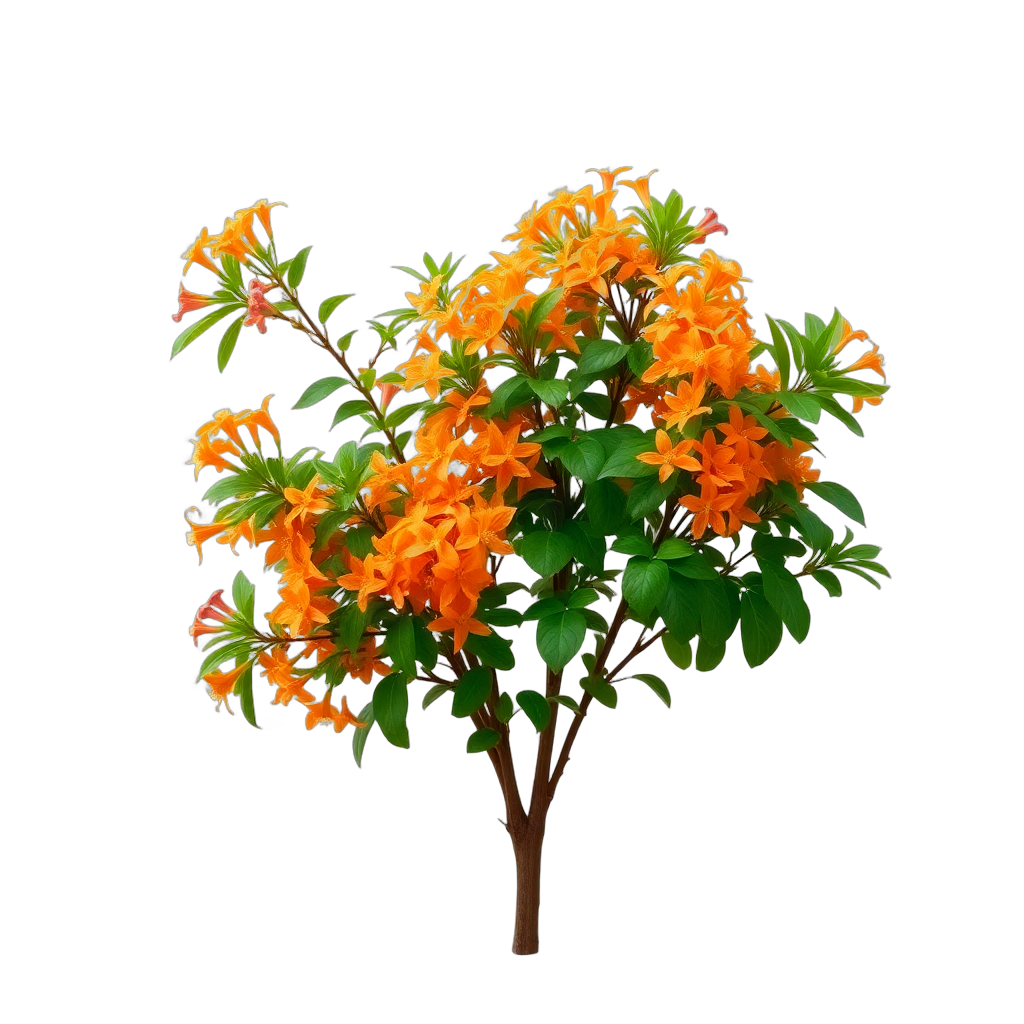
Orange Honeysuckle
Lonicera ciliosa
medium-sized at 15 feet, orange blooms in summer. Attracts hummingbirds.
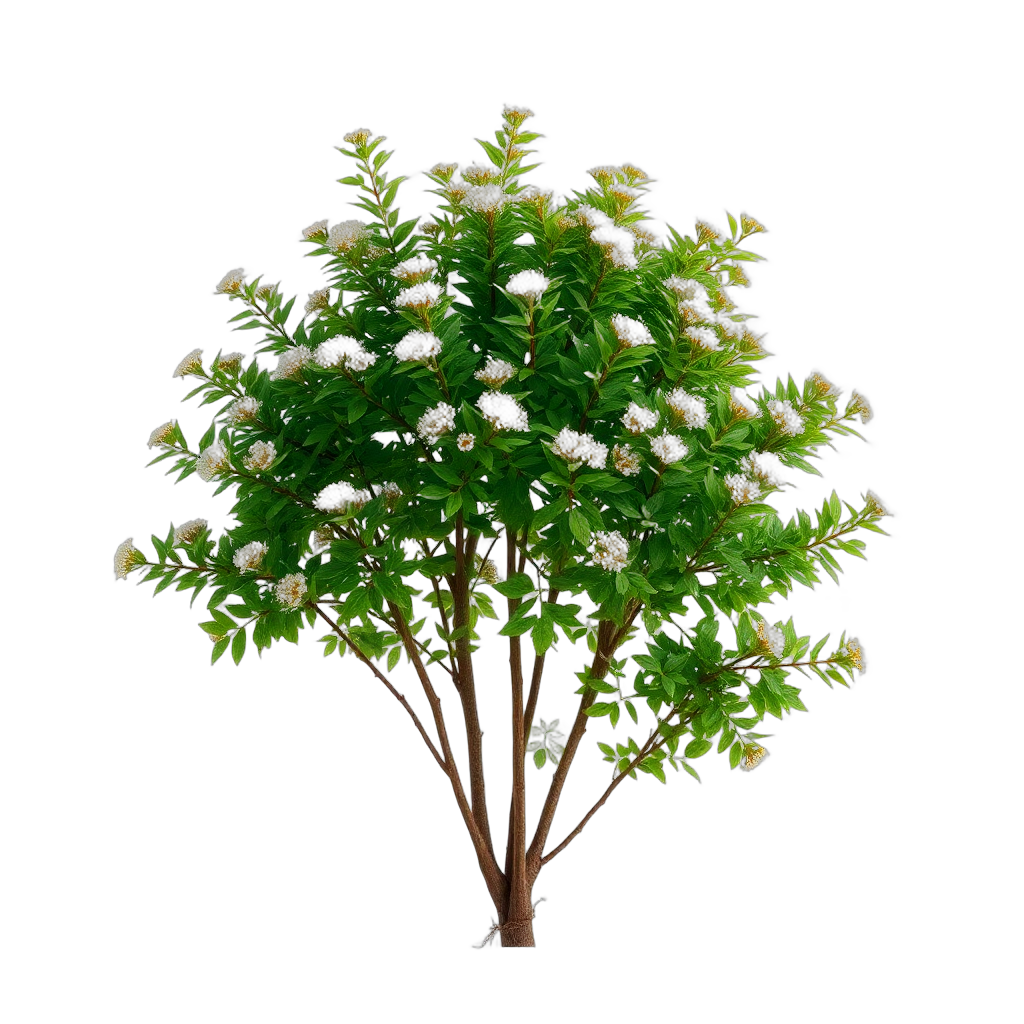
Pacific Ninebark
Physocarpus capitatus
medium-sized at 8 feet, white blooms in spring. Attracts butterflies.
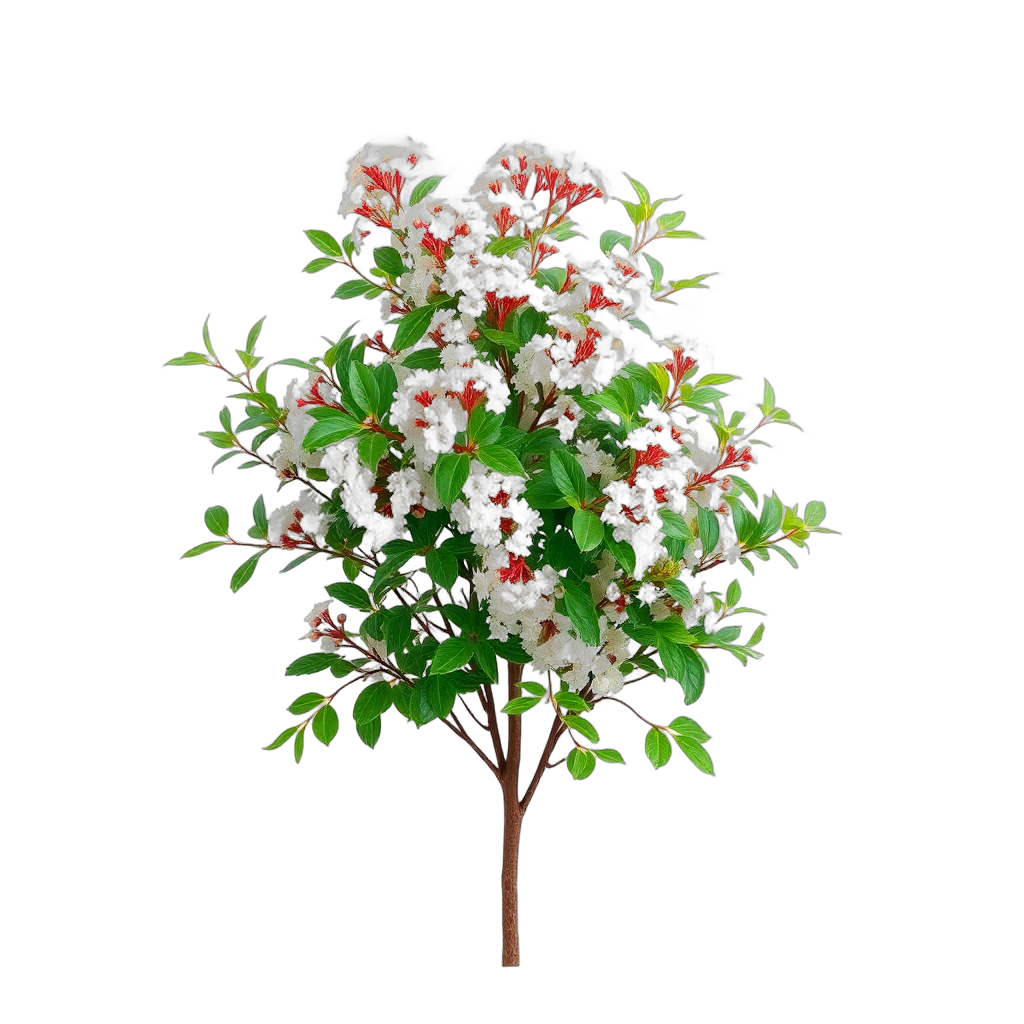
Snowberry
Symphoricarpos albus
grows to 4 feet, pink blooms in summer.
Featured Grasses & Groundcovers for Mediterranean Gardens
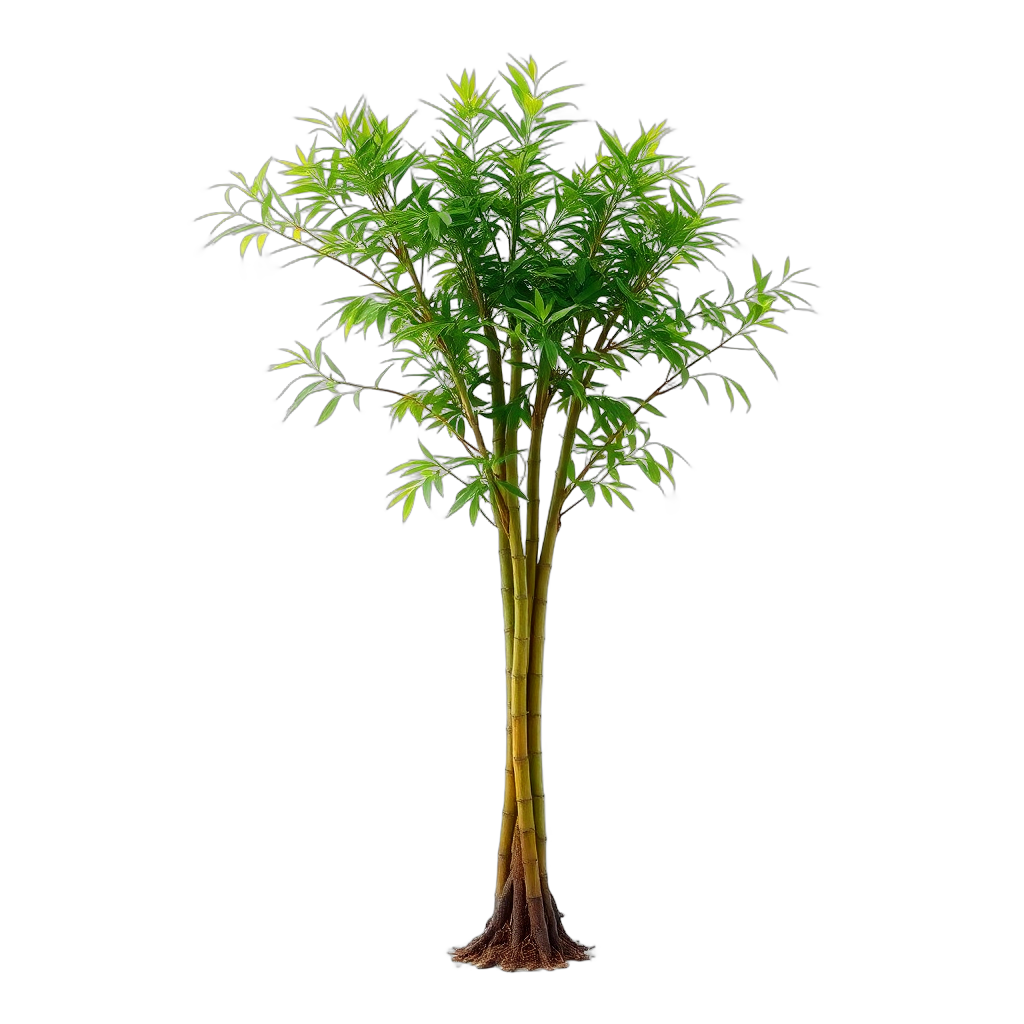
Anceps Bamboo
Yushania anceps
medium-sized at 12 feet, blooms in none. Evergreen year-round.
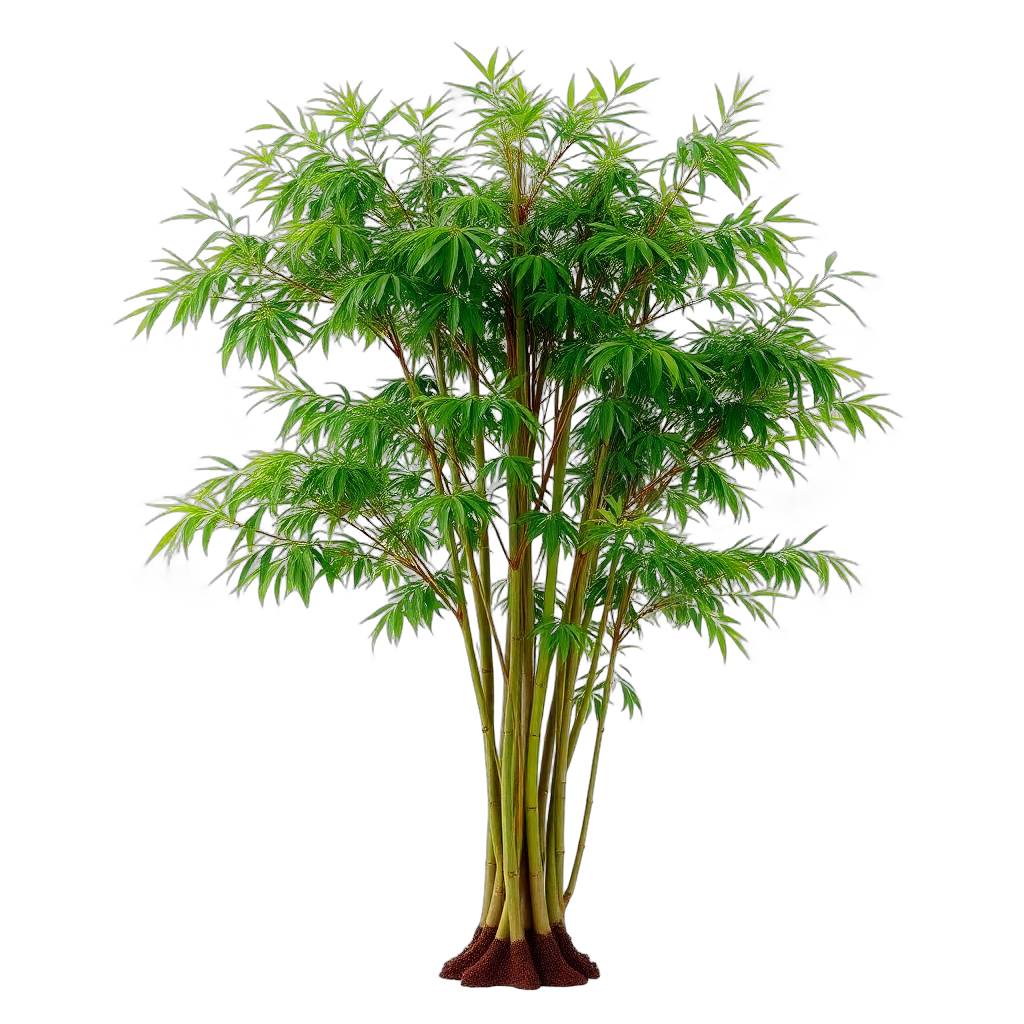
Arrow Bamboo
Pseudosasa japonica
medium-sized at 15 feet, blooms in none. Evergreen year-round.
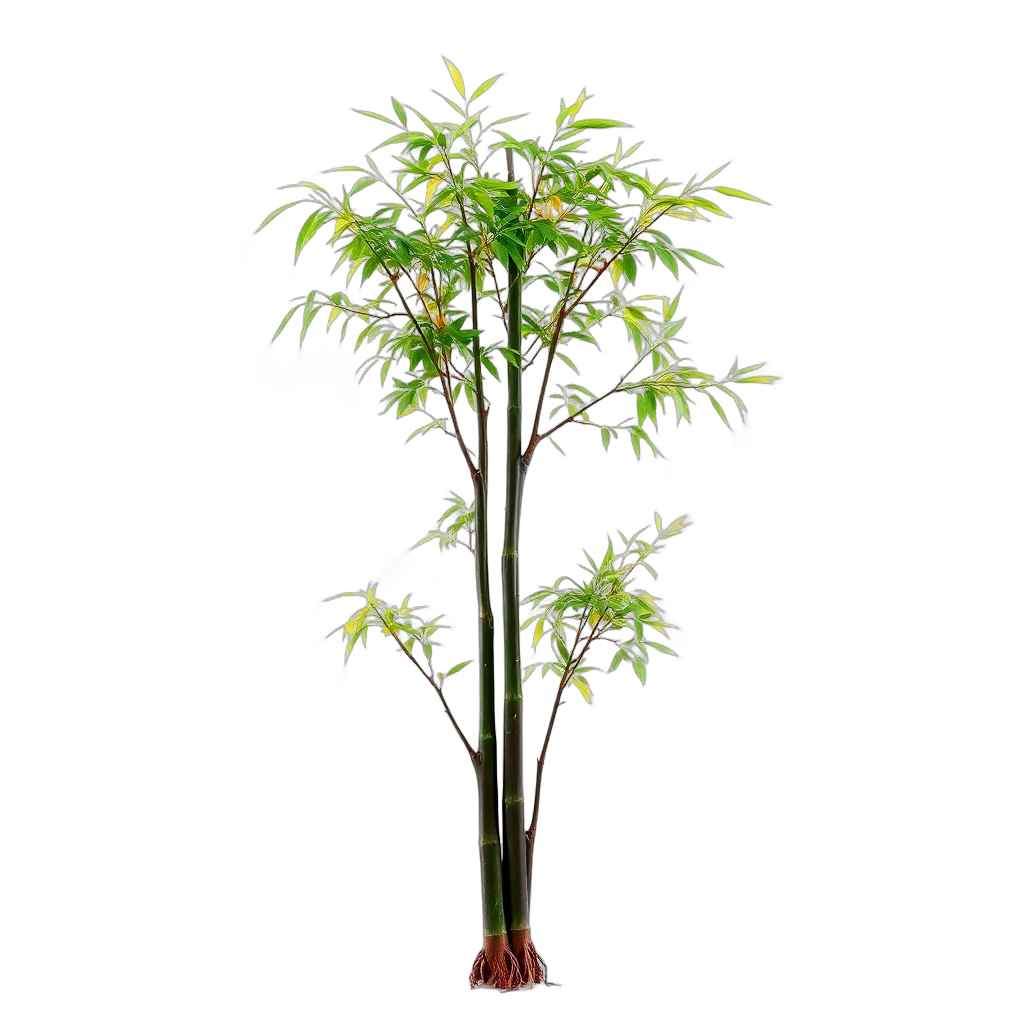
Black Bamboo
Phyllostachys nigra
reaches 25 feet tall, blooms in none. Evergreen year-round.
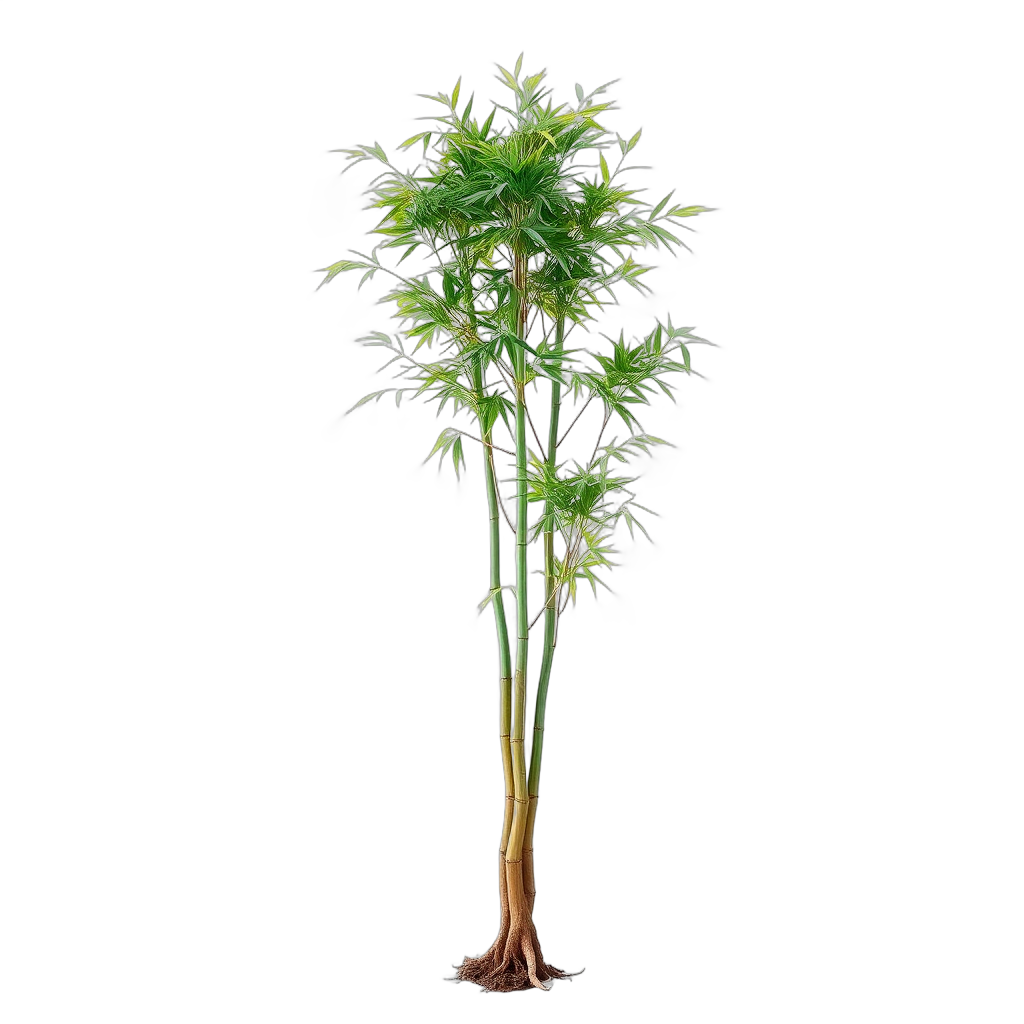
Blue Bamboo
Borinda papyrifera
reaches 20 feet tall, blooms in none. Evergreen year-round.
Featured Flowers & Perennials for Mediterranean Gardens
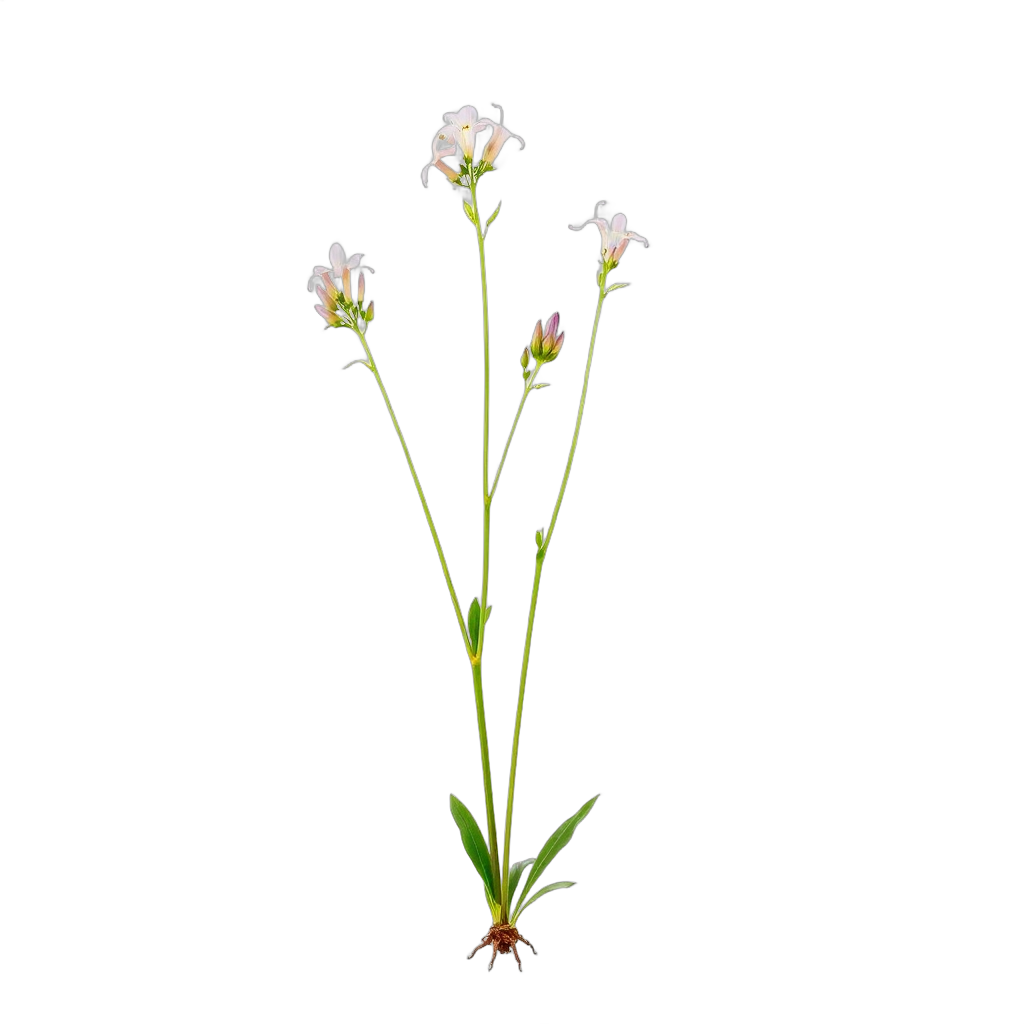
Common Camas
Camassia quamash
low-growing ground cover, blue blooms in spring. Pollinator-friendly.
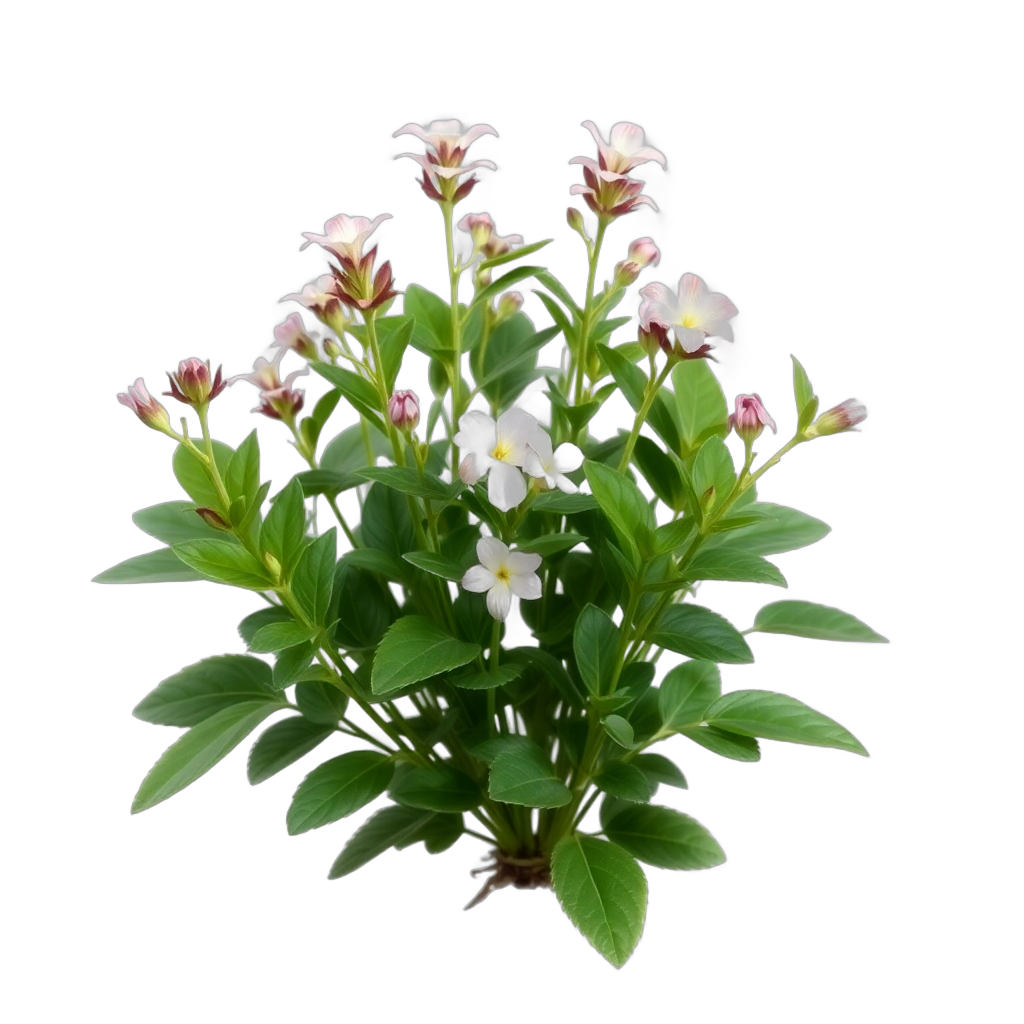
Inside-Out Flower
Vancouveria hexandra
low-growing ground cover, white blooms in spring.
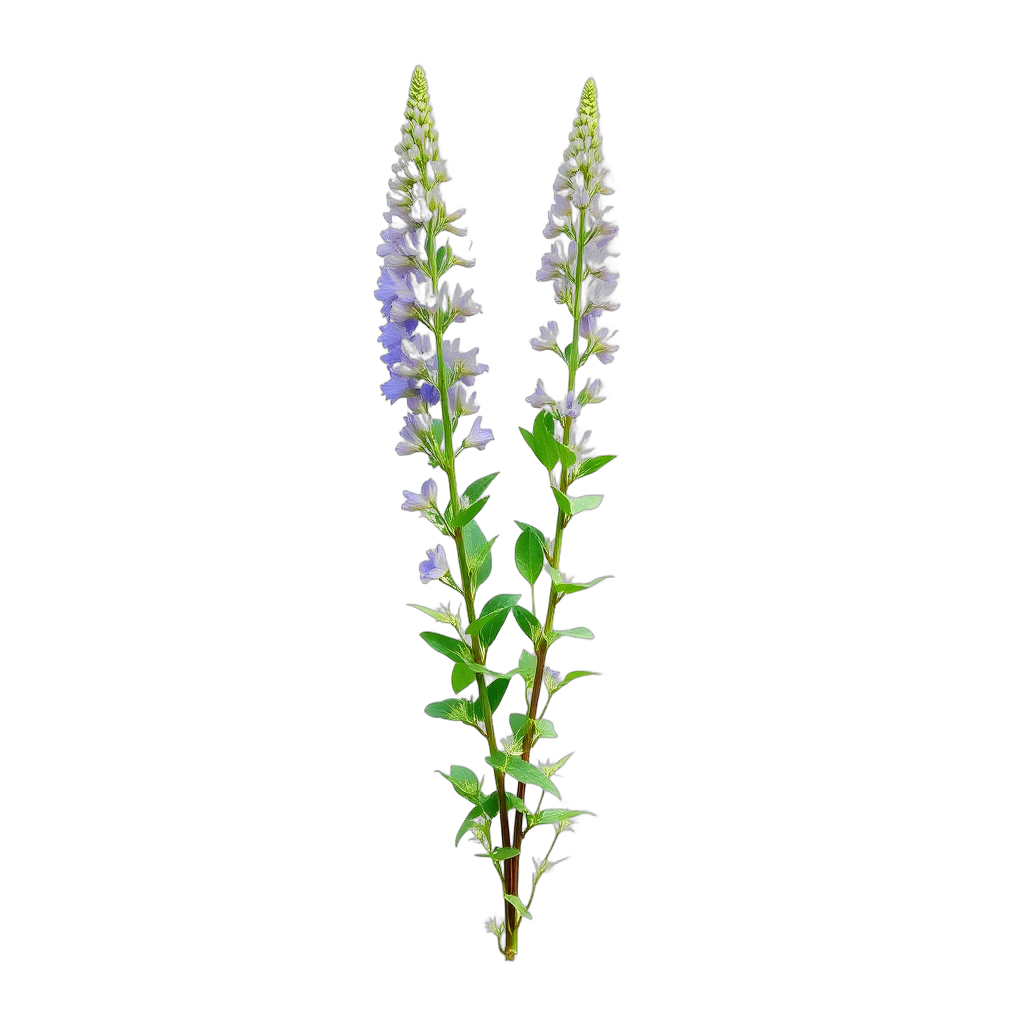
Large-Leaved Lupine
Lupinus polyphyllus
grows to 4 feet, multi blooms in spring. Attracts butterflies.
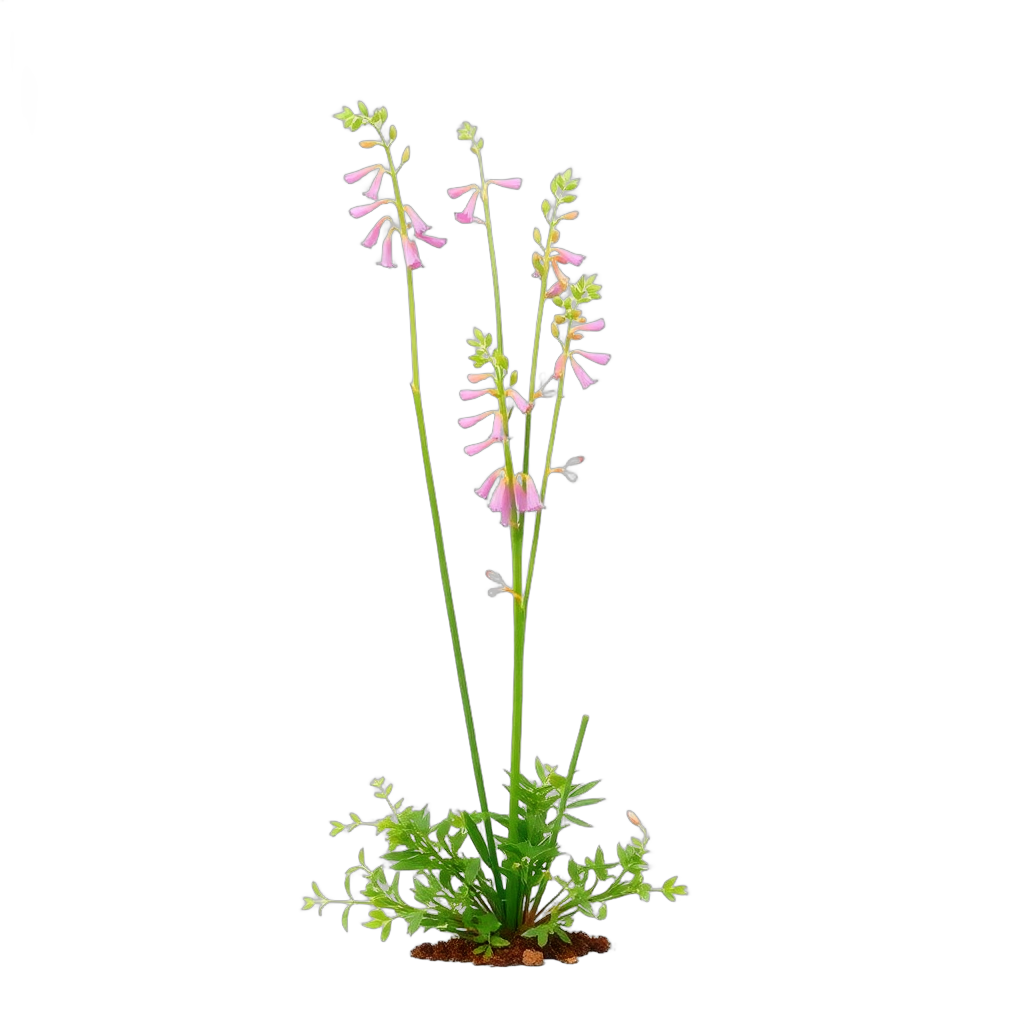
Scouler's Corydalis
Corydalis scouleri
grows to 3 feet, pink blooms in spring. Pollinator-friendly.
Bloom Calendar for Tacoma
spring
Common Camas, Inside-Out Flower, Large-Leaved Lupinesummer
Tiger Lily, Orange Honeysuckle, Snowberryfall
Limited bloomswinter
Limited bloomsDesign Tips for Tacoma (Zone 8b)
- Lean on lavender as your signature plant — Tacoma's dry summers and gravelly soil grow it as well as anywhere in North America, and massed 'Grosso' delivers the Provence look for a few dollars a plant
- Put every olive, lavender, and silver-leafed plant on a berm or raised bed; Tacoma's 40 inches of winter rain kills Mediterranean plants through wet crowns, never through Zone 8b cold
- Grow citrus in pots on casters and build the November garage migration into the design — a paved staging spot by the door turns the twice-yearly move from chore to ritual
- Swap bougainvillea for 'Dortmund' climbing rose, Jackmanii clematis, or hardy fuchsia on pergolas and walls — same saturated magenta punch, zero winter losses
- Buy frost-rated terracotta (or glazed lookalikes) only; cheap Mexican terracotta spalls and cracks in Puget Sound freeze-thaw, and one December can erase a courtyard's worth of pots
- Use gravel as your groundplane instead of lawn — it drains winter rain instantly, needs no summer water when Tacoma Public Utilities asks for conservation, and the underfoot crunch is half the Mediterranean effect
Where to Source Plants in Tacoma
Skip the big-box stores. These independent Tacoma nurseries specialize in the plants that make mediterranean gardens thrive in Zone 8b.
GardenSphere
Proctor
Full-service garden center offering quality plants, houseplants, lawn care products, and expert advice since 2004.
Wild Thyme Nursery and Landscaping
South End
Locally sourced plants from Washington and Oregon, pre-acclimated to the Pacific Northwest environment.
Portland Avenue Nursery
East Tacoma
Specializes in unique Japanese maples, conifers, and specimen-sized trees with 40+ years of expertise.
Calendula Farm & Nursery
East Tacoma
Landscape contractor and nursery specializing in native plants, edible plants, and dried floral arrangements.
Mediterranean Landscaping Costs in Tacoma
| Project Scope | Estimated Cost |
|---|---|
| Front-yard gravel courtyard conversion (turf removal + path + planting) | $7,000 – $16,000 |
| Stucco courtyard wall with wrought-iron gate | $6,000 – $15,000 |
| Paver terrace with tiered fountain (300–500 sqft) | $15,000 – $35,000 |
| Timber pergola lounge with frost-rated tile patio | $14,000 – $30,000 |
| Container citrus setup (tree + frost-rated pot + soil) | $300 – $800 per tree |
| AI visualization with ProScapeAI | Free to start |
Estimates based on Tacoma, WA-area contractor rates as of 2026. Actual costs vary by site conditions, materials, and contractor.
Tacoma Climate & Growing Zone
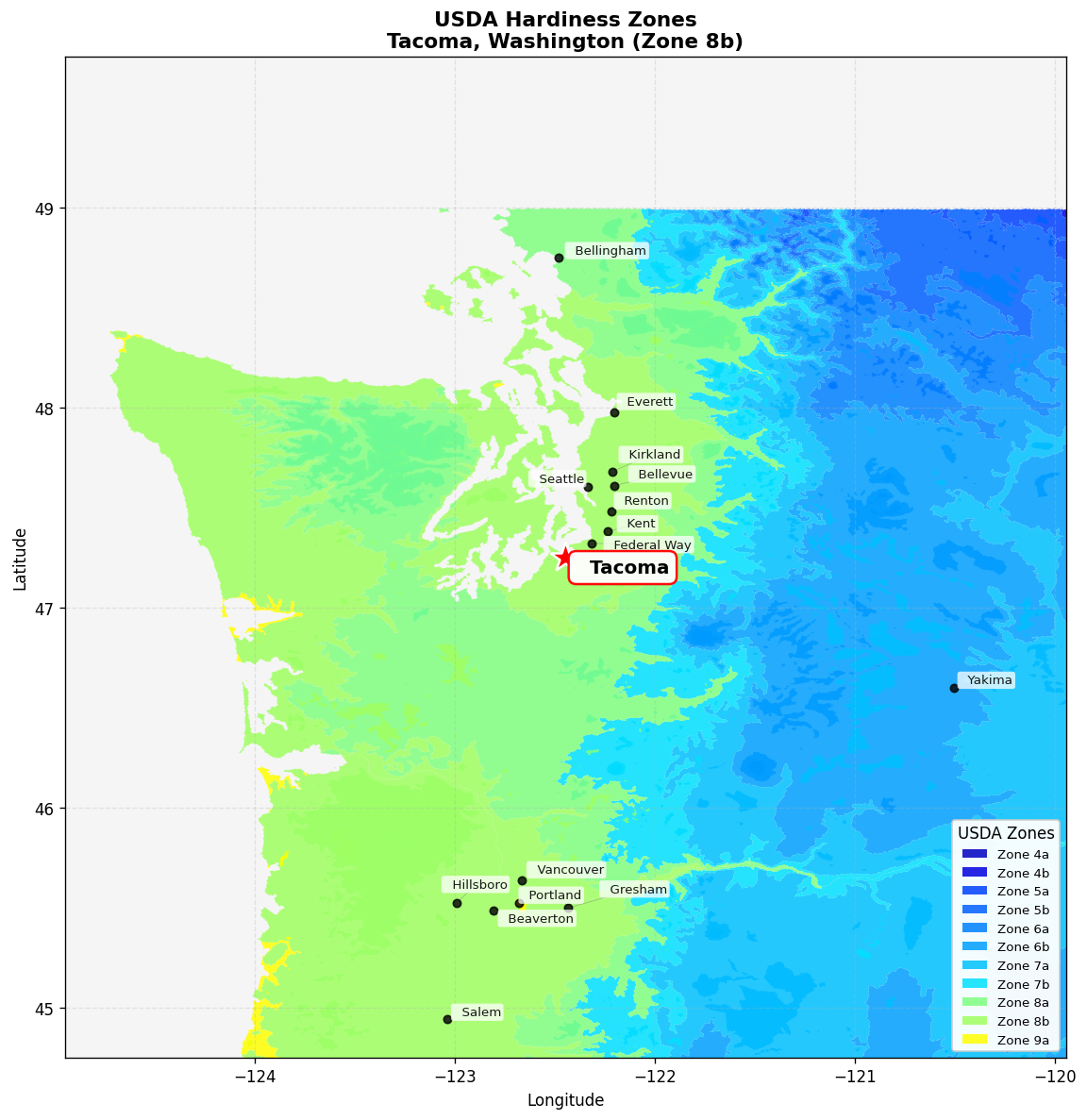
USDA Zone 8b
Hardiness zone for Tacoma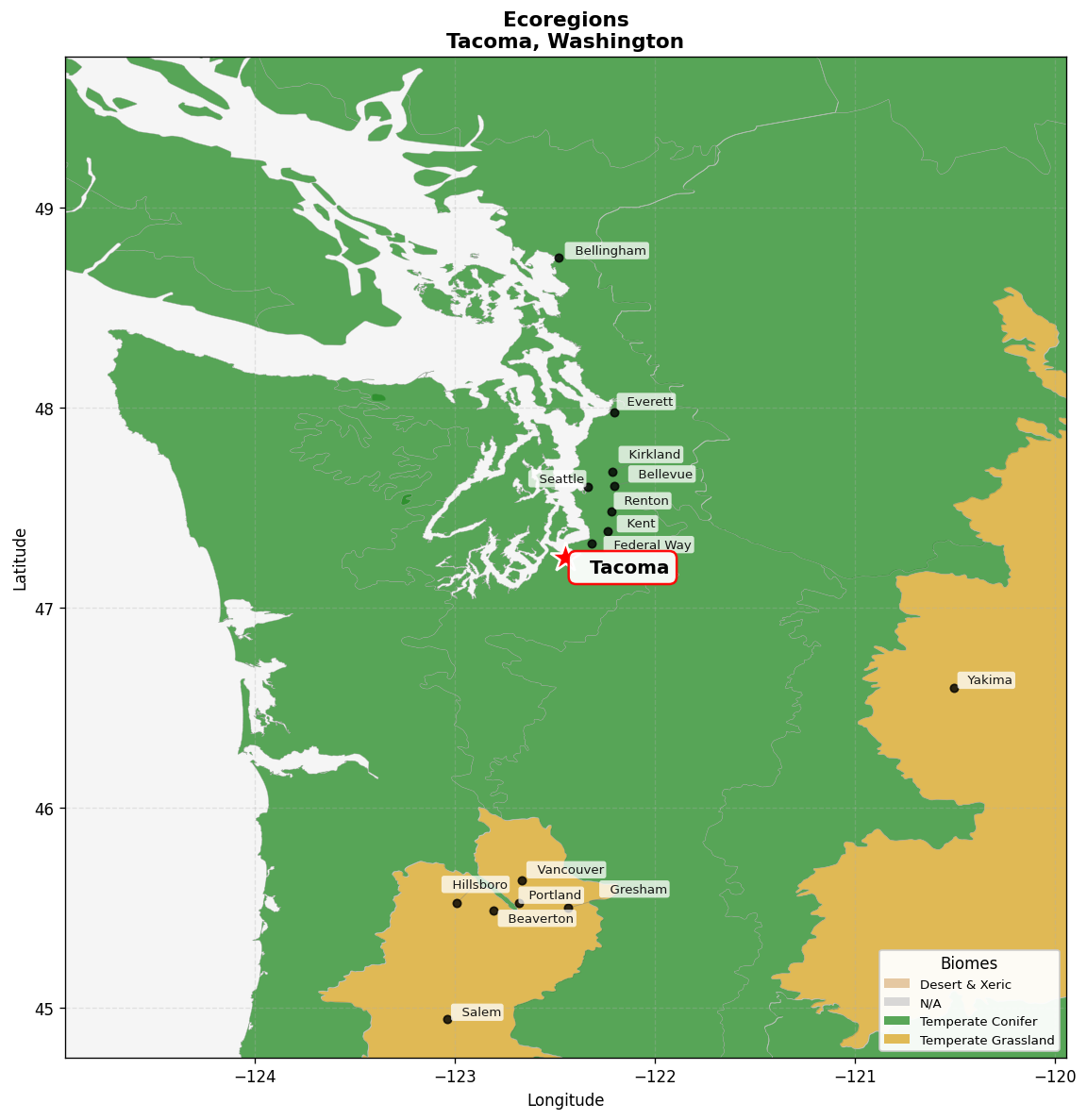
Puget lowland forests
Native ecoregionFrequently Asked Questions
Can you really have a Mediterranean garden in Tacoma's climate?
More authentically than almost anywhere outside California — Tacoma's Köppen classification (Csb) is literally a dry-summer Mediterranean type. July and August typically bring under two inches of rain combined, which is the exact summer-drought rhythm lavender, rosemary, cypress, and olives evolved for. The style's hardscape — stucco, gravel, terracotta, wrought iron — is climate-proof. The honest limits: citrus and bougainvillea must live in containers and winter indoors, and everything silver-leafed needs sharp drainage to survive the wet winter. Get those two things right and the June-to-September result is convincingly Tuscan.
How much does Mediterranean landscaping cost in Tacoma?
Puget Sound labor runs 10–20% above national average. A front-yard gravel courtyard conversion with flagstone path, wall or edging, and planting for a typical 500 sqft yard runs $7,000–16,000 installed. A paver fountain terrace lands between $15,000 and $35,000 depending on the fountain and terrace size, and a timber pergola lounge with tile patio typically costs $14,000–30,000. The style is budget-friendly at the plant level — lavender, rosemary, and thyme are cheap, fast, and sold everywhere locally — so hardscape drives the bill. Container citrus adds $300–800 per tree with a frost-rated pot.
Will an olive tree survive in Tacoma?
Cold-hardy cultivars can, with the right siting. 'Arbequina' is the proven choice for the Puget Sound (hardy to roughly 10–15°F), and 'Frantoio' and 'Leccino' are worth trying in warm microclimates. Plant against a south- or west-facing wall, in a raised or bermed bed of gravelly, fast-draining soil, and skip all summer fertilizer so growth hardens before winter. Expect leaf burn in an arctic-blast year and treat fruit as a bonus — Tacoma summers ripen olives only occasionally. For a guaranteed specimen look with zero risk, grow one in a large pot and wheel it under cover in December, or substitute a willow-leaf pear for the same silvery shape.
How do I keep citrus trees alive through Tacoma winters?
Containers, full stop — no citrus survives planted out in Zone 8b. Grow lemons, oranges, or the tougher yuzu and Meyer lemon in 20-inch-plus pots on casters or a hand truck, summer them in the sunniest spot you have from mid-May, and move them into a garage with a window, a sunroom, or a greenhouse before nights drop below about 32°F — usually early-to-mid November. They want cool (40–55°F), bright, and barely watered through winter, back outside after the last frost in April. Meyer lemons handle this cycle beautifully and fruit reliably; a heated greenhouse turns the whole exercise from rescue mission to hobby orchard.
Why does lavender do so well in the Tacoma area?
Three reasons line up perfectly. First, the dry summer: lavender's worst enemy is humid, rainy summer weather, and Tacoma barely has any. Second, the soil: gravelly glacial outwash gives the sharp drainage lavender demands without amendment in most yards. Third, mild Zone 8b winters keep English lavender ('Hidcote', 'Munstead') and hybrids like 'Grosso' and 'Provence' fully perennial. It is the same combination that made Sequim, up the Olympic Peninsula, North America's lavender capital. Two rules: never let it sit in a winter puddle — berm the bed if in doubt — and shear it hard right after bloom to prevent the woody collapse that ruins plants by year five.
Do I need a permit for a courtyard wall, fountain, or pergola in Tacoma?
Usually not, but check the thresholds. In the City of Tacoma, fences and freestanding walls up to 6 feet (4 feet in front setbacks in some zones) need no permit, nor do detached pergolas under 200 sqft or plug-in recirculating fountains. Permits apply to retaining walls over 4 feet, attached or oversized structures, and any hardwired electrical or plumbed gas line — so a fountain on a dedicated circuit needs an electrical permit. Corner lots must keep walls and plantings out of the sight triangle, and Fircrest, Ruston, and University Place each permit separately. Historic-district street frontages in the North Slope get design review for walls and gates.