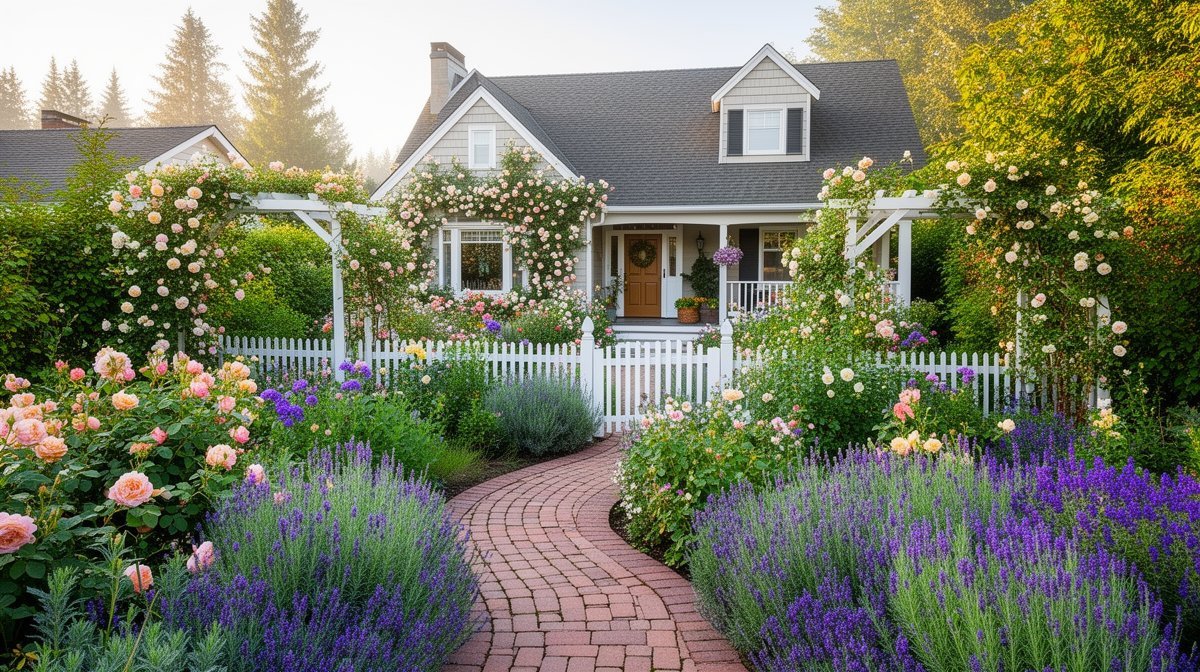
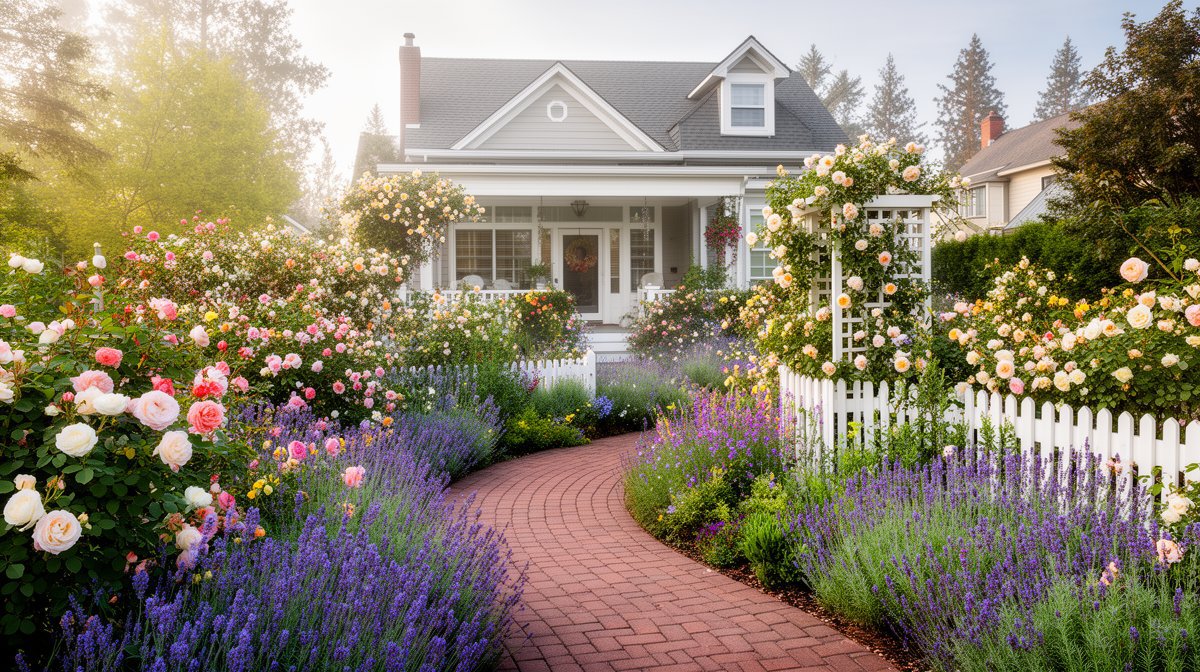
4 Cottage Garden Ideas for Vancouver, WA | English Rose & Perennial Borders for Zone 8b
Native plants from the Willamette Valley oak savanna (Zone 8b) — Mediterranean (warm summer) climate
Why Cottage/English Gardens in Vancouver?
Vancouver sits in one of the few American climates that can actually grow the English cottage garden the picture books promise. A Köppen Csb classification, USDA Zone 8b winters, and roughly 42 inches of rain concentrated between October and May give roses, delphiniums and foxgloves the cool, damp spring they need to build the tall, layered borders that bake out in most of the country by June. The 1910s-1930s bungalow stock in Arnada, Hough, Shumway and Carter Park was practically drawn for this style — deep porches, picket fences and shallow front yards that a rose arbor and a brick path can transform in a single season. Rosa 'New Dawn' will cover a gate arbor in three years here, Digitalis purpurea reseeds itself into permanent colonies, and Hydrangea macrophylla 'Nikko Blue' turns genuinely blue with no soil amendment at all because Clark County's leached silt loams naturally run pH 5.2 to 6.0.
That same rain is the whole problem. Winter wet, not winter cold, is what kills plants in Vancouver — Lavandula x intermedia 'Grosso', Nepeta 'Walker's Low' and Stachys byzantina 'Big Ears' shrug off 15°F but rot at grade in a Cascade silt loam bed with a fragipan holding a perched water table 24 inches down. The fix is boring and non-negotiable: build lavender and silver-leaved borders on berms 12 to 18 inches above grade, cut with quarter-minus crushed basalt or Bend pumice, and mulch them with gravel instead of bark so the crowns stay dry from November through April. Roses, peonies, hardy geraniums and hydrangeas are happy in the native soil; the Mediterranean half of the cottage palette is not.
The other three local realities are humidity disease, slugs, and the Columbia River Gorge. Blackspot and powdery mildew pressure in the Portland-Vancouver basin is severe enough that variety selection matters more than any spray program — Kordes and Rugosa roses, Phlox paniculata 'David', and Monarda 'Jacob Cline' are the difference between a garden you enjoy and one you medicate. Slugs work year-round in this climate and will erase a Hosta 'Sum and Substance' overnight without iron-phosphate bait. And when arctic east wind funnels out of the Gorge in a January outflow event, the desiccation, not the thermometer, takes out marginal evergreens — so give tender wall shrubs a south or west exposure sheltered from that easterly blast.
4 Cottage/English Design Ideas for Vancouver
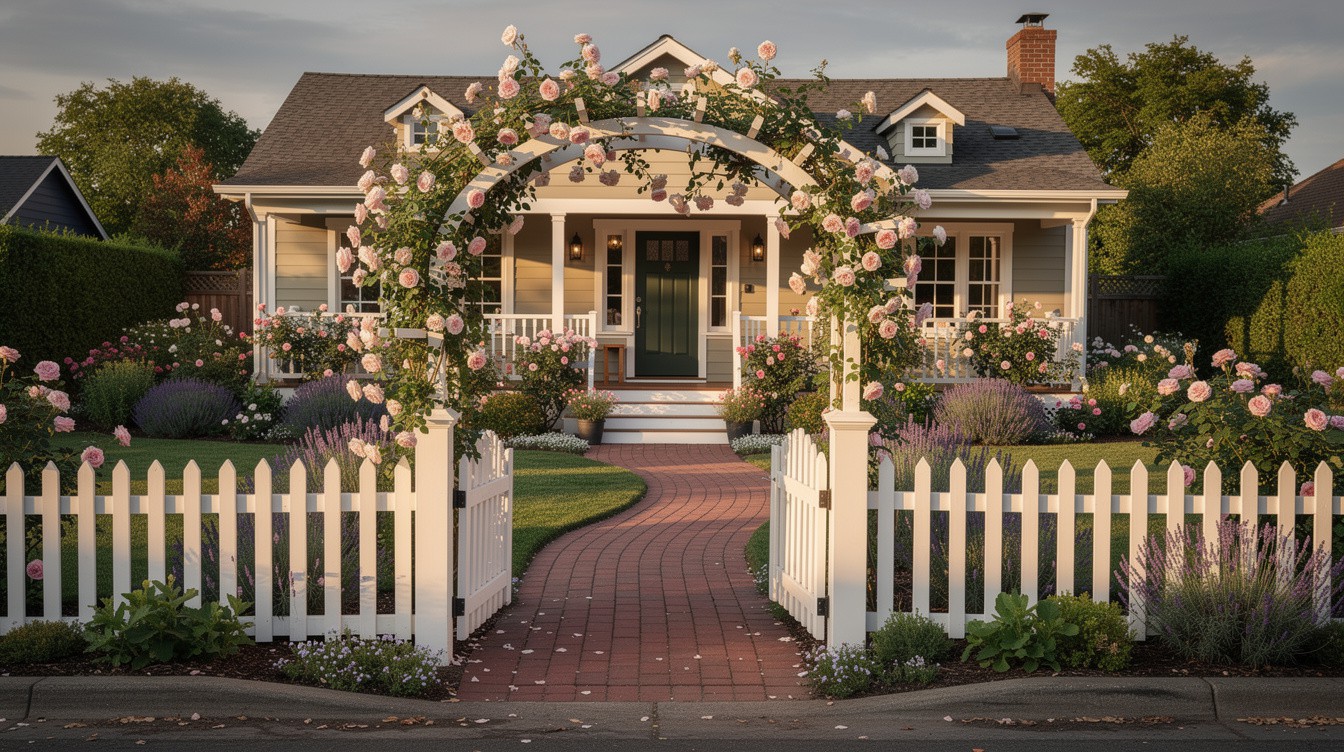
The Picket Fence Rose Arbor
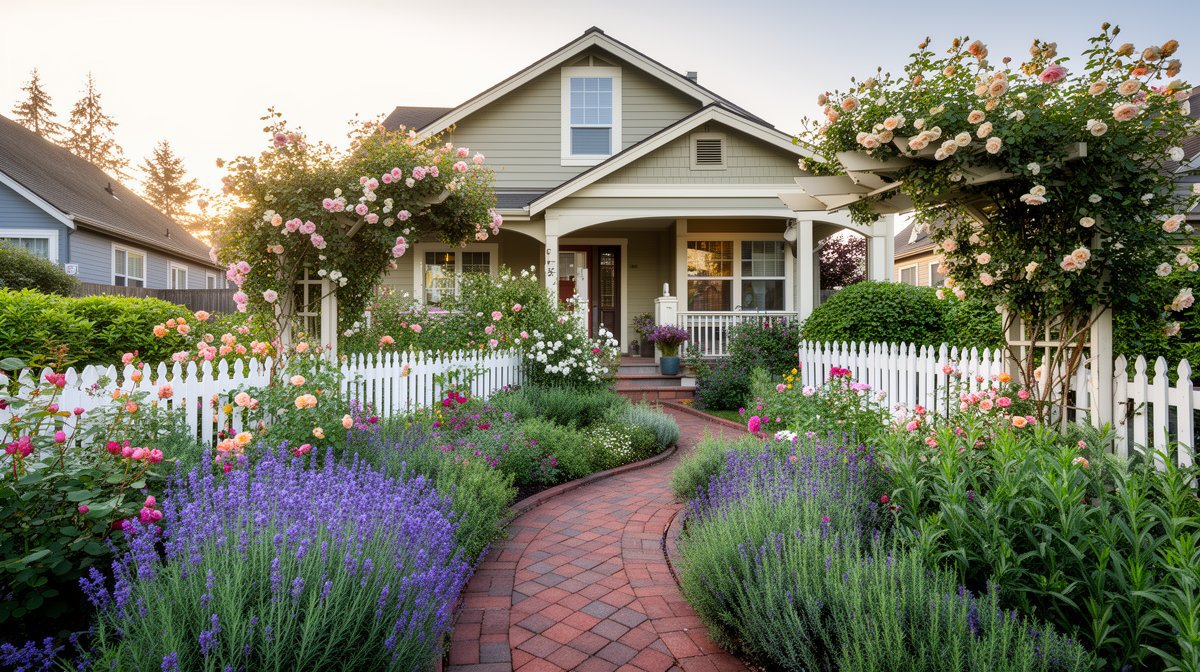
$18–32/sqftA sage-green bungalow behind a low white picket fence, with a rose-smothered arbor set directly over the gate and a herringbone brick path curving from the sidewalk to a deep-green front door. Blush climbing roses cover the arbor and repeat along the porch rail, while a continuous ribbon of lavender runs the inside of the fence on both sides — the single most photographed move in Vancouver's older neighborhoods. The trick that makes it work here is that the lavender ribbon sits on a raised, gravel-mulched berm behind the fence line rather than in flat lawn soil, so it survives its second winter.
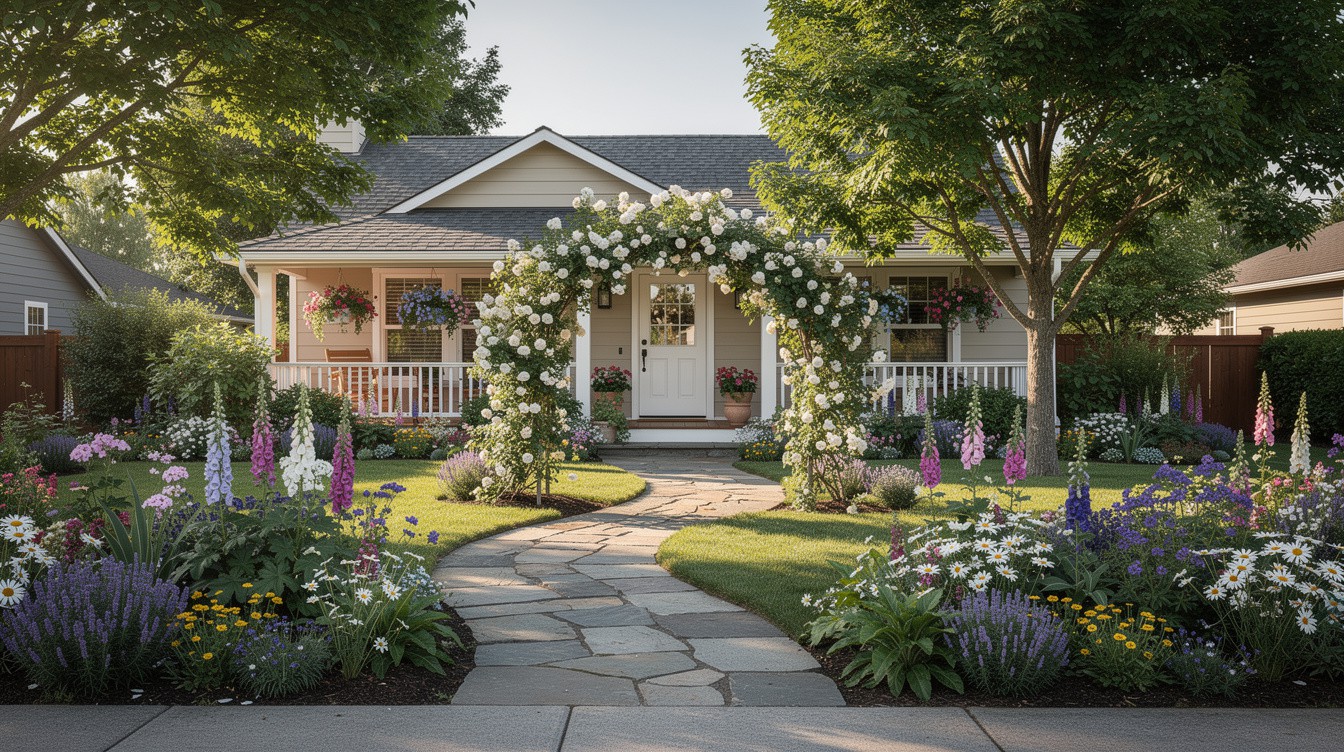
The Full-Border Front Yard
$14–26/sqftA single-story ranch with a white wraparound porch, fronted by irregular bluestone flagstone that meanders through lawn to a white rose arch. The real subject is the borders: waist-high spires of foxglove and delphinium rising behind mounded lavender, shasta daisies and geraniums, with the whole composition sitting in dappled shade from two mature deciduous street trees. This is the classic English mixed border, and Vancouver's long cool spring is exactly why the spires get tall here instead of flopping — they finish blooming before the July heat arrives.
The Flagstone Tea Terrace
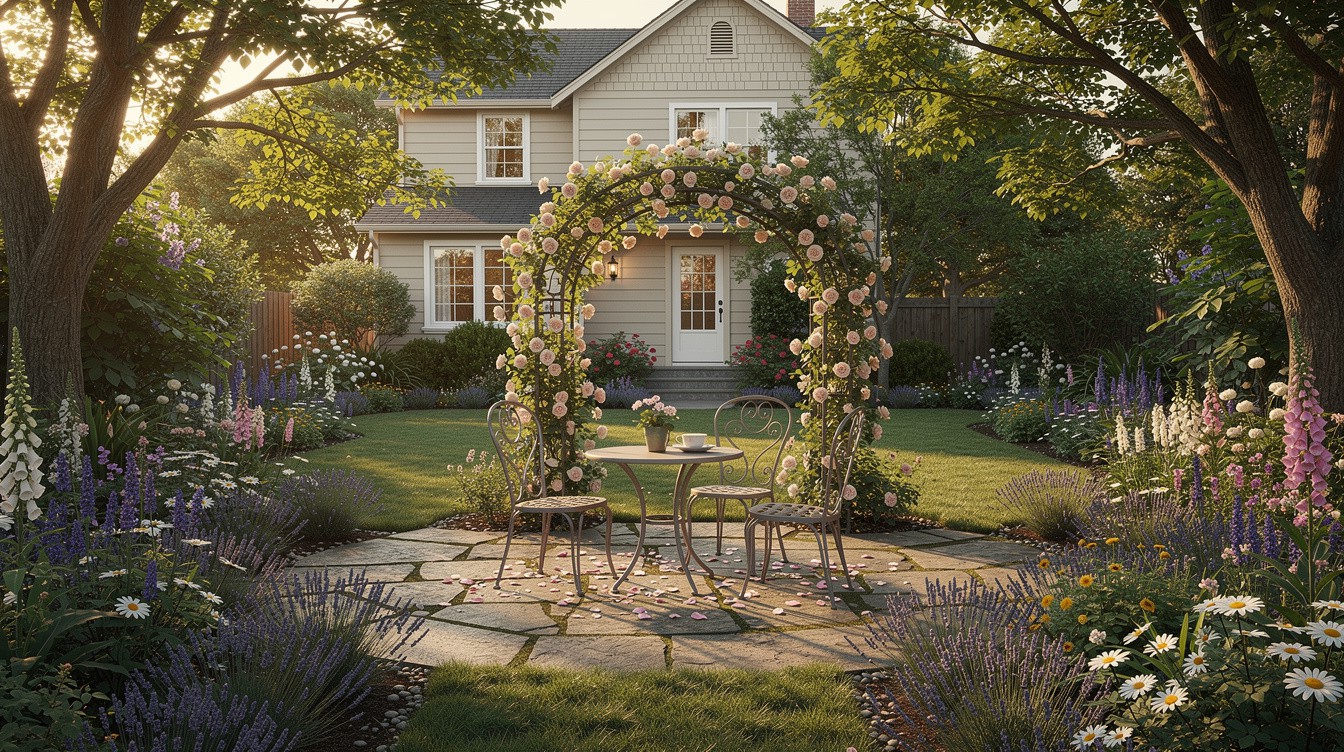
$16–28/sqftA modest flagstone terrace dropped into the middle of a back lawn, furnished with nothing more than an iron bistro table and two chairs, framed by a freestanding rose arch and hemmed on all sides by deep foxglove-and-lavender borders under the canopy of two big shade trees. The design costs very little because most of the budget goes into plants rather than hardscape, and the moss that inevitably colonizes the flagstone joints in a Vancouver winter is a feature of the look rather than a maintenance failure.
The Rose Pergola Dining Garden
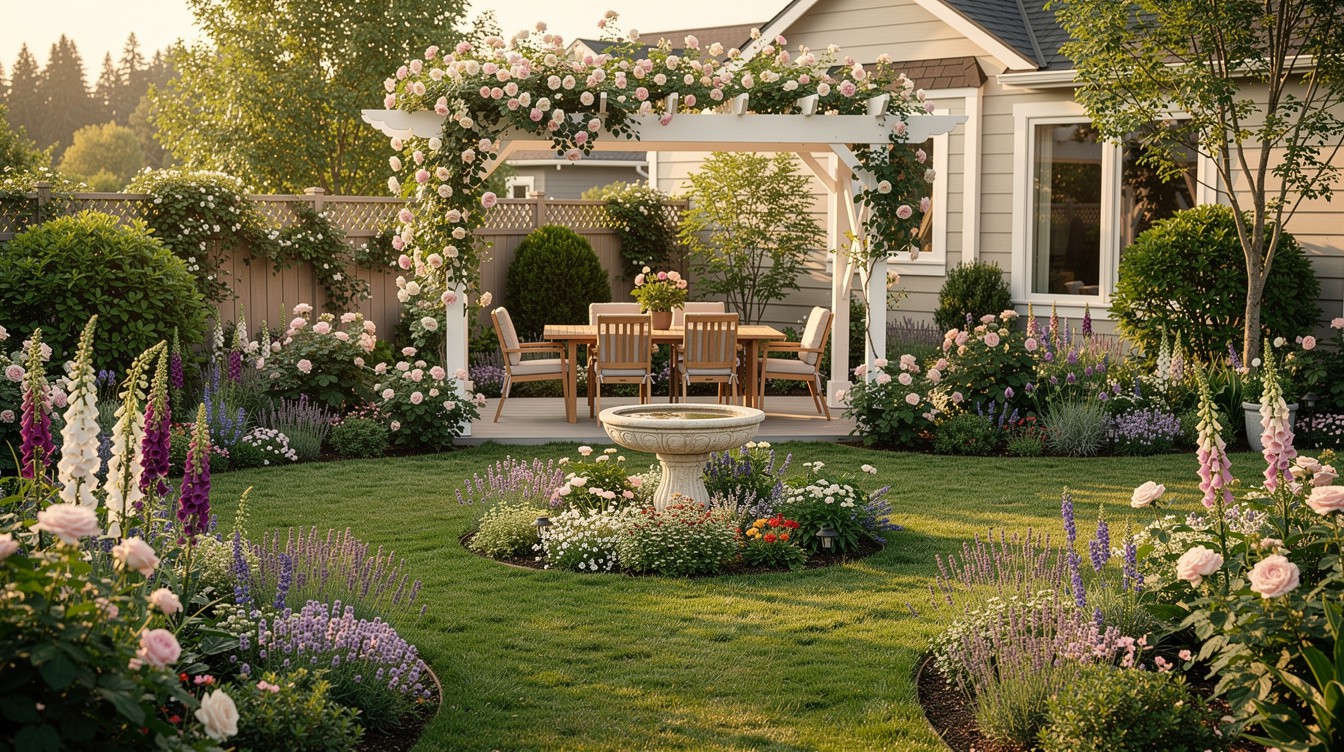
$25–45/sqftA white-painted pergola thick with pink climbing roses shelters a teak dining table against the back of the house, while a circular lawn opens out in front of it around a pedestal fountain set in a low island bed of white and lavender annuals. Curved perimeter beds stacked with foxgloves, roses, lavender and clipped evergreen spheres press right up to a lattice-topped fence, so every sightline from the table ends in flowers rather than in cedar boards. It is the most structured of the four ideas and the one that photographs best in Vancouver's long June evenings.
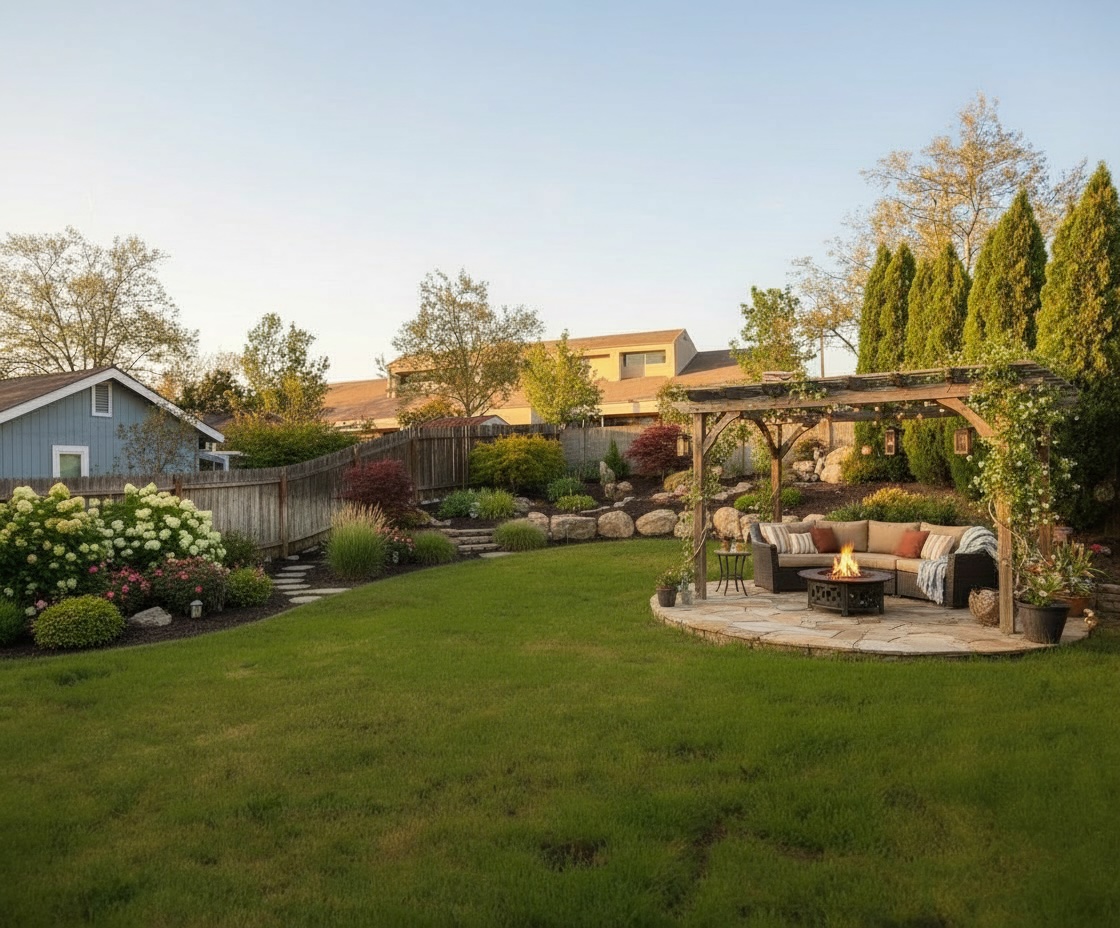
See how a cottage/english garden looks on YOUR property
Upload a photo of your Vancouver yard and visualize your dream garden in seconds.
Try ProScapeAI Free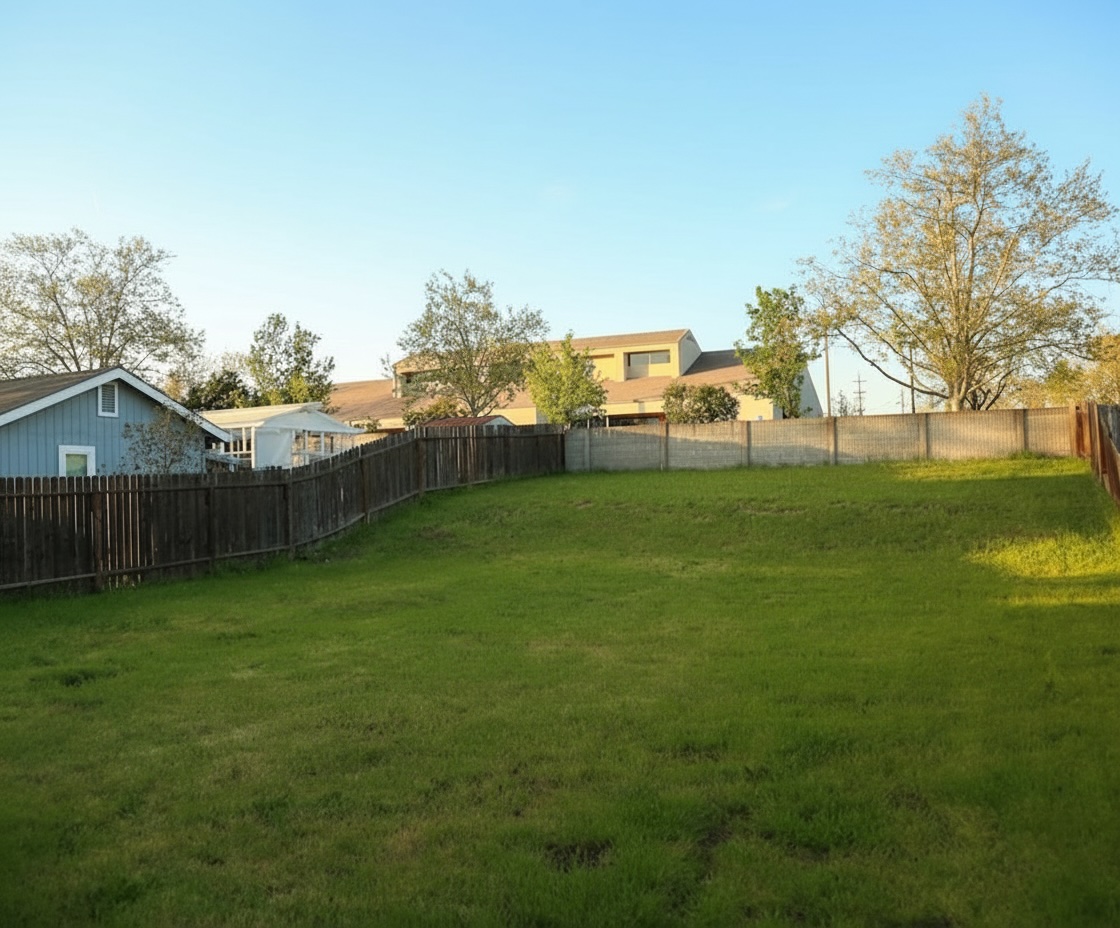
Featured Trees & Shrubs for Cottage/English Gardens
Browse all 151 plants for Vancouver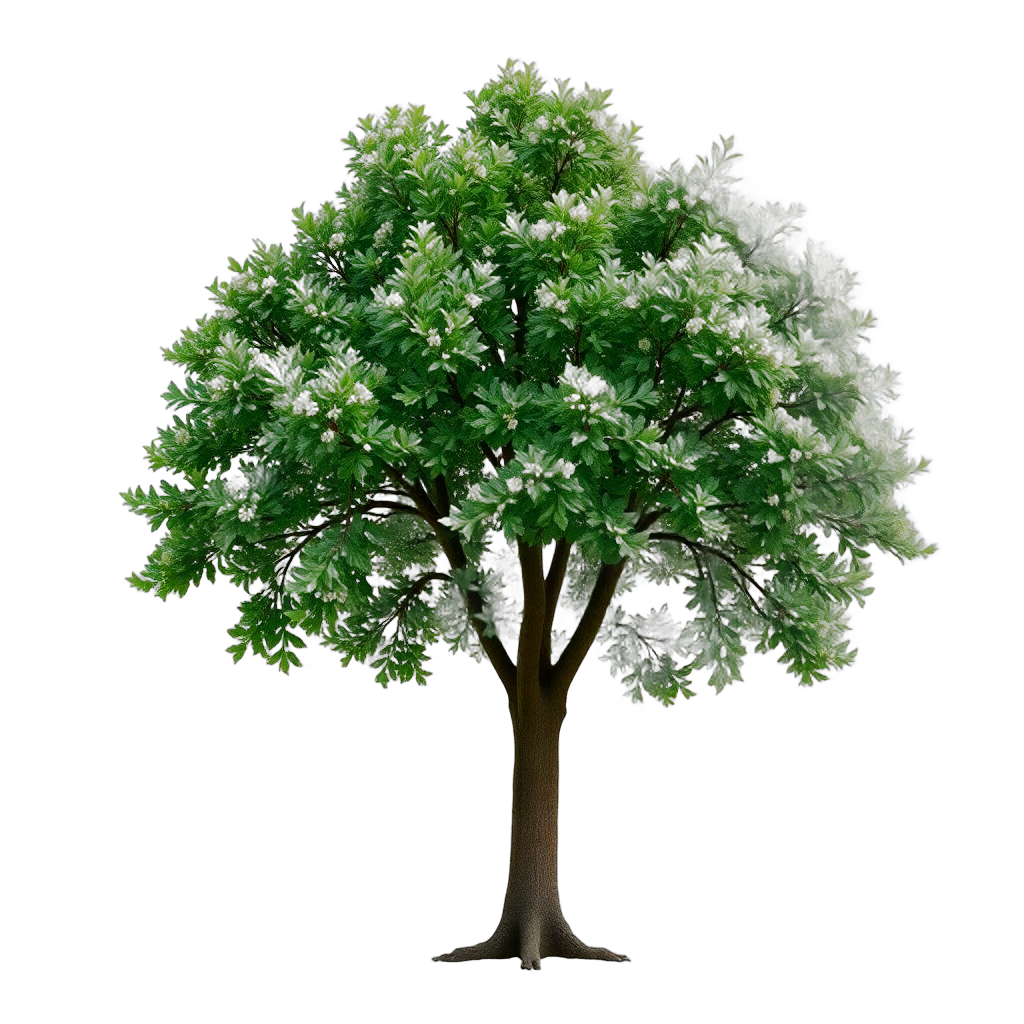
Oregon White Oak
Quercus garryana
large shade tree reaching 65+ feet, blooms in spring. Yellow fall color.

Cabbage Palm
Sabal palmetto
reaches 40 feet tall, white,yellow blooms in spring. Pollinator-friendly.

California Fan Palm
Washingtonia filifera
reaches 40 feet tall, white blooms in spring. Pollinator-friendly.

Chilean Wine Palm
Jubaea chilensis
large shade tree reaching 60+ feet, purple,yellow blooms in summer. Pollinator-friendly.
Featured Grasses & Groundcovers for Cottage/English Gardens
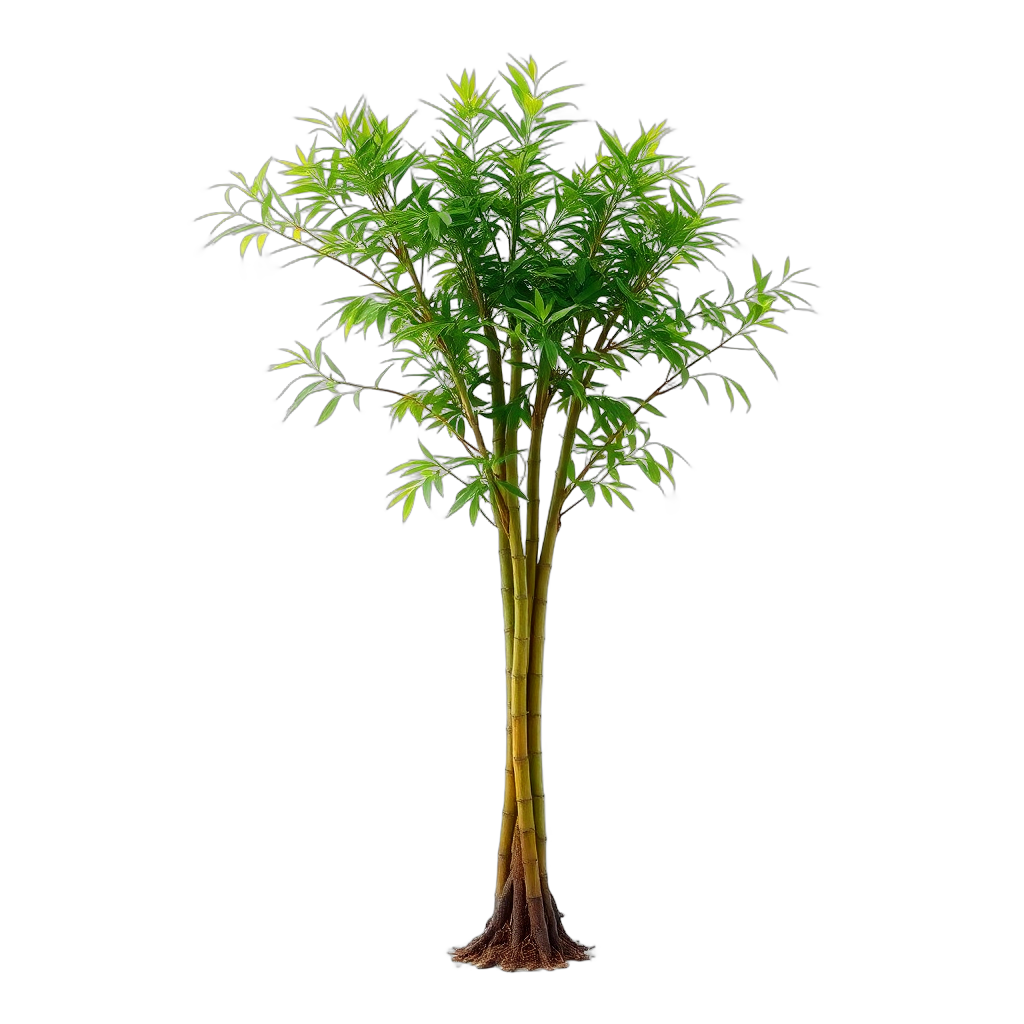
Anceps Bamboo
Yushania anceps
medium-sized at 12 feet, blooms in none. Evergreen year-round.
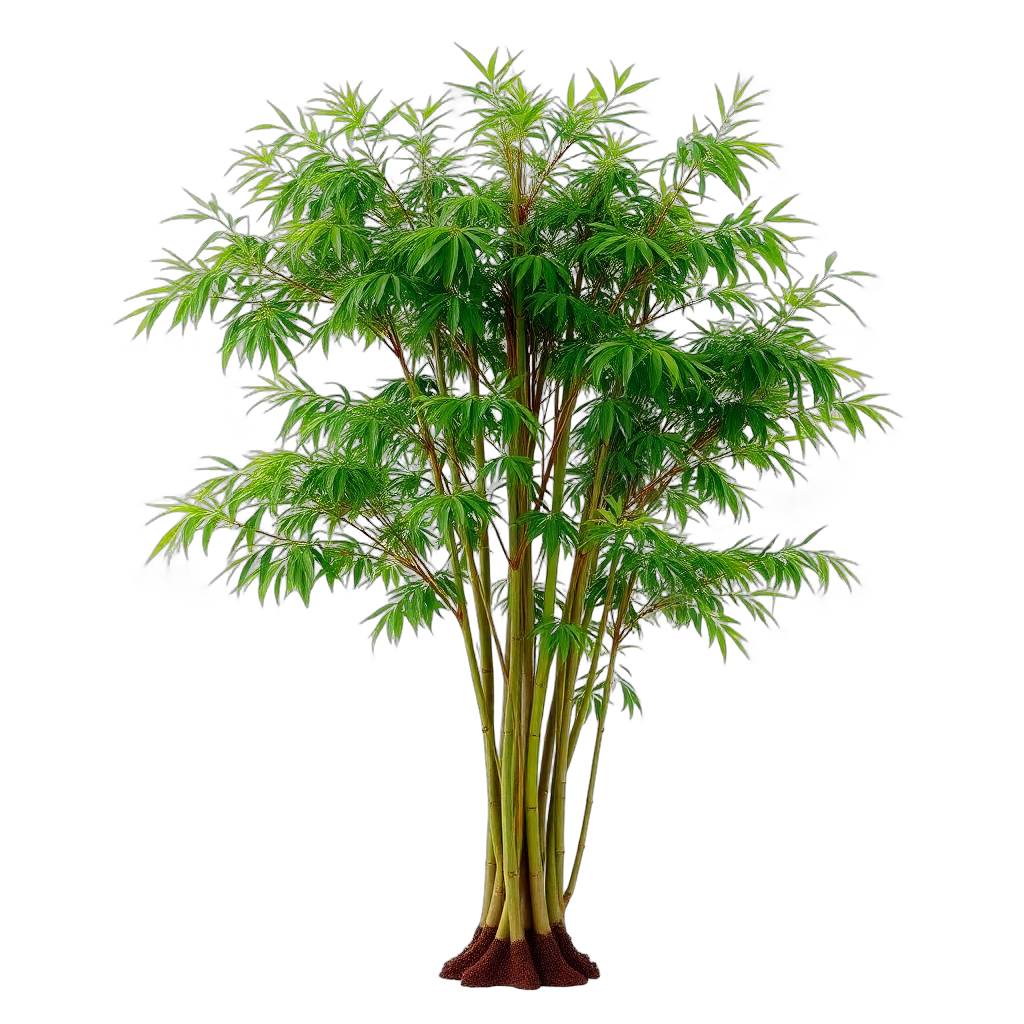
Arrow Bamboo
Pseudosasa japonica
medium-sized at 15 feet, blooms in none. Evergreen year-round.
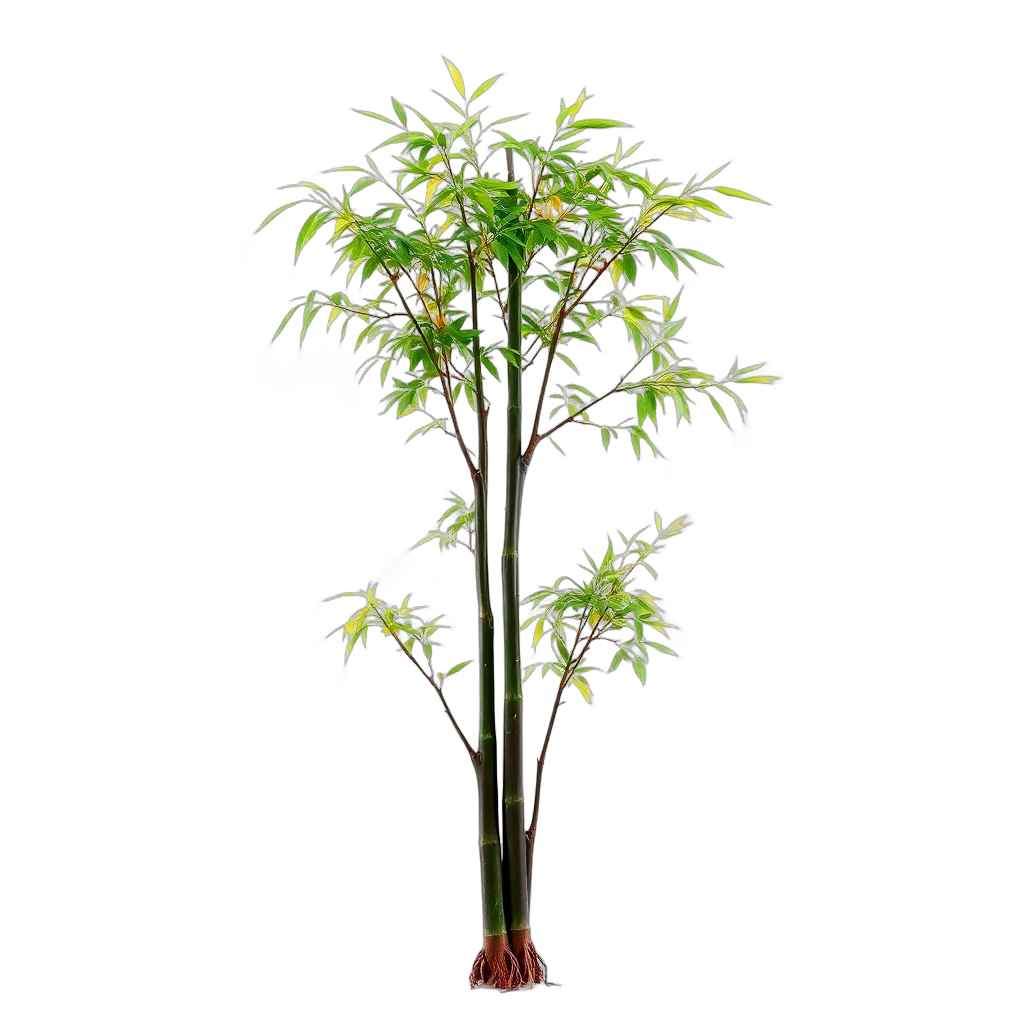
Black Bamboo
Phyllostachys nigra
reaches 25 feet tall, blooms in none. Evergreen year-round.
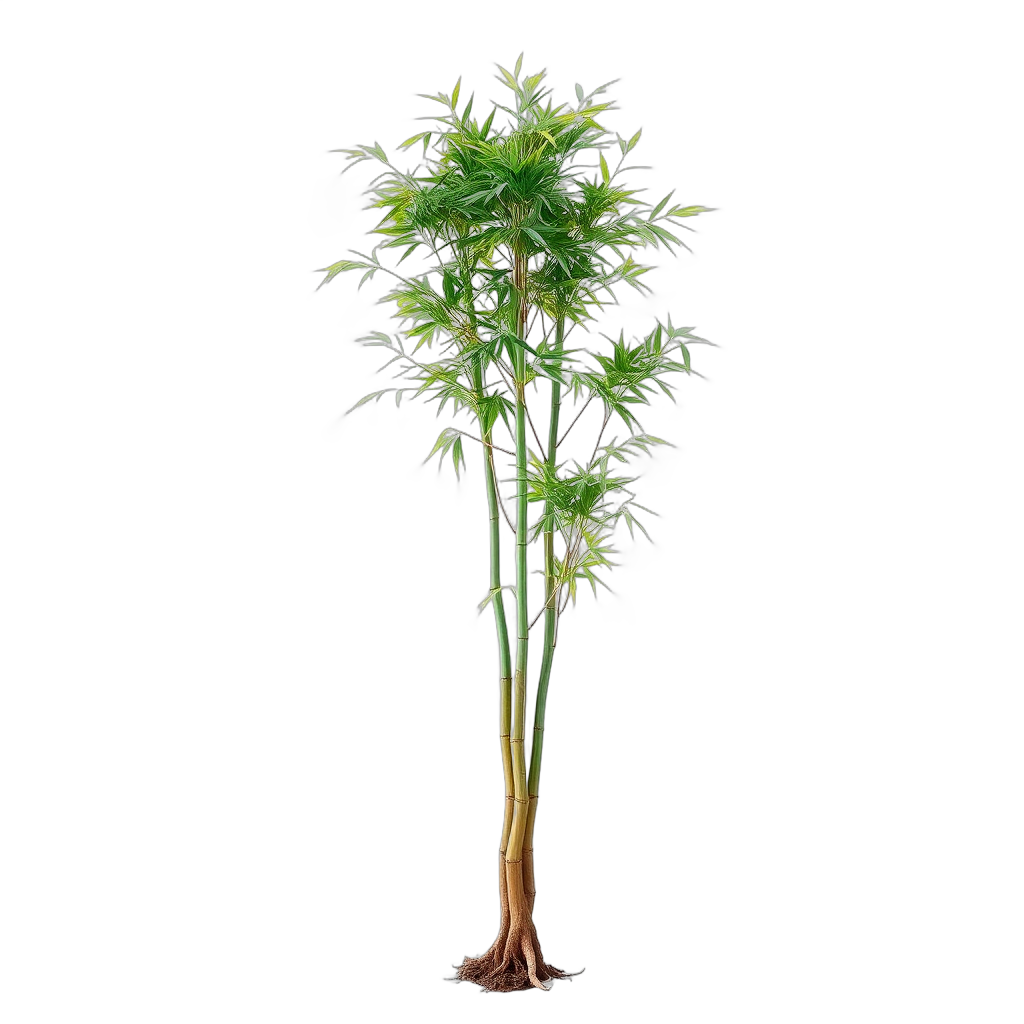
Blue Bamboo
Borinda papyrifera
reaches 20 feet tall, blooms in none. Evergreen year-round.
Featured Flowers & Perennials for Cottage/English Gardens

Tussock Sedge
Carex stricta
low-growing ground cover, blooms in spring. Brown fall color.

Umbrella Sedge
Cyperus alternifolius
grows to 4 feet, blooms in summer. Evergreen year-round.
Bloom Calendar for Vancouver
spring
Oregon White Oak, Tussock Sedgesummer
Umbrella Sedgefall
Limited bloomswinter
Limited bloomsDesign Tips for Vancouver (Zone 8b)
- Berm every silver-leaved plant — Lavandula x intermedia 'Grosso', Santolina chamaecyparissus, Stachys byzantina 'Big Ears' and Salvia rosmarinus 'Arp' all die of winter rot at grade in Clark County silt loam, and all thrive 14 inches above it in a half-and-half mix of native soil and quarter-minus basalt
- Use gravel mulch on the Mediterranean beds and bark fines on the rose and hydrangea beds — one garden, two mulches, because the two halves of the cottage palette want opposite winter moisture at the crown
- Buy roses on disease resistance first: Rosa 'Beverly', Rosa 'New Dawn' and Rosa rugosa 'Hansa' stay clean through a Vancouver spring while classic hybrid teas defoliate by July without spraying
- Let Digitalis purpurea and Erigeron karvinskianus 'Profusion' self-sow into path joints and bed edges — the reseeding is what makes a two-year-old Vancouver garden read as a fifty-year-old English one, and both love this climate enough to do it unassisted
- Plan for exactly ten weeks of irrigation: drip on the perennial beds from late June to early September and off entirely the rest of the year, which mirrors the natural Csb rainfall pattern instead of fighting it
- Site tender wall shrubs and climbers on south or west walls out of the Columbia River Gorge easterly — January outflow events desiccate marginal evergreens with wind long before the thermometer alone would harm them
Where to Source Plants in Vancouver
Skip the big-box stores. These independent Vancouver nurseries specialize in the plants that make cottage/english gardens thrive in Zone 8b.
Dennis' 7 Dees Garden Center
Southeast Vancouver
Family-owned garden center offering plants, bulk soil, pottery, gifts, and landscaping services.
Cascade Greenhouse
Northeast Vancouver
Family-run greenhouse established 1982, growing plants suited to the Pacific Northwest climate.
Yard 'N Garden Land
Northeast Vancouver
Independent nursery offering trees, fruit trees, shrubs, roses, perennials, berries, and herbs.
Chapman's Greenhouse and Nursery
Northeast Vancouver
Locally-owned family greenhouse and nursery with a diverse plant selection.
Cottage/English Landscaping Costs in Vancouver
| Project Scope | Estimated Cost |
|---|---|
| Front yard cottage conversion (path, arbor, full perennial borders) | $11,000 – $19,000 |
| Brick or flagstone walkway (60–100 linear feet, installed) | $4,500 – $11,000 |
| Flagstone tea terrace with surrounding borders (200–300 sqft) | $7,000 – $15,000 |
| Cedar rose pergola or arbor (built on site) | $2,500 – $9,000 |
| Full backyard cottage garden with pergola and fountain | $30,000 – $70,000 |
| AI visualization with ProScapeAI | Free to start |
Estimates based on Vancouver, WA-area contractor rates as of 2026. Actual costs vary by site conditions, materials, and contractor.
Vancouver Climate & Growing Zone
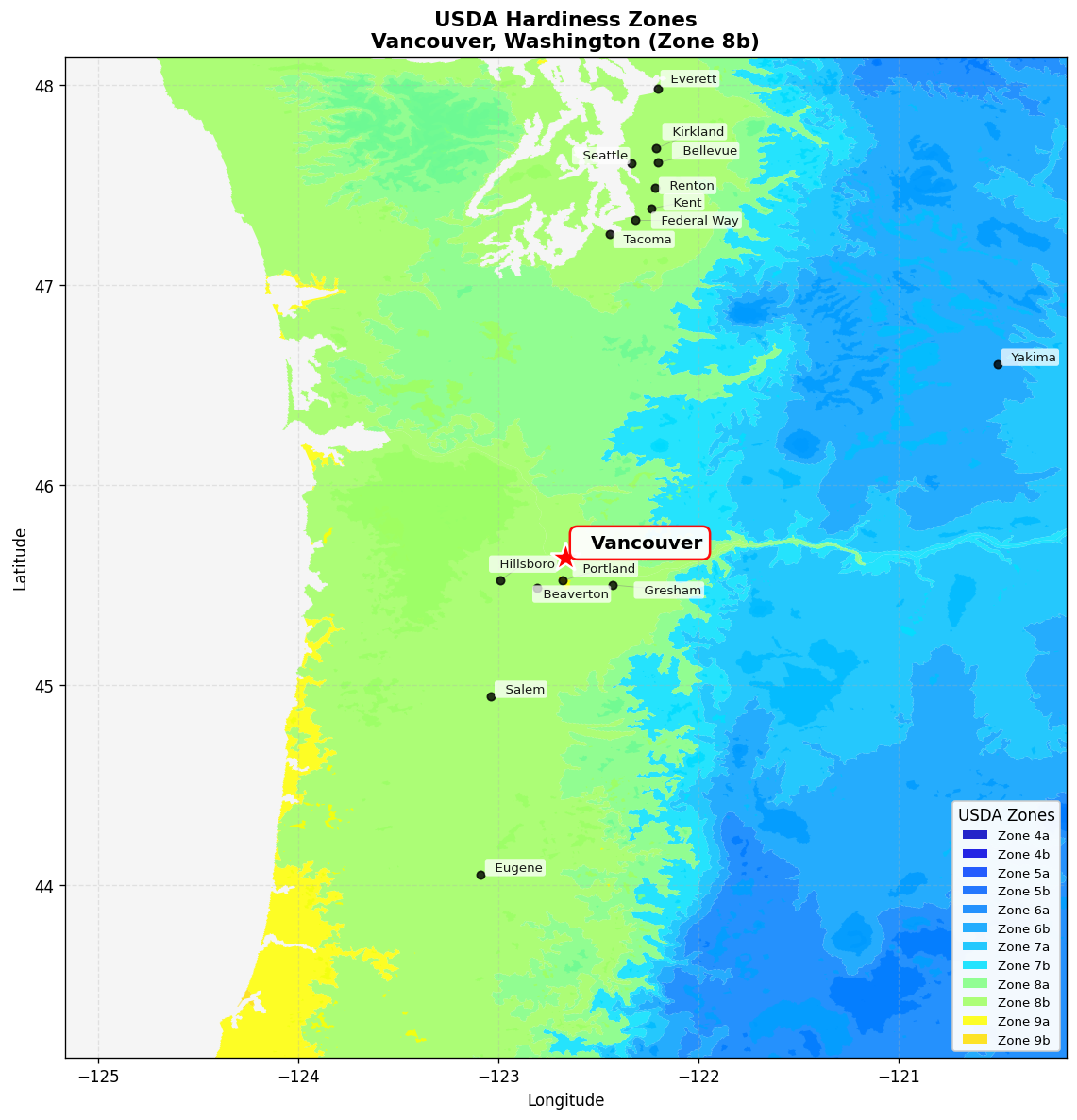
USDA Zone 8b
Hardiness zone for Vancouver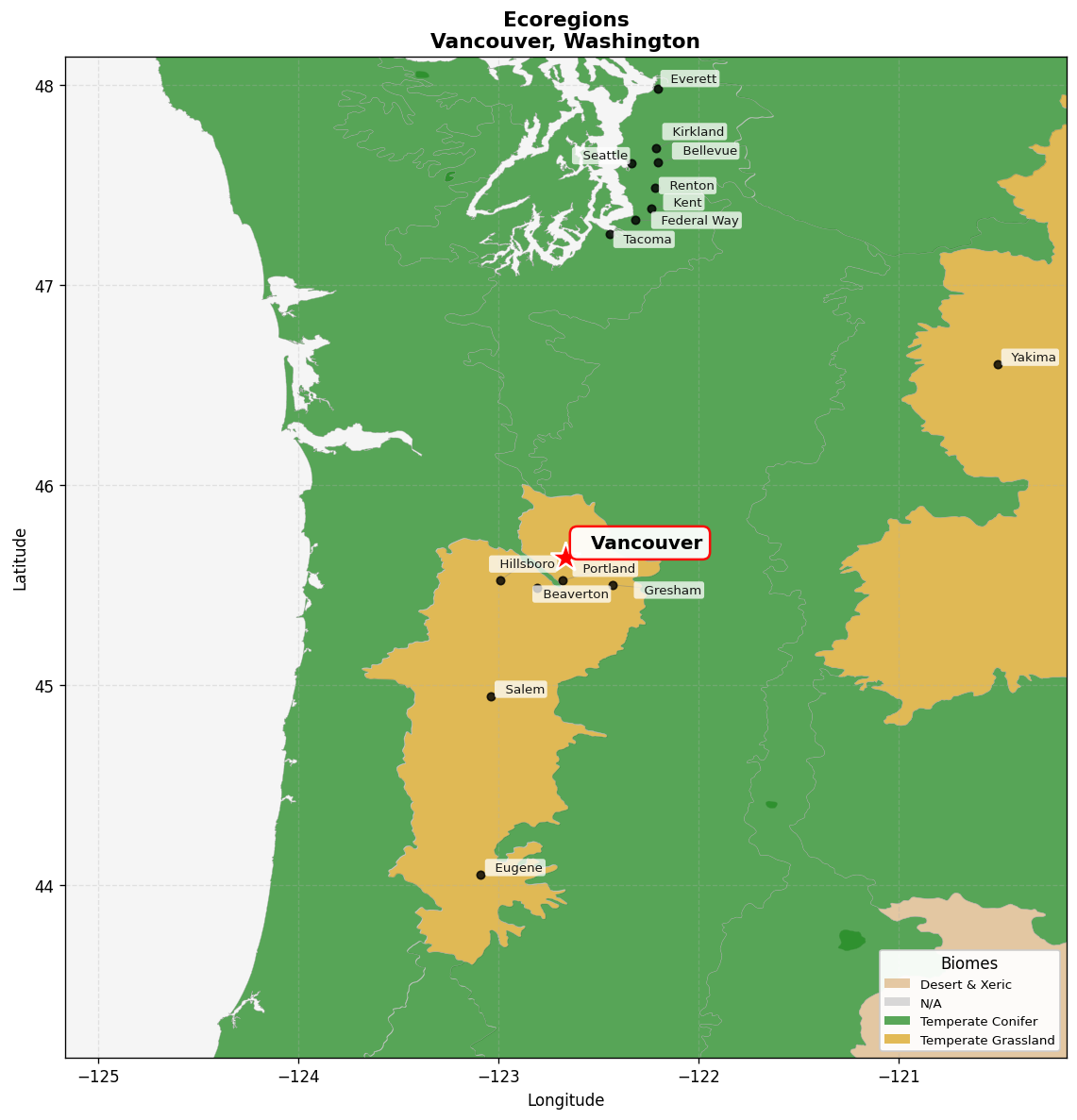
Willamette Valley oak savanna
Native ecoregionFrequently Asked Questions
How much does a cottage garden cost in Vancouver, WA?
Portland-metro labor runs about 10-15% above the national average, and Washington charges retail sales tax on landscaping services — 8.7% in Vancouver — which Oregon homeowners crossing the river are always surprised by. Budget it up front. A front-yard cottage conversion with a brick or flagstone path, a rose arbor and full perennial borders on a typical 600 sqft front yard runs $11,000-19,000 installed. A flagstone tea terrace with surrounding borders runs $7,000-15,000. A full backyard with pergola, fountain and structured beds lands between $30,000 and $70,000. Doing the planting yourself after paying a contractor for hardscape and soil prep typically cuts 35-40% off the total.
Why does my lavender keep dying in Vancouver?
It is drowning, not freezing. Lavandula x intermedia 'Grosso' and Lavandula angustifolia 'Hidcote' are hardy well below Vancouver's Zone 8b lows, but Clark County's Cascade and Odne silt loams hold a perched winter water table above a fragipan, and 42 inches of October-through-May rain sitting around the crown causes root rot by the second spring. Plant lavender, Salvia rosmarinus 'Arp', Santolina and Stachys on berms raised 12-18 inches, blend the native soil roughly half-and-half with quarter-minus crushed basalt or pumice, and mulch with gravel — never bark, which holds moisture right against the crown. Try Lavandula x intermedia 'Phenomenal' first; it is the most forgiving of wet winters.
Which roses actually resist blackspot in the Portland-Vancouver area?
The basin's cool, damp springs make blackspot and powdery mildew the defining rose problem here, so choose for disease resistance before color. The Kordes-bred roses are the standouts — Rosa 'Beverly', 'Lemon Fizz' and 'Brothers Grimm' hold clean foliage with no spray program. Among climbers, Rosa 'New Dawn' and 'Climbing Iceberg' are the local workhorses; Rosa 'Zephirine Drouhin' is thornless and beautiful but defoliates most years here. Rosa rugosa 'Hansa' and Rosa 'Sally Holmes' are effectively bulletproof. Whatever you plant, give it morning sun and airflow, water at the root rather than overhead, and rake and bin fallen leaves in autumn — the spores overwinter in the mulch.
When should I plant a cottage garden in Vancouver?
Split the calendar by plant type. October and early November are ideal for roses, hydrangeas, peonies, foxgloves, hardy geraniums and anything woody — the winter rains do all the establishment watering for you and the plants hit spring already rooted. But plant the Mediterranean half of the palette — lavender, rosemary, santolina, Perovskia — in April or May instead, so it gets a full dry summer to establish before facing its first wet Vancouver winter. Fall-planted lavender has a much higher failure rate here. Avoid heavy soil work between October and June if you can; Clark County enforces stricter wet-season erosion control during that window.
Do I need to irrigate a cottage garden here, given all the rain?
Yes, but only for about ten weeks. Vancouver gets genuinely dry summers — July and August together often deliver under an inch and a half of rain — and the 2021 heat dome that pushed the metro past 110°F showed what an unirrigated border looks like in a bad year. Install drip on the perennial beds and run it only from roughly late June through early September; leave it completely off the rest of the year or you will rot the same plants you are trying to save. Roses and hydrangeas want deep weekly soaks in that window. Established lavender on a berm needs essentially nothing after year two.
How do I deal with moss and slugs in a Vancouver garden?
Accept the moss and manage the slugs. Moss in lawns and flagstone joints is a symptom of acidic soil, shade and winter wet — all permanent conditions here — so chemically fighting it is a treadmill. Overseed thin turf with fine fescue, lime every couple of years if a soil test says pH is below 5.5, and in deep shade replace lawn with Hakonechloa macra 'Aureola' or a sword fern and Epimedium groundcover instead. Slugs are the real threat and they feed year-round in this climate: use iron-phosphate bait around Hosta, Delphinium and emerging Ligularia from February onward, and keep bark mulch pulled back a few inches from perennial crowns.