4 English Cottage Garden Ideas for Waterbury, CT | Hardy Borders for Zone 6b
Native plants from the Northeast US Coastal forests (Zone 6b) — Humid continental (hot summer) climate
For a cottage garden in Waterbury, CT, a zone 6b city with a humid continental (hot summer) climate, start with Rosa 'New Dawn', Lavandula × intermedia 'Phenomenal' and Paeonia lactiflora 'Sarah Bernhardt', the plants this guide's first design is built on.
Why Cottage/English Gardens in Waterbury?
Waterbury gives a cottage garden plenty to work with. The Victorians and Queen Annes of the Hillside Historic District, the Capes and Colonials of Town Plot, Bunker Hill and Waterville, and the old triple-deckers that fill the streets near downtown all carry a porch, a picket line or an iron fence, and a front setback short enough that a border reads from the sidewalk. The Brass City is also built on hills, so many yards come with a slope, a stone retaining wall or a set of steps, and a cottage garden handles those far better than a flat lawn does. Roses can spill over a wall, and perennials can fill the terraces between.
Zone 6b means planning for winter lows of roughly -5 to 0°F. January nights average in the low 20s, July highs sit in the low 80s, and the city collects about 52 inches of precipitation a year plus around 35–40 inches of snow (figures vary a little by weather source). That is cold enough to rule out tender English roses and the larger Hydrangea macrophylla types, which lose their flower buds most winters. It is also a good climate for plants that want a hard chill: Paeonia lactiflora 'Sarah Bernhardt' and 'Festiva Maxima', Delphinium × elatum 'Magic Fountains', and self-sowing Digitalis purpurea 'Camelot Rose'. For roses, pick the tough ones: Rosa 'William Baffin' and Rosa 'New Dawn' on the arbour, Rosa 'Sally Holmes' in the border. Lavandula angustifolia 'Hidcote' tends to rot in a wet March, so use Lavandula × intermedia 'Phenomenal'.
Waterbury soil is mostly stony glacial till over bedrock, with pockets of heavier clay and fill in the older neighborhoods near the Naugatuck River. It usually tests acidic, around pH 5.0–6.0, which suits Hydrangea paniculata 'Limelight', Hydrangea arborescens 'Annabelle' and Astilbe 'Visions' but is too sour for lavender and roses. Test first, lime the rose and lavender beds toward 6.5, and on slopes build up with a loose, gritty mix instead of digging holes that fill with meltwater every March.
Check the rules before you build. Frost depth is 42 inches, so set arbour posts below that. The City's fence guide calls for a zoning permit and then a building permit for any fence, with a six-foot height limit, and solid fencing within 25 feet of an intersection or where a driveway meets the street is held to three feet. State building code exempts retaining walls up to 3 feet; anything taller needs a building permit, and many Waterbury hillside yards will cross that line. In the Hillside Historic District, confirm the review path with the City first if the design leans on a new picket fence or gate.
4 Cottage/English Design Ideas for Waterbury
AI-generated image
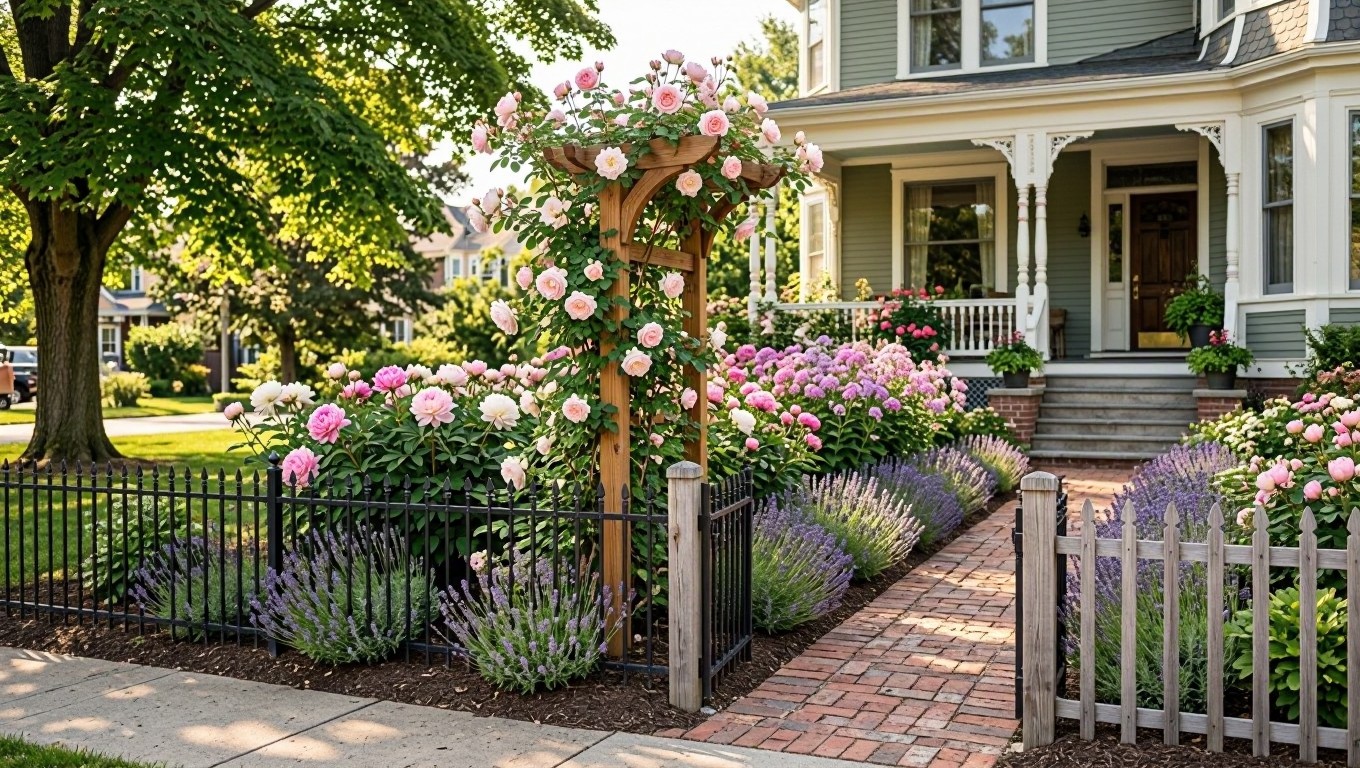
The Hillside Porch Border
$20–42/sqftA front border runs the full width of a deep-porched Victorian, with a low iron or picket fence at the sidewalk and a brick walk leading to the steps. Rosa 'New Dawn' climbs a cedar arbour over the gate, lavender spills along the walk edge, and peonies and phlox fill the middle layer in full afternoon sun. A big maple shades the side lawn, which keeps the rose bed to the sunny strip where the foliage dries early.
AI-generated image
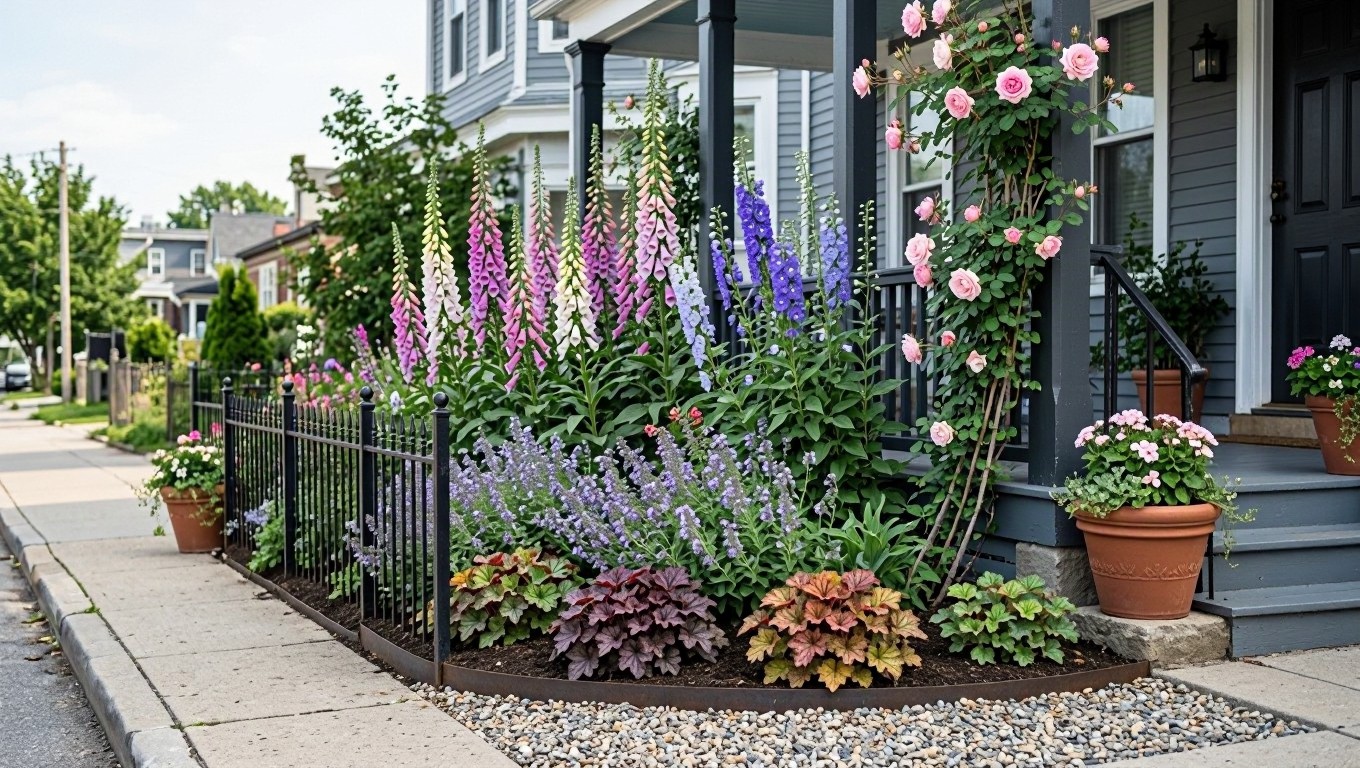
The Triple-Decker Front Strip
$16–34/sqftOn a narrow city frontage of 8–12 feet, a knee-high iron fence holds a dense, layered border: foxglove and delphinium at the back, catmint and coral bells in front, and a single climbing rose on the porch post. A gravel strip next to the sidewalk takes salt splash and meltwater. It reads as generous from the street even though the whole bed is only a few hundred square feet.
AI-generated image
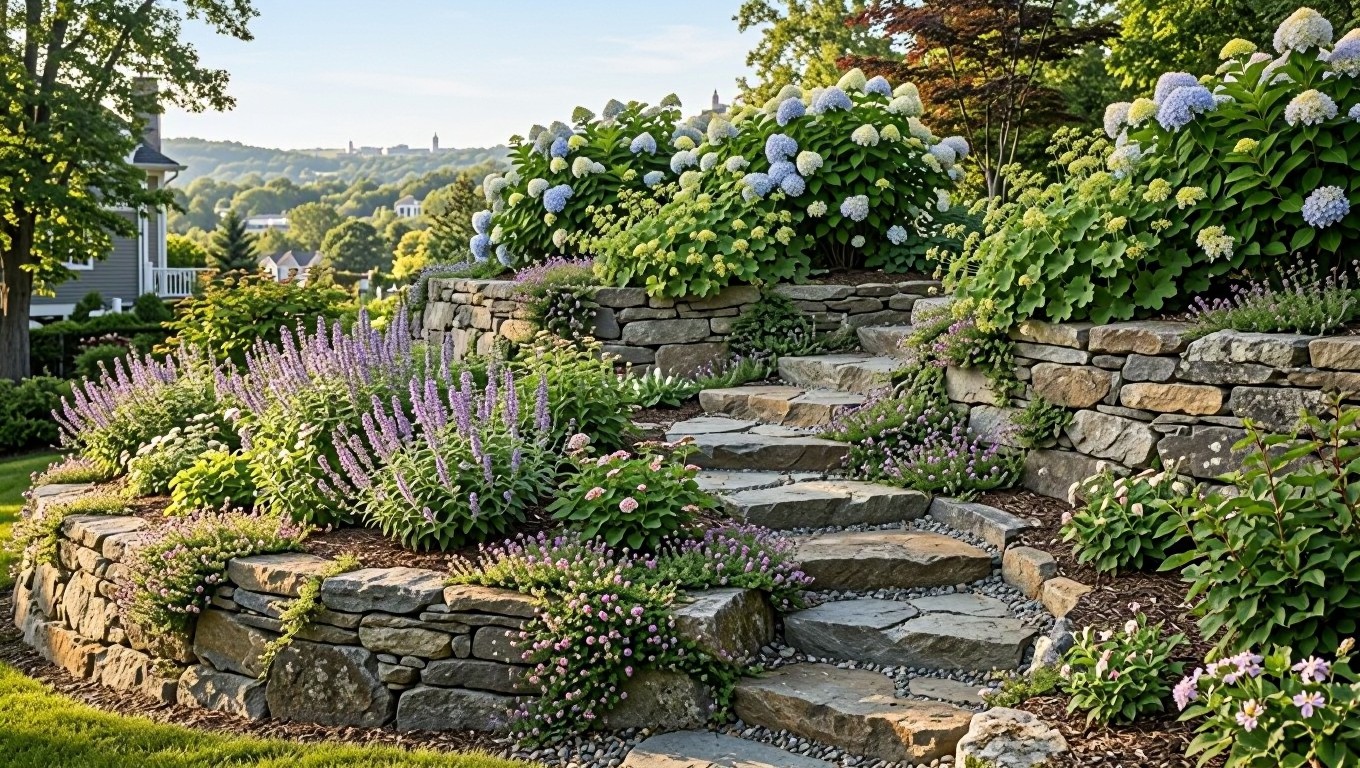
The Stone Wall Slope Garden
$30–62/sqftA hill lot is cut into two terraces with dry-laid fieldstone walls kept under 3 feet, with wide stone steps between them. Creeping thyme sits in the joints, Alchemilla mollis softens the wall tops, and a hydrangea hedge frames the upper terrace. Morning sun reaches the lower bed and afternoon sun the top, so the plants split cleanly between sun lovers and part-shade ones.
AI-generated image
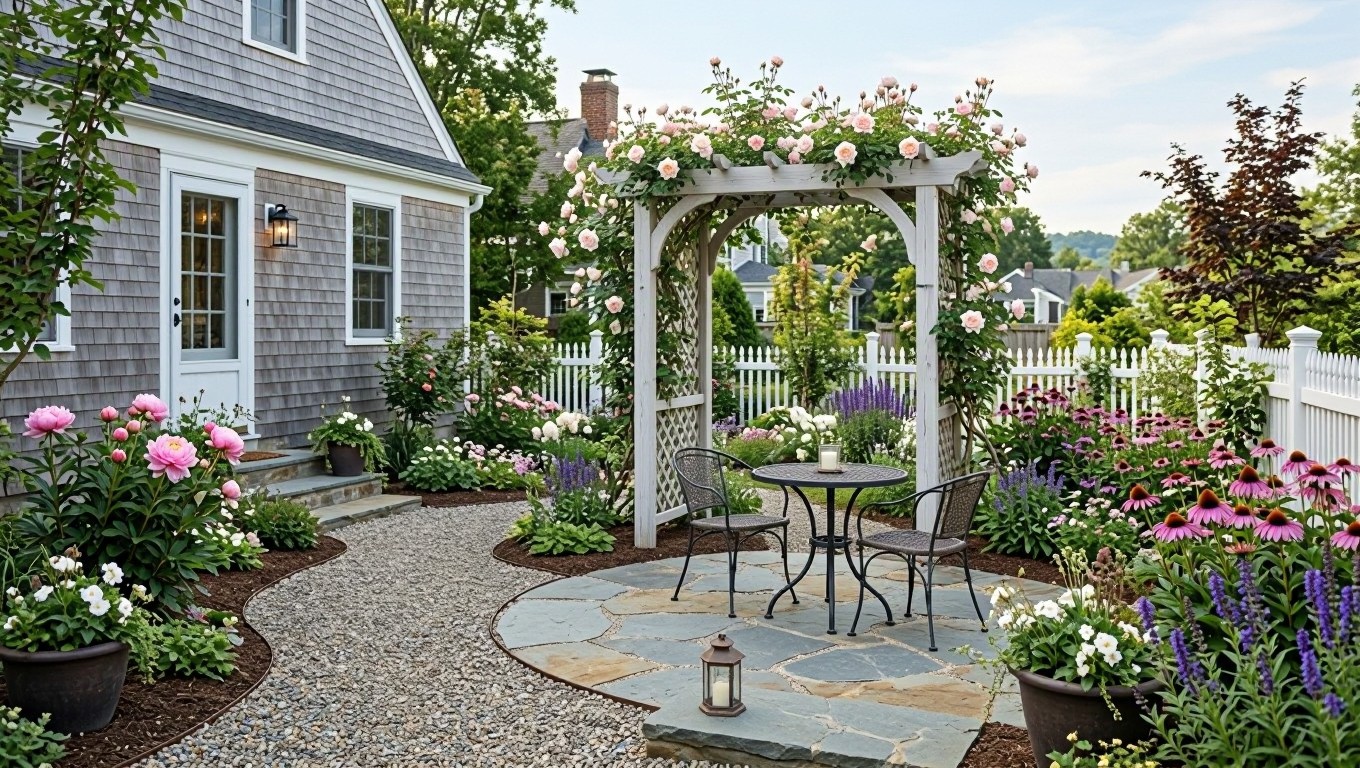
The Cape Cod Back Garden Arbour
$26–54/sqftBehind a shingled Cape, a gravel path loops past a white cedar arbour carrying Rosa 'New Dawn' to a small bluestone sitting circle with a bistro set. Deep borders of peony, Echinacea and Salvia run along a picket-fenced boundary. The path is permeable gravel, so water soaks in rather than running to the neighbor's yard, and the whole space is private enough for dinner outdoors.
See how a cottage/english garden looks on YOUR property
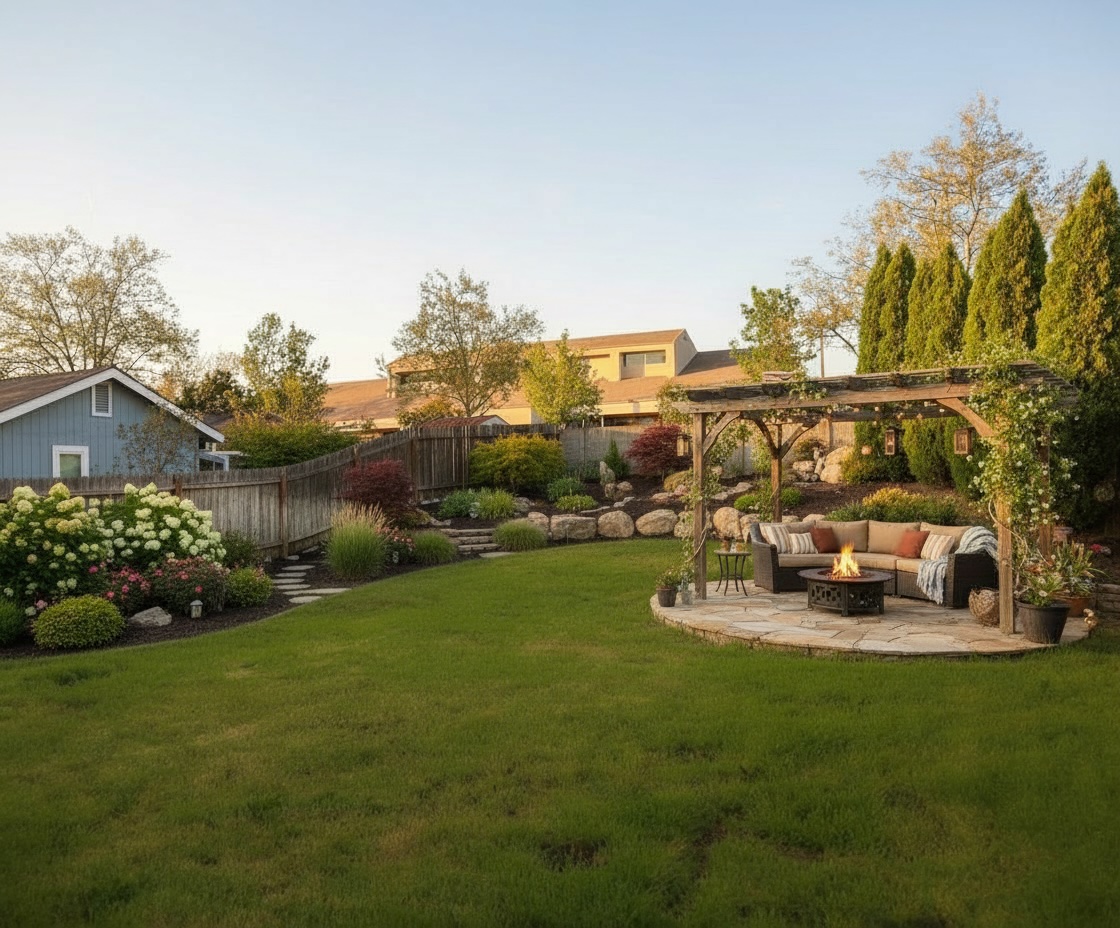
Upload a photo of your Waterbury yard and visualize your dream garden in seconds.
Try ProScapeAI Free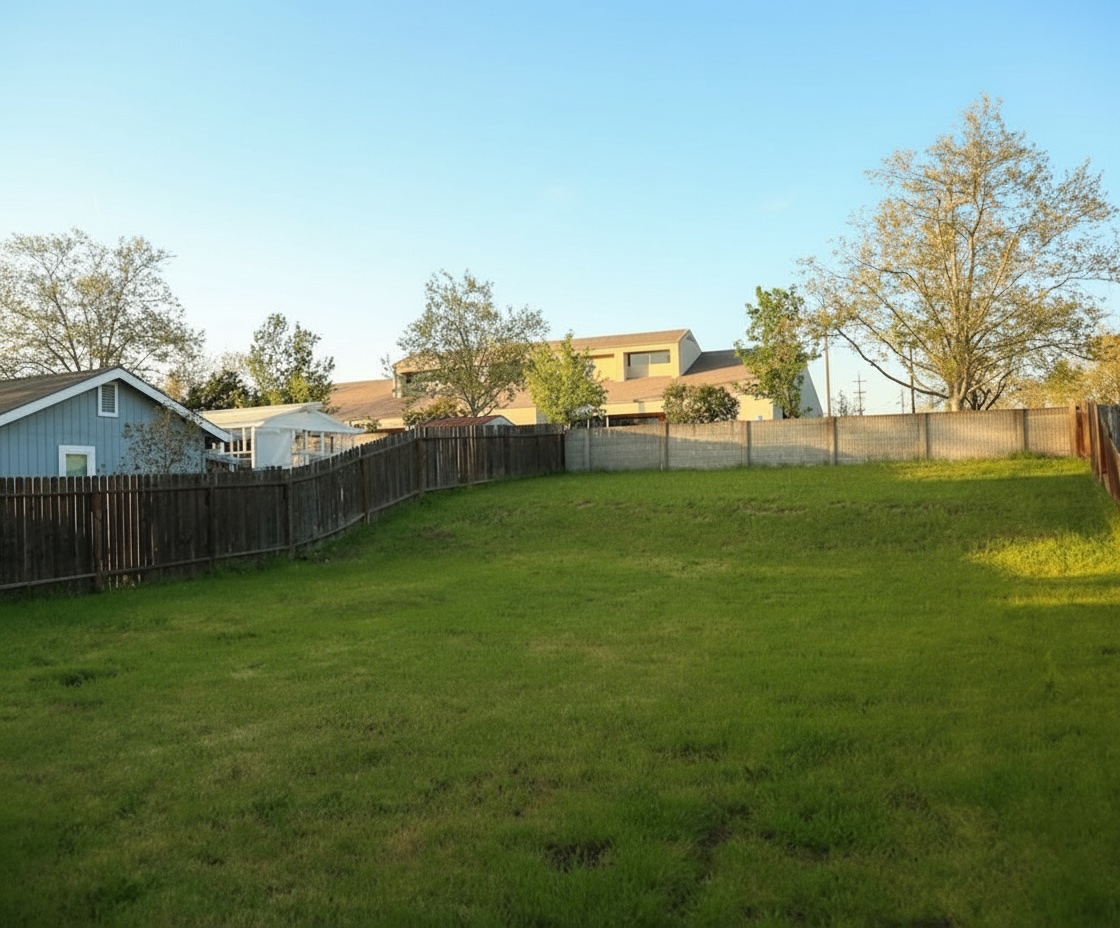
AI-generated image
Featured Trees & Shrubs for Cottage/English Gardens
Browse all 181 plants for Waterbury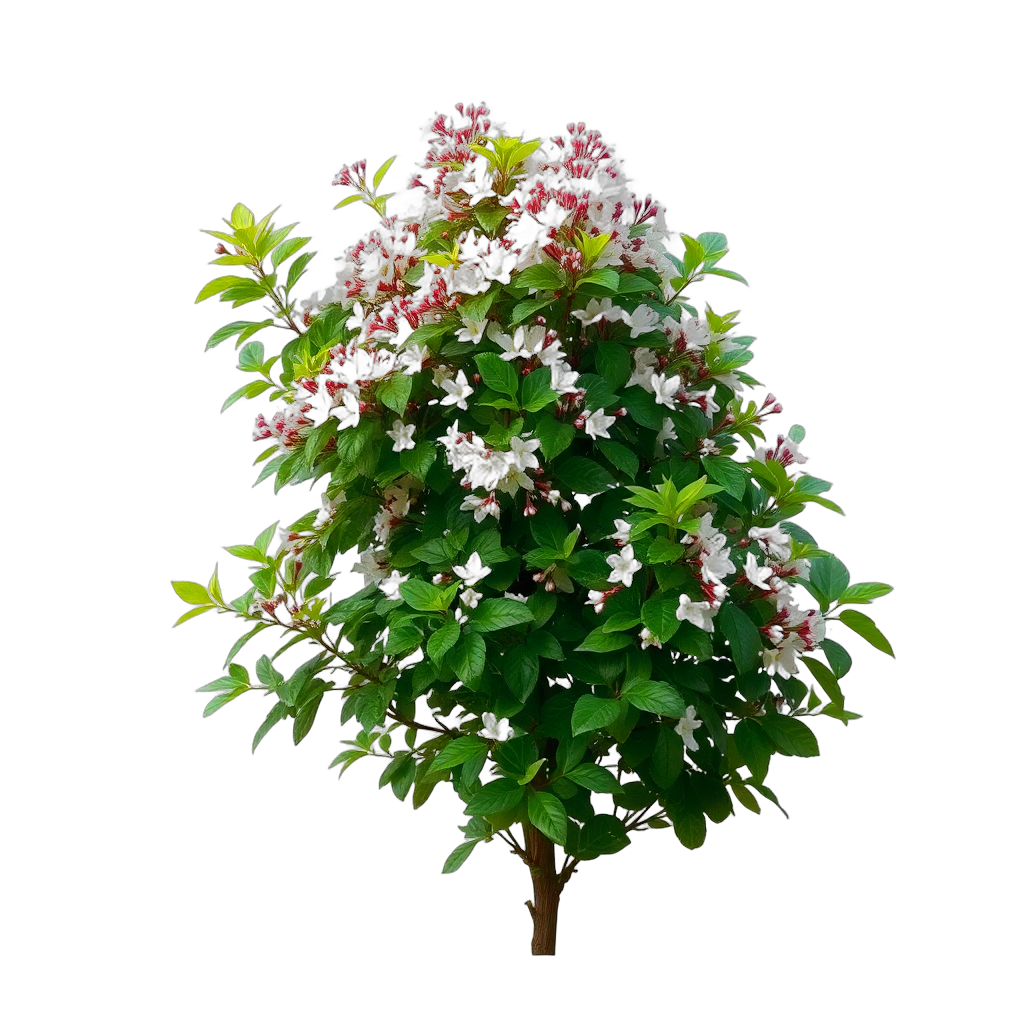
Arrowwood Viburnum
Viburnum dentatum
medium-sized at 10 feet, white blooms in spring. Pollinator-friendly.
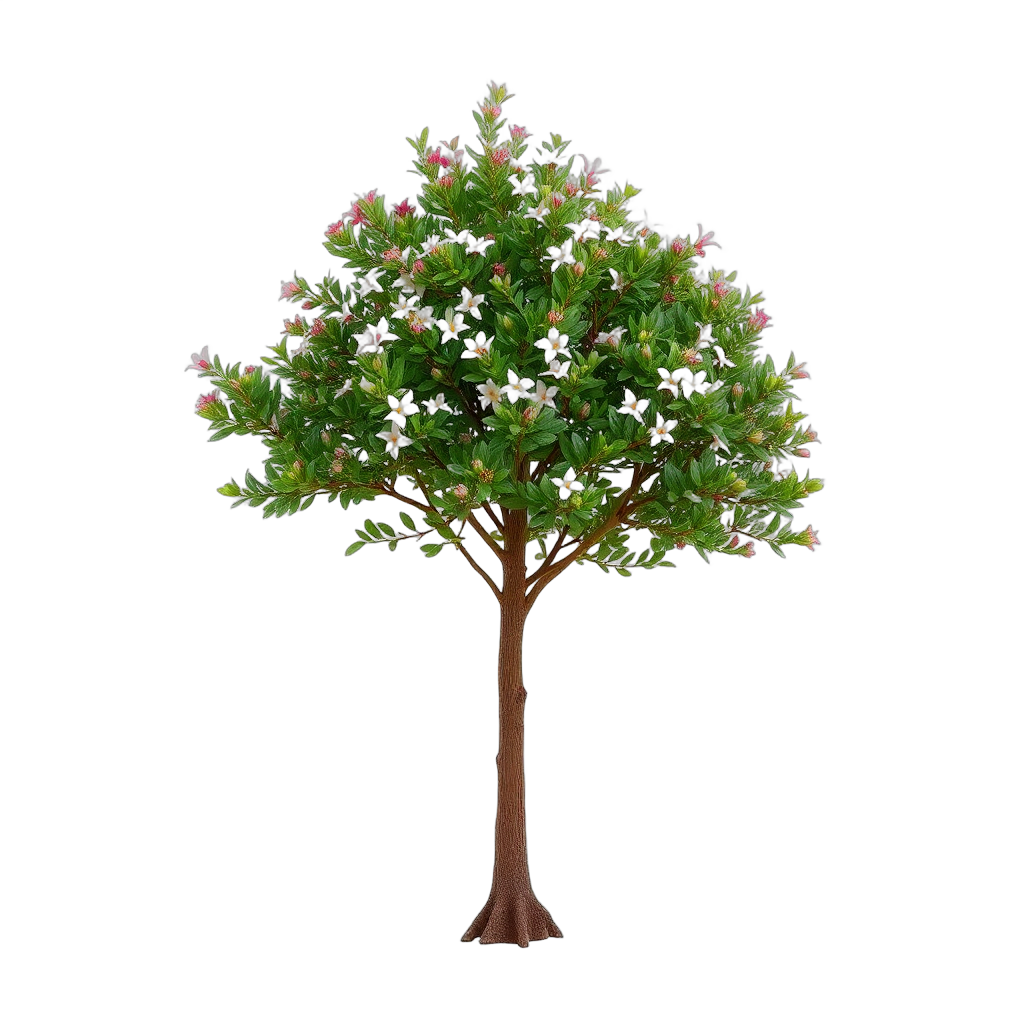
Coastal Leucothoe
Leucothoe axillaris
grows to 3 feet, white blooms in spring. Evergreen year-round.

Highbush Blueberry
Vaccinium corymbosum
medium-sized at 7 feet, white blooms in spring. Attracts butterflies.

Inkberry
Ilex glabra
medium-sized at 8 feet, white blooms in spring. Pollinator-friendly.
Featured Grasses & Groundcovers for Cottage/English Gardens
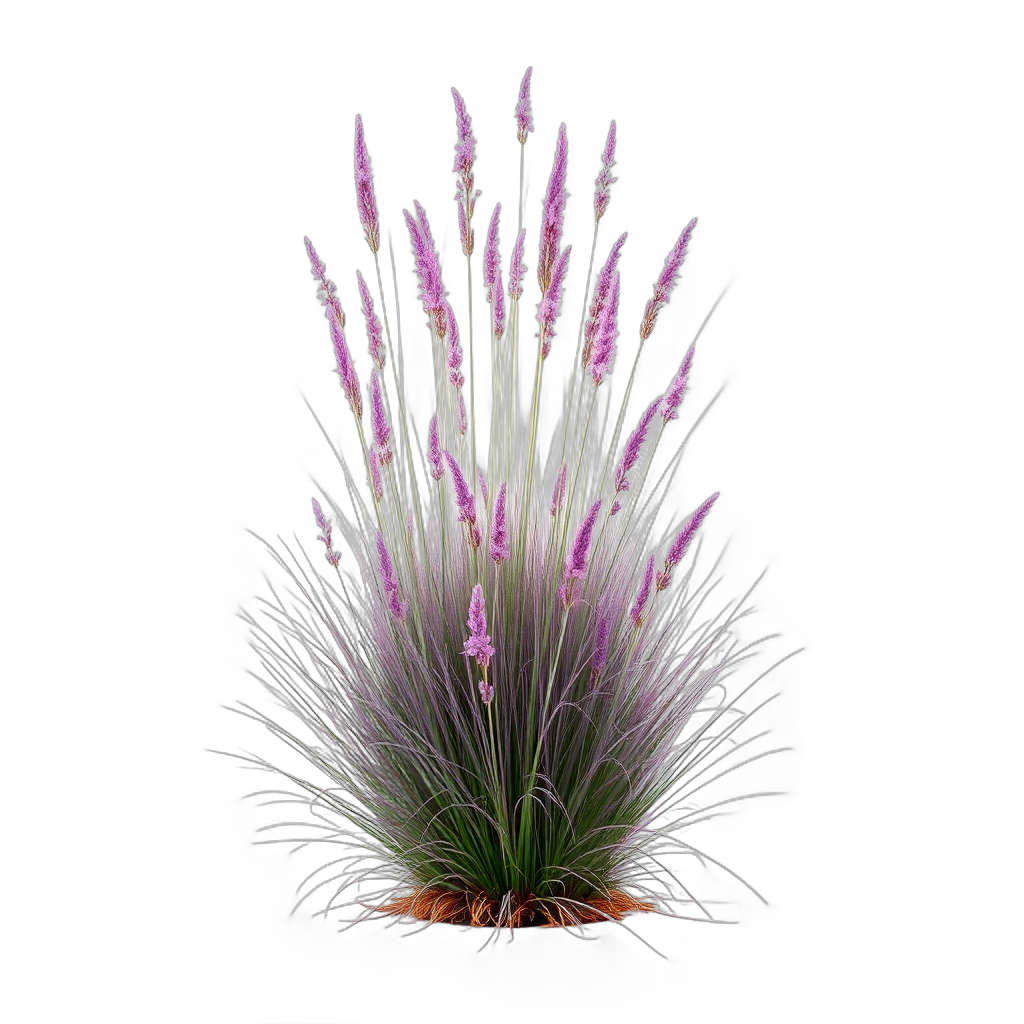
Purple Love Grass
Eragrostis spectabilis
low-growing ground cover, purple blooms in fall. Orange fall color.

Broad-leaf Bamboo
Sasa palmata
medium-sized at 7 feet, blooms in none. Evergreen year-round.
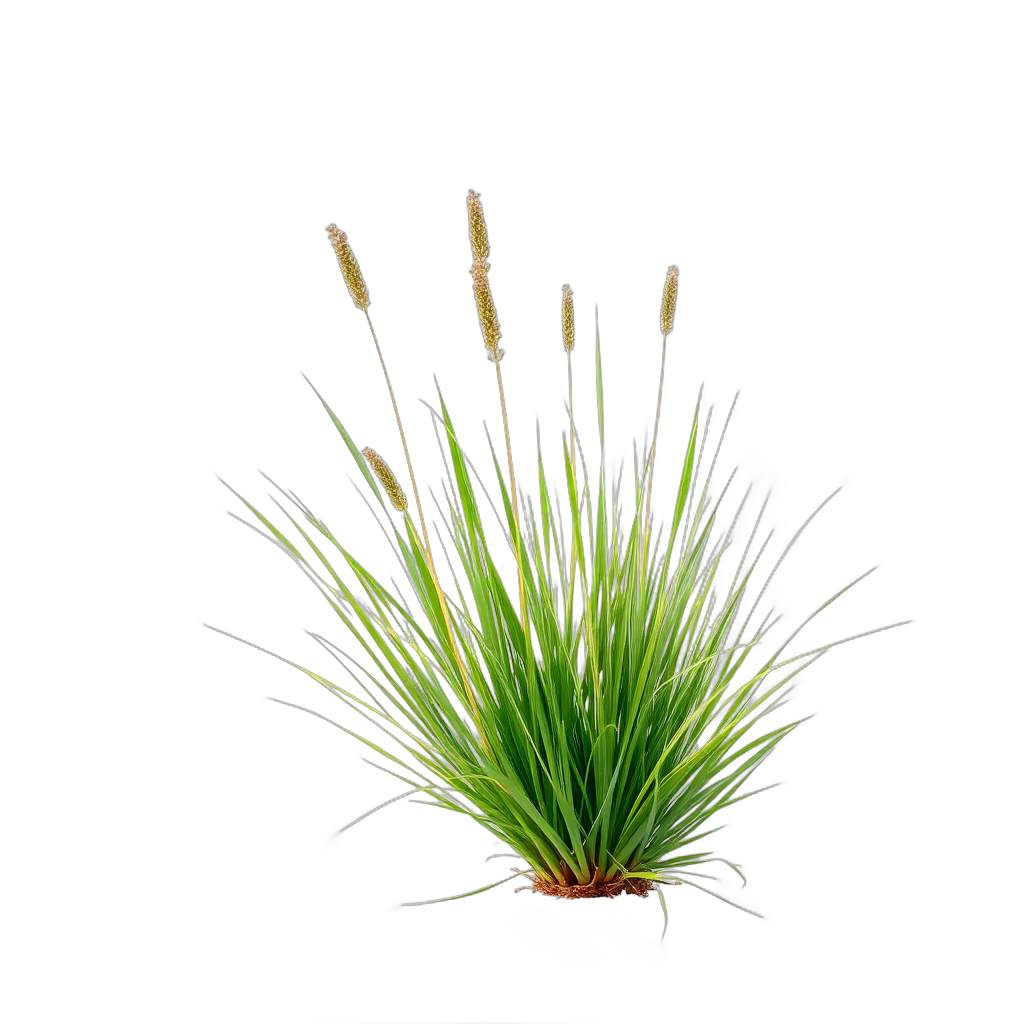
Deer Grass
Muhlenbergia rigens
grows to 3 feet, yellow blooms in fall. Evergreen year-round.
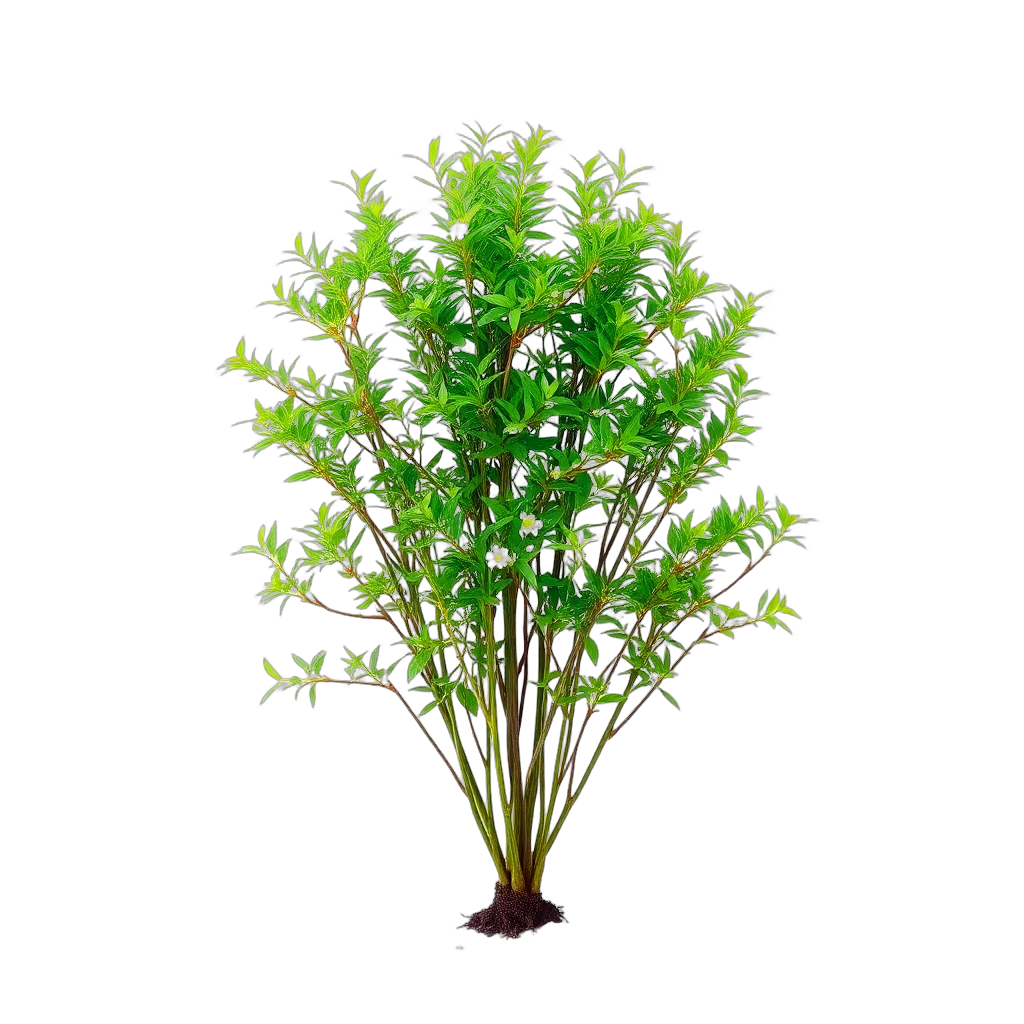
Dwarf Fernleaf Bamboo
Pleioblastus distichus
low-growing ground cover, blooms in none. Evergreen year-round.
Featured Flowers & Perennials for Cottage/English Gardens
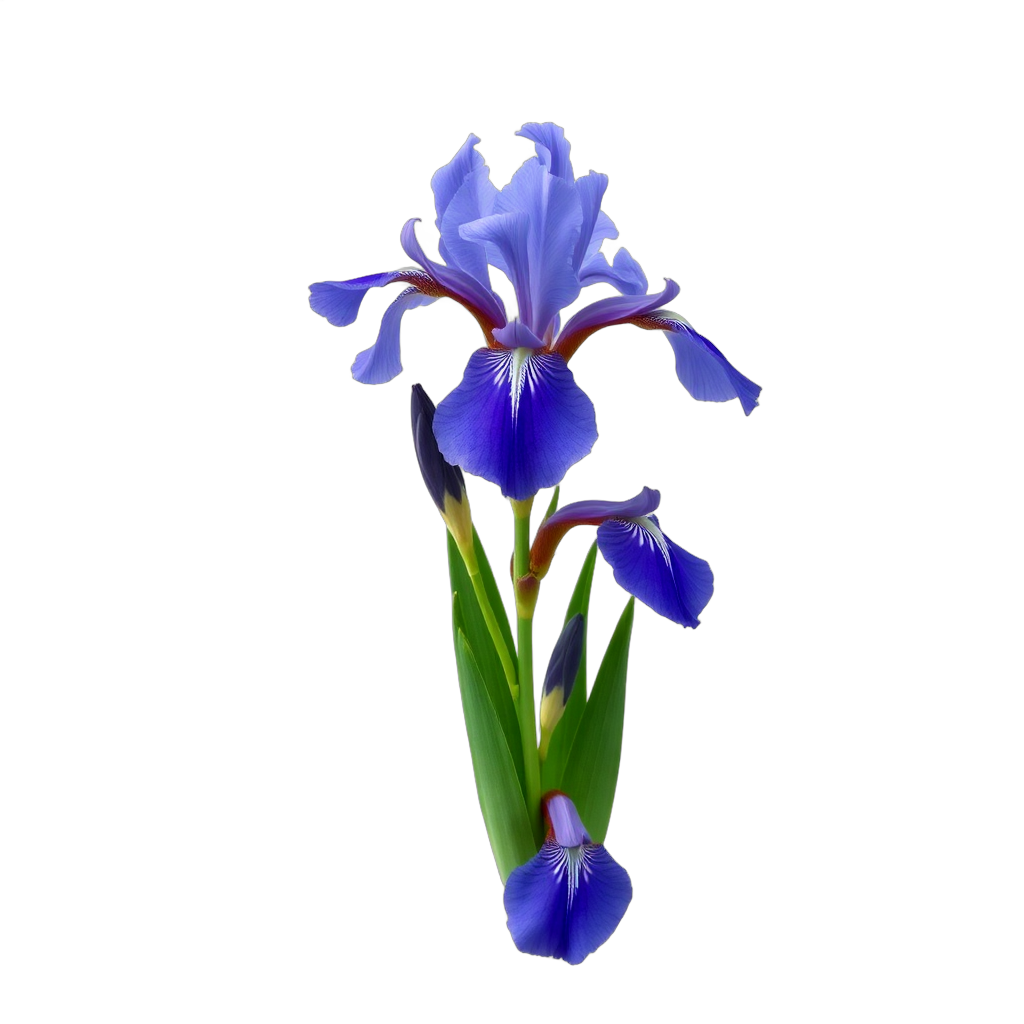
Blue Flag Iris
Iris versicolor
low-growing ground cover, purple blooms in spring. Attracts butterflies.

New York Ironweed
Vernonia noveboracensis
grows to 6 feet, purple blooms in fall. Attracts butterflies.
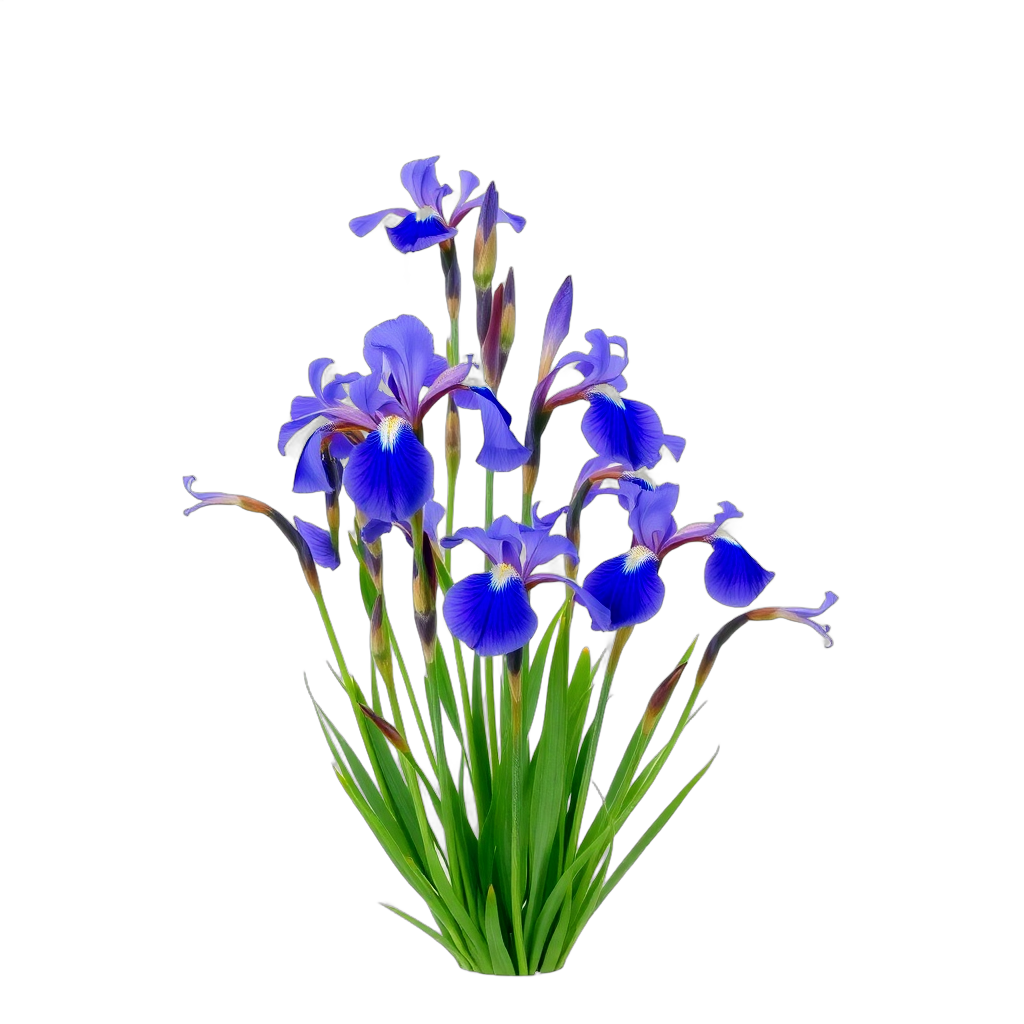
Southern Blue Flag
Iris virginica
low-growing ground cover, blue blooms in spring. Attracts butterflies.

Eastern Prickly Pear
Opuntia humifusa
low-growing ground cover, yellow blooms in summer. Attracts butterflies.
Zone and sun checks come from our database — confirm with your local nursery before you buy.
Bloom Calendar for Waterbury
spring
Blue Flag Iris, Southern Blue Flag, Arrowwood Viburnumsummer
Ruby Spice Summersweet, Summersweet, Eastern Prickly Pearfall
New York Ironweed, Purple Love Grasswinter
Limited bloomsDesign Tips for Waterbury (Zone 6b)
- Test and lime selectively: Waterbury soil often tests pH 5.0–6.0, so lime only the rose and lavender beds toward 6.5 and leave the Hydrangea paniculata 'Limelight' and Astilbe 'Visions' beds acidic
- Pick roses by cold-hardiness first: Rosa 'William Baffin' and Rosa 'New Dawn' come through a Zone 6b winter with little fuss, while tender English roses are a winter-protection chore you will tire of
- Raise beds on the heavy ground near the Naugatuck River: an 8-inch raised bed with grit mixed in keeps meltwater off lavender and peony crowns every March
- Keep every retaining wall at or under 3 feet: that is the state building code line for needing a permit, and two shorter terraces look better on a hill lot than one tall wall anyway
- Put the fence plans through the City early: fences need a zoning permit first and then a building permit, and solid fencing near a driveway or intersection is held to three feet
- Use salt-tolerant plants along the street edge: Nepeta × faassenii 'Walker's Low' and Geranium 'Rozanne' handle plow splash better than roses, and gravel strips shed meltwater and slush
- Plan for a long winter: the city sees roughly 35–40 inches of snow, so leave seed heads of Echinacea purpurea 'Magnus' standing and set the arbour on 42-inch footings so frost heave does not tilt it
Where to Source Plants in Waterbury
Skip the big-box stores. These independent Waterbury nurseries specialize in the plants that make cottage/english gardens thrive in Zone 6b.
Cheshire Nursery Garden Center & Florist
Cheshire (Route 10)
Garden center and florist established in 1906, stocking trees, shrubs, perennials, annuals, herbs, mulches and soil amendments, about 10 miles east of Waterbury
Bethany Farm and Nursery
Woodbridge (Seymour Road)
Retail and wholesale nursery with annuals, perennials, shrubs and trees plus bulk mulch, topsoil and decorative stone, with design and landscape services
Broken Arrow Nursery
Hamden
Plant nursery with mail-order shipping and expert help; the retail nursery closes for winter and reopens in spring, so check before driving over
Cottage/English Landscaping Cost Ranges
| Project Scope | Estimated Cost |
|---|---|
| Clay brick or bluestone walk (100–200 sqft) | $2,000–$7,600 |
| Picket fence, 4 ft tall (60 linear ft) | $1,500–$2,400 |
| Brick paver walk (100 sqft) | $2,000–$2,600 |
| AI visualization (ProScapeAI) | Free to start |
National average installed ranges for 2026 from our landscaping price list (Homewyse and other published sources). Prices in Waterbury, CT vary with site, materials and contractor, so get two or three local quotes.
Waterbury Climate & Growing Zone
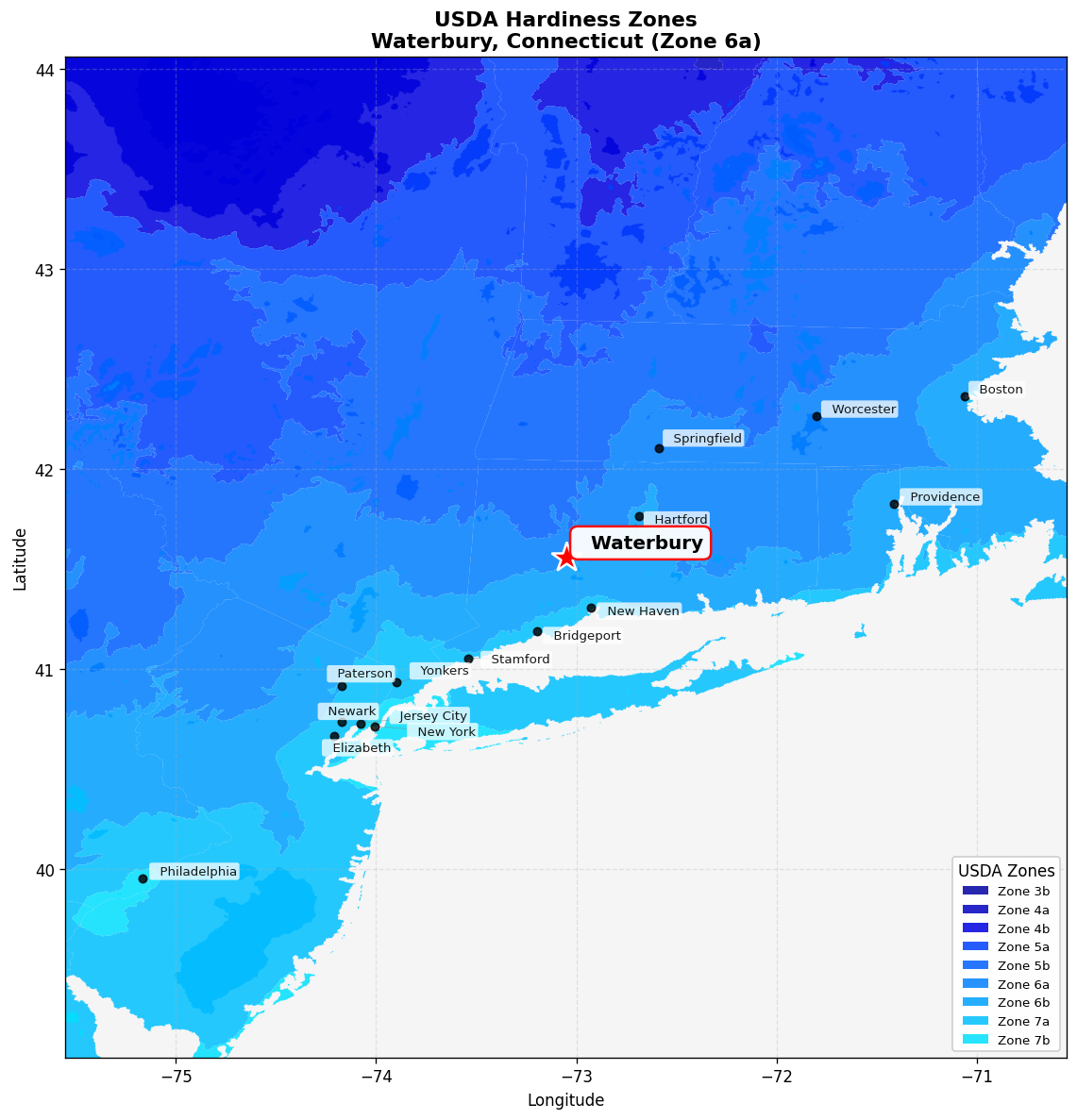
USDA Zone 6b
Hardiness zone for Waterbury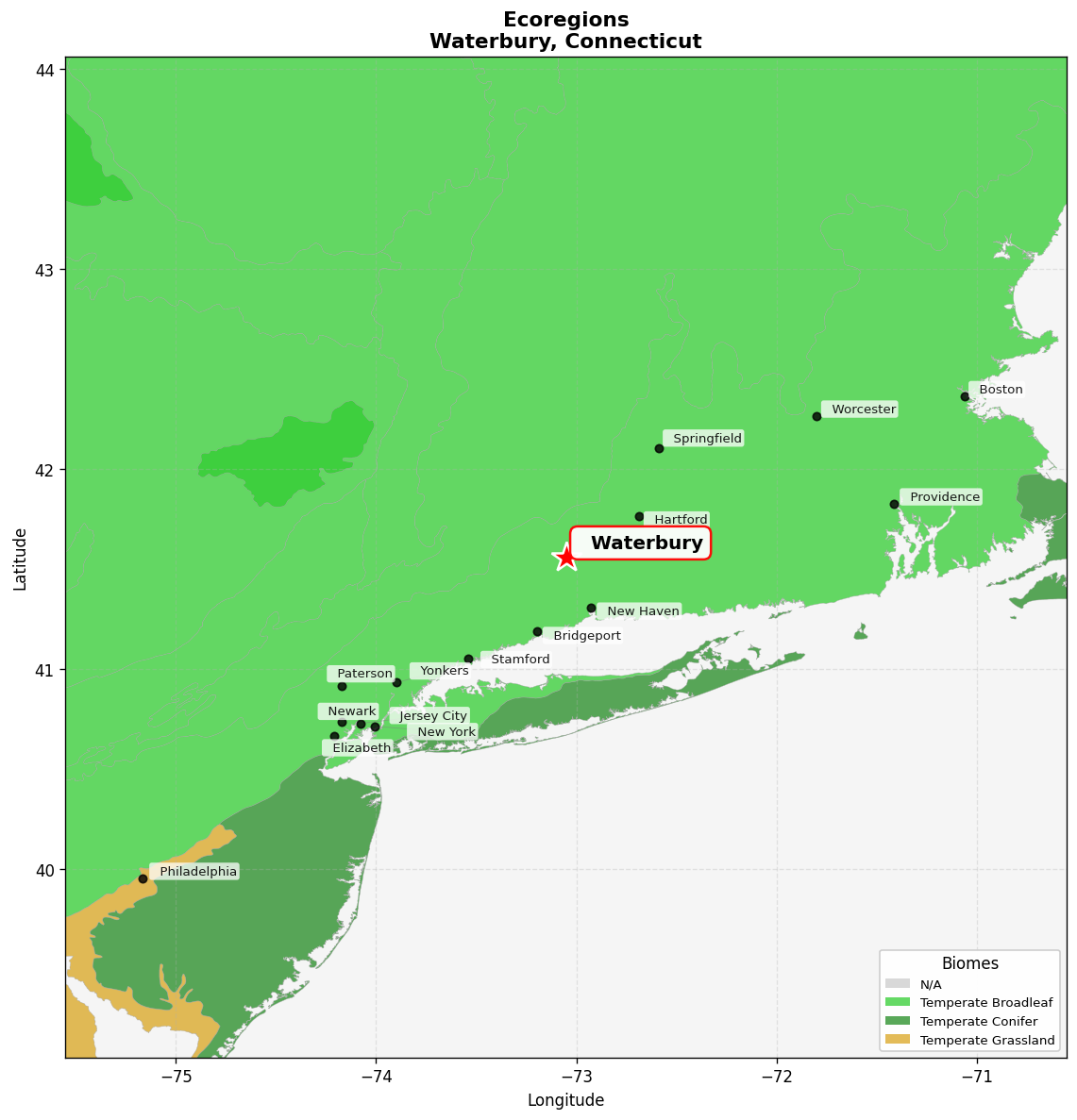
Northeast US Coastal forests
Native ecoregionFrequently Asked Questions
How much does a cottage garden cost in Waterbury, CT?
Quotes vary a lot with hillside access.
Which roses survive a Waterbury winter?
Choose the cold-hardy and disease-tolerant ones. Rosa 'William Baffin' is rated hardy to Zone 3 and shrugs off a Waterbury January; Rosa 'New Dawn' is a reliable repeat-bloomer on an arbour; Rosa 'Sally Holmes' and Rosa 'Julia Child' carry the shrub layer. Plant in six or more hours of sun, space plants three feet apart for airflow, and water at the base. Tender roses that need winter protection are more work here than they are worth, and hybrid teas often defoliate to blackspot by August in a 52-inch rain year.
Can lavender grow in Waterbury?
Yes, with the right variety and bed. Lavandula × intermedia 'Phenomenal' takes Zone 5 cold and the humid summer, while Lavandula angustifolia 'Hidcote' and 'Munstead' often rot in a wet March. Raise the bed 6–8 inches, mix in a third coarse grit, mulch with pea gravel instead of bark, and lime toward pH 6.5–7.0, since local soil tests around 5.0–6.0. Shear a third off after the July bloom and leave the old wood alone.
When is the best time to plant in Waterbury?
Plant from mid-September through mid-October so roots establish before the ground freezes, or from late April through May once the soil can be worked. Peonies and bare-root roses go in at those same windows. Avoid planting in July heat. Waterbury sits in Zone 6b, so a late frost in early May can still hit tender growth; hold the annuals until Mother's Day weekend.
What cold and drought can a cottage garden handle here?
Zone 6b lows of -5 to 0°F are within range for Paeonia lactiflora 'Sarah Bernhardt', Phlox paniculata 'David', Salvia nemorosa 'Caradonna' and Nepeta × faassenii 'Walker's Low', all of which come back every spring. Skip Hydrangea macrophylla for flowers, since winter kills the buds most years, and use Hydrangea paniculata 'Limelight' and Hydrangea arborescens 'Annabelle', which bloom on new wood. Delphinium elatum is short-lived in the summer humidity and is best treated as a replaceable accent.
Do I need a permit for a fence or retaining wall in Waterbury?
For fences, the City of Waterbury requires a zoning permit first and then a building permit, with a maximum height of six feet. Within 25 feet of a street intersection or where a driveway meets the street, solid fencing is limited to three feet. Connecticut's state building code exempts retaining walls up to 3 feet measured from finished grade at the bottom to finished grade at the top; taller walls need a building permit. If your home is in a historic district, check the review path first. Confirm current rules with the City's Planning and Building Departments before you build.
How do I design a cottage garden on a hill in Waterbury?
Work with the slope rather than regrading it. Keep walls at or below 3 feet to avoid a building permit, step them back in two or more terraces, and put drainage stone behind each wall so meltwater does not push it out in March. Plant roses and peonies on the sunny upper terrace, and shade lovers such as Hosta 'Halcyon' and Alchemilla mollis below. Gravel steps and paths work better than lawn on a steep yard because mowing a slope is hard.