4 English Cottage Garden Ideas for West Covina, CA | Zone 10a
Native plants from the California coastal sage and chaparral (Zone 10a) — Mediterranean (hot summer) climate
For a cottage garden in West Covina, CA, a zone 10a city with a mediterranean (hot summer) climate, start with Rosa 'Iceberg' climbing form, Rosa 'Mutabilis' and Salvia 'Amistad', the plants this guide's first design is built on.
Why Cottage/English Gardens in West Covina?
West Covina's housing stock suits a cottage garden better than most people expect. The postwar ranch tracts around Woodside Village, Hollencrest and the streets near Cortez Park were built with deep front lawns, low rooflines and plenty of sun, which gives a border room to run three layers deep once the grass comes out. A white picket or a low stucco wall with an arched gate, a gravel path and a couple of roses over the entry changes a flat 1960s frontage faster than any amount of foundation shrubs.
The catch is the climate. West Covina sits in USDA Zone 10a, with January lows averaging in the low 40s°F, about 18 inches of rain a year (nearly all of it between December and March) and July highs near 90°F. Plants that need a hard winter chill never get it. Herbaceous peonies skip bloom, true Delphinium elatum and lupines act as short-lived annuals, and old-fashioned lilac gives way to the low-chill Syringa 'Lavender Lady'. What carries the English look here is a Mediterranean-friendly palette dressed in cottage form: Rosa 'Iceberg', Rosa 'Mutabilis' and Rosa 'Julia Child', Salvia 'Amistad', Penstemon 'Garnet', Erigeron karvinskianus, Lavandula × allardii 'Goodwin Creek Grey' and Achillea millefolium 'Moonshine'. Foxglove (Digitalis purpurea) is planted in October and treated as a spring annual.
Soil on the valley floor is typically alluvial loam that drains well, with a neutral to alkaline reaction, often around pH 7.0–8.0, and the tap water is alkaline too. Roses and Hydrangea macrophylla 'Endless Summer' yellow between the veins in those conditions, so plan on chelated iron and a 2-inch compost mulch each spring. Lots on the hill side of town sit on heavier clay with rocky fill, where raised beds 8–12 inches deep and a gravel top dressing keep the crowns from sitting wet after a winter storm.
The City of West Covina's water page points residents to Upper San Gabriel Valley Water District programs and to SoCal Water$mart rebates for turf removal, so check with the agency on your bill before you tear out a lawn, since eligibility and amounts change from year to year. A cottage border on drip lines, with the roses grouped together and the thirstier plants near the porch, can use markedly less water than the lawn it replaces.
4 Cottage/English Design Ideas for West Covina
AI-generated image
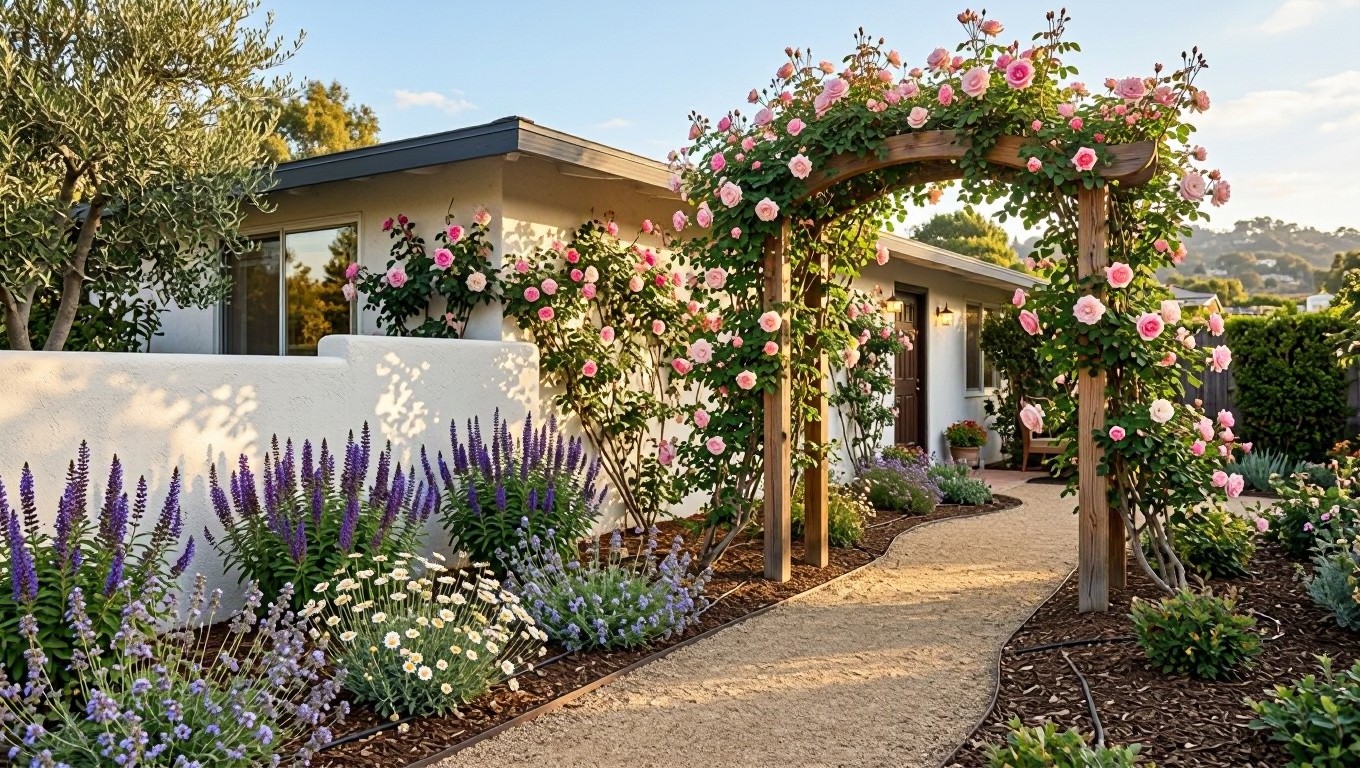
The Ranch House Rose Entry
$18–38/sqftA low stucco wall painted soft white runs along a 1960s ranch frontage, broken by a wooden arch smothered in climbing roses with a decomposed granite path running to the front door. Behind the wall, a three-layer border steps up from catmint and erigeron at the edge to salvias in the middle and roses at the back, all facing the afternoon sun. The roses stay on the west-facing wall, where reflected heat is a fair trade for six-plus hours of light.
AI-generated image
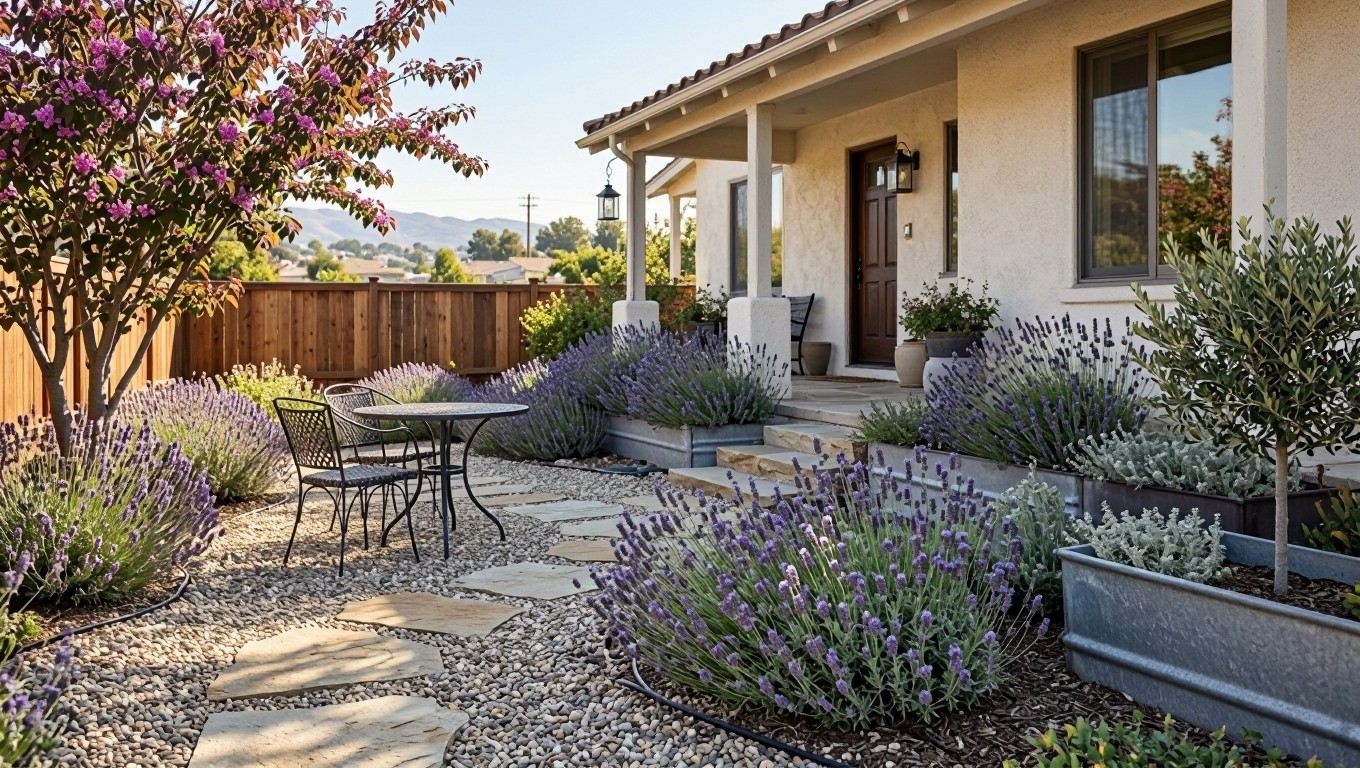
The Gravel Lavender Courtyard
$14–30/sqftA small front courtyard is surfaced in pea gravel with a round bistro table, and broad mounds of lavender spill over the bed edges toward a stucco bungalow's porch. The planting leans toward silver and blue, which holds up against the hot western sun, with a single Cercis occidentalis in the corner for spring color and late-afternoon shade. Gravel keeps the crowns of the lavender dry, which matters more in an alkaline clay than any amount of fertilizer.
AI-generated image
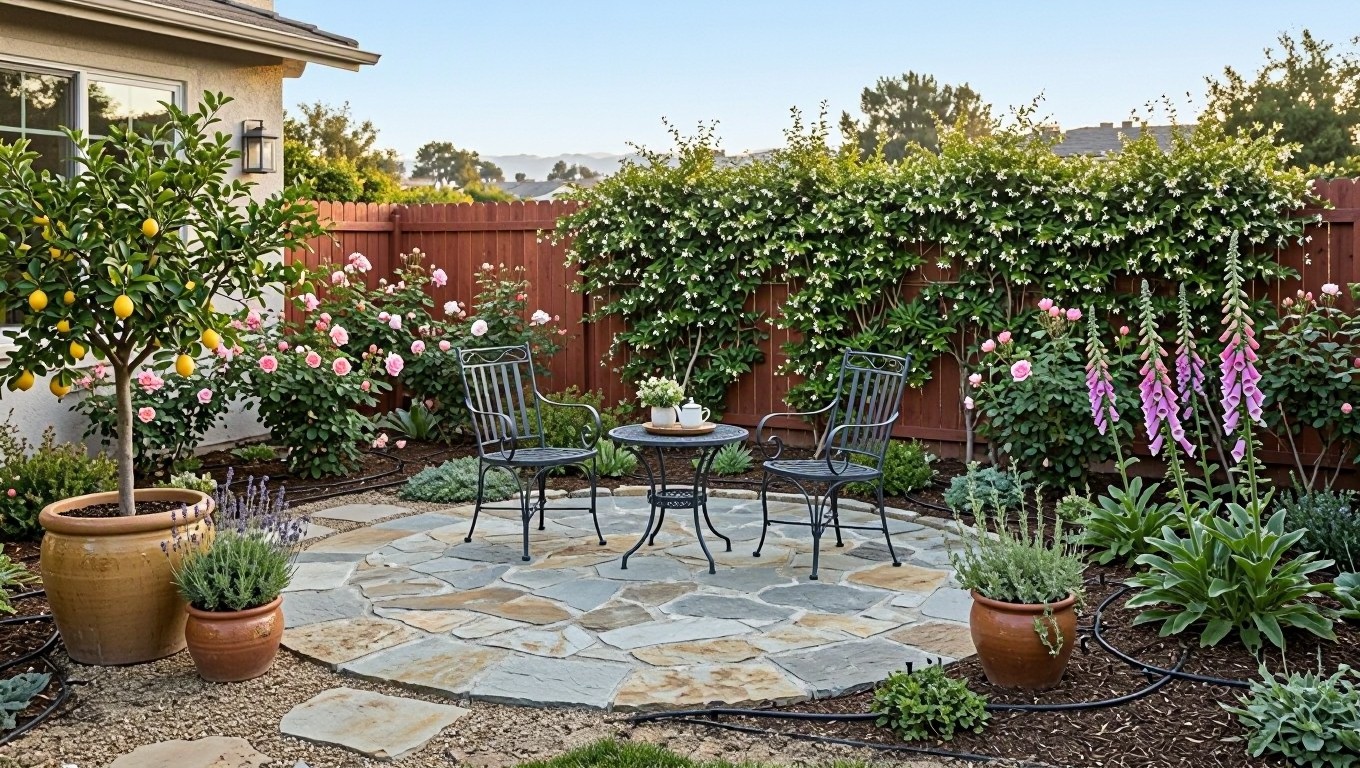
The Backyard Tea Garden
$22–48/sqftA round flagstone terrace with a pair of metal chairs sits in the middle of a backyard that has lost most of its lawn. Shrub roses and a wall of Trachelospermum jasminoides on the back fence bring scent after dark, with foxglove sown in October for a spring show. A Meyer lemon in a glazed pot anchors one corner, and the drip lines are split into two zones so the roses and the Mediterranean plants can be watered on different schedules.
AI-generated image
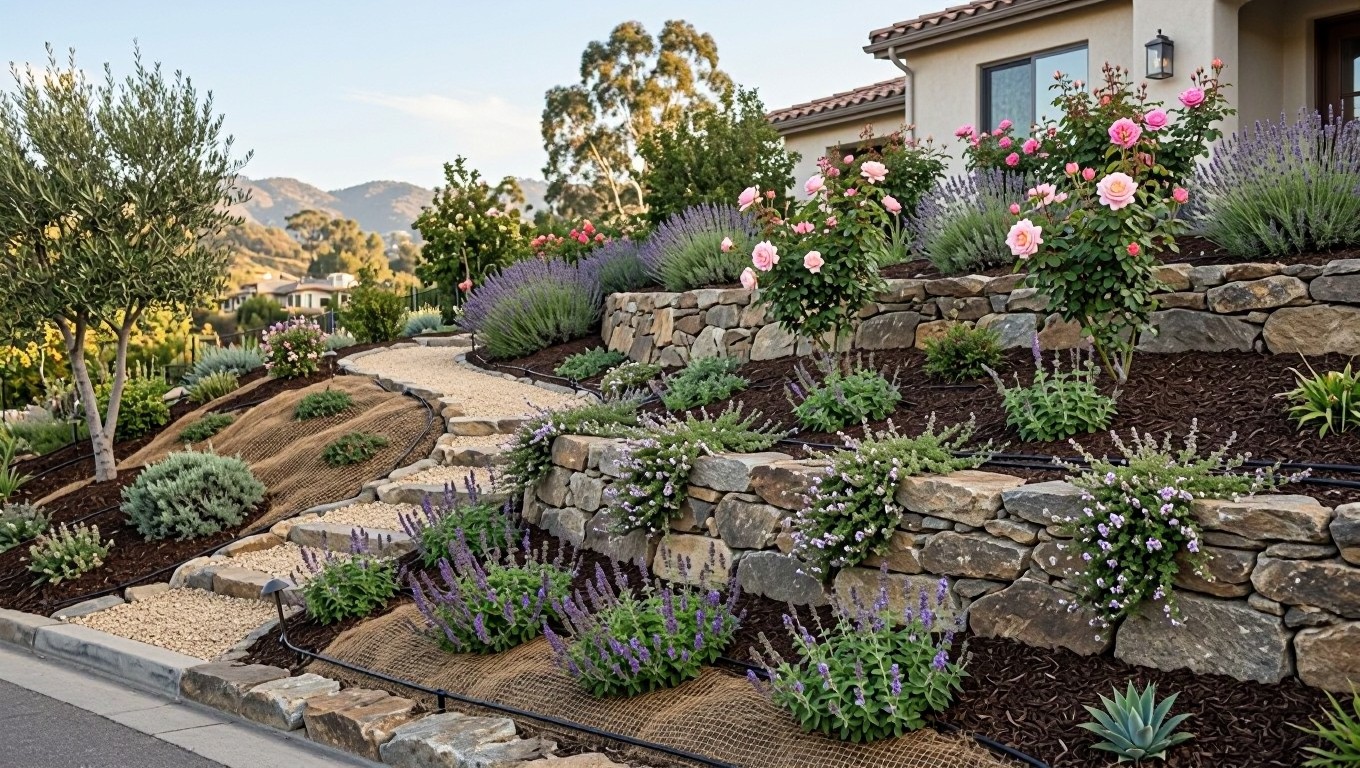
The Hillside Cottage Terrace
$26–52/sqftA sloping front yard is cut into two terraces with dry-stacked stone, each planted as its own band of color. The upper terrace holds roses and lavender, the lower one a mix of low salvia and thyme that drapes over the stone. A curved path of crushed granite zigzags through the slope so the water slows instead of running straight to the street. Everything is chosen to tolerate the heat and wind that hillside lots catch, with deep mulch to keep roots cool.
See how a cottage/english garden looks on YOUR property
Upload a photo of your West Covina yard and visualize your dream garden in seconds.
Try ProScapeAI Free

AI-generated image
Featured Trees & Shrubs for Cottage/English Gardens
Browse all 212 plants for West Covina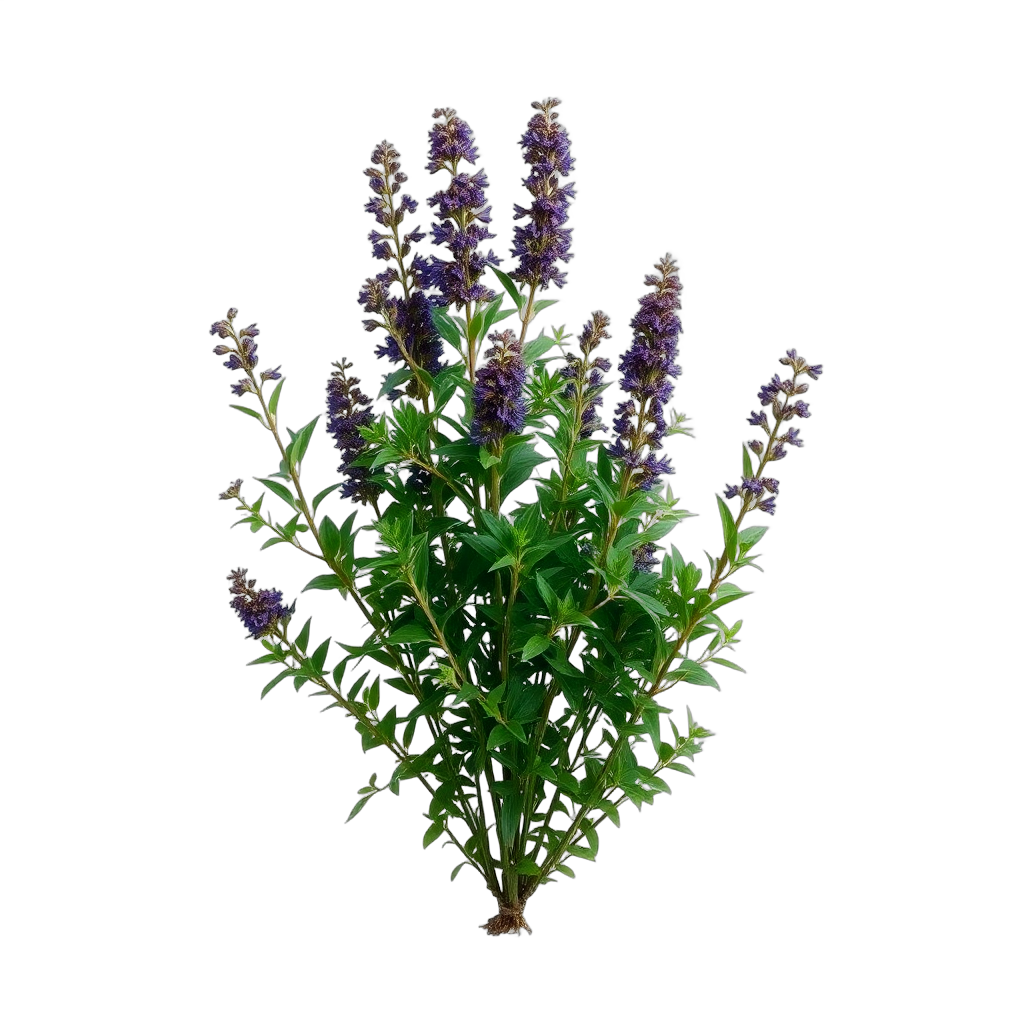
Black Sage
Salvia mellifera
grows to 4 feet, white blooms in spring. Attracts butterflies.
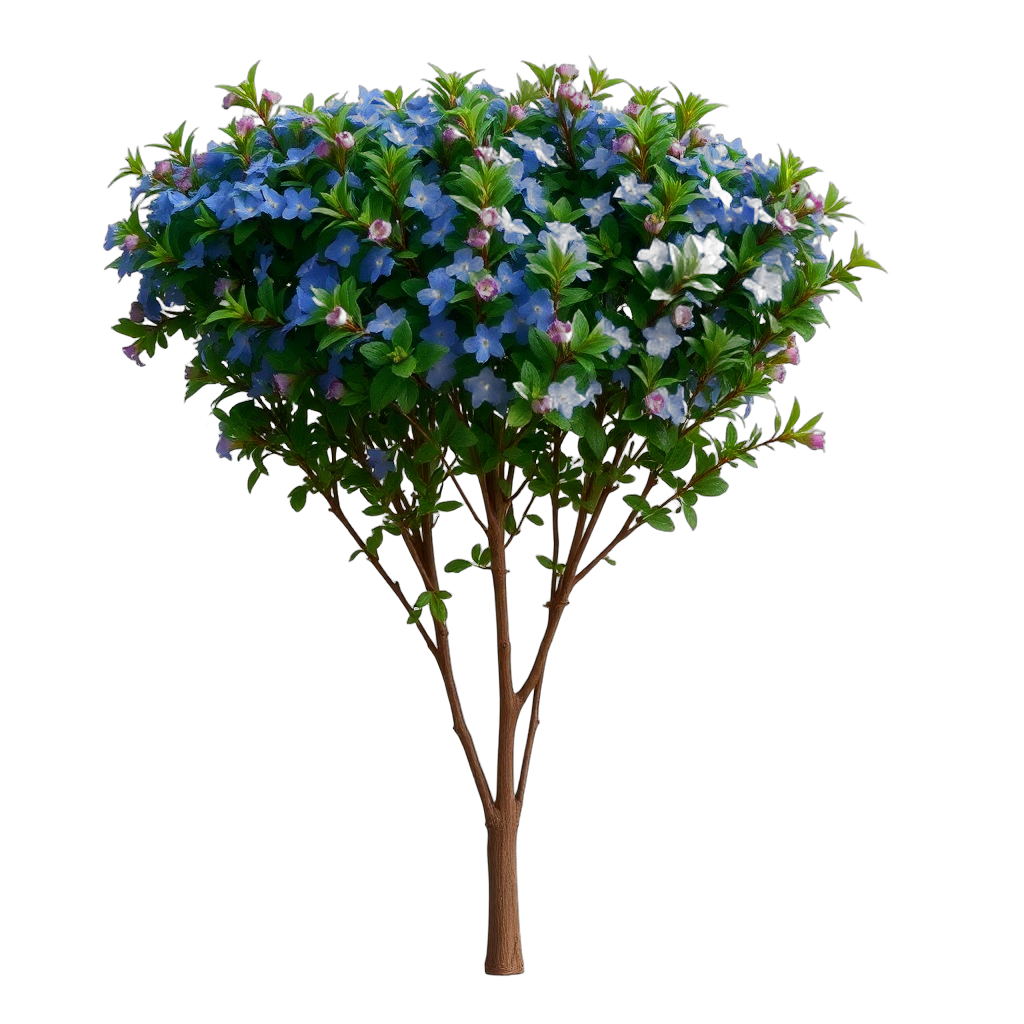
Blue Blossom
Ceanothus thyrsiflorus
medium-sized at 12 feet, blue blooms in spring. Attracts butterflies.

Blue Elderberry
Sambucus cerulea
medium-sized at 15 feet, white blooms in spring. Attracts butterflies.
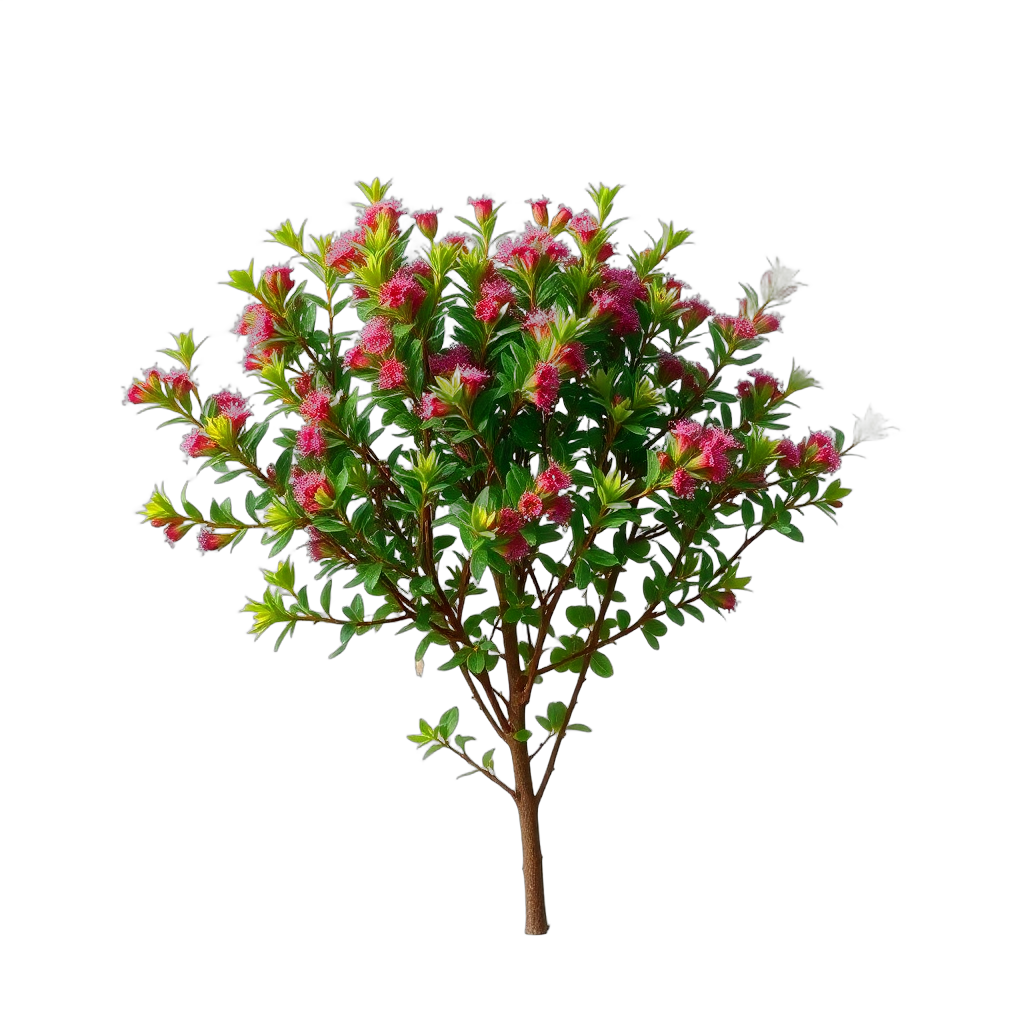
Buckbrush
Ceanothus cuneatus
medium-sized at 7 feet, white blooms in spring. Attracts butterflies.
Featured Grasses & Groundcovers for Cottage/English Gardens
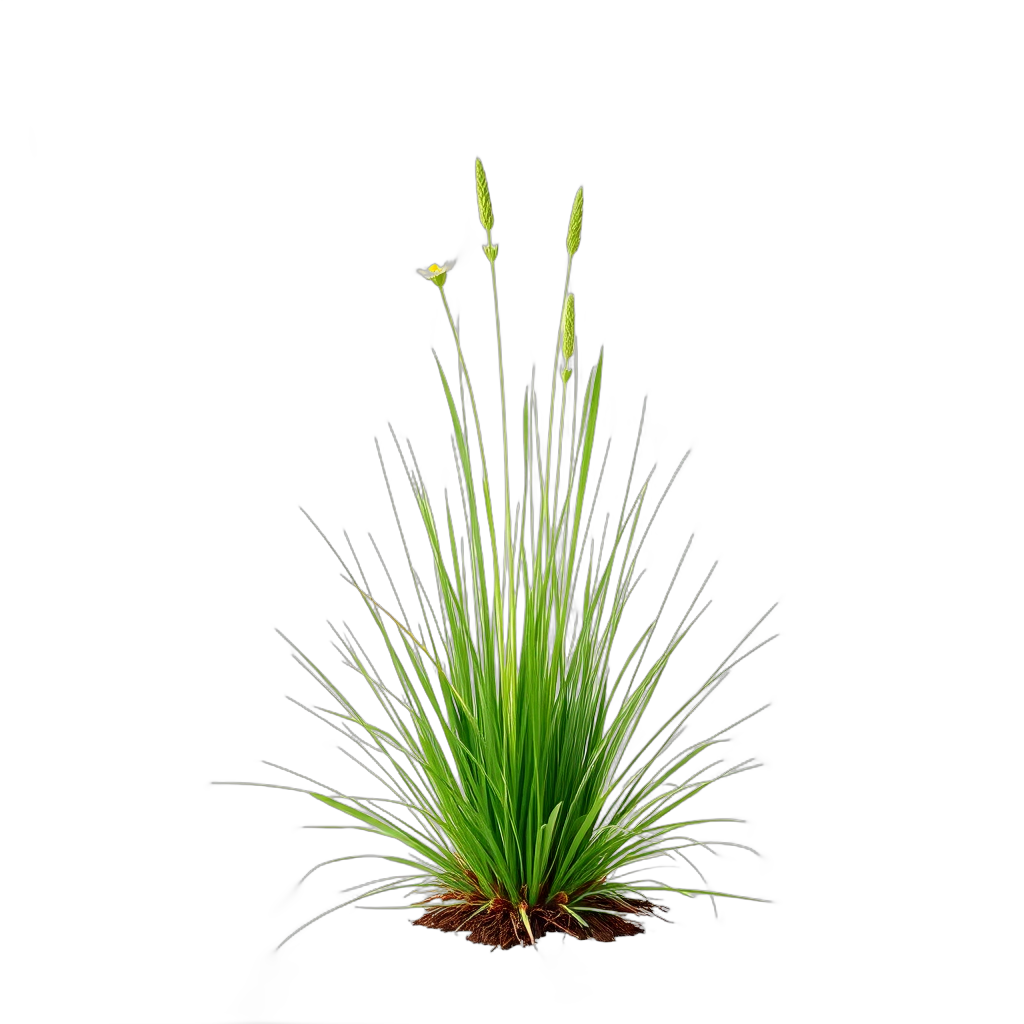
California Brome
Bromus carinatus
low-growing ground cover, blooms in spring. Yellow fall color.
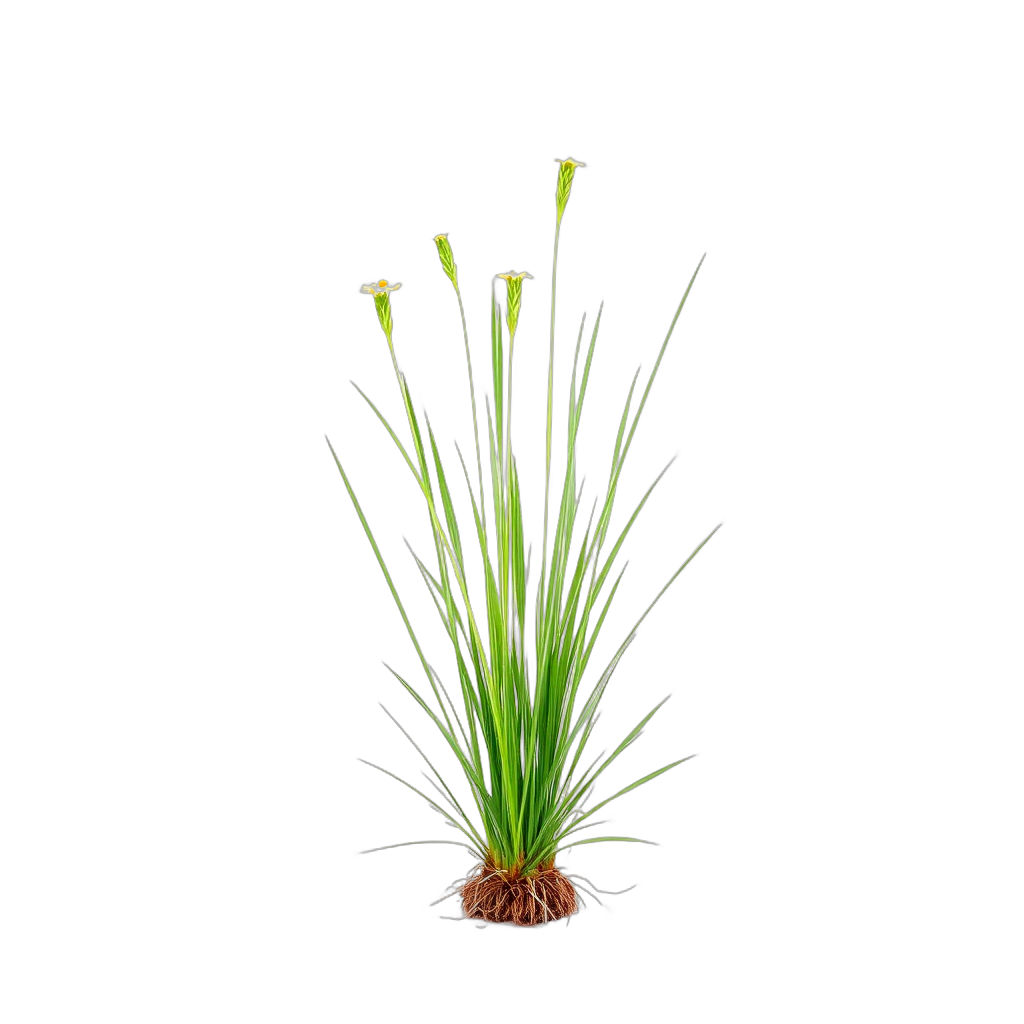
California Melic
Melica californica
low-growing ground cover, blooms in spring.
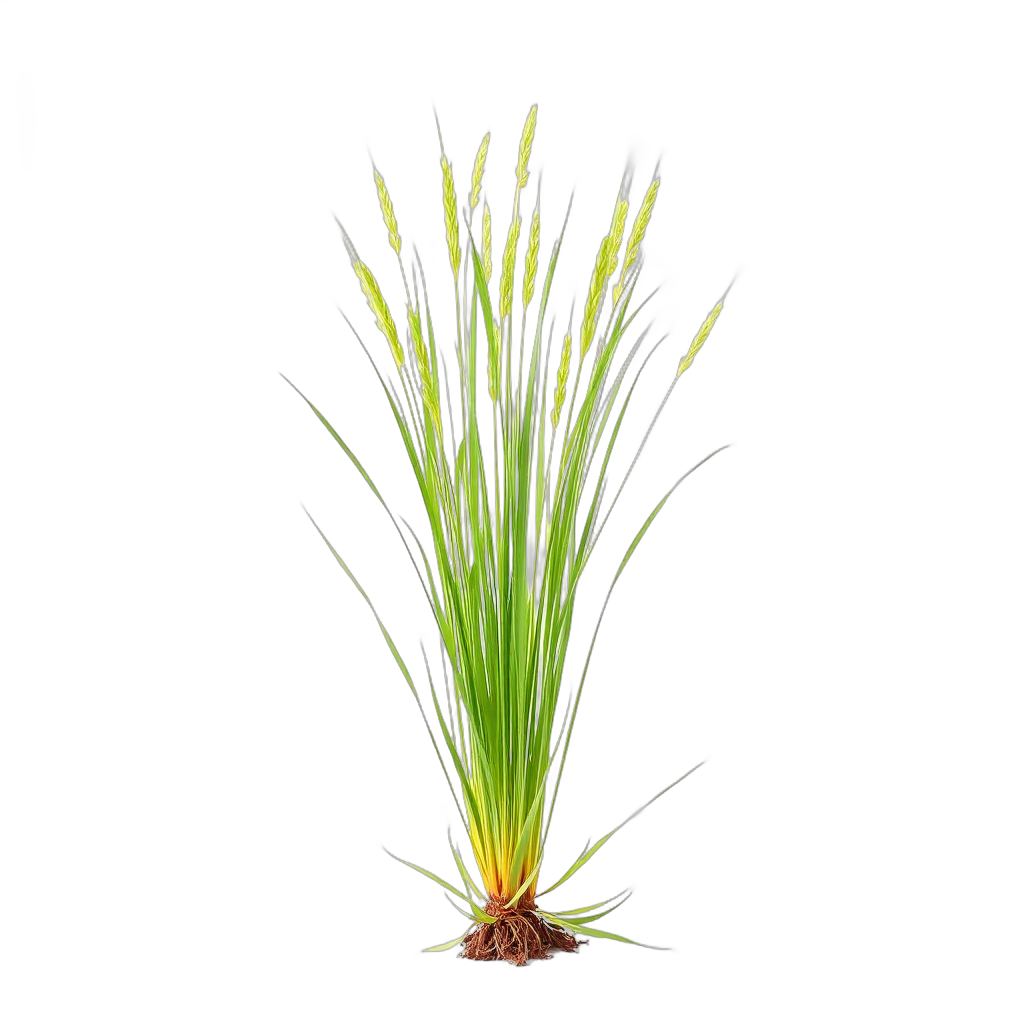
California Oatgrass
Danthonia californica
low-growing ground cover, blooms in spring. Yellow fall color.
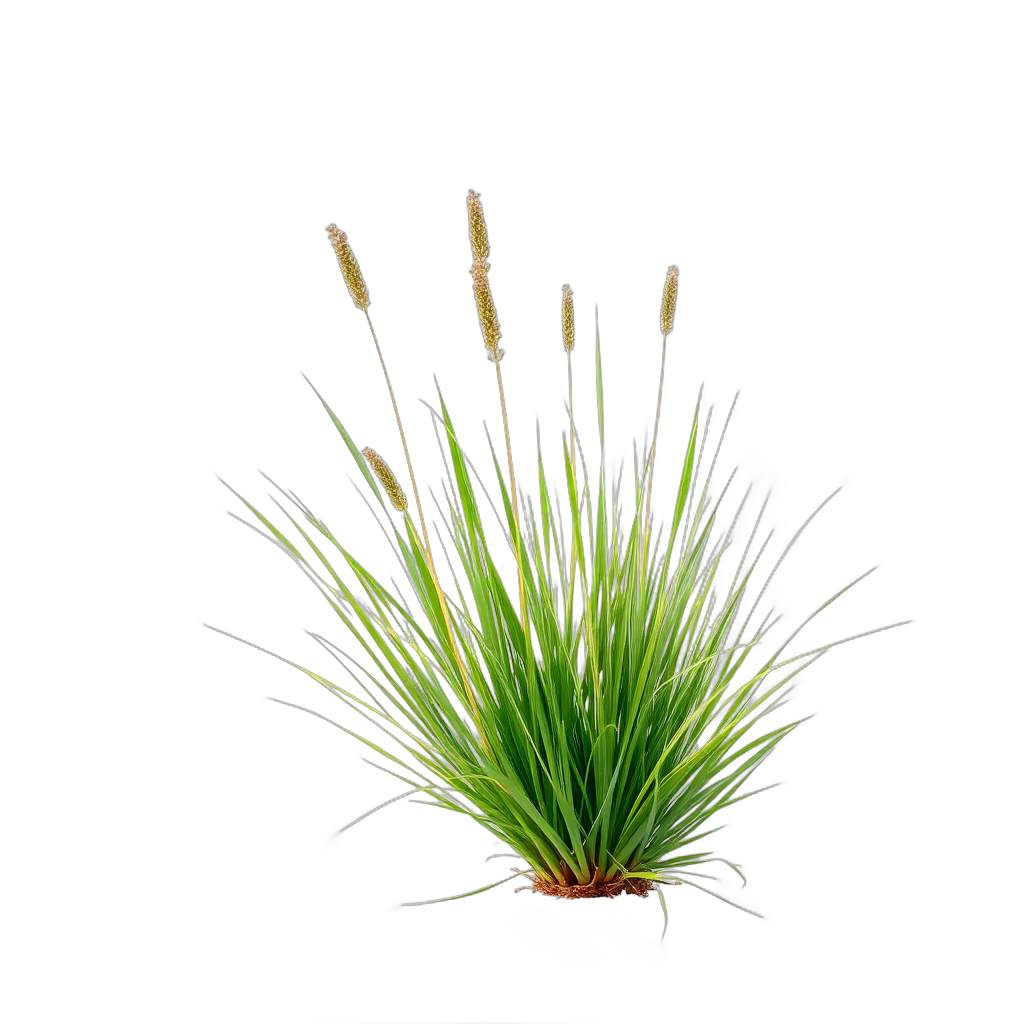
Deer Grass
Muhlenbergia rigens
grows to 3 feet, yellow blooms in fall. Evergreen year-round.
Featured Flowers & Perennials for Cottage/English Gardens
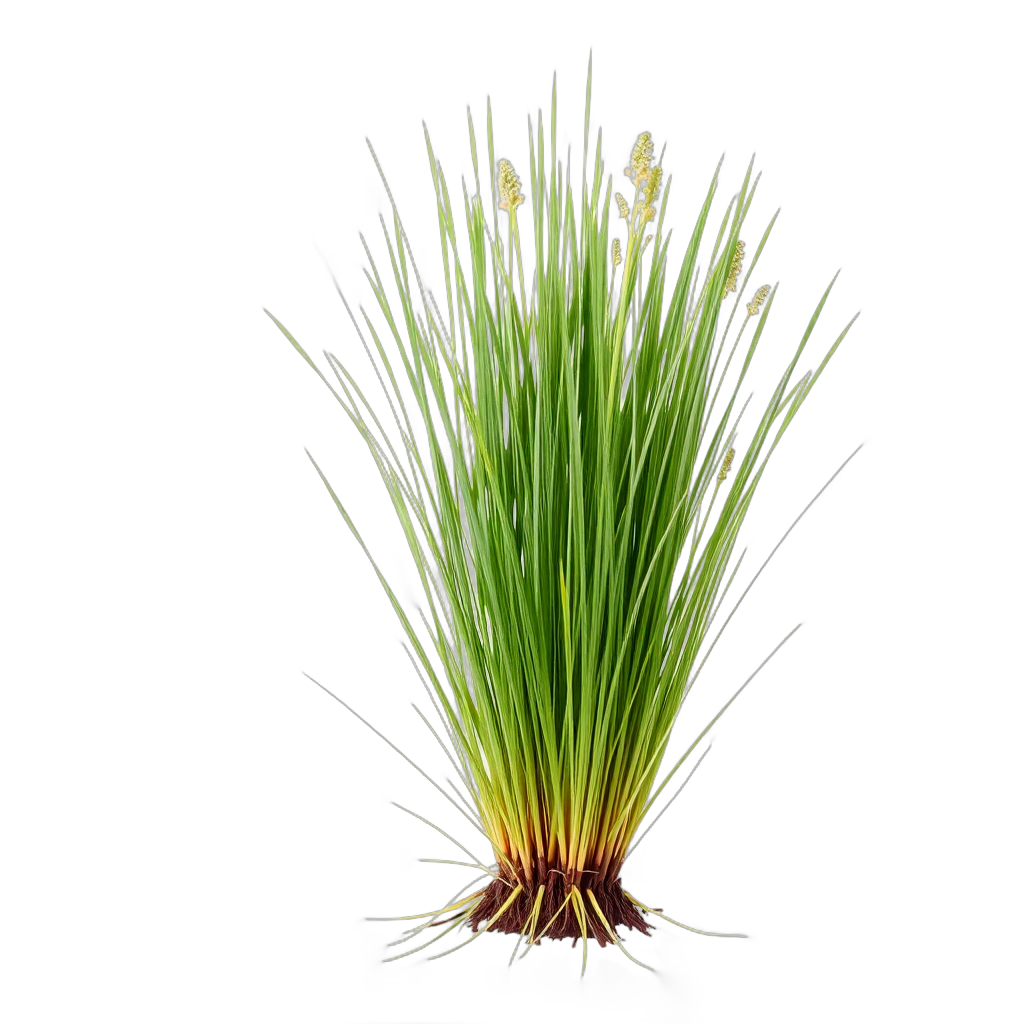
California Gray Rush
Juncus patens
low-growing ground cover, blooms in summer. Evergreen year-round.
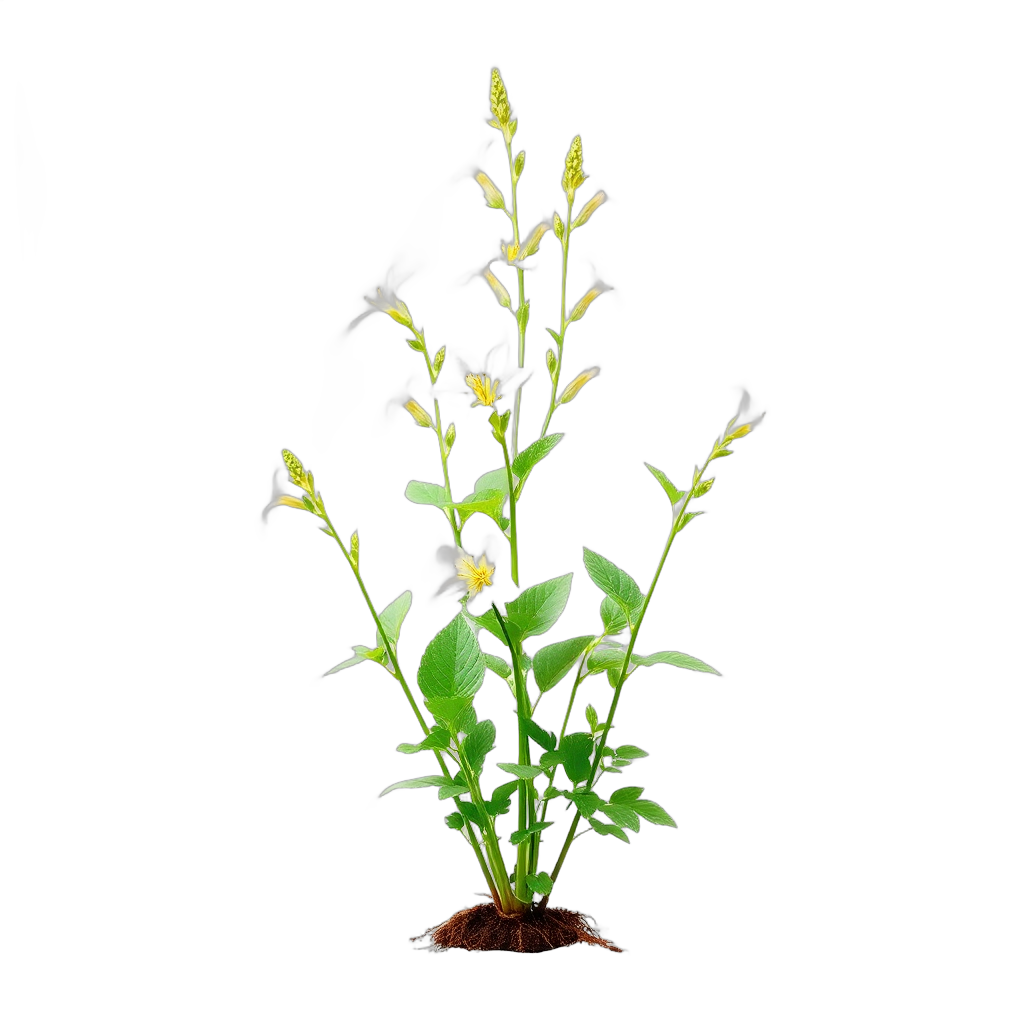
Beach Evening Primrose
Camissonia cheiranthifolia
low-growing ground cover, yellow blooms in spring. Attracts butterflies.
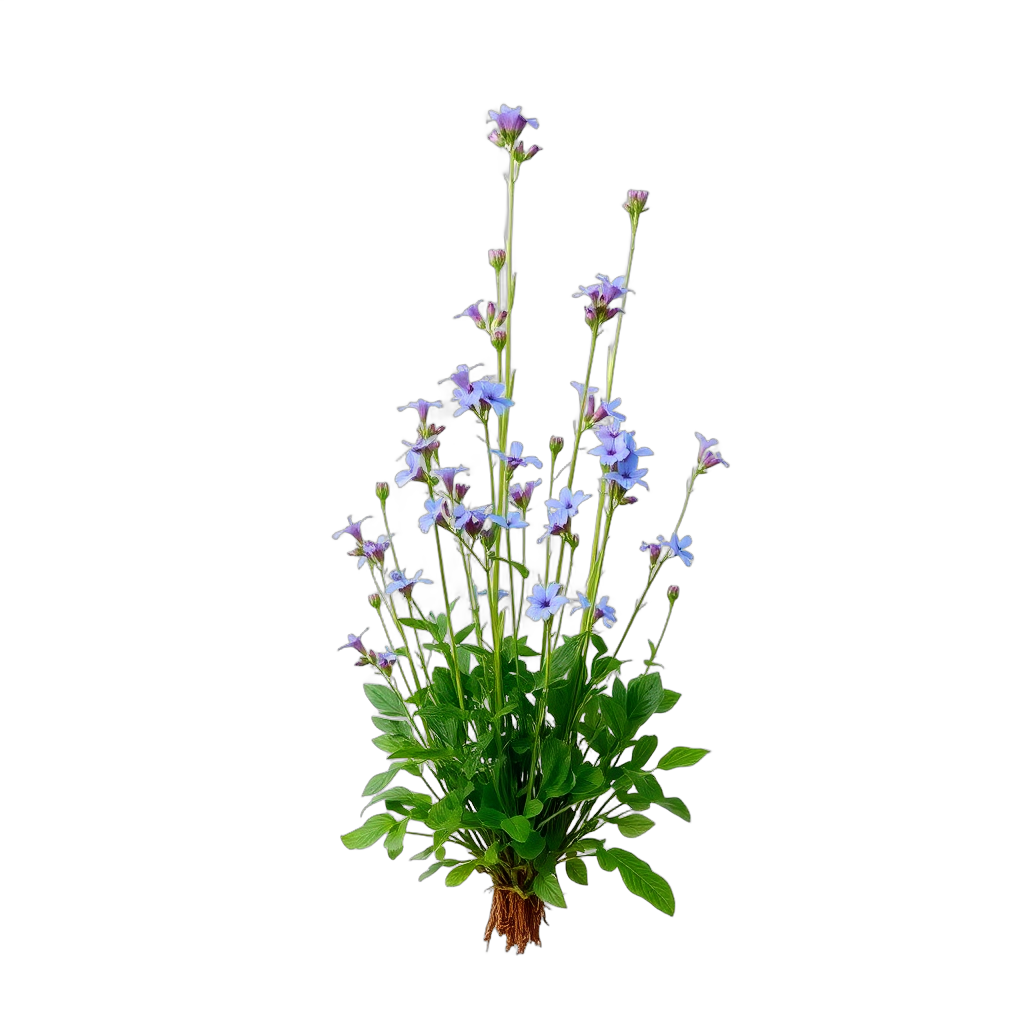
Blue Dicks
Dichelostemma capitatum
low-growing ground cover, blue blooms in spring. Pollinator-friendly.
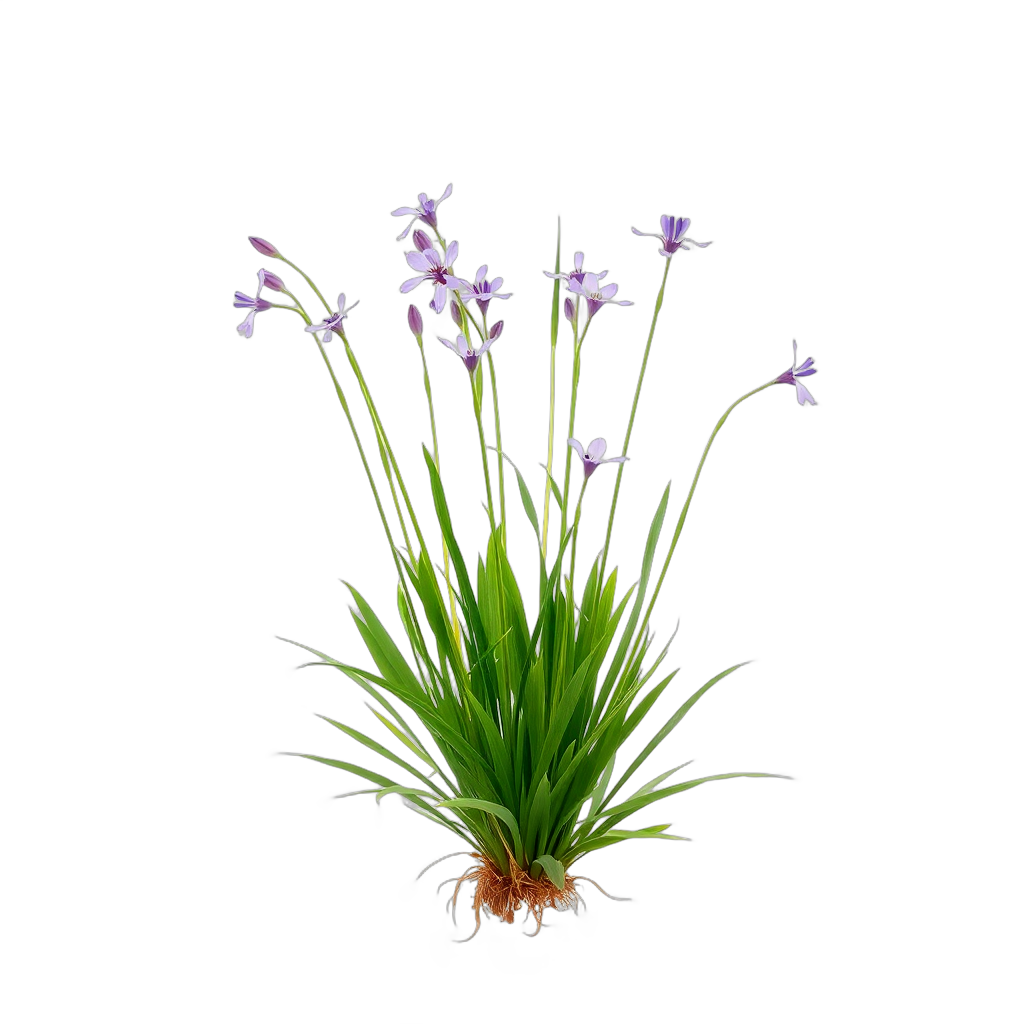
Blue-Eyed Grass
Sisyrinchium bellum
low-growing ground cover, blue blooms in spring. Attracts butterflies.
Zone and sun checks come from our database — confirm with your local nursery before you buy.
Bloom Calendar for West Covina
spring
Beach Evening Primrose, Blue Dicks, Blue-Eyed Grasssummer
California Gray Rush, Hooker's Evening Primrose, Hummingbird Mintfall
California Fuchsiawinter
Limited bloomsDesign Tips for West Covina (Zone 10a)
- Plant in October and November: West Covina's winter rains and mild 40°F nights let roots establish before the July heat, and the cottage border arrives at spring already filled in
- Treat Delphinium elatum, lupine and foxglove as cool-season annuals sown in October, and lean on Salvia 'Amistad', Penstemon 'Garnet' and Achillea 'Moonshine' for the long season color
- Fix alkaline soil at the surface: a 2-inch compost mulch each spring and chelated iron on roses and hydrangeas keeps leaves green in the pH 7.0–8.0 loam common across the valley floor
- Put the roses on a separate drip zone from the lavender and salvias: roses want a deep soak every 5–7 days in summer, while the Mediterranean plants want much less
- Use gravel or decomposed granite for paths and seating areas: they shed winter storm runoff, stay cool underfoot and suit the cottage look without needing a lawn edge
- Choose low-chill substitutes for English classics: Syringa 'Lavender Lady' for lilac, Salvia greggii for delphinium spires, and Trachelospermum jasminoides for the fragrance a honeysuckle would give in a cooler climate
- On hillside lots, terrace with dry-stacked stone and plant dense, mulched bands across the slope so heavy December and January storms soak in rather than run off
Where to Source Plants in West Covina
Skip the big-box stores. These independent West Covina nurseries specialize in the plants that make cottage/english gardens thrive in Zone 10a.
Glendora Gardens Nursery
Glendora
Family-owned and operated since 2014, with nearly 10 acres of growing grounds; grows much of its own stock and specializes in low-input, dry-loving plants suited to Mediterranean climates, including trees, shrubs, perennials, grasses and vines
Grow Native Nursery (California Botanic Garden)
Claremont
Non-profit retail nursery next to the botanic garden entrance, selling thousands of California native plants; open Friday to Sunday in the regular season, so confirm hours before a trip
San Gabriel Nursery & Florist
San Gabriel
Family-run two-acre nursery founded in 1923, known for roses, fruit trees, bonsai and hard-to-find plants, plus California-friendly selections and a full garden supply center
Lincoln Avenue Nursery
Pasadena
Family-owned nursery with departments for flowers and roses, California natives, edibles and fruit trees, cacti and succulents, plus pots, soil and fertilizer
Cottage/English Landscaping Cost Ranges
| Project Scope | Estimated Cost |
|---|---|
| Flagstone terrace or tea circle (150–300 sqft) | $3,700–$9,600 |
| Picket fence, 4 ft tall (60 linear ft) | $1,500–$2,400 |
| Brick paver walk (100 sqft) | $2,000–$2,600 |
| Drip irrigation system (500 sqft of planted area) | $1,200–$2,200 |
| AI visualization (ProScapeAI) | Free to start |
National average installed ranges for 2026 from our landscaping price list (Homewyse and other published sources). Prices in West Covina, CA vary with site, materials and contractor, so get two or three local quotes.
West Covina Climate & Growing Zone
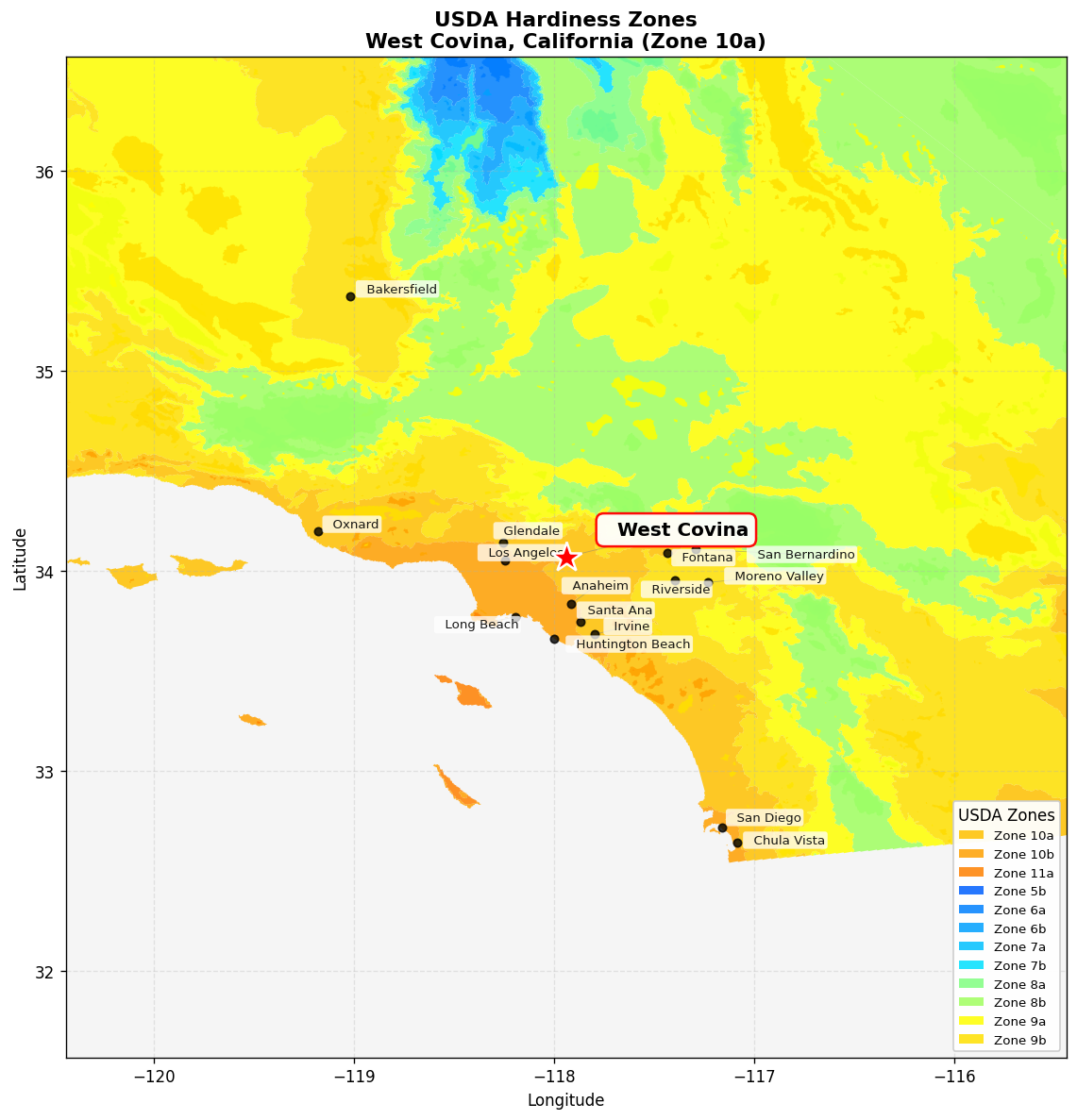
USDA Zone 10a
Hardiness zone for West Covina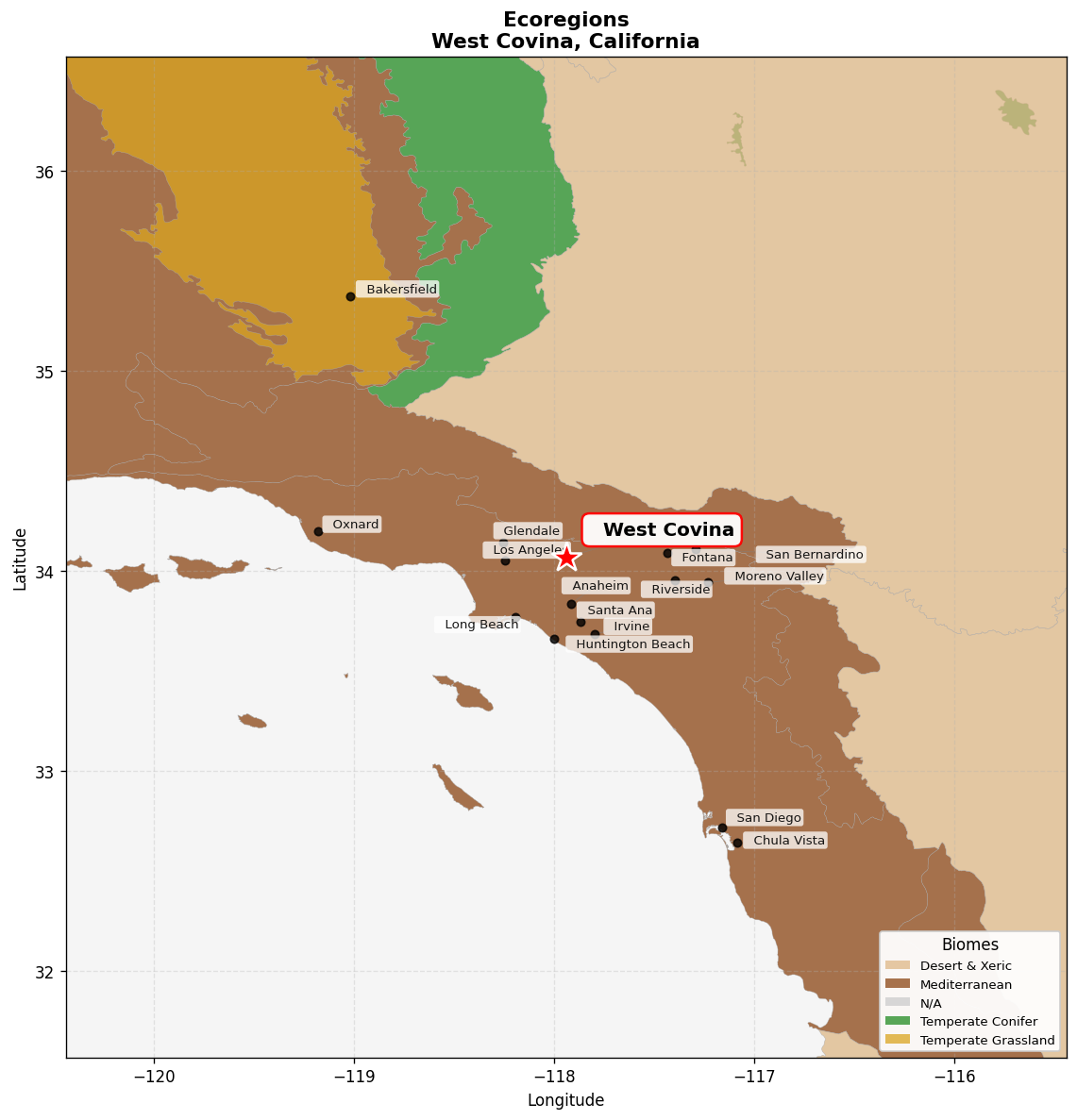
California coastal sage and chaparral
Native ecoregionFrequently Asked Questions
How much does an English cottage garden cost in West Covina?
Prices vary with site, size and finishes, so get two or three local quotes.
Is a cottage garden low maintenance in West Covina's climate?
It is lower maintenance than the same garden in the East, but it still wants a seasonal routine. Plan on a hard cutback of the salvias and lavender in late winter, a spring prune of the roses in January or February, a 2-inch mulch refresh every spring, and chelated iron on roses and hydrangeas where leaves yellow between the veins. Drip lines do most of the watering, but they need a monthly check for clogged emitters during the 90°F stretch from July to September.
When should I plant a cottage garden in West Covina?
October through November is the best window: soil is still warm, the first rains arrive, and roots establish through a mild winter. Foxglove and sweet pea seed go in during October. Bare-root roses are available from late December through February. Avoid putting new perennials in the ground in July and August, when highs near 90°F and dry Santa Ana wind days stress anything with a small root ball.
What cottage plants survive the heat and mild winters here?
Salvia 'Amistad', Salvia greggii 'Furman's Red', Penstemon 'Garnet', Erigeron karvinskianus, Achillea millefolium 'Moonshine' and Lavandula × allardii 'Goodwin Creek Grey' all handle the summer, and roses such as Rosa 'Iceberg', 'Mutabilis' and 'Julia Child' bloom almost year-round. Plants that struggle are Delphinium elatum, herbaceous peony, true lupine and Digitalis purpurea as a perennial, because none of them gets the winter chill it needs. Use them as cool-season annuals or swap them for the plants above.
Why do my roses and hydrangeas turn yellow in West Covina?
Yellow leaves with green veins usually mean iron chlorosis, caused by alkaline soil and tap water that lock up iron. Roses and Hydrangea macrophylla 'Endless Summer' are the usual victims. Apply chelated iron in spring, mulch with compost to lower the pH slowly at the surface, and consider switching the hydrangea to a sunny, high-organic bed or to the more tolerant Hydrangea paniculata 'Limelight', which shrugs off alkaline soil better.
Do I need a permit or approval for a fence, arbour or lawn removal?
Fence height, front setbacks and permit rules are set by the city, and HOA communities add their own design review, so confirm with the City of West Covina's planning and building staff before you build. Hillside lots may also fall under local fire-hazard vegetation rules. For lawn removal, the city's water page points to Upper San Gabriel Valley Water District programs and SoCal Water$mart rebates, but check your own bill for the agency that serves your address, and apply before you start, since many rebate programs require pre-approval.
Can I grow an English lawn alongside the cottage border?
A small panel of lawn works, but Kentucky bluegrass will struggle in this heat. Choose a warm-season type such as Cynodon 'Tifway 419' or a turf-type tall fescue like 'Marathon III' and keep the panel under 300 sqft. Many homeowners skip lawn altogether and use stepping stones set in Thymus serpyllum or Dymondia margaretae, which gives the soft ground-level look with far less water.



