4 Modern Landscape Ideas for West Covina, CA | Water-Wise Zone 10a Designs
Native plants from the California coastal sage and chaparral (Zone 10a) — Mediterranean (hot summer) climate
For a modern garden in West Covina, CA, a zone 10a city with a mediterranean (hot summer) climate, start with Muhlenbergia rigens, Dianella 'Cassa Blue' and Olea europaea 'Wilsonii', the plants this guide's first design is built on.
Why Modern/Minimalist Gardens in West Covina?
A modern landscape suits West Covina because so many of its homes already have the right bones. The 1950s–70s ranch and split-level tracts around Woodside Village and Hollencrest have long, low rooflines, simple stucco or wood facades and wide front setbacks, and a clean-lined garden of gravel, steel edging and bold single-species drifts makes those proportions look deliberate. Where an older lawn once filled the frontage, a modern design replaces it with a few strong shapes: a poured concrete path, a block of grasses, a lone specimen tree.
The climate does the plant selection for you. West Covina is in USDA Zone 10a, with January lows averaging in the low 40s°F, about 18 inches of rain a year concentrated between December and March, and July highs near 90°F. That favors architectural drought-tolerant plants over thirsty ones: Muhlenbergia rigens (deer grass), Agave 'Blue Glow', Aloe 'Blue Elf', Dianella 'Cassa Blue', Leucadendron 'Safari Sunset' and Olea europaea 'Wilsonii', a fruitless olive. Boxwood balls and Japanese maples, the usual modern shorthand elsewhere, struggle in the heat and alkaline soil, so substitute Westringia 'Morning Light' for the clipped globe and Cercis occidentalis for the small sculptural tree.
Soil on the valley floor is typically alluvial loam that drains well, with a neutral to alkaline reaction, often around pH 7.0–8.0. That suits agaves, aloes and grasses, which dislike wet crowns and acidic soil. Hillside lots lean heavier and rockier, so raised planters or a 6-inch gravel mulch over the clay will help. A mulch of 3/8-inch decomposed granite or crushed basalt also keeps weeds down and reflects less heat than bare dirt.
The City of West Covina's water page points residents to Upper San Gabriel Valley Water District programs and to SoCal Water$mart rebates for turf removal, so a lawn-to-gravel conversion can sometimes be partly offset; check the agency on your bill and apply before you start, since amounts and eligibility change. Pair that with a smart controller and drip emitters, and a modern garden needs a fraction of the irrigation its lawn predecessor did.
4 Modern/Minimalist Design Ideas for West Covina
AI-generated image
The Gravel and Grass Front Court
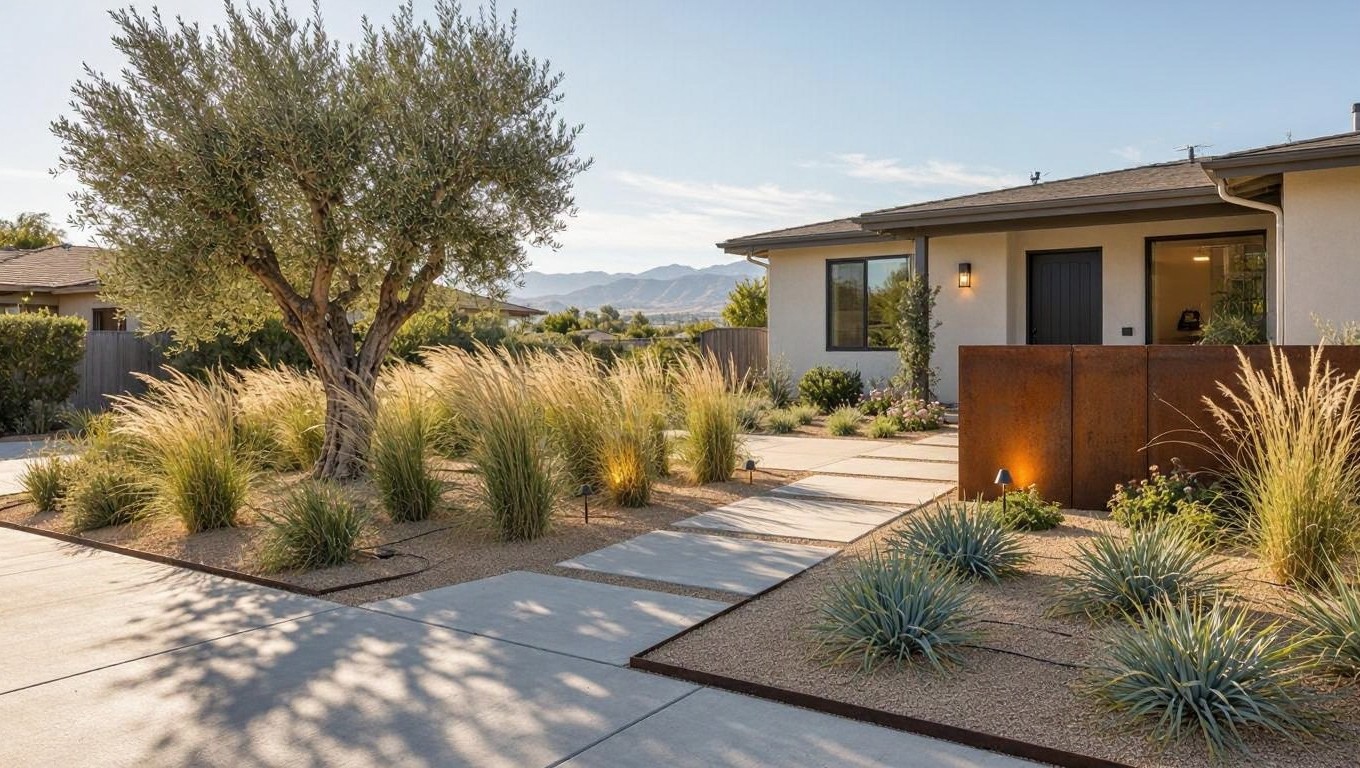
$16–34/sqftA lawn-free ranch frontage is laid out in clean rectangles: a poured concrete path leading to the entry, bordered on both sides by blocks of deer grass and low blue Dianella, with a single fruitless olive casting afternoon shade over the driveway side. Steel edging holds the decomposed granite in crisp lines, and a short wall of corten steel panels gives a visual anchor at the entry. The grasses move in the afternoon wind that sweeps the San Gabriel Valley.
AI-generated image
The Succulent Gradient Slope
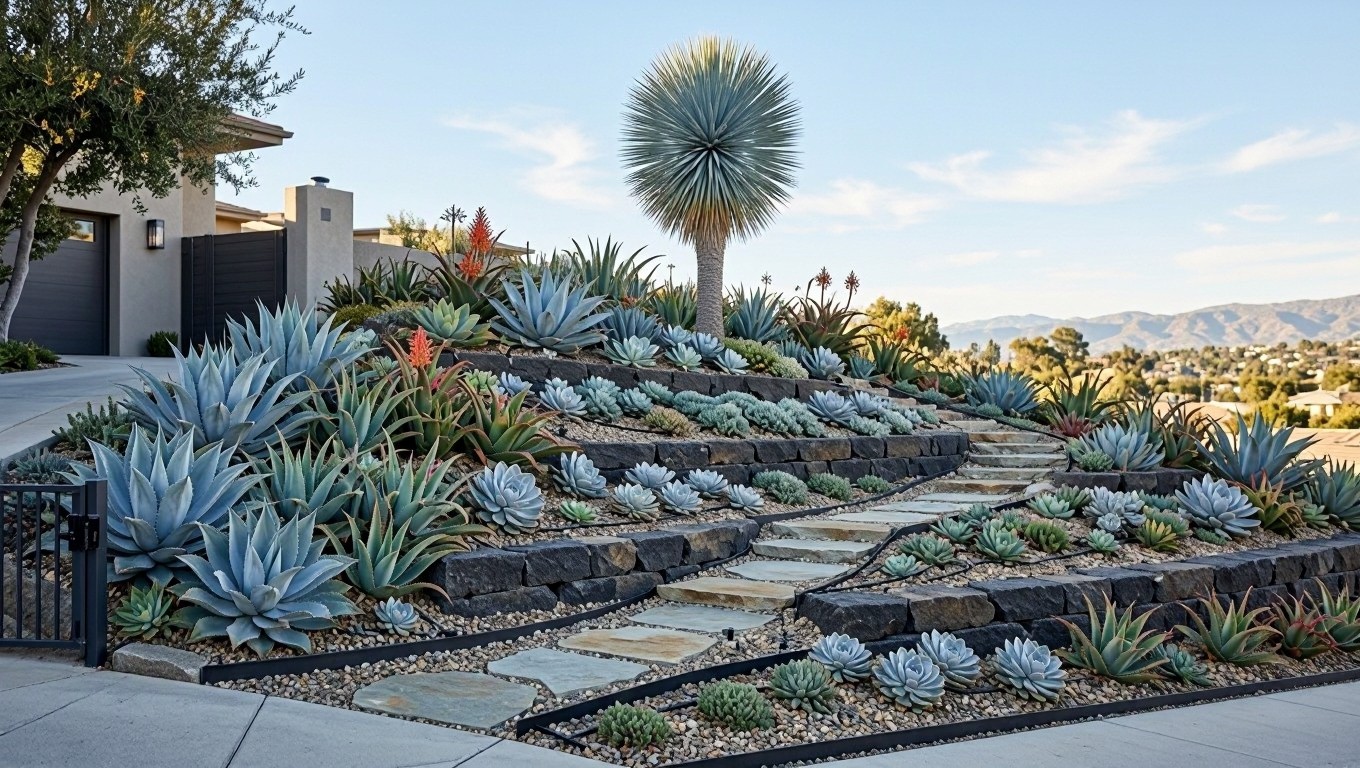
$20–40/sqftA sloping front yard is graded into long, flowing bands of agave, aloe and echeveria, each band a different blue or silver, running across the slope and held by a low retaining wall of stacked basalt. A narrow flagstone path switchbacks up the slope, and a single Yucca rostrata stands at the top as a vertical accent against the sky. The bands reduce erosion during winter storms and require very little summer irrigation.
AI-generated image
The Courtyard Plunge Terrace
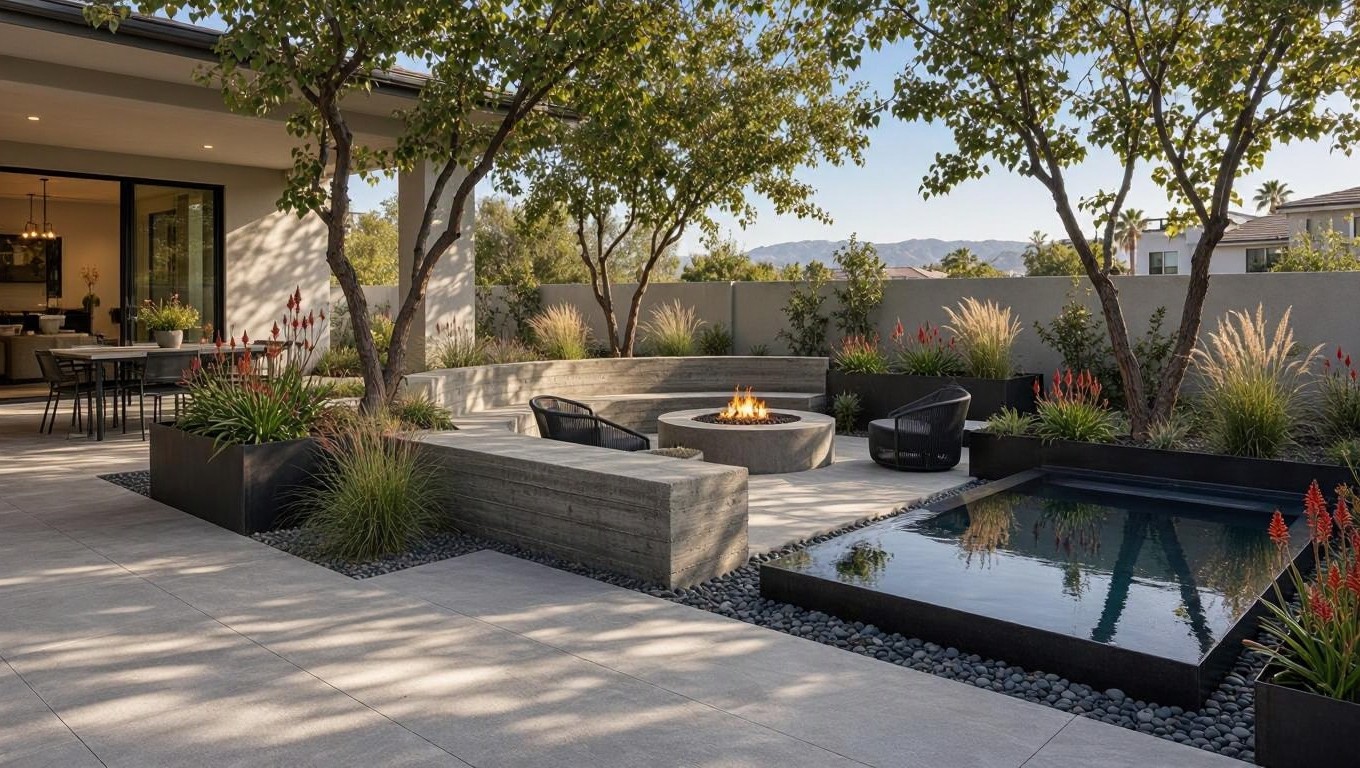
$32–68/sqftA backyard is reorganized into three zones: a large-format porcelain patio next to the house, a raised concrete bench wrapped around a fire feature, and a small plunge pool or reflecting basin edged in black pebble. Planters of Pennisetum and Anigozanthos soften the hard edges, and a pair of Cercis occidentalis throw dappled shade on the seating area. The overall look is quiet and geometric, and the lawn is gone.
AI-generated image
The Side Yard Linear Garden
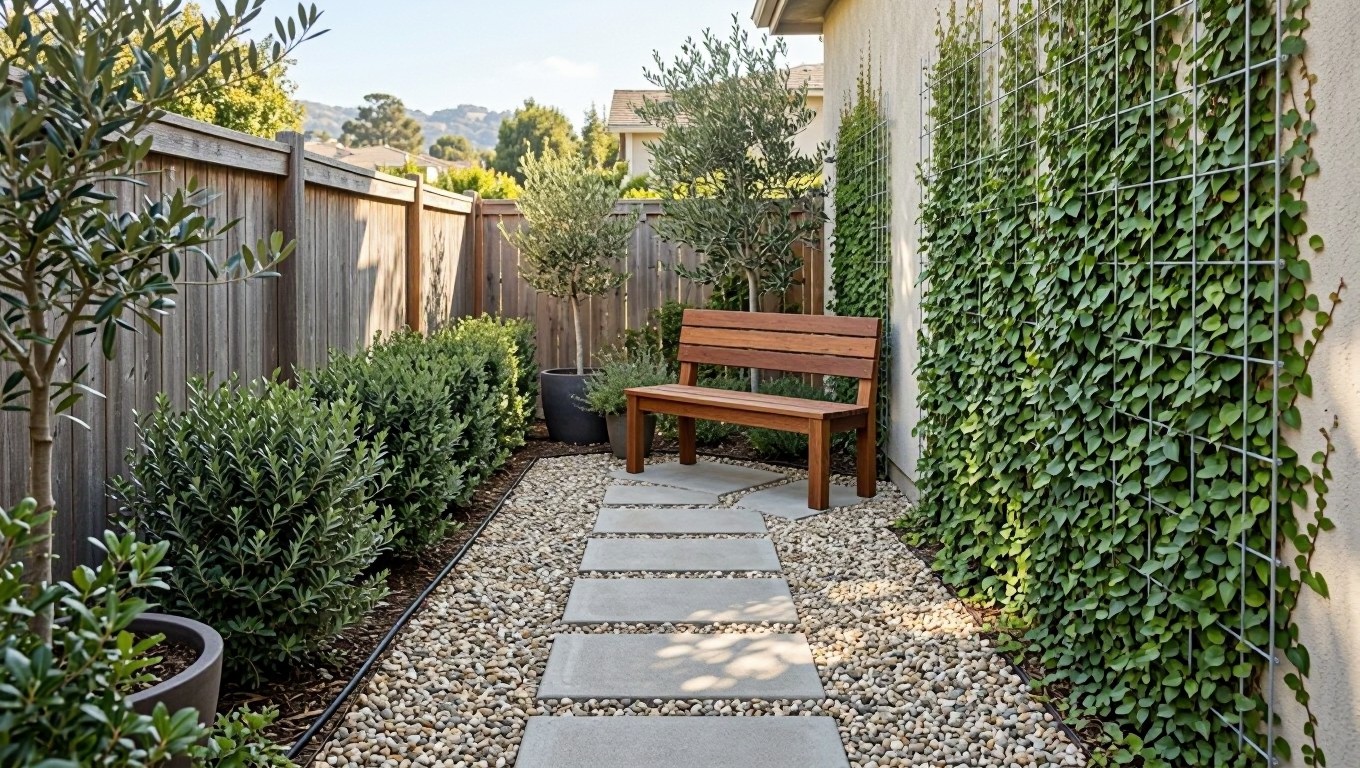
$14–28/sqftA narrow side yard that currently holds trash cans is turned into a corridor garden, with a single run of concrete stepping pads set into gravel and a clipped line of Westringia along one fence. A vertical wall of Ficus pumila or a trellised Trachelospermum softens the opposite wall, and a bench at the end gives the view a stopping point. It adds usable space without a large budget.
See how a modern/minimalist garden looks on YOUR property
Upload a photo of your West Covina yard and visualize your dream garden in seconds.
Try ProScapeAI Free

AI-generated image
Featured Trees & Shrubs for Modern/Minimalist Gardens
Browse all 212 plants for West Covina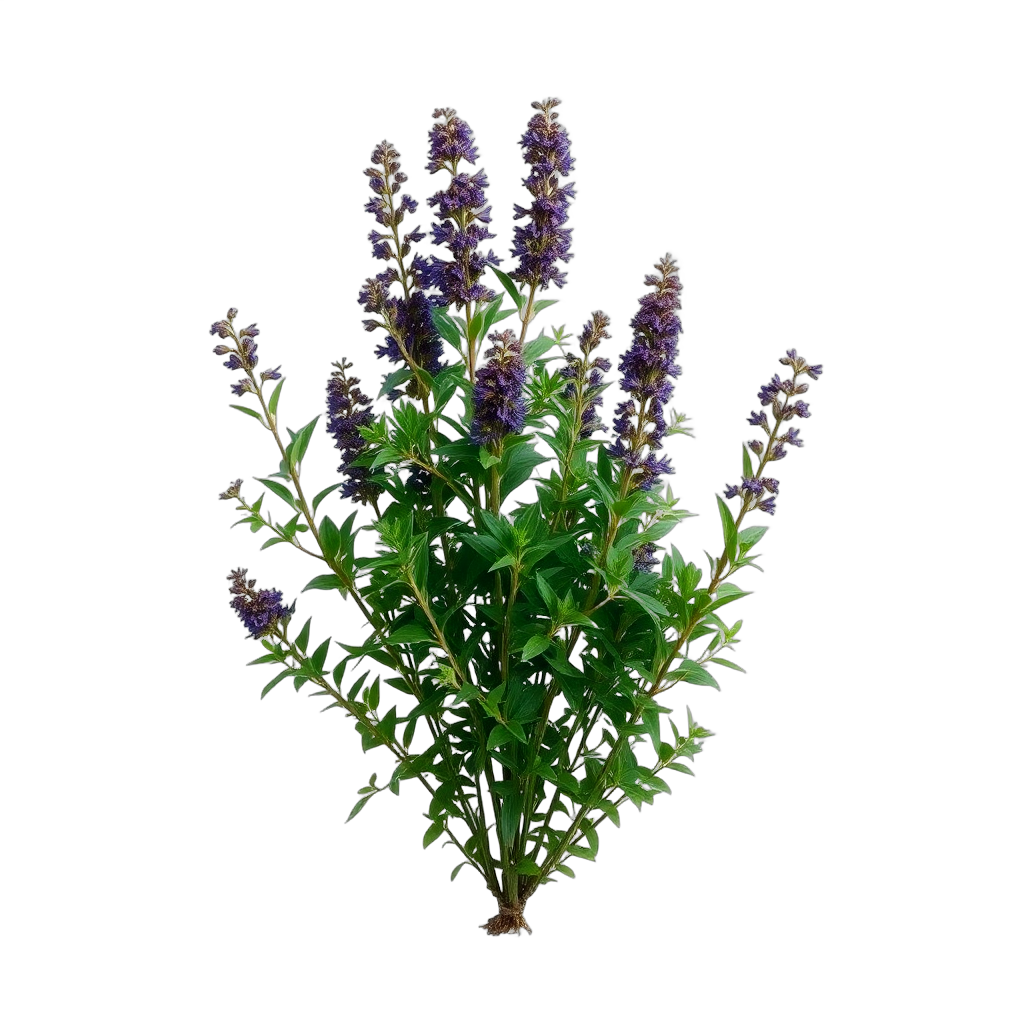
Black Sage
Salvia mellifera
grows to 4 feet, white blooms in spring. Attracts butterflies.
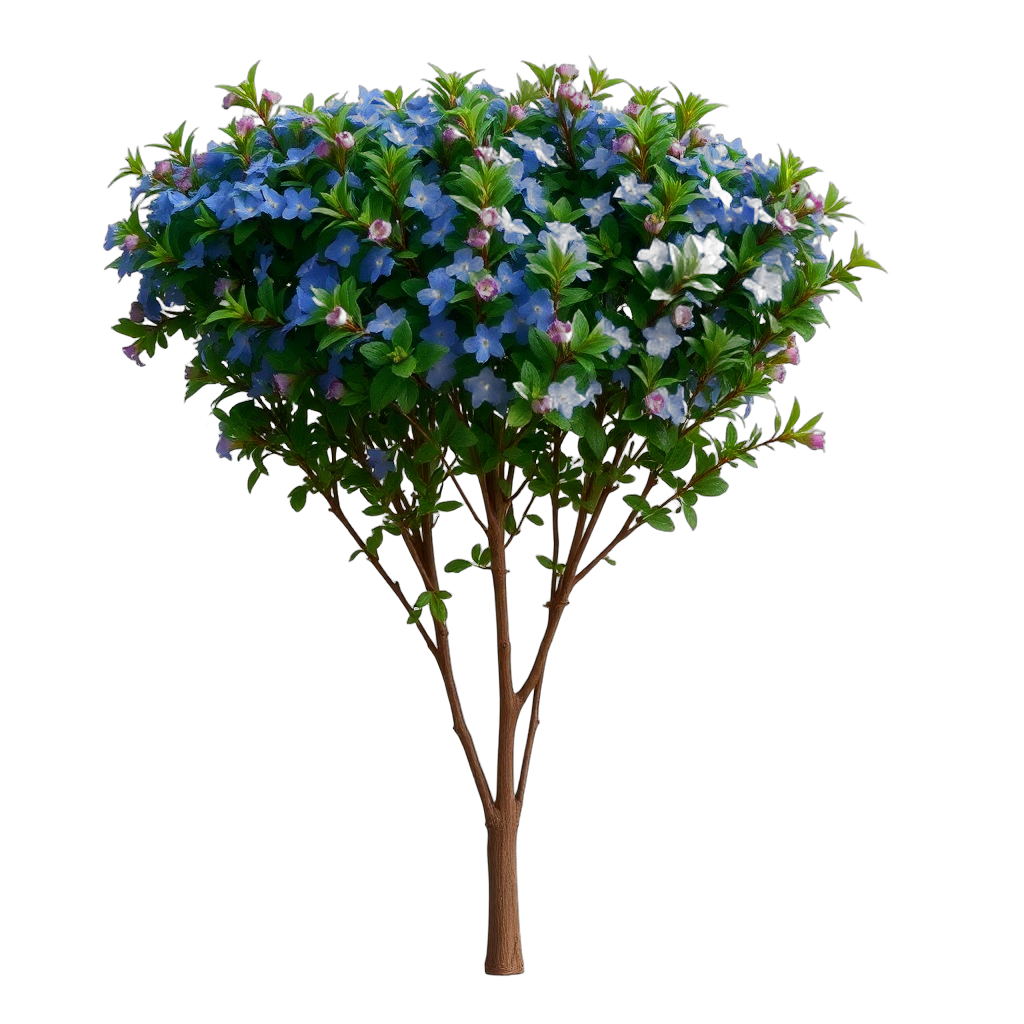
Blue Blossom
Ceanothus thyrsiflorus
medium-sized at 12 feet, blue blooms in spring. Attracts butterflies.
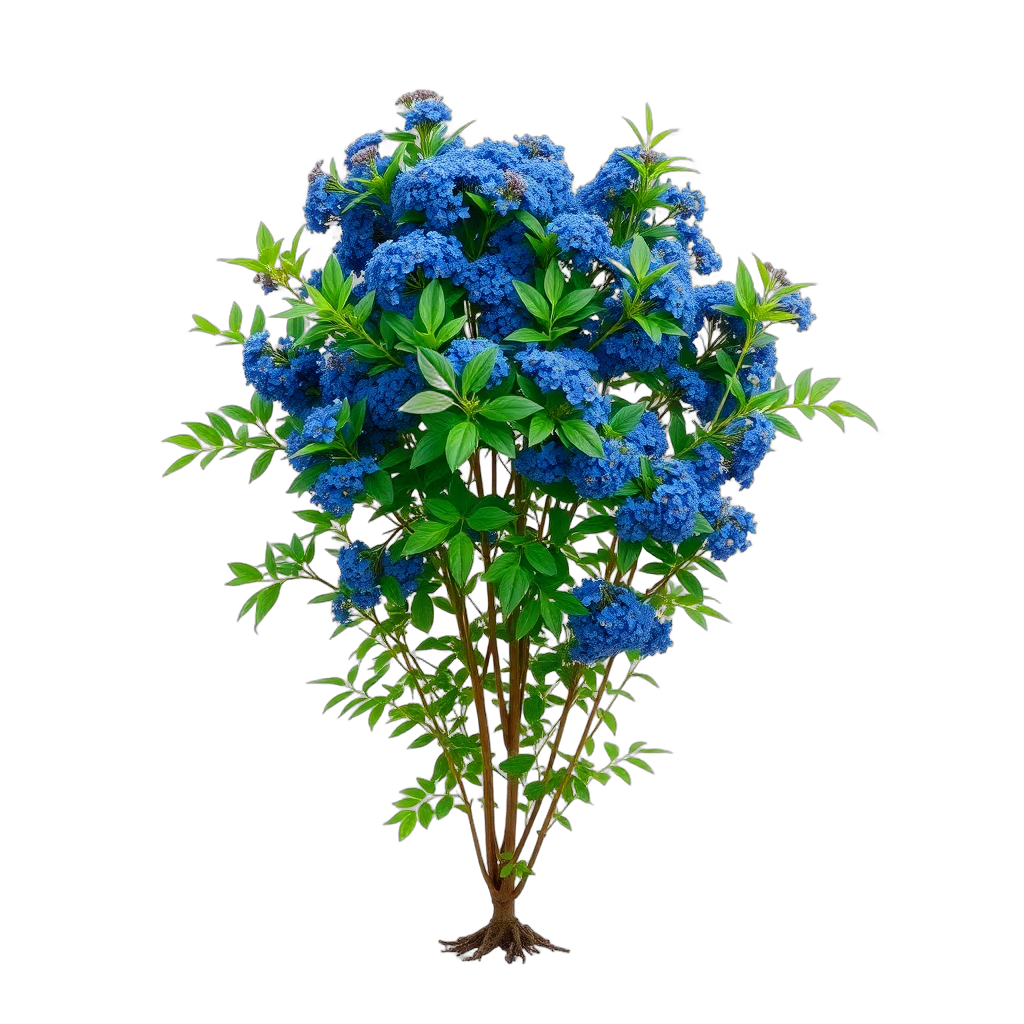
Blue Elderberry
Sambucus cerulea
medium-sized at 15 feet, white blooms in spring. Attracts butterflies.
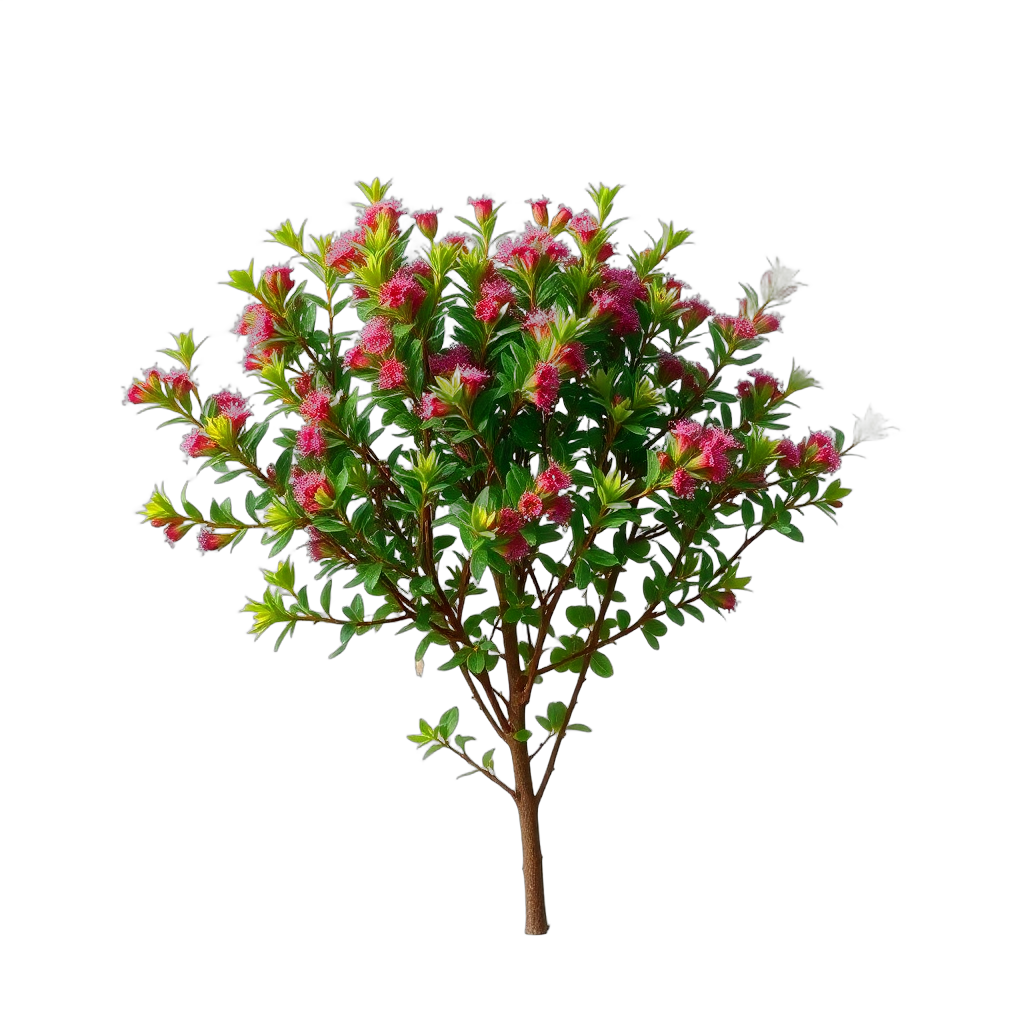
Buckbrush
Ceanothus cuneatus
medium-sized at 7 feet, white blooms in spring. Attracts butterflies.
Featured Grasses & Groundcovers for Modern/Minimalist Gardens
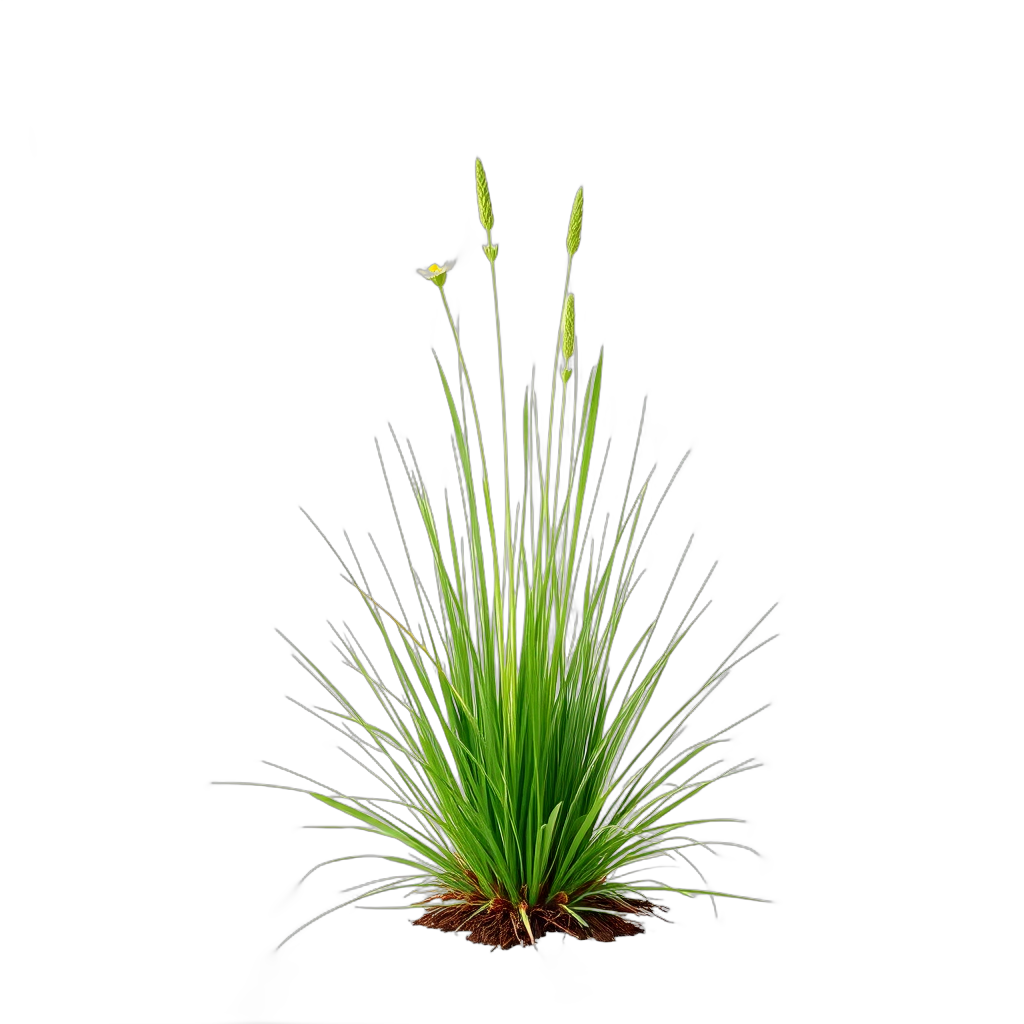
California Brome
Bromus carinatus
low-growing ground cover, blooms in spring. Yellow fall color.
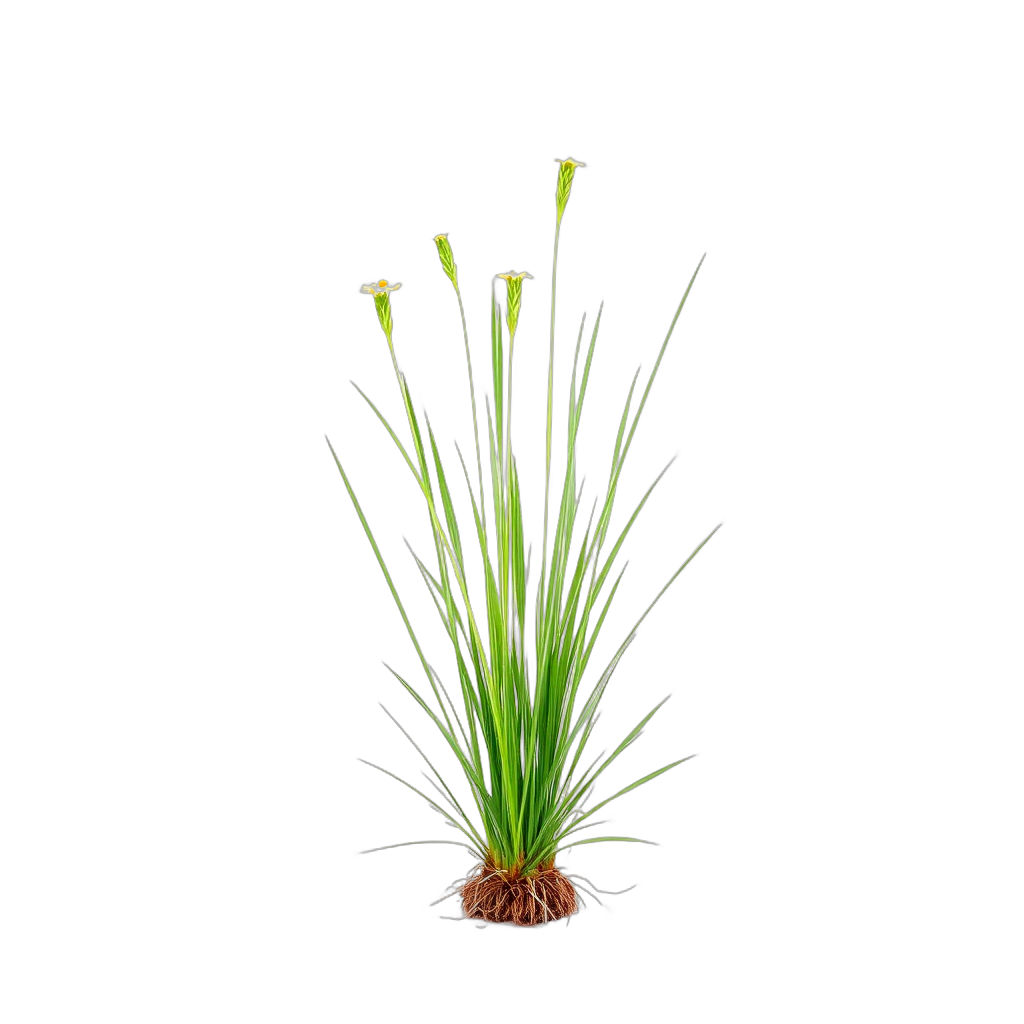
California Melic
Melica californica
low-growing ground cover, blooms in spring.
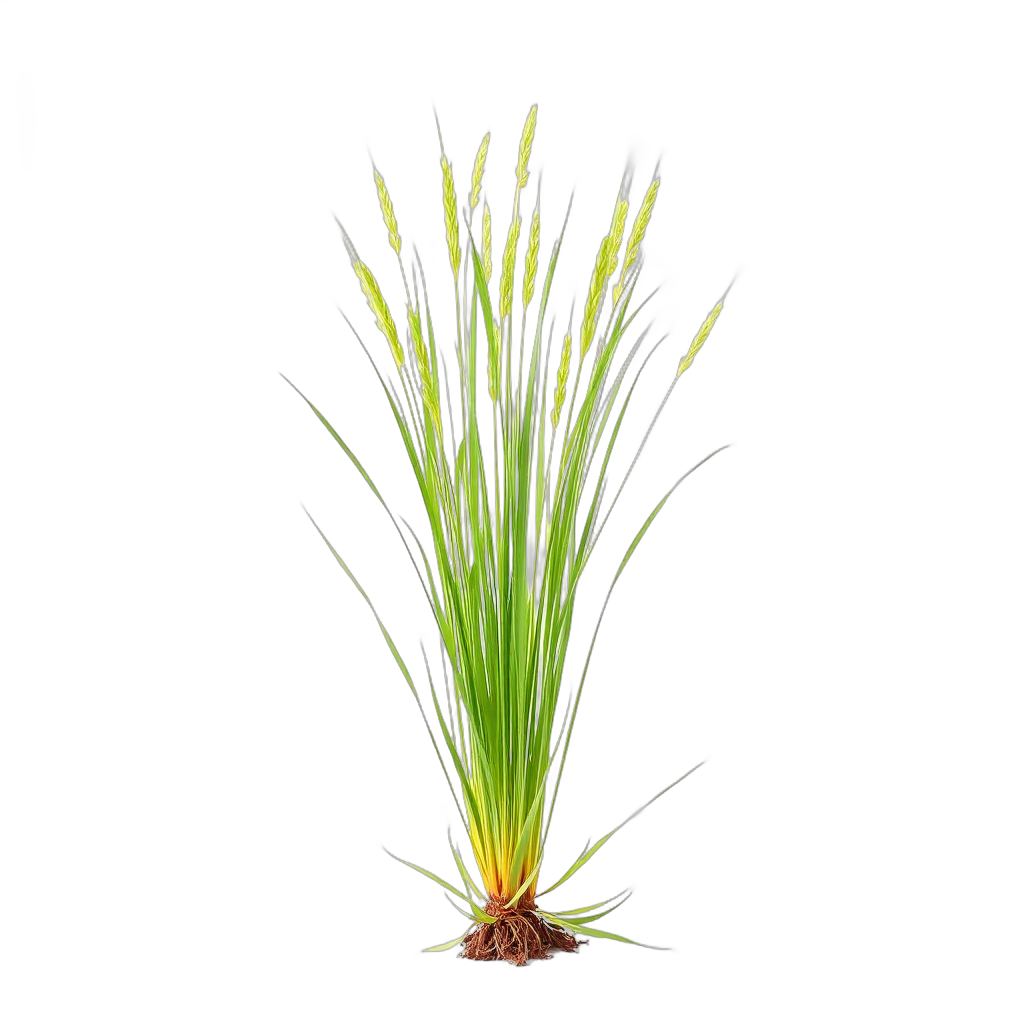
California Oatgrass
Danthonia californica
low-growing ground cover, blooms in spring. Yellow fall color.
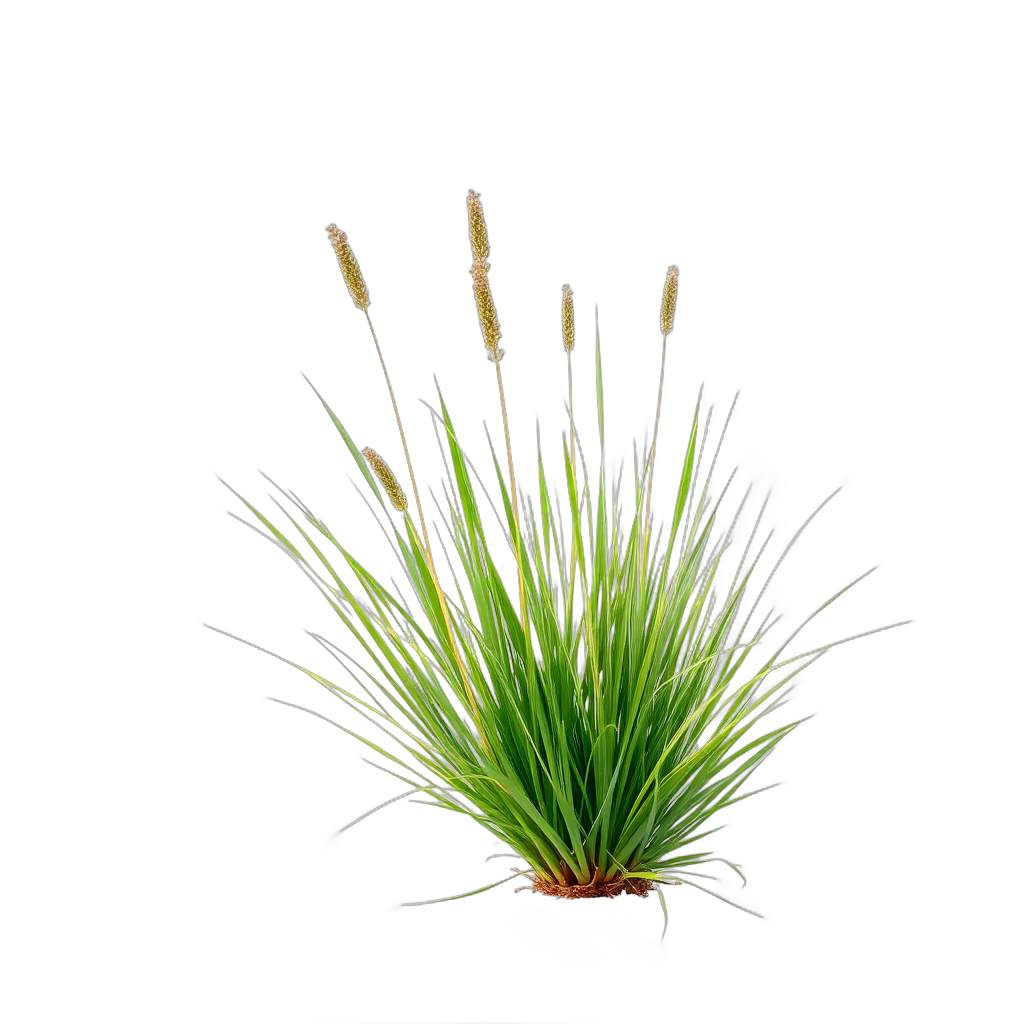
Deer Grass
Muhlenbergia rigens
grows to 3 feet, yellow blooms in fall. Evergreen year-round.
Featured Flowers & Perennials for Modern/Minimalist Gardens
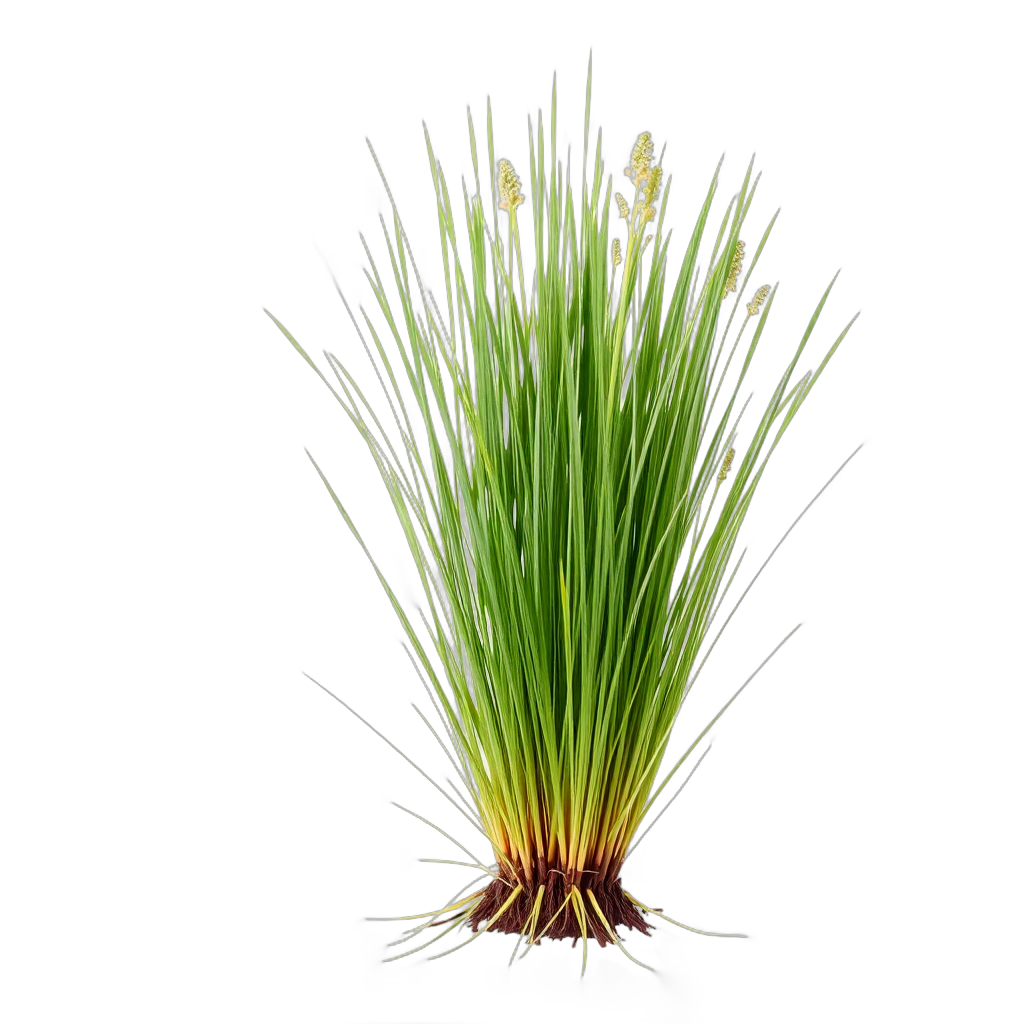
California Gray Rush
Juncus patens
low-growing ground cover, blooms in summer. Evergreen year-round.
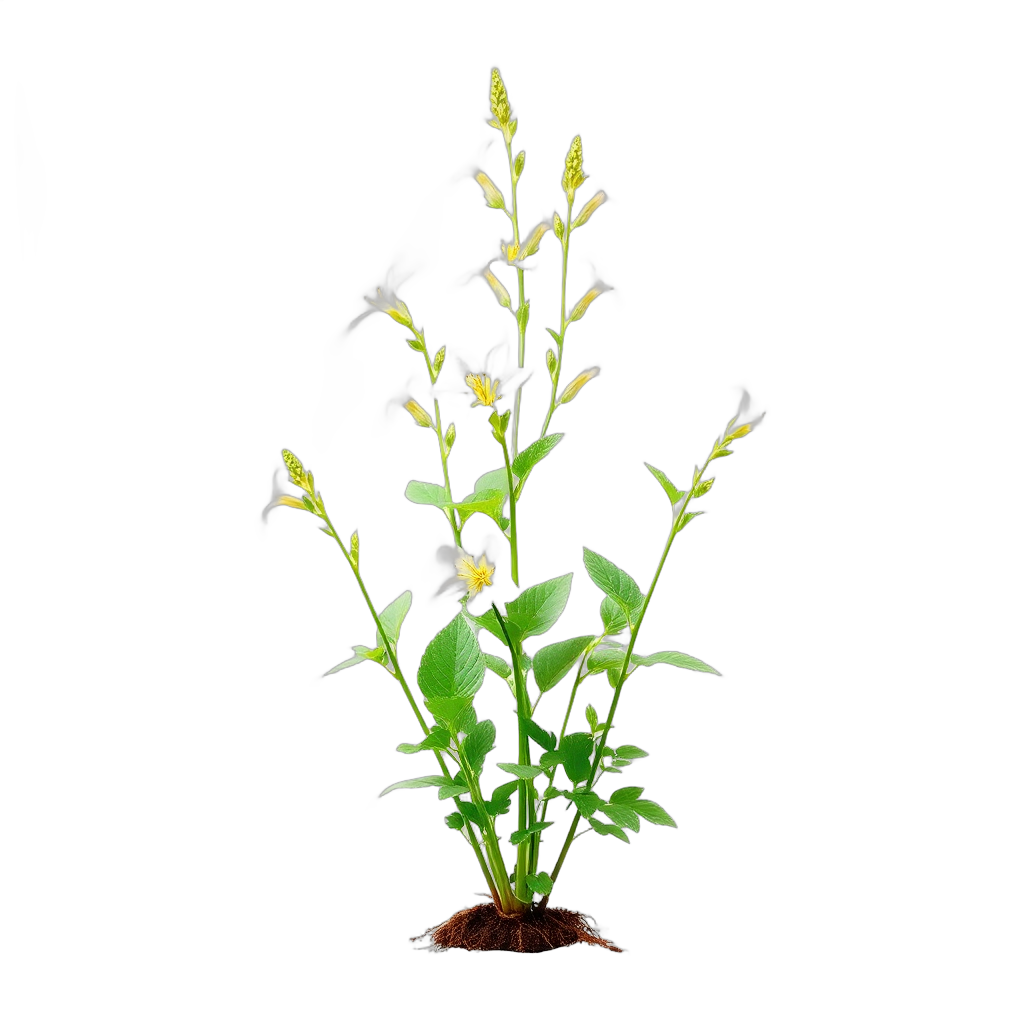
Beach Evening Primrose
Camissonia cheiranthifolia
low-growing ground cover, yellow blooms in spring. Attracts butterflies.
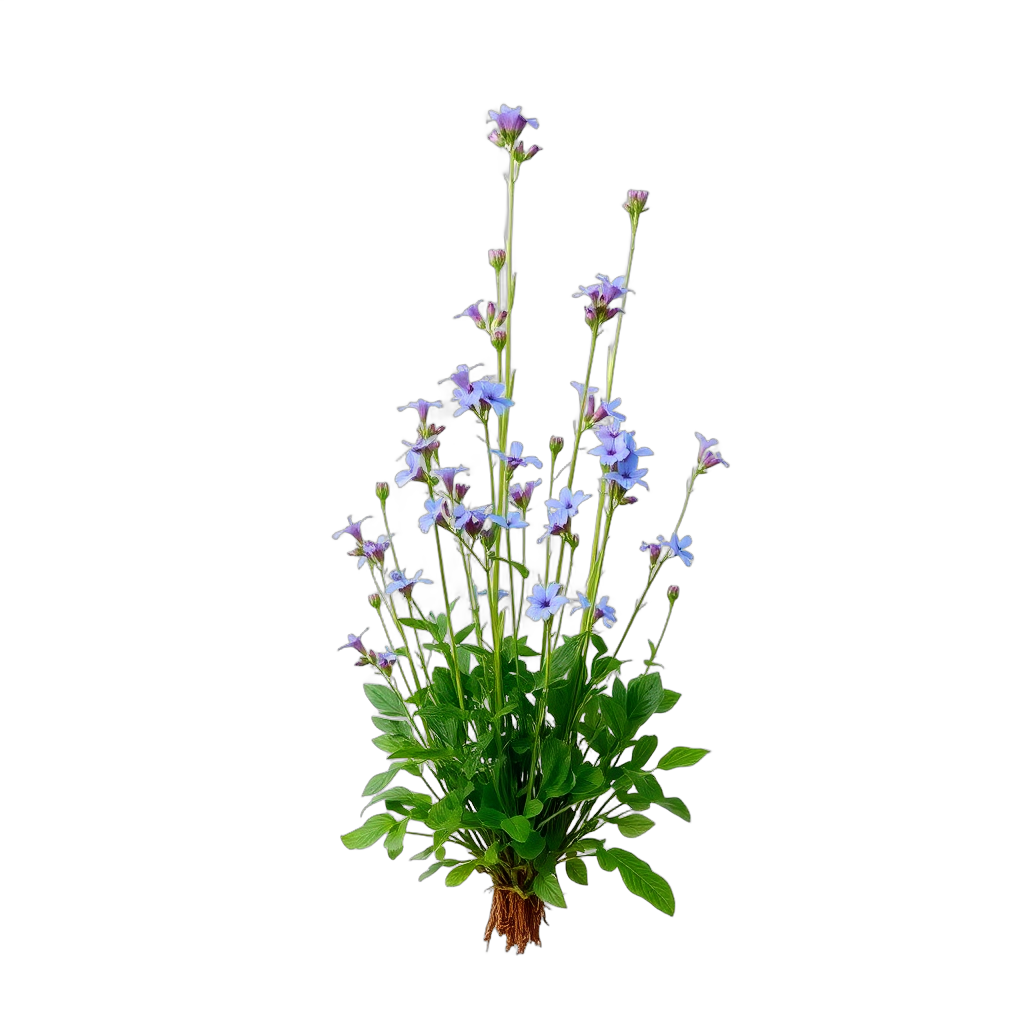
Blue Dicks
Dichelostemma capitatum
low-growing ground cover, blue blooms in spring. Pollinator-friendly.
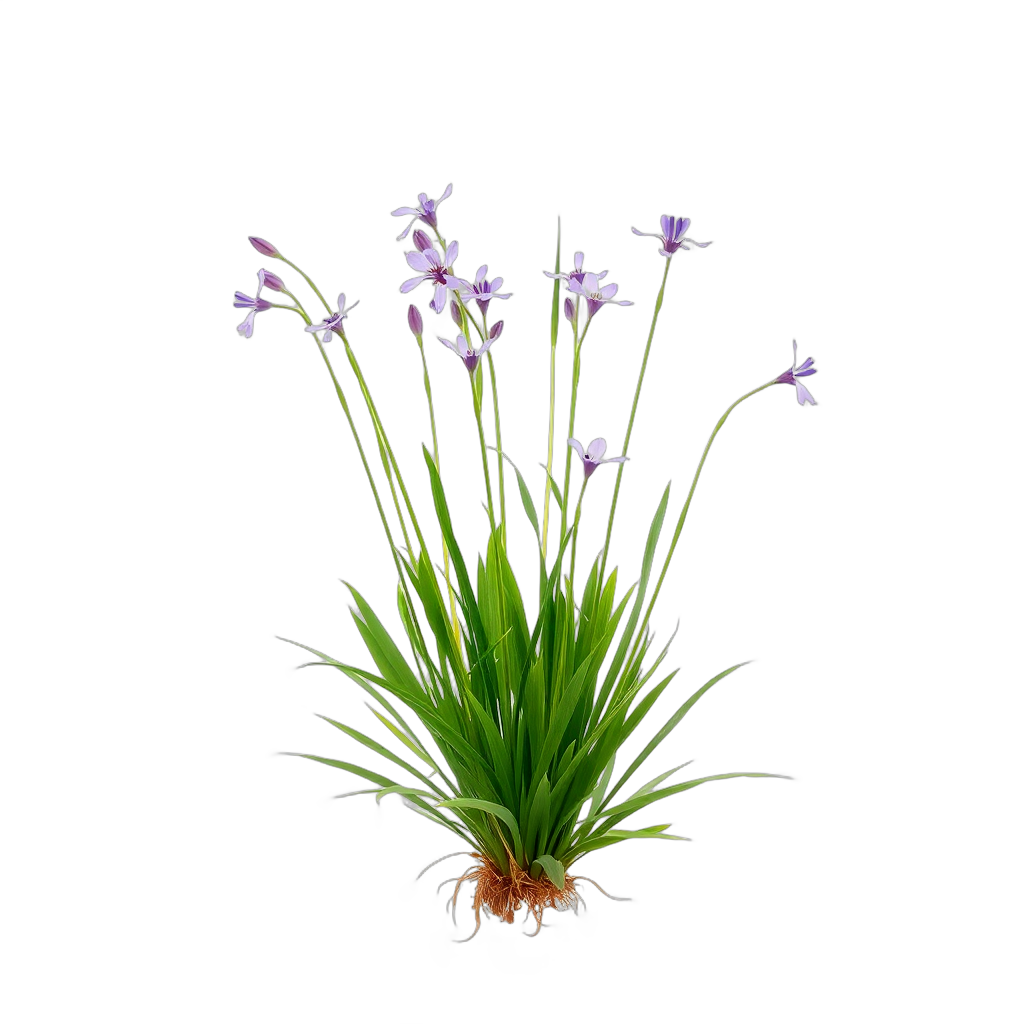
Blue-Eyed Grass
Sisyrinchium bellum
low-growing ground cover, blue blooms in spring. Attracts butterflies.
Zone and sun checks come from our database — confirm with your local nursery before you buy.
Bloom Calendar for West Covina
spring
Beach Evening Primrose, Blue Dicks, Blue-Eyed Grasssummer
California Gray Rush, Hooker's Evening Primrose, Hummingbird Mintfall
California Fuchsiawinter
Limited bloomsDesign Tips for West Covina (Zone 10a)
- Repeat one plant in large blocks: a swath of Muhlenbergia rigens or a band of Dianella 'Cassa Blue' reads as modern, while single plants of ten different species read as a collection
- Substitute heat-proof forms for the usual modern plants: Westringia 'Morning Light' for clipped boxwood and Cercis occidentalis for Japanese maple, since both fail in West Covina's 90°F summers and alkaline soil
- Use 3/8-inch decomposed granite or crushed basalt over a fabric-free base, and apply a pre-emergent in November before the winter rains bring the weed seedlings
- Run drip on separate valves for succulents and for grasses: agave wants a deep soak every few weeks, while Muhlenbergia and Pennisetum want weekly water through summer
- Light the garden with warm 2700K low-voltage fixtures aimed at the grasses and the single specimen tree: evenings are comfortable in a valley that holds heat well into the night
- On slopes, run planting bands across the contour and use pressure-compensating drip, with a 3-inch gravel mulch, so winter storms soak in and the slope stays put
- Plan for the lawn-removal rebate before you start: check the agency on your water bill, apply first, and keep receipts and before and after photos for the SoCal Water$mart process
Where to Source Plants in West Covina
Skip the big-box stores. These independent West Covina nurseries specialize in the plants that make modern/minimalist gardens thrive in Zone 10a.
Glendora Gardens Nursery
Glendora
Family-owned and operated since 2014 with nearly 10 acres of growing grounds; specializes in low-input, dry-loving plants including cacti and succulents, grasses, shrubs and trees
Grow Native Nursery (California Botanic Garden)
Claremont
Non-profit retail nursery selling thousands of California native plants, including Muhlenbergia and Cercis occidentalis; open Friday to Sunday in the regular season, so confirm hours first
Lincoln Avenue Nursery
Pasadena
Family-owned nursery with departments for California natives, cacti and succulents, edibles and fruit trees, plus pots, soil and fertilizer
San Gabriel Nursery & Florist
San Gabriel
Family-run two-acre nursery founded in 1923, offering hard-to-find plants, California-friendly selections and a complete garden supply center
Modern/Minimalist Landscaping Cost Ranges
| Project Scope | Estimated Cost |
|---|---|
| Concrete patio, broom finish (200 sqft) | $2,100–$2,500 |
| Low-voltage landscape lighting (6 fixtures) | $1,200–$2,000 |
| Composite decking boards, surface only on existing framing (200 sqft) | $4,700–$5,800 |
| Drip irrigation system (500 sqft of planted area) | $1,200–$2,200 |
| AI visualization (ProScapeAI) | Free to start |
National average installed ranges for 2026 from our landscaping price list (Homewyse and other published sources). Prices in West Covina, CA vary with site, materials and contractor, so get two or three local quotes.
West Covina Climate & Growing Zone
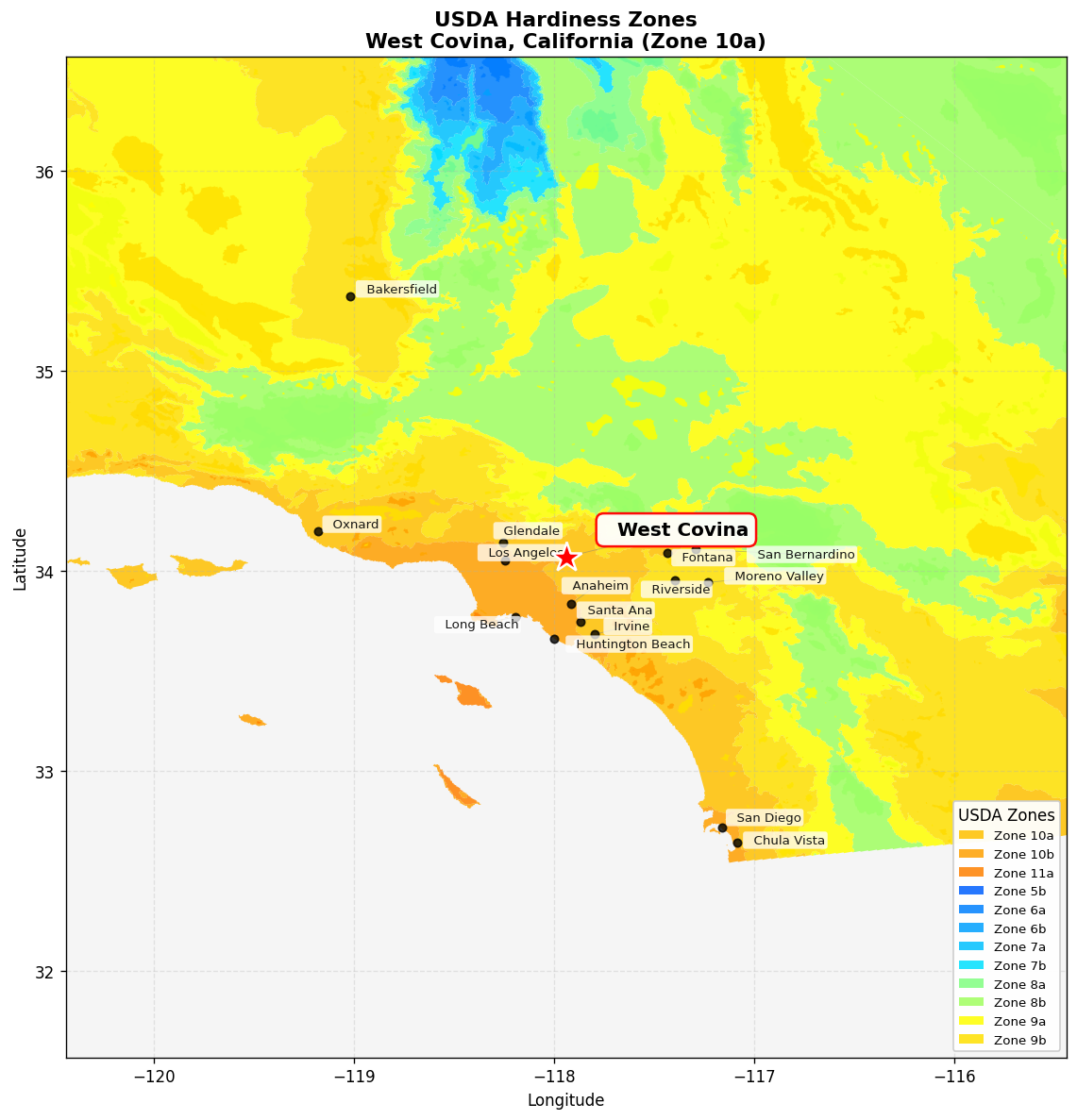
USDA Zone 10a
Hardiness zone for West Covina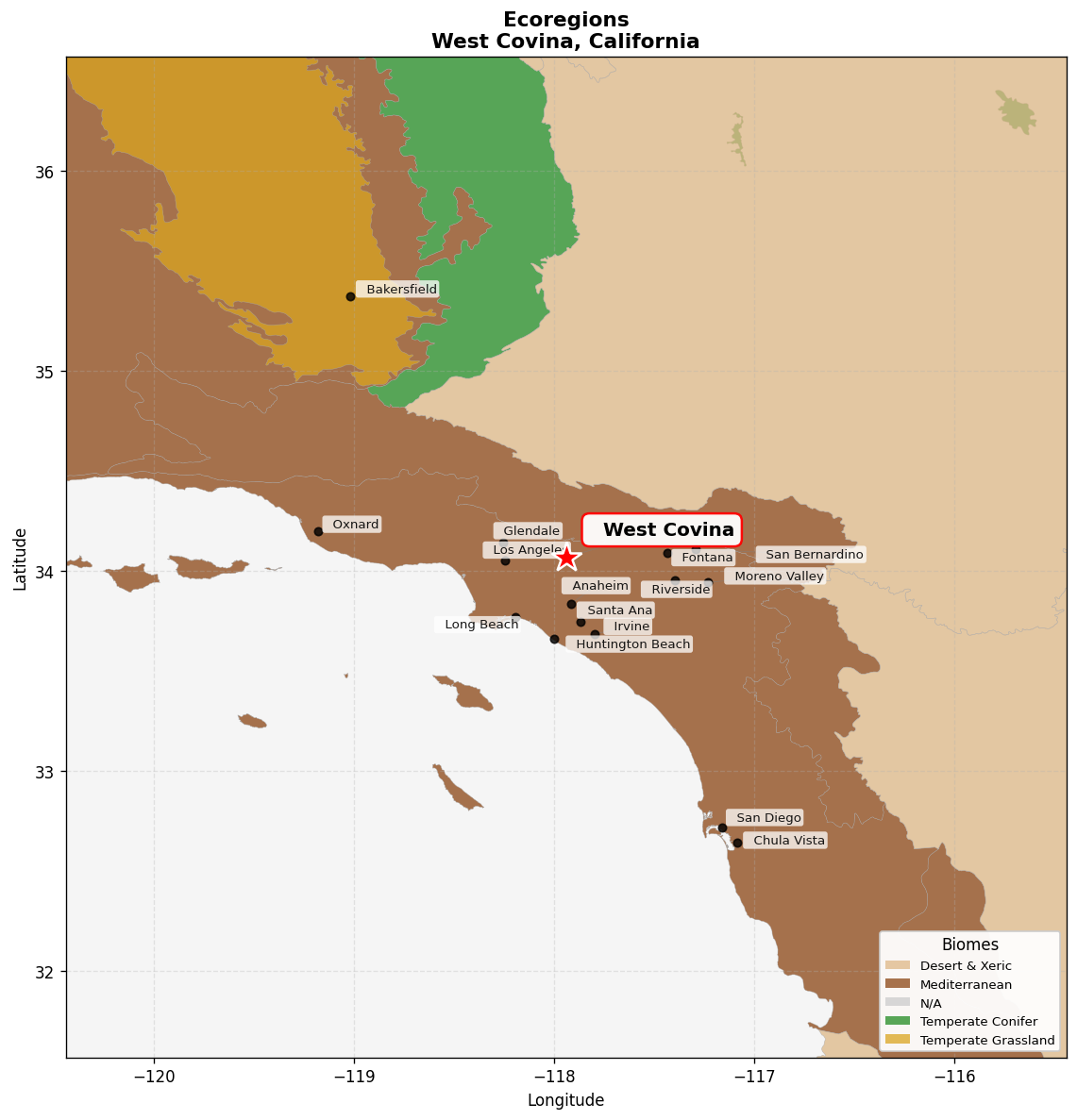
California coastal sage and chaparral
Native ecoregionFrequently Asked Questions
How much does a modern landscape cost in West Covina?
Prices vary with site, size and finishes, so get two or three local quotes.
Is a modern landscape low maintenance in West Covina?
Yes, with a few chores. Cut deer grass back to 4–6 inches in late winter, top up decomposed granite once every couple of years, and check drip emitters monthly in summer. Agaves and aloes need almost no care beyond removing spent flower stalks. The main ongoing job is pulling weed seedlings from gravel after the winter rains, which a pre-emergent applied in November reduces significantly.
When is the best time to plant a modern landscape in West Covina?
October through March works best for most plants, because the soil is warm and the rains reduce your irrigation load. Succulents and agaves can go in nearly any time except the hottest part of summer, but they establish fastest in spring. Avoid planting grasses in July and August, when highs near 90°F and dry wind will dry out small root balls quickly.
Do I need a permit or HOA approval for lawn removal and hardscape?
Fences, retaining walls over a certain height, and some patios and structures need permits from the City of West Covina, and HOA neighborhoods have their own design review, so confirm with planning and building staff before you start. For lawn removal, the city's water page points to Upper San Gabriel Valley Water District programs and SoCal Water$mart rebates for turf removal. Check which agency serves your address and apply before work begins.
What survives West Covina's heat and wind in a modern garden?
Muhlenbergia rigens, Agave 'Blue Glow', Aloe 'Blue Elf', Dianella 'Cassa Blue', Yucca rostrata, Westringia 'Morning Light' and Olea europaea 'Wilsonii' all handle summer highs near 90°F and the dry Santa Ana wind days. Plants that struggle include boxwood, Japanese maple and lawn, which need either more water or cooler summers than the valley provides. Cercis occidentalis is the best small tree for sculptural form with low water use.
Can I keep a small lawn in a modern design?
A small, rectangular panel of warm-season turf can anchor a modern layout and still use far less water than the full lawn it replaces. Choose Cynodon 'Tifway 419' or a turf-type tall fescue like 'Marathon III' and keep it under 300 sqft with straight steel edges. Many designers instead use Dymondia margaretae or Carex divulsa between pavers for a green carpet without mowing.
Which modern plants work on a West Covina hillside?
Hillside lots need plants that anchor soil and shed heat: Muhlenbergia rigens, Agave 'Blue Glow', Aloe 'Blue Elf', Senecio mandraliscae 'Blue Chalksticks' and Cistus × purpureus all work in bands across the slope. Use jute netting for the first winter, mulch with 3-inch crushed granite, and put drip emitters on pressure-compensating lines so the top and bottom of the slope get equal water.



