4 Desert Garden Ideas for Yakima, WA | Zone 7a Shrub-Steppe Xeriscape
Native plants from the Palouse prairie (Zone 7a) — Cold semi-arid climate
For a desert garden in Yakima, WA, a zone 7a city with a cold semi-arid climate, start with Pseudoroegneria spicata, Artemisia tridentata and Ericameria nauseosa, the plants this guide's first design is built on.
Why Desert/Xeriscape Gardens in Yakima?
Yakima sits in a rain shadow, and a desert garden here is a local style, not an import. The valley's native shrub-steppe is bluebunch wheatgrass, big sagebrush, rabbitbrush and balsamroot on dry slopes, and Cowiche Canyon and Ahtanum Ridge show it every spring. That makes the style a good fit for the ranch houses of Yakima's older neighborhoods, the larger lots of West Valley and the hillside homes along Summitview, where a lawn is the most expensive thing on the property to keep green.
NOAA's 1991–2020 normals for Yakima Air Terminal show 8.01 inches of precipitation a year, 0.20 inch in July, a July average high of 89.9°F and about 40 days at 90°F or above. January's average low is 24.0°F, roughly seven nights a year reach 10°F or below, and 20.3 inches of snow falls in an average year. That rules out saguaro, most agaves, Salvia greggii and anything marketed as Zone 9. Pick plants that handle both extremes instead: Yucca glauca, Yucca filamentosa 'Color Guard', Agave parryi var. neomexicana, Opuntia polyacantha, Hesperaloe parviflora, Penstemon strictus and Delosperma 'Fire Spinner'. Wet winters on poorly drained silt, more than cold, are what kill agave here, so give them a sharp-drained mound.
Eastern Washington soils are commonly neutral to alkaline, per WSU Extension guidance, and silty valley soil drains slowly. Skip the bags of cactus mix. Mulch with 2 inches of washed pea gravel, build planting mounds 8–12 inches high with coarse sand or pumice mixed into native soil, and test the lot first. The median last 32°F night is May 8 and the first is October 4, so a frost-free season near 149 days, with the first-year plants going in from September.
Check the rules before you build. Call 811 before you dig. Ask the City of Yakima about fence and wall limits, and if your lot has ditch or district irrigation water, find out when it runs and what pressure it delivers before you size drip zones. A desert garden still needs water in its first two summers, then once every two to three weeks in July and August once Artemisia tridentata, Ericameria nauseosa and Eriogonum umbellatum are established.
4 Desert/Xeriscape Design Ideas for Yakima
AI-generated image
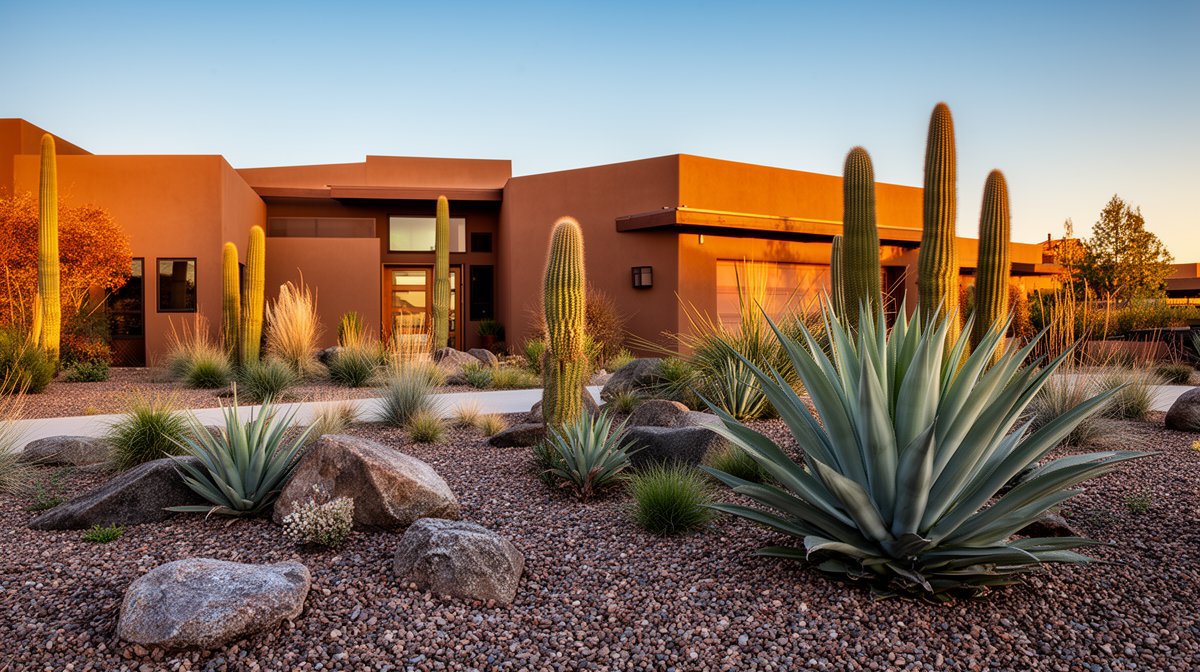
The Shrub-Steppe Front Yard
$12–26/sqftA 1950s ranch house trades its front lawn for a naturalistic drift of native bunchgrass and sagebrush, cut by a flagstone path to the door. Balsamroot and penstemon bloom in April and May. The grasses turn straw gold by August, and the whole bed needs one deep drip cycle every two weeks.
Try this on your yard: The Shrub-Steppe Front YardAI-generated image
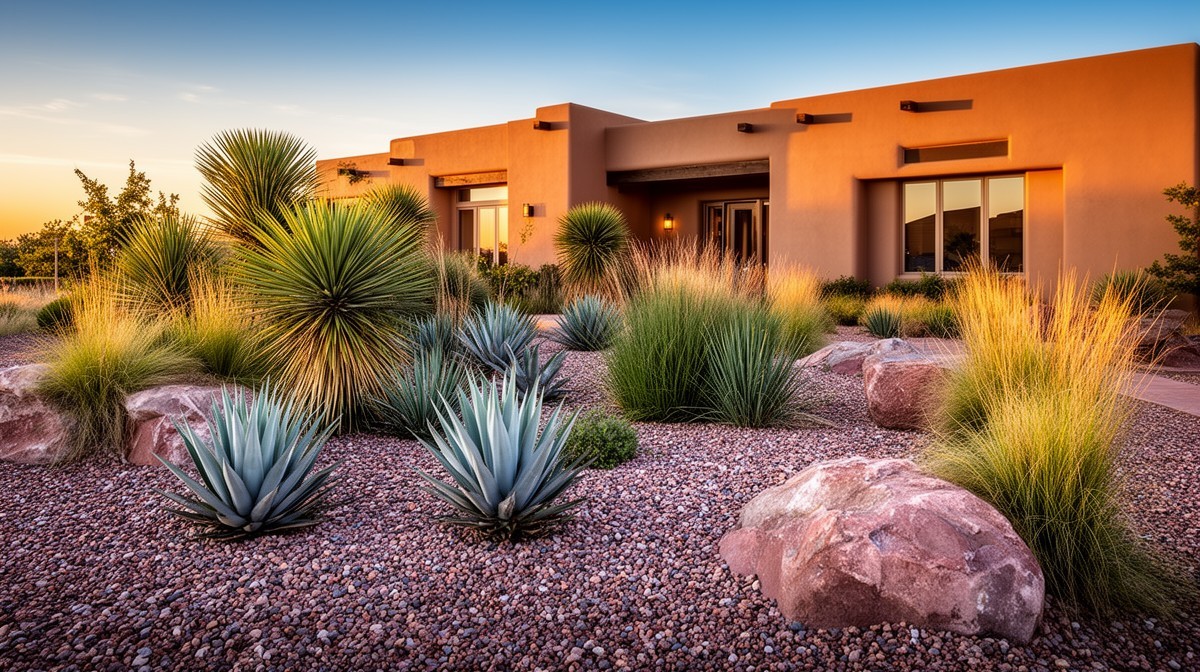
The Yucca and Agave Gravel Court
$18–36/sqftA side-entry courtyard at a Summitview home holds a raised gravel mound with hardy desert accents. A tall Yucca glauca stands in the center, with Agave parryi var. neomexicana and Opuntia polyacantha at its feet and a ring of Delosperma 'Fire Spinner' for color. The mound keeps winter water away from the crowns, which is why these plants live here.
Try this on your yard: The Yucca and Agave Gravel CourtAI-generated image
The Rock Garden Slope
$22–45/sqftA hillside lot in West Valley or along Summitview needs erosion control more than flowers. Terraced basalt walls hold a slope of creeping junipers, silver-leaf shrubs and Penstemon, with a dry creek bed carrying the rare thunderstorm runoff. In June the slope turns lavender and blue, and in January the juniper and sagebrush are the only green.
Try this on your yard: The Rock Garden SlopeAI-generated image
The Gravel Patio with Fire Bowl
$16–34/sqftA backyard of compacted decomposed granite wraps a round fire bowl and four steel chairs, with planting pockets cut into the gravel. A Koelreuteria paniculata gives patio shade from July onward, and ornamental grasses wave at the edge. The garden is built for September and October evenings, when highs drop into the 60s and the valley smells of apples and sage.
Try this on your yard: The Gravel Patio with Fire BowlSee how a desert/xeriscape garden looks on YOUR property
Upload a photo of your Yakima yard and visualize your dream garden in seconds.
Try ProScapeAI Free

AI-generated image
Featured Trees & Shrubs for Desert/Xeriscape Gardens
Browse all 153 plants for Yakima
Cabbage Palm
Sabal palmetto
reaches 40 feet tall, white,yellow blooms in spring. Pollinator-friendly.

Windmill Palm
Trachycarpus fortunei
reaches 20 feet tall, yellow blooms in spring. Pollinator-friendly.
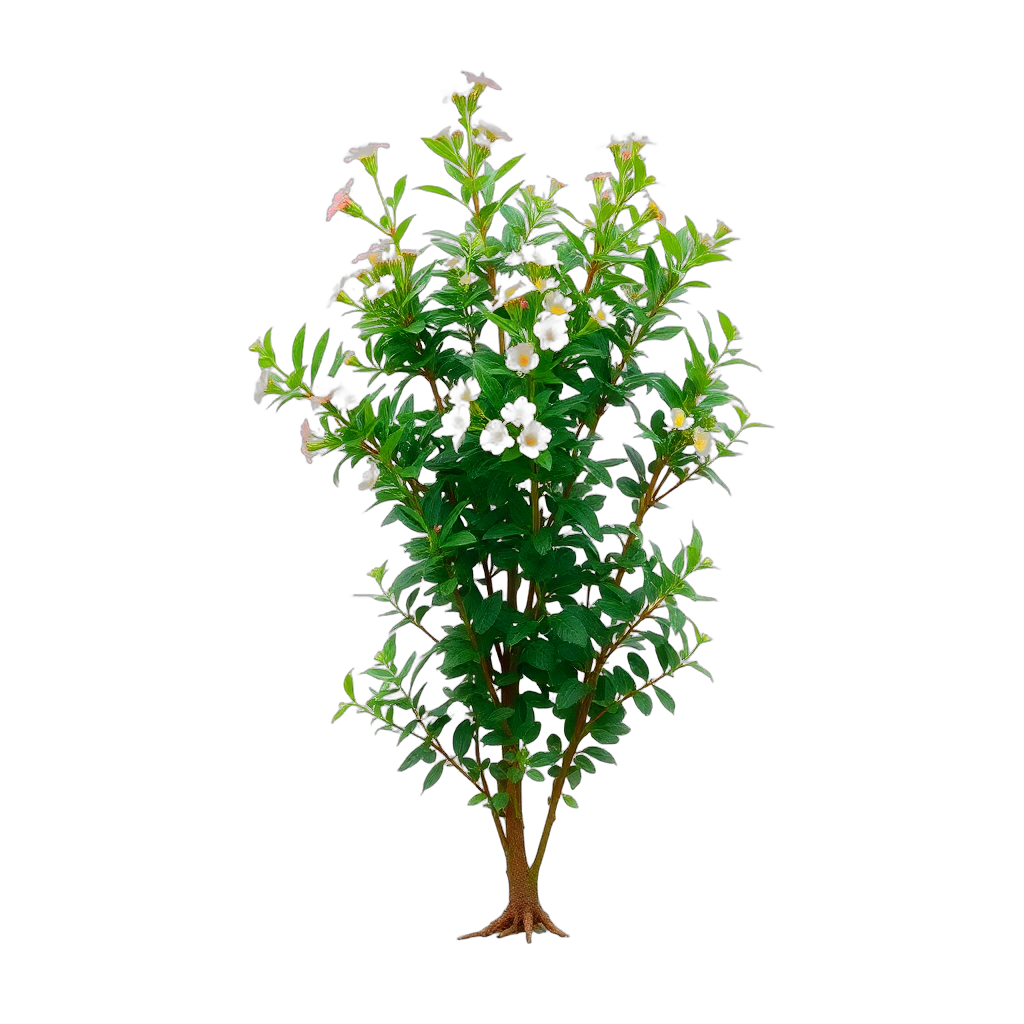
Abbotswood Potentilla
Potentilla fruticosa 'Abbotswood'
low-growing ground cover, white blooms in summer. Attracts butterflies.
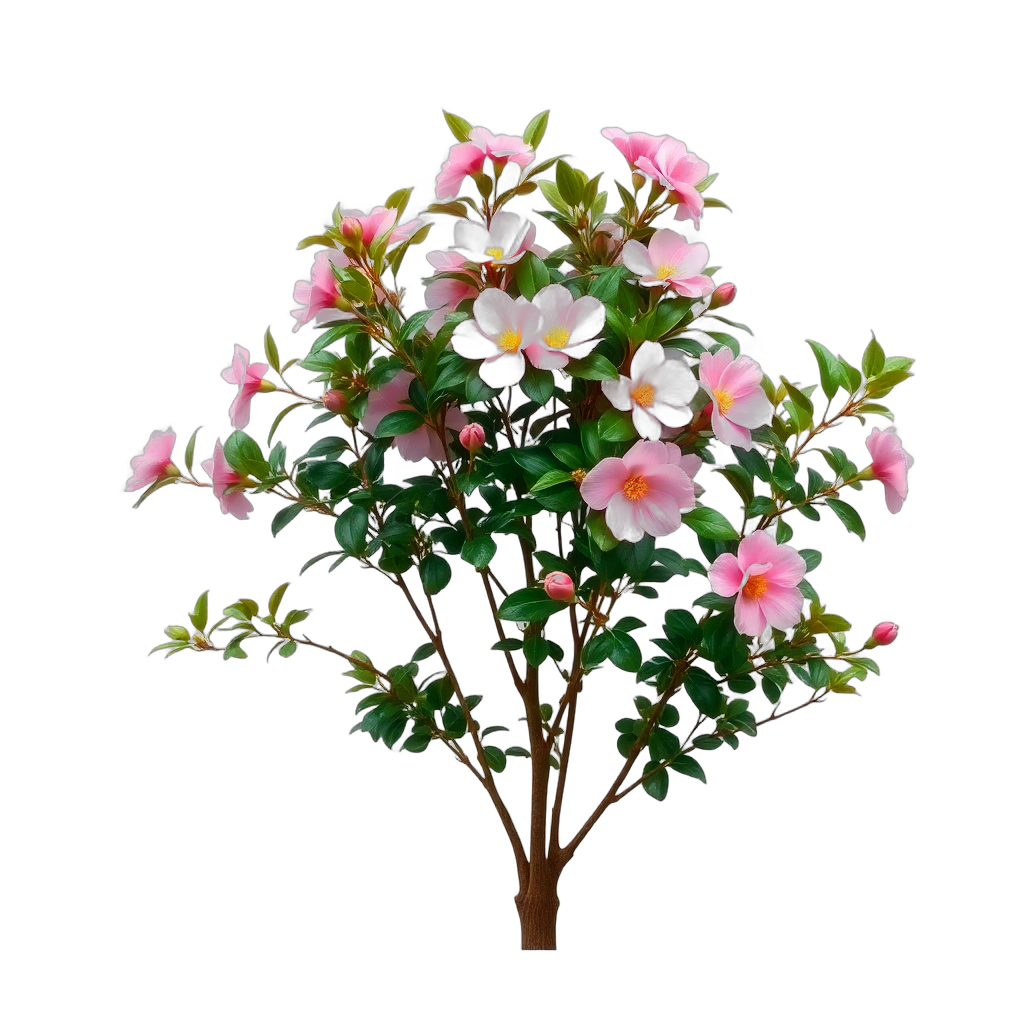
Adolphe Audusson Camellia
Camellia japonica 'Adolphe Audusson'
medium-sized at 12 feet, red blooms in winter. Evergreen year-round.
Featured Grasses & Groundcovers for Desert/Xeriscape Gardens
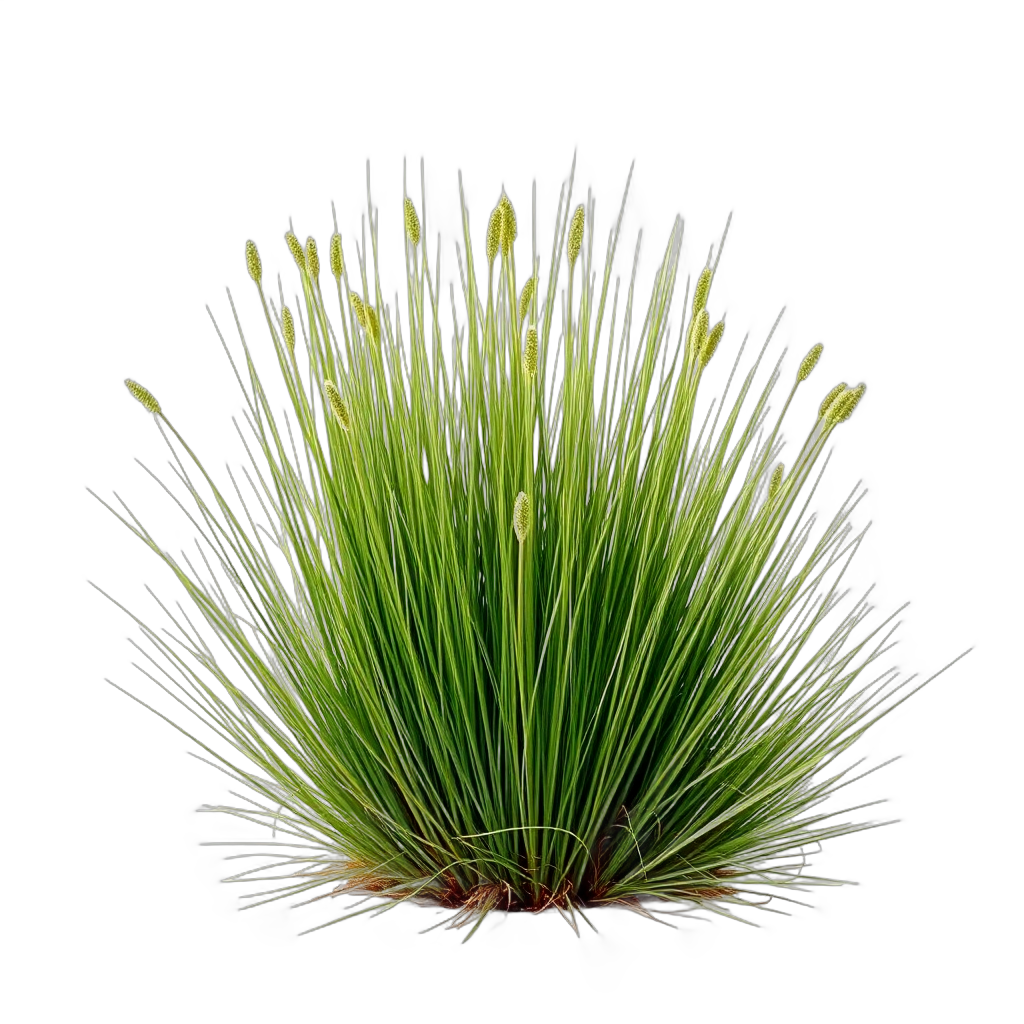
Idaho Fescue
Festuca idahoensis
low-growing ground cover, blooms in summer.
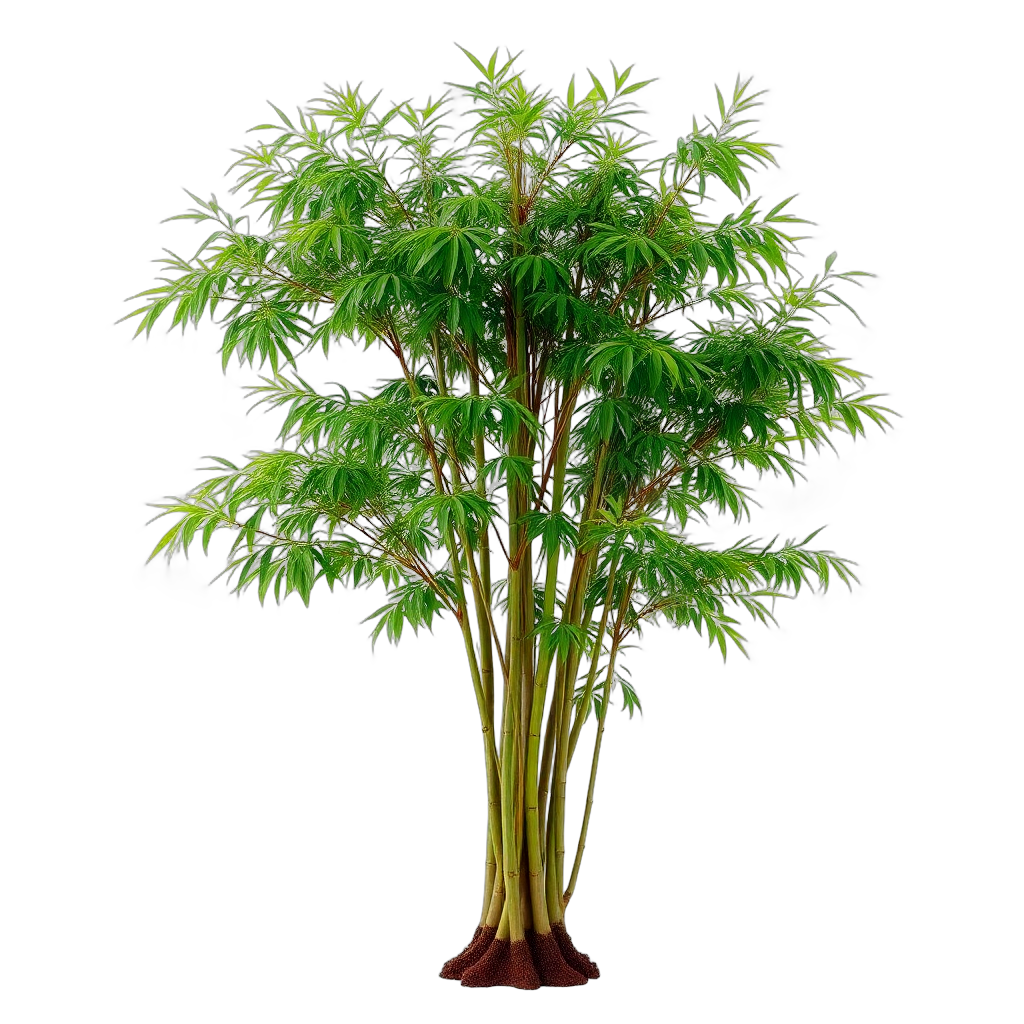
Arrow Bamboo
Pseudosasa japonica
medium-sized at 15 feet, blooms in none. Evergreen year-round.
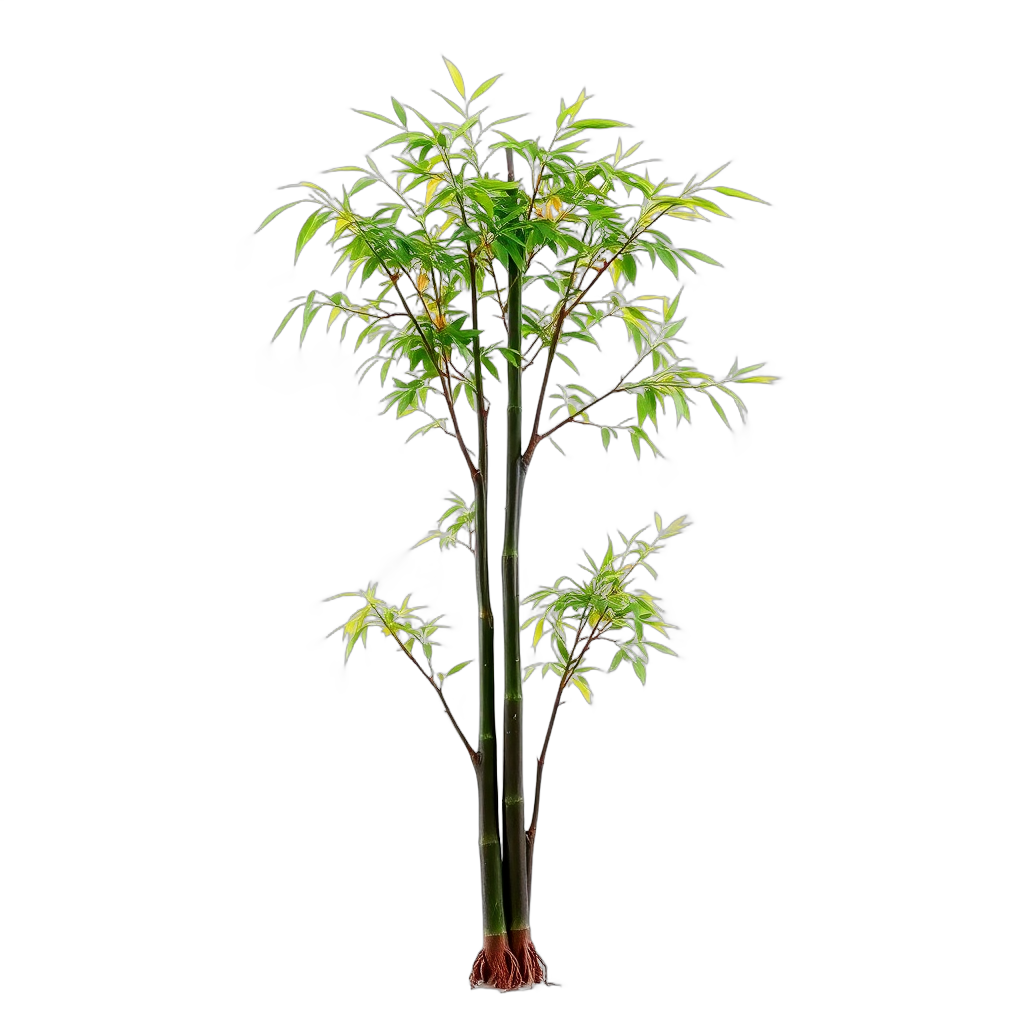
Black Bamboo
Phyllostachys nigra
reaches 25 feet tall, blooms in none. Evergreen year-round.
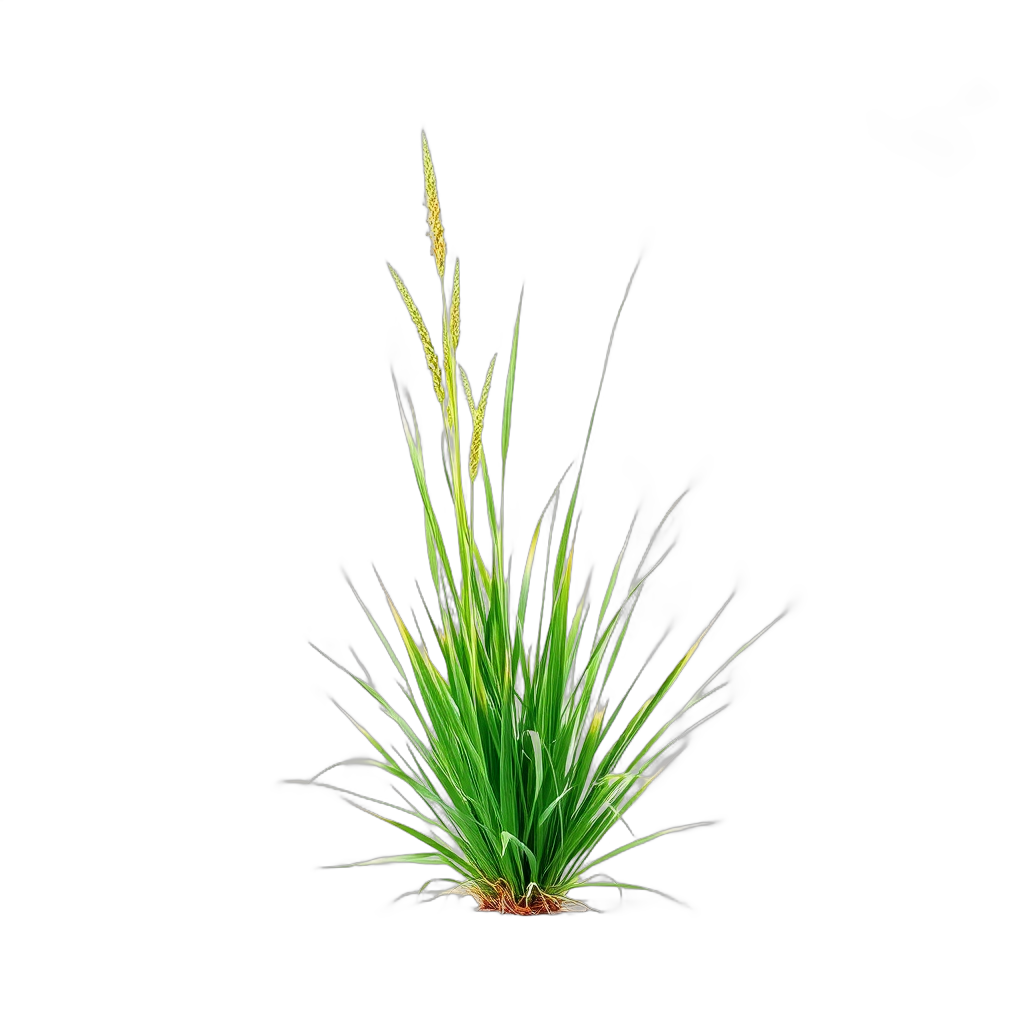
Bull Grass
Muhlenbergia emersleyi
grows to 4 feet, purple blooms in fall. Yellow fall color.
Featured Flowers & Perennials for Desert/Xeriscape Gardens
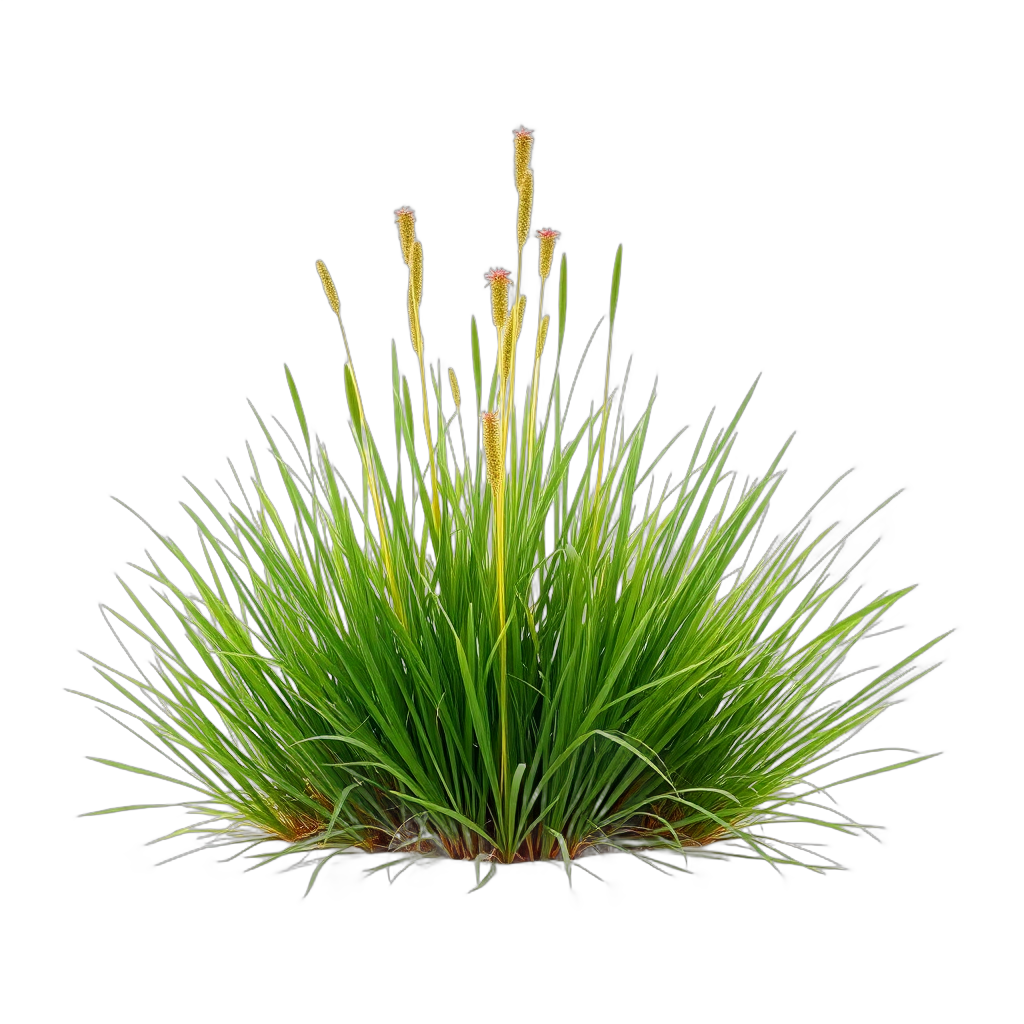
Clustered Field Sedge
Carex praegracilis
low-growing ground cover, blooms in spring.
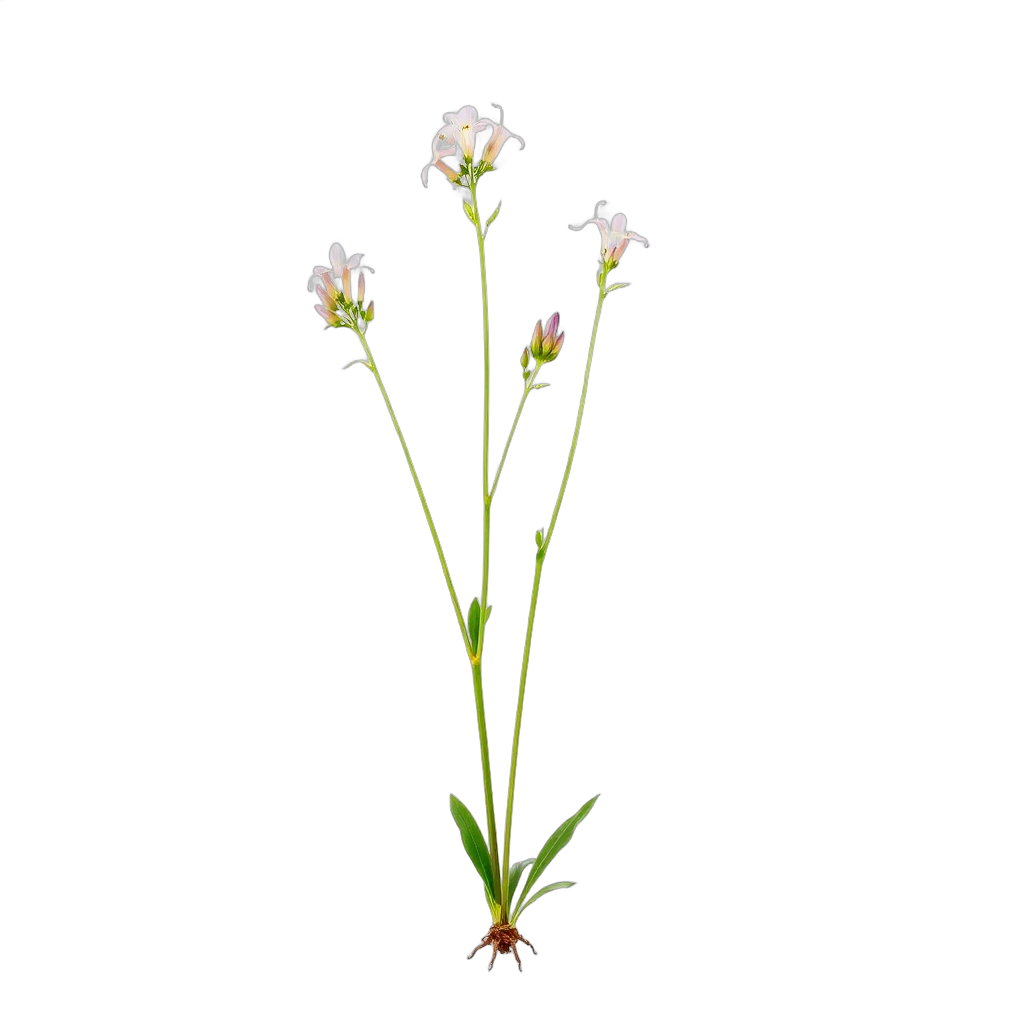
Common Camas
Camassia quamash
low-growing ground cover, blue blooms in spring. Pollinator-friendly.

Water Fern
Azolla filiculoides
low-growing ground cover, blooms in none. Red fall color.
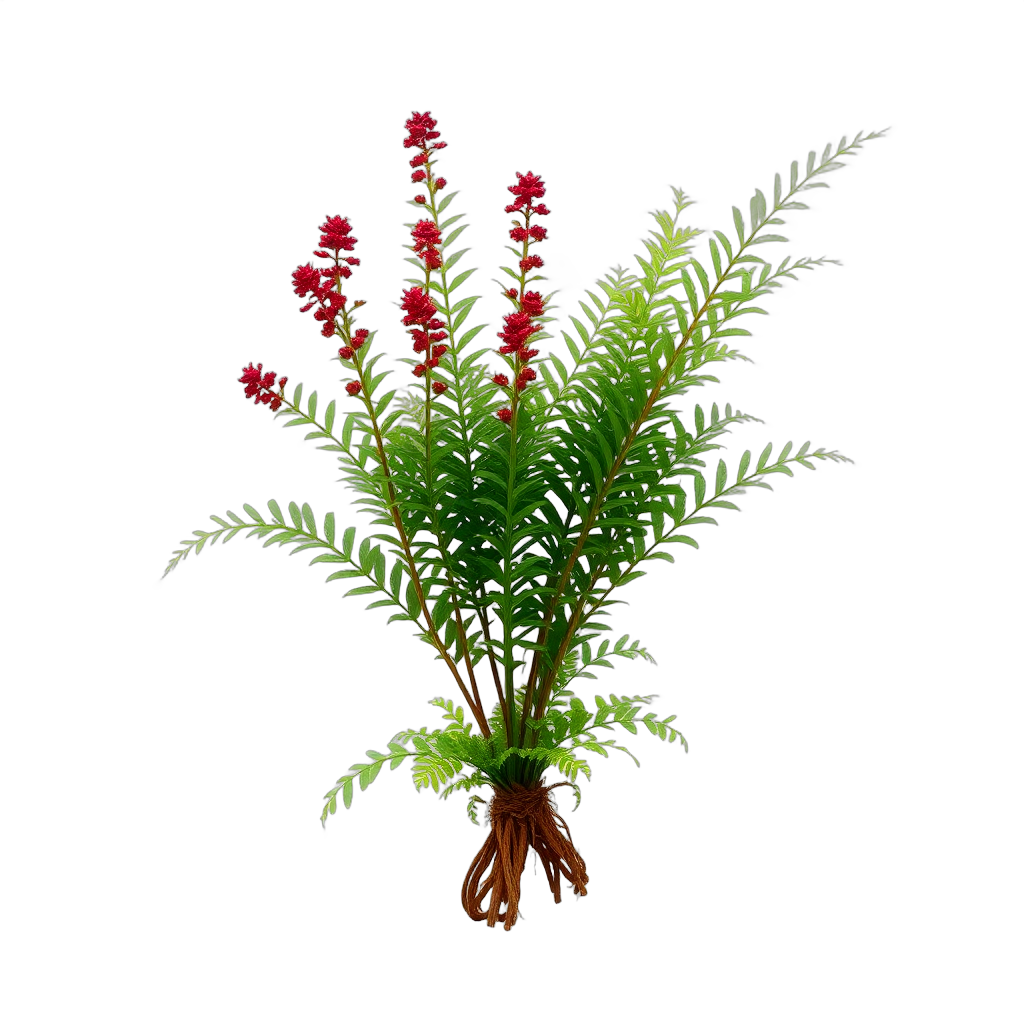
Holly Fern
Cyrtomium falcatum
low-growing ground cover, blooms in none. Evergreen year-round.
Zone and sun checks come from our database — confirm with your local nursery before you buy.
Bloom Calendar for Yakima
spring
Clustered Field Sedge, Common Camas, Bishop's Capsummer
Idaho Fescue, Angel's Fishing Rod, Anise Sagefall
Anise Sage, California Fuchsiawinter
Limited bloomsDesign Tips for Yakima (Zone 7a)
- Plant yucca and agave on a mound: wet winters on slow-draining silt kill them faster than the 24.0°F January average low, so build an 8–12 inch mound with pumice or coarse sand
- Use 2 inches of washed pea gravel as mulch and keep it off the stems of Artemisia tridentata and Penstemon strictus so crowns stay dry
- Water deeply for two summers, then every two to three weeks in July and August: NOAA gives Yakima only 0.20 inch in July and 0.21 inch in August
- Plant in September when possible: the median first 32°F night is October 4, and fall roots get a head start before the 20.3 inches of snow arrive
- Test the soil before choosing plants: eastern Washington ground is commonly neutral to alkaline, which Eriogonum umbellatum, Ericameria nauseosa and Pseudoroegneria spicata tolerate
- Keep sagebrush and rabbitbrush in islands, not continuous beds, on hillsides: both are oily and burn hot, so gravel gaps slow fire
- Choose Delosperma 'Fire Spinner' and Sedum 'Angelina' for color in the gravel: both are hardy to Zone 5 or colder and handle 90°F days
Where to Source Plants in Yakima
Skip the big-box stores. These independent Yakima nurseries specialize in the plants that make desert/xeriscape gardens thrive in Zone 7a.
Verdant Yakima
WestPark Shopping Center, Summitview
Nursery with shrubs, conifers and evergreens, bulbs, houseplants, pottery and stone
Country Farm & Garden
West Washington Avenue
Garden center with annual and perennial plants, vegetable starts, hanging baskets and planters
Desert/Xeriscape Landscaping Cost Ranges
| Project Scope | Estimated Cost |
|---|---|
| Flagstone path (100–150 sqft) | $3,000–$5,700 |
| Gravel patio with fire bowl (300 sqft) | $260–$550 |
| Drip irrigation system (500 sqft of planted area) | $1,200–$2,200 |
| AI visualization (ProScapeAI) | Free to start |
National average installed ranges for 2026 from our landscaping price list (Homewyse and other published sources). Prices in Yakima, WA vary with site, materials and contractor, so get two or three local quotes.
Yakima Climate & Growing Zone
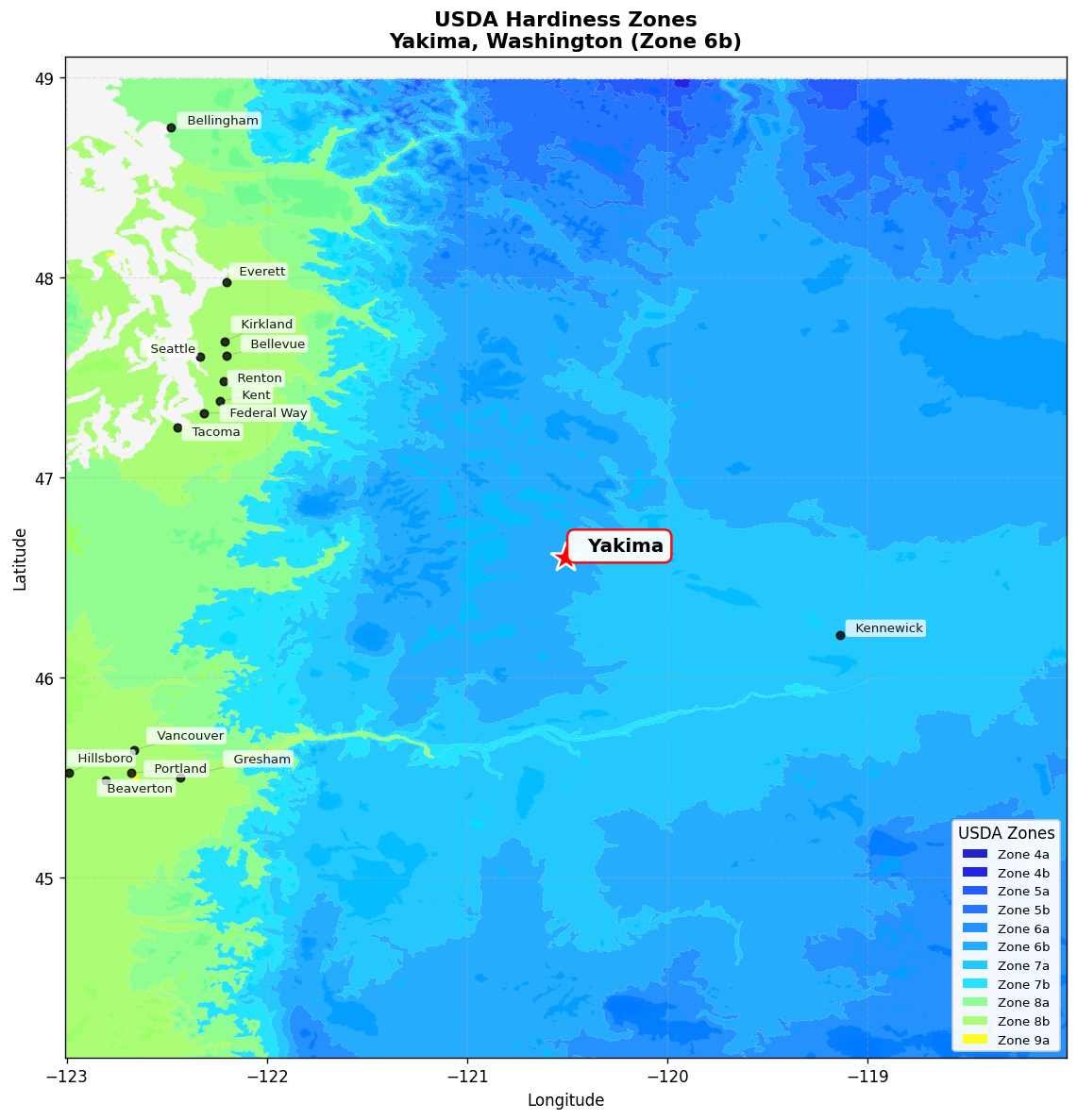
USDA Zone 7a
Hardiness zone for Yakima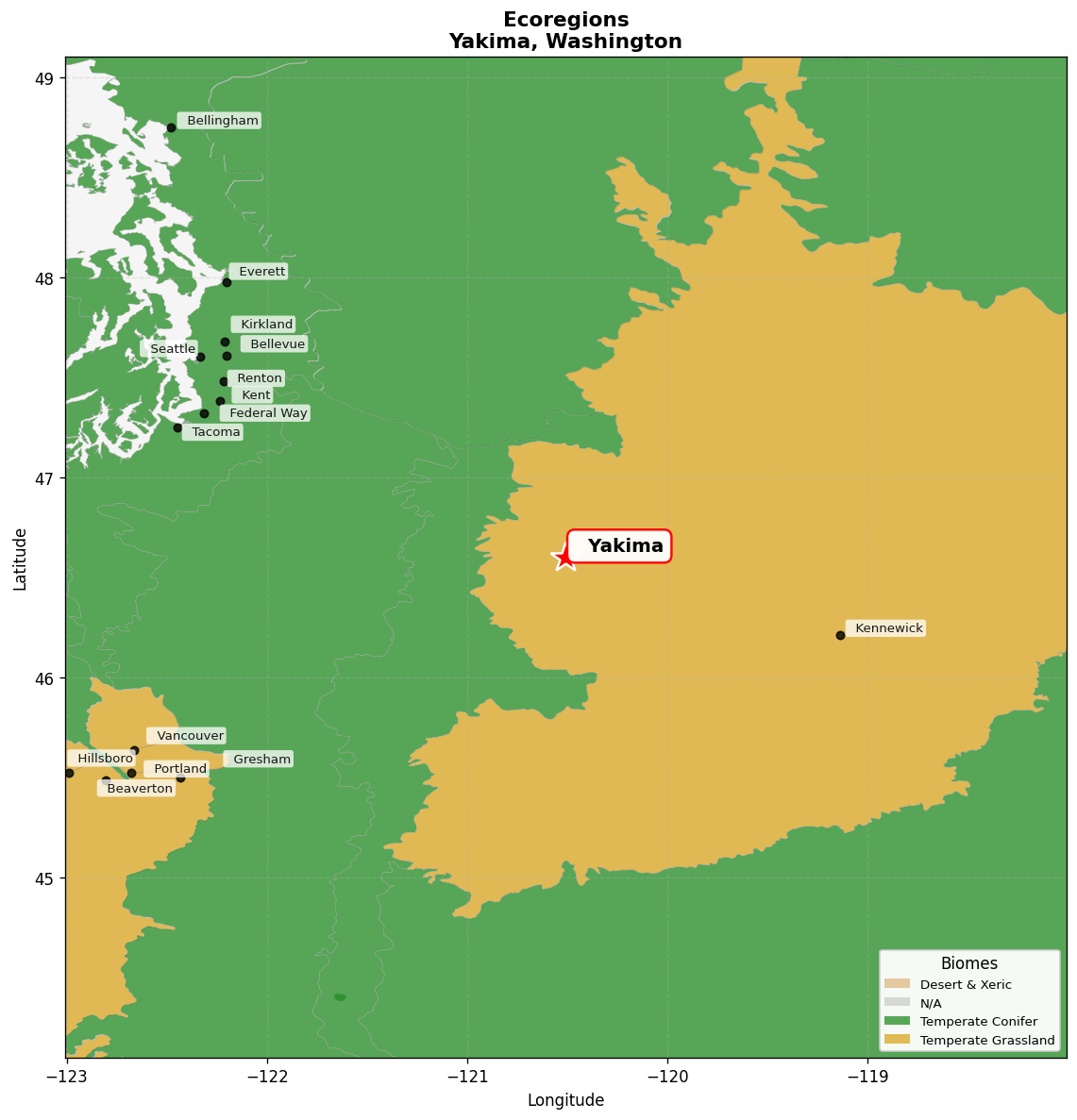
Palouse prairie
Native ecoregionFrequently Asked Questions
How much does a desert garden cost in Yakima, WA?
Native bunchgrasses like Pseudoroegneria spicata and Festuca idahoensis are inexpensive in one-gallon pots, while Yucca glauca and Agave parryi var. neomexicana in larger sizes push the price up. Prices vary with site, size and finishes, so get two or three local quotes.
Is a desert garden low maintenance in Yakima's climate?
Yes, after two summers. NOAA normals put Yakima at 8.01 inches of precipitation a year with only 0.20 inch in July, so a drip system on a timer carries the garden. Cut Pseudoroegneria spicata and Bouteloua gracilis 'Blonde Ambition' back in March, trim Artemisia tridentata lightly after bloom, and pull winter weeds before they set seed.
Can cactus and agave survive Yakima winters?
Some can, if the site drains. NOAA normals give a January average low of 24.0°F and about seven nights a year at 10°F or below, with 20.3 inches of snow. Opuntia polyacantha, Yucca glauca, Yucca filamentosa 'Color Guard' and Agave parryi var. neomexicana are the dependable ones. Plant them on a mound of coarse mix 8–12 inches high and do not water from November to March. Skip saguaro and barrel cactus.
When is the best time to plant in Yakima?
September to mid-October, and April to early May. NOAA's median last 32°F night at the Yakima Air Terminal is May 8 and the median first is October 4, so tender plants should wait until mid-May. Fall planting lets roots grow into warm soil before winter. Skip July and August, when roughly 40 days a year reach 90°F or above.
Do I need a permit or HOA approval for landscaping in Yakima?
Planting and gravel generally do not need a permit, but retaining walls, fences, drainage changes and fire features may. Check with the City of Yakima, call 811 before digging, and read your HOA rules. If you receive ditch or district irrigation water, ask the supplier about the delivery season and pressure.
What about soil pH in Yakima?
Eastern Washington soils are commonly neutral to alkaline, per WSU Extension guidance, and a pH test shows where your lot sits. Desert plants such as Eriogonum umbellatum, Ericameria nauseosa and Penstemon strictus tolerate this. Test your lot and focus on drainage, not on changing pH.
Is a gravel yard a wildfire risk near Yakima's hills?
Gravel is the safer ground surface next to a house, because it does not burn like bark mulch. Keep dry bunchgrass and sagebrush at least several feet from the foundation and prune dead stems in March. Sagebrush and rabbitbrush are oily and burn hot, so on hillside lots keep them in islands rather than continuous beds, and ask your local fire district for current defensible-space guidance.