4 Modern Landscape Ideas for Duluth, MN | Hillside Designs for Zone 4b
Native plants from the Western Great Lakes forests (Zone 4b) — Humid continental (warm summer) climate
For a modern garden in Duluth, MN, a zone 4b city with a humid continental (warm summer) climate, start with Calamagrostis × acutiflora 'Karl Foerster', Sporobolus heterolepis and Panicum virgatum 'Northwind', the plants this guide's first design is built on.
Why Modern/Minimalist Gardens in Duluth?
Duluth does not have many flat lots, and modern design suits that. Steep streets, rock outcrops and views over Lake Superior reward clean lines, terraces and restrained planting, not busy borders. Newer contemporary builds in Lester Park, Woodland and the Hermantown edge, along with mid-century ramblers being renovated, give a modern landscape a good frame: dark siding, large windows, flat or low-pitched roofs, and a front yard that needs structure more than flowers.
NOAA's 1991–2020 normals for the Duluth airport station list an average January low of 2.4°F, an average July high of 77.7°F, 31.18 inches of precipitation and 90.2 inches of snow in a normal year, with 176.6 days a year when the low reaches 32°F or colder. That is Zone 4b. Every plant has to be rated Zone 4 or colder, and the good news is that the strongest modern plants are. Calamagrostis × acutiflora 'Karl Foerster' keeps its upright plumes through snow, Sporobolus heterolepis (prairie dropseed) forms fine tufts, and Panicum virgatum 'Northwind' stays vertical. Columnar Thuja occidentalis 'Smaragd' and Juniperus scopulorum 'Wichita Blue' give evergreen structure, while Cornus sericea 'Arctic Fire' and Physocarpus opulifolius 'Diabolo' add winter stem color and summer foliage contrast.
Soil on a Duluth hillside is often heavy red clay over bedrock, so drainage drives the design. Steel or stone edging and crushed-stone bases cost more up front but keep beds from washing out during snowmelt. Native soil is typically slightly acidic to neutral; a University of Minnesota Extension soil test will tell you if lime or sulfur is worth buying. On Park Point the ground is sand, which needs compost and mulch to hold moisture. Dark basalt or granite paving looks right against the lake and handles freeze-thaw better than cheap concrete pavers if the base is built deep.
Modern landscapes are easier to live with in a long winter. A garden of grasses and conifers keeps its outline above the snow, so the yard still looks designed in January, and you leave the grasses standing until March for winter interest and cut them in a single day in spring. Keep beds a few feet from driveways, where plows throw heavy, salted snow, and size path widths so a shovel and a snowblower both fit.
4 Modern/Minimalist Design Ideas for Duluth
AI-generated image
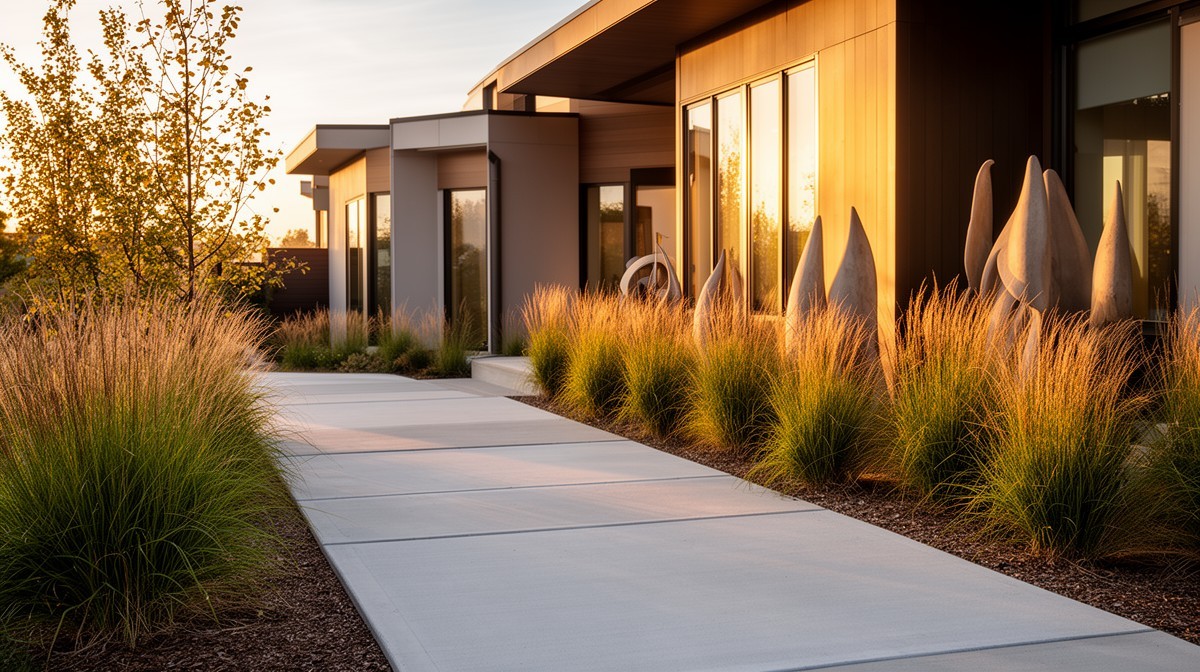
The Lakeview Grass Terrace
$18–34/sqftA dark-clad contemporary home on a street dropping toward the lake gets a front yard cut into two terraces with 18-inch Corten steel retaining edges. Karl Foerster feather reed grass runs in a single band along the upper terrace, prairie dropseed fills the lower one, and a concrete path zigzags down the slope. The whole composition holds its shape under snow.
Try this on your yard: The Lakeview Grass TerraceAI-generated image
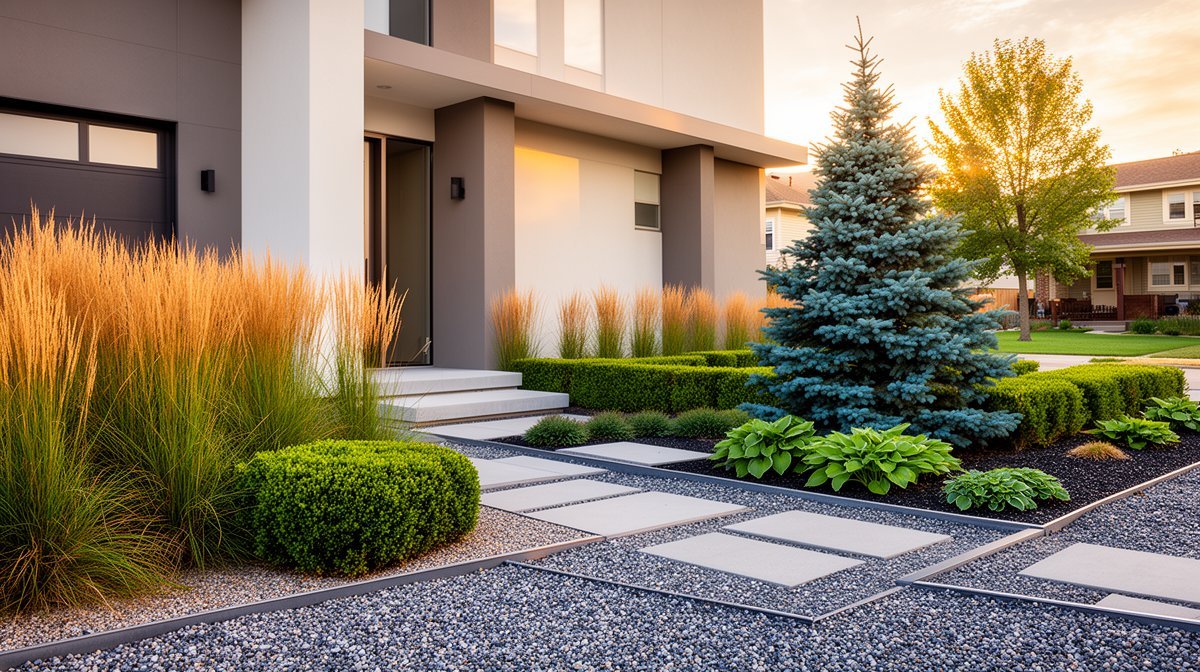
The Basalt and Conifer Front
$14–28/sqftA low-roofed rambler in Woodland drops its lawn for a field of dark basalt gravel with three Pinus mugo 'Slowmound' pines and a row of Thuja occidentalis 'Smaragd' along the property line. A single Betula nigra 'Heritage' sits off center, and Cornus sericea 'Arctic Fire' shows red stems against the snow. Evergreens keep it green through a long winter.
Try this on your yard: The Basalt and Conifer FrontAI-generated image
The Backyard Fire Court
$24–46/sqftA rectangular patio of large-format concrete pavers sits off a rear walkout, with a linear gas fire table and a low bench wall wrapping two sides. Hydrangea paniculata 'Bobo' and Allium 'Millenium' soften the edge, while Rhus typhina 'Tiger Eyes' gives fall color. Evening fires stretch the sitting season well into October, which matters in a city where July highs average under 78°F.
Try this on your yard: The Backyard Fire CourtAI-generated image
The Native Prairie Edge
$10–22/sqftA wide, sunny front yard in Lester Park or Hermantown swaps part of the lawn for a native-inspired strip of Schizachyrium scoparium 'Standing Ovation', Echinacea purpurea 'PowWow Wild Berry' and Rudbeckia fulgida 'Goldsturm' in bold drifts. A mown 3-foot strip of Carex pensylvanica edges the walk so neighbors see it as intentional.
Try this on your yard: The Native Prairie EdgeSee how a modern/minimalist garden looks on YOUR property
Upload a photo of your Duluth yard and visualize your dream garden in seconds.
Try ProScapeAI Free

AI-generated image
Featured Trees & Shrubs for Modern/Minimalist Gardens
Browse all 172 plants for Duluth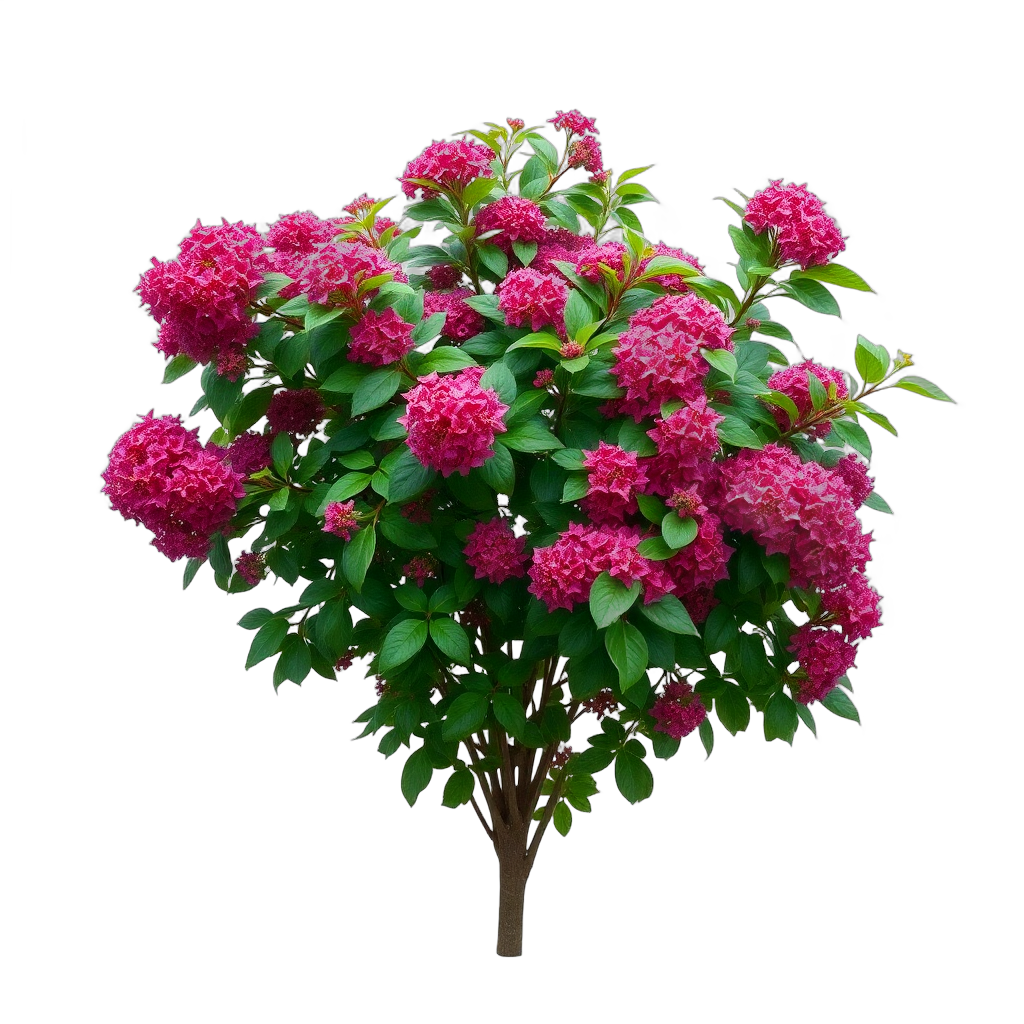
American Cranberrybush
Viburnum trilobum
medium-sized at 10 feet, white blooms in spring. Pollinator-friendly.
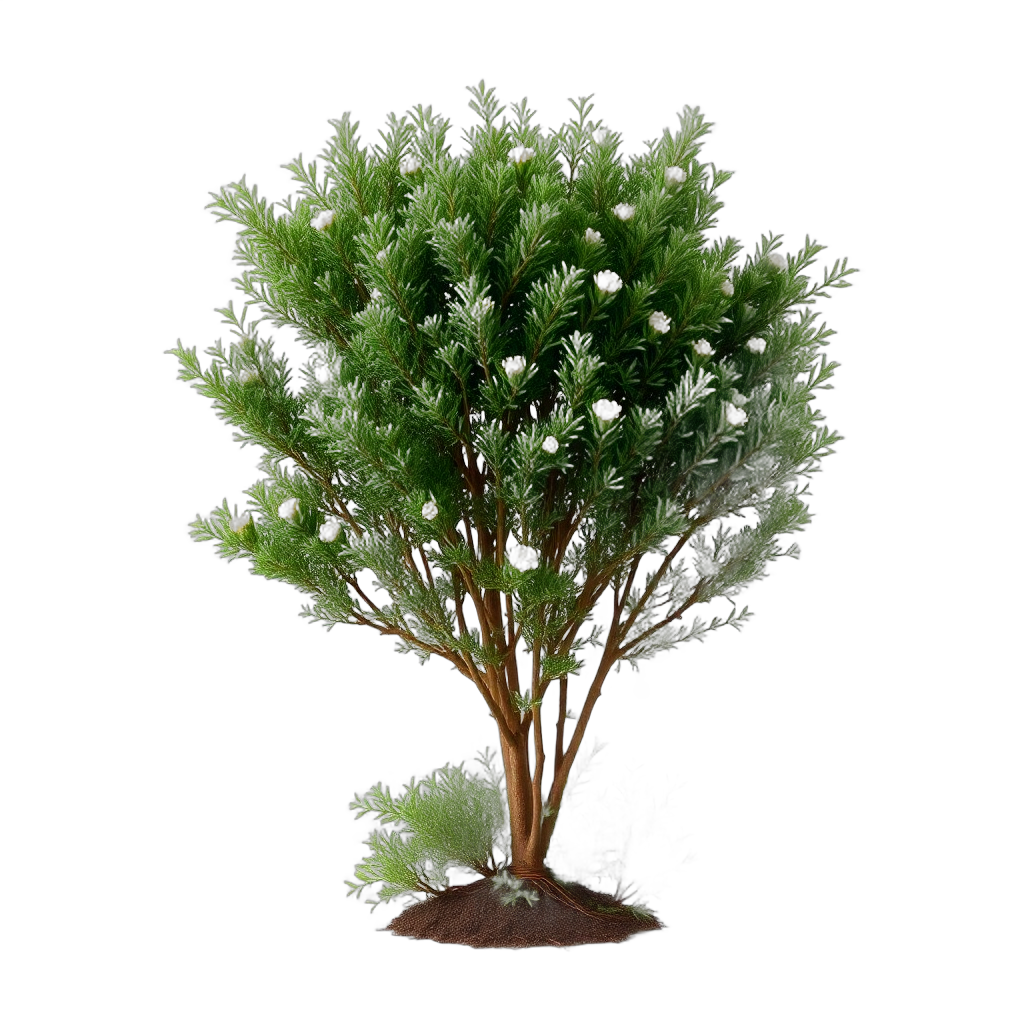
Creeping Juniper
Juniperus horizontalis
low-growing ground cover, blooms in spring. Evergreen year-round.
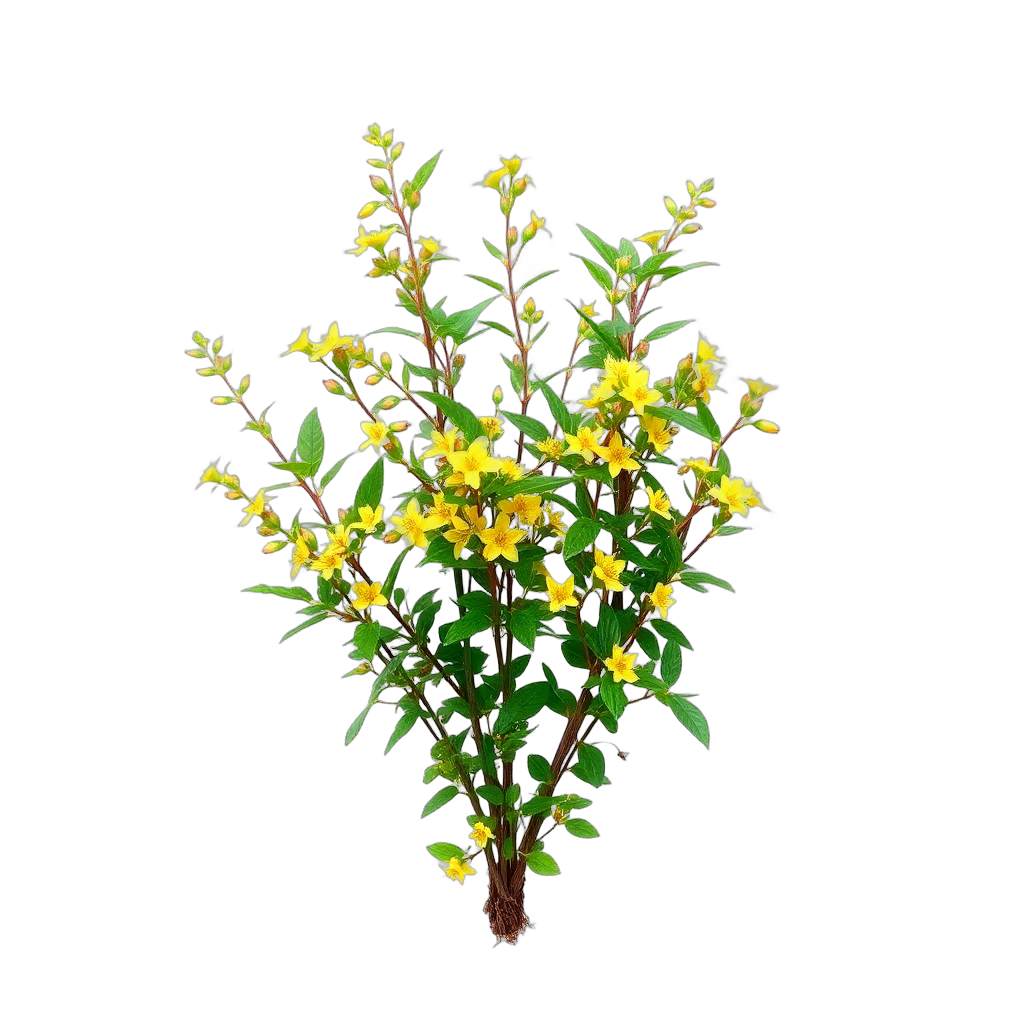
Kalm's St. John's Wort
Hypericum kalmianum
grows to 3 feet, yellow blooms in summer. Pollinator-friendly.
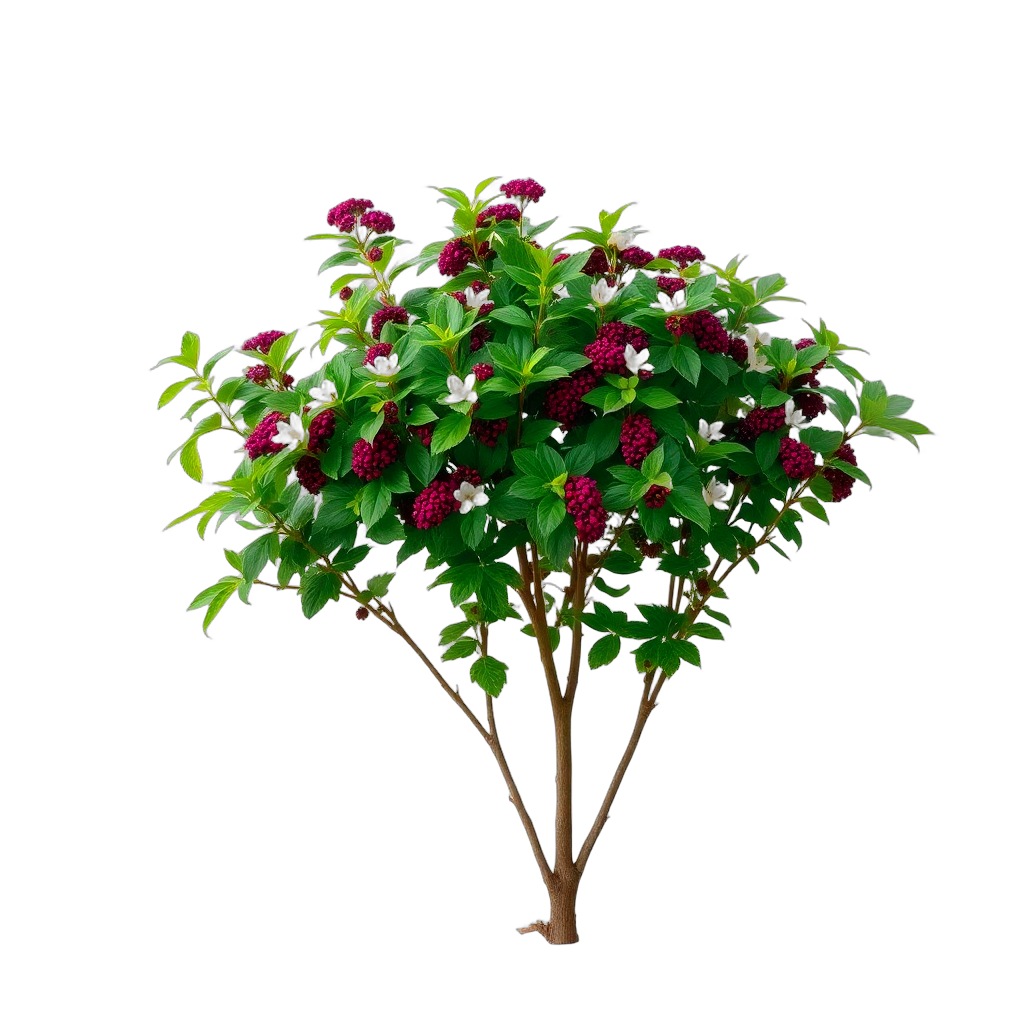
Nannyberry
Viburnum lentago
medium-sized at 15 feet, white blooms in spring. Pollinator-friendly.
Featured Flowers & Perennials for Modern/Minimalist Gardens
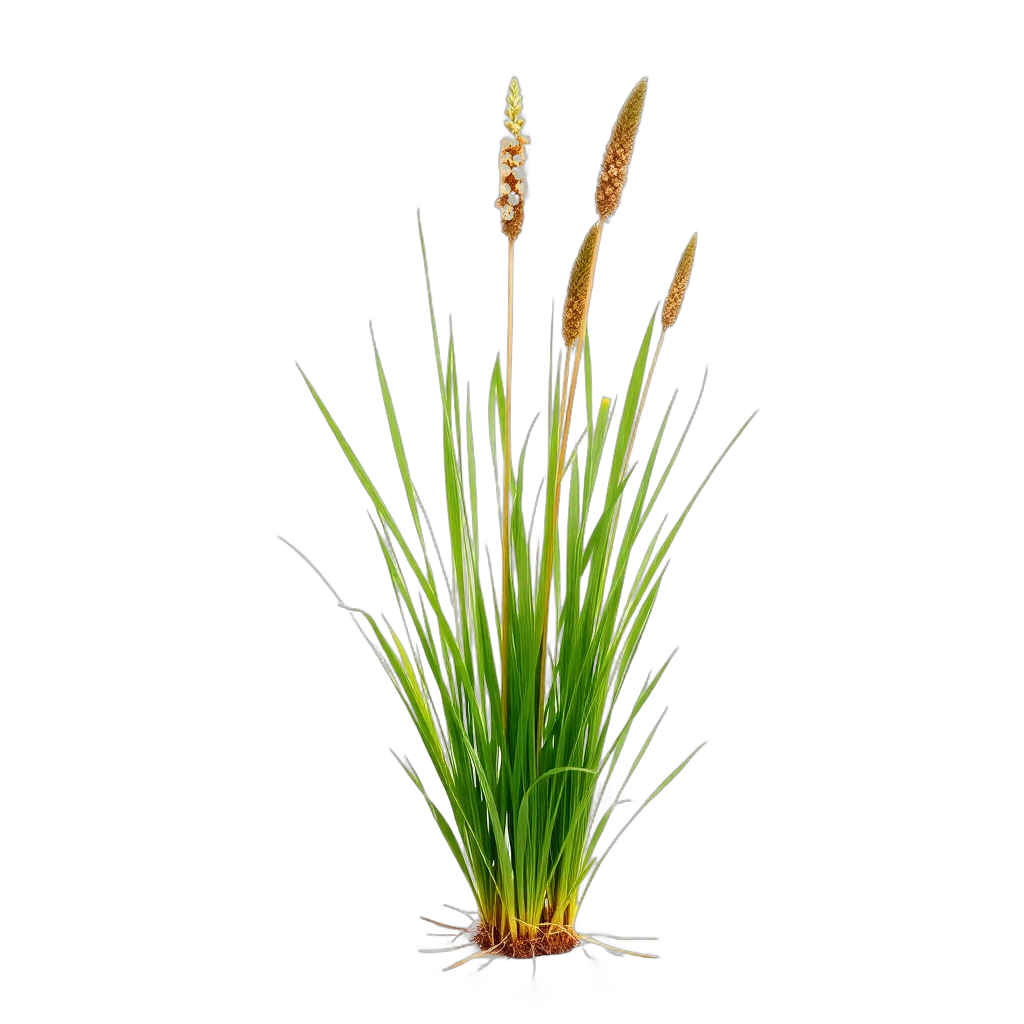
Hardstem Bulrush
Scirpus acutus
medium-sized at 7 feet, blooms in summer.
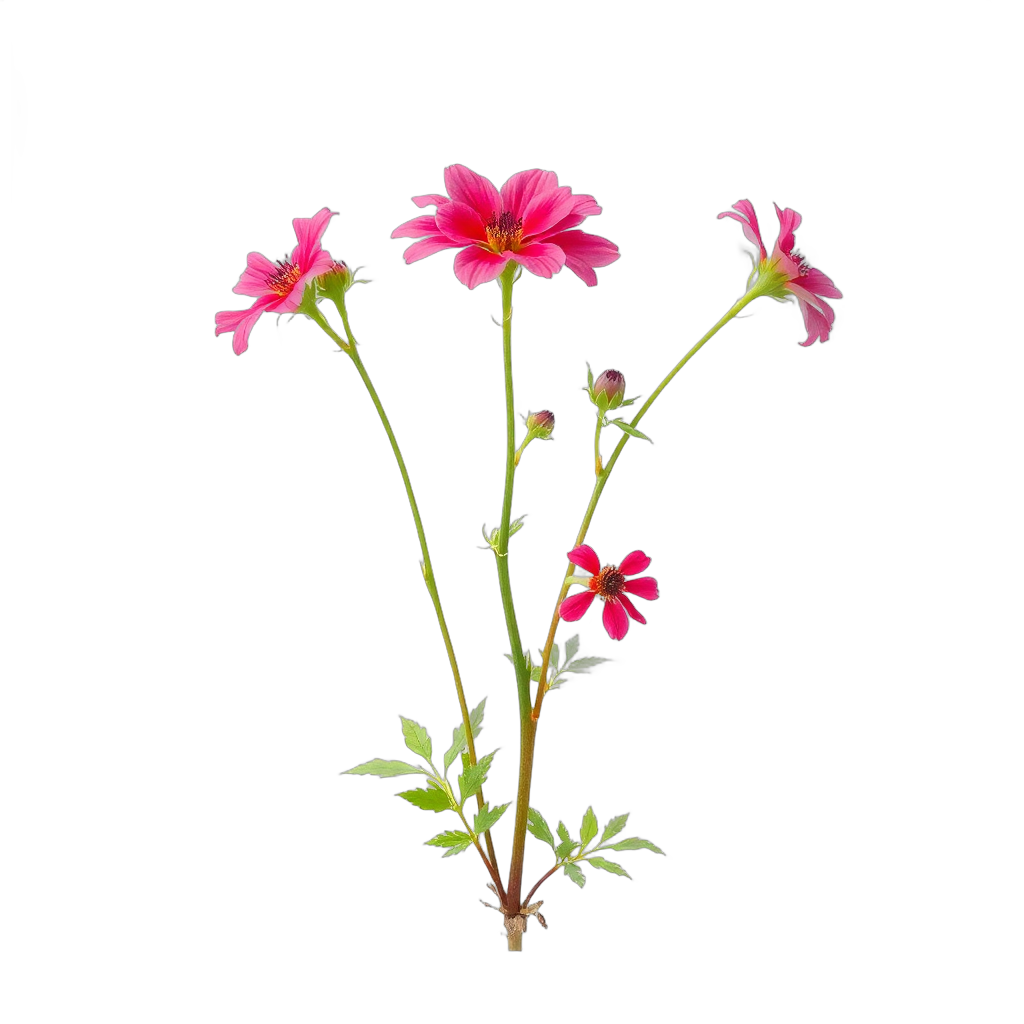
Prairie Smoke
Geum triflorum
low-growing ground cover, pink blooms in spring. Pollinator-friendly.

Purple Coneflower
Echinacea purpurea
grows to 3 feet, purple blooms in summer. Attracts butterflies.
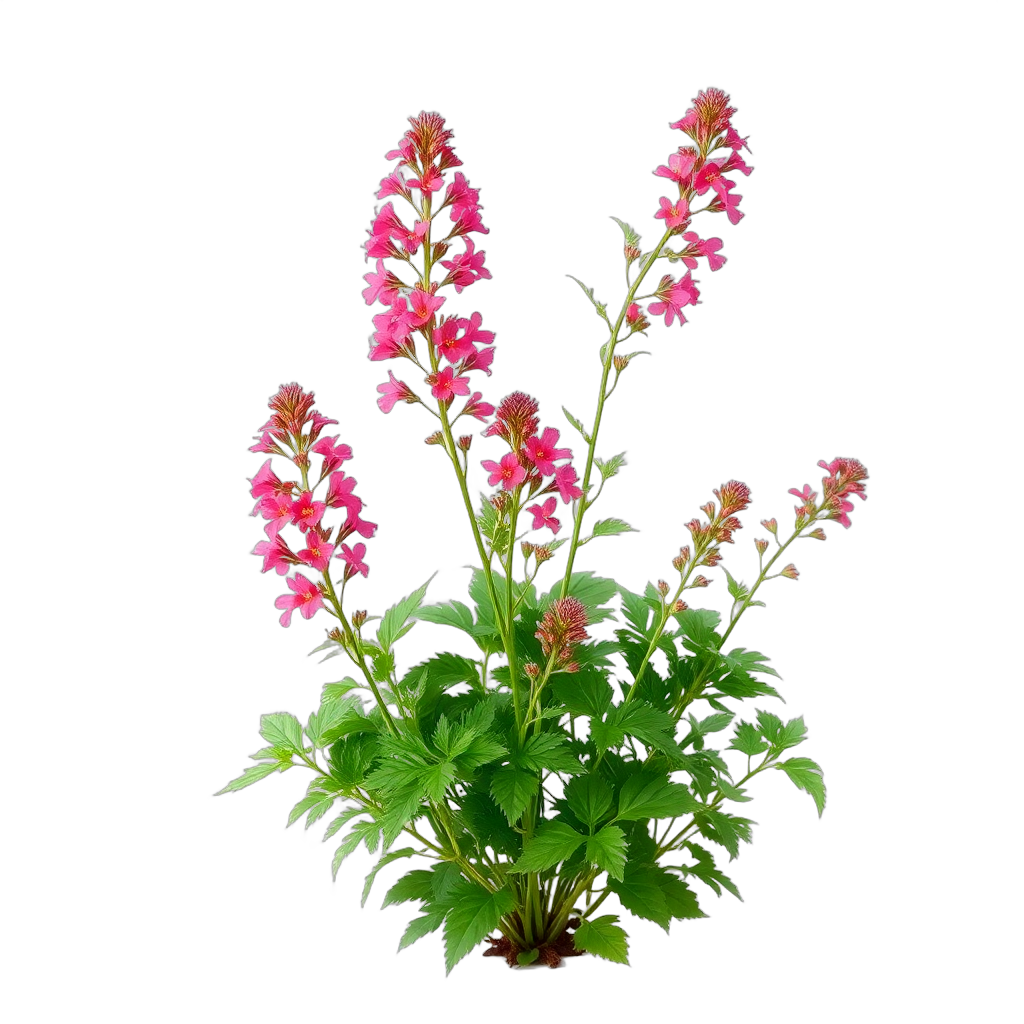
Queen of the Prairie
Filipendula rubra
grows to 5 feet, pink blooms in summer. Attracts butterflies.
Zone and sun checks come from our database — confirm with your local nursery before you buy.
Bloom Calendar for Duluth
spring
Prairie Smoke, American Cranberrybush, Creeping Junipersummer
Hardstem Bulrush, Purple Coneflower, Queen of the Prairiefall
Limited bloomswinter
Limited bloomsDesign Tips for Duluth (Zone 4b)
- Use only Zone 4 or colder plants in Duluth, and favor those proven under snow such as Calamagrostis × acutiflora 'Karl Foerster' and Sporobolus heterolepis
- Leave ornamental grasses standing until March so they carry the winter picture, then cut them in one pass
- Terrace steep lots with steel or stone edging and a crushed-stone drainage layer, because red clay sheds spring meltwater fast
- Keep plantings 3 feet from driveways and sidewalks so plow-thrown, salted snow does not scorch shrubs
- Set paver and path bases deep and well compacted, since Duluth's long freeze season heaves thin bases
- Pair evergreens such as Thuja occidentalis 'Smaragd' with red-stem Cornus sericea 'Arctic Fire' so the yard has color in January
- Add a gas fire table or fire feature, which extends sitting from the cool evenings of May into October
Where to Source Plants in Duluth
Skip the big-box stores. These independent Duluth nurseries specialize in the plants that make modern/minimalist gardens thrive in Zone 4b.
Gordy's Gift and Garden
Hermantown, just north of Duluth
Trees, shrubs, perennials, bulbs and annuals with staff garden-planning advice
Hammarlund Landscape Nursery
Esko, south of Duluth
Trees, shrubs, evergreens, perennials and native, pollinator-friendly plants; local delivery
Duluth Flower Farm
Superior, Wisconsin, across the bridge
Bedding plants, perennials, herbs and trees; also sells at the Duluth Farmers Market
Modern/Minimalist Landscaping Cost Ranges
| Project Scope | Estimated Cost |
|---|---|
| Concrete or paver patio (200–400 sqft) | $2,100–$11,400 |
| Concrete patio, broom finish (200 sqft) | $2,100–$2,500 |
| Low-voltage landscape lighting (6 fixtures) | $1,200–$2,000 |
| AI visualization (ProScapeAI) | Free to start |
National average installed ranges for 2026 from our landscaping price list (Homewyse and other published sources). Prices in Duluth, MN vary with site, materials and contractor, so get two or three local quotes.
Duluth Climate & Growing Zone
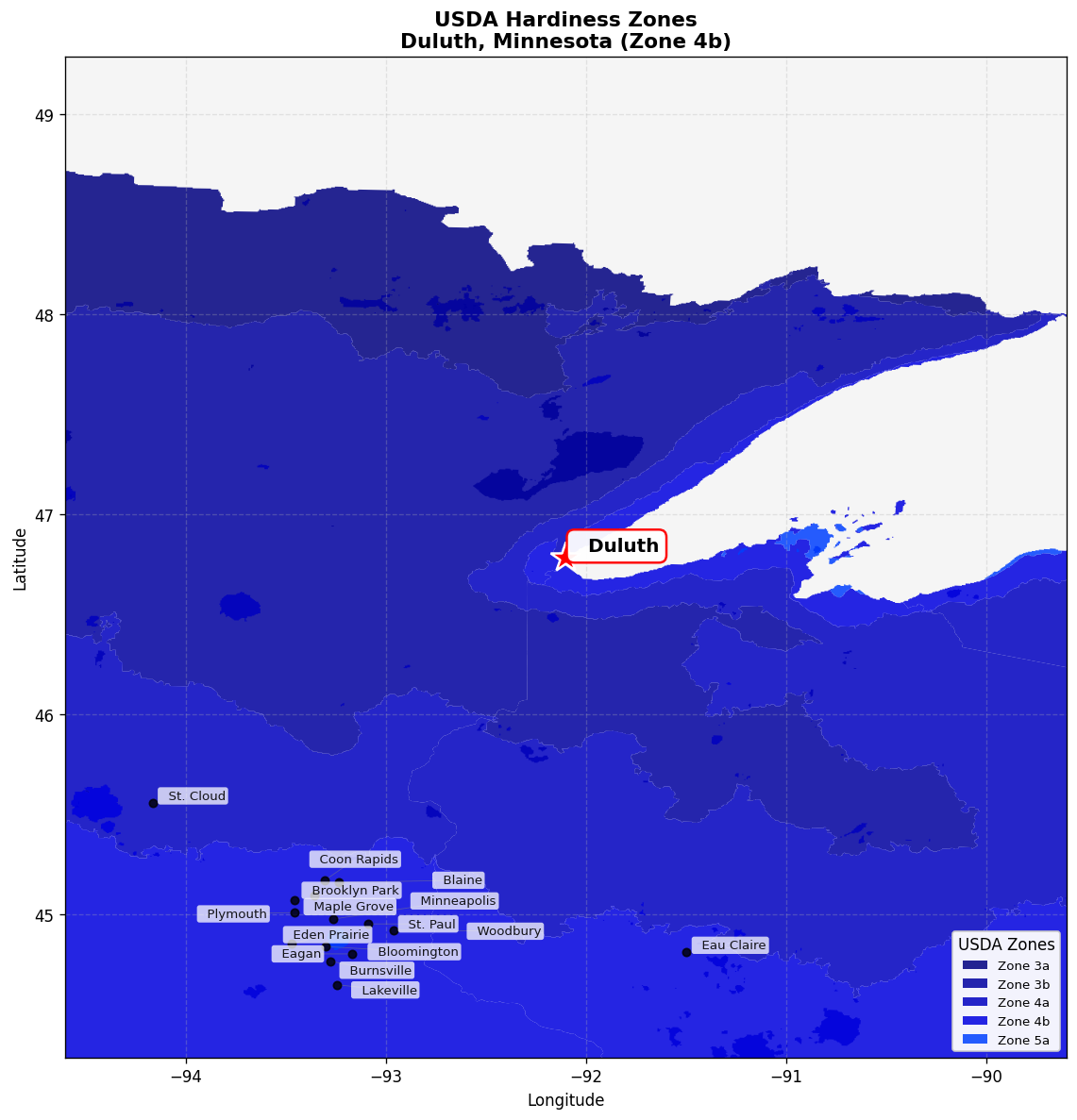
USDA Zone 4b
Hardiness zone for Duluth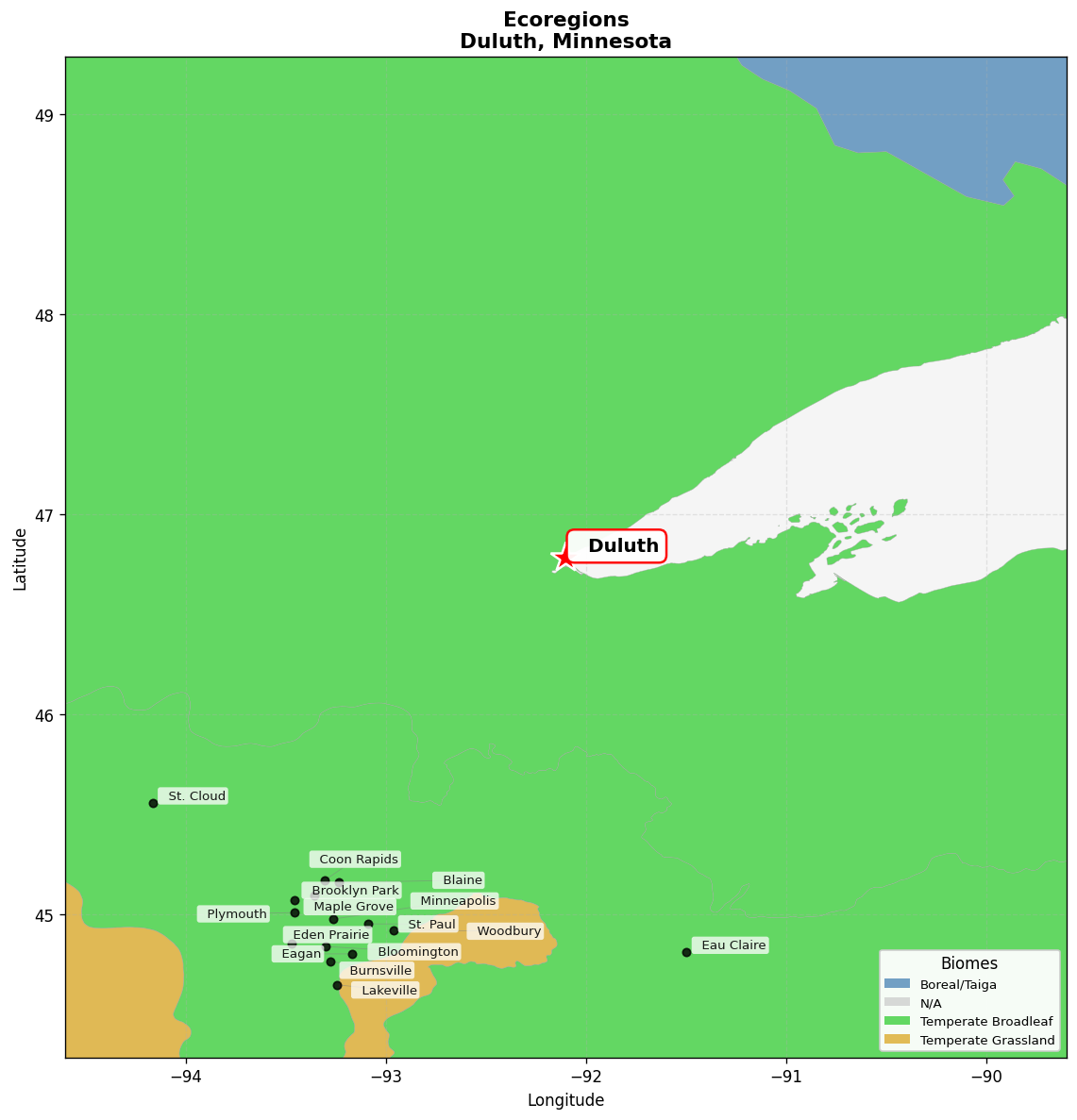
Western Great Lakes forests
Native ecoregionFrequently Asked Questions
How much does modern landscaping cost in Duluth?
Budget follows the size of the project and the materials, so collect a few local quotes before you decide. Hillside lots add cost for retaining walls and drainage.
Is a modern landscape low maintenance in Duluth?
Yes, with one big task: cutting grasses to a few inches in March or April. After that, mulch, weed the gravel areas twice a year and prune Cornus sericea 'Arctic Fire' to a third of its stems every spring to keep the red color. Heavy snow means some plowing and salt damage along driveways, so keep plantings back about 3 feet.
When is the best time to build a modern landscape in Duluth?
Hardscape is best built from late May through September, once the ground has thawed and dried. Plant grasses and shrubs in late spring and finish by mid-September. Order materials early, since contractors fill their seasons by spring.
Do I need a permit for landscaping in Duluth?
Planting on your own lot usually does not need one. On the boulevard, the city's Forestry FAQ says residents may not plant trees on the boulevard in front of their homes. Ask the city planning office about retaining walls, grading work, and anything near Lake Superior or a trout stream.
What modern plants survive Duluth's cold?
NOAA normals put the January average low at 2.4°F. Reliable cultivars include Calamagrostis × acutiflora 'Karl Foerster', Panicum virgatum 'Northwind', Sporobolus heterolepis, Thuja occidentalis 'Smaragd', Juniperus scopulorum 'Wichita Blue', Pinus mugo 'Slowmound' and Hydrangea paniculata 'Bobo'. Yucca and agave-style plants are marginal at best, so use sedums and Juniperus horizontalis 'Blue Chip' for a desert look.
How do I design for Duluth's slopes and snow?
Use terraces with steel or stone edging to break long slopes into usable steps, and add a crushed-stone drainage layer behind each wall. Keep paths at least 4 feet wide so a snowblower fits, and place evergreens and tall grasses where snow load can't bend them over a walkway.