4 Modern Landscape Ideas for Eugene, OR | Zone 8b Garden Design
Native plants from the Willamette Valley oak savanna (Zone 8b) — Mediterranean (warm summer) climate
Why Modern/Minimalist Gardens in Eugene?
Modern landscape design has a quieter but deeper foothold in Eugene than most people notice, because the city has the housing stock for it. The post-war ranches that fill Cal Young, Harlow, Churchill and Bethel, the mid-century houses tucked into Crest Drive and Laurel Hill Valley, and the flat-roofed contemporary builds going up around Mountaingate, Crescent Village and the upper South Hills all share the long horizontal roofline and deep overhang that clean-line landscape design exists to amplify. A 1960s Eugene ranch with its lawn removed, a field of gold gravel in its place and three corten-edged islands of foliage in front of it is not a Californian import - it is the most cost-effective thing you can do to a 1,400 square foot house on a 7,000 square foot lot. The South Hills add what the valley floor cannot: real grade, which turns a single board-formed concrete or corten retaining wall into the strongest architectural gesture on the street.
Eugene's climate is close to ideal for this style, provided you read the numbers properly. The city averages 40.83 inches of precipitation a year, but July brings 0.32 inches and August 0.39 - a real summer drought that lets Festuca glauca 'Elijah Blue', Calamagrostis x acutiflora 'Karl Foerster' and hardy agaves hold their form without irrigation from late June onward. Zone 8b winters, with lows of 15 to 20 degrees F, keep Yucca rostrata 'Sapphire Skies' and Arbutus unedo standing as sculpture through January. The two events to design around are recent and local: the June 2021 heat dome that took Eugene to 111 degrees F, and the January 2024 ice storm that snapped limbs across Lane County. Between them they argue for tough, low, non-brittle plantings and against fast-growing soft-wooded trees near the house.
The one thing that kills a modern Eugene garden is drainage, and it kills it in February rather than August. The valley floor runs to Amity, Dayton and Awbrey silt loams that hold a perched water table all winter; the South Hills sit on Jory and Bellpine silty clay loams, red clay over basalt. Every agave, Sempervivum, Sedum spathulifolium 'Cape Blanco' and blue fescue in the palette dies of cold saturated roots, never of frost, so the sculptural desert look here is built on raised beds of native soil cut 50/50 with quarter-minus crushed rock, topped with gravel rather than bark. Hardscape has its own local tax: at roughly 155 days a year with measurable rain, smooth-troweled concrete and dense porcelain grow moss and algae fast in north shade, so specify a broom or light sandblast finish, keep large paved areas out of the darkest corners and budget an annual clean. Frost depth here is shallow, but clay that swells wet and shrinks dry still needs a properly compacted crushed-rock base under every square foot of paving.
Two local rules and one local pest are worth knowing before you draw anything. Eugene bills a stormwater fee scaled to a property's impervious surface, so a permeable gravel court or open-jointed paver terrace costs less to own than the same area in solid concrete, and Oregon permits rooftop rainwater harvesting without a water right, which suits a modern cistern-and-drip setup. Street trees in the right-of-way need a free Urban Forestry permit to plant or remove, and retaining walls over four feet need a building permit - relevant on almost any sloped South Hills lot. The pest is emerald ash borer, first found on the West Coast in Oregon in 2022 and now working through the valley: do not plant ash, and if the mature tree anchoring your front yard is a Fraxinus latifolia, plan its succession now with Quercus garryana, Nyssa sylvatica or Acer rubrum 'Armstrong Gold' rather than after it dies.
4 Modern/Minimalist Design Ideas for Eugene

The Curved Walk Agave Front
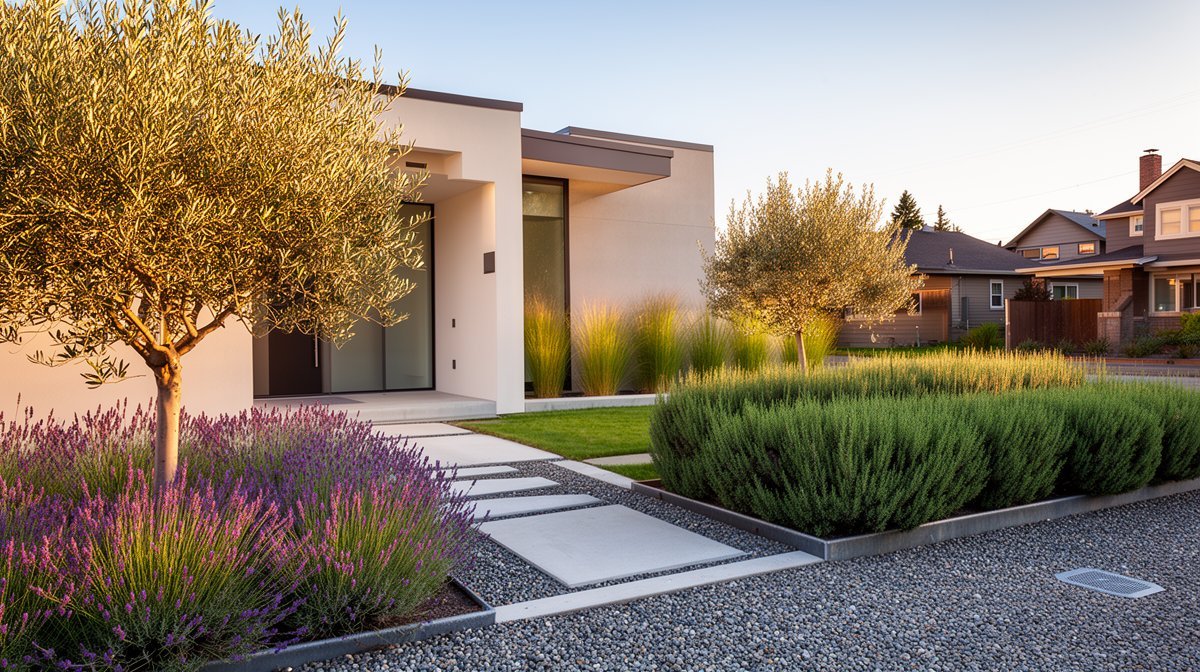
$16-30/sqftA flat-roofed single-storey contemporary in pale stucco with dark trim, a deep overhang and a two-storey corner window, and the landscape answers the architecture's straight lines with one long curve. A broad poured concrete walk sweeps from the driveway to the door in a single arc, splitting the front garden into two beds. Those beds are a deliberately short plant list repeated at scale: big blue-grey agave rosettes as the punctuation, drifts of fine tawny grass mounds as the connective tissue, a run of purple lavender on the right, one clipped green sphere by the door, all in dark mulch. Two low bollard lights sit at the path edge, small crisp lawn panels survive at either side, and a mature deciduous tree throws the whole facade into afternoon shade - which a west-facing Eugene living room genuinely needs in a 100 degree July week.

The Gravel Ranch Conversion
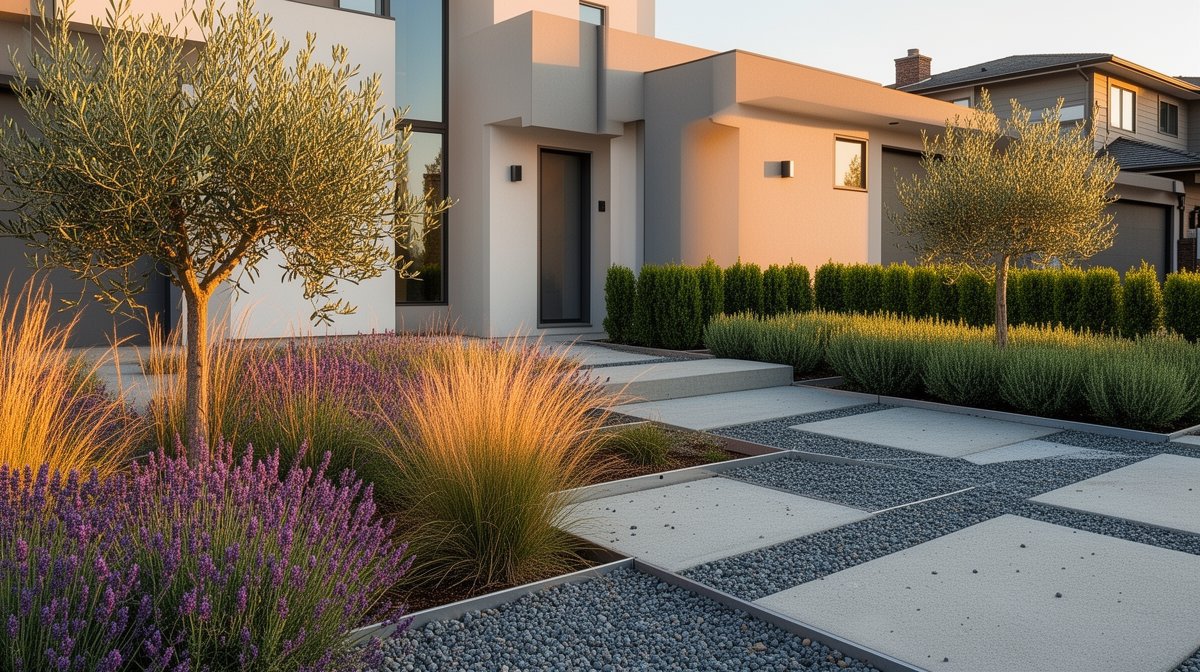
$9-18/sqftA 1960s Eugene ranch - horizontal lap siding, low-pitch roof, two-car garage, house numbers on the gable - with every square foot of front lawn gone. In its place is a field of warm gold pea gravel, and floating in it are three curved islands edged in weathered corten steel. Each island is planted as a single tight composition of rosette foliage in blue, burgundy and chartreuse with blue fescue tufts between, and taller plumed grasses rise against the house wall and around the base of the big existing shade tree. Nothing here is watered after June, nothing is mowed, and the whole thing was built for less than a mid-range patio. This is the single highest-return modern project in Eugene: the average residential lawn in the Willamette Valley drinks most of its annual water in July and August, exactly the two months that supply 0.71 inches of rain between them.

The Fire Bowl Lawn Room
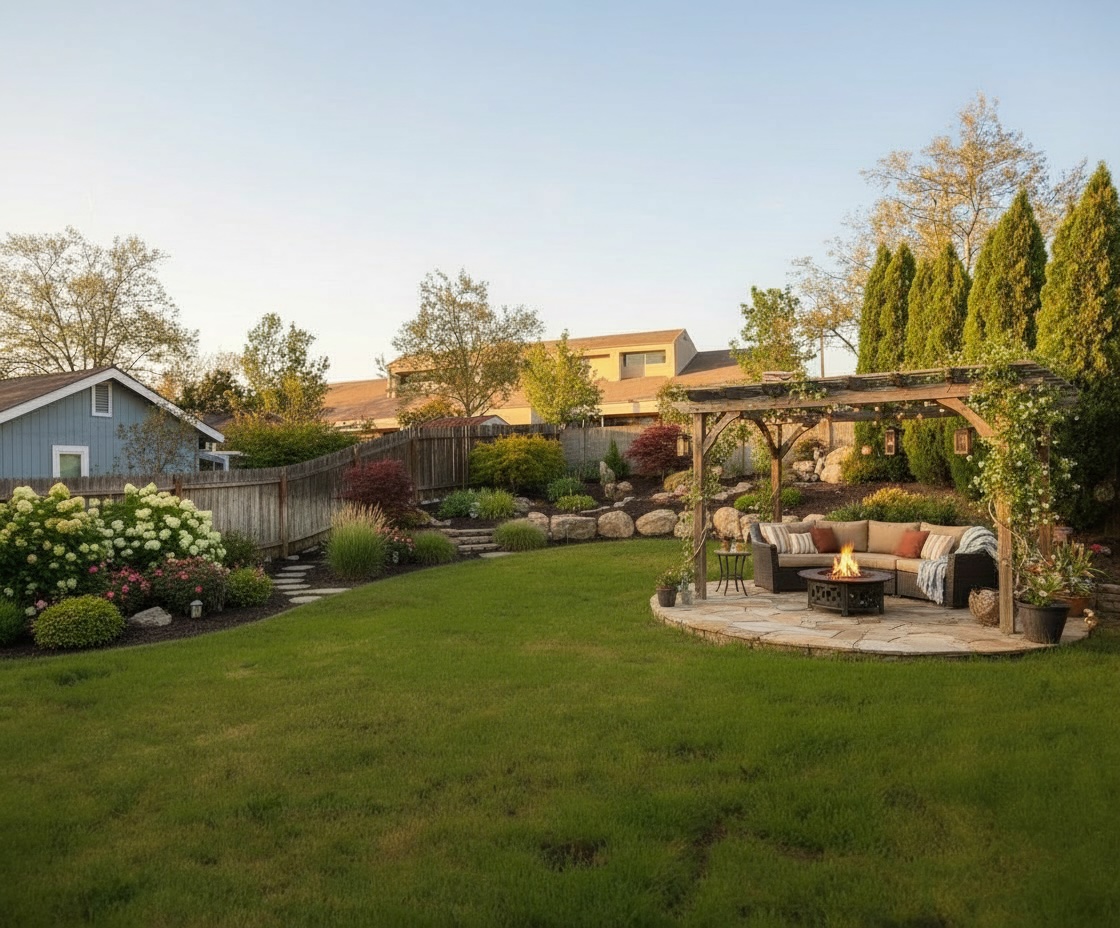
$20-38/sqftA square broom-finished concrete pad set like an island in the middle of a green back lawn, with two grey-framed sofas facing each other across a round concrete gas fire bowl. Cafe string lights run in long sweeps from the house eaves out across the yard, a young multi-stem tree stands in a small circular bed just behind the fire, and the pad's edges dissolve into planting rather than stopping at a hard line - tawny grass mounds, blue fescue, spikes of salvia and penstemon, red and pink flowers at the corners. Behind it a two-storey house glows through wide glass sliders under a covered rear porch. The design logic is Eugene-specific: the fire bowl is the whole reason this room works from late September through May, when the evenings are cool and damp and everything else outdoors has closed for the season.

The Douglas Fir Pool Terrace
$45-90/sqft (pool area inclusive)Dusk, and a two-storey flat-roofed modern house is lit from inside like a lantern behind a rectangular pool. The deck is large-format pale concrete paving laid with tight joints, running out around lounge chairs and a linear gas fire table. What makes the picture Eugene rather than Palm Springs is the back edge: a wall of mature Douglas fir rising behind a clipped dark hedge, uplit so the trunks read as columns. In-deck path lights mark the walking line, tall plumed grasses catch the last light in the foreground beds, and silver-blue mounds run along the pool coping. It is a restrained palette - pale stone, dark hedge, wheat and silver foliage, warm light - and the restraint is what makes it feel expensive without being busy.
See how a modern/minimalist garden looks on YOUR property
Upload a photo of your Eugene yard and visualize your dream garden in seconds.
Try ProScapeAI Free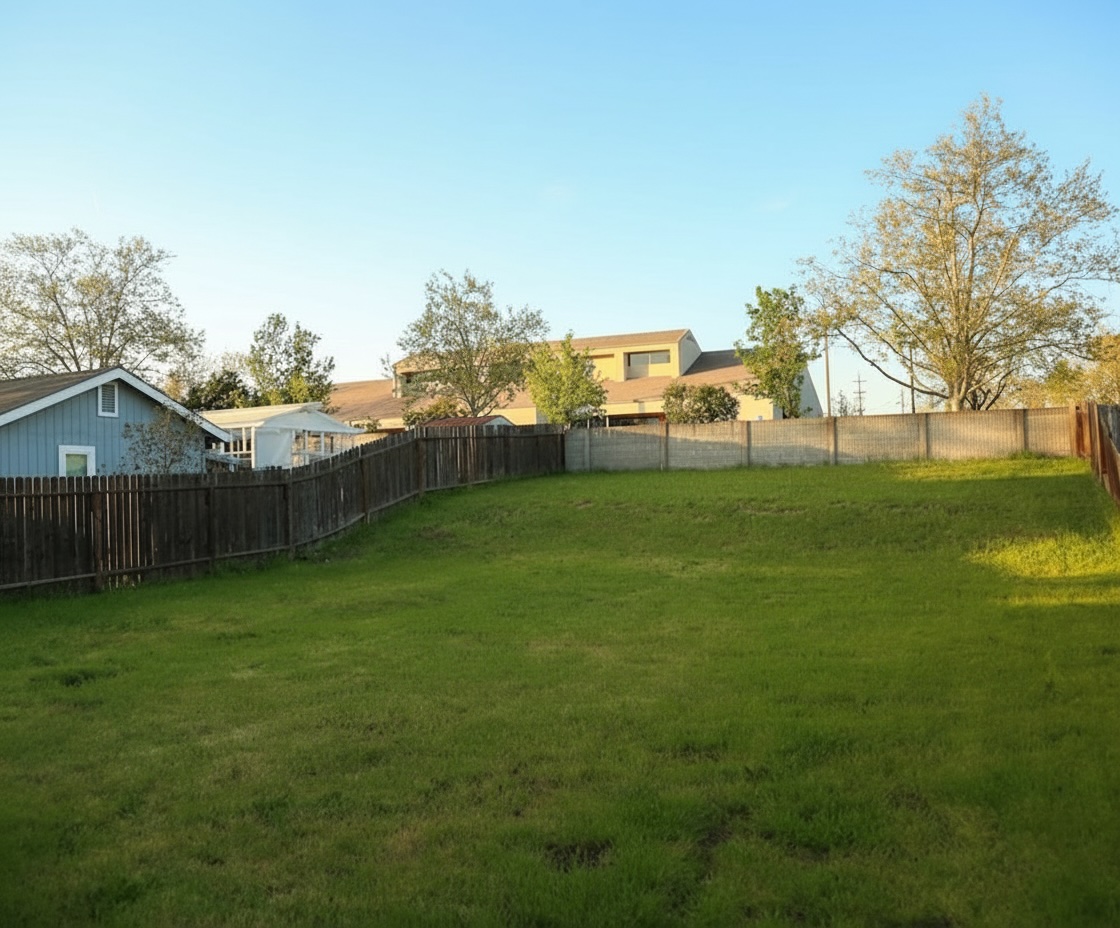
Featured Trees & Shrubs for Modern/Minimalist Gardens
Browse all 151 plants for Eugene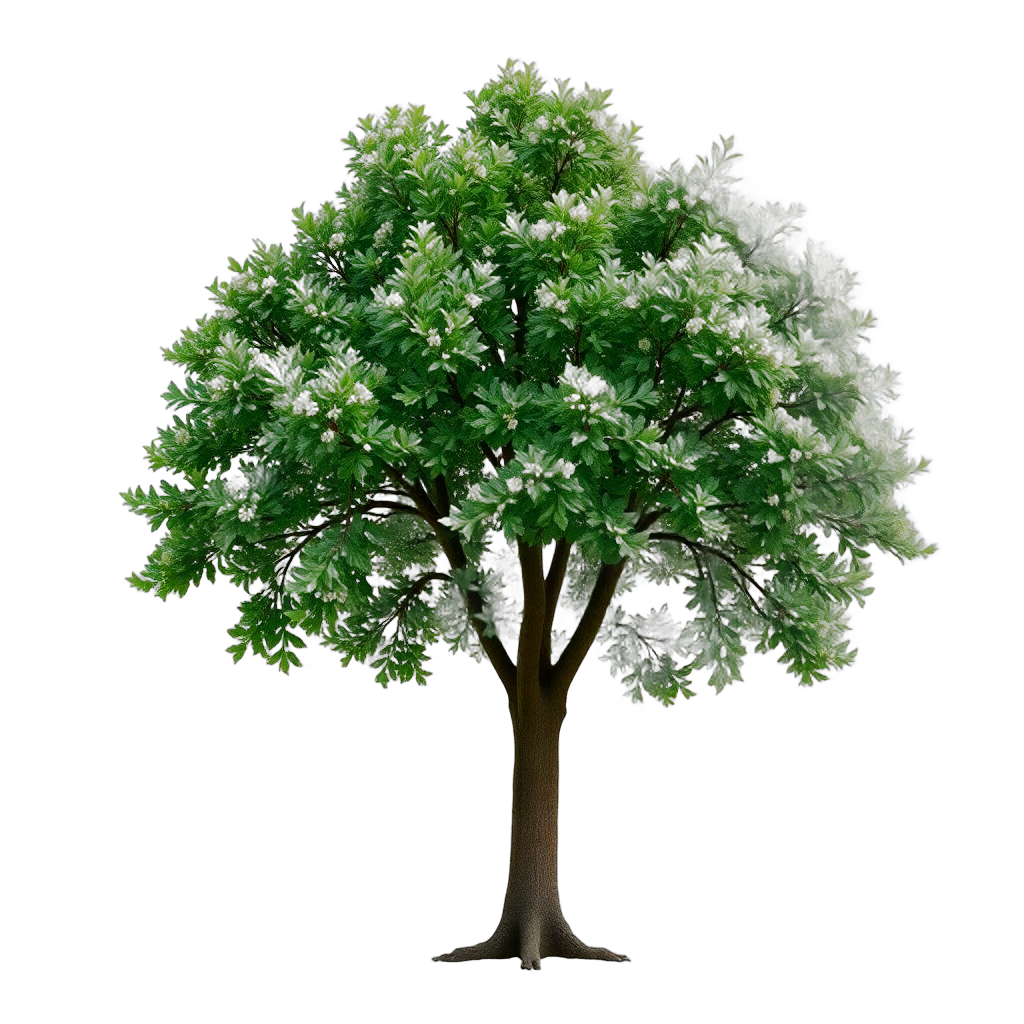
Oregon White Oak
Quercus garryana
large shade tree reaching 65+ feet, blooms in spring. Yellow fall color.
Featured Flowers & Perennials for Modern/Minimalist Gardens

Water Lettuce
Pistia stratiotes
low-growing ground cover, white blooms in summer. Evergreen year-round.

Tussock Sedge
Carex stricta
low-growing ground cover, blooms in spring. Brown fall color.

Umbrella Sedge
Cyperus alternifolius
grows to 4 feet, blooms in summer. Evergreen year-round.
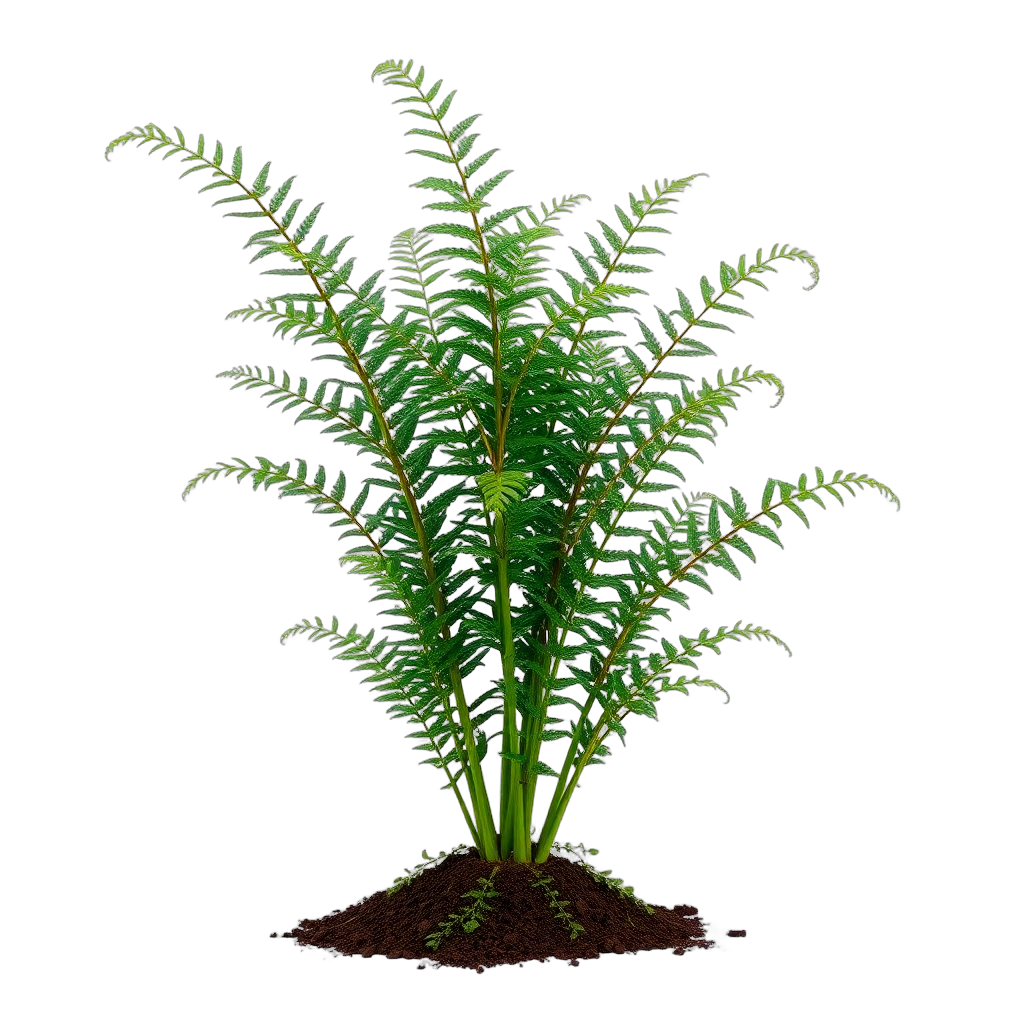
Deer Fern
Blechnum spicant
low-growing ground cover, blooms in none. Evergreen year-round.
Zone and sun checks come from our database — confirm with your local nursery before you buy.
Bloom Calendar for Eugene
spring
Oregon White Oak, Tussock Sedge, Austrian Speedwellsummer
Water Lettuce, Umbrella Sedge, Alpine Sea Hollyfall
Autumn Snakerootwinter
Limited bloomsDesign Tips for Eugene (Zone 8b)
- Build the sculptural beds up, never down. Eugene's 40.83 inches falls overwhelmingly November to March onto Amity, Dayton, Awbrey or Jory clay, so raise every agave, Yucca rostrata 'Sapphire Skies' and Sempervivum bed 10 to 14 inches on native soil cut 50/50 with quarter-minus crushed rock and mulch it with gravel rather than bark
- Choose a broom or sandblast finish for all concrete. At roughly 155 rain days a year, a smooth-troweled slab in north shade will be green with algae by its third winter, and a textured finish both grips wet feet and hides the inevitable
- Use Calamagrostis x acutiflora 'Karl Foerster' where a Californian designer would use Nassella tenuissima. It gives the same upright wheat-coloured verticals, it is sterile so it will not colonise your neighbour's beds, and it stands up through a Willamette Valley January instead of collapsing
- Plan for the two extremes Eugene has actually recorded. The June 2021 heat dome hit 111 degrees F and the January 2024 ice storm broke limbs across Lane County, so keep the palette low and tough, avoid brittle fast-growing trees close to glass, and retain the mature canopy that shades a west-facing wall in a heat event
- Do not plant ash, and plan the succession of the one you have. Emerald ash borer reached Oregon in 2022 and is moving through the valley; replace or under-plant Fraxinus latifolia now with Quercus garryana, Nyssa sylvatica or Acer rubrum 'Armstrong Gold' so the front yard is not suddenly treeless
- Zone the irrigation by plant type, then turn most of it off. Established Festuca glauca 'Elijah Blue', Muhlenbergia rigens and hardy agaves want nothing after June, while a retained lawn panel wants a lot; on one shared valve the dry plants get watered to death
- Light the foliage rather than the lawn. Eugene's Decembers are among the dimmest in the country, so in-grade uplights behind Calamagrostis, on a Yucca rostrata trunk or washing a Douglas fir backdrop buy far more usable evening presence than any amount of flower colour
- Borrow the Willamette Valley oak savanna for the low layer. Festuca roemeri, Eriophyllum lanatum, Sedum spathulifolium 'Cape Blanco' and Arctostaphylos densiflora 'Howard McMinn' are adapted to exactly this wet-winter, dry-summer cycle, need no irrigation once established and sit comfortably in a clean-line composition
Where to Source Plants in Eugene
Skip the big-box stores. These independent Eugene nurseries specialize in the plants that make modern/minimalist gardens thrive in Zone 8b.
Gray's Garden Center
West Eugene (W 6th Ave)
Independent Eugene retail nursery growing much of its own stock; reliable benches of Festuca, Calamagrostis, Yucca and Zone 8b structural shrubs and trees
Johnson Bros Garden Market
North Eugene (Coburg Road)
Second-generation family-run five-acre garden centre serving Eugene-Springfield for 35-plus years; the widest local run of grasses, sedums, sempervivums, shrubs and trees
Glenwood Corner Store Nursery
Glenwood (Franklin Blvd, between Eugene and Springfield)
Lane Forest Products' nursery yard: larger established trees, shrubs and vines alongside the round river rock, quarry rock, cobble and crushed base a gravel front yard needs, bought from one counter
Doak Creek Native Plant Nursery
South Eugene (Marlow Road)
Container-grown Willamette Valley oak-savanna and prairie species raised without herbicides or pesticides; the local source for Festuca roemeri, Eriophyllum and the dry native layer that needs no summer water
Eugene Backyard Farmer
Downtown Eugene (Washington Street)
Neighbourhood garden centre and feed store; seeds, starts, bulk soil amendments and compost for building the sharply drained beds a modern gravel planting depends on
Modern/Minimalist Landscaping Costs in Eugene
| Project Scope | Estimated Cost |
|---|---|
| Front-yard gravel conversion with corten islands (600 sqft) | $5,500 - $11,000 |
| Broom-finished concrete patio (250-400 sqft) | $7,000 - $18,000 |
| Concrete gas fire bowl plus cafe lighting, installed | $4,500 - $12,000 |
| Full backyard modern room with paving, planting, lighting and drip | $30,000 - $70,000 |
| Pool terrace with large-format decking and landscape lighting | $90,000 - $200,000 |
| Raised corten steel planter, fabricated and filled | $600 - $1,500 each |
| AI visualization with ProScapeAI | Free to start |
Estimates based on Eugene, OR-area contractor rates as of 2026. Actual costs vary by site conditions, materials, and contractor.
Eugene Climate & Growing Zone
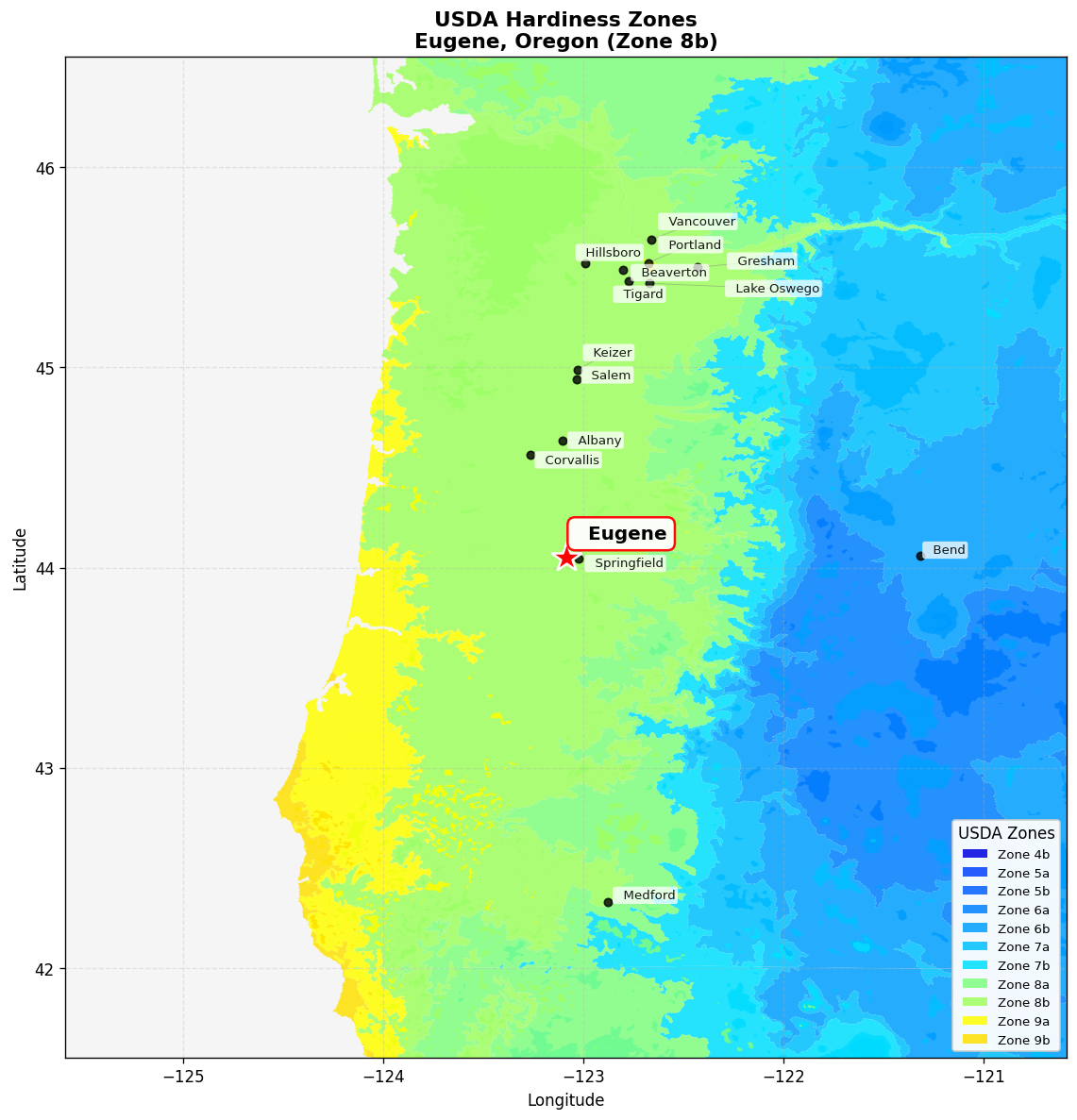
USDA Zone 8b
Hardiness zone for Eugene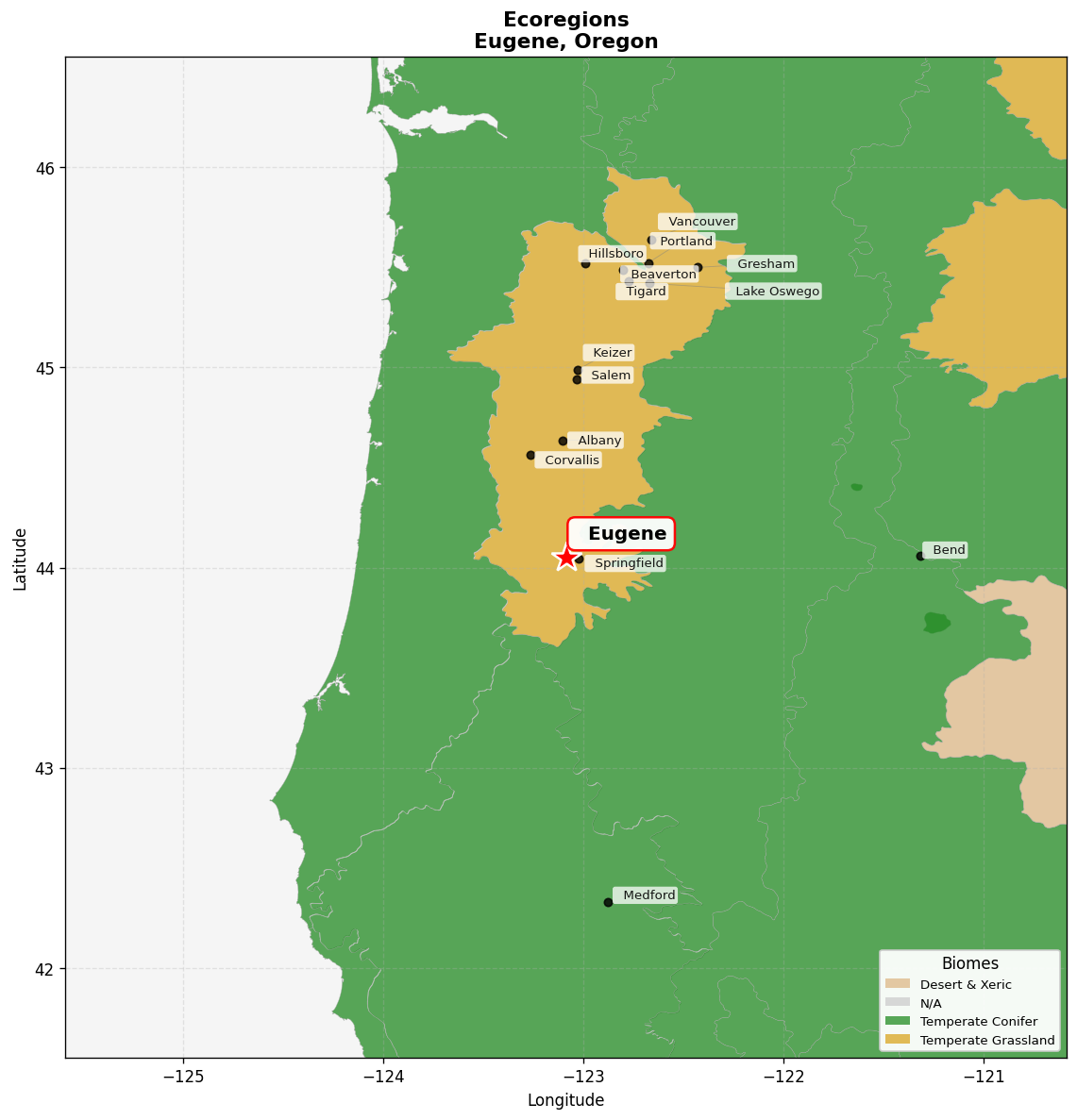
Willamette Valley oak savanna
Native ecoregionFrequently Asked Questions
How much does modern landscaping cost in Eugene?
A full front-yard gravel conversion - turf removal, compacted base, gold pea gravel field, corten island beds and planting - runs $9 to $18 per square foot installed, so $5,500 to $11,000 for a typical 600 square foot Eugene front yard. A broom-finished concrete patio with a gas fire bowl and cafe lighting lands between $14,000 and $32,000. A full backyard modern room with paving, planting, lighting and drip is $30,000 to $70,000, and a pool terrace on a South Hills lot commonly runs $90,000 to $200,000. Oregon labour rates sit above the national average, so the base preparation, drainage and hardscape carry the budget, not the plants: a 5 gallon Agave ovatifolia runs $70 to $140 locally and a 1 gallon Festuca glauca 'Elijah Blue' runs $10 to $16.
Can agaves and hardy succulents really survive Eugene winters?
Yes, and the limiting factor is water rather than temperature. Eugene's Zone 8b lows of 15 to 20 degrees F are well within range for Agave ovatifolia, Agave parryi var. truncata, Agave montana, Yucca rostrata 'Sapphire Skies' and Yucca filamentosa 'Color Guard'. What kills them is the 40.83 inches of annual precipitation, three quarters of which falls November to March onto clay that will not drain. Plant on a raised berm or in a raised steel planter, mix native soil 50/50 with quarter-minus crushed rock, mulch with gravel rather than bark so no organic matter sits against the crown, and angle the rosettes very slightly so water drains out of the centre. Sempervivum and Sedum spathulifolium 'Cape Blanco', a Pacific Northwest native, are the bulletproof choices; Echeveria is Zone 9 and is a summer swap-in only.
Which grasses work best in a Eugene modern garden?
Calamagrostis x acutiflora 'Karl Foerster' is the workhorse - strictly upright, sterile so it does not seed around, and it holds its wheat-coloured plumes through a wet Willamette Valley winter until you cut it in February. Sesleria autumnalis gives the low chartreuse-to-tawny mounds, Festuca glauca 'Elijah Blue' and 'Beyond Blue' give the silver punctuation, Panicum virgatum 'Northwind' and 'Shenandoah' add height, and Muhlenbergia rigens, the California deergrass, delivers the loose tawny fountains with zero summer water. Two cautions specific to this climate: Miscanthus sinensis self-sows readily in the valley so choose sterile or low-seeding selections such as 'Morning Light' and deadhead it, and Nassella tenuissima seeds aggressively enough that it is better replaced by Muhlenbergia rigens for the same effect.
Will concrete and pavers grow moss in Eugene?
Yes, and it is worth designing around rather than fighting later. With roughly 155 days a year carrying measurable rain and a long dim winter, any smooth hard surface in north-facing shade will green over within two or three seasons. Specify a broom or light sandblast finish rather than a smooth trowel, which both grips better when wet and hides early growth. Keep the largest paved areas where they get some winter sun, leave open joints or a gravel margin so surfaces dry faster, and budget an annual low-pressure wash in April - roughly $200 to $500 for a typical patio. Under every square foot of paving, compact a proper crushed-rock base of six to eight inches: frost depth is shallow here, but Amity and Jory clays swell in winter and shrink in August, and slabs poured onto bare soil will crack.
Should I remove my lawn in Eugene, and what does it save?
A cool-season lawn in Eugene is genuinely green and free from October to June, then needs essentially all of its annual irrigation in July and August, the two months that together deliver 0.71 inches of rain. Removing 600 square feet of turf typically cuts a summer EWEB water bill meaningfully and eliminates roughly 20 mowings a year. There is a second local benefit: the Willamette Valley is the grass seed capital of the world and grass pollen is a serious spring allergen here, so a gravel-and-foliage front yard is a health decision as much as an aesthetic one. The best compromise, and the one most Eugene modern gardens land on, is to keep a small crisp lawn panel as a green rectangle where people actually walk or play, and convert the rest.
When is the best time to build a modern landscape in Eugene?
For planting, October through mid-November is the strongest window - stock goes in with the returning rain, roots through a mild winter and is established before the dry season. Mid-March to late April is second best. Avoid planting after mid-June unless you are prepared to hand-water through a 0.32 inch July. For hardscape the calendar inverts: July through September is the reliable dry stretch for concrete pours, base compaction and paver setting, and winter work regularly stalls on saturated ground. Most Eugene projects therefore split - hardscape late summer, planting that same autumn - which also happens to be the sequence that avoids driving machinery across new beds.